How Do You Cover and Hide Car Scratches with DIY Methods?
That new scratch on your paint stares back at you every morning. I know the feeling-it’s frustrating, but you can make it disappear from your driveway.
I’ll show you paint touch-up for chips, polishing for light scratches, and temporary cosmetic fixes for quick coverage.
Try to hide it without the right steps, and you could etch the scratch deeper or ruin the surrounding paint.
First, The Scratch Test: What Kind of Scratch Are You Really Dealing With?
You see a scratch. Your heart sinks a little. Before you grab any bottle, do this one thing. Run your fingernail gently across the scratch. Does it catch? Does your nail drop into a groove? This is the fingernail test, and it tells you everything.
If your nail does not catch, the scratch is likely only in the clear coat, which means you have options. If it catches, you are dealing with a deeper cut that needs more than a quick wipe.
Think of your car’s paint like a layered cake. On top is the clear coat, a thin, hard, transparent layer that gives the shine and protection. Under that is the color coat, the paint you actually see. Below that is the primer, a sticky layer that helps the color stick to the metal body of the car. Finally, there is the bare metal itself.
Scratches fit into three main categories based on which layer they reach:
- Swirls and Marring: These are only in the clear coat. They look like fine spider webs in sunlight. They feel smooth to your fingernail. My black BMW 3 Series is covered in them if I look at it wrong. They are cosmetic and the easiest to fix.
- Light to Moderate Scratch: This scratch has cut through the clear coat and into the color layer. Your fingernail will catch on it. It feels like a definite groove. The color might look lighter or different inside the scratch line.
- Deep Scratch: This one is bad. It goes through the color and down to the primer or even the bare metal. It will feel rough and deep. You will often see a distinct white or gray line (the primer) or a silvery line (the metal). This exposes the car to rust.
Here is a key point many miss. A bottle of polish or a spray wax does not repair a scratch. For shallow clear-coat marks, it simply fills the microscopic gaps with oils or gloss agents to hide them from light. This is a temporary cosmetic fix that will wash away after a few rains or car washes. For any scratch your nail catches, polish cannot add missing paint back. It only cleans up the edges to make it less obvious.
The Right Tool for the Job: A Detailer’s Product Tier List
Not every scratch needs a pro shop. Match your method to the damage. For DIY car scratch repair, you can tackle many issues with basic tools. Here is how I break down the options, from a quick parking lot fix to a garage project.
Budget / Quick Fix Tier
This is for hiding minor flaws fast, or for cars where a perfect finish is not the goal. It is about making scratches less visible until you can do something more permanent.
- Scratch-Filling Spray Wax or Sealant: A spray-on product with fillers that glides over swirls and light scuffs. Great for a quick detail before selling a car or hiding door dings on a daily driver. It washes off. Use it only on clear-coat scratches.
- Colored Wax or Crayon: A wax stick matched to your paint color. You rub it into the scratch to fill and color it. It works okay for narrow, moderate scratches you can see but not feel deeply. It will chip and fade over time and needs frequent reapplication.
- All-in-One Polish (Cleaner Wax): A liquid or paste that has very mild abrasives to remove light oxidation and stubborn stains, plus protectants. It can clean up the edges of a light scratch, making it blend better. It will not fill or repair anything deep.
This tier is perfect for the scratches on my Honda Odyssey, the kid hauler, where a fast wipe-down to hide shopping cart marks is a win. The limitation is durability. These are cover-ups, not repairs.
Enthusiast / Proper Repair Tier
This is for DIYers ready to spend an afternoon with better tools. These methods aim for a semi-permanent fix that lasts years.
- Dedicated Touch-Up Paint Pen or Brush: This is real paint from your car’s manufacturer or a perfect match. It includes a base color and a clear coat. You carefully fill the scratch layer by layer. This is the correct fix for any scratch that reaches the color layer or deeper. It stops rust. The result is not perfectly smooth but is protected and color-matched.
- Machine Polishing Compound and Polish: Using a dual-action polisher with a cutting compound followed by a fine polish. This physically removes a tiny layer of clear coat to level out scratches. This is the only way to truly erase swirls and light clear-coat scratches, like the ones that plague my black BMW. It requires skill to avoid burning the paint.
- Light Wet-Sanding and Polish: For a moderate scratch you can feel, carefully sanding the area with very fine grit sandpaper (like 3000 grit) followed by heavy compounding and polishing. This is advanced and risks cutting too deep if you are not practiced.
The key here is patience and proper prep. Clean the area with isopropyl alcohol first. Make sure the scratch area is clean and properly prepared before repair. A clean, prepped surface yields the most durable, seamless results. These fixes are for light to moderate scratches where you want a lasting solution.
Show Car / Pro-Level Tier
This is for restoring a showpiece or addressing significant damage correctly. The goal is an invisible repair.
- Professional 2-Stage Paint Kit: A complete kit with primer, base color, and clear coat in separate bottles. You sand the scratch, apply primer, then color, then clear coat in multiple thin layers, sanding between coats. This replicates a body shop repair on a small scale. It is for deep scratches down to metal.
- Paint Correction and Ceramic Coating: After machine polishing the entire panel or car to perfection, you apply a ceramic sealant. This does not fix deep scratches but makes the entire surface so glossy and hydrophobic that minor flaws vanish. This is what I do for my Porsche 911’s paint protection film to keep it pristine.
- Spot Paint Blending System: Using an airbrush or specialized pen to spray a mist of paint over a touched-up area, blending the new paint into the old. This requires serious skill and a controlled environment to avoid overspray.
These methods demand the most time, investment, and steady hands. They are for the deep scratch on a classic car like my Miata, where a permanent, color-perfect repair is the only acceptable outcome. The limitation is complexity. A mistake here can make the problem worse.
How to Cover Up a Scratch with Polish and a Buffer (For Clear Coat Only)
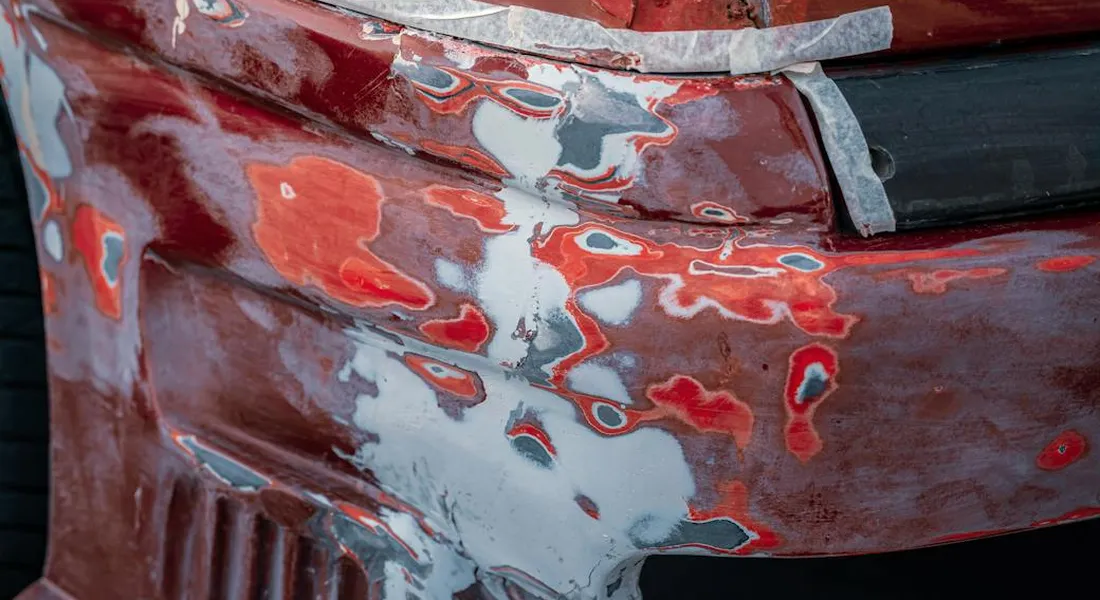
If the scratch you’re dealing with is white or light grey and you can’t feel it with your fingernail, you’re in luck. You are looking at clear coat damage. This is the layer of clear paint over your car’s color. Learning how to buffer a scratch on a car means you are removing a tiny amount of clear coat to level the surface and make the scratch vanish. This is the most satisfying fix in detailing. I do this all the time on my black BMW, the ultimate test for any polishing technique.
The Step-by-Step Polish Process
You cannot skip prep. Rushing here will turn a small scratch into a large swirled mess.
- Wash and Dry the Area. Use your normal two-bucket wash method on the entire panel. Any dirt left behind will become sandpaper under your buffer. Dry it completely with a clean microfiber towel.
- Tape Off the Area. Use painter’s tape to mask any plastic trim, badges, or rubber seals around your work area. Polish can stain these materials and is a pain to clean off.
- Choose Your Polish or Compound. This is the key decision.
- Compound: A more aggressive abrasive. Use this for deeper clear coat scratches or heavy oxidation. It will leave a hazy finish that must be followed with a polish.
- Polish: A finer abrasive. This is for light scratches, water spots, and restoring gloss after compounding. For most shallow scratches, a good polish is all you need. I keep both 3D One (a combo product) and Meguiar’s Ultimate Polish in my kit.
- Apply the Product.
By Hand: For a single scratch, this is often enough. Put a dime-sized amount of polish on a soft foam or microfiber applicator pad. Work it into the scratch using moderate pressure, moving your arm back and forth along the length of the scratch, not across it. Do this for about 30-45 seconds.
With a Machine (Buffer/Polisher): For larger areas or multiple scratches. Use a dual-action polisher, not a rotary unless you’re experienced. Apply a few dots of polish to a foam polishing pad. Spread the product on the paint at low speed (Speed 1 or 2), then increase to Speed 4 or 5. Move the machine slowly, overlapping your passes. Keep it flat.
- Inspect Your Work. Wipe off the residue with a clean, soft microfiber towel. This is where you check your progress.
- Remove All Residue. Switch to a fresh side of your towel or a new one to get every bit of polish dust off the paint.
- Protect the Fresh Paint. You just removed the protective top layer. Always seal your work with a spray wax, sealant, or ceramic detailer to protect the newly exposed clear coat. I hit it with a shot of my favorite spray sealant right away.
Technique Tweak: The Cross-Light Inspection
You cannot see your progress with overhead garage lights. You need a side angle light. I use a bright LED flashlight or even just the sun.
Shine the light across the paint at a very low angle, almost parallel to the surface. Every defect will cast a long shadow and become obvious. As you polish, stop frequently, wipe the area, and check with your cross-light. You will literally see the scratch get shorter and lighter until it disappears into the surrounding gloss. It’s the best feedback system you have.
For hand application, think of spreading smooth peanut butter. Use firm, consistent pressure and a steady, medium pace. Too fast and you won’t cut; too slow and you risk generating too much heat. Let the abrasives in the polish do the work.
A Critical Warning: Avoid the “Magic Eraser” Trap
You might see online “hacks” telling you to use a Mr. Clean Magic Eraser on car scratches. Do not do this. A Magic Eraser is melamine foam, a very hard, uncontrolled abrasive. Using a Magic Eraser on clear coat is like scrubbing your paint with ultra-fine sandpaper; it will create a dull, hazy patch of micro-scratches far worse than the original scratch. The damage it causes requires a machine polisher to fix. Stick with products designed for automotive finishes.
How to Use a Touch-Up Paint Pen or Kit (For Scratches Down to Color or Primer)
When a scratch has broken through your car’s clear coat, you need a different tool. Polishing will not bring the color back. This is where a quality touch-up paint pen or kit becomes your best friend for a permanent, protective repair. I use this method on my own vehicles, like filling in the inevitable rock chips on the hood of my F-150 or fixing a deep door ding on the BMW. If you’re dealing with paint scratches, learning how to repair car paint scratches at home can save time and money.
The Meticulous Step-by-Step Process
Rushing this job makes it look worse. The goal is not to paint over the scratch, but to fill it level with the surrounding surface. Here is how I do it.
- Clean the Area Thoroughly. Wash the entire panel first. Then, focus on the scratch itself. Soak a fresh microfiber cloth in 70% isopropyl alcohol (rubbing alcohol) and wipe directly over the scratch. This removes any leftover wax, grease, or road film. Let it evaporate completely.
- Prepare the Scratch Channel. Most pens have a metal abrasive tip or a separate prep tool. Gently, and I mean gently, drag this tip along the scratch. You are not sanding. You are just scuffing the inside edges of the scratch so the new paint can adhere. Blow away any dust.
- Apply the Paint in Micro-Thin Layers. Shake the pen vigorously for a full minute. Test the flow on a piece of cardboard. Now, using the finest brush or nib, apply a tiny dot of paint directly into the scratch. Do not paint the good clear coat around it. The rule is “less is more.” You want the paint to fill the scratch from the bottom up. One thin layer will look pathetic. That is correct. Let it dry for 15-20 minutes.
- Build it Up Slowly. Apply a second, equally thin layer. Let it dry. You may need three or four layers over an hour or two to fill the scratch just proud of the surface. Patience is the real tool here.
- Let it Cure Fully. This is the hardest part. The paint will feel dry in an hour, but it is soft underneath. For a durable repair, let it cure for at least 24-48 hours before you even think about the next step (sealing it with clear coat, if your kit includes it). Park the car in a garage if you can.
The Reality of Color Matching
You will not get a perfect match. Accept this now, and you will be happier with the result. Your car’s paint has faded from sun and weather. Fresh paint from a bottle has not. The aim is a close match that blends when viewed from a few feet away.
First, find your factory paint code. It is usually on a sticker in the driver’s door jamb, in the glovebox, or under the hood. It will be a combination of letters and numbers like “G1M” or “P8.”
You have two main options for getting the paint.
- Dealer / OEM Kits: These are mixed to the exact factory formula. They are often the most accurate for newer cars. They can be expensive and sometimes come with less paint.
- Aftermarket Kits (like Dr. ColorChip): These are my usual choice. They offer sophisticated color libraries and often include better application systems. Their “smear” method (which I will discuss) is unique. The value is generally better.
I learned this lesson on my black BMW. I bought a “universal black” touch-up pen from a parts store. In the shade, it looked okay. In direct sun, the repair looked dull grey next to the deep, reflective factory black. Always use your specific paint code.
FAQ: “Should I Wipe the Scratch Repair Pen on My Bumper?”
This refers to a common technique where you blob paint over a chip and immediately wipe the excess away with a solvent. I see this question all the time.
For a single, tiny stone chip on your bumper, this wipe method can work to get color in the hole quickly. For any actual scratch with length, I advise against it. The wiping action pulls most of the paint back out of the scratch, leaving it shallow and unprotected. It also smears paint over the surrounding clear coat, which you then must carefully clean off. For paint touch up bumper scratches, a more precise restoration approach is often needed. We’ll cover that process next.
A proper fill, layer by layer, creates a physical barrier in the scratch that seals out moisture and prevents rust. The wipe-on, wipe-off method does not. On my cars, I only use the fill method. It takes longer, but the repair lasts for years instead of months.
Temporary Tricks and What Dealers Use to Hide Scratches Fast
You see a used car on the lot with a mirror finish. The scratches are gone. I have helped friends sell their cars, and I know the secret. Dealers do not fix the paint. They hide it. They use a combination of heavy glazes, fillers, and spray waxes for a quick turnaround. This is all about speed, not durability. Real restoration means knowing how to repair deep scratches car paint, not just masking them. When done properly, you restore color depth and lasting gloss.
Heavy glazes are thick products loaded with oils and polymers. They fill in the tiny valleys of light scratches and swirls, making the surface look smooth. Filler compounds work similarly but for slightly deeper marks. A dealer will often apply a glaze by machine, wipe it off, and then blast the whole car with a spray wax for instant, dripping wet shine. This process creates a perfect-looking surface that lasts just long enough for a sale. On my Swirl Magnet BMW, I have used a heavy glaze before a car show to hide minor imperfections. It works for a day. The first rainstorm or wash strips it all away.
People get creative at home, too. Here are the most common DIY hacks, and what I think of them from my bench.
-
Clear Nail Polish as a Temporary Sealant
This is for one specific case: a scratch down to bare metal. The clear polish can seal out moisture to prevent a rust spot from forming. I have done this on the rocker of my 1995 Miata after a rock chip. It is an emergency patch, not a fix. It will dry cloudy and brittle, and you must sand it smooth before any real touch-up paint. -
WD-40 or Vaseline for a Quick Shine
Rubbing oil or petroleum jelly into a scratch makes it less visible by filling it. The effect lasts minutes. Then, that sticky residue attracts a layer of dirt and dust that is harder to clean than the original scratch. This is a parlor trick that makes your paint a dirt magnet. -
Black Wax on Black Cars
Colored waxes contain pigments that can darken the light lines of a scratch. On my Jet Black BMW, a product like this makes a scratch disappear instantly. It feels like magic. But it is just a filler. The colored wax sits in the scratch and washes out with your next shampoo, revealing the damage again.
Understand what these are. They are cosmetic, short-term covers. They wash away with the first good rain or a proper two-bucket wash. They offer no real protection from UV rays or contaminants. Use these tricks to hide a scratch for a photo, a sale, or a weekend event, but never mistake them for a repair. They are a band-aid, buying you time until you can do a proper polish or touch-up.
How to Avoid Scratches and Care for Your Paint After a Repair
You just put in the work to fix a scratch. The last thing you want is to make another one. Most scratches don’t happen from accidents. They happen from cleaning.
Learning how to avoid car scratches starts with changing how you wash it.
The Right Way to Wash
Think of dirt on your paint as fine sandpaper. Dragging a sponge over it grinds that sandpaper into the clear coat. My black BMW taught me this the hard way. It was covered in fine swirls when I got it.
The fix is simple. You separate the clean water from the dirty water.
- Use the Two-Bucket Method. One bucket has your shampoo mix. The other is just clean water for rinsing your wash mitt.
- Add Grit Guards to the bottom of both buckets. These traps sink to the bottom so you can’t pick them up again.
- Use a soft, high-pile microfiber wash mitt. It holds soap and lifts dirt away instead of grinding it.
Never use automatic brush washes. Those spinning brushes are filled with dirt from hundreds of other cars. They will leave swirl marks all over your paint. Touchless drives are okay for a quick rinse in winter, but they won’t get your car truly clean.
Caring for Your Touch-Up Repair
You touched up a chip or filled a scratch. The job isn’t over when the paint dries to the touch. It needs to cure fully, which can take a month or more.
Wait at least 30 days before you wash the repaired area with any pressure or apply wax or sealant over it.
Fresh paint stays soft for weeks. If you wax it too soon, you’ll trap solvents underneath and create a hazy, gummy mess. Just let it breathe. When you’re ready to wax a car with fresh paint, choose a wax product designed for new finishes. For now, give the paint time to cure before applying any wax.
After the full cure time, the touch-up paint will likely sit a bit high. You can carefully level it. Wrap a soft microfiber towel around a firm foam pad. Use a very fine finishing polish, not a heavy compound. Apply almost no pressure and work a small area for just a few passes. Wipe clean and check your work. The goal is to gently abrade the high spot of the repair, not cut into the surrounding factory clear coat.
Sealing the Deal
Once the repair is leveled and cured, you need to protect it. Do not just wax the spot you fixed.
Apply your chosen sealant or wax to the entire panel, from edge to edge.
This does two things. It creates a uniform layer of protection so the new paint isn’t the only shielded area. More importantly, it blends the finish optically. A fresh coat of wax on the whole hood or door makes the repaired spot virtually disappear to the eye, as the whole surface has the same deep, wet gloss.
I keep a bottle of spray wax in my garage for this. After every wash on my F-150 or the Odyssey, I give each panel a quick spritz and wipe. It takes two minutes and keeps that protective layer strong, hiding the little fixes and shielding the paint from the next batch of road salt or sap.
Special Cases: Alloy Wheels, Key Scratches, and When to Call a Pro
A curbed alloy wheel. A malicious key scratch down your door. These are the moments that test a car owner’s soul. The methods we discussed for paint scratches can work here, but these situations have their own harsh realities.
Scratched or Curbed Alloy Wheels
When people search to “hire car scratched alloy” or wonder about “hire car scratched alloy cost,” they usually already know. A DIY touch-up on a wheel is almost always a cosmetic band-aid. Wheels face extreme heat, constant impacts from debris, and corrosive brake dust. A professional refinish sands the entire face of the wheel, applies primer, color, and a durable clear coat designed for those conditions. It’s the only way to make damage truly disappear and last.
For a single, lightly scuffed wheel, professional repair typically runs between $150 and $250. It’s not cheap, but it’s permanent.
I keep a factory-matched wheel paint pen for my Porsche’s alloys. It’s not for a deep gouge. It’s for that tiny, hairline scratch you get changing a tire. You clean the area thoroughly, dab on the paint, and walk away knowing you’ve sealed it from corrosion. For anything you can feel deeply with a fingernail, a paint pen will only color it in-it won’t fix the texture or the structural weakness in the finish. Know the limit.
The Dreaded “Keyed” Scratch
A key scratch is a special kind of awful. It’s often a single, deliberate, and unnervingly straight line cut deep into the clear coat and color layer, sometimes down to the primer or bare metal. Its length makes it glaringly obvious. Removing or repairing key scratches requires special attention to detail.
Can you fix it yourself? Maybe, but probably not well. The depth is the first problem. If your fingernail catches in the groove, it’s too deep for polish alone. A touch-up kit will fill it, but on a long scratch, getting the paint to flow evenly and level flat is an art. The repair will likely be visible as a textured line upon close inspection.
My black BMW has a few of these from a previous owner. I attempted a touch-up on one. Under the garage lights, I can still see it. For a long, deep key scratch, a professional repaint of the entire panel is frequently the only path to true invisibility. They can sand, feather, and blend the new paint so the repair disappears into the original finish. This is a case where calling a pro early can save you money and frustration on wasted DIY products.
Knowing When to Stop: Time to Call a Professional
There is no shame in handing off a job. A good detailer or body shop will respect that you tried. You should stop and call a pro when you see any of the following:
- Rust or Corrosion is Present: This is the non-negotiable. If you see brown or orange in the scratch, it’s active. Surface prep is now 90% of the job. You must grind out all the rust, treat the metal, then prime and paint. Preventing rust on bare metal is critical for your car’s survival.
- The Damaged Area is Very Large: Trying to blend a DIY repair across a door or a hood is incredibly difficult. Professionals use spray equipment and blending techniques for a reason.
- The Scratch is on a Complex Curve or Body Line: These areas reflect light dramatically. Any slight imperfection in your repair will be magnified tenfold.
- You Simply Lack the Confidence or Tools: A shaky hand ruins a touch-up. If you don’t have a clean, dust-free, and well-lit space to work, the results will suffer. Good work requires the right environment.
Your goal is to protect your car’s value and appearance. Sometimes, the most professional thing you can do is recognize the job needs a professional.
Choosing the Right Path for Your Scratches
The most important lesson is that your repair method must match the scratch’s depth. Starting with the gentlest possible fix, like a polish for a surface mark, saves your clear coat and prevents you from doing more harm than good. For anything that catches your fingernail, a proper touch-up is the only real solution.
If you skip diagnosing the scratch and jump straight to a heavy compound or filler, you’ll often just make the area look worse, wasting time and materials. A quick review of paint compounding techniques for scratch removal helps you choose the right approach. This keeps the repair efficient and minimizes the risk of overdoing the finish.
Industry References
- r/howto on Reddit: How to cover up scratches on my car? 🙁
- 6 Ways To Repair Car Scratches At Home: DIY Tips And Tricks
- How to cover Up A Scratch On A Car – Miami Wrapping
- Ways to Cover Scratches: 10 Easy Ways for Black Car
- 8 Cool hacks to fix scratches on your car | Newport Motors
- How to cover scratches on your Car
Max Gunther
Max is an automotive enthusiast having worked as a car mechanical and in interior detailing service for over 25 years. He is very experienced in giving your old car, a new fresh vibe. He has detailed many cars and removed very tough smells and stains from all kinds of cars and models, always ensuring that his work and advice helps his customers. He brings his first hand experience to his blog AutoDetailPedia, to help readers breath new life into their car interiors.