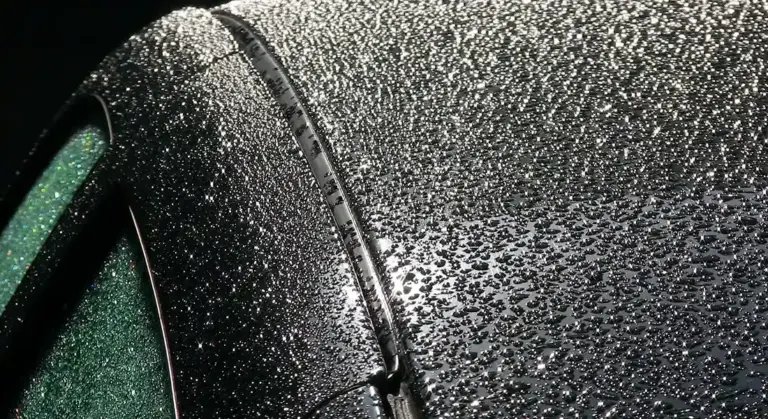
How Do You Shield Your Car’s Paint from Sun Damage and Fading?
You wash and wax, but the sun still bleaches your paint year after year, turning that deep shine into a flat, chalky mess.
I will show you how to block UV rays and preserve your paint’s color. We will cover paint protection film, ceramic coatings, spray sealants, and smart washing habits.
Do nothing, and your paint will oxidize, become brittle, and lose its glossy depth for good.
Key Takeaways: Your Quick-Start Guide
You have three main tools to fight the sun. Each one serves a different purpose.
- Paint Protection Film (PPF) is a physical, self-healing urethane skin. It stops rock chips and scratches first. Its UV resistance is a fantastic bonus. Think of it as a clear, thick bra for your paint.
- Ceramic Coatings are liquid polymers that chemically bond to your clear coat. They create an ultra-slick, hydrophobic layer that resists chemical stains, bird droppings, and UV radiation. They are your paint’s best chemical shield.
- Spray Sealants & Waxes are your maintenance warriors. They are easy to apply every few months. They add a sacrificial layer of gloss and protection on top of a coating or on bare paint. They are not permanent, but they are your first line of defense.
Nothing lasts forever. Here is what you can realistically expect from a professional-grade application.
- PPF: 5 to 10 years. High-quality film with proper installation and care can last the life of your ownership.
- Ceramic Coatings: 2 to 5 years. This depends heavily on the product tier and how many layers are applied. Consumer-grade sprays last about a year.
- Spray Sealants/Waxes: 3 to 6 months. These are for people who enjoy the ritual of frequent, easy protection.
You cannot lock defects under permanent protection. Paint correction is not optional, it is the critical first step. Applying PPF or a coating over swirls, water spots, or oxidation will simply preserve those flaws. The process is always: decontaminate the paint (iron remover, clay bar), then polish it to perfection. Only then do you apply your chosen shield.
Look at my own garage for real-world examples.
- The Porsche 911 (Red, the “Garage Queen”) has full front-end PPF. I did this because the car sees high speeds where rock chips are inevitable. The film’s self-healing properties keep the nose looking new, and the UV block keeps the red vibrant.
- The Tesla Model 3 (White, the “Modern EV”) wears a professional-grade ceramic coating. The flat front bumper is a bug graveyard. The coating makes cleaning those off trivial and prevents their acidic residue from etching the soft clear coat under the sun’s heat.
- The Ford F-150 (Dark Blue, the “Workhorse”) gets a spray-on ceramic sealant every three months. It lives outside and works hard. This method gives me serious UV and water-spotting protection without the high cost or commitment, perfect for a truck that earns its keep.
Understanding the Enemy: How Sun and Heat Fade Car Paint
Does the sun cause car paint to fade? Absolutely. It is the single greatest environmental threat to your car’s finish. The process is slow, so you might not notice it until your red car looks pink. It happens in two ways: light and heat.
UV radiation attacks the molecular bonds in your clear coat. Think of it like sunburn on skin. The clear coat gets dry, brittle, and chalky. This is called oxidation. You can feel it as a rough texture. Once the clear coat weakens, the UV rays reach the colored pigment layer beneath and start to break it down, too. The color loses its depth and vibrancy.
Heat accelerates everything. Your car’s metal skin expands in the sun and contracts at night. This constant thermal cycling creates microscopic cracks in the clear coat. These cracks let more UV light in. They also trap dirt, making the paint look dull. Parked in direct sun all day, your paint is essentially baking and cracking in slow motion.
Some colors show the damage more than others.
- Reds and Bright Blues: These fade the fastest. Their organic pigments are most vulnerable to UV light. My old Miata was the proof.
- Jet Black: While the color itself is stable, black shows every single swirl and scratch inflicted when washing a hot, dry, sun-baked surface. The fading appears as a hazy, grayish cast.
- Whites and Light Grays: They hide fading well, but the clear coat can yellow or turn dull over time. You lose that crisp, bright reflection.
My 1995 Mazda Miata, “the Restoration Project,” was a masterclass in sun damage. Its classic single-stage red paint had turned a chalky, pinkish-orange. There was no clear coat left to protect it. Restoring it required cutting all the dead, oxidized paint off to reveal the fresh red underneath. It was a drastic, hands-on lesson in what decades of sun can do without any protection.
What UV Rays Do to Clear Coat and Pigment
The science is simple. Your car’s paint, especially the clear coat, is made of polymers-long chains of molecules. UV radiation is high-energy light. It hits those chains and breaks them apart, a process called photodegradation, which contributes to fading of car paint.
When the polymers break down, the surface changes. It loses its smoothness and transparency. This is the chalky oxidation you see. Once the clear coat is compromised, the UV rays penetrate to the color layer, where they bleach and destroy the pigment molecules. This is irreversible without repainting or severe polishing.
You can see this clearly on older cars. The horizontal surfaces-hood, roof, trunk-that face the sun directly will be far more faded and chalky than the vertical sides. The roof might be pink while the doors are still red. That difference shows you exactly what constant, direct UV exposure does.
Why Heat Makes the Problem Worse
Heat supercharges the damage. Chemical reactions, like the breakdown of paint polymers, happen much faster at higher temperatures. A car sitting in 95-degree sun is undergoing paint degradation at an exponentially higher rate than one parked in a 70-degree garage.
Think of thermal cycling like bending a paperclip back and forth. Do it enough times, and it snaps. The constant expansion and contraction of your car’s paint and metal substrate from daily heating and cooling creates stress fractures. These micro-cracks become highways for UV light and contaminants.
Parking habits matter. I always tell people: seek the shade. A carport, a garage, or even the shadow of a building is a form of protection. It keeps the surface temperature dozens of degrees lower. If you must park outside long-term, a high-quality car cover is a worthy investment. It blocks both UV and heat buildup. The simple act of keeping your car cooler significantly extends the life of its finish.
Paint Protection Film (PPF): The Ultimate Physical Barrier
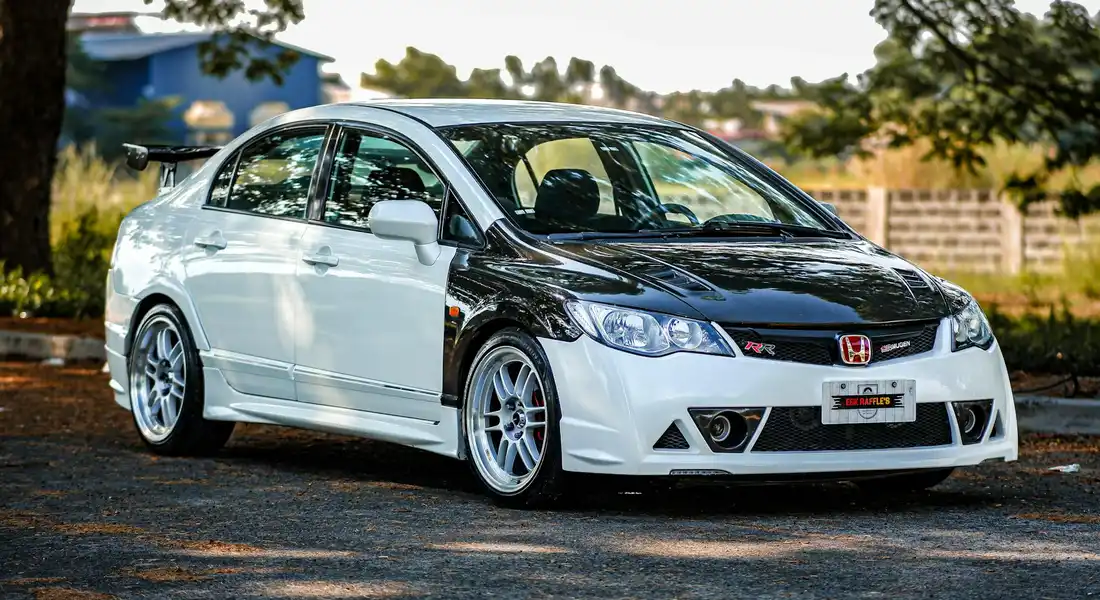
Think of Paint Protection Film as a second skin for your car. It’s a clear, flexible urethane sheet you apply over the paint. Modern films are incredible. They have a top coat that can self-heal minor swirls and scratches with just a bit of heat from the sun or warm water. This isn’t a sticky shelf liner. It’s advanced armor.
The benefits are direct. A quality film blocks over 99% of damaging UV rays, stopping fade in its tracks. It’s also a physical shield. Rock chips, bug acids that etch into clear coat, and light abrasion from brushes or debris simply hit the film instead of your paint. PPF is the single most effective way to prevent physical damage while also providing complete UV protection.
The process matters. You never install film on dirty or scratched paint. First, a thorough paint correction removes any existing swirls and defects. Applying film over scratches just locks them in forever. After correction, a professional installer will meticulously apply the film. They use a slip solution, squeegees, and heat guns to stretch and mold the film perfectly over every curve and body line.
People often ask, “what does car paint protection film cost?” For a professional full front-end kit (bumper, full hood, fenders, mirrors), expect $1,500 to $2,500. A full car wrap can range from $5,000 to $8,000 or more. This is why finding a reputable shop is key. Search for “car paint protection film near me” and look at their portfolio. Do they work on high-end cars? Are their edges wrapped and seams hidden? This skill separates a good install from a great one, especially when considering the cost difference between paint protection film and car wraps.
Race teams have used similar films for decades. When you see “how paint and coatings protect race cars,” the answer often involves thick, sacrificial films on leading edges to handle track debris at high speed. It’s the same principle for your street car.
My red Porsche 911 got a full front-end PPF install the week I bought it. The flat, wide front bumper is a bug and rock chip magnet. The film has taken several direct hits that would have chipped the paint down to the primer. Each time, I pour some warm water over the spot, and the film’s healing properties make the mark vanish. The peace of mind is worth every penny.
Full Wrap vs. Critical Area Coverage
You don’t always need to cover the whole car. Most damage happens on forward-facing surfaces. Critical area coverage, often called a “front-end package” or “partial wrap,” focuses on the high-impact zones: the full front bumper, the entire hood, the front fenders, side mirrors, and sometimes door edges or rocker panels. This strategic approach protects over 90% of the areas that typically get damaged, for a fraction of the cost of a full wrap.
A full wrap covers every painted panel. It’s for ultimate protection or if you want to change the car’s color with a colored film. The cost is significantly higher due to the amount of material and labor involved.
You might see DIY pre-cut kits online. They are templates for specific car models. I have tried them. They are unforgiving. A single piece of dust trapped underneath, a misaligned stretch, or a poor trim job ruins it. Professional custom installation, where the installer hand-cuts the film on the vehicle, allows for wrapped edges that seal out dirt and provide a seamless, invisible look. For a result you’ll live with for years, professional installation is the only path I recommend.
Maintenance and Lifespan of PPF
Caring for PPF is simple, but specific. Always use a pH-neutral car shampoo. Harsh soaps or dish detergent can degrade the film’s top coat and its self-healing properties. Wash with a soft microfiber mitt using the same two-bucket method you’d use on paint.
You can and should seal it. A spray ceramic sealant made for PPF or a dedicated film coating will add slickness and make cleaning easier. Avoid waxes or sealants with heavy oils or dyes. Regular maintenance with the right products keeps the film clear, hydrophobic, and fully functional.
A premium PPF typically comes with a 5 to 10 year warranty against yellowing, cracking, or peeling. Modern films are highly resistant to yellowing from UV exposure, which was a problem with older generations. The lifespan depends on the brand, installation quality, and your maintenance. When it’s time for removal, a professional can take it off without damaging the pristine paint underneath, which should look as good as the day it was applied.
Ceramic Coatings and Sealants: Durable Chemical Protection
Think of your car’s clear coat as skin. It needs sunscreen. A ceramic coating is like a super tough, semi permanent sunscreen you apply once. It uses silicon dioxide (SiO2) to form a hardened, glass like layer on your paint. Considering long-term protection? When you choose ceramic car coating, you opt for durable, easy-to-clean protection that lasts.
This layer bonds to the paint and provides serious defense against UV rays, chemical stains, and minor scratches. It is not a force field against rock chips, but it makes the paint much more resilient and far easier to keep clean.
How does it differ from other products? Let us put them side by side.
- Ceramic Coating: Lasts 2 to 5 years (or more). It is a professional grade liquid that cures into a hard shell. Application is a meticulous, day long process best done on perfect paint. The result is extreme gloss and a powerful hydrophobic (water beading) effect.
- Synthetic Sealant (Paint Sealant): Lasts 6 to 12 months. These are polymer based liquids or pastes. They offer excellent UV protection and durability, often outperforming wax. They are a great DIY project for a weekend. The gloss is sharp and reflective.
- Traditional Carnauba Wax: Lasts 4 to 12 weeks. It gives a deep, warm, “liquid” glow that many enthusiasts love. It feels fantastic to apply. But its UV protection is limited and it melts off easily in heat or strong rain. I use it on my Porsche 911 for that classic look, knowing I will reapply it often.
The main benefits are clear. First, UV resistance. A proper coating or sealant actively blocks the sun’s rays from breaking down your paint’s pigments and clear coat, which is the number one cause of fading. Second, that hydrophobic effect. Water, dirt, and grime struggle to stick, so your maintenance washes become faster and gentler. Bird droppings and bug splatter wipe away with less chance of etching the paint.
This brings us to common questions. For “car paint protection coating price,” expect a wide range. A professional application can cost from $800 to over $2,500, depending on your car’s size, the product used, and the paint correction needed beforehand. Do it yourself kits run from $50 to $200. When people search for “car paint protection products,” they are often overwhelmed. My advice: start simple with a spray sealant. It is a huge upgrade over basic wax with minimal effort. Finally, “a glaze car paint protection” is a mis nomer. A glaze is a finishing product filled with oils and fillers to mask light swirls and add depth before you apply wax or sealant. It offers zero lasting protection. A coating is the protection. Several car paint protection myths can mislead buyers. We’ll debunk these myths in the next section to help you choose wisely.
I coated my Tesla Model 3 myself. That white paint has a famously soft clear coat. It scratches if you look at it wrong. Applying a consumer grade ceramic coating was the best decision I made for it. The coating gave the soft paint a harder, more scratch resistant surface, and now bird bombs from the trees at the supercharger wipe off my hood with almost no pressure. It transformed the maintenance experience.
Professional Grade vs. Consumer Grade Coatings
The difference here is like restaurant kitchen equipment versus a great home cooktop. Both can make amazing food, but one is built for higher demand and longer service.
Professional grade coatings are typically higher in SiO2 content and other proprietary ingredients. They are formulated for maximum durability (often 5+ years), extreme chemical resistance, and the highest gloss. The trade off is that they have very short “flash times” where you must buff them off, and they demand a perfectly prepped, contaminant free, and often climate controlled environment to cure correctly. Applying one is a high stakes project.
Consumer grade coatings, often called “ceramic sprays” or “hybrid coatings,” are much more forgiving. They might last 1 to 2 years. Their application window is longer, sometimes up to several minutes. You can apply them in a garage without perfect humidity control. The result is 80% of the professional benefit for 20% of the stress.
The single most critical factor for any coating, regardless of grade, is paint preparation. Coating a dirty or swirled paint surface is like putting a glass screen protector over a scratched phone screen. You just lock in the flaws. The paint must be thoroughly decontaminated (washed, clay barred, iron remover used) and polished to your desired level of perfection. This prep work is what you are really paying for with a professional installer. On my black BMW, I spent 12 hours just on paint correction before the coating ever came out of the bottle.
How to Apply a Spray Sealant for Quarterly Protection
This is your easiest win. A good spray sealant applied every 3 to 4 months will give you fantastic UV protection and slickness. It is what I use on my Honda Odyssey, the family hauler that needs robust, low fuss care.
Here is how you do it.
- Wash and Dry Completely: Start with a clean car. Use the two bucket method. Rinse thoroughly. Dry every panel with a clean, soft drying towel until no water beads remain. Work in the shade on a cool surface.
- Spray onto the Panel or Towel: For most products, you can spray 2 to 3 times directly onto a section of the paint (like half the hood). For others, especially on hot days, it is better to spray 3 to 4 times onto your application towel first. Check the product label.
- Spread Thin and Even: Using a fresh, soft microfiber applicator pad or towel, spread the product over the entire panel in straight lines or circular motions. You should see a thin, oily film. Do not let it pool or drip.
- Buff to a Shine: Immediately, or after it hazes (check the bottle), take a clean, dry, premium microfiber towel and buff the panel until all residue is gone and the shine is clear. Flip your towel often to a clean side.
Work one panel at a time. Roof, hood, doors, then bumpers. Do not apply in direct, hot sun. The product can dry too fast and become difficult to remove.
For product types, I have favorites for different budgets. For a premium option that acts almost like a coating, look for a “ceramic infused” spray sealant. They offer the best durability and beading. For a superb mid range all rounder, a pure synthetic polymer sealant in a spray form is unbeatable. It will give you 6 months of great protection. Even a basic “spray wax with sealant” from a reputable brand is a major upgrade over a paste wax and takes only 20 minutes to do the whole car.
Making this a quarterly habit, right after a thorough wash, is the simplest way to build a strong, consistent shield against the sun.
Other Protective Methods and Daily Habits
The best paint protection in the world can be undone by bad habits. Think of your daily routine as the first line of defense. It is where the fight against the sun is really won. Everyday exposures—pollution, acid rain, and road grime—can still threaten the finish, so smart habits help protect car paint from environmental damage.
My grey Honda Odyssey, the kid hauler, is a perfect example. It rarely gets a full weekend detail. But it never goes without some form of protection. For a vehicle like this, affordable and fast options are everything.
A simple spray wax or a detail spray with UV inhibitors applied every other wash adds a crucial sacrificial layer. It is like putting on a light sweater before heading out. It is not a winter coat, but it is far better than nothing.
Where you park matters more than you think. A garage or carport is the ultimate shield. If you do not have one, seek shade. The difference between a spot in the open sun and under a tree is hundreds of degrees of surface temperature over a summer. A good windshield sunshade is a non-negotiable purchase for your dashboard and steering wheel.
All this protection means nothing if you wash your car wrong. Scratching a protected surface is like putting a bulletproof vest over a wound. You must keep the paint clean without marring it. Use the two-bucket method with grit guards. Never use dish soap, which strips protection. Use a dedicated car wash shampoo that is gentle on waxes and sealants.
Keeping your paint from fading is a combination of a strong base defense, like a coating or film, and smart daily routines that preserve it.
The Role of Regular Waxes and Quick Detailers
These are your maintenance soldiers. They are not permanent. They wear away from washing, weather, and sun exposure, which is exactly what you want. They sacrifice themselves so your paint does not have to.
Think of a traditional paste wax, like a classic carnauba. It gives a deep, warm glow and decent protection for a month or two. Applying it is a bit of a workout. You put it on, let it haze, and buff it off. The result is beautiful but requires more time.
Now, compare that to a modern hybrid spray sealant. I use these on the Odyssey after most washes. You spray it onto a clean, wet panel and immediately dry the car with a clean microfiber towel. It leaves behind a slick layer of synthetic protection that can last three to six months. It takes five minutes.
For daily protection, a spray sealant is the most efficient tool you can own; it offers serious defense for very little effort.
The key is consistency. Pick a product you will actually use. Applying a quick detailer with UV blockers every two weeks is better than applying a boutique paste wax once and forgetting about it for a year.
Smart Parking and Using a Car Cover
A parked car is a vulnerable car. Your parking strategy is free paint protection. Always choose shade. If you have a garage, use it. If you have a carport, you are already ahead. For street parking, I will sometimes walk an extra block to get my black BMW under the canopy of a large tree.
A quality car cover is a powerful tool, but it is a double-edged sword. You must use it correctly.
Only use a breathable, soft-lined cover designed for outdoor use. A plastic tarp will trap moisture and bake your paint. A good cover will shield against UV rays, tree sap, and bird droppings.
Never, ever put a cover on a dirty car. This is the biggest mistake I see. That layer of dust and grit becomes sandpaper under the cover. The slightest wind will grind it into your clear coat, creating a spiderweb of fine scratches. The car must be perfectly clean before the cover goes on.
Because of this, I only recommend a cover for a clean car that will be sitting for a week or more. It is perfect for the weekend project car or the Porsche 911 that sees limited drives. For a daily driver, the hassle and risk of scratching often outweigh the sun protection benefits. For that, consistent waxing and smart parking are safer bets.
Paint Damage Prevention: Common Mistakes to Avoid
Getting protection on your car is a great step. But what you do before and after matters just as much. I see the same errors pop up all the time, online and in my own driveway. These mistakes can waste your money and leave your paint worse off. The goal is to shield your paint, not trap problems under a permanent layer or strip away the shield you just paid for. Let’s talk about the big ones.
You see questions like this all over car paint protection forums: “Why does my ceramic coating look hazy?” or “My PPF has bubbles and dirt specks underneath, can I fix it?” or the classic, “I waxed my car and now it has these weird streaks that won’t come off.” These are almost always prep or application errors. My advice comes from making a few of these mistakes myself, early on.
Washing in Direct Sunlight or with Harsh Soaps
This is the most common error, and I get it. Sometimes the sun is out and you just want to wash your car. I’ve done it. The result is always the same: a frustrating fight with water spots. Here’s why it happens. When water and soap hit hot panels, they evaporate almost instantly. This leaves behind the minerals and impurities that were in the water, baked right onto your paint or your new coating. They etch into the surface.
Harsh soaps, like dish detergent or strong all-purpose cleaners, are another enemy. They are designed to strip grease and oils. That means they will also strip the protective polymers and silicones right out of your wax, sealant, or even degrade a coating over time. You’re literally washing away the protection you worked for.
- Wash early in the morning or late in the evening when the car is cool and in full shade.
- If you must wash in the sun, work panel by panel. Rinse and dry each section immediately before moving on.
- Use a dedicated car wash shampoo. These are pH-balanced to clean without stripping protection. I keep a gallon of a simple, slick wash for my fleet.
Think of it like sunscreen. You wouldn’t apply it and then immediately scrub it off with strong soap. Your car’s protection needs the same care.
Applying Film or Coating to Dirty or Damaged Paint
This is the critical step. Paint Protection Film (PPF) and ceramic coatings are not magic erasers. They are transparent shields. If you apply them over swirls, scratches, or contamination, you will permanently lock those defects in place, making them more visible and impossible to remove without removing the protection itself. It’s like putting a brand-new, perfectly clear piece of glass over a dirty, scratched table. You’ll see every flaw.
My Jet Black BMW 3 Series is the perfect cautionary tale. Black paint shows everything. When I first got it, it was covered in fine swirls from automatic car washes. If I had coated it right then, those holograms would have been my car’s permanent finish. Instead, I spent a full day on paint correction-claying, compounding, polishing-to get the paint flawless. Only then did a coating make sense.
The process is non-negotiable:
- Decontaminate: Wash thoroughly, then use an iron remover spray (it turns purple as it dissolves brake dust) and a clay bar or synthetic clay mitt. This pulls out embedded particles that washing alone misses.
- Correct: This is where you remove scratches and swirls. For a coating, you need a finish that is as perfect as you want it to be for the next several years. For PPF, the installer will do this, but the paint must be 100% clean.
- Final Wipe: Use a high-quality surface prep solution (isopropyl alcohol mix) to remove every last trace of oils, polishes, and fingerprints. This gives the film or coating a perfectly clean surface to bond to.
Skipping these steps is the number one reason for DIY coating failure or a subpar professional PPF install. The protection is only as good as the surface underneath it.
Choosing Your Protection: A Product Tier List
Your car’s lifestyle dictates the best defense. Not every vehicle needs a five-year coating, and a weekend spray can do wonders. I categorize car paint protection products by the budget and time you’re willing to commit, from a quick spritz to a full armor suit.
Tier 1: Budget-Friendly / Drive-Through Maintenance
This is for daily drivers, commuters, and family haulers like my grey Honda Odyssey. The goal is simple, fast, and effective UV blocking. You can find great car paint protection spray options that add a shield in minutes after a wash.
Your monthly routine should include a rinseless wash and a spray protectant. A rinseless wash uses little water and encapsulates dirt safely, perfect for apartments or water restrictions. Follow it immediately with a spray wax or hybrid ceramic detailer.
Reliable products in this tier focus on ease and solid sun defense without a major time investment.
- Spray Wax/Detailer: Griot’s Garage 3-in-1 Ceramic Spray Wax or Meguiar’s Hybrid Ceramic Detailer. These spray on, wipe off, and leave a slick layer that fights UV rays and contaminants. I use them on my F-150’s hood for a quick refresh.
- Rinseless Wash: Optimum No Rinse (ONR) or P&S Absolute. Mix with water in a bucket. It cleans deeply without a hose and leaves behind polymers that shine.
For the car paint protection cost here, you’re looking at about $50-$75 to start, with each wash costing pennies. It takes 30 minutes every two to four weeks. This routine keeps oxidation at bay and makes your car easier to clean.
Tier 2: Enthusiast-Grade / Weekend Project
You care about that deep gloss and are ready for a full day of work. This tier is for my black BMW 3 Series or your cherished garage-kept sedan. We move past sprays to longer-lasting bonds.
The options are premium synthetic sealants, consumer-grade ceramic coatings, and DIY paint protection film (PPF) kits. Your success depends entirely on paint preparation, which means a full decontamination and often a light polish to remove defects.
- Premium Sealants: Products like Jescar Power Lock+ or Gyeon CanCoat. These are liquid polymers you apply by hand. They last 6-12 months, bead water fiercely, and offer excellent UV protection. They are forgiving for beginners.
- Consumer Ceramic Coatings: Gtechniq Crystal Serum Lite or CarPro Cquartz UK 3.0. These are the real deal in a DIY bottle. They require meticulous application, a perfectly clean and cool surface, and about 48 hours of curing away from moisture. They can last 2-3 years.
- DIY PPF Kits: Companies sell pre-cut kits for hoods, bumpers, and mirrors. Installing them is a serious test of patience. You need a squeegee, spray bottle with slip solution, and a very, very clean garage.
Expect to invest $100-$300 in products and tools like a dual-action polisher. The time commitment is a full weekend. The skill level is intermediate. If your paint has swirls, you must polish them out first, or you’ll seal them in forever.
Tier 3: Show Car / Professional Installation
This is for the red Porsche 911 in my garage or a vehicle you plan to preserve for decades. You are paying for maximum defense and flawless installation. The primary answers for “car paint protection near me” are shops specializing in these services.
The two champions here are professional-grade Paint Protection Film and multi-year ceramic coatings. Full-frontal PPF (bumper, hood, fenders, mirrors) is the single best physical barrier against rock chips, bug acids, and sun fading. A full-vehicle wrap is the ultimate protection.
Multi-year professional coatings (5+ years) are thicker, more resilient versions of the DIY kits. They are often applied over corrected paint and sometimes under PPF for a dual-layer defense.
Vetting a shop is critical. Do not just pick the cheapest quote.
- Ask to see previous work in person, especially on edges and complex curves.
- Check for manufacturer certifications (XPEL, STEK, Gtechniq, etc.).
- Get a clear, written warranty document. A 10-year warranty is standard for good PPF.
- A professional detailer will always insist on a paint correction before applying any coating or film. If they don’t mention it, walk away.
The car paint protection cost here reflects the labor and material quality. Full-frontal PPF starts around $2,000. A full car coating can range from $1,500 to over $3,000. It is a significant investment for a near-permanent result compared to using car covers for paint protection.
Your Paint’s Lifeline Against the Sun
The most critical advice is to apply a physical barrier like Paint Protection Film to horizontal surfaces. Combine that with a quality ceramic coating for chemical resistance, and maintain both with gentle, pH-neutral washes to lock in the protection.
Without this shield, your paint will oxidize into a chalky, faded shell, just like the hood of my old Miata before I restored it.
Further Reading & Sources
- r/AutoDetailing on Reddit: What is the cheapest way to protect from UV/sun damage?
- How to Protect Car from Sun Damage | Chemical Guys
- How to Protect Car Paint From Sun in an Open Parking Lot | Toyota of North Charlotte
- Protect Car Paint from Sun Damage
Max Gunther
Max is an automotive enthusiast having worked as a car mechanical and in interior detailing service for over 25 years. He is very experienced in giving your old car, a new fresh vibe. He has detailed many cars and removed very tough smells and stains from all kinds of cars and models, always ensuring that his work and advice helps his customers. He brings his first hand experience to his blog AutoDetailPedia, to help readers breath new life into their car interiors.