Should You Paint or Vinyl Wrap Your Car? A Cost and Benefit Guide
Seeing your car’s dull or damaged finish can make you anxious about the price tag for fixing it, especially when torn between a full repaint and a vinyl wrap.
Based on my years in the detailing bay, this article will give you a clear, practical breakdown. We will cover typical price ranges for both options, how each protects your car’s surface, the customization flexibility of wraps, and which choice makes sense for your specific vehicle and situation.
Choose blindly, and you risk spending thousands on a solution that doesn’t last or protect your investment.
Key Takeaways: Paint or Wrap?
Here is the simple truth. A vinyl wrap is almost always cheaper to buy and install than a full repaint. It is a temporary, protective layer you put over your factory paint. A full repaint is a permanent, invasive procedure with a much higher starting cost.
- Wrapping Pros: Lower upfront cost, completely reversible, protects the original paint underneath, massive variety of colors and finishes (gloss, matte, chrome).
- Painting Pros: A permanent, traditional finish, can repair rust and major dents during the process, can feel more substantial to the touch.
My quick advice is this: if you want a color change for 3-5 years on a car with good, undamaged paint, wrap it. If your paint is severely damaged or you want a forever change for a classic car, paint it.
Paint vs. Wrap: A Detailer’s Quick Snapshot
When a customer asks me this, I give them what I call the “shop talk” summary. It cuts through the noise. This table is what I’d scribble on a notepad for you.
| Factor | Vinyl Wrap | Full Repaint |
|---|---|---|
| Typical Cost Range | $2,500 – $5,000+ | $5,000 – $10,000+ |
| Project Duration | 2-5 days | 1-3 weeks |
| Expected Lifespan | 3-7 years | 10+ years |
| Underlying Paint Condition | Must be sound and smooth | Can repair major damage |
| Effect on Resale Value | Neutral to slightly positive (if removed cleanly) | Can be positive or negative (poor job hurts value) |
Remember, these are averages for a midsize sedan or SUV. The math changes with size. Wrapping my 2018 Ford F-150 costs more in material than wrapping my 1995 Mazda Miata. A paint job on that Porsche 911? The price skyrockets due to labor for disassembly and precision.
The ranges exist because of three things: the cost of materials, the intensity of the labor, and the size of your vehicle. Let’s look at what you are really paying for in each process.
What Really Drives the Cost of a New Color?
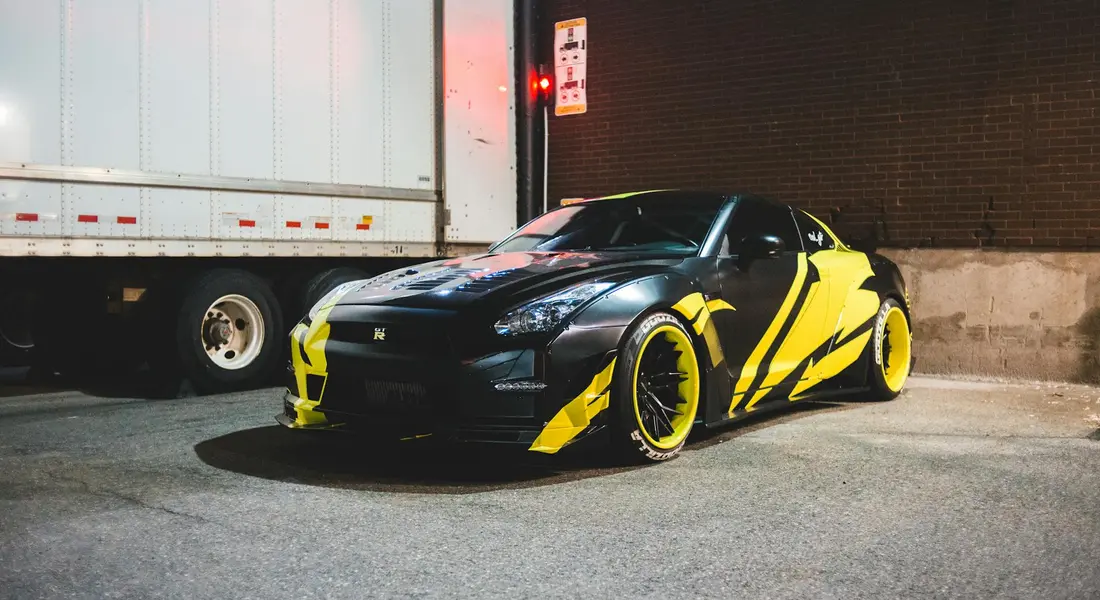
Both painting and wrapping demand a huge amount of labor. The price tag comes from the hours spent, but the nature of the work is completely different. A proper, lasting paint job is a destructive process. It requires stripping the factory finish down to bare metal or primer. A wrap is non-destructive, but it needs the existing paint to be absolutely flawless. Think of it as the difference between building a new foundation versus meticulously cleaning and sealing an existing one.
Wrapping a car means bonding to the paint you already have, so every speck of dirt, every swirl, and every chip will show through the vinyl if you don’t fix it first. A full paint correction is almost always required before a wrap goes on, which is labor you must account for. With paint, that correction step is replaced by the more intensive work of sanding and sealing. Note that car wraps damage paint, revealing or worsening pre-existing damage if the surface isn’t properly prepared. A wrap is not a fix for damaged paint; poor prep can lead to adhesion failures and further damage.
Your Car’s Size, Shape, and Current Condition
The vehicle itself is the biggest variable. Wrapping a flat hood or a simple door panel is straightforward. A front bumper, with its sharp ridges, tight corners, and recesses for sensors, is a puzzle. Each complex curve requires more skill, more heat to soften the vinyl, and more time to stretch and trim without wrinkles. My 1995 Miata, with its gentle, rounded fenders, is a wrapper’s dream. My BMW, with its sharp character lines and complex side skirts, asks for more patience and a higher quote.
Rust, dents, or peeling clear coat change everything. For a paint job, those issues are part of the prep work, but they add significant cost in body labor and materials. For a wrap, they are often deal-breakers. You cannot successfully wrap over rust or a deep dent. The vinyl will not adhere properly and will highlight the flaw. Major body damage must be repaired and painted before you can even consider a vinyl wrap, effectively making you pay for both services.
The Labor: Artisan vs. Technician
A master painter is like a chemist and an artist. They mix custom tints, control spray guns in a dust-free booth, manage flash times, and often wet-sand between coats for a glassy finish. The final clear coat might be baked on. It’s a messy, toxic, and irreversible process that demands a perfect environment.
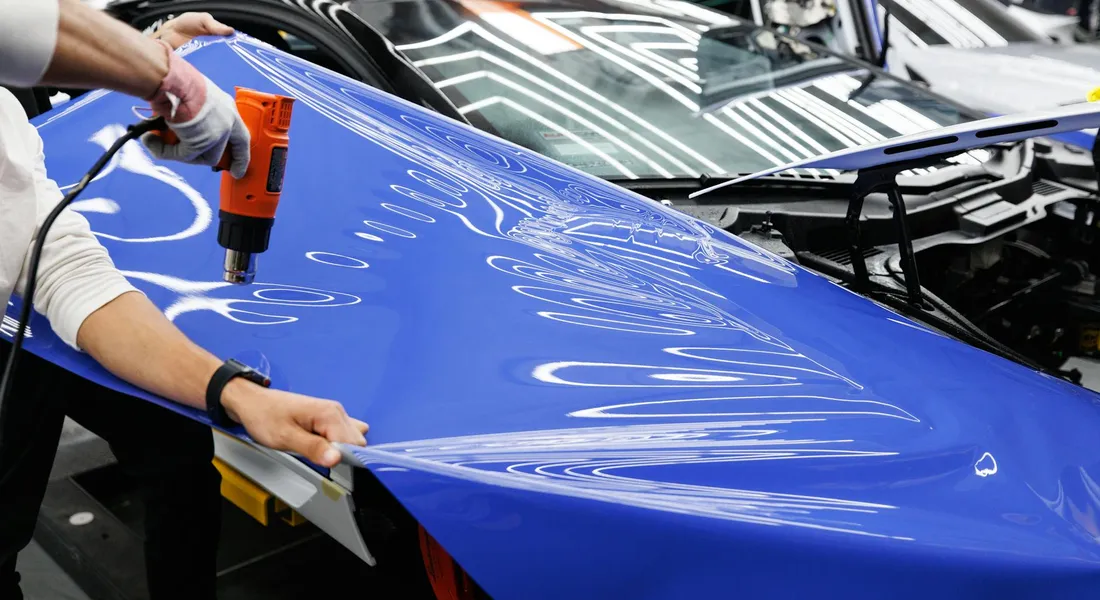
A vinyl installer is a precision technician. They digitally plot patterns, use heat guns to make the film pliable, and stretch it with careful hand pressure over contours before trimming edges with a sharp blade. It’s a clean process focused on patience and geometry.
This difference explains why a cheap paint job fails. To save money, shops skip steps. They might not remove trim, they’ll “scuff and shoot” over old paint without proper stripping, or they use a thin, low-quality clear coat that yellows or fails in a year. A cheap wrap fails because the installer rushes, uses too much heat causing discoloration, or leaves dirt underneath, creating bubbles.
While wrapping is often less expensive, a high-end custom wrap with chrome, brushed metal, or a complex color-shift design can require so much labor and material that its cost meets or exceeds that of a solid mid-tier paint job.
Material Quality and Brand
Paint quality has a massive range. A single-stage paint (color and gloss in one) is less expensive but offers less depth and protection. A base coat/clear coat system is standard, with the clear coat providing the shine and defense against UV rays. The top tier now includes ceramic-infused clear coats, which offer superior hardness and chemical resistance but come at a premium.
Vinyl follows a similar path. Economy calendared films are thicker and less conformable, best for flat signs, not complex car curves. Premium cast vinyl is thinner, more flexible, and has memory that allows it to conform to tough shapes without lifting. It’s what professionals use for full vehicle wraps.
Then you have the specialty films. Color-shift chromes, textured satin, matte finishes, and carbon fiber patterns cost more. Brands like 3M, Avery Dennison, and Oracal are the trusted names. A professional-grade cast vinyl from these brands typically carries a 3 to 5-year warranty against fading and cracking, a guarantee built into the price. Using a no-name film might save money upfront but risks adhesive failure, color fading in months, and damage to your paint during removal.
Breaking Down the Numbers: Does it Cost More to Paint or Wrap a Car?
For a complete, professional job, painting a car costs more than wrapping it. The difference is not small. A full, high quality vinyl wrap typically costs half to two thirds of what you would pay for a similar caliber paint job. The reason lies in the materials used and the massive amount of skilled labor each process demands. Let’s look at where your money actually goes.
The True Cost of a Quality Repaint
I often see shock on people’s faces when they get a quote for a proper paint job. It is not just spraying color over the old coat. It is a complete restoration of the surface. The process is long, messy, and requires a controlled environment.
The main costs break down into two huge buckets: materials and labor.
- Materials: This is not just a can of paint. You need primer, multiple layers of base color, a high quality clear coat, masking tape, and a small mountain of sandpaper in various grits. For modern multi stage or pearl paints, the material cost alone is significant.
- Labor: This is the real budget killer. Proper prep is 80% of the job. Labor includes: removing trim, door handles, and sometimes lights; sanding the entire vehicle down to a perfect, smooth foundation; meticulous masking; spraying in a dedicated, dust free booth; wet sanding and polishing the new clear coat; and finally, reassembling everything. A shop needs many days of a skilled technician’s time.
Here is what you can realistically expect to pay in the current market:
- Economy / “Budget” Shop: $1,000 – $3,000. This often means minimal disassembly, less prep work (sanding over imperfections), and may use lower grade materials. The finish may look good from 10 feet away but often lacks depth and longevity. You see this on my F 150’s original bed, where the factory paint chipped and a quick respray was done. It looks okay, but it does not match the luster of the cab.
- Quality Shop (The Sweet Spot): $5,000 – $8,000. This is where you get a complete, lasting job on a daily driver or a nice weekend car. Full disassembly, thorough prep, good materials, and a skilled painter. The difference in shine and durability is night and day compared to the budget option.
- Show Quality / Concours Level: $10,000 and up, way up. Every millimeter is perfected. Paint is applied in a surgically clean environment, often with custom mixed colors, and finished to a glass like perfection. This is for garage queens, like the Porsche, where the goal is flawless reflection.
Remember, a “paint vs wrap cost near me” search will show you regional differences. Shop rates in major cities or affluent areas are higher. A rural shop might charge less for the same labor hours, but their material costs are largely the same.
The Real Price of a Professional Vinyl Wrap
Wrapping is also a skilled trade, but it follows a different logic. The material cost is higher per square foot than paint, but the labor intensity, while still high, is different. It is about precision cutting and stretching, not sanding and spraying.
Here is where the money goes for a wrap:
- Vinyl Film: Sold by the roll. A standard color change film (like 3M or Avery Dennison) has a set cost. Premium films like chromes, satin finishes, or color shifting patterns can cost two to three times more. You need enough to cover every panel, plus extra for complex bumps and curves.
- Tools & Software: A professional shop uses a plotter and design software to precisely cut pieces for emblems, vents, and complex body lines. This reduces waste and installation time.
- Labor: This is all about the installer’s skill. Labor covers: thorough cleaning and decontamination of the paint (a step I never skip on my own cars), precision cutting and application, heat forming the film around edges, and meticulous trimming. A full wrap is typically a two to three day job for a skilled installer.
Current market price ranges look like this:
- Partial Wrap / Accents: $500 – $1,500. This covers a hood, roof, or mirrors. It is a great way to add a racing stripe or a black roof without a huge commitment.
- Full Wrap (Standard Color): $2,500 – $4,000. This is the most common package for a complete color change. It protects your factory paint and gives you a dramatic new look that lasts 3 7 years with proper care.
- Full Wrap (Premium Film): $4,000 – $7,000+. Using a chrome, ultra gloss, or complex finish film bumps the price due to both material cost and the increased difficulty of installation. These films can be less forgiving to work with.
The same regional logic applies globally. If you search “paint vs wrap cost Australia” or “NSW,” you will find the same tiered pricing structure. Labor rates in Sydney will differ from a shop in a smaller town. Import costs can sometimes make premium vinyl films slightly more expensive in certain regions, but the overall cost relationship to paint remains.
Durability Showdown: Does Car Wrap Last Longer Than Paint?
No, a vinyl wrap does not last longer than factory paint. A quality paint job is a permanent part of your car’s body. But that’s not the full story. The real question is what each one protects your car from. Think of wrap not as a replacement for paint, but as a protective cover you put over a valuable book; the cover takes the daily wear so the pages underneath stay perfect. The vinyl wrap lifespan is a practical consideration. With proper care, it can last several years, though climate and wear influence longevity.
Paint’s Long-Term Strengths and Weaknesses
Factory paint, when applied correctly, is fused to the metal. It is meant to last the life of the vehicle. My 1995 Mazda Miata is proof. Its single-stage red paint was completely oxidized, looking pink and chalky. Through careful compounding and polishing, I brought that 30-year-old coating back to a deep, glossy red. You can do that with paint. You cannot do that with vinyl.
Modern clear coats, like the one on my Tesla Model 3, are incredibly tough. They resist chemicals, bird droppings, and UV rays for years. But they have clear enemies.
- Chips and Deep Scratches: Gravel, road debris, and keys can cut right through the clear coat and color layers down to the primer or metal. This is paint’s biggest weakness.
- UV Oxidation and Fading: Over many years, constant sun exposure can break down the clear coat, making it look dull and hazy. Dark colors, like my Jet Black BMW, show this quickly.
- Swirls and Holograms: These are shallow scratches in the clear coat from improper washing. They ruin gloss but can always be polished out, which is a key strength.
A well-maintained paint job can look new for decades, but it requires constant defense against the world.
Vinyl Wrap as a Protective Sacrificial Layer
This is where wrap shines. You apply a high-grade vinyl film directly over your perfect factory paint. Now, the film takes the hits instead.
Vinyl is excellent at resisting the small stuff that ruins a detailer’s day. It handles light scratches from car wash brushes, shopping carts, and fingernails. It blocks 100% of UV rays, completely stopping paint fade. It also protects against tree sap, bird droppings, and minor chemical stains, giving you more time to clean them off safely.
But vinyl has different enemies. It is a plastic film, after all.
- Sharp Impacts and Tears: A sharp rock or a deep scratch can puncture the vinyl. While it might have saved the paint, the film itself is now damaged.
- Edge Lifting: If the installation isn’t perfect, or from constant pressure washing, edges can start to peel. This requires professional attention to re-seal.
- Brittleness from Weather: After 3 to 5 years, depending on climate and care, vinyl will become less flexible and more prone to cracking. It has a planned lifespan.
The best analogy is a high-end tempered glass screen protector for your phone. You apply it once to preserve the pristine screen underneath. It gets scratched and scuffed so your phone doesn’t. When it’s too marred, you replace it, revealing the perfect surface below. That is the core function of a paint protection wrap.
The Professional Motorsport Example: Are F1 or NASCAR Cars Painted or Wrapped?
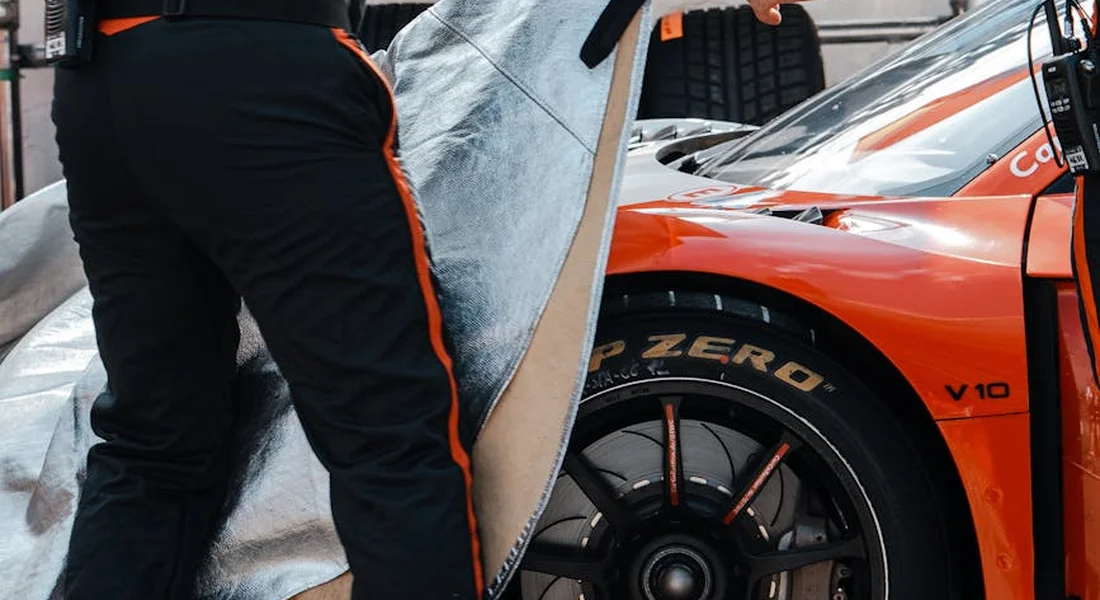
They are wrapped. Almost entirely. Look at any Formula 1 or NASCAR vehicle; that complex livery of colors and sponsor logos is a vinyl wrap. This fact often surprises people and tells us a lot about vinyl’s capabilities.
Teams use wrap for three big reasons that matter to them, and two that matter to you.
- Speed of Change: Sponsors change. Liveries get updated. A team can completely re-skin a car with new colors and graphics in a day or two, something impossible with paint in a racing schedule.
- Weight Savings: A full vinyl wrap weighs significantly less than multiple layers of paint, primer, and clear coat. In racing, every gram counts.
- Material Compatibility: These chassis are carbon fiber, not steel. They don’t need paint for rust protection, so a functional skin makes more sense.
This proves vinyl is durable enough for the most extreme conditions: 200+ mph speeds, tire debris, and intense heat. But it also highlights its primary role in that world: a temporary, changeable skin for a purpose-built machine. For your street car, it offers that same race-proven durability as a protective layer, with the bonus of letting you change your car’s color without a single drop of paint.
Feel and Finish: The Look and Touch of Paint vs. Vinyl
Close your eyes and run your hand over the hood of a car. What you feel tells the whole story. A fresh, professional paint job, like the red on my Porsche, has a liquid quality. The light doesn’t just reflect off the surface; it sinks in and comes back out, creating a deep, wet-looking gloss you can almost feel. A high-gloss vinyl wrap, on the other hand, presents a perfect, uniform sheen. It’s like the difference between a still pond and a polished marble countertop. Both are beautiful, but one has depth and the other has flawless consistency.
Modern premium gloss wraps are incredible. From ten feet away, even a trained eye can be fooled. The technology has come that far. But get up close, under the right light, and the story changes.
The Gloss and Depth Factor
The magic of paint is in the clear coat. It’s a liquid layer that flows and settles, creating a microscopically smooth and thick barrier over the color. This is what gives paint its “depth.” You’re seeing light reflect from the color layer *through* a clear, protective gel. Vinyl, being a solid plastic film, sits on top of the surface and cannot physically recreate this layered, liquid depth.
Gloss wraps are very, very shiny. But run your fingernail lightly across it. You might feel a very slight texture from the vinyl’s grain or the adhesive layer underneath. Now, do the same on a properly polished and sealed paint surface, like the hood of my black BMW after a correction. It feels like glass. This textural difference is the final tell. For daily drivers and most projects, a gloss wrap looks phenomenal. For show cars or garage queens where ultimate reflection is the goal, paint still wins.
Texture and Specialty Finishes
This is where wrapping runs circles around paint, both in cost and practicality. Want your grey Honda Odyssey to have a matte army green finish? A full custom paint job in matte would be astronomically expensive and a nightmare to maintain and repair. A matte vinyl wrap achieves that look perfectly and uniformly for a fraction of the price.
Wraps open a world of finishes that are impractical with paint:
- Satin: A smooth, velvet-like finish that’s between gloss and matte. It feels incredible to the touch and hides minor swirls well.
- Chrome & Brushed Metals: Achievable with paint only through complex, toxic, and expensive processes. Vinyl makes it a viable option.
- Carbon Fiber: Real exposed carbon fiber parts are costly. A textured carbon fiber wrap gives the aesthetic instantly.
- Color-Shift (Chameleon): These paints require multiple specialized layers. Color-shift vinyl is a single film that changes hue with angle and light.
The tactile difference is a big part of the appeal; many people specifically seek out the soft, smooth feel of a satin or matte wrap, something paint cannot replicate. Remember, caring for these specialty wraps is different. You never use abrasive polishes or waxes on a matte or satin finish-it will create shiny, permanent spots. Use cleaners and sealants designed for matte vinyl.
Caring for Your Investment: Maintenance Compared

Forget the price tag for a second. The real cost shows up in the driveway every weekend. Maintenance is not just washing. It is protecting your money. A wrap and a paint job demand completely different care. Getting it wrong can ruin your finish and your budget.
Washing and Detailing a Wrapped Car
Think of your wrap like a delicate, expensive sticker. My Model 3’s wrap gets treated with kid gloves. Automatic car washes with spinning brushes are forbidden; they will lift edges and scratch the film instantly. You hand-wash only, with a gentle microfiber mitt and a pH-neutral shampoo.
You must be careful with protectants. Applying a traditional carnauba wax or a synthetic sealant to a matte or satin wrap is a disaster. It will create permanent, glossy streaks. I use a detail spray made specifically for vinyl wraps. It cleans light dust and adds UV inhibitors without changing the finish.
The biggest mindset shift? You cannot fix scratches like paint. On my black BMW, I can buff out a light swirl with a polishing compound. You cannot do that to a wrap. Aggressive compounding will burn through the thin vinyl layer. Deep scratches or tears require a patch or a full panel replacement. Your maintenance is about gentle preservation, not correction.
Washing and Protecting a Fresh Paint Job
A new paint job is not ready for the world right away. The clear coat needs to harden, or cure. This takes 60 to 90 days. During this cure time, do not apply any wax, sealant, or ceramic coating; they can trap solvents and ruin the finish. You can wash it gently with water and a soft mitt, but that is all.
After the cure period, it becomes like any other paint, like on my Porsche. Now you can protect it properly. I highly recommend a professional-grade ceramic coating. It locks in that deep shine and makes future cleaning much easier. You maintain it with regular two-bucket washes and occasional topper sprays.
The benefit here is reparability. A light scratch from a tree branch or a shopping cart can often be polished out. You have a thick, clear coat you can work with. The maintenance is more traditional for a detailer, but it allows you to keep the surface perfect for years.
Changing Your Mind: Repairs, Removal, and Resale Value
Your relationship with your car’s color might not be forever. Life happens. A shopping cart finds your door. You get tired of red. You decide to sell. This is where paint and wrap show their true colors, and the difference is night and day.
Think of it as commitment. A professional paint job is a marriage. A vinyl wrap is a long-term lease. One is much, much easier to get out of.
Fixing Damage and Making Changes
Let’s talk about accidents first. My grey Honda Odyssey, the kid hauler, has seen its share of parking lot scars.
With a full repaint, fixing a single panel is a complex and expensive art of color matching. If someone dings your door, a body shop can’t just repaint that door. They have to sand it, prime it, and then blend the new paint into the adjacent fender and quarter panel to hide the transition. Even with a skilled technician, a blended repair on a metallic or pearl color can sometimes be spotted in certain light. You are permanently altering the factory layers.
Wrapping turns panel repair into a modular exercise. If that same door on my Odyssey gets scratched, a wrapper can often remove just that door’s vinyl and install a new piece. There’s no blending. You are simply replacing a section of the material. The cost and time are a fraction of a paint repair.
Changing your entire color is the ultimate test of flexibility.
- Paint: You want to go from black to blue? You are back to square one. The entire car must be prepped and painted all over again, with all the same costs and downtime as the first time.
- Wrap: You want to change? A professional can remove the existing wrap. If the vinyl was quality and the installation was good, the original paint underneath should be pristine. They then install an entirely new color. It’s like getting a new car for the cost of another wrap.
Here is the critical warning about wrap removal. The biggest risk with a vinyl wrap isn’t the installation, it’s what happens when you take it off years later. Cheap vinyl or poor installation can lead to two nightmares: adhesive that turns to a gummy, sticky mess, or worse, vinyl that takes the clear coat right off with it. I’ve seen it on a client’s black BMW 3 Series. A DIY wrap using low-grade material baked on for three summers and fused to the paint. The removal cost more than the wrap did and required a full paint correction after. Always use a professional installer who guarantees their work and uses premium, removable films.
The Resale Value Question
People always ask if a new color will help them sell their car. The answer is almost never simple.
A custom color can enhance value, but only in very specific cases. A professional, period-correct repaint on a classic car like my ’95 Miata can increase its value. A high-quality wrap in a desirable finish (like a satin protective film) on a modern sports car like a Porsche 911 can make it more attractive to the right buyer.
The rule is universal: a cheap job destroys value faster than any mod. A $500 Maaco respray with overspray on the trim and thin coverage will make any buyer run. A DIY wrap with wrinkles, lifted edges, and visible seams screams “hidden problems” and scares people off. Quality is everything.
This is where a wrap holds a powerful, unique advantage. A wrap’s primary financial benefit is not the color you add, but the factory paint it preserves. When it’s time to sell, you can remove the wrap. You are now selling a car with perfect, original, factory-fresh paint. That is a massive selling point. You enjoyed a custom color for years without permanently altering the vehicle’s most expensive surface. For a collector or discerning buyer, original paint is king. A wrap lets you have your cake and eat it too.
Think of it as insurance for your car’s factory finish. My Tesla Model 3 has a full front wrap. It’s taken rock chips and bug stains for three years. When I peel it off, the white paint underneath will look like it did the day I drove it home. That preserved value is part of the wrap’s real cost calculation.
The Final Decision: How to Choose for Your Car
Do not let the choice paralyze you. Think of it like this. You are not just picking a service. You are picking a future relationship with your car’s finish. I guide my clients through a simple set of questions. Answer them honestly. The right path for your situation will become clear.
Question 1: What’s the Goal and Timeline?
Start with the simplest question. Why are you doing this? Is it a fleeting idea or a forever change? My 2020 Tesla Model 3, the white one, came from the factory looking sharp but plain. I wrapped it in a satin grey for two years just for a fresh look. When I sold the vinyl, the original paint underneath was pristine. That is the wrap’s superpower.
For a color change you might tire of, or to shield a new car from rock chips for a few years, vinyl is the smart play. It is a temporary shield. If your plan spans three to five years, lean hard towards a quality vinyl wrap.
Now, consider my 1995 Mazda Miata. The single-stage red paint had oxidized to a sad pink. A wrap would have been a bandage on a broken arm. The goal was permanent restoration. We sanded, primed, and laid down fresh coats. That is paint’s domain. For a radical custom color with deep metallics or a complete factory restoration, paint is the only answer. It is a permanent transformation.
Question 2: What’s the Condition of Your Current Paint?
Look at your car in bright sunlight. Run your clean hand over the hood. What do you see and feel? This step stops more bad decisions than any other. A vinyl wrap is a thin film. It is not magic mud. It will conform to every single imperfection underneath it, especially when you apply vinyl wrap to car parts.
If your paint is glossy, smooth, and free of deep scratches, you are a wrap candidate. My Tesla had that kind of finish. A professional detailer can make it perfect with a light polish first.
If you feel grit, see chips, or notice a chalky, faded surface, paint is likely your only real fix. My black BMW 3 Series, the swirl magnet, taught me this. Heavy oxidation, rust spots, or a texture like sandpaper means the substrate is failing. Wrapping over that is like putting a new sticker on a rotting fence. The vinyl might not stick well, and the flaws will telegraph through. For these cars, the body must be repaired, sanded, and painted properly. There is no shortcut.
Question 3: What’s Your Real Budget?
Talk numbers. Be brutally honest with yourself. In my shop, I see the sticker shock on faces. Let us set realistic expectations.
If your total budget is under four thousand dollars, a full, quality vinyl wrap is within reach. A full, quality repaint is not. For that paint money, you might get a cheap macco job that will fail in a year. It will peel. It will orange peel. You will regret it.
If your budget is eight thousand dollars or more, your options open up. You can now consider high-end wraps like color-change paint protection film (PPF) for my Porsche, or a proper, multi-stage respray in a booth. You must get at least three detailed quotes for both services to understand what quality costs in your area. Do not just ask for a price. Ask what the price includes. For a wrap, ask about seam placement and edge wrapping. For paint, ask about how many coats of clear will be applied. This separates the artists from the hacks.
Question 4: Are You Prepared for the Maintenance?
Be honest about your habits. This is where garage queens and daily drivers differ. A finish is not a set-it-and-forget-it item. It is a living surface you must care for.
Think about a matte or satin wrap, like on many modern luxury cars. You cannot use traditional car wax or any product with gloss enhancers. It will create shiny, permanent streaks. You need specific matte finish cleaners and detail sprays. Washing requires a gentle touch with soft microfiber. Are you willing to buy those products and learn that method?
Fresh paint has its own rules. For the first thirty to ninety days, it is curing. You must avoid harsh chemicals, automatic car washes, and sealing it too soon. After that, it needs consistent protection with a ceramic coating or a good sealant to keep it from fading. My F-150’s repainted bumper needed this babysitting phase. Your choice must match the care you will actually provide, not the care you dream of providing.
Final Analysis: Making Your Choice Between Paint and Wrap
The clearest advice is this: choose paint for a permanent restoration on a car you’ll keep forever, and choose a wrap for temporary, creative expression or protection on a car you’ll eventually sell. Your decision should always come back to the vehicle’s role in your life and your specific goals for its appearance.
Neglecting the critical prep work for either process guarantees a failed result, wasting your entire investment.
Deep Dive: Further Reading
- r/Cartalk on Reddit: Paint vs. Wraps. PLEASE HELP!!! (Comments)
- r/CarTalkUK on Reddit: Wrapping versus painting a car. Cost aside, what are the pros and cons?
- Car Wrap vs. Paint: Which Is Better? | Capital One Auto Navigator
- Car Wrap vs. Paint: Why Vinyl Car Wraps Are the Smarter Choice
- Is it Cheaper to Wrap or Paint your Car? | Metro Restyling Blog
Max Gunther
Max is an automotive enthusiast having worked as a car mechanical and in interior detailing service for over 25 years. He is very experienced in giving your old car, a new fresh vibe. He has detailed many cars and removed very tough smells and stains from all kinds of cars and models, always ensuring that his work and advice helps his customers. He brings his first hand experience to his blog AutoDetailPedia, to help readers breath new life into their car interiors.