How Do You Clean Cloth and Fabric Car Seats at Home with DIY Methods and Laundry Detergent?
You look at those stained, grimy cloth seats and wonder if a home cleaning will even work, or if you’ll just make things worse.
Based on cleaning everything from spilled milk in my Honda Odyssey to ground-in dirt in the Ford F-150, I will show you how to assess fabric types, mix effective DIY cleaning solutions, use laundry detergent safely, pick the right tools, and dry seats properly to prevent mildew.
Use the wrong approach, and you can set stains permanently, shrink the fabric, or leave a sticky residue that attracts more dirt.
The Detailer’s Order of Operations: A Non-Negotiable Checklist
You do not start painting a house by washing the windows. You do not clean car seats by soaking them first. The order is everything. I learned this the hard way in my grey Honda Odyssey, the kid hauler. After a spilled juice box, I once rushed to scrub the stain. I just pushed the sugar deeper into the fabric. It set. The smell came later.
Follow these steps in order. Do not skip one.
- Dry Prep (Vacuum, Brush, Inspect)
- Spot & Stain Treatment
- Overall Cleaning & Agitation
- Extraction & Rinsing
- Drying & Finishing
Start dry. Always. Your first job is to remove all loose grit, sand, and crumbs. If you wet the fabric first, you turn that dirt into mud. It grinds into the fibers. Use a strong vacuum with a soft brush attachment. Go over every seam and crevice. Then, use a soft detailing brush to agitate the fabric surface while vacuuming. This lifts embedded dirt. Finally, inspect under good light. Identify every stain. Mark them with a piece of tape if you need to.
Now you treat the spots. This method helps remove stains and contaminants from car paint. It keeps the finish safe while you target the spot. Applying cleaner to a specific stain before the general clean lets it dwell and break down. You avoid spreading it. Use a light spray and let it sit for a few minutes. Do not scrub yet.
Next, clean the entire seat surface. Apply your chosen cleaning solution evenly. Then agitate with a soft brush. This gentle scrubbing creates a light foam and works the cleaner into the fibers. It lifts the general soil and the pre-treated stains. Regular cleaning helps maintain leather car seats over time. This routine keeps the leather looking fresh and feeling supple.
Extraction is how you rinse. You must pull the dirty water and soap residue out. If you leave it, the seats will feel stiff and attract dirt faster. Use your extraction tool to flush with clean water and suck it back out. Go over each section multiple times until the water extracts clear.
Drying is not passive. You need airflow. Use a microfiber towel to blot up excess moisture. Then, open the doors. Use a fan if the air is still. A damp seat is a mold seat. I run a small fan pointed at the Odyssey’s interior for an hour after a deep clean. It makes all the difference.
Gathering Your Arsenal: From Home Remedies to Pro Tools
You do not need a professional shop to do a professional job. You need the right tools for your level. Here is what I keep in my kit, from simple to serious.
- Vacuum & Brushes: A good household vacuum with a hose and upholstery attachment works. For brushes, this is critical. Use a horsehair detailing brush or a very soft nylon bristle brush. Stiff brushes will fray and damage the cloth. The brush from my BMW’s kit, meant for delicate paint, is perfect for fabric agitation.
- Cleaning Solutions: This is your chemistry. More on specific products next. For now, know you need a dedicated fabric cleaner or a very carefully diluted home mix. Never use harsh degreasers or all-purpose cleaners not meant for fabric. They can strip dyes and leave a film.
- Extraction Tools: This is where choices split. A home “little green” type machine is a great DIY option. It has a built-in sprayer and suction. It works for sedans and smaller SUVs. A full-size truck-mount extractor is more powerful, but it is expensive and bulky for home use. For most people, the home tool is sufficient. The pro tool gets more water out faster, which speeds drying.
- Microfiber & Drying Aids: Have a stack of clean, plush microfiber towels. Use them for blotting, not abrasive wiping. For drying, a simple household fan is your best friend. It moves air without heating, which can sometimes set stains if the fabric is still wet.
The soft brush is your secret weapon. Agitation without it is just wetting the dirt. The bristles gently lift the fibers so the cleaner can get underneath the soil. I use a horsehair brush on every fabric job, from the Odyssey’s stained seats to the Alcantara in my Porsche.
The Product Tier List: What to Use on Your Seats
Not all cleaners are equal. Your goal is to remove soil without leaving behind residue that attracts more dirt. Here is how I break it down.
Budget / Home Solution
- Diluted Laundry Detergent: This is where I answer the big question. Can you use laundry detergent to clean car seats? Yes, but with major caveats. Use a plain, dye-free, fragrance-free liquid detergent. Dilute it heavily-one teaspoon in a gallon of warm water is plenty. Modern laundry detergents are designed to be rinsed away by a washing machine’s cycle, which your car seats do not have. Any leftover residue will feel sticky and grab dirt. You must extract thoroughly.
- Distilled White Vinegar: A mix of one part vinegar to four parts water can help with odors and some stains. It is a mild acid. Test it on a hidden area first, as it can affect some dyes.
- Folex Carpet Spot Remover: This is a stellar home-aisle product. It is non-toxic, has no odor, and works on many stains like coffee or juice. I keep a bottle in the Odyssey for emergency spot treatment.
Enthusiast Grade
- These are dedicated, pH-neutral fabric cleaners from brands like Chemical Guys, Griot’s Garage, or P&S. I use these for most jobs. They are formulated to lift dirt and rinse out cleanly with extraction. They foam slightly to help with agitation and are safe for all colors. This is my go-to tier for balanced cleaning power and safety.
Show Car / Heavy Duty
- For severe problems like pet odors, old smoke, or biological stains, you need an enzymatic cleaner. These break down odor-causing bacteria at the source. Professional-grade extractor shampoos also fall here. They are highly concentrated and produce minimal foam, which is ideal for powerful extraction machines. You might not need this tier often, but for a restoration project like my old Miata’s musty interior, it is essential.
Your choice depends on the job. For a routine clean on the kid hauler, an enthusiast-grade cleaner is perfect. For a sudden grape juice spill, a home solution like Folex or a dash of diluted detergent will work if you act fast and rinse well.
Step-by-Step: The Hands-On Cleaning Protocol
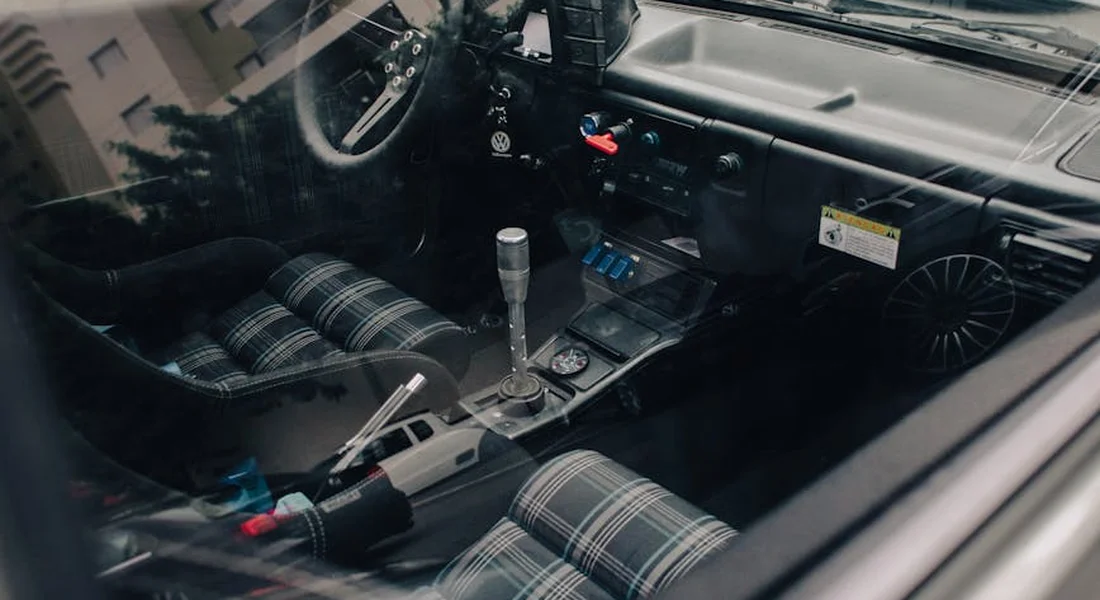
First, I pull my grey Odyssey into the shade. Hot sun will make your cleaner dry too fast, leaving residue. I pop the side doors open for light and air. The job starts not with liquid, but with removal. I yank out the kid seats, the crushed goldfish crackers, and the stray LEGO bricks. You have to see what you’re working on.
I grab my shop vac with a soft bristle brush attachment. Starting at the top of the seatback, I work down in slow, overlapping strokes. You hear it-the gritty snick-snick-snick of sand and dirt getting pulled into the hose. I press the brush into every seam, every piped ridge, every fold where grime hides. You cannot clean fabric properly if you grind dirt into it during the wet stage.
Next, I mix my cleaner. For a general clean on my Odyssey’s seats, I use a diluted all-purpose cleaner (APC) in a spray bottle, about 10:1 with water. For older, set-in stains, I’ll use a dedicated fabric or upholstery cleaner. I always test any product in a hidden spot first, like under the seat bottom, to check for colorfastness. I avoid using household cleaners on car interiors as they can sometimes cause damage.
Here is the method. I mist a section-about two square feet-of the fabric. I don’t soak it. I want it damp to the touch, not dripping. I let it dwell for a minute to loosen the grime. Then I take a clean, soft-bristled detailing brush (a soft nail brush or a horsehair brush works great) and agitate in gentle, overlapping circles. You’ll see the foam turn from white to a light grey or brown as the dirt releases from the fibers.
For a visible stain, I use the “blot, don’t rub” technique. I spray the stain directly, let it sit, then place a clean, white microfiber towel over it and press down firmly with my palm. I lift and check. I repeat. Rubbing is what frays the fibers and spreads the stain. Blotting pulls it up and out.
After agitation, extraction is critical. I use my wet-dry vac with an upholstery attachment. I go over the section multiple times, moving the tool slowly to suck out all the dirty moisture. I run my hand over the fabric. It should feel slightly damp, cool, and clean-not wet, not sticky. If it’s still soapy, I’ll lightly mist with clean water and extract again. Thorough extraction prevents sticky residue and musty smells later. I work section by section, always vacuuming dirt towards the center of the seat to avoid re-contaminating a clean area.
Tackling Specific Stains: A Spot-Treater’s Guide
Not all stains are equal. You treat them by what they are, not where they are. My Odyssey has been the ultimate “Kid Test” for every category.
Organic Stains (Coffee, Soda, Milk, Food): These are about enzymes and dilution. For a fresh milk spill, I blot up as much as possible, then flush the area with a light mist of cool water and extract immediately. For older, set-in organic smells and stains, an enzymatic cleaner is your best friend. It uses bacteria to break down the stain molecules. Spray it on, let it dwell as directed (often 5-15 minutes), then blot and extract.
Grease, Oil, and Mystery Stickiness: This is where a dedicated degreaser or an APC at a stronger dilution (like 4:1) comes in. For a heavy grease spot, sometimes I’ll make a paste with cornstarch and a few drops of water, pack it on the stain, let it dry completely to absorb the oil, then brush and vacuum it out before a liquid cleaning.
Ink, Dye, and Melted Crayon: Proceed with caution. Always test in a hidden spot first. For most ink and crayon wax (a classic Odyssey special), a little isopropyl alcohol (rubbing alcohol) on a cotton swab or a clean microfiber can work wonders. Dab, don’t rub. The color should transfer to the swab. For crayon wax, sometimes you can gently lift the bulk of it with a plastic scraper wrapped in a microfiber before treating the dye stain left behind.
What about fabric car seat cleaning wipes? I keep a pack in the glove box. They’re fine for a quick spill on the road or wiping light dust off a headliner. Most are lightly pre-moistened with a mild cleaner. They are a convenient first-aid kit, not a substitute for the deep cleaning protocol above — especially when it comes to colored fabric seats. For the ground-in dirt, the mystery stains, and the yearly refresh, you need the tools and the method.
Drying Your Seats: How to Avoid Musty Mold Smells
You scrubbed the stains and sucked up the soapy water. Now, listen close. If you skip proper drying, you will trade dirt for a worse enemy, mildew. That damp, earthy smell in old cars? It starts right here, with water trapped deep in the seat foam. I had this happen once in my grey Honda Odyssey after a deep clean. The seats felt dry on top, but the foam underneath stayed wet for days. The smell came back, sour and stubborn.
Your goal is to evaporate moisture from the inside out. Using a wet/dry vacuum as a blower is the single most effective method for a home detailer. Flip the hose to the exhaust port on your shop vac. Hold the nozzle an inch from the fabric and slowly sweep it across the seat. The forced air pushes through the cloth and into the foam, lifting moisture to the surface. Do this for at least ten minutes per seat.
No shop vac? A simple box fan is a great tool. Place the fan inside the car, pointing directly at the damp seats, and let it run for four to six hours. Open the opposite door or window to create a cross-breeze. This moves humid air out of the cabin. It is a slower process, but it works with patience.
After using a blower or fan, help the process along. Leave the car in a garage overnight with every window cracked open one or two inches. This constant, gentle air exchange lets remaining dampness escape. Do not do this outside if the night air is humid or if rain is possible. You are inviting more moisture in.
I see people reach for heat guns or hair dryers. Do not do it. High, concentrated heat can shrink the fabric backing or weaken the adhesives that hold your seat together. It can also set stains or make fabrics brittle. If you must use a hair dryer, use only the cool air setting and keep it moving constantly. Never hold it in one spot.
When to Call a Professional Detailer
You searched for how to clean fabric seats. I just showed you my methods. But sometimes, the right answer to “how do I clean this” is to find a great local detailer. Knowing when to stop is a skill. Throwing more DIY effort at a serious problem can set a stain permanently or damage the fabric, especially when it’s time to deep clean car seats and upholstery.
Calling a pro isn’t a failure; it’s the smart move when the job exceeds your tools, time, or comfort level. These are the clear signs it’s time to make that call.
Reasons to Hand It Over to a Professional
-
Severe, Set-In Stains You’ve Already Tried On
That coffee spill from three months ago you just tried to scrub with dish soap? I’ve been there. Once you’ve agitated a stain with the wrong cleaner, you can drive it deeper into the foam backing. A pro starts with a different set of chemicals and extraction power to pull from the base layers, not just the surface.
-
Flood or Major Water Damage
If water pooled on the floor and soaked the seat cushions, this is an emergency. Mold grows fast, inside the seat where you can’t see or reach it. My industrial extractor can pull gallons out, but a homeowner’s wet-dry shop vac often isn’t enough. A detailer has the power to save the seat and your health.
-
Persistent Foul Odors
Old smoke, vomit, deep pet smells, or a mysterious funk that won’t leave. These odors live in the foam, not the fabric. My 2019 Honda Odyssey needed an ozone generator after a milk spill went rogue. That’s a specialized tool. Pros use ozone, hydroxyl generators, and enzyme treatments that break down odor molecules at the source.
-
You Simply Lack the Time or Tools
An effective deep clean takes hours. The extractor itself is a several-hundred-dollar investment for a good one. If you’re staring at the whole grimy interior of your daily driver thinking “I just don’t have a weekend for this,” that’s valid. A professional crew can do in two hours what might take you eight.
What a Professional Detailer Brings to the Job
When you hire a true professional, you’re not just paying for labor. You’re buying results from specialized systems.
-
Industrial-Grade Extractors
My truck-mounted extractor has immense suction and heats the water. This combination does what a home carpet cleaner cannot: it flushes with hot solution and powerfully retrieves almost all of it, along with the dissolved dirt. This leaves the seat damp, not soaking wet, so it dries fast and thoroughly—unlike when you clean and extract water from car carpets.
-
Commercial-Grade Chemicals
Over-the-counter formulas are diluted for safety. The alkaline cleaners, acidic rinse agents, and enzyme digesters I use are more concentrated and targeted. I know which one to use on a protein stain (like blood) versus a tannin stain (like coffee), and I have the rinsing agents to neutralize them completely, preventing residue that attracts more dirt.
-
Experience and Pattern Recognition
I’ve cleaned thousands of seats. I can often tell what a stain is by its look and smell. I know how much agitation a certain fabric can take before it fades or pills. I know the feel of a seat that’s clean all the way through. This experience prevents damage and guarantees a level of clean that is difficult to achieve on your first try, especially when cleaning stains on leather car seats.
Think of it this way. You can change your own oil, but for a transmission flush, you go to the shop. Fabric seats are the same. For maintenance, DIY is perfect. For major remediation, the right tools and expertise make all the difference.
Keeping Them Clean: Maintenance Between Deep Cleans
Think of a deep clean as hitting the reset button. The real magic happens with what you do afterward. Good habits keep your seats looking fresh for months, not just days.
Simple, Powerful Habits
This isn’t about daily detailing. It’s about smart, easy routines that take minutes.
Weekly vacuuming is your best defense against ground-in dirt. I run a vacuum over the seats of our grey Honda Odyssey every Sunday. Use a soft brush or crevice tool. You are not just picking up crumbs. You are lifting the fine, abrasive grit that wears down fabric fibers and makes seats look dull. It makes a huge difference.
For spills, your only job is to act fast. Blot, never rub. Rubbing a stain is like telling it to move in permanently. Use a clean, absorbent microfiber or a plain white paper towel. Press down firmly to soak up as much liquid as possible. If it’s a sticky spill, use a damp cloth to blot. For my coffee mishaps, this immediate blotting has saved me from a dozen extra cleanings.
After any deep clean, let the seats dry completely. Then, apply a fabric protectant. I use 303 Fabric Guard. This spray creates an invisible shield. It causes liquids to bead up on the surface so you can blot them away before they become a stain. It is a game-changer for any seat, but especially for light-colored fabrics or family vehicles. Always test it on a hidden seam first and apply it in a well-ventilated area.
Stop the Dirt at the Door
Most of the filth on your seats comes from your feet. Good all-weather floor mats are a non-negotiable investment for interior care. They trap mud, sand, snow, and spilled drinks in a dedicated tub you can pull out and hose off. Brands like WeatherTech or Husky Liners are popular for a reason. They fit like a glove and contain the mess. In my F-150, the deep channels of the mats hold a shocking amount of dirt that would otherwise end up ground into the carpet and flicked onto the seatbacks.
The Reward
Follow these steps, and your seats will thank you. They stay looking newer, feeling softer, and smelling clean. The fabric lasts longer and resists fading. More than that, it changes how you feel about your car. A clean, fresh interior makes every drive, even a quick errand, more enjoyable. You protect your investment and take pride in your space.
Smart Maintenance for Fabric Seats
After countless cleanings in my kid-hauling Odyssey, the rule is clear: always extract more moisture than you apply. A truly clean, odor-free seat is a dry seat, so take your time with the vacuum extractor or absorbent towels to remove stubborn odors from car seats.
Ignore this, and trapped water will breed mildew in the cushion foam, leaving a persistent musty smell no air freshener can fix.
Relevant Resources for Further Exploration
- r/cars on Reddit: Best way to clean fabric car seats?
- How To Clean Your Fabric Car Seats!
- How to Clean Car Seats | Fabric, Leather Seat Cleaning Instructions | Materials
Max Gunther
Max is an automotive enthusiast having worked as a car mechanical and in interior detailing service for over 25 years. He is very experienced in giving your old car, a new fresh vibe. He has detailed many cars and removed very tough smells and stains from all kinds of cars and models, always ensuring that his work and advice helps his customers. He brings his first hand experience to his blog AutoDetailPedia, to help readers breath new life into their car interiors.