Why Does My Car Smell Like Vinegar and How Do I Remove It?
That sour, acidic smell hitting you when you get in your car is real, and it means something inside needs cleaning.
I will show you exactly how to fix it by covering the main causes from mold to spills, the right way to clean seats and carpets, and how to keep the odor from returning.
Ignore it, and the smell can soak deep into your interior materials, becoming a permanent, expensive problem.
Quick Start: Your Action Plan and Gear
That sharp, sour punch when you open the car door is maddening. I know. My grey Odyssey, the “Kid Hauler,” once developed a mystery funk after a forgotten sippy cup of milk rolled under a seat. The frustration is real, but so is the solution. You are not just masking a smell. You are evicting the tiny organisms causing it.
Key Takeaways Before You Start
- This is a biological problem. 90% of the time, that vinegar smell is from mold, mildew, or bacteria growing in a damp spot.
- You must find and treat the source. Spraying air freshener just tells the microbes you are not serious.
- The air conditioning system is the most common culprit, especially when the smell kicks on with the fan.
- Final disinfection of the entire space is non-negotiable to prevent a quick comeback.
Your Required Arsenal
Gather your tools first. Trying to hunt mildew with a paper towel is a losing battle.
Tools:
- Microfiber Towels: Get a few 350 GSM for scrubbing and applying cleaner. Have one or two plush 500 GSM towels for final drying of surfaces.
- Handheld Spray Bottle: For applying cleaners and disinfectants without soaking everything.
- Soft-Bristle Detail Brush: To gently agitate cleaner into fabric and vinyl seams.
- Vacuum Cleaner with a Crevice Tool: You need to pull out loose debris before cleaning any surface.
Chemicals & Solutions:
- An EPA-Registered Disinfectant: Look for one with a neutral pH (6-8) that is safe for automotive interiors. This kills the organisms.
- Enzyme-Based Odor Eliminator: This breaks down the organic waste left behind, removing the food source for new growth.
- Carpet & Upholstery Extractor Shampoo: A neutral pH formula for cleaning stained fabric. Even if you do not have a carpet extractor machine, agitating and blotting it works.
- Isopropyl Alcohol (70% Solution): A great final wipe on hard, non-porous surfaces like plastics and “vegan leather.” It disinfects and flashes off without leaving moisture.
Detailer’s Pro-Tip: The Sniff Test
Finding the source is detective work. Start your car and turn the AC fan to max. Slowly move your nose along the dashboard vents, then down to the seams of the seats and the edges of the floor mats. The smell will intensify near the problem area. In low light, use a flashlight held at a shallow angle across carpets and mats. This raking light will reveal subtle discolorations from old moisture or mildew stains you might miss looking straight down. This hands-on sniffing helps diagnose whether the odor is coming from the HVAC fan or elsewhere, guiding your elimination steps. It’s the first step toward eliminating the smell.
What That Sour, Vinegar Smell Actually Means
That smell is not “old car.” It is the smell of life, just not the kind you want. That sharp, sour punch is almost always a sign of microbial growth, either bacteria or mold, producing acidic compounds as they digest organic material. Think of it as their waste product. Your job is to find their home, cut off their food, and wipe them out.
The Usual Suspects: Where the Smell Comes From
Understanding the cause tells you where to look. People search for ‘what causes a vinegar smell in car’ and the answer is usually one of these three issues.
The Clogged AC Evaporator (The Most Common Cause)
When people say ‘my car smells vinegar from AC,’ this is almost certainly why. Your car’s air conditioning system has an evaporator core that gets very cold. This causes moisture in the air to condense on it, like sweat on a cold glass. That water is supposed to drain out through a small tube under your car. If that drain clogs with leaves or grime, the water pools inside your HVAC box. It becomes a stagnant puddle, a perfect home for mold and bacteria. Every time you turn on the fan, it blows the smell right into the cabin.
Hidden Spills in Carpet or Mats
Spilled soda, milk, or even just tracked-in rain on fabric floor mats can soak down and stay damp for weeks. This is a frequent cause of a ‘vinegar smell in car’ models like a Hyundai or Kia, not because they are bad cars, but because any fabric will mildew if left wet. The padding under the carpet can hold moisture long after the surface feels dry, leading to a smell that seems to come from everywhere. To remove unusual car odors, you can focus on drying out the moisture and cleaning the fabrics and padding thoroughly, since hidden dampness fuels the problem.
Bacteria on Synthetic (Faux Leather) Seats
This one hits after the car has been sitting in the sun. Vinyl or “vegan leather” seats do not breathe. If you sweat on them, that moisture and salt get trapped against the surface. Even with regular cleaning and maintenance, bacteria can feast on this, and when you first open the hot car door, you get that ‘car smells like vinegar when starting’ blast. It is more common in modern cars with synthetic interiors, like my Tesla.
I will note that a leaking battery can sometimes cause a sulfuric acid smell, which is different but equally unpleasant. Our focus here is on the cleanable interior issues you can fix yourself with detailing knowledge. If you suspect a battery, check under the hood for corrosion, but the sour, fermented smell is almost always from inside the cabin.
A Quick Health Note
You might wonder, ‘can vinegar smell make you dizzy?’ In a confined space like a car, concentrated microbial odors and the spores they release can absolutely cause headaches, dizziness, or worsen allergies. Removing this smell is not just about comfort, it is about cabin air quality and your health. This is why we use a disinfectant, not just a perfume.
Playing Detective: How to Find the Exact Source
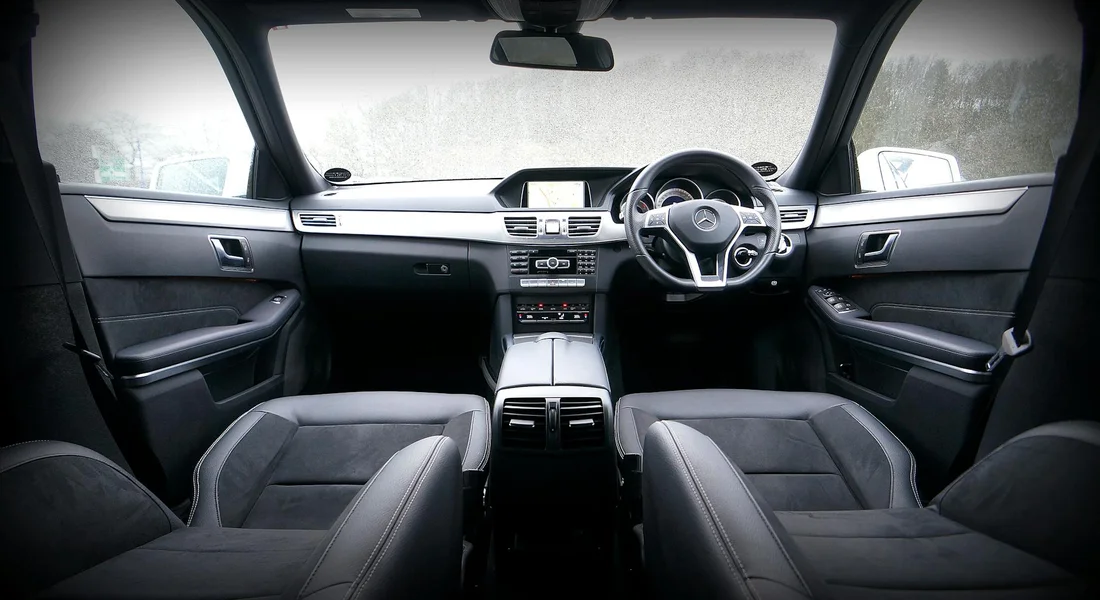
You need to find the source. A vinegar smell in the cabin is a clue, not the criminal. You have to track it down. This is a step by step search I do on every car with a mystery odor. Understanding what each odor indicates helps identify the source. This is all about recognizing car odors and tracing them to their origin.
Start with the easiest, most obvious places first. This saves you hours of frustration.
- Remove all floor mats, both front and rear. Inspect the backside of the rubber mats. Look for trapped moisture, old spills, or organic debris like a forgotten french fry. Lay them in the sun to dry and air out while you search the rest of the car.
- Check under every seat. Move the seats all the way forward and back. Use a flashlight. You are looking for spilled drinks, old food, or a leaky container. I once found a sippy cup of spoiled milk under the passenger seat of my Honda Odyssey, the “Kid Hauler.” The smell was sharp, almost cheesy, but it could easily be mistaken for vinegar in the right conditions.
- Empty every storage bin, cupholder, and door pocket. Check for gum wrappers, half empty coffee cups, or forgotten fruit snacks.
If the interior search comes up empty, your car’s air conditioning system is the prime suspect. Diagnosing it is straightforward.
- Start the car and turn the AC to its coldest setting, fan on high. Do not recirculate the air. Let it run for a minute.
- Put your nose close to each vent. Does the smell pour out of one specific vent? Or is it equal from all of them? A strong smell from just the driver’s side vent can point to a clogged drain on that side.
- The biggest tell is the “first blast” test. If the smell is overwhelmingly sour and vinegar-like only when you first turn the AC on after the car has been sitting (“car smells vinegar when been off”), that is classic mold in the evaporator core. The moisture sits, bacteria grows, and that first fan spin blasts it into the cabin.
Do not forget the trunk. This is a common oversight. In sedans like my black BMW 3 Series, the trunk seal can leak. Water gets into the spare tire well and just sits there, growing mildew.
Pull up the trunk carpet. Remove the spare tire and the styrofoam tool holder. Feel the bare metal floor with your hand. Is it damp? Does it smell musty? That trapped, humid odor can seep forward into the cabin and mix with other smells, creating a confusing vinegar like scent. Even after you clean your trunk, these odors can persist if not properly treated.
Fixing the Main Culprit: Cleaning the AC Vents and System
If your detective work points to the HVAC system, you can often fix it yourself without taking the dashboard apart. This addresses the root cause of a vinegar smell in car vents. It is about killing the growth and drying the system out.
Always start with a new cabin air filter. The old one is likely holding moisture and spores. It is like putting clean socks on after a shower. Replace it first. Consult your owner’s manual for its location, usually behind the glovebox or under the dash.
For the system clean, you need a specific product: a foam based HVAC cleaner. The foam clings to the evaporator core surfaces instead of just running straight through. Do not use a generic spray disinfectant.
- With the car running and the AC OFF, locate the fresh air intake. This is usually at the base of the windshield, under the wiper cowl. Remove any plastic covers or leaves.
- Set your climate control to fresh air (not recirculate), fan on the highest speed, and AC OFF. Turn all vents to the open position.
- Spray the foam cleaner directly into the intake vent according to the product’s instructions. The fan will pull the foam through the entire ductwork and over the evaporator core. Let the fan run for the full time recommended on the can, usually 5-10 minutes.
Next, clean what you can see and touch. The visible vent slats and the deeper ducts.
Wrap a microfiber towel around a long, thin plastic detailing brush or a chopstick. Lightly dampen the towel with a disinfectant spray safe for plastics. Gently insert it into each vent slot and twist to wipe away dust and surface film. Do this for every vent in the dashboard, center console, and rear passenger area. It’s an essential part of maintaining a clean car interior, especially when you clean and maintain your car dashboard.
The final, most critical step is to bake the moisture out of the system. If you skip this, the smell will return quickly.
After the cleaner has done its job, set your climate control to the hottest temperature setting. Turn the fan to its highest speed. Make sure the AC compressor is OFF. Let this run for at least 10 minutes with the car parked. This hot air flow will dry the evaporator core and ducts completely, creating an environment where mold struggles to grow back. Do this treatment on a dry day if you can.
Deep Cleaning Fabrics, Carpets, and Hard Surfaces
Now we get to work. You have to treat this like a surgical strike, not a hasty raid. A tiered approach is the only way to ensure you remove the source, not just mask it.
Start with the driest stage possible. Remove all floor mats and set them aside. Use your vacuum cleaner on every square inch of carpet and fabric. Get the crevice tool deep into the seams where the seats meet the console. Dig into the pocket on the back of the passenger seat where old French fries go to retire. Your goal here is to remove all loose debris so your cleaning solutions can reach the stained fibers underneath.
Fabrics and Carpets: The Extraction Protocol
For cloth seats and carpet, you need an enzyme-based cleaner. This breaks down the organic gunk causing the smell. I keep a bottle handy for the Odyssey’s milk-and-juice incidents. It’s also great for removing odors from cloth car seats and carpets.
- Pre-treat the entire area, focusing on stains. Mist it evenly, don’t soak it.
- Agitate with a soft-bristled brush. You’re working the cleaner down to the base of the fibers.
- Let it dwell. Ten minutes is good. Read the label on your product.
- Extract. Use a wet/dry vac or a dedicated extractor. Pull out the dirty solution.
Here is the pro trick most people skip. Fill your extractor with clean, warm water. Go over the entire area you just cleaned one more time, sucking up only clean water. This “final rinse” pulls out any remaining cleaning residue and dissolved contaminants that would otherwise dry and attract new dirt.
Faux Leather, Vinyl, and Plastics
This is for interiors like my Tesla’s. That “vegan leather” is usually a polyurethane or vinyl blend. Harsh chemicals will dry it out and make it crack.
- Clean first with a diluted, pH-neutral all-purpose cleaner. Spray it on your microfiber towel, not directly on the surface, to control moisture.
- Wipe thoroughly. Go over all hard surfaces: dash, door cards, console, steering wheel.
- To disinfect safely, use a product designed for automotive interiors. Isopropyl alcohol diluted with water (70/30 mix) works in a pinch, but test it in a hidden spot first.
Avoid anything labeled as a degreaser or strong solvent. They will strip the plasticizers from your vinyl, leaving it dull and brittle.
A Special Note on Headliners
The fabric on your ceiling is delicate. If you spray it directly, the adhesive behind it can fail, causing a sagging headliner. If you suspect a splash reached up there, use a very light mist of cleaner on a soft brush or microfiber. Gently dab and lift. Never scrub.
One last hunt. Check every storage nook. Online forums are filled with ‘car smells like vinegar’ mysteries solved by a forgotten sports drink bottle under the seat or a leaky condiment packet in a door pocket. Empty and wipe out every cup holder, bin, and pocket with your safe APC mix.
Locking in Freshness: How to Keep the Smell from Returning
You can deep clean perfectly and still lose if you don’t change the conditions that created the problem. Prevention is about moisture control and simple habits.
Moisture is the enemy. In humid months, I toss a few large silica gel desiccant packs under the seats of my cars. They are cheap and soak up ambient humidity that bacteria love. You can reactivate them in the oven when they’re full.
Here is the single best habit you can adopt. I call it the “5-minute rule.” After you drive in the rain, or when the kids track in snow, or on any humid day, run your climate control like this before you turn off the car:
- Set the AC to COOL (it dehumidifies).
- Set the fan to medium.
- Switch to FRESH AIR mode (not recirculate).
- Let it run for five minutes.
This forces dry, outside air across the evaporator core behind your dash, drying it out and preventing that musty, wet-sock smell from ever taking root. It costs nothing and saves you a huge headache.
Make it a routine. Every season change, give your interior a quick “reset.”
- Vacuum the floors and seats.
- Wipe down all hard surfaces with a detailing spray.
- Replace the cabin air filter. A clogged filter is a dirty, damp sponge blowing into your car. In the Workhorse F-150, I do this every oil change because of the dust and pollen it sees.
Consistency beats a heroic, once-a-year detail. A five-minute wipe-down after a muddy weekend or a prompt vacuum of spilled crumbs stops small problems from becoming big, smelly ones. Your car’s interior stays fresh because you never give the vinegar smell a chance to come back.
Final Thoughts on a Fresh-Smelling Cabin
The single most important step is to attack the source of the moisture, not just the smell it creates. I always use an enzyme cleaner on any organic spill in my Odyssey, followed by complete drying, to ensure the odor is gone for good.
Leave the source untreated, and that sharp vinegar smell will always return, often accompanied by the musty threat of mold.
Further Reading & Sources
- Tricks for Removing Nasty Odors From Your Car | PUR360
- r/LifeProTips on Reddit: LPT: If your home/car has an odor you can use white vinegar as a extremely effective cleaning solution.
- Vinegar Odor in Cars: Identify and Remove It Fast
- How to Remove Odors From Your Car – Crystal Clean Auto Detailing
- How to Rid Your Car of Odors and Smells via @ConsumerReports
Max Gunther
Max is an automotive enthusiast having worked as a car mechanical and in interior detailing service for over 25 years. He is very experienced in giving your old car, a new fresh vibe. He has detailed many cars and removed very tough smells and stains from all kinds of cars and models, always ensuring that his work and advice helps his customers. He brings his first hand experience to his blog AutoDetailPedia, to help readers breath new life into their car interiors.