Wax on Ceramic: A Smart Move or a Detailer’s Dilemma?
You’re staring at your freshly coated car, wondering if a layer of wax will add that extra pop or quietly ruin your investment. I’ve asked myself the same thing while prepping my black BMW for a show.
We will cover how ceramic coatings actually work, why most waxes fight against them, the real risk of creating a gummy, hydrophobic layer, and what to use for safe, added gloss.
Layer the wrong product, and you risk smothering the coating’s slickness, making water bead less and dirt stick more.
Key Takeaways: The Short Answer
Yes, you can apply wax over a ceramic coating, but it is often unnecessary and can sometimes hinder the coating’s best features. I have tried it on several of my cars, like the Jet Black BMW, and while it adds a temporary wet look, it usually isn’t worth the effort, especially when it comes to scratch protection.
Here is the core verdict from my shop experience.
- Wax adds short-term gloss and may help add a sacrificial layer in harsh winter salt, but it can reduce the coating’s self-cleaning ability by making the surface less slick.
- The ceramic coating itself does not need wax to work; its performance comes from the bonded layer, and proper maintenance washes with pH-neutral soap are key.
- If you feel the need to add something, skip the wax and look for a ceramic-specific “top coat” spray or sealant designed to enhance, not mask, the coating.
Ceramic Coating vs. Wax: Understanding the Layers
A ceramic coating is a hard, semi-permanent glass-like layer that chemically bonds to your car’s paint. Think of it as a second skin of protection. On my Tesla Model 3, the coating feels smooth as glass to the touch and makes water bead up into tiny, tight pearls that rocket off the hood. It’s essential to properly prepare your car’s surface before applying the coating to ensure it adheres well and lasts longer.
Traditional wax, whether carnauba or synthetic, is different. It is a soft, temporary sacrificial layer that simply sits on top of the paint. It does not bond. It is like a temporary shield that wears away with every wash and sun exposure. Understanding the types of car wax composition—natural carnauba, synthetic polymers, and hybrids—helps explain why formulas vary in durability and finish. This is why people choose different products for protection and shine.
Here is a simple analogy: the ceramic coating is a permanent, high-tech raincoat for your car. Wax is like applying a thin coat of oil on that raincoat. The oil might make it shinier for a week, but it changes how water slides off and can attract more dirt.
Let us compare their key traits side by side.
- Durability: A quality ceramic coating lasts for years. Traditional wax lasts for weeks or a few months at best.
- Hydrophobic Effect: A fresh coating pushes water into fast, tight beads that carry dirt away. Wax creates larger, slower beads that can leave dirt behind as they evaporate.
- Dirt Interaction: The slick, hard surface of a coating resists dirt sticking. Wax can become slightly sticky as it breaks down, acting like a magnet for pollen and dust.
- UV Protection: Both provide UV resistance, but the coating’s bonded layer offers more consistent and long-lasting protection against fading and oxidation.
So why does everyone search “can i wax my car after ceramic coating”? It is habit. For thirty years, wax was the only game in town. We were trained to add a coat of wax for shine and protection. That instinct is strong, even when new technology makes it outdated. I see it all the time with customers who just detailed their Kid Hauler Odyssey; they want to “add something” because it feels like the right thing to do.
The Real-World Pros and Cons of Waxing a Coated Car
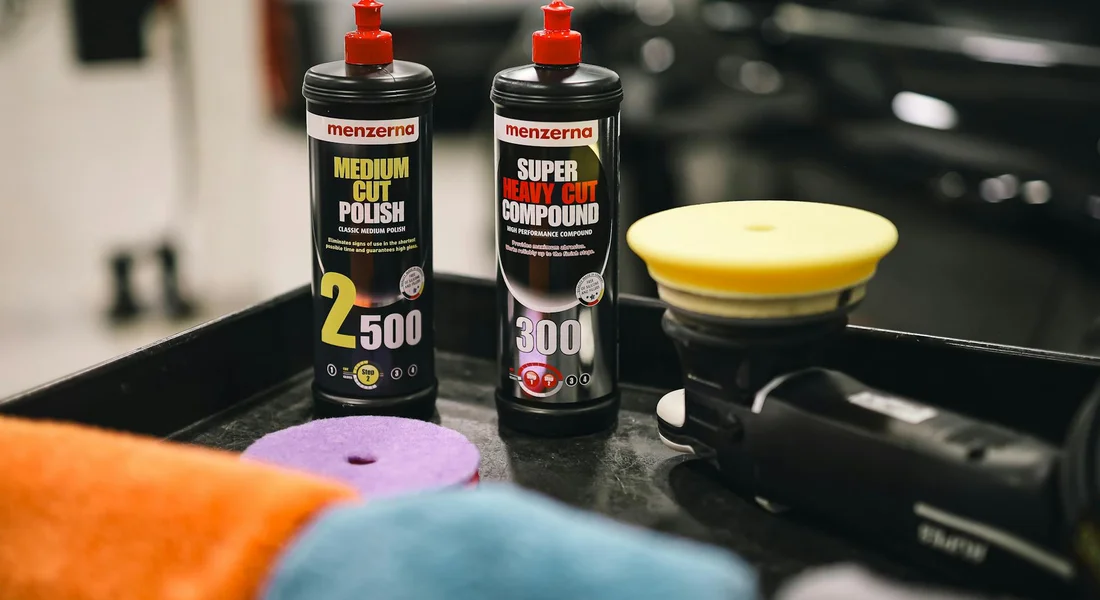
Yes, you can apply wax over a ceramic coating. The wax will stick. But that is not the same as saying you should. Putting wax on top of a coating is like putting a temporary raincoat over a permanent, breathable jacket. It changes how the jacket works. For lasting results, maintenance matters. A proper care routine keeps the coating performing as intended.
On my Jet Black BMW, a pure carnauba wax can add a warm, liquid depth to the gloss that even the best coatings sometimes lack. It looks rich. For my F-150 facing a Maine winter, a layer of synthetic wax feels like an extra sacrificial barrier against road salt and acidic slush, even if just for peace of mind.
The main drawback is that wax fundamentally alters the coating’s performance by sitting on top of its microscopic pores. A ceramic coating’s slickness and self-cleaning effect come from its extremely hard, smooth surface. Wax is softer and oilier. It can mask that slick feel and actually reduce the hydrophobic beading you paid for. You are trading long-term performance for a short-term look or feel. This is especially important to consider when comparing glaze, wax, and sealant products.
Scan any “wax over ceramic coating reddit” thread and you will find two camps. Purists say never do it, as it defeats the coating’s purpose. Pragmatists, like me on certain cars, say it is a tool for specific goals, like enhancing gloss on a show car for a weekend. It is not for daily protection. Some see a wax sealant ceramic coating as a practical middle ground for shows. The interaction between a wax layer and a ceramic coating is nuanced and often debated.
The type of wax matters. A “wax over ceramic coating carnauba” paste gives that classic warm glow but may last only a few weeks. A modern synthetic spray wax is easier to apply and remove, often designed to be more compatible with coatings. Avoid any wax labeled “cleaner wax” or with abrasives, as these can degrade the coating underneath.
How to Apply Wax Over Ceramic Coating: A Safe, Step-by-Step Method
If you decide to proceed, doing it correctly prevents any harm to your coating. This is about finesse, not force.
Step 1: The Critical Pre-Wax Wash
Do not wax a dirty car. Any grit on the paint will get locked under the wax and dragged across your coating, causing fine scratches. I use the two-bucket method every time, especially on my black BMW. Use a coating-safe, pH-neutral shampoo that will not strip existing protection. Rinse thoroughly. Dry the vehicle completely with a clean, plush drying towel to prevent any water spots from being sealed in. The surface must be cool to the touch and in the shade. After drying, consider applying wax to seal in the clean finish. Waxing after washing helps protect the coating and adds a lasting shine.
This wash is not about getting it mostly clean, it is about making it surgically clean. Any compromise here will show in the final result.
Step 2: Choosing the Right Product for the Job
Look for products marketed as “toppers” or “boosters” for ceramic coatings. These are typically spray-on synthetics designed to work with, not against, the coating’s chemistry. If you want the classic carnauba experience, select a pure wax with no cleaning agents. Read the label. If it says “removes old wax” or “cleans and protects,” put it back on the shelf. For most people, a spray wax or sealant is the smarter choice. It is easier to apply a thin layer and less likely to cause issues.
Step 3: Application and Removal Technique
Work on one panel at a time: the hood, then a fender, then a door. Apply the product in a very thin, even layer. With a paste wax, use a soft foam applicator. With a spray, mist it lightly onto the panel or onto your applicator. Do not let it dry completely. Do the “swipe test.” After it hazes for a minute or two, swipe a finger through it. If it wipes away cleanly, it is ready. If it smears or is greasy, give it another minute.
Buff it off immediately with a fresh, clean microfiber towel, flipping to a clean side often. Using too much pressure or a dirty towel can instill holograms, especially on dark paint. This step requires clean towels more than muscle.
Step 4: Aftercare and Knowing What to Expect
The wax layer is temporary. Expect it to last four to eight weeks, depending on the product and weather. Your coating is fine underneath, waiting to be revealed again. When you wash the car next, you may notice water behavior is different, beading less sharply until the wax wears away. That is normal. Do not use harsh soaps or citrus washes, as they will strip the wax faster. Just use your normal coating-safe shampoo. When the deep gloss or extra slickness fades, you know the wax is gone and your ceramic coating is back to doing its primary job.
Paint Damage Prevention: Common Waxing Mistakes on Coated Paint
Even with good intentions, you can hurt a ceramic coating. The process is different from waxing bare paint. Your main goal is to avoid anything that can scratch or degrade that hard-won, glassy surface. For practical safety tips and performance insights, consult the ceramic coating safety effectiveness guide. It explains what to avoid and how to maintain that glassy finish.
The biggest mistake is grabbing any old wax from the garage shelf. Many traditional paste and liquid waxes contain light cleaners or mild abrasives meant to clean and polish uncoated paint. On a ceramic coating, these can leave faint hazing or microscratches, dulling the perfect clarity you paid for. My black BMW taught me this the hard way with a fine mist of holograms.
Always apply your product to a cool surface in the shade. Heat is your enemy here. On a hot panel, the product flashes off too fast. It becomes a sticky, streaky nightmare to wipe off. You will fight it, and your pressure can mar the finish. I wait for my garage to cool down in the evening for this work.
More is not better. Use a thin, even layer. A thick, gloopy coat will not bond properly. It will dry into a gummy film that traps dust and requires aggressive buffing to remove. A thin application wipes away easily, leaving a clean, slick finish without trapped residue.
Your towels matter as much as your product. A dirty applicator pad or a towel with grit embedded from a previous job will act like sandpaper. I use fresh, clean microfiber applicators and dedicated, plush drying towels for final buffing. It is a simple step that prevents swirls.
Remember this clearly. A layer of wax does not fix or recharge a coating that is losing its hydrophobic properties. It just covers it up temporarily. Wax is a temporary aesthetic layer, not a cure for a failing ceramic seal. If water stops beading on the coating itself, the coating needs proper inspection and likely a dedicated booster, not a wax bandage.
Wax vs. Spray Sealants: Your Product Tier List for Topped Coatings
Not all toppers are created equal. Your choice depends on your goals: fast maintenance, enhanced performance, or peak showroom shine. Here is how I break it down for my own fleet.
Budget / Drive-Through Tier: Quick Sprays and Detailers
This is for the quick maintenance wash. After rinsing and drying your car, you mist on a spray wax or detailer formulated for coated cars. It adds a slick layer for a week or two and boosts the gloss in minutes.
Many products labeled “wax over ceramic spray” are actually light synthetic sealants. They are engineered to be compatible. They are perfect for a busy parent. After washing the kid hauler Honda Odyssey, a quick spray gives it a nice shine and a little extra slickness to help the next round of fingerprints wipe off easier.
These sprays are your best friend for keeping a daily driver looking fresh between deeper cleaning sessions. They are fast, cheap, and effective for their purpose.
Enthusiast Tier: Dedicated Ceramic Boosters and Sealants
This is where I live for my regularly driven cars. These are SiO2-infused spray sealants, often called ceramic boosters or toppers. They are designed to chemically bond with the underlying coating.
They offer stronger, longer-lasting hydrophobic effects than a simple spray wax. They enhance the coating’s slickness and dirt shedding without compromising its performance. On my Tesla Model 3, a booster after every few washes keeps the flat front bumper feeling glassy and makes water fly off the roof.
For someone who wants to actively maintain and maximize their coating’s performance, a dedicated SiO2 spray sealant is the most effective and sensible choice. It is what I use on my Porsche 911 after a careful wash to keep that deep red pop and protection strong.
Show Car Tier: Pure Carnauba for Ultimate Depth
Let us be honest. For that final, jaw-dropping, liquid depth under show lights, a pure carnauba paste wax is still king. It warms the paint and gives it a wet, glowing look that synthetics struggle to match. Knowing its key properties—hardness and gloss—helps explain how to apply it for maximum depth. That connection between its properties and practical application is what makes carnauba wax so effective.
This is a purely aesthetic choice for a special occasion. It offers minimal real protection and will wash away in a few weeks. You must accept that it may slightly mute the absolute water beading of the ceramic coating underneath.
Applying carnauba over a coating is a trade-off, sacrificing some performance for a temporary, unmatched visual warmth. I will do this for my Mazda Miata before a show. I know the classic red single-stage paint will glow under the carnauba. I also know I will wash it off after the event and return to my regular SiO2 booster routine.
Keeping It Simple: Long-Term Maintenance for a Ceramic Coated Car
You paid for a long-lasting shield. The best thing you can do for it is not overcomplicate its care. Think of your ceramic coating like a high-performance rain jacket. You wouldn’t scrub it with harsh detergents. You’d rinse it off gently. The same principle applies here.
The absolute best practice is regular, gentle washes with a coating-safe shampoo. I use this method on every coated car in my garage, from my daily-driven Ford F-150 to my Porsche 911. Coating-safe shampoos are formulated to be high-lubricity and free of harsh additives or waxes that can interfere with the coating’s surface. They clean the dirt away without stripping the protection you invested in. A simple two-bucket wash is your coating’s best friend.
Can I Use a Quick Detailer on a Ceramic Coating?
Yes, absolutely. A quick detailer is perfect for removing light dust or fingerprints between washes. But you must choose the right one. For a ceramic coated car, you must use a detail spray labeled as “coating-friendly” or “coating booster.” These are designed to work with the silica-based surface, enhancing gloss and slickness without leaving behind oils or traditional waxes that can create a hazy barrier. Using a standard carnuba-based quick detailer is like putting a cheap vinyl sticker on top of that expensive rain jacket-it just doesn’t belong.
How to Tell If Your Coating is Still Working
You don’t need a lab test. Just use the hose. Watch how water behaves on your horizontal panels, like the hood and roof.
- Strong, tight water beading is your first sign of health. The water forms small, round pearls that roll easily.
- Sheeting is just as important. When you rinse, clean water should slide off in large sheets, dragging dirt with it and leaving a nearly dry surface.
When the coating begins to fade, you’ll see it here first. The beading gets larger, flatter, and “sticky.” The sheeting action slows down, and water starts to cling and spot. My black BMW is my early warning system. When its beading gets lazy, I know it’s time for a dedicated maintenance wash.
Annual Check-Ups and the “Topper” Question
Once a year, give your car a very close look in bright sunlight. Feel the paint. Is it still slick, or does it drag under your hand? Does water still behave as it should? This is your annual inspection.
If the coating seems tired but is largely intact, a professional-grade “topper” or coating refresher might be a smarter move than wax. These silica-infused sprays or sealants are designed to bond to and rejuvenate the existing coating layer, often restoring beading and gloss for several more months. They are the appropriate accessory for your ceramic jacket, not a different type of outerwear. For a dedicated garage queen like my 911, this is often all it needs to stay perfect.
The Core Principle
Never lose sight of the fundamental truth. The ceramic coating is the permanent protector. Everything else you apply-detail sprays, toppers, even wax-is just a temporary cosmetic accessory that sits on top of it. Your maintenance should support the coating, not fight against it or try to replace it. Keep the base layer clean and uncontaminated, and it will take care of the hard work for years.
The Bottom Line on Wax Over Ceramic
My experience across every car in my garage, from the kid-hauler Odyssey to the delicate paint on my black BMW, confirms that a pure ceramic coating needs no wax to perform. Applying wax over it often smothers the coating’s superior chemical bonds, dulling that intense, liquid shine and reducing its self-cleaning ability.
Layer wax over your coating, and you will watch water beading weaken and dirt stick faster, turning your protected surface into a high-maintenance finish.
Related Guides and Information
- Ceramic Coating vs. Wax: Which is better? | Turtle Wax
- r/AutoDetailing on Reddit: Do I really need ceramic coating or is wax sufficient?
- Ceramic Coating vs. Wax: Which is Better?
Max Gunther
Max is an automotive enthusiast having worked as a car mechanical and in interior detailing service for over 25 years. He is very experienced in giving your old car, a new fresh vibe. He has detailed many cars and removed very tough smells and stains from all kinds of cars and models, always ensuring that his work and advice helps his customers. He brings his first hand experience to his blog AutoDetailPedia, to help readers breath new life into their car interiors.