How Do I Get Rid of Old or New Leather Smell from Car Seats?
That leather smell in your car isn’t always a luxury. It can be a sharp chemical burn from new seats or a damp, musty odor that just won’t fade.
Based on my years detailing cars like my black BMW’s sensitive leather, I’ll show you how to diagnose the smell source, clean leather safely to remove odors, and choose the right products for lasting freshness.
Ignore proper care, and the smell will seep deeper, becoming a permanent part of your car’s interior.
Key Takeaways: Your Quick Action Plan
The process is simple. You clean the leather first. You treat the smell second. You condition last.
Conditioning before you deodorize is the biggest mistake you can make, as it seals any odor or residue deep into the pores of the leather.
Think of it like a deep cut on your skin. You would not put a bandage on a dirty wound. You wash it, apply medicine, then cover it. Your leather seats need the same logic.
A full deodorizing wash from start to finish will take you about two hours of active work, plus an overnight airing period for best results.
This is a moderate difficulty job. If you can follow steps in order, you can do it. Call a professional with an ozone generator immediately if you smell severe, fuzzy smelling mold, or the heavy, greasy stench of cigarette smoke that has settled in for years. Those are different battles.
The Protocol: The Detailer’s Order of Operations
Follow these steps in this exact order. Do not skip. Do not swap steps. I learned this the hard way on the leather in my 2016 BMW, the Swirl Magnet. I once conditioned a slightly funky seat and locked that smell in for a week.
- Prep & Ventilate
Park in a shaded, cool spot. Open all doors and windows. Get your tools ready: a vacuum, a soft bristle brush, a few clean microfiber towels, a leather cleaner, a leather conditioner, and your chosen deodorizer.
Good airflow from the start prevents you from just stirring smells around and breathing them in.
- Vacuum & Dry Brush
Use the soft brush attachment on your vacuum. Go over every square inch of the seats, the seams, and the perforations if you have them. Loosen the dry grit first. Then, take your soft dry brush and agitate the leather surface. You will see a fine dust come up. Vacuum that away too.
This removes the dry, odor holding debris that a wet cleaner would just turn into paste.
- Clean All Surfaces
Spray your leather cleaner onto one section of a seat. Not directly on the leather, but onto a microfiber towel or a soft detailing brush. Gently scrub the leather, working the cleaner into the grain. Wipe away the dirt and residue with a clean, damp part of the towel. Do this panel by panel, front seats then back. It’s especially important when you clean stains on leather car seats.
You are not just wiping the surface, you are lifting the oils, sweat, and spills from within the leather’s top coat where smells live.
- Deodorize
Now you attack the smell itself on the clean, dry leather. For a general old leather smell, a spray of straight white vinegar on a towel, wiped on and left to air dry, works. For tougher odors, a commercial leather deodorizer or a light mist of vodka in a spray bottle (it dries odorless) is my go to.
If the smell is persistent, place an open box of baking soda on the floor overnight. For severe cases, a professional grade ozone generator is the only real solution, but you must follow its safety instructions to the letter.
- Condition
Only after the seats are clean, dry, and odor free do you apply a quality leather conditioner. Use a tiny amount on a clean towel and buff it into the leather until it’s not greasy. This replenishes the oils you cleaned out and creates a fresh, protective layer. Properly cleaned and conditioned leather seats not only look great but also last longer.
Conditioning is your final seal. It should seal in cleanliness and a neutral scent, not problems.
- Air Out
Your job is done, but the car’s is not. Leave the windows cracked overnight in a garage, or better yet, go for a long drive with the windows down. Circulate fresh, dry air through the cabin for hours.
This final airing is what removes the last traces of cleaning product and allows the leather’s natural, neutral scent to return.
What’s That Smell? Understanding New vs. Old Leather Odors
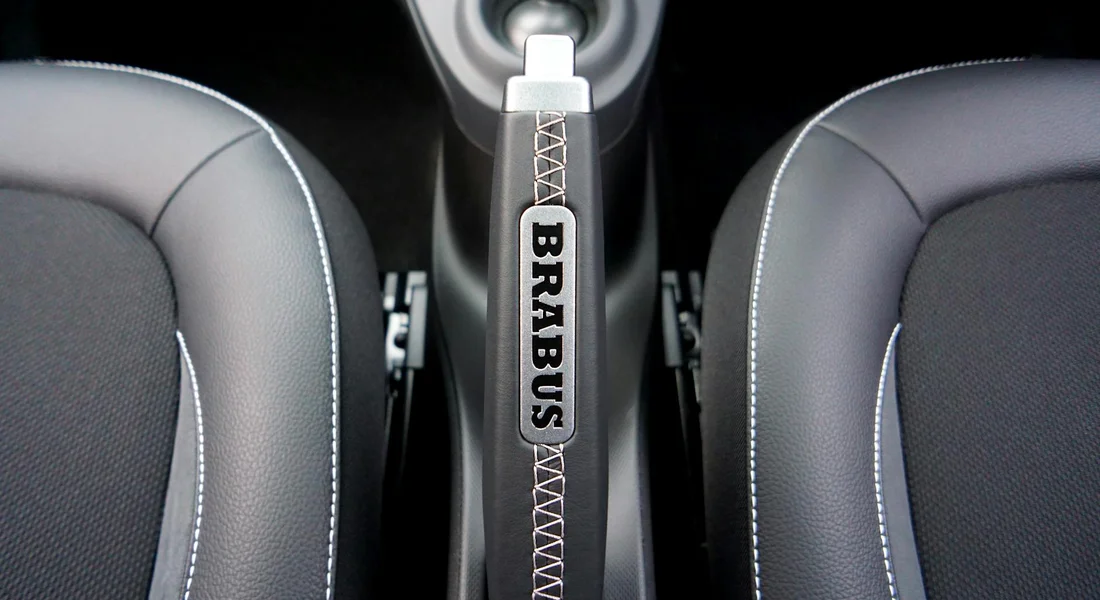
That leather smell in your car is not one thing. It is two completely different problems with two different causes. Treating them the same way will lead to frustration. Knowing if you’re dealing with a chemical smell or a biological one dictates your entire battle plan.
The sharp, plasticky new smell is a sign of manufacturing. The sour, musty odor of old seats is a sign of life happening inside your car. People often ask, “Why do my leather car seats smell bad?” The answer is almost always absorption. Leather is skin. Over years, it soaks up body oils, sweat, spilled coffee, and food crumbs. It holds onto moisture from wet clothes. This creates a feast for bacteria and, in damp conditions, mold. That is the smell of neglect baked into the material.
The “New Car” Chemical Smell
That distinctive new leather scent is not really the leather itself. It is volatile organic compounds, or VOCs, off-gassing from adhesives, dyes, and the protective top coatings. To many, it is a pleasant smell of something fresh and unused. For some, it can cause headaches. It is a temporary stage. Your primary tool here is not cleaner, but time and ventilation.
Roll down the windows whenever you can. Park in the sun with the windows cracked an inch to let the cabin heat push those gases out. Do not try to scrub this smell away. People searching for “how to get new car leather smell” are usually trying to keep it, not remove it. That scent fades naturally as the materials cure, often within a few months. If you’re aiming to remove the new-car interior odors, you can explore odor-neutralizing methods that tackle the smell at its source. These approaches complement airing out and can speed up the process as the materials cure.
The Sour, Musty “Old Leather” Odor
This is the problem that brings most people here. It is the smell of a seat that has seen years of use without a proper deep clean. Heat is the enemy here. A hot summer day acts like an oven, warming up those embedded oils and organic matter, releasing that sour odor into the cabin. This smell is not sitting on the surface it is baked into it, which is why a simple wipe down fails.
You cannot cover this up with an air freshener. That just creates a layered smell of flowers and mildew. Solving this requires a methodical approach to pull the contaminants from the leather’s surface and pores. This leads us directly to the deep cleaning protocol. But first, you must know what you are cleaning.
First, Know Your Leather: Don’t Start Cleaning Blind
Using the wrong product on your leather is a fast way to cause permanent damage. Not all “leather” in cars is the same. The most critical step is identifying if your leather is porous and natural or sealed with a plastic coating.
True, unprotected aniline leather is rare and expensive. It feels incredibly soft and shows natural markings. It absorbs liquids immediately. Protected semi-aniline leather has a light pigment layer but is still somewhat absorbent. Most common is coated or polyurethane leather. This is a thin leather layer with a heavy plastic coating on top. It is durable, uniform in color, and what you find in 95% of modern cars.
Use the water drop test. Place a few drops of distilled water on an inconspicuous part of the seat bottom. If the water beads up and sits on the surface for over a minute, you have coated leather. If it darkens the spot and is absorbed within 30 seconds, you have a more porous, natural leather.
My BMW’s Dakota leather is a good example of a more delicate, semi-aniline type. It requires gentler, pH-balanced cleaners. My Honda Odyssey’s seats are the tough, coated kind. They can handle stronger interior cleaners and even a soft brush without fear of stripping color. You must never use harsh chemicals like ammonia, bleach, or undiluted vinegar on porous, uncoated leathers, as they will stain and dry out the hide. Regular cleaning and proper maintenance help keep leather seats looking their best. In the next steps, we’ll share how to clean and maintain leather car seats.
The Step-by-Step Leather Deodorizing Wash
This is where you fight the smell directly. Odor clings to oils, dirt, and body salts embedded in the leather. A proper clean removes that fuel. You cannot skip steps. I learned this on my BMW’s black leather, which held onto my nephew’s spilled milkshake smell for weeks until I did this right.
Work in the shade on cool surfaces. Heat bakes cleaners and contaminants into the leather, making the problem worse.
Phase 1: The Setup and Dry Removal
Park the car in full shade. Open all the doors. Pull out the floor mats. Gather your tools: a vacuum with a soft brush attachment, a soft-bristled detailing brush (like horsehair), your leather cleaner, several clean microfiber towels, and a spray bottle with plain water.
Start dry. Use the soft brush to gently flick across the seat surfaces, especially perforated sections. Loosen the dried skin flakes, cookie crumbs, and sand trapped in the stitches. You’ll see it puff into the air. Now vacuum every crease, bolster, and perforation. This dry removal prevents you from making mud during the wash.
Phase 2: The Deep Clean (This Removes the Smell’s Fuel)
Use a pH-balanced leather cleaner. Squirt a small amount onto a damp, plush microfiber towel. Never spray the cleaner directly on the seat. Work one section at a time-the driver’s seat back, then the bottom cushion.
Wipe the cleaner on in overlapping strokes. Let it dwell for a minute. For stained or extra-smelly areas, gently agitate with your soft brush. You’re lifting the grime to the surface.
Now, take a fresh, damp microfiber towel and wipe the entire section clean. This step is critical. You must remove all the dirty cleaner residue. If you leave it, it dries sticky and smells worse. Rinse your towel often. Your clean towel should show no dirt when you’re done.
Phase 3: The Deodorizing Attack
With the seat clean, you can now deodorize. Use a dedicated leather-safe interior spray. Again, spray it onto a microfiber cloth first, then wipe it onto the leather. This controls saturation and prevents drips into electronics.
For coated leather (which is 99% of modern car leather), you can use a handheld steamer on its lowest setting. Hold it 6-8 inches away and make slow passes. The heat and moisture help release deep odors. Do not steam uncoated or antique leather, as it will damage the hide.
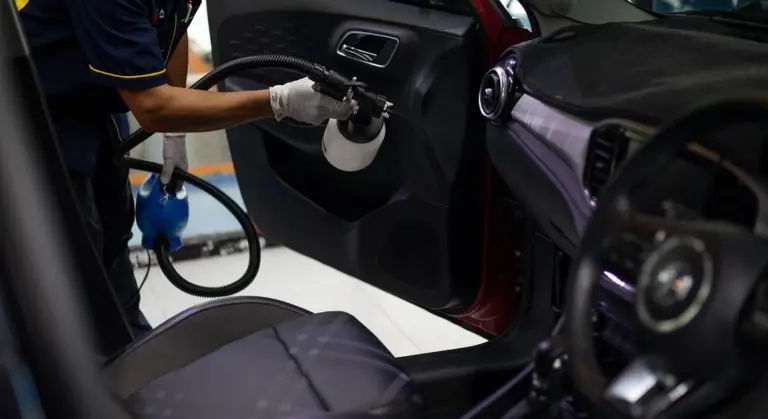
For severe, whole-cabin smells that survive cleaning, an ozone generator is the professional tool. It creates ozone gas that breaks down odor molecules. This is serious. You must follow the safety instructions to the letter. Never be in the car while it’s running, and air the car out thoroughly afterwards.
Phase 4: Conditioning and Protecting
After cleaning and deodorizing, the leather is bare. Apply a light, non-greasy conditioner. A pea-sized amount per seat section is enough. Rub it in thoroughly until the surface is matte, not shiny. To restore detail in leather car seats, you can continue with targeted restoration steps. The next steps will guide you through reviving texture and color while protecting the finish.
This step answers “how to get leather smell back in car.” That classic scent is just clean, lightly conditioned hide. A good conditioner seals the surface and gives off a mild, pleasant aroma. Over-conditioning creates a sticky film that actually grabs dirt and odor faster.
Phase 5: The Final Air-Out
Your job isn’t done when the last seat looks good. Leave the car in a garage or dry place with all windows cracked open overnight. This lets any remaining cleaning solvents evaporate and allows the treated odors to dissipate completely. Doing so helps eliminate bad odors in the car interior. It also primes the space for odor-neutralizing treatments to keep the cabin smelling fresh.
Targeting Specific Stubborn Odors
Some smells need extra attention. Treat these as adjustments to the core deep clean protocol above.
Cigarette or Cigar Smoke
Smoke coats every surface. You must clean the headliner, dash, carpets, and all plastics, not just the seats. The leather will hold the tar from the smoke deep in its pores.
Yes, you can get smoke smell out of leather car seats, but it is a full-cabin project. For a broader ‘remove odors car interior‘ plan, extend deodorization to carpets, headliner, and the HVAC ducts. After a meticulous cleaning of every interior surface, an ozone treatment is almost always required to break down the last of the odor molecules trapped in the ventilation system and foam.
Pet or “Dog” Smell
This is usually an organic odor from oils, dander, or accidents. Before your main leather clean, pre-treat the area with an enzymatic cleaner designed for pet odors. Let it dwell according to the label-it needs time to break down the proteins causing the smell.
Clean the carpets and seat belts with the same intensity. Pet smells travel, and the belt fabric rubbing on the seat transfers odor back and forth constantly. Also, consider dedicated steps to clean and remove odors from seat belts. This targeted care helps prevent lingering smells from rebounding through the belt material.
Gasoline or Chemical Smells
Act immediately. If a liquid spill is fresh, use a highly absorbent material like baking soda or clay-based cat litter to pull it out of the leather. Let it sit for hours, then vacuum.
Follow with your deep clean. Some chemical smells, like certain solvents, can permanently alter the leather’s composition. The goal is mitigation, and sometimes a professional leather dye or coating is the only final fix.
Mold and Mildew (The Musty King)
Put on gloves and an N95 respirator before you start. You do not want to breathe in spores.
For coated leather, wipe it down with a microfiber dampened with a diluted isopropyl alcohol solution (mix 1 part 70% IPA with 1 part water). This helps kill surface spores before you begin the deep clean with your leather cleaner.
If the musty smell remains after a full clean, it has likely penetrated the seat foam underneath. This is a point where you call a professional with extractors and antimicrobial treatments. DIY attempts can drive moisture deeper.
Product Tier List: What to Use and When
I see the confusion on the shelf. Twenty bottles all yelling about leather. Forget “best.” Think about your car and your Saturday afternoon. Here is a simple guide to what works, and when.
| Tier | What You’ll Need | Best Use Case |
|---|---|---|
| Budget/Get-It-Done | Leather cleaner & conditioner combo; mild all-purpose interior detailer | Quick wipe-down on coated leather, faint “new” or mild stale smells |
| Enthusiast/Right-Tool | pH-balanced leather cleaner; separate light conditioner; interior deodorizer; horsehair brush | Systematic cleaning and odor removal for a daily driver you care about |
| Show Car/Pro-Grade | Professional leather care system; variable-steam cleaner; commercial ozone generator | Eradicating severe, embedded odors or performing show-car preventative care |
Budget/Get-It-Done Tier
This is for my Honda Odyssey after a soccer game. You need results, not a chemistry degree. Pick up a common cleaner and conditioner in one bottle. Meguiar’s or Mother’s will do. Spray, wipe, and you are done. For a general odor lift, a mild all-purpose detailer on the plastics and carpets can help. This tier is perfectly fine for maintaining the coated leather in nearly every modern car, but it only cleans the surface plastic layer. It will not reach a smell that has settled into the seat foam underneath. If stubborn odors linger in the seats, a targeted odor eliminator can help remove them from car seats. For odors that have settled into foam, a deeper treatment may be needed.
Enthusiast/Right-Tool Tier
This is my standard. I use this method on my BMW 3 Series, the swirl magnet with jet black leather. Start with a dedicated, pH-balanced leather cleaner like from Sonax or Chemical Guys. A good horsehair brush agitates the cleaner into the grain without scratching. Follow with a separate, light conditioner like Lexol. It hydrates without leaving a slick film. For odors, a quality deodorizing spray such as Nextzett Klima-Cleaner targets odor molecules. This approach gives you the right tools to thoroughly clean, condition, and neutralize odors without overcomplicating the job. It is the sweet spot for lasting results.
Show Car/Pro-Grade Tier
We are talking about my Porsche 911’s interior or a smell that survives everything else. Here you invest in systems. Brands like Leather Master or Colourlock offer precise formulations for specific leather types and colors. A variable-steam cleaner uses heat to loosen deep grime and kill odor causing bacteria in seat perforations. For the toughest cases, a commercial ozone generator can oxidize odor particles. Ozone is exceptionally effective but also a severe respiratory hazard. It must only be used in a completely empty, sealed space that is thoroughly aired out afterward. This tier is for extreme problems or uncompromising perfectionists.
Knowing When It’s a “Pro Job”
I have cleaned seats until my arms ached, only to have the smell wave back at me. There is a limit to DIY. Here is how you know.
- The odor returns within an hour after a perfect cleaning. This is the classic sign it has migrated into the seat foam. Your cleaner cannot reach it.
- You smell it strongest coming from the seat seams or perforations. That is the smell escaping from inside the cushion.
- The car was regularly used by a heavy smoker or had a major biological spill. These odors chemically bond deep within materials.
- You spot visible mold or mildew growing in the tiny holes of perforated leather. This requires professional remediation for your health.
A professional detailer has tools you do not. They might remove the seats to access every angle. They use industrial grade ozone or hydroxyl generators that are more powerful and controlled. For soaked in smells, they can inject enzymatic cleaners directly into the foam. Recognizing when a problem is beyond your garage is not defeat. It is the responsible way to protect your car’s value and your own time.
Your Roadmap to a Neutral-Smelling Cabin
For lasting results, always identify and eliminate the odor’s source through a meticulous clean before using any scent-masking product. Starting with a dedicated leather cleaner strips away the oils and soils that cause smells, ensuring your deodorizer works on a fresh, receptive surface.
Bypass this crucial cleaning step, and you risk embedding odors deeper into the material, where they can resurface and contribute to premature leather wear and poor cabin air quality.
References & External Links
- How to Get Bad Smells Out of Leather Upholstery | Fibrenew International
- leather seats smell off : r/Cartalk
- My car seats are leather but Smell | Mercedes-Benz Forum
- I am getting a headache from the smell of car interior leather seats and all, and it makes me nauseous. Does anyone have a solution? – Quora
- r/BmwTech on Reddit: How to properly deodorize and sanitize faux leather seats?
- Does Car Leather Smell in High Temperatures? Here’s What You Need to K – BESPOKE MASTER
Max Gunther
Max is an automotive enthusiast having worked as a car mechanical and in interior detailing service for over 25 years. He is very experienced in giving your old car, a new fresh vibe. He has detailed many cars and removed very tough smells and stains from all kinds of cars and models, always ensuring that his work and advice helps his customers. He brings his first hand experience to his blog AutoDetailPedia, to help readers breath new life into their car interiors.