How Long Does Car Paint Take to Cure? The Detailer’s Timeline for Drying, Temperature, and Durability
You just had your car painted or polished, and now you’re staring at that fresh finish, wondering when it’s safe to wash or wax. Get it wrong, and that glossy surface could be ruined before you even enjoy it.
I will walk you through the fundamental difference between paint drying and curing, how temperature and humidity drastically change the wait times, and the exact steps to lock in that shine for the long haul.
Wax or seal that paint before it’s ready, and you will trap solvents underneath, creating a hazy, soft finish that demands a full correction.
Drying vs. Curing: The Critical Difference Every Car Owner Must Know
Getting this wrong can ruin a perfect paint job. I learned this lesson on my Jet Black BMW.
When your car is painted or touched up, it goes through two distinct phases. The first is drying. This is when the solvents and water in the paint evaporate into the air. The surface will feel dry to the touch. It might even look perfect. But underneath that dry skin, the paint is still soft and vulnerable, like a soft-baked cookie. Even if you tried drying it faster, it would still need time to cure.
The second phase is curing. This is a chemical reaction where the paint molecules link together into a tight, durable network. This process, called cross-linking, is what gives the paint its final hardness, gloss, and resistance to chemicals and scratches. A fully cured paint surface is hard, like a piece of finished plastic or glass.
Here is my personal mistake. I touched up a small chip on my BMW’s fender. After two days in the garage, it looked and felt dry. I gently went over it with a clean microfiber towel to dust it. The result was a smudged, hazy imprint in the paint. I had ruined the repair because I confused “dry” with “cured.” The surface was dry, but the paint film underneath was still soft enough to be deformed by light pressure.
Think of it like this. Drying is the paint losing its wetness. Curing is the paint gaining its strength.
The Paint Cure Timeline: What to Expect Week by Week
Timelines are not one-size-fits-all. Temperature, humidity, paint type, and film thickness all play a huge role. The following table assumes a standard shop environment of around 70°F (21°C) with moderate humidity. Cold or damp conditions can double or triple these times.
| Paint Stage | Modern 2K Urethane (Base/Clear) | Acrylic Enamel | Single-Stage |
|---|---|---|---|
| Dust-Free / Dry to Touch | 30 mins – 2 hours | 1 – 4 hours | 2 – 8 hours |
| Safe to Handle (re-assemble trim) | 8 – 16 hours | 12 – 24 hours | 24 – 48 hours |
| Safe to Sand & Polish | 24 – 48 hours | 3 – 7 days | 5 – 10 days |
| Full Chemical Cure | 21 – 30 days | 30 – 60 days | 60 – 90 days |
How long should you let paint cure before buffing or polishing? This is the most common question. Refer to the “Safe to Sand & Polish” row. For a modern clear coat, I wait a minimum of 48 hours before even thinking about machine polishing. For my older Miata’s single-stage paint, I give it a full two weeks. Polishing too early will gum up your pads and can pull the soft paint right off the panel.
How long to wait before washing a newly painted car? My rule for the family van, the Honda Odyssey, was two weeks for a gentle hand wash. You want the paint to be past the “safe to handle” stage and well into the hardening phase. Avoid automatic car washes or harsh brushes for at least 90 days. Even then, use a pH-neutral shampoo and soft microfiber. Washing a car after a paint job requires extra care to avoid damaging the finish.
You can change these timelines. Professional shops use forced air dehydrators and infrared lamps. An IR lamp targets heat directly at the paint, driving out solvents and accelerating the cross-linking reaction. With an infrared lamp, you can often cut the “safe to polish” time for a clear coat down to just a few hours, but the full 30-day cure still happens gradually. At home, ensuring warm, dry airflow over the car is the best thing you can do.
What Slows Down or Speeds Up Your Paint’s Cure
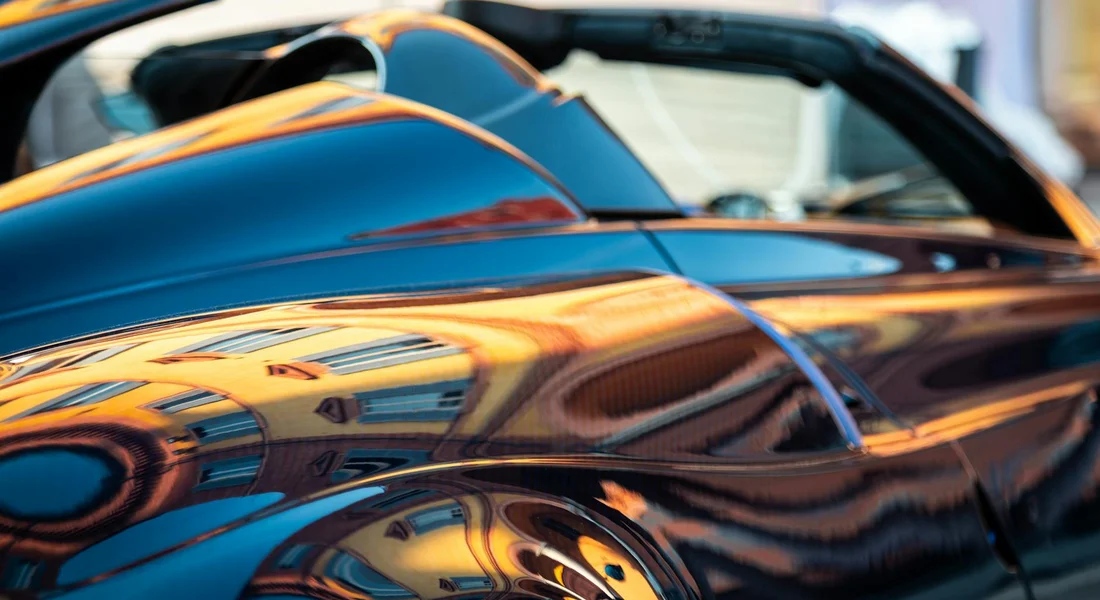
Think of paint curing like baking bread. The right conditions give you a perfect loaf. The wrong ones leave you with a gummy, uncooked mess. Several factors control your paint’s “oven.” Understanding them lets you work with the process, not against it.
Temperature: The Throttle for Chemical Reactions
Temperature is the biggest controller of cure time. Paint doesn’t dry; it undergoes a chemical crosslinking reaction. Cold weather slows those molecules down to a crawl. In cold temperatures, the solvents that need to evaporate get sluggish, and the resin molecules simply can’t link up properly.
Can car paint dry in cold weather? Technically, yes, but it will be painfully slow and incomplete. At 50°F (10°C), cure time can double or triple. Below 40°F (4°C), it can practically stop. I learned this the hard way trying to touch up a fender on my Ford F-150 in a chilly garage. The paint felt dry to the touch after a day, but it remained soft and gummy underneath for over a week, easily scratching.
For a proper cure, most modern paints need the ambient and surface temperature to stay consistently above 60°F (15°C), with 70-75°F (21-24°C) being ideal. If you must work in cooler temps, a portable infrared heater directed at the panel can help, but keep it moving to avoid overheating one spot.
Humidity: The Unseen Enemy
High humidity is a stealth problem. The air is already full of water vapor, which slows the evaporation of the solvents in your paint. Worse, it can trap those solvents under the surface. High humidity can cause a flaw called solvent pop or hazing, where trapped solvents create tiny pits or a cloudy, milky finish as they finally escape.
It’s like trying to dry a towel in a steam room. The moisture in the air has nowhere to go. Ideal humidity for painting is between 40% and 60%. If you see your breath in the garage, it’s too humid to paint. A dehumidifier can be a wise investment for a dedicated workspace.
Paint Film Thickness: Patience Required for Heavy Coats
More is not better. Applying a thick, heavy coat might seem like a good way to get more coverage, but it backfires during the cure. A thick coat creates a hard, dry skin on top that traps liquid solvents and uncured resin beneath it, leading to an extremely long, incomplete cure and a weak final film.
Imagine a wet sponge. A thin one dries quickly. A thick, soaked sponge stays wet inside for days. Always apply multiple thin, even coats as the product instructions specify. This is especially critical with clear coats. The thick, gloppy clear coat on my black BMW was a nightmare to correct because it had likely cured improperly from the factory, making it soft and prone to holograms.
Ventilation: Moving the Bad Air Out
You need airflow, but not a dust storm. Good ventilation serves one key purpose: it removes solvent vapors from the air around the painted surface. Stagnant, fume-filled air slows solvent evaporation to a halt, dramatically increasing cure time and creating a hazardous environment for you.
This is a major safety and quality issue. Use exhaust fans to pull fumes *out*, and if possible, have a filtered intake for fresh air. Never use a fan to *blow* directly on wet paint, as this will embed dust. A gentle cross-breeze in the room is the goal. After painting, keep the space ventilated during the entire curing period.
Product Storage: Don’t Cook Your Chemicals
This answers a common question: can I leave paint in my car? The answer is a firm no, especially in summer. A car interior can reach over 140°F (60°C). Extreme heat can prematurely activate hardeners in two-part products (like clear coats) inside the can, ruining them before you even start. It can also cause separation and inconsistency in single-stage paints, much like heat can affect the paint on your car’s surface.
Store all paint, hardeners, and reducers in a cool, dry place, as the label states. Your garage shelf is better than your trunk. If a product has been frozen or baked in a hot car, consider it compromised. It’s not worth risking a whole paint job to use a questionable can. I keep my touch-up paints and detailing products in a climate-controlled cabinet, away from the wild temperature swings my daily drivers endure.
Paint Damage Prevention: What NOT to Do While Paint Cures
I learned this the hard way with my own vehicles. The paint on my black BMW felt dry to the touch after a week, so I figured it was safe to polish out a light scratch. I created a haze that took me another full day to fix. The single biggest threat to a new paint job is your own impatience. Here is exactly what to avoid during the curing window, especially when touching up your car paint yourself, to protect your investment.
Applying Wax, Sealant, or Ceramic Coating Too Soon
This is the most common and damaging error. A paint sealant or ceramic coating forms an impermeable barrier on top of the clear coat. Fresh paint is still releasing solvents as it cures. If you seal the surface, those solvents get trapped underneath. They have nowhere to go.
The result is often a hazy, milky cloudiness called “blushing” that you cannot wipe away. In severe cases, it can cause the paint to lift or bubble. For my garage queen Porsche, I waited a full 90 days before applying its ceramic coating, even though it was baked in a booth. That patience is non-negotiable.
- Wait Time: Minimum 30 days for consumer-grade spray wax. Minimum 60-90 days for liquid sealants or true ceramic coatings. Always check your paint or product guidelines first.
- The Safe Play: Use a dedicated “Paint Primer” or “Cure Sealant” offered by some brands. These are formulated to be breathable and protect the paint without blocking solvent release during the initial cure.
Polishing or Compounding Before the Paint is Hard Enough
Polishing is an abrasive process. Soft, curing paint is like soft cheese. If you try to buff it, you will cut too deep, creating holograms, haze, or even burning straight through the clear coat. The paint on my Miata was so soft initially that even a gentle wipe with a slightly dirty towel could mar it. Unlike some paint flaws that can be remedied through paint buffing defect removal techniques, these marks were permanent.
You must let the paint fully harden before any corrective work. Test in a very inconspicuous area first, like inside a door jamb. If the polish seems to cut too aggressively or leaves a gummy residue, stop immediately. The paint is not ready.
Using Car Covers or Parking Under Trees
You want to protect the paint, so a cover seems logical. It is a trap. A car cover, even a soft one, will micro-abrade the soft surface. More critically, it traps any ambient moisture against the paint, slowing the cure and potentially causing water spots to etch into the surface. This is one of the most common myths about car paint protection.
Parking under trees is a double disaster. Sap, bird droppings, and pollen will bond to the soft paint almost instantly. Removing them later will almost certainly pull paint or leave a permanent stain. My rule is simple. Keep the vehicle in a clean, dry garage if possible. If outside, find open, covered parking away from trees and sprinklers.
Washing with Harsh Chemicals or Pressure Washers
For the first 30 days, treat the paint like delicate skin. Harsh detergents, all purpose cleaners, or strong bug removers can chemically attack the fresh clear coat. High pressure from a pressure washer can literally drive contaminants into the soft surface.
If you must wash, use only a dedicated, pH-neutral car wash shampoo. Use the two-bucket method with plenty of lubrication. Better yet, use a rinseless or waterless wash product during this period. The lubricating polymers in them are much safer for gentle cleaning without high pressure.
Parking in Direct, Hot Sun Immediately
Professional shops bake paint in controlled infrared heat. Your driveway in July is not the same. Intense, direct sunlight can cause the top layer of paint to skin over too quickly. This traps solvents beneath, which then try to escape by bubbling up through the surface, a defect called “solvent pop.”
Think of it like baking a cake too fast the outside burns while the inside stays raw. If the car gets painted outdoors or you bring it home fresh, try to park it in a shaded, ventilated area for the first few weeks to allow for a gradual, even cure.
Speeding Up the Process: Tools, Heat, and When to Use Them
Sometimes, waiting 30 days is not an option. Maybe you’re a shop trying to turn a car around. Perhaps you’re a DIYer who just did a spot repair and needs to seal it before the weather changes. This is where controlled forced curing comes in. I’ve used these methods, but I treat them with immense respect.
Forcing a cure is not for beginners and carries real risk of ruining your fresh paint job if done incorrectly. Patience is always the safer tool. These methods are for professionals and serious DIYers who understand the stakes.
Infrared Curing Lamps: Targeted, Powerful Heat
Infrared (IR) lamps are the professional’s choice for a reason. They don’t heat the air. They emit radiation that directly heats the paint film and the metal panel beneath it. This drives solvents out from the bottom up, which can significantly reduce cure time.
On my Ford F-150’s bed repair, I used an IR lamp to cure a new clear coat patch. It was dry to the touch and ready for light polishing in about 2 hours instead of 2 days. But you must be careful.
- How they work: Think of them like the sun heating your skin. The IR energy is absorbed by the paint and panel, creating internal heat.
- Safe distance is everything: Start at least 24 inches away. Move the lamp slowly and constantly. Never let it sit in one spot. Watch the paint surface. If you see any sign of wrinkling, blistering, or excessive bubbling, you are too close and too hot.
- The major risk: Overheating. This can cause “solvent pop” (tiny pinholes), severe orange peel, or even cause the paint to crack as it cures too fast on top while solvents are trapped underneath.
So, do paint curing lamps work? Yes, infrared curing lamps work exceptionally well for accelerating the chemical cure of paint when used with precise control and constant movement. They are not a “set it and forget it” tool.
Space Heaters and Dehumidifiers: Managing the Environment
For most home garage situations, managing your environment is a safer first step than direct heat. The goal is to create the ideal 70°F, low-humidity condition we talked about earlier.
When I painted the mirror caps for my BMW, I did it in winter. My garage was 50°F. I used a simple electric space heater to raise the ambient temperature around the parts to about 75°F. I also ran a dehumidifier to pull moisture from the air.
- Space Heaters: Use radiant or forced air electric heaters. Never use open flame or fuel-burning heaters, as they introduce moisture and combustion byproducts into the air. The heat should be indirect and gentle, warming the space evenly.
- Dehumidifiers: These are your friend in humid climates. By removing water vapor from the air, they help the paint solvents evaporate more efficiently and reduce the chance of moisture getting trapped in the finish, which causes hazing or cloudiness.
This leads to the FAQ on car paint curing temperature. The ideal temperature for curing most modern automotive paint is between 65°F and 85°F (18°C to 29°C). Using ambient heaters to stay in this range is smart. Using direct, uncontrolled heat to go far beyond it is asking for trouble.
The Non-Negotiable Warning
I need to be very clear about this. The urge to speed things up is strong. I feel it every time. But you must understand the risk hierarchy.
Putting a car in direct, hot sun is a gamble. Using a hair dryer or heat gun on paint is a one-way ticket to a repair bill. These methods create intense, localized heat that cooks the top layer instantly, sealing solvents beneath a hardened shell. The result is almost always a failure, especially when compared to proper methods to protect car paint from sun damage.
Forcing a cure with uncontrolled, direct heat is infinitely riskier than simply waiting the recommended time. A slow, full cure is strong and durable. A fast, bad cure is weak, prone to failure, and can only be fixed by sanding it all off and starting over. Your patience is the most valuable tool in your detailing kit. Use it first.
Caring for Your Paint After the Cure: Long-Term Durability
A fully cured paint job is a blank canvas. It is strong, stable, and ready for real protection. This is where your skills as a detailer take over from the painter’s work. Your goal shifts from waiting to proactive safeguarding.
Proper detailing now locks in that fresh finish and builds a shield against everything the world will throw at it. I treat this phase with the same seriousness as the cure time itself. A mistake here can mean swirls in perfect paint or trapped contaminants.
The First Wash: Gentle Decontamination
Do not just hose the car down. That first wash is a critical inspection and preparation step. You need to be gentle but thorough.
I use a brand-new wash mitt and the two-bucket method with grit guards. My go-to is a pH-neutral, lubricity-rich shampoo. The suds should glide over the surface, lifting dirt without dragging it. Dry with a clean, premium waffle-weave towel using a pat-and-pull motion.
Washing alone won’t remove everything bonded to the paint, so decontamination is your next move. You will feel the difference. Run your hand inside a plastic sandwich bag over a clean panel. If it feels gritty, like sandpaper, you need to decon.
- Iron Remover First: Spray a product designed to dissolve brake dust and rail fall-out onto cool, damp paint. It will turn purple as it reacts. This dissolves microscopic metal particles washing can’t touch.
- Clay Bar Second: After rinsing the iron remover, use a detailing clay bar or synthetic clay mitt. Lubricate the surface generously with a quick detailer. Glide the clay back and forth. You will feel it grab and then slide smoothly as contaminants are pulled out.
This process leaves the paint feeling glass-smooth. It is the only proper foundation for applying any protective product.
Foundational Protection: Sealant or Ceramic Coating
With a perfectly clean surface, you choose your long-term base layer. Think of this as your paint’s main line of defense.
A synthetic paint sealant is a fantastic, user-friendly option. It uses polymers to create a strong, transparent bond. Sealants typically last 6-12 months, resist chemicals well, and provide excellent gloss. They are easier to apply than ceramics and forgive minor errors.
A ceramic coating is a more permanent solution. These liquid silica-based products chemically bond to the paint, creating an incredibly hard, hydrophobic layer that can last for years. Application is a commitment and requires precision, but the result is unparalleled durability and ease of maintenance. The surface becomes so slick that dirt struggles to stick.
Whichever you choose, apply it in a clean, shaded, and cool environment. Work in small sections, follow the product’s instructions to the letter, and use the specified applicators. This is not a step to rush.
Maintenance Layers: Spray Waxes & Detailers
Your sealant or ceramic coating is the suit of armor. Maintenance products are the polish on that armor. They add extra slickness, enhance water beading, and boost gloss between washes.
A spray wax or ceramic detail spray applied to a freshly washed and dried car adds a supplemental layer of protection. It takes just minutes. I keep a bottle of a good spray wax in my garage for my daily drivers. After a wash, a quick mist and wipe down makes the paint feel incredibly slick and adds another month or two of water-repelling power.
These toppers are designed to work in harmony with your base layer, not strip it away. They are the perfect tool for a weekly or bi-weekly refresh, keeping that “just detailed” look alive with minimal effort.
Lessons from the Garage
My fleet shows how this plays out in real life. My Porsche 911 sat in a controlled garage for a full 90 days after its paintwork. Once cured, I performed a full decontamination and applied a professional-grade ceramic coating. That cured ceramic layer is the ideal foundation for the Paint Protection Film (PPF) I had installed on the front end, ensuring maximum adhesion and clarity.
My Ford F-150 faces mud, road salt, and pine sap. For it, a heavy-duty paint sealant is the foundation. Every few months, I strip it down, clay if needed, and reapply. In between, a spray wax after every wash keeps the beading strong and makes the next clean-up easier. The sealant takes the abuse so the paint doesn’t have to.
For my black BMW, the foundation is all about defect-free clarity. After its last paint correction, I used a ceramic coating. Now, when I wash it, 95% of the dirt rinses off with just the pressure of the hose. What remains wipes away effortlessly with a soapy mitt, drastically reducing the chance of instilling new swirls. The maintenance detail spray keeps it looking deep and glossy.
Ensuring a Durable Finish
Your paint’s longevity hinges on respecting the full cure time, which is always longer than the dry time you see. Wait the recommended period before any washing, waxing, or sealing to let the solvents fully escape and the paint layers properly cross-link.
Rush this stage, and you will trap solvents or soften the film, leading to hazing, poor adhesion, and swirls that embed deeply, just like the early mistakes I corrected on my jet-black BMW.
Further Reading & Sources
- New paint job curing time? | Auto Geek Online Auto Detailing Forum
- r/AutoPaint on Reddit: How long does it take for car paint to dry?
- r/Autobody on Reddit: Paint total cure time
- How long does it normally take for car paint to dry? And if there are different types of car paint, then how so? The colour is white just for clarification. – Quora
- How Long Should Car Paint Dry Before Washing?
- the real time it takes the paint to cure – Car Care Forums: Meguiar’s Online
- How to Care For New Automotive Paint After a Paint Job or Repair – Certified Collision Center
Max Gunther
Max is an automotive enthusiast having worked as a car mechanical and in interior detailing service for over 25 years. He is very experienced in giving your old car, a new fresh vibe. He has detailed many cars and removed very tough smells and stains from all kinds of cars and models, always ensuring that his work and advice helps his customers. He brings his first hand experience to his blog AutoDetailPedia, to help readers breath new life into their car interiors.