What Detailing Services Do Car Dealerships Actually Provide?
You’re probably wondering if that dealership “detail” package is worth your money or just a fancy name for a quick vacuum and wipe-down. I’ve bought and detailed cars from dealers for years, and trust me, the gap between expectation and reality can be wide.
Let’s clear the confusion by examining their typical service tiers, focusing on interior deep cleaning, exterior washing and polishing, paint correction, and protective options like ceramic coatings and wraps.
Go in blind, and you might spend hundreds on a service that leaves swirls in your paint or soda stains in your cup holders.
The Quick Answer: Do Dealerships Detail Cars?
Yes, almost all dealerships offer some level of detailing service. The key is knowing what you’re actually getting compared to professional car detailing services.
There are two distinct worlds inside a dealership’s service drive. First, you have the “make-ready” or “recon” bay. This is where they quickly wash and wipe down a car that just arrived as a trade-in or is about to be delivered to a new owner. It’s fast, it’s functional, and its goal is to make the car presentable for sale. The second world is the billable “detail shop” services. These are the packages you see on the menu board, ranging from a basic interior clean to a full paint correction. You pay extra for these.
So, if you’re searching “do car dealerships detail cars,” the answer is yes. For “do dealerships detail used cars,” they almost always perform a basic make-ready clean, but the deep work usually costs extra. And for queries like “do carvana cars come detailed,” remember that companies like Carvana typically use large, third-party vendor hubs for their cleaning, which is its own form of quick-turn recon.
It’s also worth noting that body shops and collision centers have detailing bays. Their job is final cleanup after a repair-removing compound dust, adhesives, and tape lines. This is a crucial cleanup step, but it is not the same as a dedicated paint correction detail aimed at removing swirls and scratches.
Interior Detailing Services: From Wipe-Down to Extraction
Dealership interior services usually come in three tiers: Basic, Enhanced, and Full Interior Detailing.
The Basic package is essentially a glorified make-ready. The Enhanced package might add a shampoo to the floor mats. The Full Interior package is what you hope for when your car needs real help. That basic clean often misses everything you don’t immediately see: the crushed goldfish under the seats, the sticky film in the cup holders, the ground-in dirt along the door seals, and the set-in stain on the back seat.
Think of my grey Honda Odyssey, the “Kid Hauler.” A basic dealer clean would vacuum the obvious crumbs and wipe the dashboard. A full interior detail would involve extracting the spilled milk stain from the second-row fabric, disassembling and scrubbing the cupholders, cleaning crayon off the door panels, and likely using an ozone generator to tackle the lingering smell of old snacks and sippy cups. That’s the difference. For the DIY-minded, a clean detail car interior is within reach with the right tools and steps. A patient, home-guided approach can tackle tough stains, odors, and those hard-to-clean crevices.
The Basic “Make-Ready” Interior Clean
This is the standard procedure for a traded-in car. The steps are predictable.
- Quick vacuum of the front and rear floor areas.
- Wipe-down of major surfaces (dashboard, center console, door panels) with an all-purpose cleaner.
- Cleaning of the inside of the front and rear windows.
The shortcuts are common. A thorough vacuum under the seats? Rare. Cleaning the seatbelt webbing or the overhead console? Almost never. A product note I see often: many shops use silicone-heavy dressings on interior plastics for a quick, shiny “new car” look. This shine attracts dust like a magnet and can make surfaces slippery. It’s a shortcut for appearance, not a proper clean. Even when they do clean, they tend to skip cleaning the seatbelt webbing thoroughly.
The Full Interior Detailing Package
This is where the real work happens. When you search “dealership detailing services near me” and see a premium package, this is the process it should follow. If you’re not sure what to expect from professional detailers, check out our car detailing services guide.
- Deep Vacuum: Every square inch. This means removing floor mats, using crevice tools, getting under seats, and vacuuming the seats themselves and the trunk.
- Brushing Crevices: Using soft brushes to agitate dirt from air vents, button clusters, and stitching before vacuuming or wiping it away.
- Surface-Specific Cleaning: This is critical. Vinyl, plastic, leather, and synthetic leathers all need different pH-balanced cleaners. Using a harsh all-purpose cleaner on my Tesla’s “Vegan Leather” or my BMW’s sensatec can dry it out and cause premature cracking.
- Extraction: A hot water extractor should be used on cloth upholstery and carpet. This injects cleaning solution and sucks out the dirt and moisture, lifting stains from deep within the fibers.
- Odor Treatment: For smells, this may involve an enzyme treatment for biological odors or an ozone machine for more pervasive smells like smoke.
- Protection: Applying a fabric guard to carpets and seats or a proper, non-greasy leather conditioner to protect surfaces from the next spill or UV ray.
The mark of a true detailer at a dealership is their attention to material types and their use of the right tool for each surface, not just a single bottle of cleaner for the entire cabin.
Exterior Detailing & Paint Services: Wash, Polish, Correct, Protect
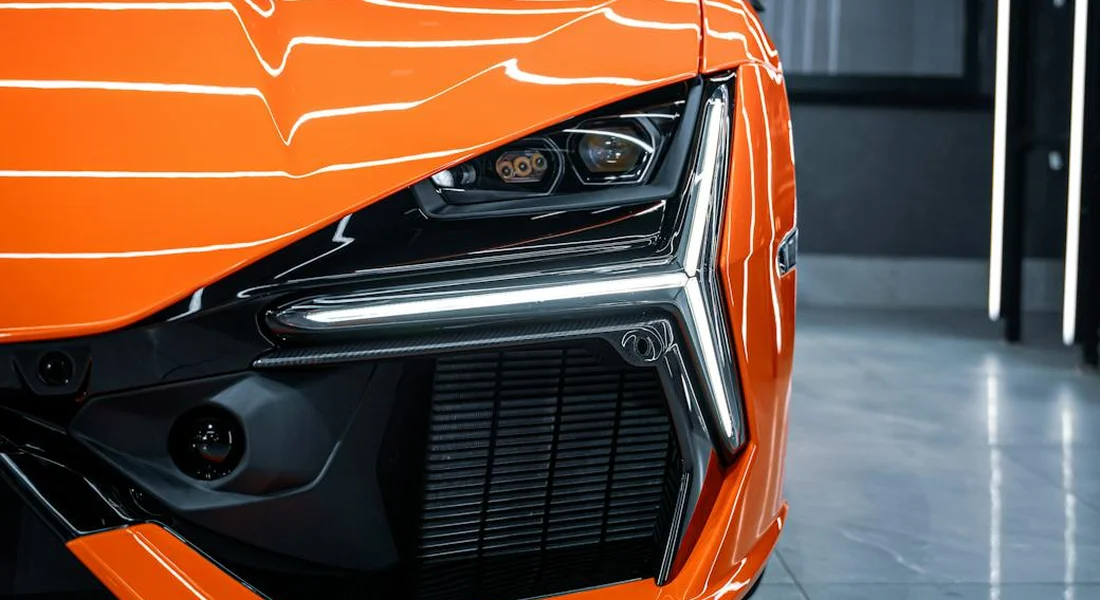
Dealer exterior work exists on a spectrum. On one end, you have a fast cosmetic clean. On the other, true paint correction that removes defects. The service name often matters less than the technician’s technique and time allowed. My Jet Black BMW, the “Swirl Magnet,” taught me this. A quick polish from a busy shop might make it shine under the lights, but only true correction fixes the spiderweb scratches a bad wash put there.
The Express Exterior Wash (The Standard)
This is the most common service. The goal is speed, not perfection. A technician often uses one bucket of soapy water and a single mitt or sponge for the whole car. They dunk it, wash a panel, dunk it again in the now-dirty water, and repeat. This drags every speck of grit across your paint, instilling fine swirl marks. Some dealers even use automatic brush washes, which are brutal on clear coats.
A proper hand wash, like the two-bucket method I use on the BMW, physically separates dirt from your wash media to prevent scratching. It takes more time and care than a dealer express wash is built for. If you see a team moving fast with one bucket, know that shine comes with a cost.
Polishing vs. Paint Correction (Know the Difference)
This is where terminology gets fuzzy. At a dealership, “polishing” or a “one-step” usually means applying a mildly abrasive product with a machine to add gloss and hide very light imperfections. It makes the car look great fast but doesn’t remove deeper scratches. The defects are still there, just masked with oils and fillers that wash away over time.
True paint correction is a multi-step process of leveling the clear coat. It systematically removes swirls, scratches, and oxidation by abrading a microscopic layer of paint until the surface is flat and flawless. It requires skill, multiple polish grades, and many hours. So, do dealerships do car paint correction? Some high-end franchises might, but it’s rare. It’s expensive and time-consuming. Often, they subcontract it to a dedicated detailing shop if a client insists.
Paint Protection Packages: Sealants, Waxes, and Coatings
In the finance office, you’ll often be offered a “paint sealant” or “premium wax” package. This is usually a decent synthetic polymer sealant applied after a wash. It provides good protection for 6-12 months and is a fair product. The catch is it’s often applied in minutes to a surface that isn’t fully corrected, locking in any existing flaws.
Compare that to a professional ceramic coating, which is a liquid glass-like layer that bonds to the paint. A true coating requires absolute perfection before application, cures for days, and can last years. It’s a different league of service. Ultimately, you’re weighing a physical film against a chemical coating: PPF protects the body surface, while ceramic coating adds gloss and cleaning ease. A quick comparison of paint protection film vs ceramic coating can help you choose. Some dealers also offer Paint Protection Film (PPF), a clear urethane film applied to high-impact areas. For my Porsche 911’s front end, a dealer-applied PPF was a legitimate option, as their installers are often certified by the film manufacturers. Always ask what brand of product they use and about the warranty.
Add-Ons & Specialized Services
Beyond the basics, dealerships offer à la carte services. Some are excellent value, while others are quick fixes. Knowing what you’re really paying for is key.
Headlight Restoration
Cloudy, yellow headlights are a safety and appearance issue. A professional restoration involves wet-sanding the plastic lens with progressively finer grits to remove the oxidized layer, then polishing it clear, and finally sealing it with a UV-resistant coating. Done right, it lasts for years. Whether you DIY or hire a pro, this clean restore approach helps you tackle cloudy headlights. It also sets the stage for practical steps to clean restore cloudy headlights.
My 1995 Miata needed this. A proper resto brought the lenses back to like-new clarity. A dealer “quick wipe” with a chemical cleaner might last a few weeks before the haze returns, as it doesn’t address the degraded surface. Ask about their process. If it doesn’t involve sanding and a permanent sealant, it’s a temporary fix.
Engine Bay Cleaning
A clean engine bay looks great and can help with inspections or resale. The service involves spraying a degreaser, agitating grime, and rinsing, followed by applying a dressing to plastics and hoses for a dark, uniform look.
Here is a critical caution. Modern engine bays are packed with sensitive electronics, sensors, and alternators. High-pressure water or steam directed in the wrong spot can cause immediate or latent electrical faults costing thousands. A safe “detail” uses low pressure, targeted sprays, and covers critical components. A risky “steam clean” blasts everything. Ensure the technician is experienced and ask about their method to protect electronics.
Odor Removal & Fabric Guard
For stubborn smells from smoke, pets, or mildew, dealers may use an ozone generator. This machine produces ozone gas that breaks down odor molecules at the source. It’s effective for most organic smells but requires multiple treatments for severe cases. It won’t remove the physical residue, just the smell, so a deep clean should come first.
Fabric guard or stain repellent applications are common. They spray a fluorochemical barrier on seats and carpets. It causes liquids to bead up, giving you time to blot a spill. It’s a worthwhile preventative treatment, especially in a family vehicle like the Honda Odyssey. Just know it wears off with friction and cleaning, needing reapplication every year or so.
When to Use the Dealership Detail Shop (And When to Go Elsewhere)
Let me put it plainly. This choice is about your time versus your car’s condition. Dealership detailing is a service of convenience. Specialized detailing is a craft of care. Your decision rests on what you need right now.
- Choose the dealership detail shop when you are already there for service or selling your car and just need it to look passable.
- Choose a specialized detailer when you want the paint flawless, the interior deeply clean, or long term protection for your investment.
The Case for Convenience: Post-Purchase or Pre-Sale
Your car is at the dealer for a recall or an oil change. The interior has a layer of dust and the exterior is spotted with spring pollen. Their detail shop can handle that. They will run it through a wash, vacuum the floors, and wipe the surfaces. It comes back looking decent. Not amazing, but good enough for the drive home.
This works for trade ins, too. I have done it. When I was ready to part with an old sedan, I paid the dealer for a quick detail before the appraisal. They removed the obvious dirt and trash. A clean car, even basically clean, presents better and can smooth the negotiation for your trade in value. It shows you bothered, which counts.
Now, a common mix up. People ask, “can a dealership provide a detailed service history of the car?” They are talking about mechanical work. Detailing is cosmetic. A dealer can list the times they washed your car, but that file does not tell you about the engine or transmission. Keep your maintenance records and your detailing receipts separate. One is for health, the other for appearance.
When to Seek a Specialized Detailer
Call a specialist when “good enough” is not good enough. When your car’s finish or interior needs more than a wipe down. Here are the clear signs you need a pro.
- You own a black car or any dark paint. My 2016 BMW 3 Series, the Swirl Magnet, is jet black. Dealership washes often use abrasive methods that leave fine scratches visible in the sun. A detailer knows how to wash without marring and can correct those swirls with a proper polish.
- You want a true ceramic coating applied. A real ceramic coating is a semi permanent layer of protection. It requires perfect paint correction first. Many dealerships offer a “coating” that is just a spray sealant that washes off in months. A specialist will decontaminate, polish, and apply the coating with precision for years of gloss and beading.
- You have heavy interior stains or odors. My Honda Odyssey, the Kid Hauler, once had a spilled milk incident. The smell lingered. A dealer vacuum would not touch it. A detailer uses a hot water extractor to pull the stain and odor from the seat foam, not just the surface.
- You own a classic car with single stage paint. My 1995 Mazda Miata has paint that oxidizes from red to a dull pink. Restoring it requires gentle, knowledgeable hands to bring the color back without burning through the thin layer. Most dealership techs have never worked on paint without a clear coat.
- You desire actual paint correction. This is removing scratches, water etchings, and holograms. It is slow, detailed work with a polisher and measuring gauges. Dealerships aim for volume, not perfection. A detailer will spend hours making your paint look new again.
Two related questions come up. People ask, “do body shops detail your car?” and “do collision centers detail cars?” After a repair, they will clean off sanding dust, overspray, and adhesive. It is a cleanup to make their work presentable. It is not a full detail. Their goal is to blend the repair, not to make your entire car shine like new. For that level of care, you still need a detailer.
Keeping Your Car’s Finish in Dealership Condition
After detailing everything from my kid-hauling Odyssey to my showroom 911, I know the best advice is to always get a written list of what each dealership service includes before you hand over your keys. This protects you from vague promises and ensures you pay for actual detailing, not just an expensive car wash.
Ignore this, and you’ll likely drive away with a car that looks clean under the soft showroom lights but is covered in fine swirls or has stains still deep in the seats.
Industry References
- Auto Detailing Services | Faulkner Buick GMC Trevose
- Dealership Detailing – Carsmetology
- r/AutoDetailing on Reddit: The Adventures of Detailing at a Dealership
- Westside Detail | Car and Auto Dealership Detailing Portland Oregon | Westside Detail
- Should I Let The Dealership Detail or Wash My Car? – Ask a Pro Blog
- Dealership Detailing
- Danny’s Detail – Dealer Solutions
Max Gunther
Max is an automotive enthusiast having worked as a car mechanical and in interior detailing service for over 25 years. He is very experienced in giving your old car, a new fresh vibe. He has detailed many cars and removed very tough smells and stains from all kinds of cars and models, always ensuring that his work and advice helps his customers. He brings his first hand experience to his blog AutoDetailPedia, to help readers breath new life into their car interiors.