Where to Find a Professional Auto Detailer or Paint Shop Near You?
You want a shop that cares for your car like you do, but trusting the wrong hands can lead to scratched paint or a damaged interior.
I will show you how to spot real detailing expertise, what to ask about ceramic coatings and paint protection film, the red flags in interior cleaning, and how to verify a shop’s work on wraps and cosmetic enhancements.
Go in unprepared, and you might pay to have your car’s clear coat etched by improper chemicals.
Key Takeaways: Finding the Right Shop
You want someone who makes your car look new again. But the word “paint” in your search can lead you to the wrong place. If you’re specifically after paint work—getting the color right and a quality finish—it helps to pick the right shop. An auto body shop fixes accidents. A professional detailer fixes finishes. That is the core difference.
For a truly flawless, glossy finish, the best “paint” specialist is often a high-end detailer, not a collision repair center. One sprays new paint, the other perfects and protects the paint you already have.
Choosing the right pro comes down to a few clear signs. Ignore the fancy websites and big promises. Look for these things instead.
- Reviews and Reputation: Read recent Google and Yelp reviews. Look for consistent praise about communication and finish quality, not just speed.
- Portfolio of Actual Work: A real pro has photos and videos of their process and results. You should see 50/50 shots showing correction, not just shiny cars in the sun.
- Shop Cleanliness: Visit if you can. A clean, organized shop means they care about their process. A chaotic, dirty shop risks adding new scratches to your car.
- Clear Communication and Estimates: They should explain what they will do, what products they will use, and how long it will take. A vague quote is a red flag.
Auto Body Shop vs. Detailer: What’s the Difference?
When you type “auto body and paint shop near me,” search engines think you have a crumpled fender. They direct you to collision repair. That is not what you need for a dirty interior or a swirled paint job.
A body shop is a garage for major surgery. Their work is structural and corrective. Think of it like going to the emergency room.
- They straighten bent frames.
- They replace smashed body panels.
- They sand, prime, and spray paint entire sections of a car to match.
- Their goal is to make your car safe and whole after an accident.
A professional detailer is a specialist in aesthetics and preservation. Their work is about perfection and prevention. Think of it like going to a master jeweler for cleaning and polishing.
- They perform paint correction. This is the careful removal of fine scratches, swirls, and oxidation using polishers and compounds.
- They apply long-term protections like ceramic coatings or paint protection film (PPF).
- They execute interior deep cleaning. This includes shampooing carpets, extracting seats, and conditioning leather.
- Their goal is to restore and then shield your car’s surfaces from daily wear.
You need a body shop after a collision or for major vandalism. You need a detailer for sun damage, light scratches, water spots, interior stains, and applying protective layers. The intent behind the question “where can I get my car painted?” matters. If you want a full color change, that is a body shop job. If you have a scratched door from a shopping cart, a detailer can likely polish it to invisibility without a drop of new paint.
When You Actually Need a Body Shop for Paint
Some damage is too deep for even the best detailer. A detailer works on the clear coat and base coat. Once paint is gone entirely, you need a painter.
Go to a body shop for these scenarios.
- A deep scratch or scrape you can feel with your fingernail that shows bare, grey metal.
- A large dent that has creased or stretched the metal.
- A full panel repaint due to widespread clear coat failure or severe fading.
- A full color-change vinyl wrap. Some detailers and specialized shops do this, but traditional body shops have the broadest experience with complete resprays.
An honest, skilled detailer is your first line of defense. They will tell you straight up when a scratch is through the paint and needs a body shop touch-up. Trying to correct damage that has broken through the color layer is a waste of your money.
When a Detailer is Your “Paint” Specialist
This is where the magic happens. A detailer saves your original factory paint. For most of the finishes we care about, they are the true experts.
Take my black BMW. The paint was a haze of fine scratches, what we call swirl marks. It looked dull under light. A body shop would have no solution. I spent a weekend with a dual-action polisher and a fine finishing compound. I did not add new paint. I removed a microscopic layer of clear coat to level out the scratches. The result was a deep, liquid black mirror. That is paint correction.
For my Porsche, the goal was protection. The paint was perfect from the factory. I did not want to alter it. I applied a ceramic coating. This is a liquid silica layer that chemically bonds to the paint. It creates an incredibly hard, slick surface that repels water, dirt, and contaminants. This coating also helps shield the paint from environmental damage caused by UV exposure, acid rain, and road salt. For the front end, I had a professional install paint protection film. This is a clear, self-healing urethane bra. It takes rock chips so the paint underneath does not. A body shop applies paint. A detailer saves it from ever needing paint.
My old Mazda Miata had a different problem. Its single-stage red paint had turned chalky and pink from decades of sun. A body shop would sand it and repaint it. A detailer can often restore it. I used a mild abrasive polish and a lot of patience. The oxidation wiped away, revealing the vibrant, original red paint that was there all along. The car looked born again. That is the power of a detailer’s skill.
How to Actually Search “Near Me” and Get Real Results
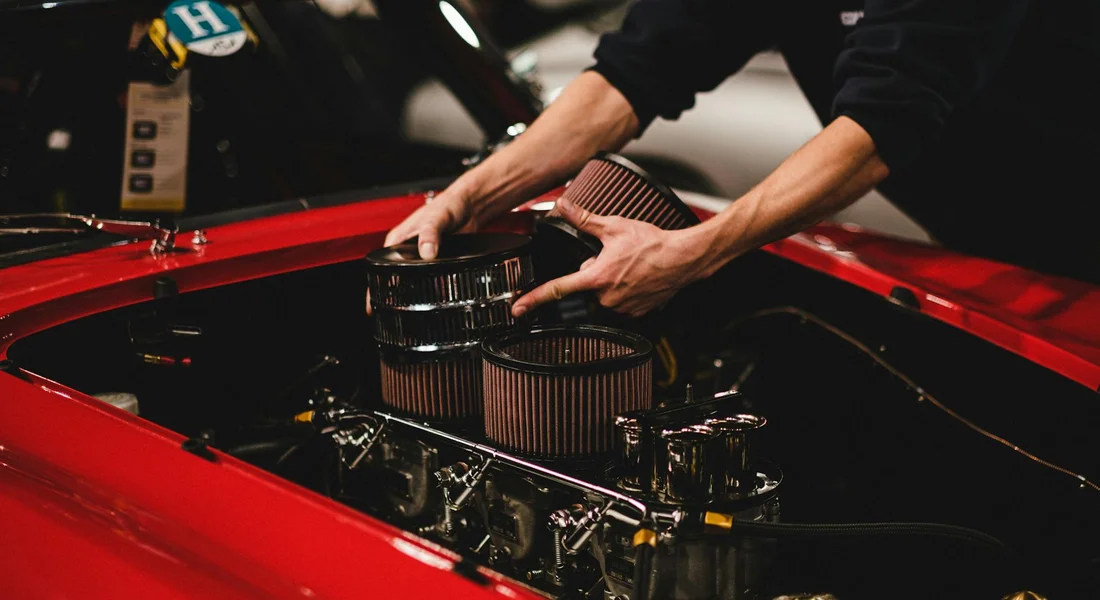
Typing “auto detailing near me” is a start, but it will flood you with every car wash and quick-lube joint in a ten-mile radius. You need to search like a pro. Be specific about the service you actually want. This filters out the basic washes and finds the specialists who can handle real correction and protection work.
Smart Google Maps and Search Phrases
Open Google Maps or your search engine. Do not just type “detailer.” Use phrases that match the job. Here are the ones I use and recommend:
- “paint correction specialist near me”
- “ceramic coating installation [Your City]”
- “auto detailing [Your Town, State]” like “car detailing near Boulder CO”
- “paint protection film installer”
- “interior detailing steam cleaning”
Searching for “mobile detailing” is a fantastic option if leaving your car somewhere is a hassle. A good mobile detailer brings the shop to you, often with professional-grade water filtration and power. I use a mobile service for my Honda Odyssey because with kids, I never have time to drop it off.
When you find a listing, click on it. Look at the Google Business profile. Scroll to the “Services” section. This tells you if they offer “paint correction,” “ceramic coatings,” or “headlight restoration.” If it only lists “basic wash” and “vacuum,” move on.
Using Social Media as a Portfolio Window
Instagram and Facebook are where detailers show their work. Search for local shop names or hashtags like #[YourCity]detailing. Then, look closely.
Good work looks like this: sharp, high-resolution photos of reflections in hoods. Clear 50/50 shots where one half of the panel is swirled and the other is a perfect mirror. Short videos showing water beading and sheeting off a coated surface. This is what I look for when judging a shop for my black BMW, the ultimate test.
Bad signs are just as clear. A profile full of only filthy interiors or simple wash jobs. No evidence of actual paint correction. In the background of photos, you see messy workstations, towels on the floor, and clutter. A clean digital portfolio usually mirrors a clean physical workspace.
The Old-Fashioned Way That Still Works: Ask Your Enthusiast Friends
Go offline. Talk to people. If you see a neighbor with a car that has a deep, flawless shine, ask them who detailed it. Check for local car clubs, meetups, or online forums for your specific vehicle. Porsche owners, for example, always know the best PPF installer in town. I found the guy who works on my 911 by asking at a local cars and coffee. People who care about their paint know who to trust.
What to Look for When You Visit a Shop (Your Eyes Don’t Lie)
A website can be all flash. A shop visit tells the true story. If you are serious about paint correction or a ceramic coating, plan to visit two or three finalists. Your gut feeling here is usually right.
Assessing the Shop’s Cleanliness and Organization
Walk in and look around. A good shop feels organized and intentional. The floors are clean, not slick with spilled product. Tools and polishers are stored on racks, not scattered on the ground. The lighting is bright, often with LED detailing lights. This matters because you need perfect light to see swirls.
Now, the red flags. Clutter everywhere. Chemical bottles with no labels, or spills around them. Piles of dirty, used microfiber towels in a corner. A messy shop often leads to a messy job on your paint, with sloppy taping, holograms, and contamination risks. I once visited a place that smelled strongly of ammonia with towels on the floor; I turned around and left.
Asking to See a Vehicle In-Progress
If it looks good, ask a question. Say, “Can I see a car you’re currently working on?” A confident detailer will say yes. This shows they have nothing to hide.
Look for precision. Edges of trim and badges should be carefully taped off with painter’s tape. The vehicle should be under good lights. Ask if you can feel a panel they’ve corrected. Run your fingertips over the paint. After proper correction, it should feel smooth as glass, with no gritty texture. My BMW’s hood felt like polished marble after my detailer finished with it.
Questions to Ask the Detailer Directly
Have a short script ready. Their answers tell you everything.
First, “What’s your process for a paint correction?” Listen for key steps. They should mention “decontamination wash,” “clay bar or synthetic clay,” “multiple polish steps with different pads,” and a final “isopropyl alcohol wipe” to remove oils before sealing. If they say “we just buff it out,” be wary. That’s the core of the car paint correction process. A methodical approach here ensures a reliable, repeatable finish.
Second, “What brand of ceramic coatings or PPF do you use, and why do you prefer it?” A good detailer has a preferred brand they are certified or trained on, and they can explain its benefits simply. The guy who coats my Porsche uses a specific brand because of its hardness and gloss, and he showed me his certification. I even did some research myself.
Finally, “Can I see examples of your past work on a car like mine?” Show them a picture of your vehicle. This connects their skill to your specific needs, whether it’s the soft clear coat on a Tesla or the single-stage paint on an older project like my Miata.
Understanding What You’re Paying For: Services and Estimates
Let’s talk about money. It can be confusing. A basic wash for one car is $50. A full correction and coating on another is $3,000. The price depends entirely on two things: the current condition of your car and the exact service you want done. Think of it like a doctor’s visit, the cost for a check-up is different from surgery.
What Impacts the Price of Paint Correction or a Coating?
Several factors change the quote. A good shop will consider all of them.
- Vehicle Size: Polishing a Ford F-150 takes more time and product than a Mazda Miata. The price reflects that.
- Paint Hardness: My black BMW’s paint is very hard. Correcting its swirls takes more aggressive compounds and more labor. My Honda’s softer paint is easier to work with but can be scratched more easily during the process.
- Level of Defects: Light wash marring requires a gentle polish. Deep scratches and heavy oxidation demand a multi-step compound and polish process, which can triple the time.
- Product Quality: A professional-grade ceramic coating costs the shop hundreds of dollars per bottle. A cheap spray sealant costs pennies. The price includes the product.
Here are real ranges. A one-step polish on a midsize SUV to add gloss might be $400-$600. A full three-step correction on a black sedan with severe swirls can run $1,200-$2,000. Ceramic coatings have a huge range, from $800 to $2,500+. The high cost isn’t just the magic bottle. It’s for the 10-20 hours of paint correction that must happen first, because a coating locks in whatever is underneath it, defects and all.
How to Read a Detailer’s Quote or Package List
A vague quote is a red flag. You need a roadmap of the work. A proper quote for a coating job should read like a recipe.
- Multi-Step Decontamination Wash
- Iron Remover Application & Rinse
- Mechanical Clay Bar Decontamination
- Paint Thickness Measurement (on all panels)
- Multi-Step Machine Polish (Compound & Polish)
- IPA/Prep Wipe for Final Cleaning
- Application of [Brand Name] Ceramic Coating (2 layers)
- Curing in Climate-Controlled Bay
Beware of packages with names like “Platinum Glaze Package” or “Super Ultimate Shine.” If there’s no list of steps, you don’t know what you’re buying. A professional quote should be a checklist of specific actions, not just a price and a fancy name. It tells you exactly what labor you are paying for.
Getting a Quote for a Specific Job: “Where can I get this scratch painted?”
You have a scratch. You want to know if a detailer can fix it or if you need a body shop. Here is how to ask the right way.
- Take a photo in direct sunlight. Artificial light hides defects. Sunlight reveals the truth.
- Say which panel it’s on: “driver’s side front door.”
- Do the fingernail test. Can you catch your nail in the scratch? If yes, it’s probably through the clear coat and may need touch-up paint. If not, it can likely be polished out.
Send that info to a detailer. A good one will tell you straight. They might say, “That looks polishable, bring it by for a free look.” Or they might say, “That’s down to the primer, you need a touch-up pen or a body shop for repaint.” An honest professional will tell you when a job is beyond detailing and save you money.
Common Mistakes When Picking a Paint or Detailing Shop
I’ve seen cars come out worse than they went in. These are the usual reasons why.
Choosing Based on Price Alone
The lowest bid often has the lowest standards. That cheap compound might cut fast, but it’s harsh. It can burn through your clear coat or leave behind a haze that requires more work to fix. The pads might be dirty, spreading scratches. Using the cheapest guy is like getting a haircut from the barber with the rusty clippers, you might save $10 but you’ll regret it for months. Pay for skill, not just a number.
Not Checking for Insurance
This is non-negotiable. A legitimate business has liability insurance. If they drop a polisher on your hood or spill acid on your trim, their insurance covers the repair. It is perfectly okay to ask, “Are you fully insured for this work?” If they get defensive, walk away. That insurance policy is your peace of mind, it protects your car while it’s in their care.
Ignoring the Details of a Warranty
Ceramic coating warranties need a close look. Many are prorated, meaning the value decreases each year. Almost all require you to bring the car back for an annual inspection and maintenance wash to keep the warranty valid. If you want to understand the fine print, our ceramic coating warranty guide explains common terms, coverage, and what can void a claim. The biggest warning sign is a new company offering a “lifetime warranty.” What good is a lifetime promise if the company is gone in a year? The warranty is only as good as the business standing behind it. A shop with a five-year track record and a five-year warranty is more trustworthy than a pop-up shop with a “lifetime” guarantee.
If You Need Supplies: Finding Detailing Products and Kits Locally
Maybe you just picked up your car from a great detailer. The paint feels slick, the interior smells fresh. You want to keep it that way. I get it. Learning from a pro and then taking the reins for maintenance is the smartest way to care for your car. Your local store is the first place to look for the products to do it.
Product Tier List: Where to Shop Locally
Not all stores are created equal. Think of them in tiers, based on what your car needs and how deep you want to go.
Budget/Drive-Through Tier: The Big-Box Auto Parts Store
You know the names. They’re everywhere. For a basic wash, a quick wax, or an emergency interior cleanup, they have you covered. You’ll find pre-packaged wash kits, bundles of microfiber towels, and every spray wax imaginable. The quality varies wildly. The towels can be scratchy. The wash soap might be harsh. I use this tier for my F-150’s mud flaps and wheel wells. It’s fine for bulk all-purpose cleaner or a last-minute gift. For maintaining a basic wash on a daily driver, it works, but inspect everything carefully.
Enthusiast Tier: Specialty Chains & Paint Shop Supply Stores
This is where the real fun begins. Stores dedicated to auto finishing or higher-end parts often carry professional brands. This is where I go for the compounds and polishes I used on my black BMW to remove those swirls. You’ll find better microfiber towels, proper clay bars, and a selection of sealants. The staff might actually know what a dual-action polisher is. If you’re serious about paint correction or applying a long-lasting sealant, this tier is your best local bet.
Show Car/Pro Tier: The Detailer’s Shop & Online
The absolute top-shelf products, like ceramic coatings and specialized leather conditioners for high-end interiors, are harder to find on a shelf. Some high-end detailers sell retail products directly. My go-to coating for the Porsche came from a shop like this. For the most specialized tools, online is king. For a true show-car finish or a multi-year coating, you will likely need to order online or build a relationship with a pro shop.
What to Actually Look for in a Local Store
Walking into an aisle packed with bottles can be overwhelming. Don’t just grab the shiniest box. Focus on these three things.
First, feel the microfiber towels. Look for bags that say “plush” or “edgeless.” Rub one on the back of your hand. It should feel soft, not scratchy. A cheap, rough towel will put fine scratches right back into your clean paint. I learned that the hard way on my Miata’s single-stage red.
Second, look for known brand names in the polish and compound section. Recognizable names often mean more consistent results. A no-name bottle might be too aggressive and burn your paint. A trusted brand gives you a better chance of a predictable outcome.
Third, check the wash soap. Turn the bottle around and read. You want to see “pH-neutral” on the label. Look for a wax-safe formula that won’t strip wax. This keeps your finish protected while you wash, a concept we’ll tie to the car wash soap strip wax topic with an implicit link in the next steps. Do not, under any circumstance, use dishwashing detergent. It strips every bit of wax and protection from your paint, leaving it bare and vulnerable. A proper car wash soap is designed to clean without destroying your hard work.
Need brushes, clay kits, or applicators? They’re usually in the same aisle. Look for soft-bristled detail brushes for vents and leather brushes with horsehair bristles. A local store with a good enthusiast-tier selection will have these. That’s your starting point for finding tools nearby.
Making the Right Choice for Your Car
Your search should end with a shop that demonstrates its craft on a similar vehicle, like checking for holograms on a black BMW in sunlight. I value a conversation about paint safety and interior material care more than a low price.
Pick a shop without this care, and you risk swirls in your clear coat or stained upholstery from improper chemicals.
References & External Links
- Cheap Auto Detailing Deals Near You – Save with Coupons Today
- TOP 10 BEST Car Detailing in Austin, TX – Updated 2025 – Yelp
- Hand Car Wash & Auto Detailing in Austin TX | The Washaroo
- Top 10 Best Car Detailing Near Los Angeles, California
- Expert Car Detailing Services – Interior & Exterior Auto Detailing – Delta Sonic Car Wash
Max Gunther
Max is an automotive enthusiast having worked as a car mechanical and in interior detailing service for over 25 years. He is very experienced in giving your old car, a new fresh vibe. He has detailed many cars and removed very tough smells and stains from all kinds of cars and models, always ensuring that his work and advice helps his customers. He brings his first hand experience to his blog AutoDetailPedia, to help readers breath new life into their car interiors.