How Can You Tell If Your Car Has a Ceramic Coating? A Step-by-Step Water Beading and Gloss Test Guide
You just bought a used car or simply forgot what was done to your paint, and now you are unsure how to care for it properly.
I will show you how to conduct the water beading test, perform a simple gloss evaluation, and correctly interpret your results.
Guess wrong, and your next wash could strip that invisible shield, leaving your paint defenseless.
Key Takeaways: The Short Answer
You do not need a special tool or a chemistry degree. You need clean paint and a few minutes of your time. The tests are simple and rely on what you can see and feel.
- Perform a water beading test on a clean panel; tight, round beads that roll quickly indicate a coating. This is the most reliable homeowner test.
- Feel the paint; a ceramic-coated surface feels exceptionally slick and smooth, like glass. Your fingertips will tell you a lot.
- Check for a deep, high-gloss shine under direct light, distinct from wax. It has a sharp, reflective quality.
- These tests help answer “how do I know if my car has ceramic coating” without special tools. It is detective work anyone can do.
- A clean car is mandatory for accurate results-dirt and old wax will fool you. This is the rule you cannot skip.
What a Ceramic Coating Actually Does to Your Paint
Forget what you know about paste waxes and spray sealants. A true ceramic coating is a different animal. It is a liquid polymer that chemically bonds to your car’s factory clear coat. It cures into a hard, semi-permanent layer of protection.
Think of it like this. A carnauba wax is a cozy winter jacket. It looks great and sheds light rain, but it wears off after a few months of sun and washing. A ceramic coating is a permanent, slick rain shell that is bonded to your skin. It does not wash off. It repels water fiercely, shrugs off dirt and bird droppings, and locks in the paint’s gloss for years, not months.
Its core jobs are straightforward: create an ultra-slick, hydrophobic surface to repel water and contaminants, enhance the visual depth and gloss of the paint, and provide a long-term shield against UV rays and environmental fallout.
So why might you not know if it is there? Maybe you just bought a used car and the previous owner was not sure. Perhaps you had it applied years ago and lost the detailer’s paperwork. Or you are a detailer checking your own maintenance work on a customer’s car. “Does my car have ceramic coating?” is a common question in all these situations. The answer is waiting on the paint itself.
The “Ceramic” Feel vs. Wax: A Sensory Comparison
Close your eyes and run your fingertips across the hood. The feel of the surface is a dead giveaway. A properly coated panel has a distinctive, hard slickness. It feels like wet glass or a highly polished stone. There is zero drag or grab. Your hand should glide effortlessly.
Now compare that to a traditional carnauba wax. Even a high-end wax has a very slight, almost velvety tackiness to it. It feels rich and deep, but not perfectly slick. A synthetic sealant might feel smoother than wax, but it still lacks that distinct glass-like hardness of a coating.
I use my Jet Black BMW as the test subject for this. When the coating is fresh and strong, the door feels like a frozen pond to the touch. When the protection has finally worn away after years, the same black paint feels grabby and soft, instantly collecting fingerprints and dust. Your sense of touch does not lie.
Where Coatings Are Often Applied: Hood, Roof, and Doors
A professional or thorough DIY application will cover every painted exterior panel. That includes the bumpers, mirrors, and door jambs. For our simple test, we want the most consistent results. Start with the large, flat horizontal surfaces: the hood, the roof, and the top of the trunk or tailgate.
These areas get the most uniform exposure to water during our test. They are also the easiest to clean and evaluate. While coatings are usually full-body, always test a flat horizontal panel first for the clearest, most dramatic result.
Be aware that some owners apply a coating only to certain areas. The front bumper, hood, and mirrors are common targets for extra protection against bug splatter and highway debris. If you see wild water behavior on the hood but not the door, this could be why.
Performing the Water Beading Test: The Telltale Sign
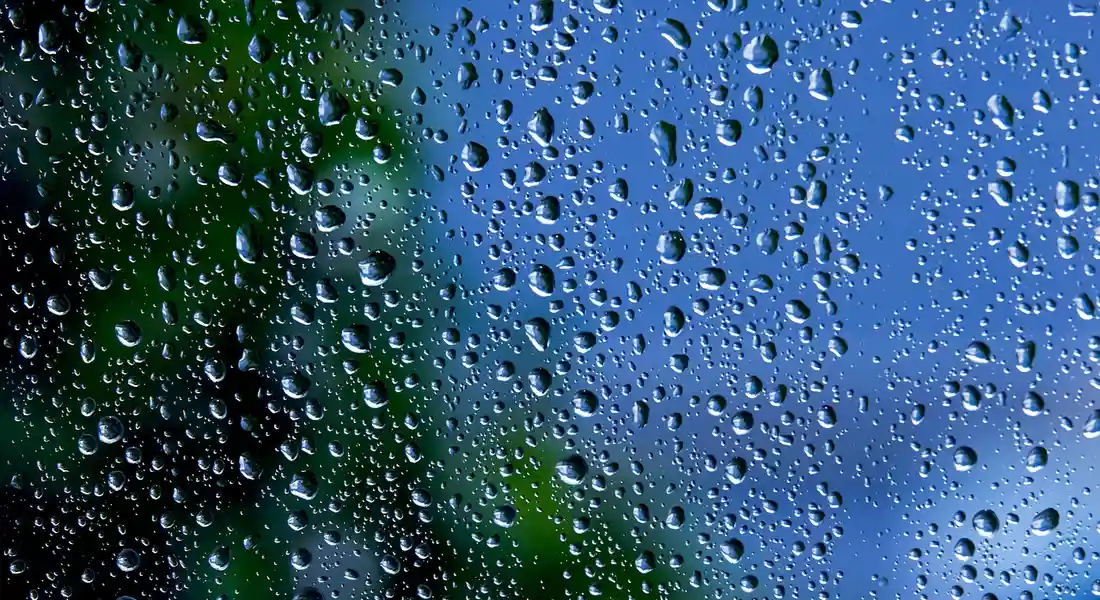
The water beading test is the single most reliable way for you to check for a ceramic coating at home. Forget complicated gadgets. This is a driveway diagnostic anyone can do.
Step 1: The Non-Negotiable Clean Start
You need a perfectly clean surface. Wash the car with a pH-neutral shampoo. If your paint feels gritty, decontaminate it with a clay bar. Dry every panel completely with a clean, dry microfiber towel. I use a waffle weave towel on my Model 3 for this. Any leftover water spots or film will ruin the test.
Never use dish soap or an all-purpose cleaner for this wash, as they strip protection and will give you a false reading. I learned that the hard way on my F-150 years ago.
Step 2: Applying Water and Reading the Beads
Fill a spray bottle with distilled water for consistency. Mist a light shower onto a clean, horizontal panel like the hood or trunk lid. Do not soak it.
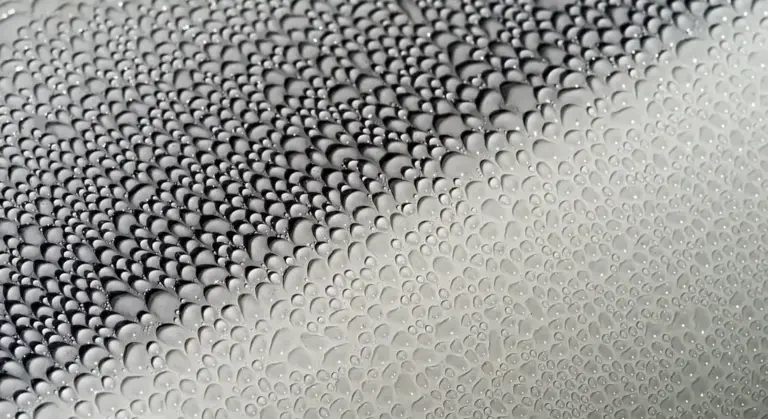
Look for small, perfectly round water beads that stand tall like little marbles and roll off with just a slight tilt. This is the signature of a strong, hydrophobic surface. On my coated Tesla’s flat front bumper, the beads are so round and tight they look like mercury.
If the water sheets off in a thin film, you might have a worn coating or a polymer sealant. If it lays flat and soaks in, like on my old Miata’s single-stage paint before correction, you have bare paint with no protection left.
Interpreting Your Water Beading Test Results
Strong, tight beading usually means a ceramic coating or a very fresh, high-quality sealant. Sheeting or large, flat beads often point to an aging coating or a synthetic wax. No beading at all tells you the paint is bare and vulnerable.
Test a few panels. Coatings can wear unevenly. The hood and roof often show the truest state of the protection.
FAQ Integration: Testing Specific Cars Like a Tesla
I get asked about ceramic coating a Tesla Model 3 all the time. The factory paint on a Tesla is the same as any other car, so the water test works identically. If someone talks about ceramic coating Tesla seats, they’re referring to a fabric protector for the interior vegan leather. That’s a completely different product and requires a different test.
Conducting the Gloss and Surface Feel Test: Beyond Water Beads
Gloss and surface feel confirm what the water test suggests and give you the hands on proof. This is how you tell a ceramic coating from a good wax with your own eyes and fingers.
The Slickness Test: Running Your Fingers Over the Paint
With clean, dry fingertips, gently glide them over a clean horizontal panel. Do not press down.
A true ceramic coating has a signature slick feel, like your finger is floating on cold, hard glass with almost no friction. On my Porsche’s coated paint, it feels this way even after a month of dust. It’s a testament to the layers of paint protection provided by a quality ceramic coating.
Waxed paint, even the best kind, has a slight warmth and a gentle drag to it. It feels lubricated, not frictionless.
The Visual Gloss Check: Using Light to Your Advantage
Park in shaded sunlight or use a bright LED work light. Hold the light at a low angle to the paint.
Look for a deep, liquid reflection where details are sharp and clear, like looking into a still pool. Ceramic coatings enhance the paint’s depth and clarity, not just its shine. A glaze might look shiny but lacks that penetrating wet look.
The red paint on my 911, when coated, has a mirror finish you can almost see into. My black BMW, when properly corrected and coated, loses its cloudy haze and gains this intense, sharp reflection.
When Tests Conflict: What It Might Mean
Sometimes the tests tell different stories. Good beading but a sticky or draggy feel might mean a spray sealant is on top. High gloss but no water beading could be a recently polished surface with all the fillers hiding defects but no protective layer left.
Always test multiple panels to get the full story, as environmental damage or poor maintenance can degrade a coating in spots. The roof and hood on my kid-hauler Odyssey often show wear first.
Next Steps: Verification, Safety, and Keeping It Protected
You have a strong suspicion about your car’s finish. The water danced and the surface felt slick. Now what? Acting carefully here protects your paint and your wallet.
You need to verify your find, understand how to care for it if it’s real, or decide your next move if it’s not. Let’s walk through it safely.
Paint Damage Prevention: How to Test Without Scratching
The goal is to identify a coating, not create swirl marks. Your touch matters. A heavy hand can undo years of protection in seconds.
Here are common mistakes that scratch clear coat.
- Washing or testing in direct, hot sunlight. This makes soap and water dry too fast, leaving residues and making the surface more vulnerable to scratches from dragging towels across a dry panel.
- Using a dirty towel or mitt for the feel test. Any grit trapped in the fibers acts like sandpaper. I only use a brand new, clean premium microfiber for this check.
- Applying pressure during the glide test. Your fingers should just rest on the surface. Let the slickness do the work. If you have to push, the coating is gone or was never there.
- Using an abrasive cloth or rubbing compound to “test hardness.” This is the worst thing you can do. You will absolutely mar the finish. Coatings are not force fields. They are sacrificial layers. Treat them with respect.
The rule is simple: be gentler than you think you need to be, and use cleaner tools than you think are necessary.
Detailer’s Pro-Tip: The Isopropyl Alcohol Wipe Test
This is a more definitive check for experienced hands. It helps distinguish a true ceramic coating from a spray wax or sealant topper.
Isopropyl alcohol (IPA) acts as a light cleaner. It will strip away temporary products but leave a fully cured, bonded ceramic coating intact.
- Mix a solution of 15% isopropyl alcohol (the 70% or 91% stuff from the pharmacy) with 85% distilled water in a spray bottle.
- Find a very inconspicuous spot, like the lower edge of a door or behind a door handle. Clean it first with your regular wash.
- Spritz a small amount of the IPA solution onto a clean, soft microfiber towel. Do not soak it.
- Gently wipe the test area once or twice.
- Immediately rinse the spot with clean water and dry it.
Now, spray plain water on that spot. Observe the beads.
If the strong, tight water beading remains, you likely have a cured ceramic or silicon dioxide coating. The IPA did not remove it. If the beading is gone or has become weak and sheety, you probably had a wax or spray sealant that was just washed away.
Use this test sparingly. IPA can dry out rubber trim and, if used too often, could potentially affect the coating’s hydrophobic properties over a very long time. One small test is all you need.
Professional Verification and Cost Considerations
For absolute certainty, a professional detailer has the tools for a definitive answer. Many use a device called a contact angle meter. It measures the exact angle of a water bead on the surface. A high contact angle (over 90 degrees) is a clear sign of a high-performance coating.
Asking a pro is also the perfect time to discuss value. People often search for things like “ceramic coating Tesla cost” or “ceramic coating West Chester PA” to gauge local pricing. A professional-grade coating, properly applied to a prepped surface, is a multi-year investment. It costs more upfront because it includes the labor of perfecting your paint first. That price reflects the prep, product quality, and protection you’re getting. Understanding the professional ceramic coating cost helps you compare quotes clearly.
For a sedan, you might see prices starting around $1,000. For a larger vehicle like a Tesla Model Y or a truck, the price goes up. A DIY bottle kit might cost $50-$150, but it lacks the longevity and often the depth of gloss of a pro application. The professional cost isn’t just for the product. It’s for the guarantee of a flawless, swirl-free foundation and 5+ years of protection.
Ceramic Coating Maintenance: If Your Car Is Coated
Congratulations. You have a protected finish. Now your job is to preserve it. Proper maintenance keeps that beading strong for the entire lifespan of the coating.
The basics are straightforward but non-negotiable.
- Use a coating-safe, pH-neutral shampoo. Avoid “wash and wax” soaps, as the wax can build up and cloud the coating’s clarity.
- Never use automatic car wash brushes. They are swirl factories and can degrade the coating.
- Dry gently with a clean, soft drying towel or a filtered air blower. Dragging a towel on a dirty, wet coating invites scratches.
- Use a dedicated ceramic coating booster spray every few months after washing. This rejuvenates the hydrophobic effect.
Think of the coating as the foundation. Your maintenance is the roof that keeps the foundation dry and intact.
This applies to interiors, too. My Tesla’s white “vegan leather” seats have a ceramic coating. For them, maintenance means cleaning spills quickly with a damp microfiber and using a specific interior ceramic spray every six months to keep stains from setting. It’s different from caring for genuine leather, where cleaning and conditioning leather car seats regularly is essential.
If There’s No Coating: Your Options Moving Forward
The tests came up empty. Your paint is naked. This is not a bad thing. It’s an opportunity to choose the right protection for your life.
You have two main paths: apply a ceramic coating or use traditional sealants and waxes.
A ceramic coating is for those who want long-term, low-maintenance defense. It’s perfect for my F-150. The coating’s slickness makes mud and road grime slide right off after a rain. The investment makes sense for a daily driver that faces abuse.
For my 1995 Miata, a coating would be a later step. Its single-stage paint needs a full restoration-claying, compounding, polishing-to remove decades of oxidation before a coating could be applied. Otherwise, you’re just locking in dull, pink paint.
A high-quality synthetic sealant or carnauba wax is a fantastic choice. It offers serious protection and incredible depth of gloss for a fraction of the cost and effort. You apply it twice a year. It’s forgiving and satisfying. Considering synthetic vs carnauba wax, you’ll weigh durability, gloss, and maintenance needs. We’ll compare them in the next steps.
The best protection is the one you will consistently maintain. Whether you choose a professional ceramic coating for your garage-kept Porsche or a bottle of spray wax for your kid-hauling Odyssey, the goal is the same. Keep the paint safe, make cleaning easier, and enjoy the gloss. Your car’s needs and your budget will point the way. Don’t fall for common car paint protection myths that promise miracles with minimal effort. The truth is that lasting protection comes from consistent care tailored to your vehicle and budget.
Trusting the Bead: Your Coating’s True Test
Let the water do the talking—a tight, round bead that dances on the paint is the surest sign of a ceramic coating. Confirm it with a glance at the sharp, deep gloss under a bright light, and you will know. To preserve that look, you can apply ceramic coating paint for lasting protection. Applied correctly, ceramic coating paint helps keep the bead tight and the gloss vivid.
Overlook these tests, and you might use a stripping soap or abrasive wax that cuts straight through your car’s protection.
Related Guides and Information
- Best Ceramic Coatings for 2025, Tested
- Ceramic Pro Technology Testing Results
- How do we Test and Review Ceramic Coating products?
- r/Detailing on Reddit: Ceramic Coating – how to test/confirm?
Max Gunther
Max is an automotive enthusiast having worked as a car mechanical and in interior detailing service for over 25 years. He is very experienced in giving your old car, a new fresh vibe. He has detailed many cars and removed very tough smells and stains from all kinds of cars and models, always ensuring that his work and advice helps his customers. He brings his first hand experience to his blog AutoDetailPedia, to help readers breath new life into their car interiors.