How Do You Repair Car Paint Scratches? A Complete Guide from Touch-Up Pens to Paint Filling
You just found a scratch on your car, and now you’re staring at it, wondering if it’s going to spread or rust.
Based on years of fixing everything from fine swirls on my black BMW to deep scrapes on my Ford truck, I’ll walk you through identifying what kind of scratch you have, gathering the right tools, properly cleaning the area, applying touch-up paint without making a blob, and finishing the repair so it blends in.
Do it wrong, and you’ll seal the scratch under a glob of paint that looks worse than the original damage.
Key Takeaways: Your Scratch Repair Roadmap
Before you touch a product, know what you are dealing with. Car paint scratches fall into four levels of severity. Levels 1 and 2 are often DIY projects. Levels 3 and 4 usually need a professional touch for a seamless finish.
The goal is not factory perfection, but to make the damage nearly invisible from a few feet away and to seal the wound against rust.
| Scratch Level | DIY Method | Approx. Time | Difficulty |
|---|---|---|---|
| Clear Coat (Level 1) | Polish & Compound | 30-60 mins | Beginner |
| Primer (Level 2) | Touch-Up Paint & Clear | 1-2 hours | Intermediate |
| Base Coat (Level 3) | Filling, Sanding, Painting | 2-3 hours+ | Advanced |
| Bare Metal (Level 4) | Professional Repair | Varies | Pro Required |
Your core philosophy must be correct diagnosis first, then choose the least invasive method. Start gentle. You can always get more aggressive, but you cannot put removed paint back on.
The Scratch Detective: How to Assess Damage Like a Pro
Good repair starts with good eyes. Pull your car into direct sunlight or use a bright flashlight. Hold the light at a very low angle, raking it across the paint. Every dent and scratch will cast a shadow, revealing its true depth.
Next, do the fingernail test. Gently run your fingernail across the scratch. If your nail does not catch, the scratch is likely only in the clear coat. If it catches and snags, the scratch has penetrated deeper.
Remember, a scratch removes your car’s paint, while a scuff is often material from another object transferred onto your paint. A scuff might wipe off with a detail spray and microfiber. A scratch will not.
Here are the four levels you are looking for.
Level 1: Clear Coat Scratches (The Surface Swirl)
These look like fine, hazy lines that catch the light in a cobweb pattern. Your fingernail will glide right over them. They are purely in the transparent protective layer. This answers the common question, “can you get scratches out of car paint?” For these, yes, you can.
My 2016 BMW 3 Series, the “Swirl Magnet,” is the perfect case study. Its jet black paint shows every single one of these from automatic car washes or using a dirty towel. They are frustrating, but they are the easiest to fix.
Level 2: Primer Scratches (The Colored Groove)
This is a distinct line where your car’s color is completely gone. Underneath, you will see a dull, off-color layer. This is usually a gray, tan, or white primer. The scratch has cut through the clear coat and the color (base coat), but has not reached the metal body of the car.
The primer is your last line of defense before bare metal, so a scratch here needs attention to prevent further damage.
Level 3: Base Coat Scratches (The Deep Gouge)
This is a severe groove. You will see deep tracks where the paint is missing, and the color layer (base coat) is heavily compromised. It often looks ragged and much wider than a hairline scratch. While the primer might still be intact, the damage is extensive enough that simple touch-up paint will look obvious without careful blending and leveling.
Level 4: Bare Metal Scratches (The Rust Risk)
This is the worst. You will see a deep, narrow gouge where the metal itself is visible. It might look shiny and silvery, or if it is old, you might already see the orange-brown bloom of rust. This directly addresses “can deep scratches be removed from car.” You cannot “remove” a scratch this deep. You must fill it and repaint the area to prevent corrosion.
My 2018 Ford F-150 “Workhorse” gets these on the tailgate from loading equipment. For a daily driver, the goal is quick, effective sealing to stop rust, even if the repair isn’t showroom perfect.
Detailer’s Pro-Tip: For tricky scratches, use a magnifying glass and mist the area with water. If the scratch seems to disappear when wet, it is likely only in the clear coat and can be polished out.
Your Scratch Repair Arsenal: Tools, Chemicals, and What Really Works
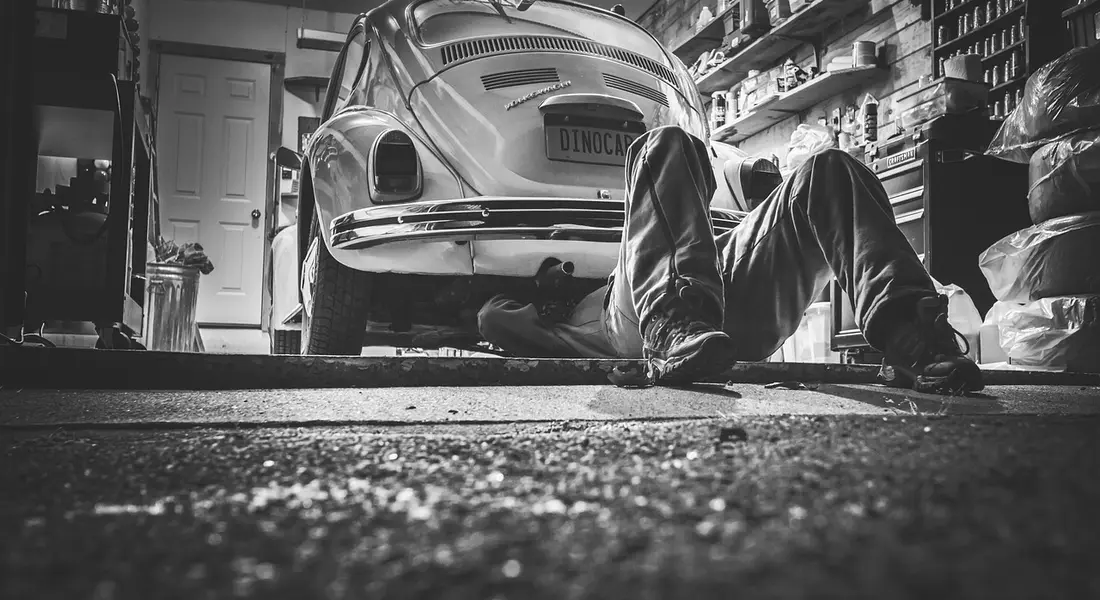
The right tool makes the job. The wrong one makes a bigger problem. I keep my scratch repair gear separated into three kits based on the depth of the damage. This stops me from grabbing a heavy compound for a light scratch or trying to polish away something that needs paint.
Cleaning and Prep Essentials
This step is non-negotiable. Dirt is an abrasive. Applying polish over grit is just sanding your paint. For my black BMW, a single wash with a contaminated mitt can create a whole new set of fine scratches.
- Car Wash Soap: Use a lubricating, pH-neutral formula. Avoid dish soap, it strips wax and can dry out trim.
- Two Buckets with Grit Guards: One for soapy water, one with clear water for rinsing your wash mitt. The guard traps dirt at the bottom.
- Microfiber Wash Mitts: A chenille or microfiber mitt holds soap and lifts dirt away from the surface.
- Prep Spray or Isopropyl Alcohol (70%): After washing and drying, you must strip any wax or sealant from the repair area. I spray 70% isopropyl alcohol on a clean microfiber and wipe the spot. This gives you a true, clean surface to work on.
- Microfiber Towels (350-500 GSM, 70/30 blend): These are your polishing and final buffing towels. The higher GSM means more plush, softer fibers that are less likely to mar the paint. The 70/30 blend (70% polyester, 30% polyamide) is the ideal balance of softness and durability.
- Nitrile Gloves: Your skin has oils. Wear gloves during prep and application to keep the area perfectly clean.
Polishing and Cutting Compounds
This is where you fix clear coat scratches. Think of compound as liquid sandpaper and polish as the final refining step. My rule with the Miata’s single-stage paint and the Porsche’s soft clear coat is always to start with the least aggressive method.
- Dual-Action (DA) Polisher: An orbital polisher that spins and oscillates. It’s far safer for beginners than a rotary buffer. An 8mm throw is great for smaller areas and curves, while a 15mm throw covers larger panels faster. This is the most important power tool you can own for paint correction.
- Polishing Pads: You match the pad to the compound. A soft, foam finishing pad (white or black) with a light polish. A firmer, cutting pad (orange) with a compound for deeper defects.
- Light Polish: A pH-neutral polish with non-abrasive fillers can often diminish light scratches and swirls by gently abrading the surrounding clear coat level. It’s my first step on 90% of scratches.
- Cutting Compound: A more abrasive product used for deeper scratches that are still within the clear coat. It removes more material, so you follow it with a polish to restore gloss.
Always test your compound and pad combination on an inconspicuous area first to see how your paint reacts.
Touch-Up Paint: Pens, Brushes, and Aerosols
When a scratch goes through the color layer, polishing won’t fix it. You need to add material back. I’ve used all these methods on various cars, and each has a specific job. That’s a lead-in to how you repair and protect car paint colors after a scratch. You’ll see how to match color and protect the finish in the next steps.
- OEM Touch-Up Paint Pen: The most common solution. It has a ballpoint tip for fine lines and often a brush in the cap for wider spots. Best for stone chips and short, narrow scratches. The paint can be thin and may require multiple layers. Shake it for a full two minutes.
- Touch-Up Paint Brush Bottle: This is just a small bottle of paint with an integrated brush. It holds more paint than a pen and the brush allows for better control when filling a larger chip. This is what I used on my F-150’s hood chips.
- Touch-Up Paint Aerosol (Spray Can): For larger areas, like a scratched bumper corner. It provides a more even, factory-like finish than brushing but requires extensive masking. You must spray in light, dusting coats to avoid runs.
- Lacquer Thinner: A precise tool for cleanup. After touch-up paint dries (but fully cures), you can carefully wick away the raised “paint blob” with a toothpick dipped in thinner, leveling it with the surrounding clear coat.
Work in a well-ventilated space like an open garage when using aerosols or thinners, and keep that nitrile glove on.
Sandpaper and Abrasives (The Precise Tools)
Wet sanding is an advanced technique. You use it to level a touch-up paint job that has dried lumpy, or to carefully feather the edges of a deep scratch before compounding. I practiced on old body panels before trying it on my 911’s bumper.
- Assorted Grit Wet/Dry Sandpaper: You always use it with plenty of water as a lubricant. Start with a higher (finer) grit and only go more aggressive if you must.
- 3000 to 5000 Grit: For final refining after compounding, to remove very fine haze. Very safe on clear coat.
- 2000 to 3000 Grit: The most common range for leveling touch-up paint or sanding clear coat scratches before compounding.
- 1500 Grit: For leveling primer or feathering the edge of a deeper scratch into the surrounding paint. Aggressive, use with extreme caution.
- Sanding Block or Pad: Never sand with just your fingers. A flexible foam block ensures even pressure and a flat surface.
- Spray Bottle with Water: To keep the area flooded while sanding. This floats away debris and prevents clogging the paper.
Now, about those DIY kits you see on shelves. Most are a combination of the items above, but quality varies wildly.
A typical “car scratch repair kit” might include a mild abrasive, a applicator pad, and a sealant. These are only for clear coat scratches. They can work on very light defects, but often use aggressive abrasives that leave a hazy finish. Read the label. If it says “removes scratches,” it’s cutting. If it says “hides scratches,” it’s using fillers that will wash out. Effectiveness varies with scratch depth and the finish. Real-world results depend on proper prep and application.
The choice between a “car scratch repair pen” and a “car scratch repair spray” comes down to the scratch size. Use a pen for a 2-inch key scratch. Use a spray for a 12-inch long scrape on a bumper. The pen is for precision, the spray is for coverage. The common pitfall with both is applying too much, too quickly, which creates a thick, globby mess that is harder to fix than the original scratch. Apply in tiny amounts, let it dry, and build it up slowly.
Fixing Clear Coat Scratches: The Polish-and-Buff Method
Clear coat scratches live in the very top layer of your paint. They look white or hazy and catch your fingernail only if you really dig in. The fix is straightforward but demands patience. You level the area around the scratch by removing a microscopic layer of clear coat until the scratch’s valley disappears. It is permanent and effective.
My BMW 3 Series, the black “Swirl Magnet,” is covered in these. Every improper wash left a web of fine scratches. Correcting them requires a systematic approach: wash, clay, compound, polish, protect.
- Wash: Start with a perfect, contaminant-free surface. Use the two-bucket method with grit guards. Any dirt left on the paint will turn your polisher into a sanding machine.
- Clay: After washing, feel the paint. If it’s rough like sandpaper, use a detailing clay bar or synthetic clay mitt with plenty of lubricant. This removes embedded contaminants a wash misses. This step is non-negotiable for a smooth finish.
- Compound: This abrasive liquid cuts into the clear coat to level scratches. Use a dual-action polisher with a cutting pad. Work on a 2×2 foot section.
- Polish: Compounding leaves microscopic hazing. Polishing with a finer abrasive and a polishing pad restores deep, reflective gloss.
- Protect: After polishing, the fresh clear coat is naked. Immediately apply a sealant, ceramic coating, or wax to lock in the shine and guard against new scratches.
The goal is to remove the least amount of clear coat necessary to erase the defect, preserving your paint’s long-term health. On my BMW, this process eliminated years of holograms and swirls, transforming the finish from a cloudy grey back to a deep, liquid black.
Your technique with the polisher is everything. Move the machine slowly, about one inch per second. Use overlapping passes, like mowing a lawn. After every two or three sections, stop. Wipe the area clean with a microfiber towel and inspect your work under good light. This constant checking prevents you from over-polishing a single spot and burning through the clear coat.
Step-by-Step: Machine Polishing for Beginners
If you are new to a polisher, it can feel intimidating. Break it down into simple, repeatable actions. For this, you need a dual-action (DA) polisher, not a rotary. A DA is far more forgiving.
- Tape off plastic trim, rubber seals, and badges with painter’s tape. Compound will stain them.
- Prime your polishing pad. Spritz it with 3-4 sprays of pad conditioner or quick detailer.
- Apply your compound or polish. Use an “X” pattern, about four pea-sized drops for a 2×2 foot area.
- Spread the product. Turn the polisher on its slowest speed (1 or 2) and smear the product over your section without pressure.
- Begin polishing. Increase speed to 4 or 5. Apply firm, even pressure-enough to slow the machine’s rotation slightly. Keep the pad flat.
- Use the slow, overlapping arm speed. Do 4-6 passes horizontally, then 4-6 passes vertically.
- Stop and check. Wipe the section clean. Has the scratch faded or disappeared? If not, repeat with one more round. If the scratch remains deep, it may be through the clear coat and need a different repair.
- Finish the panel. After compounding, switch to a fresh polishing pad and your polish. Repeat the same slow process to bring back the high-gloss finish.
Working in small, manageable sections is the secret to consistent, safe results you can be proud of.
Can You Do This By Hand? The Reality Check
You can try. For a single, isolated, very fine scratch, hand-polishing might diminish its appearance. But for proper correction or an entire panel, the answer is essentially no.
A machine polisher generates consistent heat and friction that breaks down abrasives properly. Your hand cannot replicate the sustained, even pressure or the oscillation used in machine polishing. You will work ten times longer for a fraction of the result, often just rubbing the scratch smoother rather than removing it. Your arm will give out long before the clear coat does.
I tried this once on an old door ding. An hour of furious rubbing with a compound and applicator pad made the scratch slightly less obvious, but it was still there. The surrounding area looked hazy and tired. For true scratch removal, a dual-action polisher is not a luxury tool; it is the correct tool for the job. Consider it a long-term investment for your car’s finish. For everything else, your hands are perfect for applying waxes, sealants, and interior dressings.
Touch-Up Paint for Deeper Scratches: From Primer to Metal
So, can you paint a scratch on your car? Yes, absolutely. Can you paint over scratches on your car? This is the critical part. You never paint over dirt, wax, or loose edges. You paint into a meticulously prepared scratch. This is for scratches that have cut through the clear coat and color layer, down to the primer or bare metal. My Jet Black BMW is covered in lessons learned from doing this wrong the first time.
The goal is not a perfect, invisible repair from two feet away. The goal is to fill the void with matching color and new clear coat to stop corrosion and make the scratch nearly disappear from a normal viewing distance.
First, find your paint code. It is on a sticker usually in the driver’s door jamb or under the hood. Order your touch-up paint from the dealer or a reputable automotive paint supplier. Off-the-shelf bottles from parts stores can be close, but often lack the exact metallic flake or pearl of your factory finish. For my white Tesla, a generic “glacier white” was a stark, flat mismatch compared to the tri-coat pearl OEM paint.
Let’s talk cost. A DIY touch-up kit with primer, color, and clear costs $50 to $100. A professional respray of a single panel by a good body shop starts at $300 and climbs rapidly. The DIY route saves money but demands patience. The pro route saves time and guarantees a better visual result.
Prepping the Scratch: Cleaning and Feathering Edges
Surface preparation is everything. A repair fails here, not during painting.
Start with a full wash and dry of the area to remove loose contamination. Then, you need to create a perfectly clean, slightly textured surface for the new paint to grip.
Working in a dust-free, shaded, and windless environment is not a suggestion, it is the rule for this step. A garage is ideal. A driveway on a calm, overcast day can work.
- Clean the scratch and surrounding paint with isopropyl alcohol (70% or higher) and a fresh, lint-free microfiber towel. This strips any leftover wax or oils.
- Use a very fine grit sandpaper, like 3000 grit, wrapped around a small rubber sanding block. Lightly sand only the scratch channel and its immediate edges. The goal is to “feather” the hard, rough edges of the clear coat damage so the transition is smooth. You are not sanding the good paint around it. Use water as a lubricant. Sand for just a few seconds, then wipe and inspect.
- Clean the area again with isopropyl alcohol. The surface must be surgically clean and dry.
If the scratch is down to bare metal, you must use the primer from your touch-up kit. Apply a tiny dot of primer into the deepest part of the scratch, just enough to cover the metal. Let it dry completely, often for an hour or more.
Applying the Paint: The Art of the Tiny Dot
Now for the nerve-wracking part. The brush cap that comes with the touch-up bottle is usually too big and clumsy. It lays down too much paint, creating a globby “paint blob” that looks worse than the scratch.
Use a toothpick or a fine-gauge syringe tip to apply the paint instead of the brush. This gives you pinpoint control.
Dip the very tip of the toothpick into the paint. You want a tiny droplet hanging from it. Gently touch the droplet to the center of the prepared scratch. Let capillary action pull the paint into the groove. Do not try to fill the entire scratch in one pass. You are placing a series of tiny dots along its length.
Walk away. Let this first layer dry for at least two hours, preferably four. This is where patience pays. Come back and apply a second layer of dots, just like the first. You may need three or four layers over two days to build the paint up to the level of the surrounding surface. The paint will look darker and higher when wet. It will shrink and dull as it dries.
Once the color coat is built up and fully dry (24 hours is safe), you repeat the process with the clear coat touch-up. Apply it the same way, with a toothpick, dotting it only over the new color paint. Build two thin layers, letting each dry completely.
Blending and Sanding: Making the Repair Disappear
After the final clear coat layer has cured for at least 48 hours, the real magic happens. The repair will look like a raised, shiny ridge on the paint. We need to flatten and blend it. If you’re addressing clear coat damage, this is the stage to smooth out flaws and restore gloss. With careful blending, the repair will blend into the surrounding panel.
Wrap a small piece of 3000 grit sandpaper around a firm, flat block. Again, use plenty of water as lubricant. Gently and evenly sand the new paint only, flush with the surrounding factory clear coat. You will see the glossy ridge turn dull. Stop the moment the repair is level. Do not sand through into the color layer.
Now, move to a polish. Use a machine polisher with a light cutting pad or do it by hand with a fine finishing polish. Polish the entire area you sanded to restore the gloss. The factory clear coat around the repair will also polish to a higher shine, helping the whole section blend.
Finish by applying a protective sealant or wax over the entire panel. The repair will never be 100% perfect to a detailer’s eye under a bright LED light, but from a foot away, it will be a protected, color-matched line instead of a glaring white scratch. On my black BMW, this process took a deep door ding from “eyesore” to “I know where to look for it.” That is a win.
The Big Guns: Filling, Sanding, and Blending Deep Scratches
Level 3 and 4 scratches are a different beast. You can feel them with your fingernail. They cut through the clear coat and into the color layer, sometimes down to the primer or bare metal. The goal here is not to remove the scratch, but to fill its canyon with new material and then level everything flat.
You have two main paths: using a dedicated fine-grade scratch filler or building up the area with many, many thin layers of touch-up paint. The filler method is faster for a single deep gouge. The paint build-up method is better for a wider area or if you are matching a specific factory color. Both end the same way-with careful sanding.
The process is a test of patience. Clean the scratch with isopropyl alcohol. Apply your filler or a microscopic dot of touch-up paint, just enough to overfill the scratch slightly. Let it cure completely, often for 24 hours. Then apply another layer. You might do this five or six times. You are creating a tiny mountain of repair material that you will later sand down to be perfectly flush with the surrounding paint.
This leads directly to the big question: can I spray paint scratches on my car? For a long scrape or a cluster of deep scratches, a spray can is more practical than a brush. But you must control the overspray. You feather the new paint by spraying in very light, dusting coats, starting your spray off the panel and moving across it. You create a “blend zone” where the new paint tapers off over the existing clear coat. This zone will later be sanded and polished to become invisible. Mask off everything else with fine-line tape and newspaper, but remember, the edge of your tape line becomes a hard line you must deal with—especially when you use spray cans for car painting.
I must be blunt. This is advanced work. The risk of making the area look worse is high. A bad fill job that is not sanded level will feel like a bump. Over-sanding will burn through your new paint and the factory clear coat around it, creating a low spot called “robbed paint” that looks like a cloudy divot. There is no easy fix for that.
I practiced this on my 1995 Mazda Miata, the “Restoration Project.” Its single-stage red paint had a deep key mark on the driver’s door. Single-stage has no clear coat, so repairs blend differently. I used a touch-up brush and built up the scratch over a week, one layer per day. Sanding it level was terrifying-sanding too much would take off the surrounding good paint. It worked, but the margin for error was tiny. That car taught me more about respect for paint thickness than any other, especially when trying to repair deep scratches in car paint.
Wet Sanding 101: The Key to an Invisible Repair
Wet sanding is how you turn a blob of repair material into an invisible fix. It is not dry sanding. You must keep the surface lubricated at all times.
My method is simple. I use a spray bottle with a few drops of car wash soap in water. I soak the area and my sandpaper. I wrap a 1500 to 3000 grit sandpaper around a soft foam block-never use just your fingers, as they create uneven pressure points. Using the block, I make straight, back-and-forth passes with almost no pressure. Let the abrasive do the work.
Constantly flush the area with your soapy water to clear away slurry, and then dry it with a microfiber to check your progress. You are looking for the moment the glossy top of your repair mound turns flat and dull, and that dullness becomes perfectly level with the surrounding paint. Stop immediately. If you see any color from the surrounding paint starting to dull, you have gone too far and are sanding the factory finish. This is the critical moment.
Final Polish and Protection: Locking In the Repair
After wet sanding, you will have a perfectly level, perfectly dull patch. Now you must restore the clarity and shine. This is a standard paint correction process, just on a very small scale.
Start with a medium-cut polishing compound on a small foam pad, either by hand for a tiny spot or with a dual-action polisher on low speed. Your goal is to remove the sanding haze and blend the repair zone’s gloss into the rest of the panel. Follow with a fine polish to refine the finish further. Wipe clean with isopropyl alcohol.
Your repaired area is now virgin, unprotected paint. You must seal it. Apply a coat of paint sealant or ceramic coating. This new layer of protection is non-negotiable. It integrates your repair into the vehicle’s defense system against the sun, water, and everything else the road throws at it. Without it, your careful work will fail quickly.
After the Repair: Protection, Maintenance, and When to Call a Pro
Your paint is touched up and leveled. The hardest part is over. Now, the most important part begins. Patience here makes the difference between a repair that lasts for years and one that fails in months.
The paint you applied needs time to fully cure and harden, a process that takes much longer than just drying to the touch. Most quality touch-up paints and clear coats require a minimum of 30 days, and ideally 60 days, before you can safely wax, seal, or apply heavy pressure when washing the area. I learned this the hard way on my Miata’s single-stage paint, putting a wax over a chip repair after a week and smudging the whole thing.
During this cure period, you can wash the car. Use a gentle touch, a good microfiber mitt, and let the soap and water glide over the repair. Do not scrub it. Dry with a soft, clean towel using a blotting or dragging motion, not circular rubbing.
Once fully cured, protection is your next move. A high-quality spray sealant or ceramic spray coating is perfect for this. These products create a slick, durable layer of protection without the aggressive application of a traditional paste wax. They help the repaired spot blend visually with the surrounding factory clear coat by giving everything a uniform, high-gloss finish. On my daily drivers like the F-150 and Odyssey, I use a simple spray sealant after every few washes for efficient, lasting protection.
Not every scratch is meant for a DIY fix. Knowing when to call a professional saves you time, money, and prevents a small problem from becoming a big one.
- Large Area Damage: If the scratch is longer than your hand or covers a significant portion of a body panel, professional blending is required to make it disappear.
- Complex Curves and Body Lines: Repairs on sharp hood edges, deep door creases, or complex bumper contours are incredibly difficult to sand level without creating a flat spot.
- Metallic, Pearl, or Tri-Coat Paints: These paints have multiple layers of color and effect. Matching and applying them seamlessly is an art form best left to a pro with a mixing system and spray gun.
- Rust is Present: If you see any orange or brown in the scratch, the damage is beyond the clear coat and color layer. A professional must grind out the rust, treat the metal, and then repaint to stop it from spreading under your paint.
People often search “car scratch repair near me” when they realize a job is too big. Look for a reputable auto detailer who offers paint correction and touch-up services, or a dedicated auto body shop. A good detailer is ideal for isolated scratches and clear coat work. A body shop is necessary for panel-wide repairs or rust. For a car scratch repair cost estimate, professional wet sanding and blending of a single scratch can range from $150 to $400, while a full panel repaint starts around $500 and goes up based on paint type and shop rates.
The best repair is the one you never have to make. Think about how you use your car and protect it accordingly. On my Porsche 911, the entire front end has Paint Protection Film (PPF). It’s a permanent, self-healing shield. For my kid-hauling Odyssey, a durable ceramic coating on the doors prevents shopping cart dings. My black BMW lives under a high-quality synthetic wax to add a forgiving layer between the world and that soft clear coat. Match the protection to the purpose.
How Long Will My DIY Repair Last?
A properly done DIY touch-up and leveling job can last for many years, often the lifetime of your ownership of the car. The key words are “properly done.” The longevity depends on three things: the depth of the original scratch, the quality of your application, and the protection you maintain over it.
If you filled a deep chip down to the primer, sanded it flush, and applied a sealant, that repair should be permanent. It is now part of the paint structure. A clear coat scratch you leveled and polished will last as long as the surrounding factory clear coat, as you simply removed the damaged layer to reveal good paint underneath.
The weak point is usually the edges of the repair where your new paint meets the old. This is where maintaining a consistent layer of wax or sealant is critical. It prevents water, road salt, and contaminants from getting underneath that seam and causing the touch-up paint to lift or discolor over time. On my winter-driven F-150, I pay extra attention to the rock chip repairs on the hood before salt season hits.
The Red Flags: When Your DIY Job Needs a Pro’s Touch
You tried. It didn’t work. That’s okay. It happens to everyone who learns. Here are the clear signs it’s time to pick up the phone.
- The Scratch is Still Visible and You Can Feel a Dip: This means you didn’t apply enough paint layers to fill it completely. Adding more paint on top now will likely make a messy, raised blob.
- You Have a “Blob” or “Ripple” Effect: Applying too much paint creates a raised bump that even aggressive sanding can’t fix without risking the surrounding factory paint. A pro needs to carefully grind this down.
- The Color Match is Obviously Wrong: In some lights it looks okay, in others it’s a glaringly different shade. This is common with aged paint or complex colors. A professional can custom-blend a match.
- You’ve Sanded Through the Clear Coat Around the Repair: If the area you leveled now has a dull, hazy ring around it, you’ve burned through the factory clear. This requires respraying the entire panel.
- The Repair Has Started to Crack or Peel: This indicates poor adhesion, often from not cleaning the area thoroughly enough with iso alcohol before applying paint. It needs to be completely removed and redone.
Seeing any of these is not a failure. It’s a learning moment. I have a few of these “lessons” on my old Miata. They remind me that sometimes, the most professional tool you can use is a professional.
Final Thoughts on Paint Scratch Repair
I learned this the hard way on my black BMW: the most critical step in fixing any paint scratch is an honest assessment. If your fingernail catches in the groove, you’re past the clear coat and need more than a simple polish.
Jumping straight to touch-up paint on a shallow scratch will only create a raised, noticeable blob that’s harder to fix later.
Research and Related Sources
- Repair & Renew Scratch Remover for Cars | Repair & Restore |
- r/Cartalk on Reddit: I doubt there is anything I can do to fix this, but am I able to clean up these deep scratches on my car without having to go to a professional?
- Not All Scratch Removers Work-These Are the Ones That Smoothed Out the Scrapes on Our Car
- Amazon.com: Touch Up Paint for Cars, White Car Paint Scratch Repair, 2-In-1 Car Touch Up Paint Fill Paint Pen, Quick & Easy Solution to Repair Minor Automotive Scratches 0.8 fl oz : Automotive
- Auto Scratch Repair – How to Repair Auto Paint Scratches at Low Cost
Max Gunther
Max is an automotive enthusiast having worked as a car mechanical and in interior detailing service for over 25 years. He is very experienced in giving your old car, a new fresh vibe. He has detailed many cars and removed very tough smells and stains from all kinds of cars and models, always ensuring that his work and advice helps his customers. He brings his first hand experience to his blog AutoDetailPedia, to help readers breath new life into their car interiors.