Will Vinegar Ruin Your Car’s Paint? The Truth About Clear Coat, Wax & Ceramic Safety
You’ve heard vinegar is a miracle cleaner for your home, and now you’re staring at water spots on your hood, wondering if that bottle in the pantry is the quick fix.
This guide will teach you the chemistry, the risks, and the right way to use it. We will cover what vinegar’s acidity really does to your clear coat, how it strips away protective waxes and sealants, its potentially disastrous effect on ceramic coatings, and the safe, detailer-approved alternatives you should use instead.
Getting this wrong can permanently etch and dull your paint’s finish.
Key Takeaways: The Vinegar and Car Paint Cheat Sheet
The short answer is no, vinegar is not safe for regular use on car paint. Here’s why.
Its high acidity makes it a harsh chemical cleaner, not a gentle maintenance product. Using it as a wash solution will degrade any wax or sealant you have applied. Over time, it can dull the clear coat’s glossy finish. It is a needlessly aggressive alternative to purpose-made, pH-balanced car care products.
There is one narrow exception. A heavily diluted mix can be used for spot-cleaning stubborn mineral deposits or water spots, but it requires immediate and thorough rinsing. So, can vinegar damage car paint? Absolutely, if used incorrectly.
Quick Snapshot: Vinegar vs. Proper Car Wash Soap
This table shows the core difference at a glance.
| Product | pH Level | Effect on Clear Coat | Effect on Wax/Sealant | Safe for Ceramic Coatings? |
|---|---|---|---|---|
| White Vinegar | ~2.4 (Very Acidic) | Can dull finish over time | Strips protection quickly | No, degrades coating |
| Car Wash Shampoo | ~7 (Neutral) | Safe when used correctly | Preserves protection | Yes, recommended |
The visual comparison makes it clear. Vinegar is designed to break things down, while car shampoo is designed to lift dirt away safely.
Vinegar and Car Paint Chemistry: The Acid Reality
Vinegar is acetic acid mixed with water. It is a potent household cleaner because its acidity dissolves mineral scale, cuts through grease, and kills bacteria. That same dissolving power is what makes it risky for your car’s finish.
Modern car paint is a sandwich. The colorful base coat is topped with a clear coat. This clear coat is a hard, transparent layer of plastic. Think of clear coat like the screen protector on your phone. Vinegar is like using a harsh abrasive cleaner on it. It might not shatter the screen immediately, but it will cloud and scratch it over time.
People often ask if other acids, like lemon juice or even ketchup, ruin car paint. The principle is the same. Any strong acid left on the paint can cause etching or dullness. You’ll see stories online, on forums like Reddit, where someone says “I used vinegar once and my car is fine.” That’s anecdotal luck, not a safe practice. One time might not cause visible damage, but repeated use guarantees it.
What is Paint Clear Coat, Really?
Clear coat is your paint’s shield. It is a transparent layer applied over the colored paint. Its job is to absorb UV rays, resist minor scratches, and take environmental abuse so the vibrant color underneath does not fade or degrade.
Its durability comes from cross-linked polymers, a fancy term for a tightly woven network of plastic molecules. Acids, like vinegar, can slowly break down these bonds. This process is called chemical etching. You may not see it after one wipe, but over months or years, the clear coat loses its clarity and depth. It becomes hazy.
I see this sensitivity firsthand on my Jet Black BMW, the “Swirl Magnet.” Black paint shows every flaw. Using any acidic cleaner on it doesn’t just clean. It can actually amplify the appearance of existing fine scratches, making the swirls look deeper and more pronounced.
pH Scale and Your Car: Why Neutral Matters
Imagine the pH scale runs from 0 to 14. Zero is battery acid. Fourteen is drain cleaner. Right in the middle, at 7, is neutral water. White vinegar sits way down at about 2.4. A quality car wash shampoo is formulated to be close to neutral, around pH 7.
This difference defines their cleaning method. Acidic products clean via chemical aggression, breaking down contaminants by attacking them. Neutral products clean via lubrication and encapsulation, safely lifting dirt away so you can rinse it off.
Using a neutral soap is also better for the environment and your health. They are designed to be rinsed into waterways without the ecological impact of harsh acids. There are no strong chemical fumes for you to breathe in while you work on your car in the garage.
Clear Coat Confrontation: Does Vinegar Eat Through It?
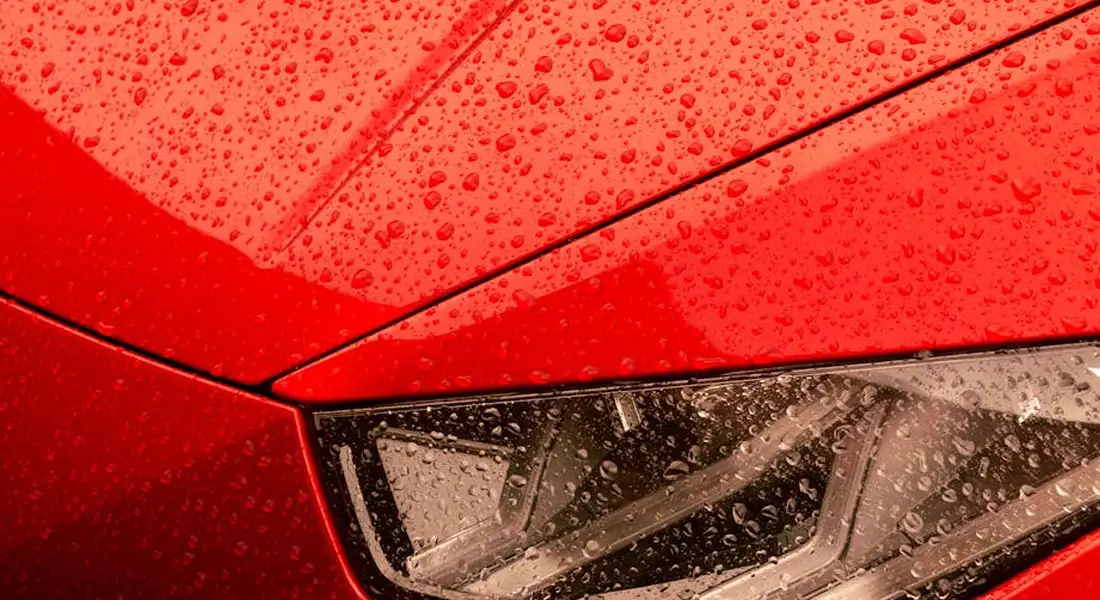
Can white vinegar damage car paint immediately? Usually not in one wipe. The damage is cumulative, a slow erosion you might not notice until it’s too late.
The paint won’t bubble and peel instantly. Instead, it slowly loses its deep, reflective shine, feeling hazy instead of glass-smooth. Think of the clear coat as the skin on an apple. Vinegar doesn’t bite a chunk out. It dries that skin out, making it brittle and dull. If left to dry, the mild acetic acid can etch into the surface, leaving behind faint, cloudy marks. It also strips away protective oils, making the paint more vulnerable to sun damage. Can vinegar ruin car paint? Through repeated use, yes, it absolutely can.
The Single-Stage Paint Exception (A Note for Classics)
This is crucial for owners of older vehicles, like my Classic Red Miata restoration project. Cars from the 80s and earlier often have single-stage paint, where the color and the protective layer are one. There’s no clear coat shield.
Vinegar is even riskier here. It can attack the colored pigment directly, leading to permanent staining or accelerated fading. The rich red on that Miata, which I worked so hard to bring back from a faded pink, would be under direct assault. My advice is to avoid vinegar entirely on any single-stage or restored paint job. The risk far outweighs any perceived benefit.
What About Vinyl Wraps and Decals?
The same logic applies, but the stakes are different. Whether it’s a full color-change wrap on a Tesla or simple graphics, vinegar is a threat. The acid can degrade the plasticizers in the vinyl itself, causing it to become brittle and discolored. More critically, it can break down the adhesives holding the wrap or decal to the paint, especially on delicate vinyl car wraps.
This leads to edges lifting and premature failure. For that specific task of removing an old bumper sticker, searching for “vinegar on car paint reddit” might suggest it, but it’s wrong. Removing stickers or decals from car paint isn’t just about getting the glue off—it’s about protecting the finish. This connects the task to the broader topic of removing stickers and decals from car paint and why the right remover matters. Use a dedicated automotive adhesive remover instead. It’s formulated to dissolve the glue without harming the paint or wrap beneath.
Paint Protection Showdown: Vinegar vs. Wax, Sealants, and Ceramic
Using vinegar on a protected car is like attacking your own defenses. You paid for that wax or spent hours applying that coating. Vinegar works directly against it. Let’s break down the three main conflicts.
Vinegar on Car Wax: The Strip Club
Carnauba wax and synthetic paste waxes are sacrificial layers. They sit on top of the clear coat, taking the environmental hits so the paint doesn’t have to. Vinegar dissolves this layer with alarming efficiency.
Spraying vinegar on wax is like using brake cleaner to wipe down your dashboard. It gets rid of everything, good and bad. This is the most immediate and obvious form of damage vinegar causes, stripping your months of protection in a single, misguided wipe.
Vinegar on Ceramic Coatings: A Slow Poison
A ceramic coating is different. It forms a semi-permanent, hardened layer that bonds to the clear coat. It is far more chemical-resistant than any wax. But “more resistant” does not mean immune. In the ceramic coating vs wax scratch protection comparison, durability and maintenance matter. Wax protection requires regular reapplication, while coatings promise longer-lasting scratch resistance.
Repeated acidic exposure from vinegar will slowly degrade the coating’s structure. You’ll notice the hydrophobic properties (the water beading) weaken first. The coating’s lifespan of two to five years can be cut short. On a high-end coating like the one on my Porsche 911, using vinegar is simply throwing money away and undermining a premium investment.
Can You Use Vinegar to *Prepare* for Wax or Coating?
Some think vinegar is a cheap way to strip old wax before a new application. It will work. But it’s a bad idea.
Using vinegar for paint prep is like using a sledgehammer to crack a nut. It works, but the collateral damage isn’t worth it. You risk drying out the clear coat and leaving acidic residue. Always use a dedicated paint cleanser or prep spray. They are formulated to decontaminate and remove old protection without harming the surface you’re about to seal.
The Detailing Gamble: How to Use Vinegar If You Must
I don’t recommend this. But if you’re in a pinch with hard water spots and nothing else, here’s how to minimize the risk. This is for emergency, spot-use only.
The “Safe” Dilution Ratio and Method
You must dilute it heavily. A mix of 1 part white vinegar to 10 parts distilled water is the strongest you should consider. Gather a spray bottle, several clean, soft microfiber towels, and have a hose or bucket of fresh water ready.
- Wash and dry the car normally first. Never apply to a dirty surface.
- Spray the diluted mix directly onto the water spot only. Do not soak the panel.
- Gently agitate with a damp microfiber towel. Do not scrub.
- Rinse the area thoroughly with fresh water within 60 seconds.
- Dry the spot immediately with a clean, dry microfiber.
This is a spot treatment for mineral deposits, not a method for cleaning entire panels or the whole car.
Paint Damage Prevention: Common Vinegar Mistakes to Avoid
Most damage comes from simple errors. Avoid these at all costs.
- Using full-strength vinegar from the bottle.
- Letting any vinegar solution dry on the paint. This is when etching occurs.
- Applying it to a hot surface in direct sunlight, which accelerates chemical reaction.
- Using it as a regular wash solution or glass cleaner.
Just as dish soap strips wax in the same way, vinegar does it faster and can hurt the paint beneath. On my Ford F-150’s work-worn paint, which already fights oxidation, adding vinegar would only speed up the dulling process, not fix anything.
Skip the Vinegar: Safe and Effective Alternatives
Instead of asking “can you use vinegar on car paint,” let’s talk about what you should use. This is about using the right tool for the job. That includes choosing household cleaners safe for car paint. The aim is to protect the finish while avoiding harsh chemicals.
For Windows and Glass: Dedicated Glass Cleaner
Ammonia-free automotive glass cleaners are cheap and perfect. They are formulated for clarity without streaking and are safe for window tint. Remember, your interior surfaces like the “Vegan Leather” in my Tesla need their own specific cleaners, not an all-purpose glass spray.
For Water Spot and Mineral Deposit Removal
Get a dedicated water spot remover. These products use controlled, mild acids or chelating agents that are safer and more effective than a kitchen guess. For spots that are bonded to the surface, a clay bar used during a decontamination wash is the professional solution. If you’re targeting water spots on car paint, a dedicated remover can lift mineral deposits without harsh scrubbing. This helps protect the finish while restoring clarity. A dedicated product works better and protects your paint’s finish.
For General Washing and Paint Cleaning
pH-neutral car wash shampoo is the cornerstone. Its lubricating properties prevent swirls while it cleans. For quick touch-ups between washes, a detail spray adds lubrication and a little protection. For filthy wheel wells or trim, a correctly diluted all-purpose cleaner is fine. Using car shampoo is like using conditioner on your hair. Using vinegar is like using lemon juice. One nourishes and protects, the other just strips.
What About Other Household Products? (Kerosene, Ketchup, etc.)
The vinegar question often opens the door to others. Does kerosene damage car paint? Does ketchup ruin car paint? The answer is a firm yes to both. Kerosene is a harsh solvent. Ketchup is acidic and contains dyes and vinegar.
Here is a universal rule. If it’s not designed for automotive finishes, don’t put it on your car. This includes aggressive degreasers, abrasive kitchen cleansers, acetone, or gasoline. Your car’s paint is a thin, delicate finish. Protect your investment with products made for it.
The Detailing Gamble: How to Use Vinegar If You Must
I don’t recommend this. But if you’re in a pinch, here’s how to minimize risk. There’s one scenario where a heavily diluted vinegar solution might be a last resort: removing fresh, light hard water spots or mineral deposits that a regular wash won’t touch. This is a controlled gamble, not a standard procedure.
You must treat this as a precise, rapid-response operation, not a casual cleaning step. The goal is to apply a weak acid, let it work for mere seconds, and remove it completely before it can start breaking down the clear coat or any protective coating you have.
The “Safe” Dilution Ratio and Method
Forget the bottle of cleaning vinegar in your pantry. The only mix that enters the conversation is 1 part plain white vinegar to 10 parts distilled water. Tap water has its own minerals, which defeats the purpose. You will need a clean spray bottle, several soft, clean microfiber towels, and immediate access to a hose or a bucket of fresh water for rinsing.
Follow these steps without deviation:
- Wash and dry the entire car normally first. You are only treating the contaminated spot on a clean surface.
- Spray the diluted mix directly onto the water spot only. Do not soak the panel.
- Gently agitate the area with a damp microfiber towel folded into a pad. Use light pressure.
- Within 60 seconds, thoroughly rinse the area with plenty of fresh water.
- Immediately dry the spot completely with a fresh, dry microfiber towel.
This is a targeted spot treatment, not a method for entire panels, roofs, or the whole car. If the spots don’t come off with this gentle method, they are either etched in or organic, and you need a professional product, not a stronger vinegar solution.
Paint Damage Prevention: Common Vinegar Mistakes to Avoid
Most damage happens when good intentions meet bad technique. Here are the critical errors that turn a gamble into a guaranteed loss.
- Using full-strength vinegar. This is an instant attack on your finish.
- Letting it dry on the paint. As the water evaporates, the acetic acid concentration soars, cooking onto your clear coat.
- Applying it to a hot surface. Heat accelerates chemical reactions, causing faster damage and promoting immediate drying.
- Using it as a regular wash solution or glass cleaner. This repeated exposure is a sure way to end up with dull, unprotected paint.
Just as dish soap strips wax, vinegar does it faster and can hurt the paint beneath. On my Ford F-150’s work-worn paint, adding vinegar to the routine would accelerate the oxidation I’m constantly fighting, not fix it. It’s adding a problem, not solving one.
Skip the Vinegar: Safe and Effective Alternatives
Instead of asking “can you use vinegar on car paint,” let’s talk about what you should use. The right tool makes the job easier, safer, and gives a better result every time. This isn’t about buying the most expensive product, it’s about using the correct one.
For Windows and Glass: Dedicated Glass Cleaner
Ammonia-free automotive glass cleaner is a must. It’s formulated to cut grime without leaving streaks or harming window tint. Beyond glass, choosing the best products clean car interior helps protect every surface. The right interior care lineup—including leather-safe cleaners—lets you maintain looks and longevity. For the inside of your car, remember that your dashboard and seats need specific care. The “Vegan Leather” in my Tesla Model 3 gets a dedicated interior cleaner, not an all-purpose spray, to keep it supple and prevent cracking.
For Water Spot and Mineral Deposit Removal
This is where a dedicated water spot remover shines. These products use carefully balanced acids or chelating agents designed to dissolve minerals without aggressively attacking paint. They are simply more effective and safer than a homemade vinegar guess. For spots that are felt more than seen, a clay bar used during a decontamination wash will safely pull embedded contaminants from the surface.
For General Washing and Paint Cleaning
pH-neutral car wash shampoo is the foundation. Its lubricating foam lifts dirt away so your wash mitt glides, preventing the fine scratches that plague my black BMW. Using car shampoo is like using conditioner on your hair. Using vinegar is like using lemon juice. One nourishes and protects, the other strips and dries. For quick dust or light cleaning, a detail spray provides lubrication and a little protection. For filthy wheel wells or heavily soiled trim, a correctly diluted all-purpose cleaner is the appropriate heavy lifter.
What About Other Household Products? (Kerosene, Ketchup, etc.)
The vinegar question often opens the door to other kitchen and garage hazards. Does kerosene damage car paint? Yes. Does ketchup ruin car paint? The sugars and acids can, especially if baked on. Here is a universal rule: if it’s not designed for automotive finishes, don’t put it on your car.
Common offenders include aggressive degreasers, abrasive kitchen cleansers, acetone, gasoline, and any general-purpose solvent. Your car’s paint, wraps, and trim are a engineered system. Protecting your investment means using products formulated to work with that system, not against it.
Making Smart Choices with Vinegar
From my hands-on time with cars like my black BMW and white Tesla, the core lesson is clear: vinegar is a risky shortcut. Reserve it only for diluted, occasional spot treatment of mineral deposits, and always follow with a full wash and fresh layer of protection.
Ignore that guidance, and you risk etching your clear coat, leaving a permanently dull, hazy finish that requires professional correction.
Deep Dive: Further Reading
- r/AutoDetailing on Reddit: Can mixing vinegar, water and soap damage car paint?
- Car Paint Damage: Common Causes and How to Prevent Them – AutoManiacs
- Can You Use Vinegar on Car Paint? – Kelley Blue Book
Max Gunther
Max is an automotive enthusiast having worked as a car mechanical and in interior detailing service for over 25 years. He is very experienced in giving your old car, a new fresh vibe. He has detailed many cars and removed very tough smells and stains from all kinds of cars and models, always ensuring that his work and advice helps his customers. He brings his first hand experience to his blog AutoDetailPedia, to help readers breath new life into their car interiors.