Paint Thinner on Car Paint: Is It Ever Safe? The Real Effects and Risks
You might be tempted to grab paint thinner to wipe away road tar or adhesive, thinking it’s a powerful cleaner. I get it, but on modern car paint, that move is often a one-way ticket to a ruined finish.
This article will explain how paint thinner chemically attacks clear coat, the real-world risks of dulling and permanent damage, and the only safe, detailer-approved uses for it.
Skip the facts, and you could permanently etch your paint, leaving a ghostly, hazed shadow where your perfect shine used to be.
Key Takeaways Before You Start
Let’s get this out of the way first. You should never use paint thinner for routine cleaning, polishing, or degreasing your car’s finished paint. I treat that rule like a commandment. The risk of permanent damage is too high, and better, safer products exist for every single one of those jobs.
There are only a few specific times paint thinner has a place near your vehicle. Think of it as a surgical tool, not a cleaning spray — it’s certainly not any of the methods used to strip paint off a car.
- Thinning Materials: Its primary safe use is for thinning oil-based primer or certain touch-up paints to the proper consistency for application.
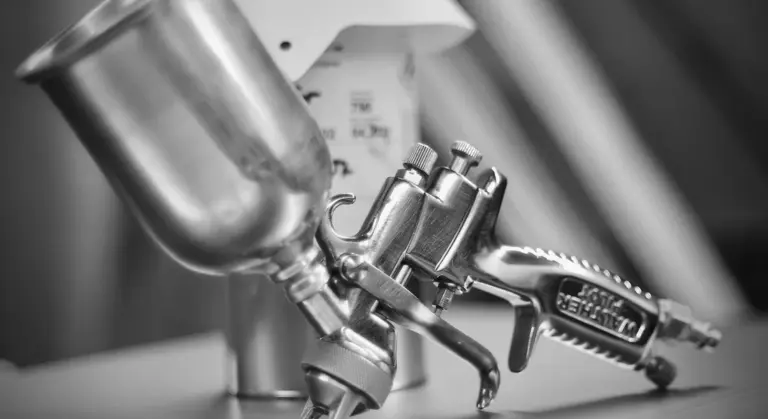
- Cleaning Tools: It’s excellent for cleaning spray guns, mixing cups, and brushes after using those oil-based products.
- Last-Resort Spot Treatment: In a pinch, a small amount of a mild thinner like mineral spirits can be used to spot-treat stubborn contaminants like fresh tar, sap, or overspray. This requires extreme caution, a test spot, and immediate follow-up.
For every single task you might think requires thinner, a dedicated automotive product is the correct choice. When you’re dealing with clean road grime on car paint, the right product protects the finish. All-purpose cleaner for general grime. Bug and tar remover for sap and road tar. Isopropyl alcohol or a dedicated panel prep spray for final cleaning before waxing. These products are formulated to be effective without destroying your clear coat.
What Paint Thinner Actually Is (And What It Does to Paint)
Paint thinner is not a cleaner. It is a solvent. Its job is to dissolve oil-based paints and coatings, either to thin them for application or to dissolve them for cleanup. Think of how dish soap breaks down grease on a pan. Paint thinner does that to paint film.
It cuts through the binders that hold the paint together. On your car’s finish, which is a delicate, cured film, this action doesn’t clean. It attacks.
Not all thinners are the same. They exist on a scale of aggression.
- Mineral Spirits (Paint Thinner): This is the common, milder option found in hardware stores. It’s still harsh on clear coat but is the least aggressive of the common solvents.
- Lacquer Thinner: This is a much stronger, cocktail of solvents. Does lacquer thinner remove car paint? Absolutely, and very quickly. It can soften and “melt” modern clear coat in seconds, creating a gummy, discolored mess that requires a full repaint.
- Acetone: Extremely aggressive and fast-evaporating. It will absolutely destroy automotive paint and many plastics.
I learned the difference the hard way early on. I once used a rag with a bit of lacquer thinner to try and remove a spot of adhesive on an old fender. It didn’t clean the spot. It dissolved a perfect, dull patch right down to the primer in the blink of an eye. Modern clear coat is more chemical-resistant than single-stage paints of the past, but it is not immune. A strong solvent swells the surface, breaks the chemical bonds, and leaves it hazy, etched, or completely compromised. If you’re dealing with stains or contaminants on car paint, learning how to remove them safely is essential. The right technique protects the finish and keeps the car looking its best.
The result is never just “clean.” It’s a permanently damaged surface that has lost its integrity and gloss. On my black BMW, using even a mild solvent incorrectly would introduce cloudiness and swelling that no amount of polishing could fix. The damage goes deeper than a scratch.
Why Paint Thinner and Finished Car Paint Don’t Mix
Think of your car’s paint like a delicate, layered cake. On top is a hard, glossy clear coat. Under that sits the colorful base coat, then primer, then metal. The clear coat is only about as thick as a piece of paper. It is designed to shine and protect, not to fight off harsh solvents.
Paint thinner is a brute. It is made to dissolve oil-based paints and varnishes. When it meets your car’s clear coat, it does not clean. It attacks. Can thinner damage car paint? Absolutely, and it often does so permanently. Here is exactly what happens.
- Chemical Etching & Hazing: The solvent can permanently cloud and dull the clear coat’s gloss. It does not just sit on the surface. It soaks in, breaking down the chemical structure. The result is a patch that looks smeared or foggy, like looking through a dirty window. No amount of polishing can fix a chemically etched finish.
- Stain Removal Gone Wrong: It can drive stains deeper or dissolve the paint, making a bigger problem. You might have a tar spot or tree sap. Paint thinner can soften the clear coat itself, letting the contaminant sink in further. Now you have a stain trapped under a damaged surface.
- Adhesive Failure: It can leave invisible residues that ruin the bond of future waxes, sealants, or wraps. Even if you wipe it off, thinner leaves a film that repels protective products. Your wax will bead up and slide off. A paint protection film installer will tell you the panel must be repainted because the adhesive will not stick.
I saw this on my Jet Black BMW, the “Swirl Magnet.” When I bought it, there was a cloudy smudge on the hood. The previous owner tried to “clean” a bird dropping with a rag dipped in thinner. The heat from the engine had baked it in. The patch was permanently dull, a dead spot in the paint’s reflection. Can you use paint thinner on car paint? For cleaning a finished surface, the answer is a firm no. It creates more problems than it solves. Removing swirl marks from car paint is the practical fix for this kind of dullness. The next steps will reveal safe ways to remove swirl marks from car paint.
The Right (and Rare) Times to Use Paint Thinner on a Car
Paint thinner has a place in the garage, but it is almost never for the painted parts you see every day. Its job is in preparation and cleanup, not maintenance.
For Automotive Painting & Touch-Up Prep
This is where thinner belongs. If you are spraying paint in a booth or doing a touch-up, you will use it as a tool, not a cleaner.
- Thinning primer or a dedicated automotive touch-up paint for correct spray gun viscosity. You must follow the manufacturer’s mix. A common search is for the “car paint thinner ratio spray gun” because every product is different. Too much thinner and the paint runs. Too little and it clogs the gun.
- Degreasing bare metal or old paint before sanding and repriming. Wipe down a door panel or fender with a thin coat to remove wax, oil, and silicone. This step is only for surfaces that will be sanded and painted over. Never do this on a finished panel you plan to keep.
Cleaning Your Tools, Not Your Car
After a painting job, thinner is your best friend for cleanup. It cuts through wet paint fast.
- Cleaning spray guns, mixing sticks, and buckets immediately after using oil-based paints or primers. Flush the gun until the solvent runs clear.
- Emphasize workspace safety. This is non-negotiable. Work in a ventilated area, wear nitrile gloves, and have a metal can with a lid for rag disposal. Those rags can spontaneously combust. I keep a sealed metal can in my shop just for oily rags.
Absolute Last-Resort Contaminant Removal
Sometimes, nothing else works. If you have fresh, sticky sap or road tar, and a dedicated automotive tar remover has failed, you might consider this. I mean a tiny spot, like a dime, on the lower rocker panel. The “less is more” rule applies here.
Use the test spot method. Apply a few drops of thinner to a clean, white microfiber towel. Dab at the spot. Do not rub. Immediately wipe the area with a second microfiber dampened with water. Then wash and dry the panel normally. Can you use paint thinner to remove paint from a car? Only if it is unwanted overspray or graffiti, and even then, with caution and a test spot. You are risking the clear coat to save the paint. It is a calculated risk, not a routine step. For dried paint on car surfaces, use a remover formulated for automotive finishes. These products are designed to lift dried paint with less risk to the clear coat.
Paint Damage Prevention: Common Mistakes with Solvents
Most paint thinner damage comes from simple, avoidable errors. I have seen these mistakes leave permanent marks. Let’s walk through them so you don’t learn the hard way.
Using paint thinner as a general-purpose cleaner is a fast track to ruining your finish. Do not spray it on your paint, wheels, or engine bay to cut grease. It is a solvent, not a cleaner. On my Ford F-150’s wheels, a dedicated iron remover lifts brake dust safely. Thinner would just attack the clear coat and leave a nasty, streaky mess.
Never let it pool or sit. This is critical. Apply it sparingly to a cloth first, never directly onto the car. If it drips onto plastic trim, rubber seals, or under-hood components, it will start dissolving them. You will see the plastic get sticky and cloudy. That damage is permanent.
Words matter. “Paint thinner” from the hardware store is a generic blend for house paint. “Automotive paint thinner” is formulated for specific paint systems. They are not the same. Using the generic stuff on your car’s modern clear coat is like using sandpaper to clean a window. My black BMW 3 Series, the swirl magnet, would be a holographic nightmare if I made that error.
Your nose is a warning system. That sharp, overwhelming “car paint thinner smell” is toxic vapor. Ignoring it is dangerous. Always work outside or in a shop with massive airflow. Wear nitrile gloves. Use a respirator with organic vapor cartridges. This protects your lungs and your brain. Your health is not a detail you can polish out later.
The Safe Alternatives: Your Real Detailing Product Tier List
You searched for paint thinner because you have a job to do. Here is how to do it right, with products made for cars. This is your practical guide.
For Removing Bugs, Tar, and Sap
This is the most common reason people consider thinner. Use the right tool.
- Budget or Drive Through Tier: Grab any branded bug and tar remover from the auto parts store. Spray it on, let it dwell for a minute, and wipe it away. It works.
- Enthusiast Tier: A citrus based or specialized tar remover from a detailing brand. These are often more refined, smell better, and are gentler on your sealants. I use one on the flat nose of my Tesla Model 3 after highway drives.
- Show Car Tier: Use the enthusiast product, but with a dedicated microfiber towel you only use for chemical cleanup. After wiping the gunk off, follow up with a panel wipe on that section. This ensures no oily residue is left behind to interfere with your perfect finish.
For General Cleaning and Degreasing
Forget searching for a “car paint thinner substitute.” You just need the correct automotive cleaner.
For paint, your foundation is a good pH neutral car wash soap. It lifts dirt without stripping protection. For wheels and engine bays, use a dedicated cleaner. An all purpose cleaner diluted properly is my go for the Odyssey’s filthy interior plastics and the F 150’s engine grime. They cut grease without the nuclear option.
For Pre Wax or Pre Wrap Surface Prep
This is where the confusion happens. People search “car paint thinner near me” thinking they need it to prep for a wrap or ceramic coating. You do not.
The correct step is an automotive panel wipe or prep spray, typically a mix of isopropyl alcohol and water. After you wash and clay bar, you wipe every panel down with this. It safely evaporates, removing any last traces of wax, oils, or silicones. This gives your new wax, sealant, or vinyl wrap a perfectly clean surface to bond to. I used this exact method on my Porsche 911 before its last coat of sealant. It is safe, effective, and leaves nothing behind.
Final Verdict: What to Keep in Your Garage
A can of mineral spirits or a similar solvent has its place in any serious garage. I keep one on my shop shelf, away from my detailing cart. Its job is for cleaning paint guns, thinning oil-based coatings for projects, or degreasing metal parts. It’s a workshop chemical, not a detailing product.
That solvent should never, under any normal detailing circumstance, find its way into your detailing caddy or wash bucket. The space in your detailing kit is reserved for products engineered and tested specifically for your car’s complex finish. Using a shop solvent on your paint is like using a sledgehammer to hang a picture-it might work, but the damage it leaves behind isn’t worth it. To keep your finish safe, always follow safe handling guidelines for detailing chemicals—read labels and dilute as directed. Wearing gloves and working in a ventilated area are part of safely using chemicals in car detailing.
Fill your caddy with the right tools. For removing tar, use a dedicated tar and glue remover. For prepping paint for ceramic coating, use the brand’s recommended panel wipe or prep spray. For general grease or overspray, a quality waterless wash or detail spray is your safest bet. These products are designed to clean without stripping.
It’s tempting to grab what’s on hand to solve a sticky problem. I’ve been there, looking at a stubborn bug splatter on my Ford’s bumper and eyeing the can on the shelf. But protecting your paint’s long-term value and that deep, glossy appearance means using the right tool for the job. Your future self, admiring a swirl-free finish, will thank you.
The Right Tool for the Right Job
We keep paint thinner in the shop for one reason: to safely remove stubborn contaminants like fresh overspray or industrial fallout that nothing else can touch. For every other task in your detailing routine, from polishing to waxing, a dedicated automotive product is the safer, more effective choice for your paint’s long-term health. Even when using solvents, safety is key for car paint. See the next steps for guidance on safely using chemicals around automotive finishes.
Using paint thinner as a general cleaner or solvent will permanently compromise your clear coat, leaving it dull and vulnerable. If the finish has dulled, you may want to explore how to restore dull car paint. There are steps you can take to bring back the shine without damaging the surface.
Industry References
- r/paint on Reddit: Is this paint thinner good for Automotive paint?
- Paint Thinner on Car: Risks & Safety Tips You Should Know
- Is it safe to drive with a bottle of paint thinner or turpentine in my car for six hours? – Quora
- The Difference Between Car Paint Thinners and Reducers
Max Gunther
Max is an automotive enthusiast having worked as a car mechanical and in interior detailing service for over 25 years. He is very experienced in giving your old car, a new fresh vibe. He has detailed many cars and removed very tough smells and stains from all kinds of cars and models, always ensuring that his work and advice helps his customers. He brings his first hand experience to his blog AutoDetailPedia, to help readers breath new life into their car interiors.