Are Chalk Markers Safe on Car Paint? The Real Detailer’s Guide
You see that colorful birthday message or “Just Married” sign and wonder if the fun will cost you a ruined clear coat.
This guide will walk you through what chalk markers actually are, the real risks to your paint, how to remove them safely if you already used them, and what safer alternatives exist for temporary car art.
Get it wrong, and those cheerful doodles can etch into your clear coat, leaving a ghosted message that only a professional polish can remove.
Key Takeaways: The Short Answer
Chalk markers are a risk, not a recommended detailing tool. I keep a few in my shop for labeling storage bins, but they never come near my cars’ paint. Here is what you need to know right away.
- They can stain your car’s clear coat, especially if left in the sun.
- They are often harder to remove than people expect, requiring more than just a wipe.
- They offer zero protection and can actually strip existing wax or sealant from the spot you write on.
The safest rule is to use them only on glass if you absolutely must, and never on your car’s paint as a first choice. There are always better options.
What Are Chalk Markers, Really? (It’s Not Chalk)
This is the biggest misunderstanding. A chalk marker is not chalk. It is pigmented ink or paint suspended in a liquid medium, inside a tube with a porous felt or nylon tip. The “chalk” part only refers to the opaque, matte finish it dries to, similar to old-school chalkboard chalk.
People assume they are safe because we associate chalk with school blackboards and kids’ sidewalk drawings. We think “water-soluble” and “wipes away.” That assumption gets car owners into trouble. The formula is everything, and it is not made for automotive finishes. Many everyday household products can affect automotive finishes, so knowing which items are safe is key to protecting your car’s paint. Understanding how household cleaners prevent paint damage through safe handling keeps finishes looking new.
You will find two main types on shelves at craft stores like Michaels, big-box retailers like Target or Walmart, or hardware chains like Canadian Tire and Screwfix.
- Water-Based: These use water-soluble pigments. They are easier to remove from non-porous surfaces when fresh. But if baked on by sun or heat on dark paint, the water evaporates and the pigment can bind to the surface, becoming a stain.
- Oil-Based or Permanent: These use stronger solvents and pigments designed to adhere more aggressively. They are marketed as “dustless” or “wet-wipe.” These are the most dangerous for your paint, as they are essentially a form of paint themselves and can etch into the clear coat.
Think of it this way: you wouldn’t use craft store acrylic paint or a permanent marker on your hood. A chalk marker, especially an oil-based one, is a close cousin. They are general craft or industrial labeling tools, not automotive products.
The Honest Truth: Are Chalk Markers Safe for Car Paint?
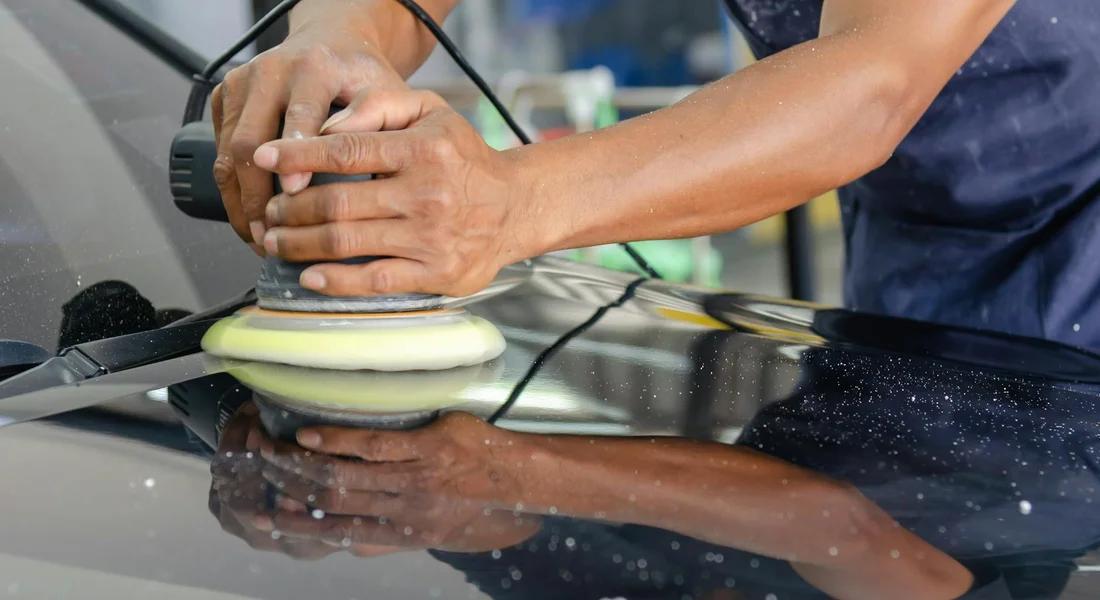
As a detailer who has seen every kind of paint mishap, my professional assessment is this: using a chalk marker on car paint is a gamble with poor odds. Safety isn’t a yes or no answer. It exists on a spectrum, and for your car’s finish, the needle often points toward risk, especially when it comes to using any chemicals on car paint.
The primary danger isn’t the chalk itself, it’s the liquid carrier that can stain. Modern car paint is not a solid, impermeable sheet. Your clear coat has microscopic pores and imperfections. The ink from a chalk marker is a liquid designed to adhere. It can seep into those tiny spaces, leaving a faint, ghostly stain that regular washing won’t touch. You might not see it at first, but under the right light, it’s there. They are one of the many substances that can damage car paint.
You might also ask, can chalk scratch a car? Absolutely, yes. If any grit, dust, or sand is on the marker’s tip or on the paint surface, you are dragging an abrasive across your clear coat. Even during removal, using a dry cloth or scrubbing too hard can instill fine scratches, especially on softer paints. If you need to address marker paint on a car, use gentle, paint-safe removal methods. Details on removing marker paint from a car will be covered in the next steps.
The outcome depends entirely on your paint’s condition. A new ceramic coating provides a slick, less porous barrier, offering more resistance. My white Tesla’s coated surface might shrug off a quick, careful mark. Conversely, old or unprotected paint is highly vulnerable. The single-stage paint on my 1995 Mazda Miata, when it was oxidized and pink, would have soaked up that ink like a sponge. My jet black BMW 3 Series, the ultimate swirl magnet, would show every stain and scratch with brutal clarity.
So, are chalk markers safe on car paint? The honest answer is usually not. The potential for lasting damage is real, and in my shop, we never recommend it for painted surfaces. For safe car paint care, we rely on products designed specifically for automotive finishes. When we talk about safe chemicals car paint, we mean cleaners and protectants that preserve the finish without harsh solvents.
If You Must: How to (Carefully) Use a Chalk Marker on a Car
I understand sometimes you feel you have no other choice for a message or decoration. Think of this not as encouragement, but as a damage control protocol. Your goal is to minimize the gamble.
-
The Window-Only Mindset. Before you even uncap the marker, change your thinking. The only truly acceptable surface on a vehicle is glass. Windows and windshields are non-porous and can be cleaned completely with glass cleaner. Commit to this first.
-
Paint Prep is Non-Negotiable. If you are proceeding against advice, the paint must be perfectly clean and cool to the touch. Any dirt is sandpaper. Wash the area using a proper two-bucket method with a pH-neutral shampoo, then dry it gently with a clean microfiber towel. The surface should feel smooth, with no grit. Should you opt for a seamless finish, a light, wet-sanding step with fine grit can be part of your sand car paint prep. Keep the surface wet and wipe away dust to prevent embedding particles.
-
The Inconspicuous Test Spot. You must test the marker. Do not test on the hood or door. Open a door and find a hidden painted area inside the jamb, or under the trunk lid. Make a small mark. Wait the amount of time you plan to leave the final design, then try to wipe it off with a damp microfiber. If any stain remains, stop immediately.
-
Application and Immediate Removal Practice. Use the marker sparingly, with light pressure. Before making your real design, practice on your test spot again. Apply a line and wipe it off immediately with a damp towel. This shows you how much pressure you need for removal. For the final design, have your damp towel ready. The longer the ink sits, the greater the risk. If you need a quick correction later, use paint pens for touch up to tidy up any stray lines. This keeps the final design neat without redoing the whole piece.
A related question is, can I use chalk paint on car windows? Chalk paint is a different product entirely, often a thick, water-based paint for furniture. It is not designed for automotive surfaces and is much harder to remove. We are talking specifically about liquid chalk markers, and even then, only on glass is it a relatively safe bet.
Paint Damage Prevention: How to Get Chalk Marker Off
So you have chalk marker on your paint. I get it. Maybe it was a birthday message or a parking lot prank. First, don’t panic. Your clear coat is tougher than you think, but the wrong removal method can ruin it. Always start with the gentlest method and work your way up only if you have to. Think of it like climbing a ladder. You don’t jump to the top rung first.
-
Level 1: Detail Spray & Microfiber. This is for fresh marks, the kind you catch within a few hours. Most chalk markers are water-based. A good detail spray has lubricants that break down the ink without aggression. Spray it directly on a clean, soft microfiber towel-not the paint-and gently wipe the mark. On my grey Honda Odyssey, this took off a “Just Married” message my kids drew before the ink could bake on. If it smears, use a fresh section of the towel. This method should lift the mark without a trace.
-
Level 2: Isopropyl Alcohol (IPA) Wipe. If the mark has dried for a day or more, you likely need a solvent. Isopropyl alcohol is your best first bet. You must dilute it and test it in an inconspicuous spot first, like inside a door jamb. I mix a 10-20% solution (1 part 99% IPA to 4 or 9 parts distilled water) in a spray bottle. Spray it on a microfiber, wipe the area gently, and immediately follow with a clean, damp towel to remove any residue. On my black BMW, this removed dried-on chalk ink from a dealership note without hazing the paint. This same approach can also help remove pen ink gently from car paint with proper dilution. Undiluted alcohol can strip wax and dry out plastics, so always dilute.
-
Level 3: Paint Cleaner or Light Polish. If a stain remains in the clear coat after Level 2, the pigments have possibly etched in. This is where risk spikes. You are now abrading a microscopic layer of clear coat. Use a non-abrasive paint cleaner or a very fine polish by hand. This step targets remaining stains and surface contaminants that can be embedded in the paint. It helps restore even color and gloss before sealing. Apply a dime-sized amount to a foam applicator, work in a small, straight-line pattern with light pressure, and wipe off immediately. This is the step I used on a stubborn spot on my Ford F-150’s hood. It worked, but it also removed the protective wax layer, so you must reapply sealant right after.
Now, the warnings. I have seen people make these mistakes. Avoid them.
- Do not use abrasive scrub pads, magic erasers, or stiff brushes. They will scratch your paint deeply.
- Never use harsh solvents like acetone, nail polish remover, or gasoline. They can dissolve your clear coat.
- Do not press hard. Let the chemical and the towel do the work. Excessive pressure creates swirls.
For windows, it’s a different game. If you’re asking “how do you remove chalk marker from window,” the answer is easy. Use a dedicated automotive glass cleaner and a clean microfiber. For tenacious streaks, a single-edge razor blade held at a 45-degree angle will scrape it off without scratching the glass. Remember, razor blades are for glass only. Never use them on paint.
Smart Alternatives to Chalk Markers for Car Decor
You want to decorate your car. I understand the urge for a rally stripe or a custom message. The goal is to find a way that doesn’t end with you reading the removal guide above. Here are safer options, sorted by commitment level.
Product Tier List: Temporary Car Decor
- Budget/Drive-Through Tier: This is for quick, cheap changes. High-quality painter’s tape (like the green or blue kind) is fantastic for creating racing stripes or patterns on paint. It peels off cleanly if removed within a few days. Static-cling window decals for holidays or promotions are also in this tier. They leave no residue.
- Enthusiast Tier: For more permanent-looking but still removable decor. Look for liquid-less “window markers” that are actually wax-based crayons designed for auto glass. Removable vinyl lettering or cut-outs are also great. I used a removable vinyl racing number on my Porsche 911 for a track day. It came off with a hair dryer and left zero adhesive behind.
- Show Car/Zero-Risk Tier: The ultimate protection. A full vehicle wrap lets you change the car’s color or add complex graphics without touching the factory paint. Professional magnetic signs for businesses are also superb, as they sit on the surface without adhesive. This is what I’d use for my Mazda Miata if I wanted a temporary racing livery.
Let’s compare some common markers head-to-head so you know what you’re really holding.
- Chalk Marker vs. Dry Erase Marker: This surprises people. Dry erase markers are often alcohol-based and can stain paint permanently. I’ve seen them act like permanent ink on clear coat. Chalk markers are usually the safer of the two if you must choose.
- Chalk Marker vs. Paint Marker: Paint markers contain actual enamel or acrylic paint. They are permanent. They will not come off without aggressive polishing or repainting. Absolute no-go for temporary decor.
- Chalk Marker vs. “Window Marker”: True “window markers” are formulated for glass. If it’s a liquid-less crayon, it’s safe for windows but can still smudge on paint. Always check the label. To answer the FAQ “are window markers safe on car paint”: if it’s marketed for glass only, assume it is not safe for paint. Test on a tiny spot if you’re unsure.
Protecting Your Paint from Chalk Marker Mishaps
Always test a chalk marker in an inconspicuous spot, like inside a door jam, before writing on your paint. I rely on this simple check with every vehicle, from my daily driver F-150 to the delicate black paint on my BMW, to ensure the ink wipes away cleanly without a trace.
Skip that test, and you may be faced with a stained or etched finish that needs a full paint correction to fix.
Related Guides and Information
- Chalk Ink® 2mm Fluorescent Safety Marker | Auto Body Shop Supply
- Can You Use Chalk Markers on Car Paint | TikTok
- Chisel Tip Auto Blue Artista Pro Chalk Marker | Chalk Ink®
- What kinds of markers are safe for car paint? • Learning Center • Arro-Mark® Company L.L.C.
- Writing on Car Windows 101
- r/Coachella on Reddit: Anyone know of any markers that are safe to use on car paint?
- Amazon.com: KERIFI Window Chalk Markers for Cars Washable: 10mm Jumbo Liquid Chalk Pens, Wet Erase for Auto Bistro Blackboard Glass Mirror Poster Windows Art Wedding Signs, Just Married Car Decorations (8 Colors) : Arts, Crafts & Sewing
Max Gunther
Max is an automotive enthusiast having worked as a car mechanical and in interior detailing service for over 25 years. He is very experienced in giving your old car, a new fresh vibe. He has detailed many cars and removed very tough smells and stains from all kinds of cars and models, always ensuring that his work and advice helps his customers. He brings his first hand experience to his blog AutoDetailPedia, to help readers breath new life into their car interiors.