How Does Water and Heat Affect Car Paint? Can Rain, Sun, or Hot Weather Damage Clear Coat and Cause Fading?
You see the water spots baked into the hood after a sunny week, or the haze on your black car’s roof. You’re right to worry that every rainstorm and hot day is quietly hurting your paint.
From restoring oxidized Miatas to protecting soft Tesla clear coats, I’ve felt this damage firsthand. This article will show you how rainwater etches and stains, why UV radiation breaks down paint, the way heat speeds up fading, and the exact detailing methods to stop it.
Let this go, and you will be staring at a faded, chalky finish that needs a full repaint.
Your Paint Job Isn’t Armor: A Quick Primer on Layers
Your car’s finish is not a solid piece of armor. It is a delicate system of layers. I see this every day in my shop.
- Primer: This is the glue. It bonds to the metal and gives the next layer something to grip.
- Color Coat: This is the personality. It is the red, blue, or black you chose.
- Clear Coat: This is the guardian. A thin, transparent shell on top of everything.
The clear coat’s only job is to look good and die first, sacrificing itself to UV rays, scratches, and the elements to keep the color safe. It provides the gloss and depth you love.
Modern clear coats are incredibly thin. On my 2018 Ford F-150, the dark blue paint has a clear coat I measure with a gauge. It is precise but fragile. Compare that to the paint on my 1995 Mazda Miata. Its classic red is a thicker, single-stage paint with no separate clear layer. It feels different, more substantial, but it fades in a uniform haze when neglected. Older paints were tough; modern clears are brilliant but require a gentler hand.
This leads to a common question. Does car paint fade under clear coat? Yes, it does. When the clear coat fails from sun damage or contamination, the color coat is exposed. That is when real fading begins. I have fixed hoods where the clear was gone and the red beneath had turned a pale, chalky pink. That’s where restoring faded car paint comes into play, bringing back depth and gloss. With the right techniques, you can restore the color and protect it from future damage.
The Water War: How Rain, Sprinklers, and Hard Water Attack Your Paint
Pure water will not hurt your paint. But water is never pure. It collects minerals, pollution, and dirt on its journey to your car. That is where the battle starts.
Mineral Mayhem: Hard Water and Sprinkler Spots
Picture a hot car hood after a summer rain. The water beads up and slowly evaporates. What is left behind? White, chalky rings. Those are hard water spots. Sprinkler water can absolutely damage car paint because it is often very high in minerals like calcium and lime. When the water sits on a hot surface, it evaporates and leaves these minerals to bake onto the clear coat.
I see this on my white Tesla Model 3 all the time. The flat front bumper catches sprinkler overspray. At first, the spots wipe away with a quick detailer. If they sit for days in the sun, they etch into the clear coat. The difference is clear: surface spots wipe off; etched-in damage requires polishing to remove. How does hard water affect car paint? It leaves permanent, dull marks that steal your paint’s shine. You can learn how to remove water spots from car paint.
Acid Rain and Environmental Fallout
Acid rain is not a myth. It is rainwater that mixes with pollution from cars and factories. Industrial fallout is the fine, metallic dust that settles from the air. Can acid rain damage car paint? Yes, slowly and steadily. It will not melt the paint, but it will degrade the clear coat over time. This is part of the environmental damage car paint can suffer from pollutants. Understanding these effects helps vehicle owners take protective measures.
The result is a finish that looks stained, dull, and rough. On my black BMW, acid rain leaves faint, cloudy patches that a normal wash will not touch. You need to clay bar the surface to pull the contamination out. The paint loses its slick, glassy feel and becomes etched and tired.
Temperature Shock: The Boiling Water Myth
People search for this online. Can boiling water damage car paint? Can you pour boiling water on car paint to remove ice? The answer is simple. Do not do it. Pouring boiling water on paint causes thermal shock. The clear coat expands from the heat too fast. Then it contracts as it cools. This stress can create a network of tiny micro-cracks in the surface.
Using hot water in a wash bucket is different. I use warm water to help my soap suds. The temperature change is gradual and safe. For ice, use a proper de-icer. For sap, use a dedicated solvent. Boiling water is a gamble that always loses, risking permanent cracks in your clear coat.
Fresh Paint Peril
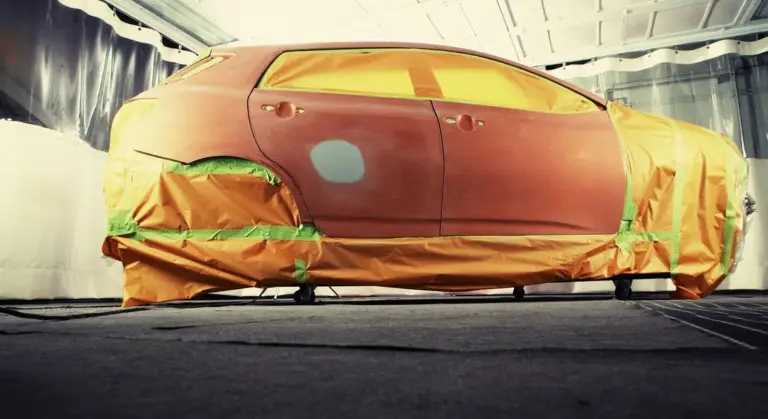
Can a freshly painted car get wet? Not for at least a month. Fresh paint needs to cure. The solvents inside must evaporate completely for the paint to harden properly. If water hits it too soon, it can trap moisture or disrupt the chemical cure, ruining the finish. Once the cure period is complete, you can wash the car gently with mild soap and a soft cloth to protect the finish. This initial wash helps ensure the paint cures evenly and looks its best.
You might see blistering, cloudiness, or soft spots. I knew a guy who washed his new paint job after two weeks. The water spots baked into the soft clear coat forever. Always follow your painter’s instructions. If you must park outside, use a soft, breathable car cover, but keeping it dry is the best policy until the paint is fully hard.
The Heat and UV Onslaught: Why Your Hood Turns Chalky
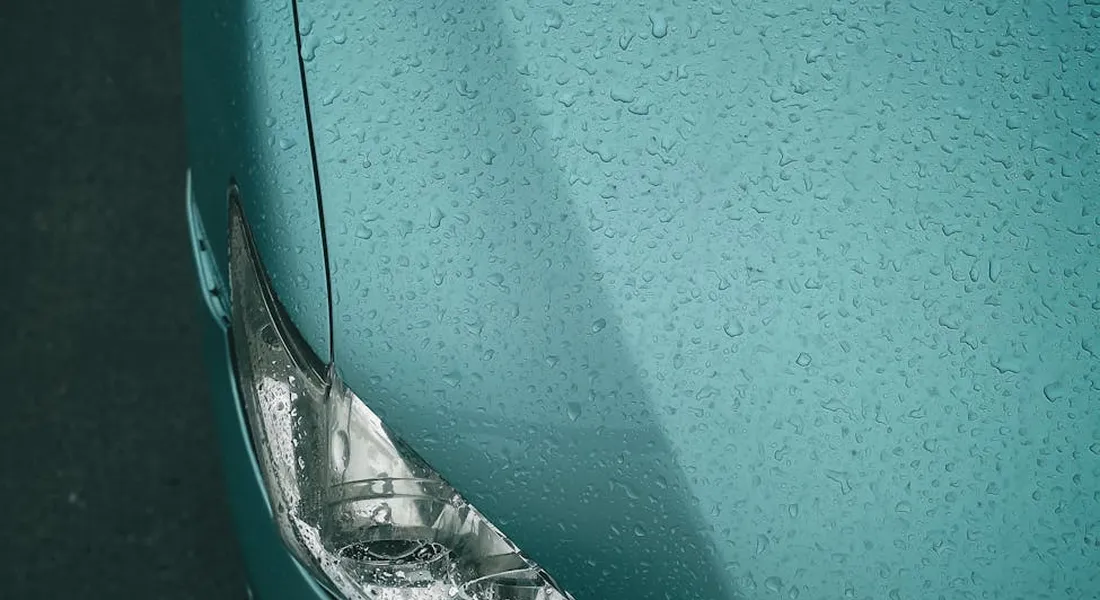
Think of a sunny day as a double attack on your paint. The heat you feel and the UV light you cannot see work together to cause damage. They are partners in crime, but they attack in different ways.
UV Radiation: The Invisible Fade Machine
Sunlight carries ultraviolet radiation. You cannot see it, but your paint feels it every day. UV rays act like millions of tiny scissors, slowly snipping the long chemical chains that hold your clear coat together. This process is called photodegradation.
Over time, the clear coat loses its flexibility and becomes brittle. The surface turns from a deep, reflective glass to a dull, hazy chalk. This is how sun damage works.
The fading you see on hoods and roofs first happens because these panels take the most direct hit from the sun. They bake all day long. The color pigment underneath the clear coat gets bombarded, losing its vibrancy. My black BMW’s roof lost its deep gloss faster than the doors because it faced the sky.
The progression is slow but certain:
- First, you lose the sharp, wet-look reflection.
- Then, the paint feels dry and looks chalky or faded.
- Finally, the clear coat fails completely, cracking and peeling away to reveal the brittle color coat underneath.
Thermal Stress: The Paint’s Expanding and Contracting Nightmare
Now, add physical heat to the UV attack. Your car’s metal gets hot in the sun. The paint on top expands. When the sun sets or you drive into shade, everything cools down and contracts. This cycle happens daily.
Repeating this expansion and contraction, year after year, weakens the paint system, making it more likely to crack and peel. It is like bending a piece of plastic back and forth until it snaps. Horizontal surfaces like hoods, roofs, and trunk lids suffer the worst thermal stress because they absorb the most heat.
This is also why you must be careful with heat guns. A heat gun concentrates extreme heat in one small area. In an instant, you can soften the paint too much, cause the clear coat to bubble, or create a permanent shiny spot called a hot spot. Unless you have practiced on junkyard panels, do not point a heat gun at your paint.
Humidity: The Sticky Partner in Crime
High humidity makes everything harder. Water in the air slows down the drying time of everything. If you are applying a sealant or wax, it might not cure properly, leaving a smeary finish. Most of all, humidity is the main ingredient for brutal water spots. When a water droplet sits on your paint in humid air, it evaporates slowly. This gives the minerals and impurities in the water more time to bake onto the clear coat, etching a permanent ring.
Paint Damage Prevention: Your Defense Strategy
Protecting your paint is not about weekly deep ceremonies. It is about smart, simple habits that become routine.
The Golden Rule: A Physical Barrier is Everything
Your number one job is to keep a protective layer between your paint and the world. A bare clear coat is a vulnerable clear coat. You must use a wax, a synthetic sealant, or a ceramic coating. This layer repels water, blocks a portion of UV rays, and makes it harder for contaminants to stick. It is non-negotiable.
Washing Wisdom: Remove Contaminants, Don’t Add Scratches
You wash to remove harmful dirt, but a bad wash causes more harm than good. This is why I use the two-bucket method on every car, especially my black BMW ‘Swirl Magnet’. One bucket has your soapy wash water. The other is a clean water rinse bucket for your mitt. You rinse the grit out of the mitt in the clean water before reloading it with soap. This keeps grinding dirt off your paint.
After washing, dry the car completely with a clean, soft drying towel. Letting water air-dry is an invitation for spots that can damage your paint.
My firmest rule: never wash your car in direct sunlight on hot paint. The soap and water will dry almost instantly, leaving impossible-to-remove residues and spots. Wash in the shade or in the early morning.
Smart Parking and Immediate Care
Where you park matters. A garage or carport is the best defense. If that is not possible, a high-quality, breathable car cover is a great investment. Avoid parking under trees where sap and bird droppings fall. Avoid parking where sprinklers will hit the car.
When environmental attacks happen, act fast. Bird droppings and tree sap are acidic. They start etching the clear coat within hours, especially in the sun. Bug splatter on a front bumper, like on my white Tesla, bakes on and becomes concrete. Keep a quick detailer spray and a microfiber towel in your trunk. When you see a dropping or a big bug splat, spray it, let it soak for a minute, and gently wipe it away. This simple act prevents permanent damage.
Product Tier List: Choosing Your Paint’s Shield
Your protection should match how you use your car. Here is a straightforward tier list.
Budget / Drive-Through Tier: Spray Wax
- What it is: A spray-on, wipe-off product. Often called a “spray wax” or “quick detailer with wax.”
- Best for: Someone who washes their car at a drive-thru or at home and wants basic protection. It is perfect for a weekly top-up. I use these on my F-150 for easy upkeep.
- Protection: Lasts 2-4 weeks. Good beading and some UV blockers.
Enthusiast Tier: Synthetic Paint Sealant
- What it is: A lab-made polymer product. It comes as a liquid or paste you apply after washing.
- Best for: The car owner who wants serious, long-lasting protection without a major investment. This is what I typically have on my daily drivers.
- Protection: Lasts 3-6 months. Excellent UV resistance and strong water beading. More chemical resistant than wax.
Show Car / Ultimate Protection Tier: Ceramic Coating or PPF
- Ceramic Coating: A liquid polymer that chemically bonds to the clear coat, creating a semi-permanent, ultra-hard layer.
- Paint Protection Film (PPF): A clear, durable urethane film physically applied to the paint, like a clear bra.
- Best for: Garage queens, new cars, or anyone seeking the highest protection for years. My red Porsche 911 has a full front PPF to stop stone chips, and the rest has a ceramic coating.
- Protection: Ceramic coatings last 2-5 years with extreme hydrophobics and UV shielding. PPF provides physical protection against scratches and chips for 5-10 years.
Restoring the Damage: Can You Bring Faded Paint Back?
You can often bring a car back from the brink. But you need to know what you are actually fixing. The truth is simple and harsh.
Once the sun or chemicals eat through the clear coat and expose the colored base coat underneath, the only real fix is a professional repaint. You cannot polish back color that is not there. My 1995 Miata had sections where the single-stage red was worn down to primer. No amount of buffing will fix that.
Your target is oxidized clear coat. This is the cloudy, chalky, faded-looking layer on top of the paint that has lost its integrity. It feels rough and looks dead. This you can almost always restore with the right process and a lot of elbow grease.
Assessment: Is It Cleanable, Polishable, or Gone?
Do not start polishing. First, figure out what you are dealing with. Wash the panel thoroughly with a car shampoo. Then, do the baggie test.
Put your hand inside a thin, disposable plastic sandwich bag. Run your bag-covered fingertips lightly over the clean, wet paint. You will feel everything. Embedded rail dust feels like fine grit. Tree sap feels like bumps. Industrial fallout feels like sandpaper. This test tells you if you need a decontamination step before you even think about polishing.
Now, look at the problem area in good light. Clear coat failure looks like alligator skin-small, interconnected cracks. The clear is literally separating from the base coat. Oxidation looks like a uniform, flat, chalky film. It often wipes away slightly with your finger, revealing a bit of shine underneath.
If the color is gone and you see a different color or primer, it is gone. A common question pops up here. Can you apply clear coat over faded paint? The answer is no, not in a way that lasts or looks good. Spray-can clears are a temporary, often ugly fix. A proper respray in a booth is the only professional solution.
The Correction Process: From Wash to Wax
For oxidized but intact clear coat, follow these steps in order. Skipping one can ruin your results.
- Decontamination Wash: Use a strong car shampoo and a dedicated wash mitt. The goal is to remove loose dirt without adding new scratches. I use the two-bucket method on my black BMW every time. It is non-negotiable for delicate paint.
- Chemical Decon (Iron Remover): Spray a dedicated iron fallout remover on dry panels. It will turn purple as it dissolves embedded brake dust and rail particles. Rinse thoroughly. This step alone can dramatically smooth the paint.
- Mechanical Decon (Clay Bar): Using a dedicated clay bar or synthetic clay mitt with plenty of lubricant, gently glide it over the paint. You will feel it grab and then glide as it pulls contaminants out. Clay does not remove scratches or oxidation; it simply makes the surface perfectly smooth for polishing.
- Machine Polishing: This is where you remove the damaged layer of clear coat. You need a dual-action polisher, pads, and compounds.
- Start with a cutting compound and a medium-cut foam pad. This removes the heavy oxidation. Work in small, 2×2 foot sections.
- Follow with a finer polish and a soft polishing pad. This removes the haze or “micro-marring” left by the compound and brings back the deep gloss.
Work in a garage or solid shade. A warmer, shaded environment lets polishes and compounds work correctly. In direct sun, they dry too fast and become difficult to remove.
What does this cost? Doing it yourself means buying a polisher, pads, and chemicals—maybe $250 to $400 to start. Professional paint correction for a mid-size sedan can range from $500 to $1500, depending on severity. For a car with sentimental value, like my old Miata, the DIY route was worth every sore muscle.
Locking In the Restoration
You just removed the damaged, weak top layer of your clear coat. The fresh, perfect surface underneath is completely unprotected. If you leave it bare, it will oxidize again faster than you think. To shield that new surface, you should apply a clear coat protective coating. This seals the finish and helps prevent oxidation and UV damage.
The final, critical step is to immediately apply a protective layer to seal your hard work. Do this the same day, after a final wipe-down with a surface prep spray.
Your choices are a synthetic sealant, which lasts 6-12 months, or a ceramic coating, which can last years. On my daily drivers, I use a spray sealant. It is fast and effective. On my Porsche or after a full correction on the BMW, I apply a professional-grade ceramic coating. This new layer is what fights off the water, heat, and UV rays you just worked so hard to undo. Without it, you are back to square one in a matter of months.
Final Thoughts on Paint Preservation
The single most important rule is this: your car’s clear coat needs a shield. A quality sealant or ceramic coating acts as that essential barrier against water and UV rays. Consistent, gentle cleaning is the non-negotiable maintenance that keeps that shield-and the paint underneath-fully intact.
Ignore this, and you will be correcting the damage on my black BMW, chasing faded clear coat and etched water spots instead of simply enjoying a pristine finish.
Sources and Additional Information
- Weather Conditions Affect Car’s Paint Job
- How Sun, Rain, and Snow Impact Your Car’s Paint Job | San Antonio | Auto Body and Paint | Collision Repair | Auto Body Repair | Auto Body Shop
- Protect Your Car’s Paint from Weather Damage