How Do You Remove Tree Sap from Car Paint Without Causing Damage?
You just spotted that amber blob on your hood, and now you’re worried about scratching the paint trying to get it off.
I will show you my proven, safe method, covering why sap damages paint, the safe solvents you can use at home, my hands-on removal steps, and how to protect the area afterward.
Scrub or pick at it incorrectly, and you will leave behind scratches or chemical etching that only a polish can fix.
What is Tree Sap, and How Does it Damage Your Paint?
Think of tree sap as the tree’s lifeblood. It is a sticky, sugary resin that hardens into a glue-like shell. This shell bonds to your car’s clear coat the moment it lands.
Tree sap absolutely can damage, ruin, and eat into car paint. The chemistry is simple. Sap is naturally acidic. When it sits on your paint, especially in the sun, it bakes onto the surface. This process creates a microscopic etch mark. It is like a permanent stain burned into the finish. Unlike other substances that damage car paint, sap requires prompt attention and careful removal.
I learned this the hard way with my Swirl Magnet, the jet black BMW. A few droplets of pine sap were ignored for a couple of summer weeks. When I finally went to remove them, the sap came off but left behind dull, cloudy ghosts. The paint underneath was forever stained. On black paint, every flaw shouts.
The damage often feels rough to your fingertips, like a tiny scab. Even after you remove the sticky blob, a hazy spot remains. That is the etched clear coat. It will not come off with washing alone.
Your Sap-Removal Arsenal: Prep is Everything
Do not start without the right tools. Rushing causes scratches. Gather these items first.
- Soft, plush microfiber towels (several).
- Soft detailing brushes for trim.
- A dedicated sap remover or isopropyl alcohol (diluted 1:1 with water).
- Your regular car wash soap and water.
- Quick detailer spray for lubrication.
Always work in the shade on a cool surface to prevent cleaners from evaporating too fast and to avoid sun-baking the sap further. Your safety matters too. Wear nitrile gloves when handling chemicals. Have a dedicated trash bag ready for used towels. You do not want sticky sap transferring to anything else.
If your car has Paint Protection Film or a vinyl wrap, like on my Garage Queen Porsche, you have a shield. For added protection, car covers with paint protection can help guard the finish when the car is parked. They pair well with films and wraps to extend overall protection. The removal process is safer for the paint underneath. Check the edges of the film after cleaning. Harsh solvents can sometimes cause the film to lift if it is already compromised.
Step-by-Step: How to Remove Fresh Tree Sap Safely
Fresh sap is a hassle, but it is the easiest to fix. This is my go-to method for my white Tesla Model 3 after it sits under the pines at my cabin.
Step 1: The Gentle Soak. Soak a folded microfiber towel in your remover. I start with a dedicated sap remover for best results. Lay the soaked towel directly over the sap blob. Let it dwell for three to five minutes. This lets the solvent soften the sap from the outside in. Do not rub. Patience here prevents scratches. This is especially important when trying to remove sap, tar, or iron fallout.
Step 2: The Gentle Wipe. Gently lift the towel. You will see the sap has turned gelatinous. Use a fresh, soaked section of the towel to lightly wipe the area. Let the chemical do the work. If sap remains, re-soak the towel and repeat. Never use force.
Step 3: The Post-Removal Clean. The moment the sap is gone, wash the entire panel with car wash soap and water. This removes any leftover solvent residue that could dull the paint. Dry the area thoroughly with a clean microfiber. You are done.
Tackling Stubborn, Baked-On, or Old Tree Sap
Old sap is a different beast. It has hardened into a crust and bonded deeply with your clear coat.
For this, I use a clay bar assist method after the initial softening soak. Once the remover has loosened the sap, spray the area with quick detailer for lubrication. Take a clean section of detailing clay and gently glide it over the spot. The clay will grab and lift the tiny, stubborn remnants that wiping misses. It will feel gritty.
You must be prepared. Old sap may have already etched the paint. Removing the gunk will reveal the cloudy damage underneath. Fixing that requires machine polishing, which is a topic for another guide.
On my restoration project, the red Miata, I found decades-old sap spots. The removal always showed a permanent stain. Every single one needed a polish to bring the color back. Consider it a two part job. First, clean the mess. Second, fix the mark it left behind.
The Sap Remover Product Tier List: What to Use and When
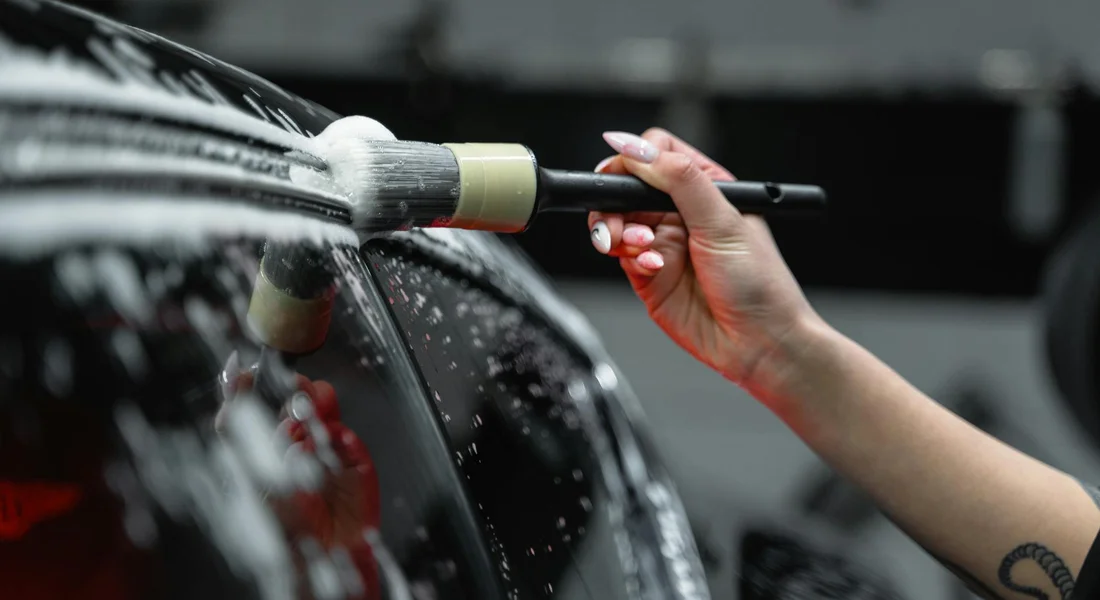
Choosing the right product is not about getting the strongest chemical. It is about matching the solution to the sap’s severity and your paint’s protection. Here is how I break it down from my years in the driveway.
Budget/Drive Through Tier: High Percentage Isopropyl Alcohol
This is your quick fix. A bottle of 70% or higher isopropyl alcohol costs very little and works fast. I keep some in my detailing cart for emergencies. It cuts through fresh sap on contact.
Isopropyl alcohol is a harsh solvent that will completely strip any wax or sealant from the spot you treat, so you must plan to reapply protection. I use this method on my Dark Blue F 150 when I find sap after a weekend camping trip. The paint is already a bit weathered, so I am not as concerned about perfect finish preservation here.
How to use it safely:
- Wash the area first with car shampoo to remove loose dirt.
- Put a small amount of alcohol on a clean, soft microfiber towel. Do not pour it directly on the paint.
- Dab the soaked towel onto the sap spot. Let it dwell for ten seconds.
- Gently wipe the area. The sap should dissolve and lift away.
- Immediately wash the entire panel with soap and water to remove any residue.
- Dry the area and apply a fresh coat of spray wax or sealant.
Enthusiast Tier: Dedicated Sap Removers
This is my standard for nearly every car in my fleet. These are citrus based or mild solvent blends made just for this job. Brands like Stoner Tarminator or CarPro TarX are my favorites. They are formulated to be paint safe and often include lubricants to help the towel glide without scratching.
A dedicated sap remover gives you effective cleaning power without the aggressive stripping action of pure alcohol, making it a smarter choice for maintained vehicles. I use this on my Jet Black BMW and my White Tesla without worry. The lubricants in the formula are crucial for the BMW’s soft, swirl prone clear coat.
Application is straightforward:
- Spray the product directly onto the sap spot or onto your microfiber towel.
- Let it dwell for 30 to 60 seconds. You will see the sap start to dissolve and become glossy.
- Wipe it away with a gentle, flat motion. Use a second clean towel to buff the area dry.
- There is no need for a full wash afterward, but I always give the spot a quick spritz of detail spray and a final buff for shine.
Show Car/Specialist Tier: Tar and Adhesive Removers
Reserve this for the worst cases. Think of sap that has baked in the sun for months and turned into a hard, black crust. These products are potent solvents designed to dissolve heavy tar and glue. They are not for casual use.
You must treat a professional grade tar remover with extreme respect, as it can damage clear coat, plastic trim, and paint protection film if misused. I only break out this tier for my Red Porsche’s PPF when a stubborn contaminant will not budge, or on the single stage paint of my Classic Red Miata during a restoration step.
If you must use one, follow this protocol:
- Spot test on an inconspicuous area first, like the edge of a door jamb. Wait a minute and check for any dulling or discoloration.
- Work on a cool, shaded surface. Heat accelerates chemical reactions.
- Apply sparingly with a microfiber applicator. Do not let it dwell for more than 60 seconds.
- The moment the sap is loose, rinse the area thoroughly with water.
- Wash and dry the entire panel immediately. This step is not optional.
A Note on Household Items (Like Olive Oil)
Yes, olive oil or peanut butter can work. The oil smothers the sap, breaking its bond to the paint. I have tried it. It is messy. You are left with a greasy film that attracts dust and requires a strong degreaser to remove. You are essentially trading one cleaning problem for another, which makes it an inefficient method for car detailing. Save the peanut butter for sandwiches.
Paint Damage Prevention: The Mistakes That Cause Scratches
The biggest mistake you can make is treating sap like a simple piece of dirt. It’s not. It’s a hardened, sticky resin bonded to your clear coat. Acting impatient is how you turn a small cleanup into a big repair bill. That’s why learning how to remove stains and contaminants from car paint is essential. It keeps your finish clean and avoids costly repairs.
Never, ever scrub or pick at sap. Using a fingernail, credit card, or abrasive pad will guarantee deep scratches. This is the #1 mistake. I see it all the time. People think they can just pop it off. Your clear coat is softer than you think. My Jet Black BMW taught me that lesson the hard way with a single, impatient scrape that left a white gouge I had to polish out. The sap will come off, but it will take your paint with it. Treat the area like a delicate surface, because it is.
Do not use generic “bug and tar” removers from gas stations without checking ingredients; some are too harsh. Those bright-colored, citrus-smelling sprays can be loaded with strong petroleum distillates or other solvents that are too aggressive for modern clear coats and can stain or dry out plastic trim. They might work on a truck’s undercarriage, but not on your car’s finish. Stubborn tar stains on car paint respond best to a dedicated tar-remover designed for automotive finishes. If you’re researching how to remove tar stains car paint, look for paint-safe options that won’t harm the clear coat. Look for a dedicated, paint-safe sap remover or a detailing-specific bug and tar formula that mentions clear-coat safety. For my cars, I keep a bottle of a gentle, citrus-based cleaner specifically made for this. It works slower but with zero risk.
Avoid using excessive heat (like a hairdryer) to soften sap; you can warp plastic trim or blister paint. It’s a tempting shortcut. The problem is control. Concentrated heat on a small spot can raise the temperature of the paint or the plastic bumper beneath it way too fast. You might soften the sap, but you could also soften the paint itself or cause a trim piece to deform. I’d rather spend an extra five minutes letting a proper solvent do its work safely than risk a permanent heat blemish on my Porsche’s front bumper.
Don’t forget to re-wax or re-seal the area after removal. The spot is now bare and vulnerable. The solvent or removal process strips away any protective wax or sealant you had on there. If you just wash the car and walk away, that spot is an open door for UV damage, water spots, and new contaminants. It’s the final, critical step. After I clean sap off my F-150, I always follow up with a spray wax or a quick coat of sealant on that exact area. It takes ten seconds and seals your victory.
Aftercare and Keeping Sap Off Your Car For Good
You got the sap off. The paint looks clean. The job is not done.
Any method that removes sap, even the gentle ones, also strips away the wax or sealant that was protecting that spot. You are left with bare, vulnerable paint. You must replace that protection immediately after cleaning to prevent new contaminants from sticking right back on.
Immediately apply a spray wax or sealant to the cleaned area to restore protection.
Do not wait. Do not just dry the car and call it a day. Keep a quality spray wax or spray sealant in your detailing kit for this exact moment.
My process is simple. After I rinse and dry the area I treated for sap, I grab my bottle of spray sealant and a clean microfiber towel. I mist the product lightly onto the paint, then spread it thin with one side of the towel. I flip to a dry side of the towel and buff it to a clear, high-gloss finish. It takes 60 seconds.
This instant reapplication seals the paint and fills any microscopic pores the sap might have slightly etched, leaving a slick surface that resists the next environmental attack.
The best defense is a strong, fresh layer of wax, sealant, or ceramic coating.
Think of your car’s protection like a raincoat. A thin, worn-out jacket gets soaked fast. A thick, slick new one causes water to bead and roll right off. Sap acts the same way.
A slick surface gives sap nothing to grip. I treat my dark blue F-150, which sees a lot of tree-lined back roads, with a heavy coat of synthetic sealant every three months for this reason. The hood and roof feel like glass. When sap lands on it, it often dries as a brittle blob I can flick off with a fingernail, because it never truly bonded.
- Carnauba Wax: Beautiful, warm gloss. Needs reapplication every 4-8 weeks. Good for garage-kept cars like my Miata.
- Synthetic Sealant: Longer protection, often 3-6 months. More resistant to sap and pollutants. This is my go-to for daily drivers.
- Ceramic Coating: Professional or DIY formulations that can last years. Provides an extremely hard, slick surface. Sap has the toughest time sticking here. My Porsche has one.
Your regular maintenance washes will be easier if you start with a well-protected canvas.
Consider a car cover if you must park long-term under sap-dropping trees.
Sometimes you cannot avoid the parking spot. If your car will sit for days or weeks under a pine or sweetgum tree, a cover is a smart investment.
Use it correctly. The car must be completely clean before you put the cover on, or you will grind dirt and old sap particles into the paint, creating swirls. A soft, breathable, indoor-outdoor cover is best. It keeps not just sap off, but also bird droppings, pollen, and UV rays that fade your paint.
It is a hassle. I know. But for seasonal storage or a dedicated bad parking spot at home, it is cheaper than a new paint job.
For frequent sap attacks, consider Paint Protection Film (PPF).
This is the ultimate shield. My grey Honda Odyssey, the “Kid Hauler,” is a sap magnet at the soccer field. The front end was constantly spotted.
I had a professional install a clear Paint Protection Film on the front hood and fenders. This is a ultra-thin, clear urethane layer that adheres to your paint. PPF acts as a sacrificial skin; the sap bonds to the film, not your paint. When it gets bad, you can safely use stronger cleaners like isopropyl alcohol on the film to dissolve the sap without worrying about damaging the clear coat underneath.
It is a more significant upfront cost. For a car that lives under assault, especially on high-impact areas like the hood, mirrors, and door cups, it brings total peace of mind. You can remove sap from the film repeatedly for years, then peel it off to reveal perfect, untouched paint beneath.
Troubleshooting Stains, Etching, and Other Sticky Situations
Even when you get the sticky blob off, sometimes you’re not done. Here’s how to handle what’s left behind.
What if the sap is gone, but a stain remains?
You’ve cleaned the spot perfectly, but a dull, cloudy shadow is still there in the paint. This isn’t dirt. This is etching.
Sap is acidic. When it sits on your clear coat, it can eat into it, creating a shallow but visible pit. Think of it like a tiny, permanent stain etched into the surface. You can’t wash or wipe it away.
Fixing etching requires you to remove a microscopic layer of clear coat to level the surface back out, which is a polishing job, not a cleaning job.
For light etching, a hand-applied polishing compound might do the trick. Apply a dab to a clean microfiber pad and work it in a small, tight circle with moderate pressure. Wipe it away and inspect.
For anything more than a very faint shadow, you’ll need a machine polisher. I use a dual-action polisher on my black BMW for this. A light polishing pad with a fine cutting compound will typically erase the etch mark without removing too much clear coat. After polishing, you must reapply your wax or sealant to that spot.
Can a drive-through car wash remove sap?
Do not take a sap-covered car through an automatic wash. It will not help and will likely make the problem worse.
The soaps and cleaners used are diluted for high volume and are not strong enough to dissolve sap. The spinning brushes or cloth strips will grind the sticky sap into your paint, spreading it into a thin, hard-to-see film and potentially scratching the surface. You must address tree sap by hand, with targeted products and gentle mechanical action. This is especially important when dealing with tree sap and bug residues.
If you’re in a pinch, a touchless wash using high-pressure water might knock off some loose debris, but it will not touch cured sap. It’s a temporary fix for dirt, not a solution for sap.
How to get sap off your skin or clothes?
You’re working on the car, and now you’ve got it on your hands. It happens to me all the time.
For your skin, the same solvents you use on the car work. A little rubbing alcohol or a dab of bug and tar remover on a paper towel will break it down. Rub it gently on the spot and the sap will ball up and wipe off. Wash your hands thoroughly with soap and water immediately after to remove any chemical residue.
For clothes, act fast. Do not put the garment in the dryer, as heat will set the stain permanently. Use a pre-wash stain treatment. I’ve had good luck with a citrus-based degreaser or even a little dish soap. Rub it into the fabric, let it sit for ten minutes, then launder as usual. For my kid-hauler Honda Odyssey’s interior fabrics, I use the same approach for sticky spills.
When to call a pro (tree sap removal near me)?
There’s no shame in calling for backup. I do it for services outside my own expertise. Here’s when it makes sense:
- You’re simply uncomfortable doing it. A nervous hand can cause more damage.
- The sap coverage is widespread. Doing a whole hood or roof correctly is a big job.
- You suspect deep etching after cleaning. A professional detailer can assess it with a bright light and has the right polishers and compounds to remove the defect safely.
- The sap is on a delicate surface. If your car has a matte wrap or satin finish, the wrong product can ruin it. A pro knows the specific cleaners for these materials.
A good detailer will have the experience to remove the sap and correct any resulting damage efficiently, saving you time and protecting your car’s finish. Look for one with strong reviews for paint correction, not just basic washing.
Final Thoughts on Sap Removal
Your single best move is to tackle fresh sap quickly with a dedicated, paint-safe solvent like isopropyl alcohol. Speed and the right product prevent the sap from bonding chemically with your clear coat, saving you from a much harder job later.
Ignore this, and you will be dealing with permanent, cloudy etchings that only a full paint correction can fix.
Citations and Authoritative Sources
- r/AutoDetailing on Reddit: Best way to get tree sap off car?
- Amazon.com: Tree Sap Remover For Car
- How To Remove Tree Sap From Car | Chemical Guys
- Removing tree sap from car paint without damage?
- How to Get Sap Off a Car: Expert Tips – McCarthy Collision Center Blog
Max Gunther
Max is an automotive enthusiast having worked as a car mechanical and in interior detailing service for over 25 years. He is very experienced in giving your old car, a new fresh vibe. He has detailed many cars and removed very tough smells and stains from all kinds of cars and models, always ensuring that his work and advice helps his customers. He brings his first hand experience to his blog AutoDetailPedia, to help readers breath new life into their car interiors.