How Do You Prevent and Treat Rust on Your Car’s Body and Paint?
You glance at that small, rough spot on your door edge and hope it’s just dirt. It rarely is, and now you’re thinking about rust spreading under the paint.
I will show you how to defend your car, covering the right washing habits to strip corrosive salts, the protective products like sealants and ceramic coatings that create a shield, and the safe detailing techniques to treat surface rust before it blisters.
Without this care, surface neglect becomes irreversible metal cancer.
The Rust Reality Check: Understanding Your Enemy
Think of rust like an infection. Your car’s steel body is the skin. A scratch or chip is a cut. When that cut is exposed to moisture and oxygen, it gets infected. That infection is iron oxide, which we call rust. It starts small and spreads if you ignore it. Just like any infection, it’s important to treat rust spots on your car body as soon as you notice them.
There are three main stages you will see.
- Surface Rust: This looks like a faint orange stain or speckles on your paint or on a bare metal spot. It’s superficial. On my dark blue F-150, I get these tiny orange specks on the lower doors every winter. They are not rusting from the inside out, they are ferrous brake dust particles embedded in the clear coat that have started to oxidize.
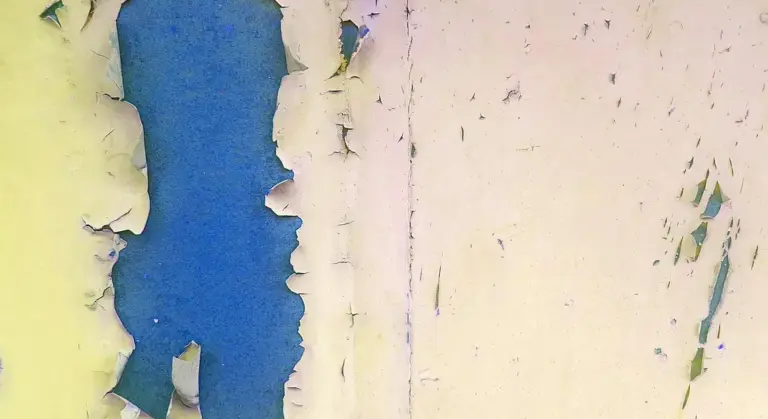
- Scale Rust: This is the “bubbling paint” stage. The rust is working underneath, pushing the paint up. It feels rough and crusty. This is what I’m fighting on the rocker panels of my ’95 Miata project. The metal is actively corroding.
- Penetrating Rust: This is the final stage, where the metal is eaten through, creating a hole. At this point, detailing can’t fix it. It needs a body shop.
Rust attacks where moisture and road junk sit. Check these spots often.
- Rock chips on the hood and fenders.
- Door edges, especially the bottom where water drips.
- Wheel wells, packed with mud and salt.
- The entire undercarriage.
- Inside body panels, like inside doors and quarter panels, where drain holes can clog with leaves.
When people search for “car rust prevention near me,” they are usually looking for a professional service. A good one will do a full inspection, then apply a cavity wax inside doors, frame rails, and rocker panels. They might also apply a fresh, non-hardening undercoating to the underside. This is a great proactive step, especially for a new car. While they can address the vulnerable areas, you should also take care of the painted surfaces to prevent rust.
Does Vinegar Kill Rust on Cars? (The Home Remedy Truth)
Yes, vinegar can kill rust. The acetic acid chelates the iron oxide, breaking it down. You see this in videos where someone soaks a rusty tool and it comes out clean.
Here is the critical warning: vinegar is for a loose, bare metal part on your workbench, not for your car’s painted body. Pouring vinegar on your paint is a disaster. It will strip every bit of wax and sealant you have. It can haze and etch clear coat. It will ruin aluminum trim. Do not do it, especially when there are so many substances and methods that can damage car paint.
What you are likely seeing on your paint are those embedded ferrous particles. For that, you use a detailer’s iron remover. A product like Iron X is formulated to be safe on paint. You spray it on, it turns purple as it reacts with the iron, and you rinse it off. It solves the real problem without destroying your finish.
The Prevention Playbook: How to Keep a Car From Rusting
Rust prevention is not one magic spray. It is a system. My mantra is simple: keep it clean, keep it dry, keep it coated. Do these three things, and you win most of the battles. A key piece is washing the car undercarriage to remove salt and grime that invite rust. This undercarriage care is an essential part of rust prevention.
Your Wash is Your First Defense
Washing is not just about looks. It is about removing the corrosive elements. After that salty day with my F-150, I had to wash it. Letting that salt sit is an invitation for rust to start in every microscopic scratch.
Wash frequently in winter. The “how” matters more than the “how often.”
- Use the two-bucket method with grit guards. One bucket for soap, one for rinse water. This keeps your wash mitt clean.
- Use clean, high-quality microfiber towels. Old, gritty towels will scratch, giving rust a place to start.
- Dry the car completely. This includes door jambs, the trunk seam, and around the fuel door. Lingering water is the enemy.
Do not forget the underside. This is ground zero. You have options. Use a touchless car wash with a strong undercarriage spray weekly in winter. You can buy a home attachment for your pressure washer or garden hose to flush it yourself. For a thorough job, some shops offer an undercarriage flush service. Getting the salt and mud off the metal down there is non-negotiable.
Seal the Deal: Waxes, Sealants, and Coatings
A protected surface is a surface where water and contaminants cannot easily stick. Think of it as a raincoat for your paint.
You have choices, from simple to serious.
- Spray Wax/Sealant: This is my go-to for our Honda Odyssey. After a wash, I spray it on a panel, wipe it in, and buff it off. It takes ten minutes and adds a solid month of protection. It beads water beautifully, causing it to roll off and dry faster.
- Synthetic Paint Sealant: These are more durable liquids or pastes. They can last four to six months. They offer a stronger, thicker barrier than a spray wax. I use one on the F-150 for long-lasting protection through rough seasons.
- Ceramic Coating: This is a professional-grade, semi-permanent layer. I had my Porsche 911 coated. It is incredibly slick and hydrophobic, making cleaning easier and providing years of chemical and environmental resistance. It is the ultimate “keep it coated” solution for paint.
This layered protection is the direct answer to “how to avoid rust on your car.” A slick, beading surface sheds water and the corrosive junk in it.
The Hidden Battle: Protecting What You Can’t See
This is where professional “car rust prevention treatment” earns its name. The outside can be perfect while the inside of a door panel is silently rotting.
Internal cavities need a different kind of product. Cavity wax sprays come with long, flexible wands. You insert them into drain holes or access plugs and coat the inside of panels with a thin, waxy film that displaces moisture. It is messy work but it saves cars.
For the underside, a professional oil-based or wax-based undercoating is excellent. It stays slightly soft and self-healing. Avoid old-school rubberized or tar-based undercoatings. They crack, trap moisture against the metal, and accelerate rust from the inside out.
If you are doing a restoration, like on my Miata, the game changes. “How to keep a bare metal car from rusting” starts with a product called epoxy primer. You metal-prep the bare shell, then spray on a thick, sealing layer of epoxy. It is the absolute best barrier before paint. For a finished car, cavity wax is the maintenance version of this idea.
Think about moisture control like a gun safe. If you wonder “how to keep a gun from rusting in your car,” the answer is to control the environment in its enclosed case with silica gel packs. The same logic applies to your car’s interior cabin air. A clean, dry interior prevents mildew and corrosion on metal seat frames and components.
Damage Control: Nipping Rock Chips and Scratches in the Bud
Any chip that exposes bare metal is a rust starter kit. You must act fast.
First, clean the chip. Use a cotton swab dipped in isopropyl alcohol to gently wipe out any wax, dirt, or moisture. Let it dry.
Then, apply touch-up paint. Use the “dot method.” Do not paint with the brush. Dab a tiny amount of paint into the center of the chip. Let it flow to the edges. Build it up in several thin layers, letting each dry. This seals the metal from the elements.
The best fix is to prevent the chip altogether. That is where Paint Protection Film (PPF) comes in. My Porsche has a full front end PPF. It is a clear, tough urethane film that absorbs rock impacts. The rock hits the film, not your paint. For high-impact areas like the front bumper, hood, and mirrors, it is the ultimate proactive defense.
How to Stop Rust From Spreading: Treatment Steps
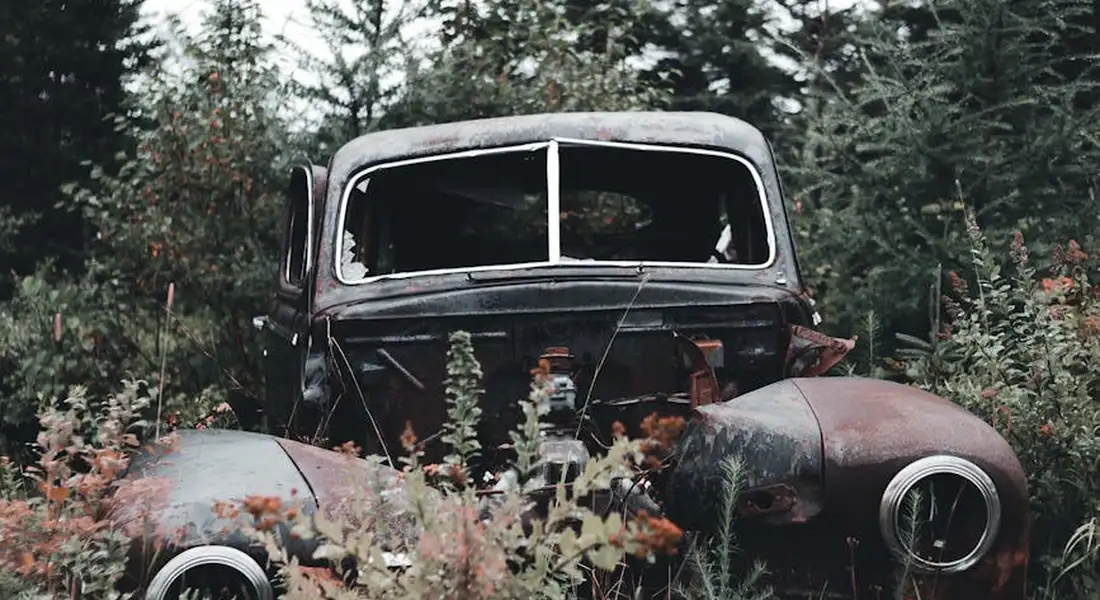
Let’s be clear upfront. What we’re doing here is damage control and cosmetic repair. If you see rust that’s flaking, has bubbles under the paint, or has eaten a hole through the metal, that’s a job for a professional body shop. For small, early-stage spots, you can stop the problem in its tracks by repairing small rust spots on your car.
Safety first. You will be sanding and using chemicals. Wear nitrile gloves and safety glasses. When sanding, wear a basic particulate mask to avoid inhaling dust. Work in a well-ventilated space, like a garage with the door open.
Assessing the Damage: Surface Rust vs. The Ugly Stuff
Knowing what you’re dealing with saves time and prevents worse damage. Here’s how to tell the difference.
Surface staining is often just rust-colored residue on top of your clear coat. It comes from brake dust or environmental fallout. Run your fingernail over it lightly. If it feels smooth and your nail doesn’t catch, it’s likely on the surface. This can usually be removed with a dedicated iron remover spray or a careful polish.
Real rust starts underneath. It begins at a chip or scratch that exposed the bare metal. The paint around it will be lifted. You’ll see a rough, gritty, orange spot. Your fingernail will catch on the edges. This is what happened to my black BMW, the “Swirl Magnet.” A tiny rock chip on the hood I ignored for one winter became a distinct orange pinhead. That’s the enemy.
If the paint is still intact and smooth, try cleaning and polishing first. If the paint is breached and you feel roughness, you need to sand and treat it.
The Detailer’s Method for Fixing a Surface Rust Spot
This is for a small, contained spot, no bigger than a penny. Gather your supplies: isopropyl alcohol (mixed 1:1 with water) or panel prep, very fine sandpaper (2000 to 3000 grit), a rust-inhibiting primer, your exact match touch-up paint, clear coat, and a polishing compound.
- Clean the area. Wipe the spot and a few inches around it with your alcohol mix or panel prep. This removes wax, grease, and dirt. Let it dry.
- Sand gently. This is the critical step. Fold a tiny piece of your fine sandpaper. Lightly sand only the rust spot. Your goal is to erase the orange grit and just reach the bare metal. Feather the edges of the surrounding clear coat by sanding in tiny circles that go slightly beyond the chip. Do not dig a hole. You should end up with a smooth, slightly dull area.
- Clean again. Thoroughly wipe away all sanding dust with a fresh towel and more alcohol. The surface must be perfectly clean.
- Apply rust-inhibiting primer. Use a small brush or the applicator that comes with it. Apply a tiny dab only to the bare metal you exposed. This primer seals the metal and stops oxidation. Let it dry completely as per the product instructions.
- Apply touch-up paint. Use the brush or a fine toothpick. Apply the thinnest possible layer. Do not glop it on. Let it dry for 15-20 minutes. Apply another thin layer. Repeat until the paint is just slightly higher than the surrounding surface. Patience here prevents a ugly blob.
- Apply clear coat. Once the color is built up, apply one or two thin layers of clear coat over the top. This protects the paint and adds gloss.
- Level and polish. Wait at least 48 hours for everything to fully cure. Then, using a mild polishing compound on a soft foam pad (by hand is fine for a spot), gently polish the repaired area to level the edges and blend the gloss with the rest of the paint.
You might see products labeled “car rust prevention spray.” Know the difference. A primer-in-a-can is for small surface repairs like above. A cavity wax or corrosion inhibitor is a thin, waxy spray designed to creep into door seams, frame rails, and underbody panels to coat metal you can’t see. They are for prevention, not repair.
The key to a decent repair is working in microscopic layers and blending the edges, not trying to fill a hole in one go.
When to Call a Professional
Detailers are surface experts. We work on the paint and finishes. There is a hard line where our work ends and a metal fabricator’s begins.
If the rust is scaly, has caused the paint to bubble up in a patch, or you can see a hole, stop. You cannot sand this away or seal it with touch-up paint. The corrosion is active underneath and will spread. Painting over it is a waste of time.
A professional body shop will cut out the rusted metal, weld in new metal, use body filler for contour, and then prime and paint the entire panel for a seamless finish. This is structural repair. For those researching repair rust repaint metal panels, this outlines the core steps. It emphasizes both corrective metalwork and finishing with paint for a durable result.
There are also dedicated rust prevention services. These businesses often focus on applying long-term corrosion inhibitors like oil-based sprays or electronic modules to the underbody and cavities of a vehicle. If you search “car rust prevention service near me,” this is likely what you’ll find. They are a great proactive measure, especially in salty areas, but they are not a fix for existing body rot.
Call a pro when the damage is more than skin deep. A proper repair preserves the value and safety of your car.
Paint Damage Prevention: Common Rust-Fighting Mistakes
Rust often wins because of small, repeated mistakes. Avoiding these habits is your cheapest form of protection.
- Using abrasive cleaners or tools. Scrubbing a stain with a household cleaner or, worse, steel wool, is like using a chainsaw for surgery. You will scratch through the clear coat down to the primer or metal, creating a perfect rust starter.
- Ignoring water spots. Hard water spots are mineral deposits. As they sit, they can etch into the clear coat, creating microscopic pits that trap moisture and weaken the surface. Regular drying and occasional use of a water spot remover keeps the finish intact.
- Leting contaminants bake on. Bird droppings and tree sap are acidic. Bug splatter is corrosive. On my white Tesla, the “Modern EV,” bug guts on the flat front bumper will etch the paint if left for a week in the sun. Clean them off quickly with a detail spray and a soft towel.
- Using a damaged clay bar. If you drop your clay bar, throw it away. A dirty or grit-embedded clay bar will act like sandpaper, dragging contaminants across your paint and creating fine scratches that compromise the finish.
- Storing a wet car under a cover. A car cover traps moisture against the paint. If you put a cover on a damp car, you are creating a humid, airless environment perfect for promoting corrosion under any tiny chip. Always ensure the car is completely dry before covering it.
Protecting your paint from daily abrasion and chemical attacks is the most effective way to prevent the chips and scratches that lead to rust. Regular maintenance and protective coatings help prevent rust, scratches, and chips.
Product Tier List: Rust Prevention Arsenal
Fighting rust is about layers of defense. Your tools should match your commitment. Think of it like this: the Budget tier is your daily armor, the Enthusiast tier is your seasonal campaign, and the Show Car tier is a full-scale fortification. Here’s what belongs in each kit.
Budget / Essential Tier
This is the bare minimum for any car owner in a harsh climate. These items stop the most common attacks before they begin.
- Spray-on rinse-less wash for quick salt removal. This is your secret weapon. When it’s too cold for a hose, mix this in a spray bottle. Spray a panel, let it dwell to dissolve salt, and wipe dry with a plush microfiber towel. I use this on my F-150’s salty fenders weekly. It turns a 10-minute wipe-down into a powerful neutralizing wash.
- Quality spray wax for monthly protection. After any wash, a spray wax adds a hydrophobic layer. It beads water and makes the next clean easier. It’s not for show, it’s for function. A quick spritz and wipe every few weeks keeps a basic shield active.
- Touch-up paint pen from your dealer. Stone chips are rust gateways. Clean the chip with isopropyl alcohol first, then dab the paint in. Don’t glob it on. It won’t be invisible, but it seals the bare metal. Ignoring a chip is an invitation.
- Basic iron remover for decontamination. Once or twice a year, use this. Spray it on clean, cool paint. Watch it turn purple as it dissolves embedded iron particles from brakes and roads. Rinse thoroughly. This removes microscopic contaminants that plain soap can’t touch, stopping them from etching into the clear coat.
Enthusiast / Long-Term Tier
You’re committed to keeping your car for years. This approach is systematic and targets hidden vulnerabilities.
- Synthetic paint sealant (6-12 month durability). This is a step above wax. Apply it to clean, decontaminated paint every spring. It forms a tougher, longer-lasting synthetic barrier against moisture and contaminants. The prep work is key for it to bond properly.
- Professional-grade iron & fallout remover. More potent than the basic version. It’s essential before applying a sealant or coating. On my black BMW, this step is non-negotiable. The paint feels like glass afterward. Always wear gloves and work in the shade.
- Cavity wax spray with a long applicator tube. This is for the places you never see. Feed the tube into door drain holes, inside rocker panels, and tailgate seams. A light spray coats the internal metal. It’s messy but critical. This is how you protect the car’s skeleton.
- Kit for proper touch-up paint application (sand pen, leveling fluid). This turns a blotchy touch-up into a near-professional repair. Use the abrasive pen to gently clean the chip. Apply thin layers of paint, letting each dry. Finish with leveling fluid to smooth the repair flush with the surrounding paint.
Show Car / Maximum Protection Tier
This is for preservation at the highest level. The goal is to create barriers so strong that environmental attack is almost irrelevant.
- Professional-grade ceramic coating or graphene coating. This is a semi-permanent, cured glass-like layer. It offers extreme chemical resistance and makes cleaning trivial. Applying a coating is a marathon of precise paint correction and prep, not a simple wipe-on product. It turns your paint into a highly slick, durable shell.
- Paint Protection Film (PPF) for full front end or high-impact zones. Physical armor. A clear, self-healing urethane film applied to the bumper, hood, and fenders. On my Porsche, it catches stone chips that would otherwise require touch-up paint. It’s the ultimate defense for leading edges.
- Professional oil-based rust inhibitor application for undercarriage and cavities (often a service). Products like fluid film or wool wax. A professional will spray a creeping, self-healing oil film onto every inch of the undercarriage, inside frame rails, and door panels. It’s messy and smelly at first, but it displaces water and lasts for years. This is the best thing you can do for an older car or a new truck you plan to keep forever.
- Dedicated paint depth gauge. This tool measures the thickness of your clear coat and paint. Before any aggressive correction or coating, you need to know how much material you have to work with. It prevents you from sanding or polishing straight through to the primer. It turns guesswork into a science.
Your Battle Plan for a Rust-Free Finish
From the salted undercarriage of my Ford F-150 to the single-stage paint on my Mazda Miata, I know the fight against rust is won with a simple, consistent routine: clean every inch of the car and seal it with a dedicated protectant. Make this two-step process-thorough decontamination followed by a quality wax, sealant, or coating-your non-negotiable ritual after exposure to road salt or moisture, especially when it comes to cleaning the undercarriage.
Let that routine slide, and the slow creep of corrosion will transform your paint and panels from a source of pride into a permanent, crumbling problem.
Related Guides and Information
- r/cars on Reddit: What’s the best way to prevent rust?
- Rust Protection and Proofing | Auto Care Services | Ziebart
- Will rust-proofing protect your car? – Quora
Max Gunther
Max is an automotive enthusiast having worked as a car mechanical and in interior detailing service for over 25 years. He is very experienced in giving your old car, a new fresh vibe. He has detailed many cars and removed very tough smells and stains from all kinds of cars and models, always ensuring that his work and advice helps his customers. He brings his first hand experience to his blog AutoDetailPedia, to help readers breath new life into their car interiors.