Is Car Wrapping a Good Idea for Your Car? The Detailer’s Truth on Cost, Pros, and Cons
You’re looking at your car and thinking about a full color change or just wanting to shield that factory paint, but the real question is whether a wrap is a smart move or a money pit.
Based on my hands on experience wrapping everything from my daily driver Ford F 150 to client Porsche 911s, this guide will walk you through the undeniable benefits for paint protection and style, the significant drawbacks like cost and skill requirement, what you should actually budget for a quality job, and how many years of life you can expect from the film.
Go into this decision blind, and you might commit to a costly application that fails prematurely and leaves your original paint in worse shape.
Key Takeaways: The Quick Verdict on Car Wraps
So, is a car wrap worth it? The answer depends entirely on what you drive and what you want. Here is my honest take based on what I see in my shop and what’s on my own driveway.
- For a Daily Driver or Kid Hauler (like my Honda Odyssey): A full wrap is a tough sell. It’s a big investment for a vehicle that sees juice boxes and parking lot dings. A partial wrap for a graphic or a specific panel might make sense if you’re branding a business.
- For a Show Car or Garage Queen (like my Porsche 911): Absolutely worth it for a temporary, radical color change. It lets you be bold without the permanence of paint. For protection, you’d want clear Paint Protection Film (PPF) instead.
- For an Aging Vehicle or Restoration Project (like my Mazda Miata): This is a classic case. If the paint is faded or single-stage but the body is straight, a wrap can be a fantastic, cost-effective way to restore a sharp look without a $10k paint job.
- For a Work Truck (like my Ford F-150): A wrap is a professional tool. It’s for branding, not protection. For protecting the paint from job site debris, a robust ceramic coating or bed liner on vulnerable areas is a better use of funds.
| Factor | Vinyl Color Wrap | Clear Paint Protection Film (PPF) |
| Protection Level | Good against light scratches, UV fade, and minor chips. Not a substitute for PPF against rock chips. | Excellent. Specifically engineered to absorb impact and “self-heal” light marring. |
| Cost Range | $2,500 – $5,000+ for a full vehicle, professionally installed. | $2,000 – $7,000+ for full front or full vehicle. Premium product, premium price. |
| Expected Longevity | 3 to 7 years, depending on film quality, climate, and care. | 7 to 10 years, often with a manufacturer’s warranty. |
| Reversibility | Fully reversible if installed and removed correctly. The underlying paint is preserved. | Fully reversible. The goal is invisible protection that you can remove to reveal perfect original paint. |
Your final decision hinges on three things. Your goal: do you want a new color or serious paint armor? Your budget: wraps are not cheap if done right. Your vehicle’s condition: the wrap will mirror every flaw underneath, so paint correction is often needed first. Think of a wrap as a temporary, wearable shell for your paint, not a fix for bad bodywork.
What is a Car Wrap? It’s More Than a Big Sticker
A car wrap is a thin, adhesive vinyl film applied directly over your factory paint. It is not a decal. It is a engineered material, stretched and heated to form a second skin over every contour of your car. When you run your hand over a professionally wrapped panel, it should feel just like paint-smooth, seamless, with no lifted edges.
You get a choice of textures. A glossy wrap has a deep, wet shine. A matte wrap has a soft, suede-like feel that drinks in light. Satin finishes split the difference. The common myth is that wraps are for protection. That’s a side benefit. The primary job of a color wrap is aesthetics; the primary job of clear Paint Protection Film (PPF) is defense. My Porsche 911 has PPF on its front end to stop rock chips. It is invisible. My Miata project could get a wrap to change its color and hide oxidation. They are different tools.
The application is a craft. A professional uses a squeegee, a heat gun, and a lot of patience. They meticulously clean the paint, then apply the vinyl in sections, heating it to make it pliable and stretching it gently around curves. They use a sharp blade to trim it perfectly at panel edges. A DIY kit can work on simple, flat panels, like a hood roof. For a full car with complex curves like my BMW’s bumpers, I leave it to the pros. A bad install looks worse than the paint you were trying to cover.
Vinyl Types: Cast vs. Calendered Film
All vinyl is not created equal. The two main types you must know are cast and calendered.
Cast vinyl is the premium choice. It is made by pouring a liquid vinyl formula onto a casting sheet. This creates a film that is thinner, more flexible, and incredibly conformable. It has memory, so it resists shrinking and lifting over time. For any vehicle with sharp curves, deep recesses, or complex body lines, you need cast vinyl. Think of my black BMW 3 Series, a swirl magnet with dramatic contours. Only a high-quality cast film would lay down without wrinkles or premature failure on those fenders.
Calendered vinyl is the budget option. It is made by squeezing vinyl resin between massive rollers (calenders) into a thick sheet. It is less flexible, more rigid, and has a tendency to shrink over time. It works acceptably on large, flat surfaces. The door panels or hood of my Ford F-150? A calendered film might work. But try to stretch it around a mirror cap or door handle, and it will fight you. It lacks the “stretch and hold” quality of cast film.
The choice is simple. For a long-lasting, professional finish on a modern car, insist on cast vinyl. It costs more, but it lasts longer and looks right. Calendered film has its place for short-term graphics or simple applications where contours are not a factor. You get what you pay for.
The Pros: Why a Car Wrap Can Be a Brilliant Idea
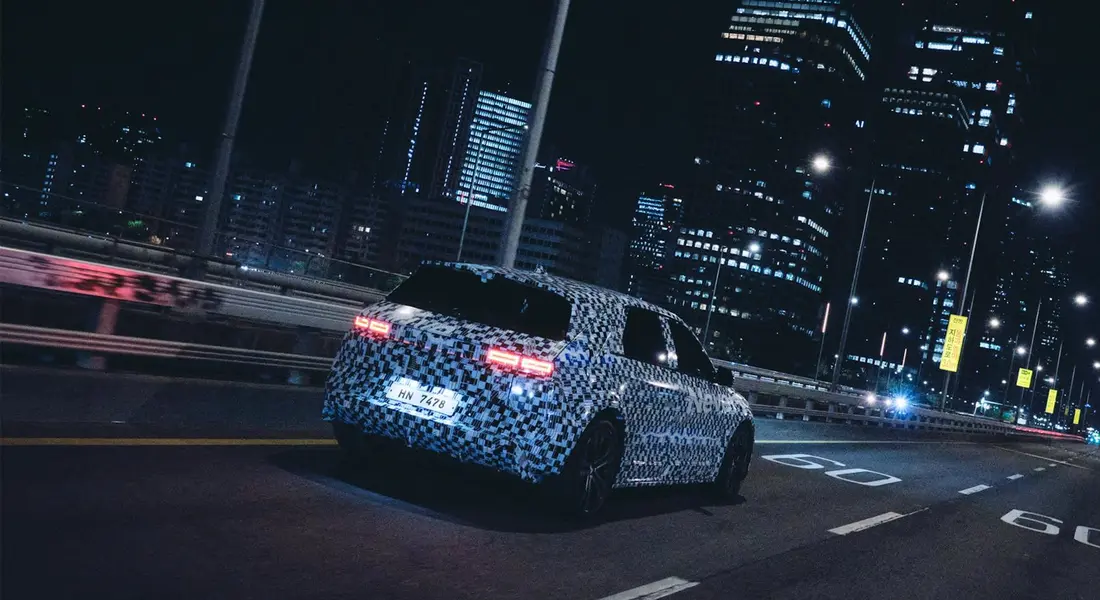
Are car wraps good? Is wrapping your car a good idea? For many owners, the answer is yes. It solves specific problems in a way paint often cannot. Think of it as a removable, heavy-duty skin for your car—especially when you’re concerned about protecting your original paint.
Paint Protection Without the Permanent Change
Your factory paint is a finite resource. Every rock chip, shopping cart ding, and branch scratch takes a little bit of it away forever. A wrap changes that equation. It sits on top of your clear coat, absorbing those minor impacts itself.
It shields the paint from ultraviolet rays that cause fading. It fights off the sandblasting effect of highway grit. Light scratches from automatic car washes or careless pedestrians stay in the vinyl, not your paint.
I use my Ford F-150 as a work truck. The dark blue paint would be a scratched-up mess from trail brush and gravel roads. The wrap on its hood and front fenders looks peppered. But underneath, the factory paint is still pristine. When I’m ready, I’ll peel that section off and have a fresh start.
A quality wrap acts like a sacrificial layer for your factory paint. You protect your car’s value and appearance without a single drop of new paint.
Total Color Freedom (That You Can Undo)
Repainting your car is a final decision. A wrap is a five-year plan. The range of options is staggering. You are not limited to standard automotive colors. Color change wrap possibilities let you switch tones and finishes without repainting. We’ll explore those wrap options in the next steps.
- Gloss, matte, satin, or chrome finishes.
- Textures like carbon fiber, brushed metal, or camouflage.
- Full-color changes, two-tone designs, or intricate graphics.
This reversibility is the killer feature. It is perfect for leased vehicles. You can drive a fiery orange Tesla Model 3 for three years, then peel it off and return the stock white car at lease-end. It helps with resale, too. A potential buyer might not like your custom green, but knowing they can easily remove it to reveal perfect factory red is a huge selling point.
Cost-Effective Compared to a Quality Repaint
People ask about car wrap cost and are often shocked. Then they get a quote for a proper repaint and are floored. Let’s be real. A show-quality, multi-stage paint job that matches factory standards costs thousands more than a wrap. Comparisons often highlight these differences when evaluating paint vs wrap costs.
A full wrap gives you a completely new look for a fraction of that price. Here are realistic price ranges, which vary wildly by shop, material, and vehicle complexity:
- Sedans/Coupes (like a BMW 3 Series): $2,500 to $5,000+
- SUVs/Minivans (like a Honda Odyssey): $3,000 to $6,000+
- Trucks/Full-Size SUVs (like an F-150): $3,500 to $7,000+
You are paying for material and, most importantly, labor. A good installer will spend 30 to 50 hours on your car. Compared to a $10,000+ paint job, a wrap is a compelling way to transform your vehicle.
The Cons: The Realities and Risks of Wrapping Your Car
Do car wraps work? They do, but they are not magic. You need to go in with clear eyes. Understanding the downsides prevents disappointment and protects your investment.
It’s a Temporary Shield, Not a Force Field
A wrap is durable, but it is not indestructible. A sharp rock or a deep scrape from a key will go right through it. The material will also age.
Sunlight is its biggest enemy. Over three to five years, even premium vinyl will start to fade and become brittle, especially on horizontal surfaces like the hood and roof. Vibrant colors and reds tend to fade faster. If you leave it on too long, removal becomes difficult. You don’t get a decade out of it like a ceramic coating. Plan on replacing it.
Paint Damage is Possible (During and After)
This is the biggest fear, and it is valid. The risk comes from two places: bad paint and bad technique.
If your paint is cracked, flaking, or was a cheap respray, the wrap adhesive can grab onto that weak layer. When you peel the wrap, it can pull the paint right off with it. The installer must assess your paint first.
Improper removal is the other culprit. Pulling too fast, using heat incorrectly, or using the wrong tools can leave stubborn adhesive residue or, again, damage weak paint.
This is why the installer matters more than the vinyl brand. My black BMW’s clear coat is soft and fragile. I would only let a seasoned pro touch it. They know how to handle delicate surfaces and use the right techniques for safe removal years down the line.
A wrap is only as good as the surface underneath and the hands that apply it. A cheap wrap job is one of the most expensive mistakes you can make.
Maintenance is Different Than Bare Paint
You cannot care for a wrapped car the same way as bare paint. The rules are simple but strict.
- No abrasive polishes or compounds. They will haze the vinyl.
- No waxes or sealants with high solvent content. They can stain or damage the film.
- Avoid automatic car washes with spinning brushes. They can catch edges and cause peeling.
- Use pH-neutral soaps and cleaners made for vinyl or PPF.
It is similar to maintaining the Paint Protection Film on my Porsche. You use specific products. The benefit is that many wraps, especially matte ones, hide swirls far better than clear coat. But you trade one set of care instructions for another. You lose the ability to easily correct scratches by polishing.
Cost Breakdown: What Does Wrapping a Car Really Cost?
When people ask me about car wrap cost, the honest answer is it depends. A lot. I’ve priced out wraps for my own fleet, from the F-150 to the Porsche, and the number can swing wildly. Think of the quote not as a fixed price, but as a reflection of your vehicle’s size, the material you choose, and the installer’s skill. Also, if you plan to remove car wrap later, the remove car wrap cost should factor into your total budget. That way you’re not surprised when it’s time to refresh or revert the look.
Factors That Change the Price Tag
Several key things make your final bill go up or down. The first is obvious: vehicle size. Wrapping my Honda Odyssey, the kid hauler, requires significantly more material and labor time than the tiny Mazda Miata. Complexity is another. Simply wrapping the exterior panels is standard, but if you want the door jambs, trunk sills, and other hidden areas covered for a seamless look, the price climbs fast. Finally, labor rates vary by shop reputation and location.
To give you a ballpark based on current market rates for a quality, full exterior wrap (excluding jambs):
- Midsize Sedan (like a BMW 3 Series): $2,500 – $4,000
- Full-Size Truck (like a Ford F-150): $3,500 – $5,500
- Minivan or SUV (like a Honda Odyssey): $3,000 – $5,000
Vinyl Material Tier List: Budget to Show Car
Not all vinyl is created equal. Picking the right one is the difference between a wrap that lasts a season and one that protects for years. Here’s how I break it down.
- Budget/Short-Term (Calendered Vinyl): This is the thin, less expensive film often used for short-term graphics or advertisements. It’s less conformable and can be tricky on complex curves. Under sun and weather, it may fade, crack, or become brittle faster. Expect a lifespan of 1-3 years.
- Enthusiast/Daily Driver (Quality Cast Vinyl): This is the sweet spot for most owners. Cast vinyl is thicker, more flexible, and has built-in UV inhibitors. It handles contours beautifully and resists fading. This is what I’d use on my daily-driven F-150. With proper care, it reliably lasts 5-7 years.
- Show Car/Premium (Top-Tier Cast with Ceramic Coating): This is Porsche 911 territory. These are the flagship films from brands like Avery Dennison or 3M, often with a glossy, deep finish that rivals paint. Some come with a ceramic-like top coat for incredible stain resistance and ease of cleaning. Lifespan can push 7+ years, especially on a garage-kept vehicle.
Wrap vs. Paint Job: A Side-by-Side Cost Comparison
It’s not always an either-or choice, but understanding the trade-offs is key. Let’s compare a full vehicle wrap to a mid-quality, full repaint.
| Factor | Full Wrap | Full Repaint |
| Average Cost | $3,000 – $5,000 | $5,000 – $10,000+ |
| Time in Shop | 3-5 days | 1-2 weeks |
| Reversibility | Fully reversible; protects original paint | Permanent; original paint is gone |
| Color Change Ease | Easy to change in a few years | Extremely difficult and costly to change |
Paint is the better long-term investment for a restoration. With my 1995 Miata, the single-stage paint was oxidized down to the primer. A high-quality respray was the only way to truly restore that classic red for the next decade, making paint the clear choice for a forever car.
Longevity and Upkeep: How Long Wraps Last and How to Care for Them
So, is getting your car wrapped worth it over time? Absolutely, but only if you understand it’s not a “set it and forget it” modification. Car wrap longevity directly depends on your climate and your commitment to maintenance.
Expected Lifespan: What “5-7 Years” Really Means
That 5-7 year estimate for a cast vinyl wrap is a best-case scenario for a well-cared-for vehicle. Reality is harsher. The sun’s UV rays are the biggest enemy, breaking down the adhesive and fading the color. My white Tesla, if wrapped, would face constant sun bombing. Winter is just as tough; road salt and repeated freeze-thaw cycles can stress the film’s edges. A wrap on my daily-driven, outdoor-parked F-150 in a snowy climate might look great for 4-5 years, while the same wrap on my garage-kept Porsche 911 could easily last 7+. It’s one of those variables that can really impact the vinyl car wrap lifespan.
Your Wrap Care Routine: The Right Way to Wash
Washing a wrapped car requires a gentle touch. You must avoid harsh chemicals, stiff brushes, and automatic car washes with aggressive brushes. Here is my routine to wash and clean a vinyl-wrapped car.
- Rinse the vehicle thoroughly with plain water to loosen surface grit.
- Use the two-bucket method with grit guards. Fill one bucket with clean water for rinsing your wash mitt, and the other with a pH-neutral car shampoo mixed per instructions. Avoid soaps with waxes or gloss enhancers.
- Wash one panel at a time with a soft microfiber wash mitt, using straight-line motions to minimize micro-scratches.
- Rinse immediately with clean water.
- Dry with a clean, soft plush microfiber towel. Pat dry or use gentle dragging motions; don’t scrub.
- For protection, use a wrap-safe spray sealant or a dedicated vinyl coating every 3-6 months. These products are designed to shed water and contaminants without harming the film.
Treat a wrapped car like a delicate, expensive vinyl record, not a painted fender.
Removal and What Comes Next
Professional removal is a must. A good installer will use a heat gun to gently warm the vinyl, loosening the adhesive so it peels away cleanly in large sections. They’ll then use a specialized adhesive remover to clean any residue off your paint. When done right, this process minimizes risk. But what about your paint underneath? This is where the question ‘do wraps damage paint’ gets a balanced answer. A wrap protects the paint from UV fading and minor scratches. However, when you remove it, you might see “ghosting.” This means the paint under the wrap looks newer and brighter than the exposed paint on door edges or trim, which has faded naturally over the years. The wrap didn’t damage the paint; it preserved it too well. On a car with fragile or aged clear coat, improper removal can lift paint, but this is rare with modern films and a professional installer.
Making Your Wrap Decision
Car wrapping is a brilliant idea for a temporary transformation or paint shield, but only if you hire a proven professional and care for it with the right techniques. Think of it as a long-term temporary tattoo for your car-it needs a clean canvas and gentle handling to look its best for years. Make sure you understand the material and process before getting started.
Ignore that advice, and you’ll be staring at faded, peeling vinyl that could harm your factory paint underneath.
Deep Dive: Further Reading
- r/CarWraps on Reddit: How good or any negatives to wrapping?
- Pros And Cons Of Wrapping A Car – vinylfrog
- Car Wrap: Pros and Cons of Wrapping a Car | Edmunds
- Vehicle Wraps vs. Paint: Pros and Cons | Benefits of Car Wraps
- Car Wrapping 101: Pros and Cons of Vinyl Wrap for Vehicles
- Car Wrapping Pros and Cons: Is it Worth It? – TWR Specialty Vehicles