Why Is Your Car’s Paint Peeling? How to Stop It for Good
That patch of flaking paint isn’t just ugly. It’s a warning that your car’s first line of defense is gone, and the damage will spread if you ignore it.
I’ll use my experience with cars like my jet black BMW to show you what to do, covering the real reasons paint fails, how to safely clean and stabilize the area, and the protective coatings and films that can save your finish.
Skip these steps, and a small peel will become a gateway for rust and a complete paint job you’ll have to pay for.
Key Takeaways: The Short and Long of Paint Peeling
When you see paint coming off your car, it helps to know the basics fast. Here is what matters most.
- Peeling paint typically stems from three areas: environmental forces, mistakes made during painting, or a lack of proper care.
- Once paint begins to peel, you cannot fix it by buffing, waxing, or polishing. The damage is beneath the surface.
- Your options are straightforward: stop a small spot from growing, or prepare for a professional repaint if the damage is severe.
- Protecting your paint costs far less in time and money than repairing it after it fails.
What Causes Car Paint to Peel? (From Sun to Shoddy Work)
You see the flakes and ask, “Why is my car’s paint peeling?” I have asked the same thing in my shop. Let us walk through the reasons, using my own cars as examples. Each one tells a different story.
Sun Damage and UV Radiation: The Slow Fade
Sunlight is a constant, grinding force. Ultraviolet rays break down the resins that hold your paint and clear coat together. Over years, they become brittle and weak. On my dark blue Ford F-150, the roof lost its gloss first. It turned a dull, chalky gray. The surface felt rough like sandpaper. Then, a network of fine cracks appeared. Finally, the edges began to curl and lift away.
Dark paints absorb more UV energy and heat, speeding up this breakdown compared to light colors. My jet black BMW shows every flaw, while my white Tesla’s paint feels cooler and resists fading longer. But UV damage is inevitable without protection.
Moisture Trapping and Blistering: The Hidden Enemy
This starts with a tiny breach. A rock chip, a deep scratch. Water seeps in and sits against the bare metal. Rust forms. As the rust grows, it pushes the paint upward, forming a blister. Run your finger over it. A blister feels soft and spongy. A dry, sun-damaged peel feels crisp and cracks easily.
A blister means active corrosion is happening underneath your paint, and it will only get worse. On my Honda Odyssey, a ignored chip on the door edge led to a rust bubble that eventually popped and peeled.
Severe Weather and Environmental Stress
Weather does not just dirty your car. It attacks the paint. In winter, water gets into hairline cracks. It freezes, expands, and forces the paint to separate. Acid rain leaves microscopic etching that weakens the clear coat. Road salt is a corrosive paste. After a winter of driving my F-150, the salt spray left a white, crusty film along the rocker panels that accelerated peeling.
Harsh climates demand diligent washing to remove these corrosive elements before they breach the paint’s defenses.
Age and Natural Material Breakdown
Paint has a lifespan. Even with meticulous care, the materials will degrade. Modern clear coat systems might last a decade or more. Older single-stage paints, like the original red on my 1995 Mazda Miata, fail differently. There is no separate clear coat. The colored paint itself oxidizes, fading from a deep red to a pinkish chalk. It becomes thin and brittle, often cracking all over before it peels.
When peeling is widespread and even across panels, it is often a sign the paint has simply reached the end of its natural life.
Low-Quality or Improper Paint Application
Sometimes the problem was created the day the paint was applied. If the metal was not cleaned properly, if cheap primer was used, or if the paint layers were not allowed to cure correctly, failure is guaranteed. On my Miata project, a previous owner’s quick repaint was peeling off in large, rubbery sheets because it was applied over old wax.
Poor paint jobs often fail in irregular, patchy areas, unlike the uniform wear of age or sun. This leads us directly into the details of how application errors happen.
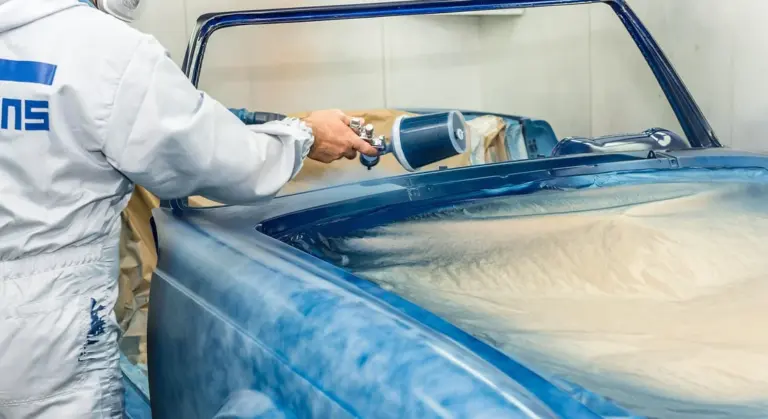
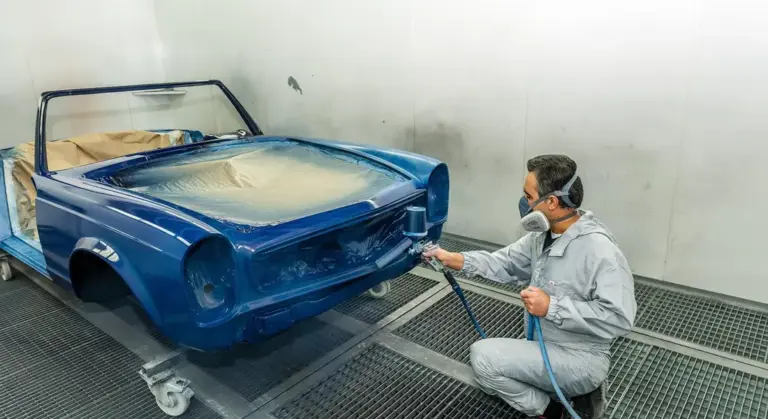
How Poor Paint Jobs and Primer Failures Cause Peeling
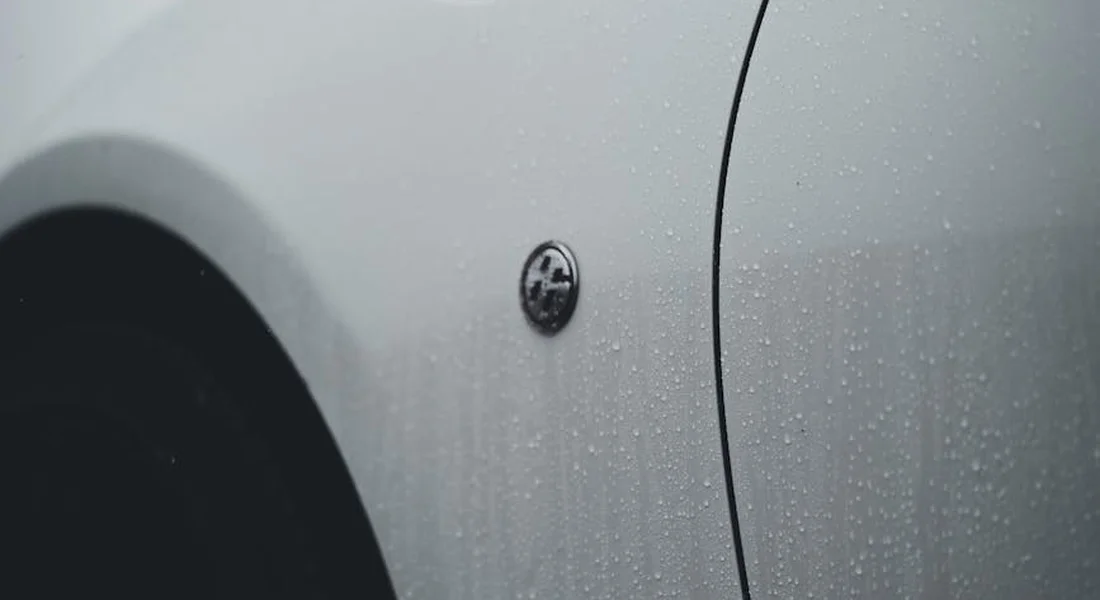
You often hear people blame the sun or a bad car wash for peeling paint. Sometimes that’s true. But many times, the problem was baked in long before you owned the car, during a repaint. Factory paint jobs are generally robust, but aftermarket repairs are where risks skyrocket. The difference usually comes down to time, cost, and skill. That’s why learning how to prevent and fix car paint peeling matters. A bit of upfront prep and quality coatings can keep the finish looking newer longer.
Why Primer is the Unsung Hero (And Its Failure)
Think of primer as the double-sided tape between your car’s metal and its colorful coat. Its job isn’t to look pretty. It has two missions: create a perfect, sticky surface for the paint to cling to, and act as a sacrificial barrier against rust. When primer fails, everything on top of it is doomed. That’s why the car paint primer application should be even and fully dry before the color goes on. Proper surface prep and uniform coverage are key to a durable finish.
Here’s what happens when it goes wrong. Skipping primer is like trying to glue a poster to a greasy wall. The paint might look fine for a few months, but it has no real bond. Applying primer too thin means there’s not enough ‘glue’ to hold. Contamination is the silent killer. If dust, oil, or silicone lands on the primer before it’s painted over, it creates a microscopic weak spot. My old F-150 had a spot where the primer was contaminated. The paint above it chipped easily, and a small blister of rust formed underneath. Primer failure is a foundational problem that no amount of wax can ever fix.
What Causes Orange Peel in Car Paint
“Orange peel” is that bumpy, textured finish that looks like, well, an orange’s skin. It’s not the paint peeling off yet. It’s a sign of poor application that can lead to peeling later. It happens when the paint doesn’t flow out smoothly before it dries.
Three things usually cause it. Improper spray technique, like holding the gun too far away, makes the paint droplets dry in the air before they hit the panel. Incorrect paint viscosity, if it’s too thick, won’t level out. Bad environmental conditions, like painting in excessive heat or low humidity, make the paint flash-dry too fast. My BMW’s factory paint has a slight orange peel texture, which is common. But a severe, lumpy texture from a repaint is a red flag. That rough surface can trap dirt and moisture, creating points where the paint’s adhesion can fail over time.
The Consequences of Rushed Surface Prep
Professional painters will tell you that 80% of a good paint job is in the prep. Rushing this step is the most common cause of aftermarket paint failure. The critical steps are sanding, cleaning, and degreasing.
- Sanding: This creates “tooth” or microscopic scratches for the primer to mechanically grip onto.
- Cleaning: Blowing off and vacuuming all sanding dust is non-negotiable.
- Degreasing: Wiping the entire area with a dedicated wax and grease remover eliminates oils from your skin or tools.
Skip any of these, and you’re setting up the paint to fail. It’s the exact same principle as painting a wall in your house. You wouldn’t paint over a dusty, greasy wall and expect it to last. The bond will be weak from the start.
Spotting Aftermarket Paint Red Flags
Knowing how to spot a cheap repaint can save you from buying a problem. Look for these signs. Mismatched texture: one panel feels rougher (orange peel) or smoother than the adjacent ones. Overspray: a fine, gritty texture of paint dust on rubber trim, windows, or badges. Early peeling at edges: look at door jambs, the hood lip, and around trim. Paint that’s lifting here first didn’t adhere properly.
If you’re getting work done, ask the body shop direct questions. “What is your process for surface prep and degreasing?” “Do you use a dedicated primer surfacer?” “What is your bake/dry process?” Their answers will tell you if they cut corners. A good shop will explain their steps with confidence.
How to Prevent Paint Peeling Before It Starts
If your paint is currently solid, your goal is to protect it. This is where your routine as an owner makes all the difference. Think of it as maintenance, not magic. A good routine shields good paint and can significantly extend the life of mediocre paint.
The Truth About Washing and Waxing for Prevention
Can washing and waxing prevent paint peeling? Yes, but with a big caveat. They act as a shield for healthy paint; they are not a cure for the primer failures we just discussed. Your washing method is the first line of defense. A bad wash scratches the clear coat, creating pathways for moisture and contaminants.
Use the two-bucket method with grit guards. Use clean, high-pile microfiber wash mitts. Dry with plush drying towels. This prevents scratches that weaken the paint’s surface. Then, apply a quality wax or sealant. This layer blocks UV rays, which break down paint binders, and it prevents contaminants like bird droppings and tree sap from etching into the surface. Regular, safe washing and consistent protection buys your factory paint years of extra life by managing environmental attack.
Using Sealants and Ceramic Coatings for Long-Term Defense
Think of paint protection as a spectrum. On one end, you have spray waxes. They’re great for a boost after a wash and might last a few weeks. I use them on my F-150 for quick protection. Next are synthetic sealants. These are polymer-based and offer better durability, often 3 to 6 months of strong UV and contaminant protection.
On the high end are ceramic coatings. These are liquid silica that chemically bond to your paint, creating a super-hard, slick layer that can last years. They offer the best defense against UV degradation, chemical stains, and minor swirls. My Porsche has a professional-grade coating over its paint protection film (PPF). The coating makes washing effortless and gives me peace of mind. A ceramic coating is a major commitment to prep but provides the longest-lasting passive defense for your paint.
Smart Parking and Storage Tips
Where you park is a form of protection. Constant sun is paint’s enemy. Seek shade whenever you can. If you have a garage, use it. For outdoor parking, a high-quality, breathable car cover is an excellent investment, but only if the car is clean first. Putting a cover on a dirty car is like sanding your paint every time you move it.
Be mindful of other hazards. Park away from sprinklers to avoid constant water spots and mineral deposits. Avoid parking under trees that drip sap or berries. Even with a ceramic coating, nothing beats simply keeping the car out of the elements.
Regular Inspections and Early Care
Make a habit of the 60-second walk-around. When the car is clean and in good light, look closely at horizontal surfaces: the hood, roof, and trunk. Search for tiny stone chips, hairline cracks, or spots that look dull and chalky. These are your early warning signs.
When you find a chip, touch it up immediately. Don’t wait. A chip exposes bare metal or primer to moisture, which leads to rust blisters under the paint that force it to peel. Use a quality touch-up paint pen, clean the chip with isopropyl alcohol, apply a tiny dot of paint, and protect it. This small act stops a big problem. I check my cars every time I wash them, and if I find chips, I repair them promptly. It’s a simple habit that preserves your investment.
What to Do If Your Paint Is Already Peeling
Finding peeling paint is stressful. You are not alone. If you’re looking to fix peeling car paint, this plan will guide you step by step. Follow this plan to handle it safely and prevent more damage. Think of it as a first aid kit for your car’s finish.
- Evaluate the Severity: Look closely. Is it a coin-sized bubble or a dinner plate of flaking paint?
- Clean and Decontaminate: Gently wash the area. You need to see the true damage without making it worse.
- Apply Touch-Up Paint: For minor spots, a careful touch-up can seal the wound.
- Seek Professional Detailing: For larger issues, a pro can stabilize the area and protect it.
- Consider Repaint or Wrap: When damage is widespread, a permanent repair or protective cover is the answer.
The most common question I get is, “Do I have to repaint the whole car?” Not always. For a small, isolated peel spot, a touch-up is a valid fix. For severe peeling where you see bare metal, a professional repaint is the only way to restore a factory-like finish.
Step 1: Evaluate the Severity (Is It a Spot or a Panel?)
Get close to the damage. Look with your eyes and fingers. Early stage peeling looks like small bubbles under the clear coat or lifting at the edges of a panel. It might feel rough or raised. Severe peeling means large sheets of paint are gone, exposing primer or bare metal. The edges are sharp and flaky.
I learned this on my 1995 Mazda Miata; the single-stage red paint had turned pink and chalky in spots, a prelude to peeling. That bubbling is exactly what car paint bubbling repair is for. Remember, you cannot buff or polish peeling paint smooth. The lifted material has lost its bond. Any attempt to buff will just tear it off. Your goal is to contain it.
Step 2: Clean and Decontaminate the Area
You need a clean slate to work. Mix a pH-neutral car shampoo with cool water in a bucket. Use a very soft microfiber wash mitt or a detailing brush with gentle bristles. Soap the area and lightly glide over it. Do not scrub. Rinse thoroughly with water.
This wash removes dirt and grime that hide the damage. It lets you see if the peeling is just on the surface or goes deeper. Working on my 2018 F-150’s muddy fender, I always clean first to find the rock chips hidden underneath the grime. Pat the area dry with a clean, plush towel. Now you can make a real decision.
Step 3: Apply Touch-Up Paint for Minor Damage
For a peel spot smaller than a pencil eraser, a touch-up can work. This is cosmetic first aid. It will not be invisible. Gather the correct color match touch-up paint, a matching primer, and clear coat. You will need a fine grit sanding pad (like 3000 grit) and rubbing alcohol.
- Feather the edges. Lightly sand the lifted paint edges until they are smooth to the touch. Wipe with alcohol.
- Apply a tiny dot of primer to any bare metal. Let it dry completely.
- Use the brush in the touch-up bottle. Dab, do not brush, the color paint into the spot. Build it up in thin layers, letting each dry.
- Finish with a dab of clear coat over the top.
Manage your expectations. From five feet away, it will look better. From five inches, you will see the repair. It stops rust and halts the peel’s spread. That is a win.
Step 4: When to Seek Professional Detailing or Paint Correction
When peeling covers a larger area, like a door edge or part of a hood, call a pro. A skilled detailer can safely remove all the loose, lifted paint. They use careful sanding and compounding to level the area where the good paint meets the bare spot. Then, they apply a strong sealant or coating to lock out moisture and protect the vulnerable edges.
This is not a repaint. It is damage control and preservation. It makes the car look presentable and functional. Contrast this with a full repaint, where the entire panel is stripped, primed, painted, and cleared in a booth. Detailing is for saving the surrounding good paint. Repainting is for replacing it altogether.
Step 5: Considering a Repaint or Protective Wrap
Is professional repainting the only solution for severe peeling? For a permanent, factory-like fix, yes. If most of a panel or multiple panels are down to metal, repainting is the comprehensive answer. It is a major investment.
Consider a vinyl wrap as a durable alternative. A high-quality wrap can cover and protect damaged panels beautifully. It shields the remaining paint from UV rays and contaminants. On my 2022 Porsche 911, I use paint protection film (PPF), which is a clear wrap, for ultimate defense on the front end. Choosing between vinyl wrap vs PPF comes down to whether you want a color change or a clear protective layer. Each offers protection, but they serve different goals and costs. A colored vinyl wrap can be a cost-effective way to refresh the car’s look and seal compromised paint for years.
Product Tier List and Common Prevention Mistakes
Preventing peel is easier than fixing it. Your routine and products matter. Here is a straightforward guide based on your car and budget. Always work in the shade, wear gloves, and read product labels.
Budget Tier: Basic Protectors for Daily Drivers
This is for cars like my Honda Odyssey, the daily kid hauler. The goal is consistent, simple protection. Use a gentle, concentrated pH-neutral shampoo. Every time you wash, follow up with a spray wax. Apply it to the wet paint and dry as you buff.
Even this basic habit forms a sacrificial barrier that fights sun and pollutants. It is infinitely better than neglect. The paint on your commuter car will thank you.
Enthusiast Tier: Enhanced Protection for Weekend Warriors
For cars you care for on weekends, like my BMW 3 Series, step up your game. Use a high-quality synthetic sealant. It bonds to the paint and lasts months. Twice a year, use a clay bar kit. It removes embedded contaminants that can stress the clear coat over time.
Include a consumer-grade ceramic spray coating. These sprays add slickness and water beading. They offer a noticeable upgrade in protection without the cost of a pro ceramic job. This tier is about active maintenance, especially for keeping your coating in top shape.
Show Car Tier: Maximum Defense for Garage Queens
For cherished vehicles like my Porsche 911, invest in the best. Professional-applied ceramic coatings create a rock-hard, hydrophobic layer. Paint protection film (PPF) is a physical shield against rock chips and abrasion.
PPF is the ultimate prevention for peeling, as it takes the impact instead of your paint. This tier is for long-term preservation. The regimen is meticulous, but for a show car, it is essential.
Mistakes to Avoid: Washing in Sun, Using Wrong Products, Neglecting Early Signs
I see these errors every day. They slowly destroy paint. First, washing a hot car in direct sun. Water droplets dry instantly, leaving mineral spots etched into the clear coat. Second, using household dish soap. It strips all wax and dries out the paint, making it brittle.
Third, ignoring small chips or scratches. That tiny chip is where moisture gets in, lifts the paint, and starts the peel. Touch it up immediately. These habits directly create the conditions for paint to fail. Avoid them.
Guarding Against Paint Peeling
After reviving the chalky, single-stage paint on my ’95 Miata and caring for all my vehicles, the lesson is clear: proactive, gentle protection beats reactive repair every time. Commit to washing with a lubricating, pH-neutral shampoo and applying a quality sealant or ceramic coating to create a durable barrier against UV radiation and environmental contaminants.
Without this shield, the clear coat will brittle and fail, leading to irreversible base coat damage, rust, and a very expensive repaint.
References & External Links
- r/askcarguys on Reddit: Cheap diy fix for paint peeling on my new (old) car?
- 5 Ways to Fix Paint Peeling on a Car | Phillips Buick GMC in FL
- How to fix peeling paint on a car?
- Stop Car Paint from Peeling & Flaking: Expert Tips – McCarthy Collision Center Blog
- How can paint peeling from cars be repaired or prevented? What are some common causes of this issue? – Quora
Max Gunther
Max is an automotive enthusiast having worked as a car mechanical and in interior detailing service for over 25 years. He is very experienced in giving your old car, a new fresh vibe. He has detailed many cars and removed very tough smells and stains from all kinds of cars and models, always ensuring that his work and advice helps his customers. He brings his first hand experience to his blog AutoDetailPedia, to help readers breath new life into their car interiors.