Is Ceramic Coating Worth It? What It Is and How It Protects Your Paint
You wash your car, only to find new water spots and faint scratches a week later, wondering if there’s a better way to protect your paint.
This guide explains ceramic coating from a detailer’s view. We will cover how ceramic coating chemically bonds to paint, its real-world pros and cons versus traditional wax, the essential paint correction prep work, and the straightforward maintenance it requires.
Without this protection, your car’s clear coat fights a losing battle against sun, chemicals, and grit, aging the paint and diminishing your vehicle’s value.
Key Takeaways: The Short Answer on Ceramic Coatings
Think of a ceramic coating as a permanent or semi-permanent liquid shield. It is not a wax or a sealant you apply every few months. It is a different category of protection entirely. When you compare ceramic coating vs wax scratch protection, you’re looking at durability, gloss retention, and scratch resistance over time. That’s why many owners choose ceramic coatings for long-term protection rather than monthly waxes.
The core benefits are straightforward. A proper ceramic coating repels water so it beads and sheets off. It resists dirt, mud, and road grime from sticking as easily. It blocks harmful UV rays to prevent your paint from fading or oxidizing. It also adds a hard layer that fights off very light scratches and swirl marks, the kind you get from careless washing.
Lifespan depends entirely on the product and who applies it. A professional-grade coating, applied in a controlled environment, can last for many years. The DIY kits you buy off the shelf are much less potent and will typically last from six months to a year with good care.
The most critical step happens before the coating ever touches the paint: perfect paint correction.
You must correct the paint first. Applying a ceramic coating over scratches or swirls is like putting a perfectly clear piece of glass over a scratched table. You will see every flaw, and you will lock it in place for years. The coating does not hide defects. It preserves whatever surface is underneath it.
Choosing between DIY and professional service is a balance of cost, effort, and expectation. A DIY kit might cost you $100 and a full weekend of meticulous work. A professional service can cost $1,500 or more, but it comes with a stronger, longer-lasting product, a perfect finish, and often a warranty. If you lack the confidence for perfect paint correction, the professional route is the wiser investment.
What Is a Ceramic Coating? The Science of the Shield
At its heart, a ceramic coating is a liquid polymer loaded with silica (SiO2) or silicon dioxide. Think of it as a high-tech resin. When you apply it to your car’s perfectly clean and polished clear coat, a chemical bond forms. To maximize its benefits, you’ll want to know how to apply ceramic coating paint correctly. The next steps will guide you through prep, application, and curing for a durable finish.
This isn’t a layer that sits on top like wax. It cross-links and cures, creating a hard, transparent layer that is physically bonded to your paint. It becomes part of the surface.
The best analogy is adding a microscopically thin, super-hard layer of glass over your paint.
This “glass” shell is what provides the protection. It is hydrophobic, meaning it hates water. It is chemically resistant, which means common contaminants have a much harder time etching into your actual clear coat.
Here is what that hardened layer protects against:
- Bird Droppings & Bug Acids: These are acidic and will bake into and etch bare clear coat. The coating gives you crucial extra time to safely remove them before they cause permanent damage.
- Tree Sap & Road Tar: The slick surface makes these sticky messes less likely to bond tightly, so they are easier to wipe away.
- UV Oxidation: The coating acts as a persistent sunscreen for your paint, blocking the ultraviolet rays that turn red paint pink and make clear coats look chalky and dull.
- Light Swirl Marks: While it won’t stop a key or a deep rock chip, the hardened surface resists the fine scratches caused by improper washing with dirty towels or sponges. My black BMW, the ultimate swirl magnet, became far easier to maintain after its coating.
In simple terms, ceramic car coatings are a permanent protective barrier. What they do is change the fundamental properties of your paint’s surface to make it more durable, easier to clean, and better looking for a very long time.
Ceramic Coating vs. Traditional Wax: Why It’s a Different League
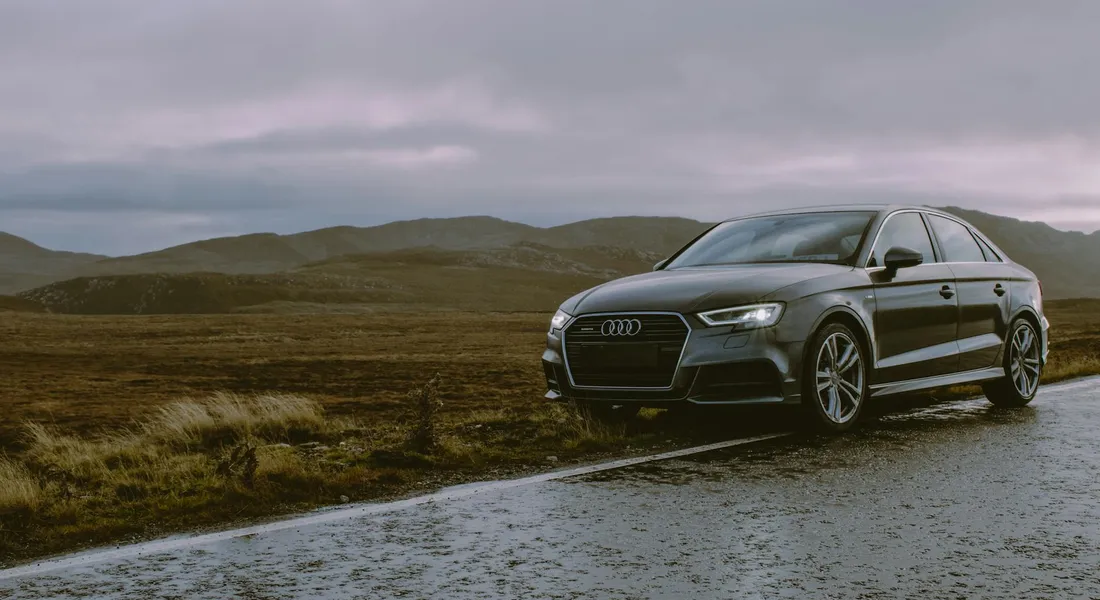
Think of traditional car wax like a raincoat you wear over your clothes. It sits on top of the paint. It feels good, it looks nice, and it works for a while. But after a few good storms or months in the sun, it wears thin and washes away. A ceramic coating is different. It’s more like changing the fabric of your jacket itself to be permanently water resistant. It forms a molecular bond with your car’s clear coat. That bond is what gives it years of life, not just months.
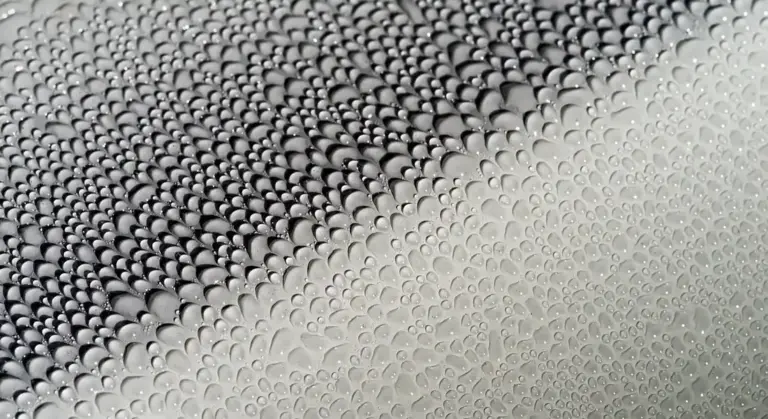
The first thing you’ll notice is how water behaves. On a waxed car, water beads up nicely. On a coated car, those beads are tighter, smaller, and they shoot off the surface with almost no encouragement. Dirt and grime have a harder time sticking to that slick, hydrophobic layer. This aggressive water behavior is the coating’s first line of defense, making routine cleaning faster and reducing the chance of water spots.
The look is distinct, too. A good carnauba wax gives a warm, deep glow, like honey on paint. A ceramic coating offers a sharper, clearer, and often wetter-looking gloss. It enhances the paint’s clarity, making the color pop with a kind of liquid intensity.
Where this difference becomes critical is in scratch resistance. A coating adds a hard, semi-permanent layer of protection. It won’t make your paint bulletproof, but it will fight off the tiny scratches from wash mitts, dirty towels, and stray branches. I learned this the hard way with my Jet Black BMW 3 Series. Black paint shows every flaw. Before I coated it, every wash risked adding fine swirls. After the coating, the paint could handle gentle washing without new marks appearing so easily. The coating sacrificed itself, taking the abuse so the clear coat underneath could stay pristine.
So, what’s the real difference between a ceramic coated car and a waxed one? It’s commitment versus maintenance. A wax is a temporary, beautiful top-up. A coating is a long-term investment in the paint’s health and appearance.
When to Choose a Coating (And When Wax is Still Fine)
You should seriously consider a ceramic coating for your daily driver. It’s perfect for cars that live outside, face road salt, brutal sun, or frequent rain. Dark colored paints, like my black BMW, benefit immensely because the coating’s slickness makes them easier to keep clean and swirl-free.
But wax is not dead. For a garage-kept weekend cruiser, a show car, or a classic with low miles, a high-quality wax or sealant is more than enough. It’s less costly upfront and easier to change or refresh. Take my Porsche 911, the garage queen. It could go either way. Because it’s driven sparingly and stored inside, a meticulous wax job gives me that classic deep warmth I love. If I started taking it on longer road trips, a coating would become the smarter choice for protection.
A good wax is a perfect solution for low-impact use, while a coating is the tool for long-term defense against a harsh world.
The Ceramic Coating Process: DIY Kits vs. Pro Installation
Whether you pay a pro or do it yourself, the steps before the coating goes on are non-negotiable. They are the foundation. Skip them, and you waste your money and effort.
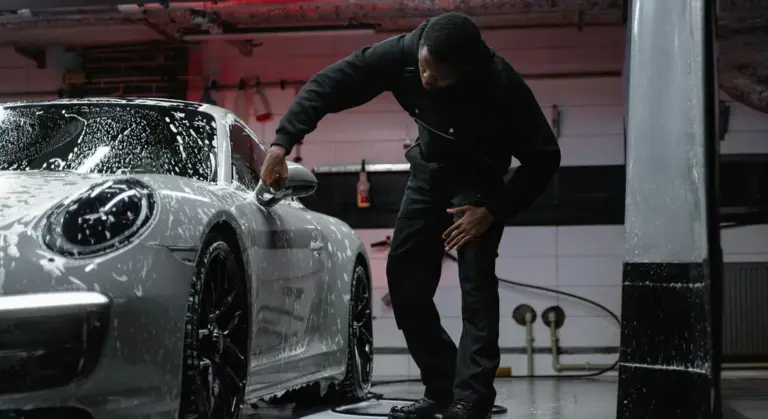
The process always starts with a decontamination wash to remove loose dirt. Next, you use a clay bar or synthetic clay mitt to pull embedded contamination from the paint you can’t see or feel. Finally, and most importantly, is paint correction. This means using a machine polisher to remove swirl marks, light scratches, and oxidation from the clear coat. Applying a ceramic coating over scratched paint does not hide the defects; it perfectly preserves them under a glass-like layer. You are sealing in the flaws.
The actual application requires a perfectly clean, dry, and controlled environment. A garage is ideal. Dust, wind, or humidity can ruin the coating as it cures. This isn’t a job for a sunny driveway with leaves blowing around.
Professional Ceramic Coating Service: What You’re Really Paying For
When you search “ceramic coating cars price” or “ceramic coating near me,” you’ll see a wide range. Cost depends on your vehicle’s size, the current condition of the paint, the brand of coating used, and the detailer’s skill level. You are not just paying for a bottle of liquid, but also the professional application and expertise behind it.
You are paying for the ten to twenty hours of labor that often go into the paint correction. You are paying for the detailer’s trained eye to see defects under special lights. You are paying for their steady hand with a polisher. Most of all, you are paying for a warranty. A reputable professional will guarantee their work and the coating’s longevity for multiple years. The high cost of a professional service is an investment in expert labor and a long-term promise, not just a product.
To vet a local detailer, look at their portfolio of before-and-after correction work. Read reviews specifically about coatings. Ask them about their prep process and what specific coating brand they use and why.
DIY Ceramic Coating Kits: A Realistic Assessment
Doing it yourself can save money, but it demands time, patience, and a willingness to learn. The kits, often marketed for “ceramic coating car service at home,” contain the coating, an applicator block, and special towels. You must supply the rest: high-quality, clean microfiber towels, isopropyl alcohol for the final pre-coating wipe, and, critically, the tools and skill for proper paint correction.
The learning curve is steep. Applying the coating too thick leads to “high spots,” which are visible, sticky streaks that are very difficult to remove once cured. Applying it in wrong conditions leads to hazing. If you are not confident in your ability to perfectly prepare the paint and apply a product with almost zero margin for error, the DIY route can lead to costly and frustrating results.
In terms of consumer brands, some are more forgiving than others. Products like Gyeon CanCoat are excellent entry points, offering a year of protection with an easier application. More permanent options like CarPro Cquartz 3.0 require more precision but offer longer durability. Always, always do a test panel first.
Lifespan and Care: How to Make Your Ceramic Coating Last
Let’s get real about how long this stuff lasts. A professional-grade coating, the kind installed in a controlled shop, typically lasts 2 to 5 years. A quality do-it-yourself kit from a reputable brand will give you 6 to 12 months of serious protection. I’ve seen both timelines hold true on my own cars.
The biggest mistake you can make is treating a ceramic coating as a “set and forget” force field. It is a sacrificial layer. How you wash your car directly determines if you get the short or long end of that lifespan estimate. Harsh chemicals, automatic brush washes, and sloppy technique will scrub the coating away much faster. Regular maintenance is essential to maximize its lifespan. Gentle washes and proper product choices help maintain ceramic coating.
Think of it like a high-end non-stick pan. You wouldn’t scour it with steel wool. You use soft tools and gentle cleaners. The same principle applies here. Proper maintenance washes are not optional, they are the entire point.
The Maintenance Product Tier List for Coated Cars
Not all car wash products play nice with your coating. Using the wrong soap can strip its hydrophobic properties. Here is a simple tier list based on what you drive and how you care for it.
Budget / Drive-Through Safe
- Shampoo: Any mainstream, pH-neutral car wash soap. Avoid “wash and wax” formulas or anything labeled as a degreaser.
- Detail Spray: A basic, quick detailer is fine for light dust. It won’t boost the coating but it won’t hurt it.
- Best For: The daily driver that sees automatic touchless washes. This keeps things safe and simple.
Enthusiast Grade
- Shampoo: A dedicated “coating-safe” or “SiO2-infused” shampoo. These are formulated to cleanse without compromising the coating and often leave a slight top-up of protection.
- Detail Spray / Drying Aid: A ceramic-infused detail spray or spray sealant. This is your secret weapon. Used as a drying aid (sprayed on a wet panel before you towel it dry), it massively boosts shine and hydrophobics with every wash.
- Best For: Owners who hand-wash their cars using the two-bucket method. This is the sweet spot for performance and value. My BMW and Tesla live in this tier.
Show Car / PPF Friendly
- Shampoo: Ultra-lubricating, high-foaming shampoos designed specifically for coated surfaces or Paint Protection Film. They have zero additives that could cloud film or leave residue.
- Detail Spray: Streak-free, gloss-enhancing sprays made for pristine finishes. Often used with filtered water for a spot-free rinse.
- Best For: Garage-kept vehicles, cars with PPF, or concours-level details. This is what I use on the Porsche.
The technique matters as much as the product. Always use the two-bucket method with grit guards, plenty of clean microfiber wash mitts, and a gentle flood rinse. Scrubbing a dirty, coated panel with a mitt full of grit will still scratch it. The coating protects from chemical stains and minor abrasion, not poor washing habits.
The Honest Pros and Cons of Ceramic Coating Your Car
After coating several of my own cars and helping friends with theirs, the feedback is consistent. Here is the unvarnished truth.
The Advantages
- Long-Term Paint Protection: It is a hard, continuous layer that blocks UV rays, bird droppings, tree sap, and road grime from bonding to your clear coat.
- Dramatically Easier Washing: Dirt and mud release with almost no effort. Rinsing alone removes most contamination. Washing my coated F-150 takes half the time it used to.
- Persistent Hydrophobic Effect: Water beads up and rolls off for years, not months. This reduces water spotting and makes rain look like a show.
- Enhanced, Deepened Gloss: The coating fills microscopic pores, creating an incredibly reflective, liquid-like finish. On my black BMW, it made the paint look three inches deep.
The Disadvantages
- High Initial Cost: A professional application is a significant investment. Even a good DIY kit costs more than a bottle of wax.
- It’s (Semi-)Permanent: A properly bonded coating must be mechanically polished off to be fully removed. You cannot just switch back to wax next month.
- Not a Scratch Proof Substitute: It will not prevent swirl marks from bad washing. It is not a replacement for safe habits, just a robust companion to them.
Reading through ceramic coating car reviews, the regrets almost always come from two places: unrealistic expectations or bad application. People think it makes their car invincible, then get mad when a branch keys it. Or, they try a DIY kit on a dirty car in direct sun and end up with high spots.
Which leads to the big question: does ceramic coating ruin your car’s paint? No, a correctly applied coating does not ruin paint. Only improper application can cause issues. If you apply it over defects, you lock them in. If you don’t level it properly, you get visible high spots. This is why paint correction and perfect prep are non-negotiable steps. Done right, it is pure protection. Done wrong, it’s a frustrating lesson. For most people, the pros of easier cleaning and lasting shine far outweigh the cons of cost and commitment.
Paint Damage Prevention: Common Ceramic Coating Mistakes
I want you to have a great result. Avoiding these common errors is the difference between a flawless, long-lasting shield and a frustrating, streaky mess that you will stare at every day.
Mistake 1: Coating Over Imperfections
This is the biggest error, period. A ceramic coating is not paint. It is a clear, hard layer of protection. If you apply it over swirls, water spots, or oxidation, you are simply locking those flaws in place for years. The coating will magnify every defect. On my Jet Black BMW, applying a coating before a full two-stage paint correction would have been a tragedy, sealing in all those holograms. The rule is absolute: whether it is a professional grade coating or a consumer DIY kit, the paint must be perfectly clean, polished, and free of any oils or residues. Paint correction first, always. That prep work is the true foundation of any coating. In the next steps, you’ll learn how to properly prepare car surfaces for a ceramic coating to ensure flawless adhesion and lasting protection.
Mistake 2: Battling the Sun and Heat
Ceramic coatings cure. They are sensitive to temperature and humidity. Applying one in direct sunlight or on a hot hood is asking for trouble. The product will flash and cure too fast on the surface. You will be left with high spots and streaks that are nearly impossible to remove without machine polishing. I only apply coatings in my shaded, cool garage. Touch the panel with the back of your hand. If it feels warm, it is too hot. Wait, or move the vehicle into complete shade. This is non-negotiable for a smooth application.
Mistake 3: Using the Wrong Towel for Leveling
The soft microfiber towel you use to wipe off wax is not soft enough for this job. You need a dedicated, premium short-pile microfiber towel, often called a “suede” or “buffing” towel. An abrasive towel, or one with any embedded grit, will scratch and mar the fresh coating as you try to level it. I use clean, folded towels and turn to a fresh side constantly. Have a big stack ready. Once a towel has coating residue on it, do not use it again. Toss it in the wash bin immediately.
Mistake 4: Washing with Harsh Soaps Afterwards
A ceramic coating makes washing easier, but it is not invincible. Standard car wash soap is pH-neutral and coating-safe. Dish soap, like Dawn, is a degreaser. Using dish soap or all purpose cleaners will slowly but surely strip the hydrophobic properties and shorten the coating’s life. Maintaining a ceramic coating over time hinges on consistent, proper care. A few simple steps now can pay off with lasting protection. Stick with formulated maintenance shampoos. For my coated vehicles, I use a simple spray wax as a drying aid. It boosts the slickness and adds a layer of sacrificial protection without harming the base coating.
Mistake 5: The Interior Immunity Fallacy
This one hits close to home. The grey Honda Odyssey, our kid hauler, has a coated interior. Spills still happen. A coating on your seats or dash makes cleanup faster, but it is not a force field. Thinking a coated interior is immune led to me leaving a spilled juice box for too long, and the sugar still needed a proper extractor session. The coating resists initial absorption, giving you a crucial window to wipe up a mess. It does not mean you can ignore spills. Blot it up quickly with a microfiber, then follow with a dedicated interior cleaner. The coating makes the “disaster” into just a “simple cleanup.”
Final Thoughts on Ceramic Coatings
The single most important piece of advice I can give is this: a ceramic coating is not a magic fix for a flawed finish. Its entire purpose is to lock in and protect the perfection you achieve during the meticulous paint correction process that must come before it. Get that step wrong, and you’re just sealing in scratches and swirls for years.
Rush the preparation, and the coating will fail to bond correctly, leaving your paint vulnerable and your investment wasted.
Research and Related Sources
- Ceramic Coating for Cars | Chemical Guys
- r/AutoDetailing on Reddit: Can someone explain ceramic coating to me like I’m 5yrs old?
- Best Ceramic Coating for Cars | Ceramic Paint Coating
- CERAKOTE® Professional Ceramic Paint Coating
- Before You Buy a Ceramic Coating for Your Car, Read This First
- Ceramic Car Coating: Z-Gloss® – Ziebart
Max Gunther
Max is an automotive enthusiast having worked as a car mechanical and in interior detailing service for over 25 years. He is very experienced in giving your old car, a new fresh vibe. He has detailed many cars and removed very tough smells and stains from all kinds of cars and models, always ensuring that his work and advice helps his customers. He brings his first hand experience to his blog AutoDetailPedia, to help readers breath new life into their car interiors.