How Do You Clean a Car’s Fabric Headliner Without Causing Sagging or Stains?
That stain on your car’s ceiling looks bad, and the smell might be worse. I know the panic, from juice spills in my own Honda Odyssey to smoke residue in client cars.
We will cover testing your headliner material, choosing the right interior cleaner, the safe blotting technique for stains, and killing odors at the source.
Use a household cleaner or scrub too hard, and you will likely delaminate the adhesive, causing a permanent, sagging stain.
Key Takeaways: Your Headliner Cleaning Game Plan
Cleaning a fabric headliner is a moderate difficulty job. The fabric is delicate and glued overhead. The main risk is soaking the adhesive, which can make the fabric sag. Follow these golden rules to avoid damage.
- Blot, do not scrub. Scrubbing frays the fabric and grinds dirt deeper into the fibers.
- Test your cleaner first. Always check a hidden spot for color bleeding or fabric damage.
- Dry it thoroughly. Use moving air to evaporate moisture fast, preventing sagging.
Your three most critical steps are non negotiable.
- Vacuum First. Remove all loose dust and grit.
- Use a Mild Cleaner. A pH balanced fabric solution is best.
- Dry with Air Movement. A fan or air mover works, not just time.
The Headliner Cleaning Protocol: Your Order of Operations
- Initial Inspection & Vacuum. Turn on the dome light and look closely. Check for stains, tears, or any loose sections. Vacuuming first removes abrasive dust that can scratch the fabric during cleaning. Use a soft brush attachment on low suction. In my Honda Odyssey, the kid hauler, I always find sand and crumbs stuck to the ceiling after a long trip.
- Spot & Solution Testing. Pick a hidden area, like near a roof pillar or behind the sun visor. Spray a little cleaner on a white microfiber towel and dab it on the spot. Wait five minutes. Look for color transfer or any change in the fabric’s feel. If the color bleeds or the fabric weakens, switch to a milder option like diluted dish soap. This test saves you from a bigger problem.
- Apply Cleaner (Blotting Technique). Never spray cleaner directly onto the headliner. The overspray can drip and weaken the glue. Instead, lightly mist your cleaner onto a clean, plush microfiber towel. The towel should be damp, not wet. Gently press the towel onto the stain. Blot from the outer edge toward the center. Blotting pulls the stain out without damaging the fragile fabric weave. For old stains, you might need to repeat this several times with fresh towel sections.
- Extract & Rinse. After cleaning, you must remove any leftover cleaner. Take a second clean microfiber towel, dampen it with plain water, and wring it out completely. Blot the cleaned area with this damp towel. This rinse step is vital to stop cleaner residue from turning into a sticky, dirt catching film. For tough stains, a handheld extractor can help, but use minimal moisture to keep the fabric secure.
- Dry with Force. Do not let the headliner dry on its own. Still air takes too long and risks adhesive failure. Use a fan, an air mover, or a hair dryer on the cool setting to blow air across the surface. Moving air pushes evaporation and is your best defense against a sagging headliner. In my shop, I aim a fan at the ceiling for a full hour. The fabric should feel completely dry and cool to the touch.
- Final Inspection & Deodorize. Once dry, examine your work under bright light. Look for any leftover stain rings or damp patches. If you see them, repeat the cleaning process on those spots. For odors, like from smoke or spilled milk, use a light fabric deodorizer spray. In bad cases, like mold in my old Miata’s interior, I use a portable ozone generator with the windows slightly open for safety. Always ventilate the car well after any deodorizing treatment.
What You’re Working With: Why Headliners Are Delicate
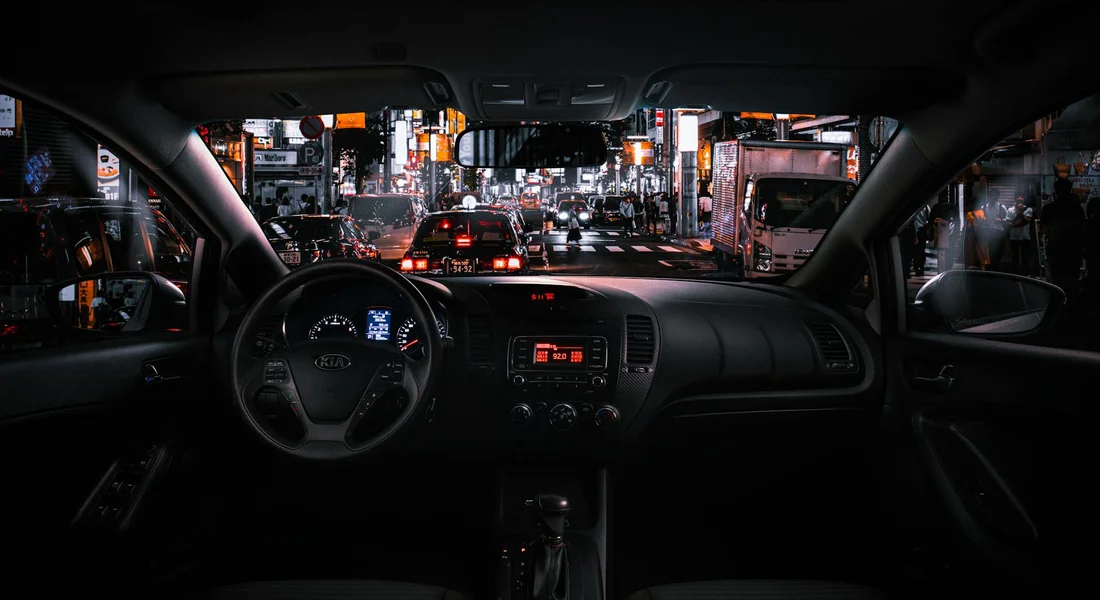
You need to know what you’re touching before you start cleaning. A car’s headliner is not like a shirt or a carpet. It’s a sandwich. The fabric you see is glued to a thin layer of foam, and that foam is glued to the hard roof of your car. Think of it like a poster glued to a wall. If that glue gets too wet, it lets go—unlike car upholstery that can be cleaned more aggressively.
That’s the danger. Soak it, and the foam absorbs the moisture. The glue fails. You get a sag. Once it sags, fixing it is a big job involving removing trim and re-gluing the entire panel. Your number one rule for headliner cleaning is to keep it as dry as possible. I learned this the hard way in my old Honda Odyssey, the “Kid Hauler,” when I got overzealous cleaning a juice spot. A small damp patch turned into a droopy eyesore above the back seat for weeks.
Common Headliner Enemies: Stains and Smells
Headliners collect a special kind of trouble. They’re out of sight, so problems build up. The main culprits break down into a few types.
Dry Dust and Grime: This is just general cabin filth that floats up and sticks. It makes the fabric look dull and gray. It’s the easiest to fix.
Greasy Fingerprints: From installing a new rearview mirror, adjusting a sun visor, or just fumbling for sunglasses. The oils from your skin leave dark smudges on car surfaces like sun visors and sunroofs.
Water Stains: These are bad news. They often point to a sunroof or antenna leak. The stain is usually a tan or brown ring. You have to clean the stain and find the leak, or it will just come back.
Kid Spills: Juice, milk, soda. In my Odyssey, it was always apple juice. These are sugary and can get sticky if not cleaned quickly. They can also cause smells.
Smoke and Odor Absorption: This is a tough one. The foam backing acts like a sponge for cigarette smoke, vape residue, or even strong food smells. Cleaning the surface helps, but deep odors may need more specialized treatment.
Different stains need a slightly different touch, but the basic cleaning protocol I use handles them all safely. The key is adjusting your effort, not soaking the material.
Gathering Your Arsenal: Tools and Products That Work
Cleaning a headliner is a game of gentle force. You need to lift dirt without scrubbing so hard you damage the glue holding the fabric to the roof. Your tools make all the difference.
- Soft-Bristle Brush Attachments: A soft detailing brush for your hand is good. A soft brush attachment for a drill or polisher on its slowest speed is better. The gentle, rapid agitation does the work for you. I use one on my BMW’s black headliner, where any harsh pressure leaves a permanent mark.
- Soft Microfiber Towels: Not just any towel. You need plush, clean, low-pile microfiber. Think of the towels you’d use to dry a freshly corrected paint job. Thick, absorbent, and incredibly soft. Rough towels will fuzz the fabric.
- Spray Bottle for Water: A simple, clean spray bottle filled with distilled water is your best friend for rinsing and controlling moisture. Mist, don’t soak.
- Portable Carpet Extractor (Optional but Ideal): This is the pro move. A small, portable extractor like the ones for home upholstery lets you spray your cleaner, gently agitate, and then suck all the dirty solution out. It prevents overwetting. I used mine to save the grey headliner in my Honda Odyssey after a juice box incident.
- Air Movers/Fans: After cleaning, you must dry the headliner quickly. A small fan you can position on a seat, pointed upward, creates airflow across the ceiling. Park the car in the sun with the windows cracked, and run the fan. Stagnant, damp air is your enemy.
Choosing Your Cleaning Solution
The wrong chemical can stain a headliner or, worse, dissolve the adhesive behind it. Your goal is to lift soil without leaving a residue or compromising the material.
A dedicated fabric or upholstery cleaner is my strong recommendation. Look for a pH-neutral formula labeled safe for automotive fabrics and headliners, especially when you clean cloth fabric car seats. These are engineered to clean effectively, rinse cleanly, and not leave behind sticky attractants that bring dirt back faster. They are predictable.
A DIY solution is a roll of the dice. A heavily diluted all-purpose cleaner (APC) or dish soap can work, but you trade control for cost.
Dish soap, like Dawn, is a powerful degreaser. It will cut through grease from fingers or hair. The trade-off is that it’s very difficult to rinse completely from a porous fabric headliner. Any residue left behind will feel slightly tacky and will attract dust and dirt at an accelerated rate. If you go this route, you must be meticulous with your water rinse and drying.
What about a car headliner cleaning kit? A good one is just a curated version of the arsenal above. It should contain a gentle, specific headliner cleaner (not a generic interior spray), a very soft brush or sponge, and perhaps a few high-quality microfiber cloths. Avoid kits with stiff brushes or overly aggressive chemicals. The best “kit” is often the professional-grade products you buy separately, which you’ll find recommended in various car cleaning guides.
The Detailer’s Pro-Tip: Mastering the “Blot and Lift”
This is where technique makes or breaks your headliner. Forget everything you know about scrubbing a countertop. Headliner fabric is a fragile, glued-on surface. The wrong motion will stretch it, fray the fibers, and leave a permanent smear where a stain once was.
The only motion you need is the “Blot and Lift.” Here is exactly how to do it.
Fold your damp, clean microfiber towel into a pad. Press it firmly and directly onto the stained area. Hold it there for a few seconds, letting the moisture and cleaner wick into the stain from below. Do not move the towel side-to-side. Then, lift the towel straight up, away from the fabric. Look at the towel. You will see the stain transferring from the headliner to your cloth.
Repeat this press-hold-lift motion with a fresh section of the towel until no more grime transfers. It feels tedious, but it is the only safe way. I learned this the hard way on the grey Odyssey’s headliner after a juice box incident. A gentle blotting session saved it. A scrub would have created a fuzzy, discolored patch.
Now, let’s talk about the enemy: the “wipe and scrub.” This is your instinct. You see a stain, you want to rub it out. On a headliner, rubbing grinds the soil deeper into the foam backing. It stretches the fabric, breaking the adhesive bond. It turns a small spot into a large, matted, and sagging mess. If you catch yourself wiping, stop. Reset. Go back to blotting.
See Your Work: The Light is Your Guide
You cannot clean what you cannot see. Overhead dome lights cast a flat, forgiving light that hides grime. You need a detective’s light.
Use a bright, handheld LED work light. Do not shine it directly down from above. Instead, hold it at a very shallow angle, almost parallel to the headliner surface. This is called raking light. Suddenly, every fingerprint, every dust smear, every old water stain will cast a tiny shadow, becoming perfectly visible.
This raking light is your progress monitor, showing you exactly where the soil remains as you blot. Move the light as you work. After a few blotting passes, shine the light again. The stain’s shadow should be getting fainter. When no shadow appears, you are done. On my black BMW’s headliner, this light revealed a galaxy of dust I never knew was there. It looked clean until the light hit it just right.
A good light prevents you from over-cleaning one spot and missing another. It turns a guesswork job into a precise, step-by-step process.
Step-by-Step: How to Clean Your Car’s Ceiling Without Disaster
This is where the rubber meets the road. You have your kit ready. Now, we execute the clean. Follow this sequence exactly to avoid the heartbreak of a sagging, stained, or damaged headliner.
Step 1: The Dry Work – Vacuum and Brush
The real answer to “how do you clean the ceiling of your car” begins with removing everything dry. Adding moisture to dust and grit just makes mud. Attach the soft brush to your vacuum hose. Start at one corner of the roof and work methodically across. Use gentle, overlapping strokes to lift dust and hair from the fabric’s weave. Pay close attention to the front edge near the windshield and the seams where the headliner meets the pillars. Flip down the sun visors and clean their backs. Work around the overhead console and any map lights. This dry removal is your foundation, preventing dirt from being ground in during the wet clean. In my Odyssey, this step alone pulls up enough cracker dust and glitter to fill a tablespoon.
Step 2: The Critical Test – Finding a Hidden Spot
Do not skip this. I have seen beige fabric turn pink and fuzzy textures go bald. Find a hidden spot, like behind a sun visor, at the very rear edge of the headliner by the trunk, or along the top of a door pillar. Spray a tiny amount of your chosen cleaner onto a clean, white microfiber towel. Gently dab and slightly rub the hidden spot. Wait a minute. Check two things: the towel for any dye transfer and the fabric for any change in texture or color. If the towel shows color or the fabric feels rougher, you must switch to a milder cleaner, like distilled water, or abort the mission. This two-minute test saves you from a permanent, visible disaster.
Step 3: Tackling Stains – Spot Treatment and Broad Cleaning
Now you move to the stains. For a fresh spill, your goal is to lift it, not rub it in. Lightly dampen a microfiber towel with your tested cleaner. Place it over the stain and press down. Let the cleaner wick the stain up into the towel. Repeat with a clean section of the towel until no more transfer occurs.
For an overall clean, work in small, manageable sections, about 2 feet by 2 feet. Lightly mist the area with your cleaner. Do not soak it. Take your soft detailing brush and gently agitate the fabric in a circular motion. You are helping the cleaner lift the grime from the fibers. Immediately follow by blotting the area firmly with a dry, absorbent microfiber towel. Your mantra is ‘dampen, agitate, blot dry’ all within one small section before moving on. This prevents cleaner from soaking through the backing material.
For water stain rings, they often need a light cleaner to break up the mineral deposits. Mist, agitate gently, and blot. If water stains keep returning, you likely have a leak from a sunroof drain or antenna seal that needs fixing.
Special Case: Addressing Smoke and Persistent Odors
Smoke residue is a different beast. Nicotine and tar form a sticky, brown film. A general-purpose cleaner may not cut it. For this, a dedicated automotive tar remover or a diluted solution of isopropyl alcohol (mixed 1:1 with water) can work. Tar stains on car paint respond best to products labeled for automotive finishes. This is where a dedicated tar remover shines, helping lift stains without harming the clear coat. Test this aggressive solution even more carefully in a hidden area, as alcohol can strip dyes and damage some foam backings. Apply with the same dab-and-lift method, changing towels frequently as they turn brown.
For odors, after cleaning, use an enzymatic odor-neutralizing spray designed for fabrics. Spray lightly, let it dwell, and allow it to dry completely. To remove odors from your car interior effectively, start with targeted fabric sprays, then reassess. For heavy smoke or mildew smells that linger after a deep clean, the most effective solution is an ozone generator treatment. This is a pro-level service I often recommend. A professional car headliner cleaning service will have the industrial ozone equipment and expertise to safely eradicate these deep-seated odors without risking your health or the car’s materials.
Step 4: The Dry Cycle – Why It’s the Most Important Step
The job is not done when the ceiling looks clean. It is done when it is completely, utterly dry. The adhesive that glues the fabric to the roof board is water-soluble. Leftover dampness weakens it, leading to the dreaded sag. After cleaning, you must force dry the interior. Crack the windows open. Place a fan or, ideally, an air mover on the center console or seat, pointing directly at the headliner. Let it run for several hours, or even overnight. This active airflow is your insurance policy, ensuring moisture evaporates from the surface instead of soaking into the glue. Never use a heat gun or high-heat hair dryer. Intense, direct heat can shrink the fabric on the spot, creating wrinkles and puckers you can never fix.
When to Call a Pro: Car Headliner Cleaning Service Considerations
Cleaning a headliner yourself is satisfying. Sometimes, it is the only smart move. You can do more harm than good with a spray bottle and good intentions.
Scenarios Where DIY is Too Risky
The headliner fabric is glued to a foam backing, which is glued to the roof sheet metal. That foam is the problem. It acts like a dry sponge. Once it gets soaked or damaged, it fails.
If your headliner is sagging in a large area, do not try to clean it yourself. The weight of water and cleaning solution will make the sag worse. The adhesives have already failed. You need a professional who can remove the entire board, strip the old fabric, and re-glue it properly. I learned this on an old sedan. A small sag became a giant bubble after I tried to spot clean it.
Severe mold or mildew is another red flag. If you see large, spreading patches, especially with a musty smell, the contamination is deep in the foam. Surface cleaning won’t fix it. More importantly, agitating it can send spores into your car’s air. A pro has extractors and antimicrobial treatments to handle this safely. It is a health issue, not just a stain. Even removing mold or mildew from car seats requires professional care.
Total interior smoke saturation from a cigarette smoker is a final DIY stop. The tar and odor are in every fiber, including the headliner foam. My Honda Odyssey, the “Kid Hauler,” once had a faint smoke smell from a previous owner. I got it out of the seats. The headliner held onto it like a secret. This needs an ozone generator and likely a full interior detailing. It is a big job. To truly eliminate bad odors from a car interior, you have to treat every fabric and foam layer—not just the surface. That’s why an approach that includes cleaning, odor treatment, and air purification is often required.
Answering Your Service Questions
People often ask me, “How much does it cost?” and “How do I find a car headliner cleaning service near me?”
For just cleaning a stained but intact headliner, expect to pay between $100 and $200. If there is minor sagging they can repair with adhesive injection, that might be $150 to $300. A full headliner replacement-removing, re-foaming, and re-covering-starts around $400 and goes up fast with material choices.
Finding a qualified pro means looking for a specialist, not just a car wash. Search for “auto interior detailing” or “headliner repair.” When you look at their website or social media, skip the shiny exterior shots. Look for a gallery dedicated to interiors. You want to see close-up before-and-after photos of fabric seats, headliners, and carpets. That shows where their real skill lies. A car interior detailing guide can serve as a quick reference as you compare pros. It helps you know what to expect in terms of materials, textures, and finishing touches.
Call them. Ask if headliner cleaning is a common service for them. A good detailer will ask you questions: “Is it sagging?” “What caused the stain?” “Is the fabric vinyl, cloth, or suede?” Their questions tell you they have experience.
Should I Just Hire a Pro? A Simple Decision Tree
Ask yourself these three questions in order.
- What is the headliner’s condition? Is it firmly attached everywhere? If yes, you can likely clean it. If it sags or feels spongy, call a pro.
- What is the stain? Is it a recent water spot, a light dust smudge, or a small grease mark? These are DIY-friendly. Is it old coffee, ink, severe mold, or unknown? The risk of setting the stain or damaging the foam is high. Lean toward professional help.
- How do you feel about it? Be honest. If the thought of working overhead makes you nervous, or if the idea of a potential repair bill stresses you out, hire it out. A good detailer will do it in an hour. Your peace of mind has value.
I do 90% of the work on my cars. I called a pro for the smoky headliner in the Odyssey. It was the right call. They had the right tools and knew the right chemistry. The job was done before I finished my coffee.
Keeping It Clean: Prevention and Maintenance
Think of your headliner like the ceiling in your living room. You do not scrub it every week. You keep the dust down and deal with spills immediately. The same logic applies here. A little regular attention stops the big, scary cleanings from ever being needed.
My grey Honda Odyssey, the “Kid Hauler,” taught me this. After the third juice box incident, I made headliner care part of our routine. Now, when I do a full interior detail every season, the roof gets its moment.
Here is the simple system I use.
- Vacuum First, Always. Before you wipe anything, vacuum. Use a soft brush attachment on your shop vac or a handheld vacuum. Work from one side to the other in slow, straight lines. This lifts away the dry, abrasive dust and sand that can grind into the fabric during a wet clean. I do this to the Odyssey every three months. It takes two minutes and makes a huge difference.
- Blot, Do Not Rub, Any Fresh Spill. A coffee splash or a drip from a melting ice cream cone happens. Your first move is to grab a clean, white microfiber towel or a paper towel and gently press it onto the spot. Keep pressing with a fresh section of the towel to pull the liquid up. Rubbing will push it deeper into the foam backing and spread the stain.
- Watch Your Hands. This sounds obvious, but it is the most common cause of greasy headliner stains near the driver’s seat. After applying hand sanitizer, sunscreen, or even a greasy lunch, avoid adjusting the visor or touching the roof. Those oils transfer directly to the fabric and attract more dirt over time.
The single best tool for headliner maintenance is a dry, soft-bristled detailing brush. You can gently whisk away cobwebs, dust, and those little fuzzy bits that collect in the seams around the sunroof and lights. A quick once-over with this brush during a normal interior tidy-up keeps everything looking fresh.
Remember, the glue holding the fabric to the roof board is sensitive. Aggressive scrubbing during a simple dusting can weaken it. Let the vacuum and the soft brush do the work. Your goal is to preserve the headliner, not attack it. This preventative care is what keeps a 10-year-old minivan’s interior from looking like a lost cause.
Final Thoughts on Headliner Care
The most critical step is to always use a gentle, pH-neutral cleaner and apply it with a light, blotting motion. Testing any product in a hidden corner first, like I do in my Odyssey, ensures you won’t cause a permanent stain or weaken the adhesive.
Forget this, and you’ll be looking at a discolored, drooping fabric ceiling that often demands a full professional replacement.
Research and Related Sources
- How To Clean Headliner In Car | Chemical Guys
- How to Clean a Car Headliner – AutoZone
- Headliner Cleaner | Chemical Guys
- How to Clean Headliners – ACP Auto Detail Supplies
Max Gunther
Max is an automotive enthusiast having worked as a car mechanical and in interior detailing service for over 25 years. He is very experienced in giving your old car, a new fresh vibe. He has detailed many cars and removed very tough smells and stains from all kinds of cars and models, always ensuring that his work and advice helps his customers. He brings his first hand experience to his blog AutoDetailPedia, to help readers breath new life into their car interiors.