Wax, Sealant, Ceramic Coating, or PPF: What’s the Difference for Your Car’s Paint?
Standing in the auto parts aisle, you might feel overwhelmed by all the promises on the bottles and boxes. Your car’s finish needs a shield, but picking the right one is confusing.
I will explain each option using plain terms from my years in the shop. We will cover the warm, short-lived glow of carnauba wax, the slick, months-long hold of synthetic sealants, the years of chemical resistance from ceramic coatings, and the physical, self-healing armor of paint protection film.
Get it wrong, and you could waste hundreds on protection that quits after the first rainstorm.
The Product Deep-Dive: From Paste Wax to Plastic Film
Think of these products like skincare for your car’s paint. Each one works a different way and offers a different level of care.
Car Wax: The Classic Protector
Car wax is like a rich hand cream for your paint. It sits on top, giving a warm, deep glow and a layer of protection. Traditional paste waxes use carnauba, a wax from a Brazilian palm tree. It gives an incredible, warm depth to paint that many enthusiasts love. On my 1995 Miata’s single-stage red paint, a good carnauba wax makes the color look wet and alive. Modern waxes often blend carnauba with synthetic polymers. Wax is about beauty and a simple, sacrificial layer that you reapply every few months.
Paint Sealant: The Liquid Polymer
Sealants are often called “liquid polymers.” They are entirely synthetic, designed in a lab to bond to your clear coat. I use these on my F-150 because they are easy to apply, even on a large truck. You wipe them on, let them haze, and wipe them off. They cure into a very slick, high-gloss shell. A synthetic sealant typically outlasts a wax, providing stronger protection against UV rays and contaminants for three to six months. The finish feels like glass to the touch.
Ceramic Coating: The Semi-Permanent Shield
This is where chemistry takes over. You might hear “nano coating,” “glass coating,” or “SiO2 coating.” They all refer to the same basic idea: a liquid containing silicon dioxide (or similar compounds) that forms a chemical bond with your factory clear coat. It becomes part of the surface. Graphene coatings are a newer variant, often touted for even greater durability and heat dissipation. So, is a ceramic coating good for your car? For my Tesla, it was a game-changer. The coating creates an intensely hydrophobic surface, so water and dirt slide right off, making maintenance washes incredibly easy and protecting against environmental damage like bug splatter and tree sap for years, not months. It is not a force field, but it is the ultimate liquid protection for your car’s paint.
Paint Protection Film (PPF): The Physical Armor
PPF is different. It is not a liquid at all. It is a clear, elastic urethane film-a high-tech sticker-that you apply to the paint. Is PPF coating good for your car? If you need to stop rock chips, road debris, and minor scuffs, it is the only product that can. The front bumper of my Porsche is covered in it. It takes the hit so the paint underneath does not. People sometimes ask, “What is 3M coating for cars?” 3M is simply a major brand name for a type of PPF, like Scotchgard or Xpel. PPF is about absorbing physical impact, while waxes, sealants, and coatings are about chemical and environmental protection.
Side-by-Side: The Real-World Comparison You Need
Forget the marketing hype. Here is how these products feel and perform in your hands, on your paint.
Wax vs. Sealant: The Feel Test
On my black BMW, the difference is obvious. A premium carnauba wax gives the paint a deep, warm, “candy” gloss. It feels rich but can have a slightly tacky drag when you run your hand over it. A synthetic sealant gives a brighter, sharper, more reflective “chrome-like” gloss. The surface feels slicker, almost frictionless. Both will bead water beautifully initially. Many enthusiasts weigh synthetic vs carnauba wax to decide which look and durability suit their car. The choice often comes down to whether you want a sharper, chrome-like reflectivity or a warmer, deeper glow. Sealants generally apply easier in sun or heat and last longer, but many detailers (myself included) still love the unique look of a wax on dark colors for special occasions.
Wax vs. Sealant vs. Ceramic Coating: The Long Haul
Durability is the key divider. A wax might last 6-12 weeks. A sealant can go 3-6 months. A professional ceramic coating lasts 2-5 years. This durability translates directly to chemical resistance and maintenance. Bird droppings or pine sap will etch through wax or a sealant in hours if not removed. On a ceramic coating, you have more time-sometimes a day or more-before it can bond and cause damage. Your wash routine is easier with a coating because its slickness and hydrophobics prevent most dirt from sticking strongly, allowing for gentle, contactless rinses. To maximize its lifespan, follow ceramic coating lifetime washing guidelines. Gentle, low-pressure washes with pH-neutral cleaners help keep the coating’s protection intact between services.
A Quick Note on Glaze
Glaze is often brought into this conversation, but it does not belong. A glaze is a product filled with oils and light fillers. It is designed to hide fine swirls and add temporary, stunning gloss before a car show. A glaze provides zero lasting protection; it is purely a cosmetic filler that is then topped with a wax or sealant to lock it in. Understanding glaze vs wax vs sealant helps you choose the right protection strategy. The decision often comes down to balancing show gloss with lasting protection.
PPF vs. The Liquid Protectors
This is the simplest distinction. No wax, sealant, or ceramic coating will stop a flying pebble from chipping your paint. Only PPF will. Think of PPF as the base layer of armor. The beautiful part? You can apply a ceramic coating or a sealant on top of PPF. In fact, I have my Porsche’s PPF coated with a ceramic layer. This combination gives you the ultimate defense: PPF handles physical damage, and the coating on top makes the PPF itself easier to clean and maintain.
Product Tier List: What to Buy and When
Not all products in a category are equal. Here is a simple breakdown based on who you are and what you drive.
Wax
- Budget/Entry-Level: Good spray waxes. These are perfect for a quick refresh on the family Honda Odyssey after a wash. They add shine and a month of light protection in seconds.
- Enthusiast/Prosumer: Premium paste waxes (like Collinite 845 or a mid-range carnauba). This is for the detailer who enjoys the ritual of waxing their BMW or F-150 a few times a year for that perfect depth.
- Show Car/Professional: Concours-level carnauba waxes. Reserved for the garage queen Porsche or a fully restored Miata before a show. Maximum gloss, shorter durability, highest price.
Sealant
- Budget/Entry-Level: Consumer-grade liquid sealants from any auto parts store. Great durability for the money, easy for anyone to use.
- Enthusiast/Prosumer: High-end synthetic sealants from detailing brands (like Jescar Power Lock). These offer exceptional slickness, gloss, and 6+ month durability for the dedicated DIYer.
- Show Car/Professional: Professional line sealants used by detailers. Often have stronger solvents and require more precise application but yield incredible results.
Ceramic Coating
- Budget/Entry-Level: “Ceramic” spray sealants or DIY coatings with 1-year durability. A fantastic introduction to hydrophobic properties for any car.
- Enthusiast/Prosumer: Professional-grade consumer kits (like Gyeon CanCoat or CarPro CQuartz UK 3.0). These require proper paint prep but give you 2+ years of true coating performance on your personal vehicle.
- Show Car/Professional: High-percentage SiO2 or graphene coatings applied in a controlled, indoor environment by a certified installer. This is the multi-year, maximum-performance option for a pristine vehicle.
Matching the Protection to Your Car and Life
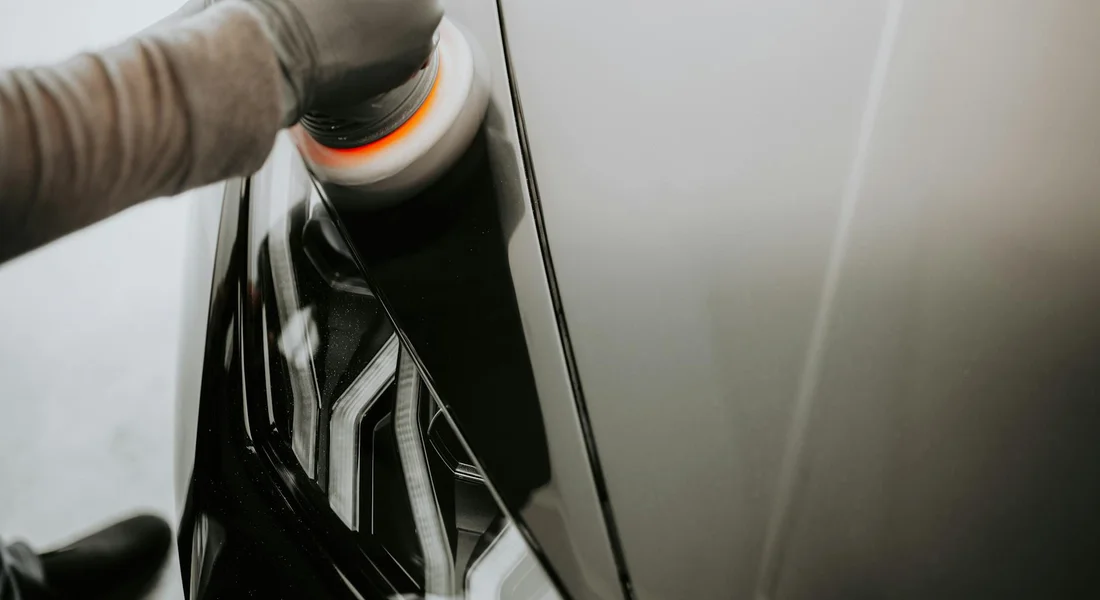
Forget the marketing for a minute. The best protection for your car is the one that matches how you live. I base every recommendation I make on this simple idea.
Think about your vehicle. Is it my Porsche 911, the “Garage Queen”? It needs high gloss and chemical resistance from a ceramic coating, with PPF on the front to stop rock chips on weekend drives. Is it my black BMW, the “Daily Driver Swirl Magnet”? A durable synthetic sealant provides great protection between easy reapplications, fighting the constant battle against light scratches.
My Ford F-150 “Workhorse” gets a heavy-duty spray sealant. It’s fast to apply every few months after cleaning off mud and road film. My “Aging Project” Miata, with its single-stage paint, gets a classic carnauba wax. It enhances the depth of the restored red without needing a multi-year commitment.
For a brand-new car, you face the “PPF or Coating First?” choice. My advice is to think about threats. Do you drive highways where rock chips are inevitable? Protect the critical impact areas (full front bumper, hood, mirrors) with PPF first. Then, apply a ceramic coating over the entire car, including the PPF, for chemical protection and easy cleaning. If physical impacts are a lower concern, a full ceramic coating alone is a fantastic choice.
So, what coating is best for a car? I get asked this weekly. The answer is not a product name. The best protection is the one that fits your budget, your willingness to maintain it, and how long you want it to last. A weekend warrior will love a sealant. Someone seeking maximum long-term performance might choose a professional-grade coating. There is no single best, only the best for your garage, your time, and your car.
How to Apply (and Remove) Each One
No matter what you choose, the first step is always the same and cannot be skipped. Your paint must be perfectly clean, decontaminated, and corrected. Applying protection over dirt or scratches just locks those problems in place. For coatings, this prep work is 90% of the job.
Wax and Sealant Application:
- Work on a cool, clean surface in the shade.
- Apply a thin, even layer to one panel at a time with a soft foam or microfiber applicator. You should barely see it.
- Let it haze or flash according to the product’s instructions. This usually takes a few minutes.
- Buff it off to a high shine with a clean, premium microfiber towel. Flip the towel often.
Ceramic Coating Application:
- This demands a controlled environment: a clean, cool garage with excellent lighting to see high spots.
- Apply the tiny amount of product to the included suede applicator. Work in small, manageable sections.
- After the stated flash time (often 30-60 seconds), level the coating with a fresh, clean microfiber towel using light pressure.
- You must follow the cure time precisely. The car must stay dry and away from contaminants for 12-48 hours. This is a serious project.
Paint Protection Film (PPF) Installation:
I strongly advise having PPF installed by a professional. A proper install requires stretching the film with heat, wrapping edges so dirt cannot get underneath, and using a slip solution to position it perfectly. Getting it wrong means visible seams, lifting edges, and trapped dirt. This is one area where DIY often leads to expensive frustration.
A Quick Word on Removal:
- Wax and sealant wash away with a strong car wash soap or a light polishing compound.
- Ceramic coatings must be mechanically removed using a machine polisher and abrasive compound.
- PPF is carefully peeled off by a professional, often leaving minimal residue that is cleaned with adhesive remover.
Maintenance: Keeping Your Investment Working
Protection is not magic armor. It is a shield that needs care. How you wash your car will determine how long any product lasts.
For Wax and Sealant: Use a pH-neutral car shampoo and the two-bucket wash method. You can use a spray wax or sealant as a drying aid after each wash to boost protection. Plan to reapply the main product every 3-6 months, as you see water beading start to weaken.
For a Ceramic Coating: Wash with the same gentle technique. The coating makes drying easier. Every few months, use a ceramic coating booster spray. This refreshes the top layer of silica without harming the bonded coating underneath. The coating itself is permanent, but these topper sprays enhance its slickness and water behavior. Regular maintenance with gentle washes and avoiding harsh cleaners helps preserve that performance.
For Paint Protection Film: Wash regularly to prevent stains. Bird droppings, bug splatter, and hard water spots can etch into the film’s top coat if left for days. Use PPF-specific cleaners and sealants designed for its surface. Avoid waxes or coatings not formulated for film, as some can cause clouding.
Neglect any of these, and the protection fails early. Use harsh brushes or automatic car washes, and you will swirl your paint and degrade your shield, no matter how expensive it was. Your maintenance routine is the real key to longevity.
Choosing Your Car’s Protective Layer
The best protection for your paint is the one that matches how you use your car and how much effort you are willing to commit. There is no single champion, only the right tool for your specific vehicle and situation—despite what some car paint protection myths might suggest.
Selecting a product without this honest assessment often leads to wasted money, unmet expectations, and a finish that remains vulnerable to the elements.
References & External Links
- Should I be looking at a sealant, wax, or coating for PPF? I don’t want to have to polish off in the future. | Auto Geek Online Auto Detailing Forum
- Paint Protection Film (PPF) FAQs | Detail Maniac
- Question: How well does wax work on PPF or protection film? – Rennlist – Porsche Discussion Forums
- Coating for PPF | Alfa Romeo 4C Forums
- PPF Care – Protect & Maintain Paint Protection Film | Swissvax
- r/AutoDetailing on Reddit: Do sealants like Turtlewax Seal n Shine work on PPF?
- Can you wax a car with paint protection film?
Max Gunther
Max is an automotive enthusiast having worked as a car mechanical and in interior detailing service for over 25 years. He is very experienced in giving your old car, a new fresh vibe. He has detailed many cars and removed very tough smells and stains from all kinds of cars and models, always ensuring that his work and advice helps his customers. He brings his first hand experience to his blog AutoDetailPedia, to help readers breath new life into their car interiors.