What Does a Full Car Detail Actually Cost?
You see prices online and wonder how one detailer charges $150 while another asks $500 for what seems like the same service. It is confusing.
This article will help you understand the real numbers by breaking down the three main levels of detailing service, what factors change the price the most, how your vehicle’s size and condition add cost, and why location and detailer expertise create such a wide range.
Without this knowledge, you risk paying too much for a basic wash or, worse, paying too little and getting a service that leaves stains in your carpets and swirls in your paint.
The Big Five: What Really Drives Your Detailing Bill
Asking “how much does it cost to get your car detailed” is like asking how much a dinner costs. A fast-food burger, a nice steakhouse, and a five-star tasting menu are all “dinner,” but the price and experience are worlds apart. Your detailing bill works the same way. It is a formula built on five key factors.
1. Vehicle Size & Condition
This is the most straightforward factor. A detailer does not charge by the hour for a basic wash and vacuum. They charge by the job. More square footage means more time, more product, and more labor.
My grey Honda Odyssey, the “Kid Hauler,” is a perfect example. Cleaning its cavernous interior-three rows of seats, endless cup holders, and carpets that have seen more crushed crackers than a picnic blanket-takes twice as long as detailing my Porsche 911. For a basic interior detail, the minivan will always cost more than the sports car simply because there is more of it to clean.
Condition matters just as much. A regularly maintained vehicle is a quick job. A car used for construction, like my F-150 after a muddy week, or one that has not been cleaned in a year, requires extra steps. Removing caked-on grime or tackling severe stains adds time to the clock.
Your first price clue comes from your vehicle’s size and how much work you have left for the pros.
2. Geographic Location (Overhead is Everything)
This is the silent price killer. A detailer in Brooklyn or Los Angeles pays astronomical rent for their shop space, just like the restaurant next door. Their insurance, utilities, and even the cost of their cleaning chemicals are higher. That “car detailing cost Brooklyn” or “car detailing cost California” search will show numbers that make someone in rural Kansas gasp.
In a major metro area, you are paying for the detailer’s skill and their ability to survive in that market. In a smaller town, overhead is lower, but so might be the level of specialized competition. You often get what you pay for, and location defines the starting line for those costs.
3. Service Scope & Shop Reputation
“Complete detail” is a meaningless phrase by itself. You must get a written list of what is included. Here is the vast gap:
- Basic “Complete Detail”: Exterior wash, wax, tire dressing, interior vacuum, wipe-down of plastics, and glass cleaning.
- High-End “Complete Detail”: Decontamination wash (clay bar), machine-applied sealant, engine bay wipe-down, full interior shampoo/extraction, leather/synthetic leather conditioning, vent cleaning, and trim dressing.
One takes three hours. The other can take six or more. A shop’s reputation allows them to charge for their guaranteed process. The guy with a van who has five-star reviews for his obsessive paint prep can charge more than a large shop with a revolving door of employees. You are paying for proven expertise and consistent results.
Always ask for a service checklist. If they will not provide one, look elsewhere.
4. Mobile vs. Shop-Based
Many assume mobile detailers are cheaper. This is often wrong. You are paying a premium for convenience. The mobile pro brings thousands of dollars of equipment, water, and power to you. They factor travel time, fuel, and the difficulty of working in an unpredictable driveway or parking lot into their price.
A shop has a controlled environment, dedicated lighting, and fixed setup that makes them efficient. They often have lower per-job overhead. Think of it like food. A mobile detailer is delivery from a great restaurant-you pay extra to have it come to you. The shop is eating at that restaurant’s table. One is not inherently better, but the pricing models are different.
5. Paint Correction Complexity (The Skill Multiplier)
This is where detailing shifts from cleaning to artistry, and your bill reflects it. Paint correction-using a machine polisher to remove scratches, swirls, and oxidation-is sold by the hour or by multi-stage packages.
The complexity dictates the time. My jet black BMW 3 Series, the “Swirl Magnet,” is the worst-case scenario. Black paint shows every single defect. Correcting it requires multiple polishing stages with different compounds and pads to remove deep scratches without leaving new holograms. It is a full-day job for a skilled technician.
My white Tesla Model 3, with the same level of swirling, is far easier. The bright color hides minor imperfections. A single-stage polish might achieve what took two stages on the BMW, cutting the time and cost significantly.
Reputable detailers charge $75 to $150+ per hour for this work. A single-stage polish on a midsize sedan might be 4-6 hours of work. A full multi-stage correction on a swirled black car can be 20+ hours. This is the largest variable in a high-end detail.
Paint correction pricing is a direct reflection of the technician’s skill and the painstaking hours required to restore your paint.
Decoding the Menu: What “Complete Detail” Actually Means
The term “complete detail” is the most frustrating one in the business. It means something different at every shop and to every customer. To avoid surprises, you need to speak the language. Here are the three general tiers you’ll find.
The Three Tiers of Service
A Basic or Express Detail is a glorified deep clean. Think of it as a reset button for your daily driver. It tackles the obvious dirt you can see and feel. This is what I do on my Honda Odyssey after a long weekend trip with the kids. It gets the crumbs out of the seats and the mud off the floor mats. It makes the car presentable again, but it doesn’t fix anything. Paint scratches, water spots, and ground-in stains will still be there when you get it back.
A Standard Full Detail is what most people hope for when they ask for “the works.” This is a comprehensive, top-to-bottom service that cleans, corrects, and protects both the interior and exterior. It addresses wear and tear, not just dirt. For my black BMW, this tier is the bare minimum to keep the swirls at bay and the leather from drying out.
A Show Car or Concours Detail is a perfectionist’s project. This goes beyond cleaning into the realm of correction and preservation. Every square millimeter is inspected, corrected, and sealed. We’re talking paint correction with a machine polisher to remove 95% of defects, engine bay detailing, removing seats to clean underneath, and coatings that last years. This is the treatment I give the Porsche, and it’s in a different league of time, skill, and cost.
The Standard Full Detail Checklist
When you book a Standard Full Detail, this is the checklist you should expect a professional to follow. If they skip these steps, you’re likely getting a Basic wash.
Exterior
- Two-Bucket Hand Wash with grit guards to safely lift dirt.
- Chemical Decontamination using an iron remover spray to dissolve brake dust fallout.
- Mechanical Decontamination using a clay bar or synthetic clay mitt to pull bonded contaminants from the paint. Your paint should feel as smooth as glass when this step is done.
- Clean Wheels & Tires using dedicated brushes and non-acidic cleaners.
- Clean Wheel Wells to remove built-up grime.
- Clean Exterior Glass, inside and out, with a streak-free product.
- Dress Exterior Plastics & Trim to restore a dark, uniform look.
- Apply a Protective Sealant or Wax to the paint, wheels, and trim.
Interior
- Complete Vacuuming of all surfaces, including seats, carpets, floor mats, and cargo area.
- Brushing & Wiping of all vents, buttons, and crevices to remove dust.
- Deep Clean All Hard Surfaces (dashboard, console, door panels) with appropriate cleaners.
- Shampoo Carpets & Upholstery using an extractor or brush method to lift stains.
- Clean & Condition Leather or Vinyl seats and trim to prevent cracking.
- Deep Clean Cupholders and storage bins where spills harden.
- Clean Interior Glass to a streak-free finish.
- Deodorize with an air sanitizer or ozone treatment if needed.
What does a Basic package miss? Almost always, it skips the paint decontamination (claying) and the protective sealant. Interior cleaning will be a surface wipe-down and vacuum, not a shampoo or extract. They won’t touch the wheel wells or condition the leather.
Wash vs. Detail: The Real Difference
People ask me this all the time. Here is the simplest way I explain it to my neighbors.
A car wash is about removal. You remove dirt, mud, and grime. You use soap, water, and maybe a spray wax. It’s transactional. You go through a tunnel or use a pressure washer at home. My F-150 gets a wash every week to get the salt off.
Detailing is about correction and protection. It’s a skilled evaluation and treatment of your car’s surfaces. We identify problems like water spots, swirl marks, oxidized headlights, or stained fabric. Then we use specific tools and chemicals to correct those problems. Finally, we apply protection to keep it better for longer. Detailing fixes the damage that washing alone can’t touch, and then armors the car against the next attack. It’s the difference between quickly wiping your face and following a full skincare routine.
A Line-Item Breakdown: What Each Service Typically Costs
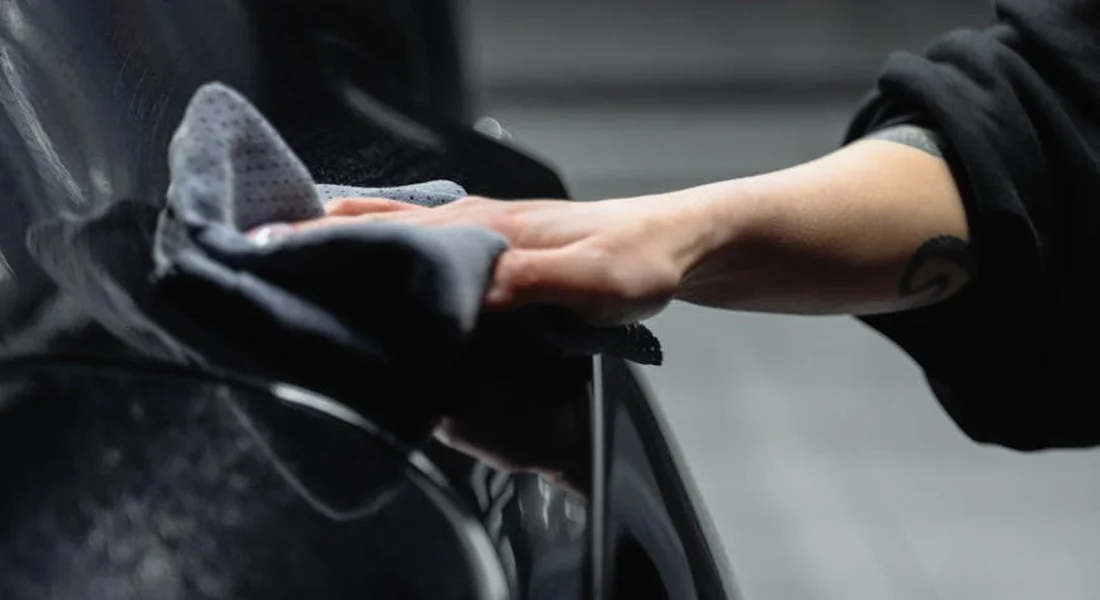
Let’s talk real numbers. A price list is just a list until you understand what you’re actually paying for. This breakdown shows the labor, skill, and materials behind each line item.
Exterior Foundation Services
Think of this as the baseline. It’s the clean, shiny, and protected state your car should be in a few times a year. Most shops bundle these services into an “Exterior Detail” package.
Wash & Decontamination
This is more than a drive-thru. It’s a thorough, two-bucket hand wash to lift dirt without scratching. The real time and cost come from decontamination. You can feel bonded contaminants like rail dust and industrial fallout as tiny rough bumps on the paint. Using a clay bar or synthetic clay mitt is a slow, meticulous process that adds $30 to $75 to a basic wash, but it leaves the paint smooth as glass for the next step.
Hand Wax or Sealant Application
After claying, protection is a must. A quality hand-applied paste wax or synthetic sealant takes time to apply and buff off evenly. This service typically adds $50 to $125. The cost difference often comes down to the product’s longevity. A carnauba wax gives a deep, warm glow but lasts 2-3 months. A synthetic sealant offers sharper reflection and can shield the paint for 6-12 months. This is where the synthetic vs carnauba wax decision comes into play—each option offers a distinct look and durability. We’ll compare them to help you decide.
Basic Wheel & Tire Detail
Brake dust is corrosive. Properly cleaning alloy wheels requires specific, pH-balanced cleaners and various brushes to get behind spokes and into lug nut holes. Dressing the tires finishes the look. Bundled, this adds $25 to $50 to an exterior service. For wheels caked in heavy brake dust, like on my Porsche, expect this to be priced higher.
Interior Deep Cleaning Services
Interior pricing depends entirely on condition and material. A quick vacuum and wipe-down for a tidy sedan is one thing. A full deep clean of a family hauler is another.
Vacuum & Wipe-Down
This is the starter service. It includes vacuuming carpets, mats, and seats, wiping down major surfaces, and cleaning windows. For a reasonably clean car, this might run $50 to $100. It’s maintenance, not restoration.
Full Interior Sanitation & Plastic Care
Here, every single surface gets addressed. Vents, buttons, cup holders, door jambs, and all plastics are cleaned with appropriate solutions. A protectant is applied to vinyl and plastic to prevent fading and cracking. This comprehensive cleaning adds significant labor, often bringing the total interior cost to $150 to $250 for a standard vehicle. Understanding the professional car interior cleaning cost can help you budget and compare options.
Fabric Seat & Carpet Extraction
This is for stains and ground-in dirt. A professional extractor is like a deep cleaner for your car, injecting hot water and cleaner and sucking it back out. Remember the spilled milk in my Odyssey. That smell doesn’t go away with surface cleaning. You need extraction to pull the soured milk from the seat foam. For this specialized equipment and time, add $75 to $150 to the interior bill.
Leather or Synthetic Leather Cleaning & Conditioning
Real leather and materials like Tesla’s “Vegan Leather” need specific, pH-neutral cleaners. Conditioning is crucial to prevent drying and cracking. This precise work for all seats, dashboard, and door panels can add $50 to $100. It’s not a quick wipe. It’s a careful process to clean without damaging the grain or stitching.
The Paint Correction Tiers (This is Where Prices Climb)
This answers “how expensive can car detailing get?” Paint correction is the art of removing defects by carefully leveling the clear coat. It’s skilled, hourly labor. A top detailer’s rate can range from $75 to $150 per hour.
One-Step Polish (Enhancement)
This is for cars with mild swirling and light oxidation. Using a single polish and pad combination, we improve gloss and remove about 60-70% of defects. It’s a major visual upgrade without removing much clear coat. For a mid-size sedan, this might cost $300 to $600. A one-step polish is the most common correction service, offering a fantastic return on investment for daily drivers.
Multi-Step Correction (True Correction)
This is for cars like my black BMW, a true swirl magnet. It requires multiple stages. A cutting compound removes deep scratches and defects. A finer polish then erases the haze left by the compound to reveal a flawless finish. This can take 15-30+ hours of work. For a full-size vehicle, prices start around $800 and easily climb to $1,500 or more.
Show Car Finish (Perfection)
This is the pinnacle. After multi-step correction, the paint is inspected under special lights. Any remaining micromarring is removed by hand. The goal is perfection. This process is exhaustive and reserved for show vehicles or garage queens. Budget a minimum of $1,500, with costs for high-end cars reaching several thousand dollars.
Add-On & Specialty Services
These services address specific problems and are priced accordingly.
Engine Bay Detail
A safe engine bay clean isn’t a pressure wash. It’s a careful degreasing, agitating with brushes, and gentle rinsing. It takes time to cover sensitive electronics. Expect to pay $75 to $150 for a thorough job that makes your engine look new.
Headlight Restoration
Cloudy headlights are a safety issue. Proper restoration involves sanding through the oxidized layers and resealing with a UV-resistant clear coat. A permanent fix, like on my Miata, costs $50 to $125 per pair. The cheap wipe-on kits are a temporary fix at best. To do this effectively, you can aim for a clean restore of cloudy car headlights that removes the oxidation and restores clarity. A clean restore typically combines sanding, polishing, and a UV sealant to keep them clear longer.
Convertible Top Cleaning & Protection
Canvas tops, like on my Miata, attract mildew and stains. They require gentle, non-foaming cleaners and a soft brush. After a deep clean, a fabric protectant must be applied. This specialty service usually runs $100 to $200 to do correctly without damaging the material.
Pet Hair or Odor Removal
Pet hair weaves itself into fabric. Removing it requires specialized rubber-tipped tools, sticky mitts, and immense patience. Odor removal, especially for smoke or biological smells, may require ozone generator treatment. For severe cases, bundle these services and budget $100 to $250. It’s a battle, but it can be won.
The Shop vs. The Driveway: Mobile Detailing Costs
Mobile detailing is about convenience. You pay a premium for it. I think of it like delivery for your car. Instead of you going to the shop, the shop comes to you. For my grey Honda Odyssey, the “Kid Hauler,” this was a lifesaver. After a season of soccer mud and spilled snacks, I couldn’t imagine loading everyone up to sit at a detail shop. Having someone pull into my driveway saved my weekend.
Pricing reflects this service. Most mobile detailers charge a base price for the work itself, then add a travel fee. The base is for the detailing package you choose. The travel fee covers their fuel, vehicle wear, and the time spent driving to you. I have seen travel fees from a flat $25 to a per-mile rate after a certain distance. It is not uncommon for this to add 10-20% to your total bill.
The final price is for the service plus the journey, and that journey is for your benefit.
How should you prepare for a mobile detail? I get this question all the time. A little preparation makes everything smoother and can even get you a better result. Here is what I always do, and what I advise my own clients to do.
- Remove all personal items. Take out phone chargers, kids’ toys, documents from the glove box, and that gym bag from the trunk. This gives the detailer clear access to every surface. On my Odyssey, forgetting a sippy cup under the seat once meant a missed stain.
- Provide access to water and power. Most mobile rigs carry their own water, but an outdoor electrical outlet is gold. It lets them run vacuums, polishers, and lights without straining their generator. If you can offer a hose hookup, say so when you book.
- Clear the work area. Move your other vehicles. Sweep away loose leaves or gravel. This gives the detailer a clean space to work and protects their equipment. It is a simple courtesy that professionals notice.
Preparing your car is the first step of the detail. It shows respect and ensures nothing gets in the way of a perfect clean.
When you search “car detailing cost near me” online, you will likely see mobile operators at the top. Their business depends on local visibility, so they optimize for those searches. I found my current mobile guy for my Ford F-150 this way after a particularly muddy week. Shops with physical locations are there too, but the mobile services often pop up first.
This is useful to know. Those search results give you a quick snapshot of local mobile pricing. Just remember to ask if the quoted price includes the travel fee. For a true comparison, you still need to call a few brick-and-mortar shops. The cost for a paint correction on my black BMW was different when I compared a mobile quote to a shop estimate.
Your local search is a tool, but the real cost comes from the details in the quote, not just the first number you see.
Vehicle Size & Type: From Sedan to Suburban
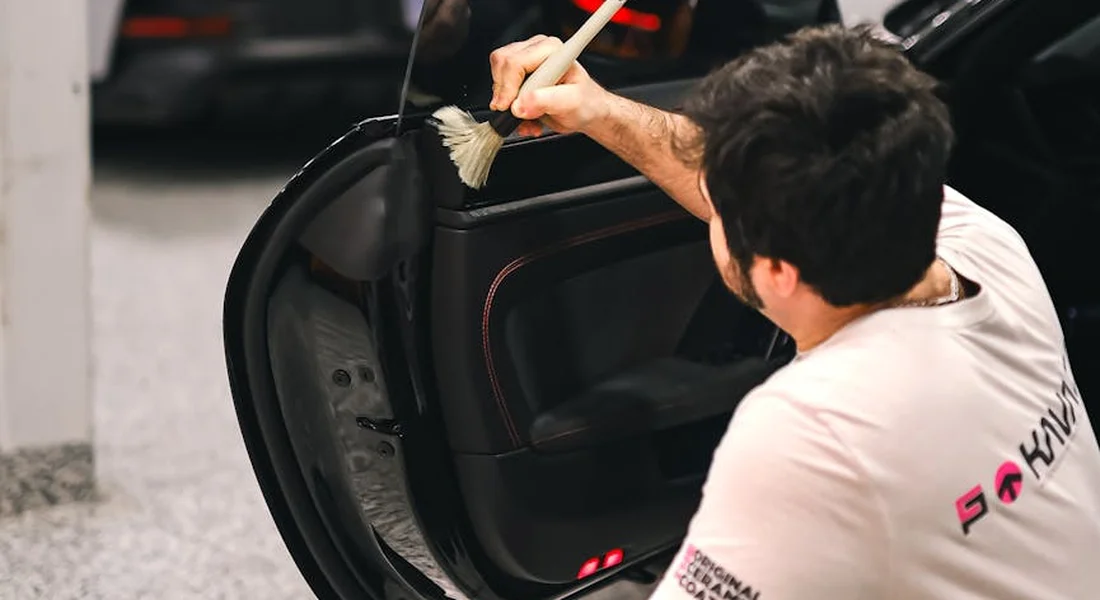
Think of detailing like painting a house. A small cottage costs less than a sprawling ranch. A car is the same. More square footage means more product, more time, and more physical effort. The baseline for most detailers is a standard four-door sedan.
The Baseline: Sedan Detailing Cost
When you search for “car detailing cost sedan,” you’re looking at the industry’s starting point. For a complete interior and exterior detail, a fair average range is $150 to $300. This assumes a typical family car like a Toyota Camry or Honda Civic.
I use my own garage as a gauge. My 2016 BMW 3 Series (the black one) is a perfect sedan example. It’s not a large car, but its jet black paint is a high-maintenance job. A basic wash and vacuum isn’t enough. A full detail here means a meticulous two-bucket wash, decontaminating the paint with clay, a one-step polish to remove light swirls, and applying a sealant. The interior requires brushing out all the vents, cleaning the sensitive dashboard plastics, and conditioning the real leather seats. That same precision translates to a clean detail car interior DIY at home. With the right tools and patience, you can achieve showroom-worthy results in your own garage. The work on a sedan is intensive because everything is within easy reach, allowing the detailer to be thorough on a smaller canvas.
My 2020 Tesla Model 3 presents different sedan challenges. The flat front bumper is a bug graveyard, requiring special attention. The extensive glass roof needs careful cleaning to avoid streaks. The white seats, while synthetic, show every mark and need a specific, non-porous cleaner. The cost reflects this specialized care, even on a similarly sized vehicle.
SUVs, Minivans, and Full-Size Trucks
Move up to a larger vehicle, and the price climbs. For a complete detail on a vehicle like my 2019 Honda Odyssey or my 2018 Ford F-150, expect averages between $250 and $450.
The math is simple. The Odyssey has three rows of seats. That’s twice the carpet to vacuum and extract, twice the leather or fabric to clean, and a cavernous cargo area that collects every cheerio and juice box spill. The headliner is vast. The number of cupholders is frankly alarming. Every single one of those surfaces takes time.
My F-150 is another beast. A crew-cab truck has an interior nearly as large as the Odyssey, plus an exterior with enormous vertical panels. Washing the roof alone on a lifted truck can be a chore, and the full bed requires sweeping, washing, and often treating the plastic or spray-in liner. The sheer amount of wheel cleaner needed for four large alloy wheels adds up. The detailer is charging for the physical scale of the job.
| Vehicle Type | Key Cost Factors | Avg. Complete Detail Range |
| Sedan / Compact | Baseline surface area. Focus on paint correction & material-specific interior care. | $150 – $300 |
| SUV / Minivan / Full-Size Truck | Increased interior volume (3rd row seats, cargo area). Larger exterior panels. More wheels/tires. | $250 – $450 |
| Luxury / Performance / Vintage | Specialist knowledge for delicate materials. Extreme care for soft paint or rare interiors. Higher liability. | $400+ (often custom quote) |
Luxury, Performance, and Vintage Vehicles
This is where pricing becomes custom. A detail for my 2022 Porsche 911 or a classic like my 1995 Miata isn’t just about size. It’s about risk and specialized knowledge.
For the Porsche, the paint is exceptionally soft and prone to holograms if polished incorrectly. The interior may have Alcantara, carbon fiber, and delicate leather that all need different cleaners. The wheels are expensive and coated with heavy brake dust from performance driving. The detailer isn’t just washing a car; they are handling fragile, high-value materials that require proven, safe techniques. Their expertise justifies a higher rate.
A vintage car is a museum piece on wheels. The single-stage paint on my old Miata, once oxidized pink, can only be brought back with the gentlest compounds. Using a modern abrasive would burn right through it. The canvas top, the plastic window, the old rubber seals-all demand historical knowledge. The detailer’s experience in restoration-level care, not just cleaning, is what you pay for. For these vehicles, a flat rate rarely works. A professional will want to see the car in person and provide a custom quote based on its unique needs and condition.
How to Get an Accurate Quote (And Not Get Ripped Off)
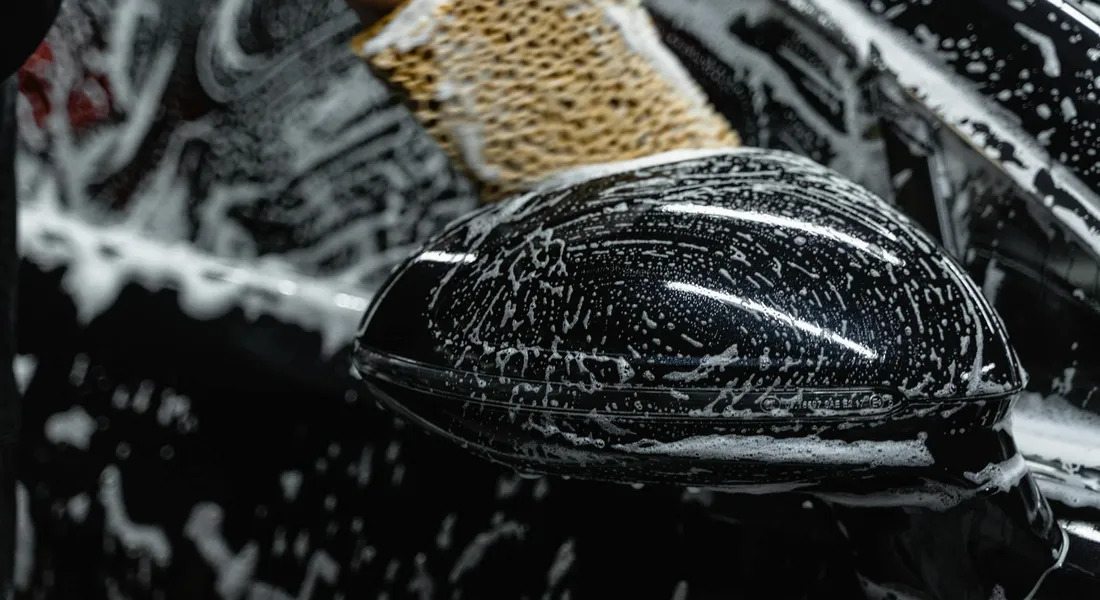
Asking “how much a car detailing cost” or “how much are car detailing services” will only get you a ballpark number. A real quote comes from a real inspection. My own grey Honda Odyssey, the “Kid Hauler,” looked fine from ten feet away. Up close, it had grape juice staining the rear carpet and crayon wax melted into the third-row plastic. I would quote that van differently than a clean one. You need to help your detailer see what you see.
The only way to get a price you can trust is to get a detailed, written estimate based on your specific vehicle and its condition.
Your Pre-Quote Cleanup
Before you even call for an estimate, do a quick fifteen-minute sweep. This isn’t about cleaning, it’s about clearing the deck so the professional can see the actual job.
- Remove all personal items: toys, napkins, coffee cups, paperwork from the glove box, and gym bags from the trunk.
- Take out your floor mats and shake them off. Lay them next to the car.
- Empty every cupholder and door pocket. This lets the detailer assess the true state of the surfaces, not just your clutter.
Think of it like a doctor’s visit. You wouldn’t show up with a winter coat over your injured arm. You make the problem area accessible.
Document the Problem Areas
Pictures are your best friend. They create a record and help avoid “he said, she said” later. Use your phone and take clear shots.
- Get close. That espresso spill on the center console? Fill the frame with it. Show the sticky sheen.
- Use good light. Open the doors. Use the sun or a bright garage light to highlight pet hair embedded in the seat fabric or water spots on the windshield.
- Show the whole story. Take a wide shot of the entire interior front and back. Then take close-ups of every specific issue: stained carpet, scratched plastic, oxidized headlights, heavy brake dust on wheels.
When you contact a detailer, send these photos. A good one will ask for them anyway. It shows you’re serious and helps them prepare the right tools and chemicals.
Demand a Written, Itemized Estimate
A number scribbled on a napkin is a red flag. You want a breakdown. A professional estimate should list each service and its cost.
For example, it shouldn’t just say “Interior Detail: $250.” It should look more like this:
- Interior Vacuum & Pre-Treatment: $40
- Full Interior Wipe Down & Disinfection: $60
- Spot Extraction of 2nd Row Carpet Stains: $75
- Leather Condition & Protect: $75
- Total Interior Service: $250
This transparency protects you both. You know exactly what you’re paying for, and they have a clear scope of work. If they discover a bigger issue during the job, like a mold smell under the seats, they should pause and provide a new, separate quote for that add-on service.
Ask About Their Products and Process
This separates the artists from the hacks. Don’t be shy. Ask what they use and how they work.
- “What type of carpet extractor do you use?” (A powerful truck-mounted unit is better than a small portable one).
- “Do you use a pH-neutral shampoo for the interior plastics?” (Harsh cleaners dry out and crack dashboards).
- “What sealant or wax will you apply to the paint?” (This tells you the expected durability).
- “How do you protect my car’s interior from cross-contamination?” (They should use clean, dedicated microfibers for different areas).
A detailer proud of their craft will happily explain their methods and the benefits of their professional-grade products. I always tell clients I use a steamer for sanitization and low-VOC cleaners. It’s better for their health and my lungs. This question often answers the hidden part of “do car detailers make good money.” A fair price covers their skill, their business overhead, and the quality products that keep your family safe and your car’s materials from degrading.
Check Reviews for Consistency, Not Just Stars
Anyone can have five stars. Look for patterns in the written reviews.
- Do multiple people mention their exceptional communication or how they fixed a specific, stubborn stain?
- Do the reviews consistently praise their attention to detail on door jambs or under the seats?
- Are there concerning patterns? Multiple notes about “rushed job” or “missed spots” are a major warning.
Look for detailers who respond professionally to any negative reviews. It shows how they handle problems. This research is the final piece of the puzzle. It tells you if their quoted price will deliver the value you see others received.
Is It Worth It? Comparing Detail Costs to DIY
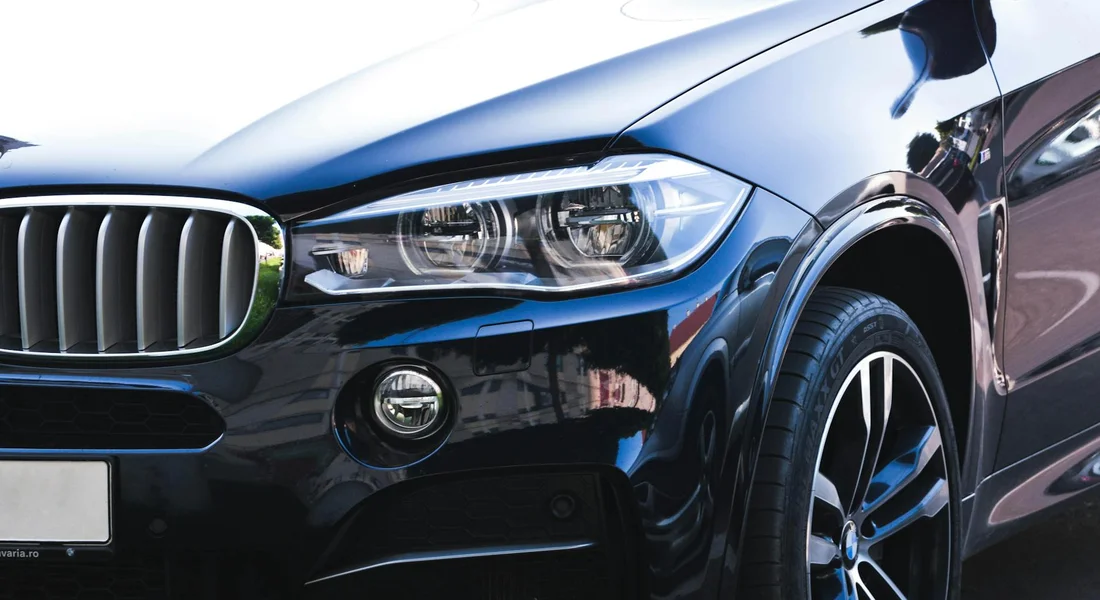
Let’s lay out your choices clearly. I think of it in three tiers, from a simple clean to a showroom finish. This isn’t about good or bad. It’s about matching your goals with your budget and time.
| Category | What You’re Working With | What You’re Paying For |
|---|---|---|
| Budget DIY | Two buckets, a few quality microfiber towels, a wash mitt, basic pH-neutral soap, and an all-purpose interior cleaner. You are hand washing and wiping everything down. There is no paint correction or deep stain removal here. | This is the foundation. You might spend $75 to $150 once on supplies that last years. The result is a clean, protected car that looks better than 90% of vehicles on the road. |
| Enthusiast DIY | You invest in a dual-action polisher, a set of foam pads, a bottle of compound and polish, a synthetic sealant, and perhaps a compact carpet extractor. You can now remove light swirls and refresh interiors deeply. | The initial outlay is real: a reliable polisher kit is $200, pads and chemicals are $100, an extractor is another $150-$300. You are buying the ability to fix problems, not just clean them. |
| Professional Result | This is pro-grade equipment: forced-rotation polishers, a full spectrum of wool and foam pads, a paint thickness gauge, a industrial hot water extractor, and a commercial steamer. The products are concentrated and highly specialized. | You are not just paying for the service, but for guaranteed outcomes. A top tier detailer uses $5000 in equipment and years of muscle memory to deliver flawless, consistent results on any car. |
So, is buying equipment smarter than hiring a pro? The math is simple but personal. A full enthusiast setup costs about the same as two professional details for a sedan.
The value of DIY comes from repeated use over many years, turning that upfront cost into pennies per wash. If you maintain multiple family cars or love the hobby, buying tools wins. For one annual detail, writing a check is easier.
Now, consider time and guaranteed results. This is where my Jet Black BMW, the ‘Swirl Magnet,’ teaches a hard lesson. The first time I attempted a full correction myself, it took an entire weekend. I was sore, I made mistakes, and I still had faint holograms in direct sun.
A professional with the right tools and rhythm would have finished in an afternoon with perfect clarity. Your time has a price, and a pro’s guarantee of no swirls, no streaks, and no errors is a real product you are purchasing.
For that BMW, I now do the maintenance washes myself but hire out the major correction every few years. It is the balance that makes sense for my sanity and the car’s finish.
Smart Savings: When to Splurge and When to Save
Getting the most from your detailing budget is not about finding the cheapest price. It is about understanding which services give you lasting value and which ones you might delay. Think of it like maintaining your home. You do not remodel the kitchen every year, but you do fix a leaky roof immediately.
Prioritizing Your Services
Your first priority after a deep clean should always be a layer of paint protection, like a good spray sealant or traditional wax. This is high-value. On my Tesla, a spray sealant takes me 20 minutes after a wash and clean and fends off water spots and environmental grime for months. It is the single best thing you can do to keep a clean car looking clean longer. Skipping protection means your expensive wash or correction will be contaminated again in a week.
A full paint correction is a periodic investment, not a regular expense. My black BMW might need a one-stage polish every 18-24 months to remove light swirls I introduce. I plan and budget for it. For a daily driver with decent paint, a major correction every two to three years is a realistic goal. Do not let a detailer talk you into a full correction every six months. That is overkill and wastes your clear coat.
Interior odor removal is non-negotiable. If you have a persistent foul smell, especially from mold, mildew, or spoiled milk, you need to address it for your health. In my Honda Odyssey, a spilled smoothie required a full extractor clean and an ozone treatment. You cannot just cover it up with an air freshener. This is a splurge that is worth every penny for your comfort and safety. Proper odor removal techniques should always be thorough and effective.
Making a Pro Detail Last with DIY Care
The best way to save money is to extend the life of a professional detail. A pro detail gives you a perfect foundation; your regular washing is what protects that investment. After I get my Porsche coated, I maintain it myself with a gentle two-bucket wash and a coating-friendly topper spray. This keeps it showroom-ready without weekly pro bills.
Set up a simple home wash kit: two buckets with grit guards, a good pH-neutral shampoo, and several plush microfiber wash mitts and drying towels. Wash your car every two weeks. This simple habit will prevent the buildup that forces you back to the detailer for a costly intensive clean. I do this for my F-150, and it keeps the road salt and mud from doing permanent damage.
Your Long-Term Cost Planning FAQs
Two common questions directly impact how you plan and spend your detailing dollars over time.
How often should you clay your car?
You should clay your car only when the paint needs it. Run your clean hand inside a plastic sandwich bag over the paint. If it feels gritty, like sandpaper, it is time. On my daily drivers, this might be once or twice a year. For my garage-kept Miata, maybe once. Claying is not a routine step; it is a corrective step for removing bonded contaminants that washing cannot. Doing it too often without need is a waste of product and can introduce minor marring if not done carefully with plenty of lubricant.
How long does a ceramic coating last?
A professional-grade ceramic coating, properly applied to perfectly prepared paint, can last for years. Most reputable brands offer warranties from two to five years. The key phrase is “properly applied.” This is why the prep work is 90% of the cost. The coating itself is just the top layer; its longevity depends entirely on the correction and decontamination done underneath it. On my 911, the coating is going strong after two years because I maintain it correctly. Think of a coating as a long-term paint protection plan, not a magic force field. It still requires sane washing habits to avoid scratches.
Getting the Value You Pay For
After detailing cars for years, from my daily drivers to garage queens, I know the real cost isn’t on the invoice-it’s in the results. Your best move is to judge a detail by the clarity of its service menu and the hands doing the work, not by the number on the quote.
Skip that step, and a cheap detail often leaves you with a car that looks tired again before the next wash.
References & External Links
- How Much Does a Car Detail Cost? DIY vs. Pro Breakdown | Chemical Guys
- Car Detailing: How It Works & Average Pricing | Synchrony
- Car Detailing Prices 2025: How Much to Charge for Car Detailing
- r/AutoDetailing on Reddit: How much would you charge?
- Average Car Detailing Prices in New York: In-Depth Research by City
- Car Detailing Cost in 2025 – Average Prices, Packages & Pro Tips
- Car Detailing Prices | Naperville Car Detailing
Max Gunther
Max is an automotive enthusiast having worked as a car mechanical and in interior detailing service for over 25 years. He is very experienced in giving your old car, a new fresh vibe. He has detailed many cars and removed very tough smells and stains from all kinds of cars and models, always ensuring that his work and advice helps his customers. He brings his first hand experience to his blog AutoDetailPedia, to help readers breath new life into their car interiors.