
What’s the Real Price of a Spotless Car Interior?
You see stains on the seats and dust in the vents, and your first thought is simple: how much will a pro charge to fix this?
This article explains the numbers, using examples from my family’s minivan to a friend’s sports car. We will cover what changes the final bill, a full breakdown for seats and carpets, what to expect from dashboard and headliner cleaning, and how to talk to a detailer to get your money’s worth.
Without this knowledge, you risk paying for a basic wipe-down when you needed a deep extraction.
Key Takeaways: The Quick Price Guide
For a full professional interior detail, you are generally looking at a range of $150 to $300. That is the national average for a standard sedan or SUV in average condition.
Pricing is highly variable, and the two biggest factors are your vehicle’s size and its current condition. Cleaning the kid-hauler mess in my 2019 Honda Odyssey takes more time and product than doing my wife’s Model 3. A minivan or large SUV will cost more than a coupe. A vehicle used for daily commuting will often cost less than one used for construction or farming, which has ground-in dirt.
That base price is just the starting point. Add-ons will increase the final cost. Pet hair removal, stubborn stain extraction (like the spilled milk I’ve dealt with), or a full odor treatment are specialized services. They require extra time and equipment, like a steamer or an ozone generator.
Your location matters. Shop rates in a major city are almost always higher than in a rural area. I see this difference just driving from my suburban shop into the nearest metro. Higher rents and business costs get factored into the service price.
What’s Included in a Professional Interior Clean?
You need to know the difference between a basic clean and a detail. A basic clean is a wipe-down and vacuum you might get at a car wash. It’s surface-level. A detail is a deep, systematic restoration of every interior surface. Think of it like the difference between quickly rinsing a dish and putting it through a full dishwasher cycle with heated dry.
A professional detail follows a process. It’s not random. Here is the standard sequence for a quality job:
- Vacuuming: This isn’t just the floor mats. It’s every crevice, under seats, in tracks, and the trunk. We use brush attachments to agitate dirt from fabrics first.
- Brushing & Air Blowing: Vents, gauges, buttons, and seams get brushed loose. Compressed air is used to blast debris from places a vacuum can’t reach.
- Steam Cleaning & Extraction: This is the core of a deep clean. A steamer loosens grime and sanitizes; an extractor (a wet vacuum) pulls the dirty water and stains out of fabric and carpet. This is how you get a soda stain out of a seat, not just make the top layer look clean.
- Dressing: A final step where a protectant is applied to non-porous surfaces like the dashboard and door panels. A good detailer uses a matte, non-greasy product. You want it to look new, not shiny and slippery.
Cleaning means different things for different materials. For genuine leather, cleaning is about using pH-balanced cleaners that nourish the hide without drying it out, followed by a conditioner. That same care translates to keeping leather car seats clean and well-maintained over time. For fabric, it’s about proper extraction. For vinyl and hard plastics, it’s about using an all-purpose cleaner that won’t leave a residue. For a material like Alcantara or suede in my Porsche, it requires specific, gentle brushes and cleaners to avoid matting the fibers.
Beyond looks, a deep clean has health benefits. You are removing allergens, bacteria, and food particles that get ground into the carpet. For families, like mine with the Odyssey, this removal of unseen grime can make the air inside your car feel noticeably fresher and cleaner.
The Real Cost Drivers: What Makes the Price Go Up or Down
You will see a range of prices. That is normal. A quote is not just a random number. It is an estimate of the time, skill, and materials needed to fix your specific problem. Three things matter most: the size of the space we are cleaning, what is actually in that space, and where you are parked.
Vehicle Size and Type
This is the easiest factor to understand. More square footage means more work. I can fully detail the interior of my two-seat Mazda Miata in about two hours. My Honda Odyssey “Kid Hauler” takes me a solid four, sometimes five. The detailer is charging for that time.
Think about what changes with size:
- More seats to clean: A coupe has two. A minivan has seven or eight. Each one needs to be vacuumed, brushed, and treated.
- More carpet and floor area: Dirt gets ground into every inch. Cleaning a small footwell is quick. Extracting an entire third-row cargo area is a project.
- More surfaces: Longer dashboards, bigger door panels, extra cupholders, and vast headliners all add minutes to the clock.
A basic clean for a small car is often the starting price, while a full-size SUV or van will cost significantly more because it simply consumes more of the detailer’s day.
The Level of Filth and Stain Type
Here is where the real cost gets defined. There is a world of difference between a dusty dashboard and a science experiment in the backseat. I judge a job by the stains I see.
Light Maintenance: This is weekly dust, some light dirt on the mats, maybe a few fingerprints. It is a straightforward vacuum and wipe-down. The price stays low because the process is fast and predictable.
Ground-In Dirt and Normal Soiling: This is the family car after a busy month. Dirt is packed into the carpet fibers. There are drink rings on the console. Crumbs are everywhere. This level requires more powerful chemicals, thorough agitation, and likely a hot water extraction machine to pull the dirt from deep within the upholstery.
Severe Contamination (The Premium Services): These are the job-stoppers. They require special techniques, stronger products, and a lot of patience. This is where the price jumps.
- Pet Hair: It weaves itself into fabric like a burr. Removing it completely needs a specialized rubber-tipped tool, hours of careful work, and often a final pass with a compressed air nozzle. It is a marathon, not a sprint.
- Child-Related Messes: Spilled milk sours. Juice sticks. Crayon wax bonds to plastic. Each requires a different, specific cleaner and method. I keep a separate kit just for these, based on lessons learned from the Odyssey.
- Ink, Dye, or Makeup: These are pigments. They stain. Removing them is a delicate process of testing, applying a specialized dye remover, and blotting without spreading it. One wrong move can set the stain permanently.
- Smoke Odor: The smell is in every fabric fiber, the headliner, the vents. You cannot wash away a smell. It requires a full interior decontamination, often followed by an ozone generator treatment, which is a separate piece of equipment and a safety procedure on its own.
Your Geographic Location
Rent, utilities, and the cost of living are not the same everywhere. A detailer in a major city center has higher business costs than one in a small town. Their prices reflect that.
In global hubs like Mumbai, New York City, or London, you are paying for premium access and high operating expenses. The competition is fierce, but the baseline cost is just higher. In Hyderabad, Bangalore, or Pune, the local market rate sets the tone. A highly skilled detailer there may command a premium comparable to a standard shop in a Western capital.
This applies everywhere. A professional detailer in Auckland, New Zealand, will have a different rate structure than one in Nairobi, Kenya, or Manila, Philippines, based entirely on local economic factors. A rural detailer often has lower overhead but may also travel farther to you, which can add a trip fee.
My advice is always to get quotes from a few local professionals. Compare their scope of work for the price. The cheapest option often misses the hard steps. The most expensive should justify its cost with exceptional results and guarantees.
Price Per Piece: Cost to Clean Seats, Carpets, Dashboard & More
Sometimes you don’t need the whole interior done. Maybe your carpets took a hit but the seats are fine. Many detailers offer *à la carte* pricing. Here is a clear breakdown of what you might pay for each piece.
Seats (Fabric, Leather, Synthetic/Vegan)
Cleaning seats is rarely a one-size-fits-all job. The material dictates the process and price. A simple wipe-down is cheap, but it’s just surface cleaning. For fabric car seats, a deeper clean can lift embedded dirt and odors. It goes beyond a wipe-down to refresh the fabric’s look and feel.
For a proper, deep clean that pulls dirt and oils from the material, prices are typically per row or per seat.
- Fabric Cloth Seats: $40 – $75 per row. This covers a full pre-treatment, agitation with a brush, and extraction with a hot water or steam extractor. It lifts stains and resets the fabric.
- Genuine Leather (like in my BMW): $50 – $100 per row. A true leather clean is a multi-step process. We use a pH-balanced leather cleaner to lift grime from the pores without drying it out. This is always followed by a conditioner to replenish oils and prevent cracking. Skipping conditioning is a mistake.
- Synthetic / “Vegan” Leather (like in my Tesla): $45 – $85 per row. This material, often found in modern cars, doesn’t breathe like real leather. It cleans easily but can be prone to showing scratches. The process is similar to real leather but uses specific, gentle cleaners. Conditioning is not needed and can make it slick.
The price jump from wiping to deep cleaning reflects the time, specialized chemicals, and equipment needed to actually sanitize and protect your investment.
Carpets and Floor Mats
This is where most of the dirt lives. Basic vacuuming is free with any service. A true shampoo and extraction is an add-on.
- Standard Carpet Shampoo & Extraction: $60 – $120 for the entire footwell area. This involves pre-treating stains, agitating with a carpet brush, and using an extractor to flush out dirt and soap. It handles most spills and ground-in dirt.
- Floor Mat Wash (separate from carpet): $15 – $30 per mat. We take them out, scrub them clean with a brush and degreaser, rinse, and hang them to dry. It makes a huge difference.
- Deep Stain Treatment / Full Carpet Removal: $150+. For severe cases like spilled milk in the Honda Odyssey, sometimes the carpet must be pulled up. This allows for cleaning the backing and the floor pan underneath to prevent odors. It’s labor-intensive and costs more.
Dashboard, Console, and Plastic Trim
This is about more than just a dusty wipe. A professional clean here removes greasy film, protects from sun damage, and restores a matte, factory look.
A full interior detail includes this. As a standalone service, expect to pay $50 – $100 for the entire dashboard, console, door panels, and plastic trim.
The price covers a safe, thorough clean using appropriate tools for different surfaces. We use soft brushes in the vents, microfiber for general surfaces, and dedicated plastic cleaners that don’t leave a greasy residue. A quality service will always finish with a UV-protectant dressing to help prevent fading and cracking from the sun.
Extra care is needed for modern interiors. Touchscreens get a special anti-static glass cleaner. Glossy “piano black” trim, which scratches if you look at it wrong, is cleaned with ultra-soft towels and no abrasive products.
Headliner and Pillars
This is a premium service. The fabric on your ceiling and pillars is delicate. Using too much moisture or the wrong cleaner can cause it to sag permanently. That’s why many detailers charge more for the risk and patience required.
- Spot Cleaning: $40 – $60. For a few small marks or smudges. We use a very light mist of cleaner and a gentle blotting technique with a soft brush or microfiber.
- Full Headliner & Pillar Refresh: $100 – $200+. This is for an entire ceiling that has a film of dust or mild discoloration. It requires meticulous dry brushing first, then a very careful, barely-damp cleaning across the whole surface. It takes time and a steady hand.
Vents, Crevices, and Hard-to-Reach Areas
This is the final touch for a showroom-level clean. It’s almost always an add-on service, because it’s tedious. Expect to pay $25 – $50 for a comprehensive vent and crevice clean.
We use a combination of soft detailing brushes, compressed air, and microfiber-wrapped tools to pull dust from every vent slat, button crevice, and window switch. For allergy sufferers or anyone wanting a truly dust-free cabin, this service is worth every penny. You’ll see and feel the difference in the air.
Putting It All Together: Sample Package Costs and Scenarios
Quotes can feel abstract. Let’s ground them with real examples. The main driver of your final bill is labor, and labor is time. How long a car detail takes is the single biggest factor in its cost, as every extra minute of stain removal or vacuuming adds to the shop’s labor charges. Here are three common scenarios, using vehicles from my own garage as a reference.
The “Weekly Driver” Compact Sedan
Think of a car like a Honda Civic or Toyota Corolla, used for commuting and errands. It’s moderately dirty with light dust on the dash, some soil on the mats, and maybe a coffee spill in a cupholder. There are no major stains or ground-in debris.
A basic “Interior Detail” package covers this perfectly. A mobile detailer or local shop will typically charge between $150 and $250 for this service. This price gets you a thorough vacuum, wipedown of all hard surfaces, cleaning of windows, and a light shampoo of the cloth seats and floor mats.
The job should take a professional 1.5 to 2.5 hours. They work fast because the soils are fresh and the space is smaller. You’re paying for a systematic clean that resets your interior to a fresh, presentable state without tackling deep-set grime.
The “Family Hauler” Minivan or SUV
This is the domain of my grey Honda Odyssey, the ultimate test for any interior detailer. We’re talking about crushed goldfish crackers in the seat tracks, sticky juice residue on door panels, milk spills that have seeped into the second-row carpet, and a general layer of… kid life.
A basic package won’t cut it here. You need a “Deep Clean Interior” or “Interior Shampoo” service. Expect the price range to jump significantly, from $300 to $500 or more for a full-size SUV or minivan.
Why the increase? Every single factor adds time. Extracting a milk stain from carpet takes 15-20 minutes of focused work. Disassembling a cupholder to clean under it adds time. A full odor treatment, maybe with an ozone generator, is another line item. The cost reflects the battle against neglect, where each stain and spill is a separate mini-project that extends how long the car detail takes. The result, however, is transformative-it feels like a new vehicle again.
The “Show Car” or Luxury Vehicle
This is for vehicles like my red Porsche 911, where the expectation is perfection and the materials demand specialized care. The interior might feature full Merino leather, Alcantara headliners, open-pore wood trim, and delicate chrome accents.
Cleaning here is less about removing filth and more about meticulous preservation. A detailer will use pH-balanced, leather-specific cleaners, soft horsehair brushes for Alcantara, and absolute caution around sensitive surfaces. A complete interior detail for a car at this level starts around $500 and can easily exceed $800.
The premium cost is for expertise and patience. Cleaning perforated leather seats without getting moisture in the holes, or brushing an Alcantara steering wheel without matting the fibers requires a gentle, methodical approach that is inherently time-consuming. You are paying for the detailer’s knowledge of exotic materials and their commitment to leaving zero traces of their work-no streaks, no residue, just flawless, protected surfaces. The time investment is high, and so is the value of the result.
How Long Does a Professional Interior Detail Take?
You want to know how long you’ll be without your car. I get it. The short answer is it depends completely on what you’re having done. A quick freshen-up is one thing. Battling years of kid-hauler grime is another.
Think of it in three tiers: a basic clean, a full detail, and a restoration.
The Three Tiers of Service Time
Most jobs fall into one of these buckets. Here’s what you can expect.
- Basic Interior Clean (1.5 – 2.5 hours): This is for a generally tidy car that just needs a thorough once-over. Think of my Tesla after a few weeks of commuting. It gets vacuumed, all surfaces wiped down, windows cleaned, and a light dressing on the plastics. It’s maintenance.
- Full Interior Detail (3 – 5 hours): This is the standard for a dirty daily driver. We’re talking about my Honda Odyssey on a Saturday after a month of soccer practice and snack spills. Every nook is addressed. Carpets are shampooed, all stains are pre-treated, leather or vinyl is deep cleaned and conditioned, vents are blasted out, and the headliner gets careful attention. This is the sweet spot for most people.
- Interior Restoration (8+ hours): This is for severe cases. Pet accidents, mold, heavy smoking residue, or just a decade of neglect. My old Miata’s interior when I bought it needed this. Every component is removed if possible. Fabrics may need multiple extraction passes. An ozone generator might run for hours to kill odors. This is a project, not just a service.
What Actually Eats Up the Clock?
It’s not just wiping things down. The real time is in the prep and the dry. Rushing these steps ruins the result.
- Pre-Vacuuming and Debris Removal: You can’t clean a crumb-covered surface. Every single piece of loose dirt, sand, and cheerio must be sucked out first. In my kid’s Odyssey, this step alone can take 45 minutes. We empty every storage bin and seat track.
- Stain Soaking and Agitation: A spill isn’t just on the surface. It’s in the foam underneath. I’ll apply a dedicated cleaner to a coffee stain, let it dwell for 10-15 minutes to break it down, then gently agitate it with a soft brush. Doing this right for multiple stains adds significant time.
- Drying Time for Extracted Carpets:
This is the biggest factor most people don’t consider. After I shampoo and extract the carpets and fabric seats, they are damp. Not soaking, but damp. Proper airflow is mandatory to prevent mildew. I run a high-power fan and a dehumidifier in the car for at least an hour, often two. You cannot skip this. I learned that the hard way on an old project car years ago.
- Material Delicacy: Cleaning the Alcantara steering wheel in my Porsche requires a specific, gentle process. The black plastic trim in my BMW scratches if you look at it wrong. Working on these materials slowly and correctly prevents expensive damage.
Planning Your Day Around the Service
So, you’ve booked the detail. How do you plan? Give yourself a buffer. If your detailer quotes 4 hours, don’t plan to pick the car up at exactly the 4-hour mark. A stubborn stain might need another pass. Drying might take longer on a humid day.
Ask your detailer about their process. A good one will explain the drying phase. They should tell you it’s okay if the carpets feel slightly cool or damp when you get it back, as long as the windows were down for your drive home.
My best advice is to drop the car off in the morning for a full detail. This gives the team the whole day to work on it without rushing and ensures everything is perfectly dry before you pick it up in the late afternoon. It’s how I’d want you to treat my cars.
Decoding the Discount: What a $99 Detail Really Gets You
You see the sign everywhere. “Complete Interior Detail – $99.” It sounds good. I get it. My grey Honda Odyssey, the one I call the “Kid Hauler,” sees more snack debris than some landfills. The temptation to just make it disappear for a hundred bucks is real.
But let’s talk about what that price tag actually buys. I have been on both sides of this transaction. It is a volume game for the shop. The goal is speed. Think of it as an emergency room visit for your car’s interior, not a specialist appointment.
What’s Typically Included (The Surface Attack)
For about an hour of a technician’s time, you can generally expect a focused surface clean. This is what you are paying for.
- A thorough, but fast, vacuum of carpets and seats.
- A wipedown of all hard plastics, vinyl, and the dashboard with a general-purpose cleaner.
- Cleaning of interior glass.
- A quick pass over the seats and carpets with a spray-on, wipe-off fabric cleaner for light soil.
- A light dressing applied to dash and door panels to make them shine.
This service is designed to make your car look markedly better quickly by removing the top layer of dust, crumbs, and light grime. For a car that is just generally dusty or used for a daily commute without major incidents, this can be a perfect refresh.
What’s Almost Always Skipped (The Deep Stuff)
This is the critical part to understand. The clock is ticking, so anything time-consuming is not part of the plan. Here is what gets left behind.
- Stain treatment and removal. That coffee splash or blueberry yogurt smear will get lighter, but it will not be extracted.
- Deep carpet and fabric extraction. The ground-in dirt and old spills deep in the fibers stay put.
- Headliner cleaning. Brushing or spot-cleaning a headliner is slow, delicate work.
- Vent cleaning. Those slats are too time-consuming for a budget wipe.
- Leather conditioning or deep UV protectant application.
- Odor elimination beyond a quick spray of an air freshener.
Think back to my Odyssey. After a spilled milk incident, a $99 clean would have just spread the smell around. The discount service addresses what you can see on the surface, not the history sealed into the fabric beneath.
When a Budget Clean is Enough (And When It Isn’t)
So when does this make sense? Use a $99 detail as a strong maintenance clean. If you vacuum and wipe your own car every few weeks but want a pro touch every six months, this is your service. It is perfect before selling a car that is already in good shape, or for a seasonal freshen-up.
You need to call for the more expensive, full interior detail when you have specific problems. I make this call based on one question: Is the dirt topical or historical?
- Choose the budget option for: Dust, light sand, recent light spills, general clutter, and pet hair (though heavy hair may cost extra).
- Step up to a premium detail for: Set-in stains, mysterious odors, sticky residues in cupholders, embedded dirt in carpets, or cleaning after a child’s (or adult’s) major spill event.
The moment you have a stain you can point to or a smell you can name, you have moved beyond the scope of a promotional discount. That is when you need the time, tools, and chemicals for a deeper restoration.
A Warning on the “One-Size-Fits-All” Chemical Approach
This is my biggest professional caution with these high-speed services. To work fast, some shops use heavy-duty, alkaline all-purpose cleaners on everything. It is effective, but it is harsh.
That powerful cleaner on your dashboard? It strips away not just dirt, but also the UV protectants in the vinyl, leaving it brittle and prone to cracking. On your cloth seats, it can leave a sticky residue that attracts more dirt. On leather, even coated, it can dry it out severely. No amount of care or cleaning will make it last when the protectants are stripped away.
In my shop, I use a pH-balanced cleaner for general surfaces, a dedicated fabric cleaner for seats, and a separate leather formula. It takes more time and more bottles. The chemical shortcut in a budget detail often comes with a long-term cost to the material’s health and appearance. It is not always the case, but it is a common trade-off for speed.
Ask the shop what they use. If they say “our special all-in-one solution” for the entire interior, you now know what that means. For a once-a-year refresh, it may be fine. For the care of a car you love, it is a risk.
Product Tier List: The Pro’s Arsenal vs. The DIY Shelf
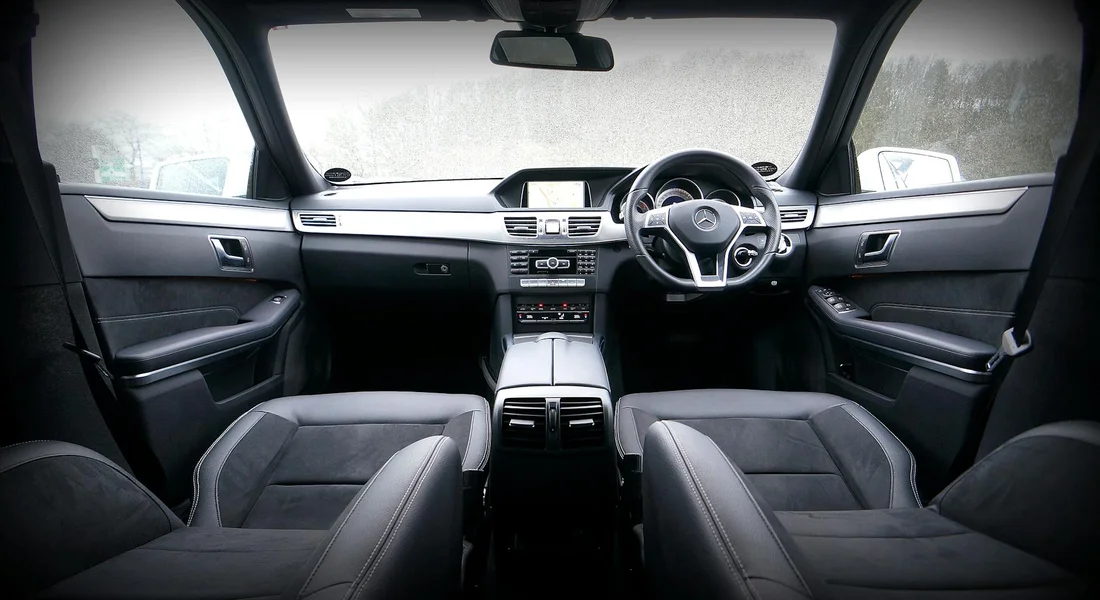
The products used tell you everything about the job you’ll get. The stuff under my shop bench costs more than what’s on a supermarket shelf. That cost isn’t just for the label. It’s for science, safety, and results that last.
Think of it like cooking. A drive-through uses pre-made, generic ingredients to serve you fast. A good restaurant uses specific, high-quality ingredients to craft a meal that tastes better and feels better afterward. Detailing is the same.
Budget/Drive-Through Tier
This is the world of all-purpose cleaners. One bottle, sprayed on everything from vinyl to cloth to sometimes even leather. They’re often strong, alkaline cleaners designed to cut grease fast.
A quick-shop detailer might use a heavy-duty APC diluted in a spray bottle. They’ll follow it with a shiny, silicone-based dressing wiped over every plastic surface. The dashboard, the door panels, the console. Everything gets the same glossy treatment.
The biggest pro here is speed and low upfront cost, which is why the base service price can be so tempting.
The cons are what you live with later. That all-purpose cleaner can leave a sticky residue that actually attracts more dust. On fabrics, it might not fully rinse out, leaving them stiff. On leather, especially the coated kind in most modern cars, it strips away the natural oils. You can often do more harm than good using household cleaners on car seats.
That silicone dressing creates an artificial shine. It can make your dash look slippery and fake. Worse, it often slings onto the windshield, creating a hazy film when the sun hits it. I’ve seen it. In my Honda Odyssey, the “Kid Hauler,” using a cheap dressing on the console just made the next juice spill smear into a wider, stickier mess.
Enthusiast/Pro-Sumer Tier
This is where professional detailers, and serious DIYers, operate. We don’t use one product for ten jobs. We use ten products for one perfect job. Each is formulated for a specific surface.
- pH-Balanced Interior Cleaners: These are gentle on surfaces but tough on soils. They clean effectively without leaving a residue that damages vinyl or attracts dust.
- Dedicated Fabric Shampoos & Upholstery Cleaners: These are low-sudsing and designed to be extracted fully, so the carpet or seat doesn’t stay damp and develop mildew. They often have enzymes to break down organic stains.
- Safe Leather Cleaners & Conditioners: For real leather, a pH-balanced cleaner followed by a conditioner that replenishes oils without clogging the pores. For synthetic/”Vegan Leather” like in my Tesla, a specific non-oil-based cleaner that won’t degrade the material.
- Non-Streaking Glass Cleaner: Used separately, with its own dedicated microfiber, to avoid haze.
- Water-Based Dressings: These give a matte or satin finish, restoring the look of new plastic without the greasy shine. They’re also less likely to cause sling.
Using the right tool for the job means a deeper clean, no cross-contamination of chemicals, and protection that extends the life of your interior materials. This justifies a higher price. You’re paying for expertise in product selection and application. It’s the difference between wiping my black BMW’s paint with a dirty towel (creating swirls) and using a clean mitt and lubricated wash soap.
Show Car/Concours Tier
This is the pinnacle. The cost reflects obsessive attention to detail and access to tools you simply won’t find elsewhere.
- Ultrasonic Cleaners: For vent louvers, seatbelt buckles, and other intricate plastics. The parts are submerged, and sound waves vibrate dirt out of every crevice you could never reach by hand.
- Dye-Matched Leather Creams: For high-end or classic cars with semi-aniline or full-grain leather. Products are color-matched to not just condition but to subtly restore faded color uniformity.
- Specialized Brushes: Dozens of them. Ultra-soft boar’s hair for delicate stitching, angled brushes for perforated leather seats, stiff nylon brushes for stubborn carpet fiber mats.
- Advanced Extraction Systems: Commercial-grade hot water extractors with more power and heat to pull more moisture and dissolved grime from deep within seats and carpets.
- Interior-Specific Clay Bars & Lubricants: Used gently on leather and hard plastics to decontaminate the surface at a microscopic level before conditioning, ensuring perfect smoothness.
This tier is for the garage queens, the restorations, or the client who wants absolute perfection. Cleaning the Alcantara steering wheel in my Porsche isn’t just a spray and wipe. It’s a multi-step process with a specific, low-moisture cleaner and a dedicated, soft brush to maintain the suede-like nap. At this level, you’re paying for the detailer’s patience, their specialized arsenal, and their commitment to treating every square inch as its own unique project.
Detailer’s Pro-Tip: How to Get the Best Value for Your Money
Paying for a pro detail is an investment. I treat my own cars the same way. To make sure you get every dollar’s worth, a little preparation and clear communication go a long way.
Be the Best Client You Can Be
Think of it like dropping your car off for any other service. The easier you make the job, the more time and effort the detailer can spend on the actual cleaning, not on clearing out last week’s fast-food bags. A clean starting point lets them focus on the deep stains, not the surface clutter.
Removing your personal items and loose trash is the single fastest way to save money and ensure a better result.
Take ten minutes the night before. Empty the glove box, console, door pockets, and under the seats. Grab the kids’ toys, the gym clothes, the reusable coffee cups. This gives the detailer immediate access to every crevice. Time is their biggest cost, and you’re not paying them to be an organizer.
Talk Stains, Not Just Dirt
“It’s pretty dirty” tells me almost nothing. “My toddler spilled chocolate milk on the back seat two weeks ago, and I tried to wipe it up with a baby wipe” tells me everything. Be a forensic witness for your own car.
- “Coffee spill on the center console, mostly black.”
- “Red crayon melted into the third-row plastic on a hot day.” (A classic from my Odyssey.)
- “Dog slobber on the rear door panel and window.”
- “White deodorant marks on the driver’s seat bolster.”
Pointing out specific stains with their history allows the detailer to pre-treat with the right chemistry, saving them diagnostic time and saving you from a surprise “stain extra” fee.
Ask the Product Question
This is critical for modern interiors. Not all cleaners are safe for all materials. A harsh all-purpose cleaner can dry out and crack the “vegan leather” in a Tesla or discolor the Alcantara in a performance car.
When you book, just ask: “I have synthetic leather seats (or suede, or a specific fabric). What type of cleaner and protectant do you use for that?” A reputable detailer will have a ready answer. They might say they use a pH-neutral leather cleaner for synthetics or a specific foam for ultrasuede. If they shrug, consider it a red flag. Protecting your interior’s material is as important as cleaning real leather.
The Maintenance Mindset Extends Your Clean
The job isn’t over when you drive away. A pro detail is a reset button. Your simple weekly habits keep it that way for months.
- Get a small, powerful cordless vacuum. Do a five-minute pass over the carpets and seats every weekend. This prevents ground-in grit.
- Keep a soft, dry microfiber towel in your door pocket. Quickly wipe the dashboard and center console when you see dust. No spray needed for daily touch-ups.
- For fabric seats, a light spray of a fabric protector (like 303 Fabric Guard) after the pro clean can make future spills bead up and wipe away.
- Never use armor-all type shiny dressings. They attract dust and get sticky. Use a water-based protectant like 303 Aerospace for a clean, matte finish on plastics and trim.
Ten minutes of simple care each week can easily double the time between needed professional details, making each visit more affordable in the long run.
Protecting Your Car’s Interior Investment
The most important advice is to view a professional interior detail not as an expense, but as a vital investment in your vehicle’s health and value. Getting a hands-on assessment from a reputable detailer and committing to simple, regular maintenance between visits is the most effective way to manage long-term cost and preserve your car’s interior.
Without this proactive care, ground-in dirt, spilled sugars, and body oils will permanently degrade materials, turning a cleanable surface into one that can only be replaced.
Citations and Authoritative Sources
- Interior Detail Pricing | Danny’s Auto Detailing | San Francisco
- 10 Easy Ways to Keep Your Car’s Interior Spotless – DAX Street
- Master the Art of Car Detailing: Pro Tips for a Spotless Interior
- Car Detailing Pricing Guide | Nextdoor
Max is an automotive enthusiast having worked as a car mechanical and in interior detailing service for over 25 years. He is very experienced in giving your old car, a new fresh vibe. He has detailed many cars and removed very tough smells and stains from all kinds of cars and models, always ensuring that his work and advice helps his customers. He brings his first hand experience to his blog AutoDetailPedia, to help readers breath new life into their car interiors.