Need to Repaint Your Car? Here’s What the Law Says First
Changing your car’s color is exciting, but a wrong move with paperwork can turn that fresh paint into a legal headache.
This guide will walk you through when you need a permit, how VIN matching works, and the critical steps for updating your vehicle title.
Skip these steps and you could face fines, failed inspections, or a car you can’t legally sell.
Key Takeaways: The Short Answer on Legalities
You can usually paint your car. The law is not designed to stop you from fixing up your own property. It is designed to protect your neighbors and the environment from the hazards of a professional-scale operation happening next door.
Your main job is not painting, it is navigating a small amount of paperwork and notifications. For most DIYers and even most professional jobs, the process is straightforward if you do a little homework first.
Focus on these three steps in order:
- Check your local rules: Before you buy a single can of paint, know what your city, county, and HOA allow.
- Update your title if required: If the car’s color changes significantly, your state may require you to update the official title and registration.
- Tell your insurance and lender: Your insurance company needs an accurate description of the vehicle. If you have a loan or lease, you likely need the lender’s written permission to alter the car’s appearance.
I cannot stress that last point enough. If your car is financed or leased, the bank or leasing company technically owns it, and you must get their written okay before a major color change. This is the rule people forget, and it can lead to serious contract problems.
A final, crucial note for classic car owners: a clean, professional paint job does not affect VIN matching. However, a thick, sloppy paint job that globs over the VIN plate or door jamb stickers can raise red flags for future buyers or inspectors. Quality craftsmanship protects your investment and avoids legal headaches down the road.
Permits and Local Laws: Are You Allowed to Paint Your Car?
Let’s answer the big question directly. Can you paint your car? Yes, in the vast majority of cases, you can. The exceptions come from where you do it, how you do it, and what you paint with. But even if it’s possible, should you paint your car? We’ll look at factors that determine if painting your car is the right choice.
People often ask about “car painting permits.” There is rarely a permit titled “Car Painting Permit.” Instead, you are dealing with general business, zoning, and environmental rules. The best first call is to your city or county clerk’s office. Ask about “rules for automotive refinishing” or “VOC regulations for spray painting.” They can point you to the right department. If you’re planning to spray paint a car outdoors, review the outdoor automotive refinishing rules. They often address location, ventilation, and environmental safeguards.
Environmental rules are the big one. Volatile Organic Compounds (VOCs) in paints and solvents are regulated to reduce air pollution. Professional shops must use specific, compliant materials and often need filtration systems. For a one-off DIY job in your private garage, these rules usually don’t apply, but dumping old paint thinner down the drain is always illegal and harmful.
I learned this with my own cars. Painting the ’95 Miata’s faded single-stage red in my home garage was a personal project. I used a high-volume, low-pressure (HVLP) sprayer, proper respirators, and plenty of drop cloths. It was fine for a DIY job. But when my F-150 needed its entire bed repainted after a work incident, I took it to a pro booth. The volume of material, overspray, and need for a perfect finish made that the smarter, and legally simpler, choice.
This is why a wrap is often easier from a legal standpoint. Applying a vinyl wrap creates no airborne VOCs, minimal odor, and almost no mess compared to a liquid paint job. While it’s generally considered low-impact, it’s still worth checking its environmental aspects before proceeding. If your HOA or neighbors are strict, wrapping can be a stealthy way to change color without triggering any nuisance complaints.
When You Actually Need a Permit
Permits enter the picture when your activity looks like a business. The law cares about scale, frequency, and impact.
You likely need a permit if you are:
- Operating a commercial spray booth in a residential zone.
- Painting multiple customer vehicles for profit out of your home garage.
- Installing permanent, industrial-grade ventilation or filtration systems.
Contrast that with detail work. Polishing your hood, touching up a rock chip, or even spraying a single fender with a rattle can for a repair? These almost never require a permit. You are maintaining your own property.
When in doubt, pick up the phone. Your local building or zoning department exists to answer these exact questions. A five-minute call is better than a “stop work” order from a code enforcement officer.
Homeowner Associations and Nuisance Laws
Your city might allow it, but your neighborhood might not. Homeowner Association covenants can be stricter than city code.
Many HOAs have rules against “vehicle repair or maintenance” in driveways or visible areas. They often define this broadly to include painting. I once had to explain to an HOA board that detailing my Odyssey’s interior-extracting spilled juice from the seats-was not the same as rebuilding an engine. They saw “car work” and got concerned.
Check your HOA rules before you roll a single spray gun out to the driveway. If you’re considering spray painting a car at home, plan for masking and ventilation to minimize overspray. Even if painting is not explicitly banned, nuisance laws about noise, odors, and “visual blight” can be used if a neighbor complains about overspray or the sight of a car covered in tape.
For a DIY job, be a good neighbor. Work in a closed garage if you can. Keep the hours reasonable. Control your overspray with plastic sheeting. Proper prep and clean-up are not just good detailing practice, they are good neighbor practice. The smell of fresh paint is strong. The sound of a compressor and DA polisher is loud. A little discretion goes a long way.
VIN Matching and Title Updates: The Paperwork Trail
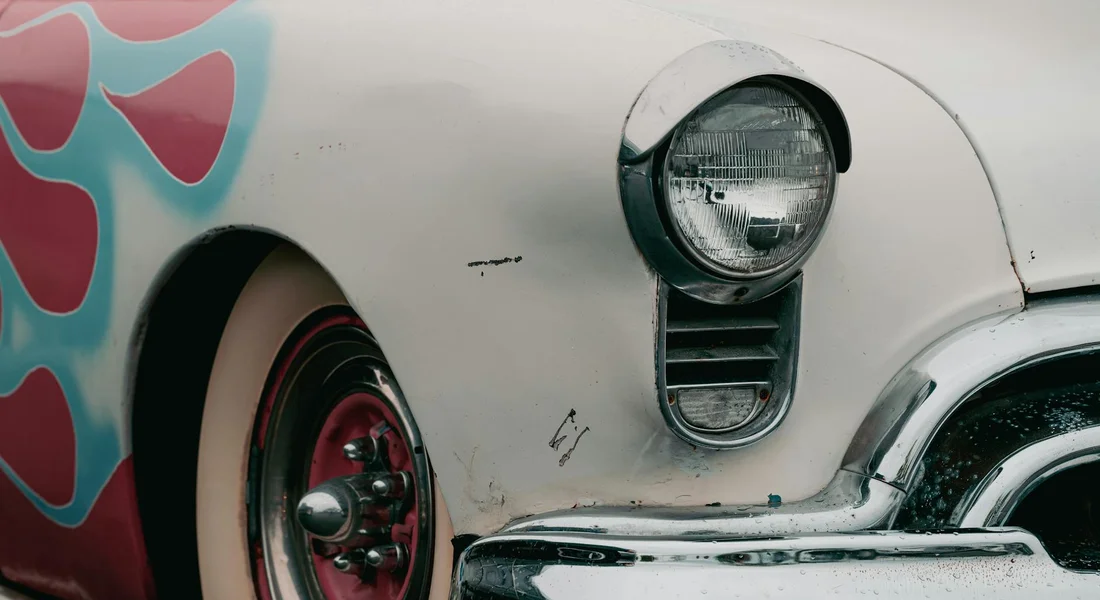
Here is the simple truth. Painting your car does not change its identity. The VIN is permanent. But if you change the color, your car’s official paperwork should tell the truth. An inaccurate title can cause headaches later, like during a sale or a police stop. Think of it like detailing. You would not describe your car as “showroom clean” if the cup holders were full of old coffee. Your title should match the car.
Your VIN is your car’s fingerprint, and paint does not change fingerprints, but it can obscure them if you are not careful. If you’re curious about how to remove fingerprints from car paint, stay tuned for a short guide in the next section. It will offer practical, non-abrasive ways to keep your finish pristine.
How to Update Your Vehicle Title and Registration
Updating your title is usually an administrative task, not a legal battle. It is about filing the right form. The exact steps depend on your state, but the dance is similar everywhere. I will walk you through the general steps, then show you a common state-by-state breakdown.
- Complete the Correct DMV Form. This is often called a “Vehicle Color Update” or “Correction” form. You can find it on your state’s DMV website.
- Gather Your Proof. You will need the completed form, your current title and registration, a government ID, and a receipt from the paint shop. A detailed receipt is key.
- Prepare for a Possible Inspection. Some states require a law enforcement officer or DMV inspector to verify the VIN and new color. They just need to see it matches the form.
- Submit and Pay the Fee. Take everything to your local DMV office or mail it in. Fees are typically low, like $20 to $50. Processing can take a few weeks.
Keep every piece of paper from the paint job with your vehicle records, just like I keep the PPF installation certificate for my Porsche in the glovebox. It proves the work was done professionally.
| State Example | Form Typically Required | Inspection Needed? | Notes |
|---|---|---|---|
| California | Reg 256 (Statement of Facts) | No | You declare the color change under penalty of perjury. |
| Texas | Form VTR-270 (Application for Corrected Title) | Yes, by law enforcement | An officer must verify the VIN on the vehicle. |
| Florida | HSMV 82104 (Title Application) | No | Submit with a bill of sale from the paint shop. |
| New York | MV-82 (Vehicle Registration/Title Application) | Sometimes | May require a DMV or police inspection for verification. |
| Ohio | BMV 3774 (Title Correction Form) | Yes, by a notary or deputy | The form must be notarized or signed by a deputy clerk. |
Let us use my Tesla as an example. Say I wrapped it from white to a matte grey. That is a permanent color change in the eyes of the law. I would get a detailed receipt from the wrap shop. Then, I would fill out a California Reg 256 form stating the new color. I would mail that with my title and a fee to the DMV. A few weeks later, a new title arrives listing the color as grey. Simple.
Protecting VIN Plates and Stickers During Painting
This is where the detailer’s mindset is everything. You must protect every single VIN plate, federal certification label, and emission sticker. Painting over them is a major red flag.
Painting over a VIN plate can make your car look stolen or illegally rebodied, creating serious problems during a sale or traffic stop.
Here is what to mask off completely:
- The VIN plate on the dashboard (viewable through the windshield).
- The VIN sticker in the driver’s side door jamb.
- Any federal certification or emission labels in the door jamb or under the hood.
- The manufacturer’s build plate (often in the engine bay or door jamb).
Use high-quality automotive masking tape and fine-line tape for sharp edges. Take your time. It is the same precision I use when clay barring around the roundel badge on my black BMW. You work slowly around the edges to avoid contaminating the area you want to keep pristine. A painted-over VIN is a permanent contaminant on your car’s legal record.
Insurance, Financing, and Leases: Who Needs to Know?
You told the DMV. Now you need to tell the other people with a financial interest in your car. This keeps everything above board and protects you.
Your insurance policy has a description of your vehicle. If it says “white Tesla Model 3” and it is now grey, that discrepancy could slow down a claim. Always notify your insurance company of a permanent color change to keep your coverage intact and accurate. For financed or leased cars, the answer to “can I paint it?” is almost always in your contract. You must check.
High-end brands add another layer. “Can Ferrari sue you for painting your car?” Probably not for a simple repaint, but they can absolutely void portions of your warranty and reject you from their certified pre-owned program. It is about brand integrity and residuals. For most of us, the concern is with the bank or leasing company.
Financing the paint job itself is a separate issue. You would not roll a detail into your car loan. Similarly, a paint job is its own expense. Some shops offer financing, but read the terms carefully. I would not recommend it for a purely cosmetic change on a daily driver, especially when the cost of custom automotive paint can be quite high.
How to Notify Your Insurance Company
This is a straightforward phone call or online update. The goal is to get your policy’s vehicle description corrected. In rare cases, a color change could affect your premium (some statistics say certain colors are more prone to accidents). Mostly, it is just an update.
Be ready with your policy number and the details. A simple script works: “Hi, I need to update my vehicle description. I have permanently changed the exterior color from [Old Color] to [New Color]. Can you note this on my policy and send me a confirmation?”
Get the confirmation in writing, via email or an updated policy document, just like you would get a signed work order from a professional detailer. This is your proof you disclosed the change.
Navigating Lease Agreements and Loan Contracts
This is the strictest area. Read your contract.
Leased vehicles, like a typical BMW 3 Series, are not yours to modify freely. The leasing company owns that car and expects it back in a sellable, standard condition. Most lease agreements explicitly prohibit material alterations without prior written consent. A full repaint likely requires their approval. They may say no, or they may require you to use a certified shop. Ask first.
For a financed car you are buying with a loan, the lender holds the title until you pay it off. They have a financial interest. While rules are often looser than for a lease, your loan agreement may have clauses about modifications that affect value. The safest path is to call your lender, explain the planned work, and ask if they need any notification. When I financed my F-150, I called the bank before buying aftermarket wheels to make sure it was okay. It was, but I had peace of mind.
Doing this work without checking can sometimes be considered a “default” under your contract. It is not worth the risk. Make the call.
Getting It Done Right: Avoiding Costly Mistakes
Messing up a paint job is about more than just a bad color. A single oversight can trap you in a legal headache or destroy your car’s value. I learned this the hard way on my first project car. If you’re considering changing your car’s paint color, the prep and planning matter as much as the shade you choose. Let’s walk through the common traps so you can avoid them.
The biggest mistake is treating a color change as purely cosmetic, ignoring the paperwork and protection it needs. These errors often happen together. You rush to pick a shop without checking their process, and you end up with a finish that fails in a year, all while your car’s title is now incorrect. It’s a mess.
- Not Checking Local Laws First: Assuming “anything goes” is a fast track to a citation or a failed inspection. Some jurisdictions have very specific rules about reflective colors, finishes that mimic emergency vehicles, or how much of the original color can show in door jambs.
- Hiding the Change from Your Insurance Company: If your red car is now blue and you total it, the insurer will value it as a red car. They may even deny the claim for material misrepresentation. Always get the update in writing.
- Choosing a Shop on Price Alone: The cheapest bid often cuts the most corners. Inadequate surface prep leads to peeling. Poor ventilation means dirt gets baked into the clear coat. You’re not just buying paint, you’re buying the skill and environment it’s applied in.
Paint Damage Prevention: Common Legal and Practical Pitfalls
Think of your new paint like the finish on my black BMW. It looks perfect under the shop lights, but it’s incredibly vulnerable. The legal and practical mistakes here are two sides of the same coin: negligence.
Painting over rust or minor dents to save money is like hiding a problem. It will bubble and bleed through, destroying the new finish from within. When you go to sell, a knowledgeable buyer will spot it, or a safety inspector might flag it, crashing your resale value and complicating the title transfer. A bad prep job doesn’t just look bad, it creates a documented history of poor work that follows the car’s VIN.
Using low-quality, non-UV-stable paints or clears is another disaster. They will oxidize and fade within a season, turning a vibrant blue into a chalky grey. This rapid degradation is a clear sign of a cut-rate job to any future owner or appraiser.
Then there’s aftercare. New paint needs to cure, often for 30-90 days. Washing it too soon, especially with harsh chemicals, or exposing it to extreme heat can permanently cloud the finish. This is exactly like washing my black BMW in direct, hot sun, the soap dries before you can rinse it and the towel drags across the soft surface, instilling deep swirls and holograms. The damage is immediate and expensive to fix.
Choosing a Painting Service: A Tiered Approach
Not every car needs a six-figure show car finish. Be honest about your goals and budget, then match the service to the vehicle. Here’s how I break it down.
Budget / Drive-Through Tier: This is for a basic refresh on a daily driver like my grey Honda Odyssey. The goal is a uniform color change for a low cost. Expect them to mask over trim rather than remove it. The clear coat will be thin. Long-term durability is not the priority, but they should still handle the DMV paperwork for the color change. It’s a functional solution, not a forever finish.
Enthusiast Tier (The Sweet Spot): This is your reputable local body or restoration shop. They are perfect for my Ford F-150 or a family sedan you plan to keep. They remove trim, sand to bare metal or properly scuff the factory clear, apply a quality sealer, and use brand-name paint systems with a proper, thick clear coat. They offer a multi-year warranty and will provide documentation for your insurance and title. For most people, this tier offers the best balance of quality, legality, and value.
Show Car / Concours Tier: This is for the garage queens, like the red Porsche. You’re paying for an artist. Every component is removed. The body is stripped to bare metal, block-sanded perfectly straight, and treated with epoxy primers. Color matching is done under spectral analysis lights. The clear coat is applied in controlled “paint booth” conditions, then wet-sanded and polished to a flawless, deep gloss. They provide exhaustive documentation and a robust warranty. The legal paperwork is handled with precision.
Before you choose, ask questions. Visit the shop. Is it clean and organized? Do they have a dedicated, enclosed spray booth? What brand of paint system do they use (e.g., PPG, BASF, Sikkens)? Most importantly, ask: “What documentation do you provide for the color change for my title and insurance?” Their answer will tell you everything you need to know.
Making Your Paint Job Official
The most critical step in a color-change paint job happens long before the first spray of primer. Your initial call should be to your local DMV or law enforcement agency to understand the specific rules for updating your vehicle’s title and VIN inspection in your area.
Skip the proper steps, and you risk creating a vehicle with a “branded” title that is difficult to sell or even illegal to drive on public roads.
Further Reading & Sources
- r/lexington on Reddit: Auto repair laws
- Motor Vehicle Owners’ Right to Repair Act – Wikipedia
- 304.12-275 Claimant’s right to repair facility of choice
- Car Repairs and the Law – FindLaw
Max Gunther
Max is an automotive enthusiast having worked as a car mechanical and in interior detailing service for over 25 years. He is very experienced in giving your old car, a new fresh vibe. He has detailed many cars and removed very tough smells and stains from all kinds of cars and models, always ensuring that his work and advice helps his customers. He brings his first hand experience to his blog AutoDetailPedia, to help readers breath new life into their car interiors.