What is a Vinyl Car Wrap? A Detailer’s Guide to Materials, Benefits, and Application
You see wrapped cars on the road and wonder if it’s right for your vehicle, but terms like ‘cast vinyl’ and ‘laminate’ can be confusing.
I will explain the different wrap materials, their real-world benefits, how professionals install them, and where this technology came from.
Choose the wrong material or skip a cleaning step, and you will be left with adhesive residue and a ruined finish.

Key Takeaways: The Short Version
Let’s get right to the point.
- A vinyl wrap is a removable layer of colored or printed film applied to your car’s paint.
- Think of it as a temporary, super-tough skin for your car that offers protection and unlimited style.
- It comes in every color and finish you can imagine, from simple gloss black to wild color-shifting chameleon films.
- A professionally installed wrap typically lasts 3 to 7 years before you might consider replacing it.
- When installed and removed correctly by a pro, it will not harm your factory paint. In fact, it shields it.
- The main reasons people wrap are: a full color change, protecting perfect paint, business advertising, or covering up a tired, old paint job without a respray.
- For a full vehicle, expect a professional wrap to cost between $2,500 and $6,000. The price depends on your car’s size, the vinyl material, and the shop’s skill.
How Does a Car Wrap Work? The Materials Explained
Peel back a corner of vinyl wrap, and you’ll see it’s a clever sandwich. Each layer has a job.
From the bottom up, you have the release liner. This is the paper or plastic backing you peel off to expose the sticky side. Next is the pressure-activated adhesive layer. It only gets truly sticky when you press it firmly onto the surface. Then comes the heart of it, the colored or printed vinyl film itself. On top of many wraps is a clear protective laminate, a sacrificial layer that takes the sun and scratches so the color underneath doesn’t have to.
Not all vinyl is created equal. You’ll primarily encounter two types, and the difference is critical.
Cast Vinyl is the premium choice. It’s made by spreading liquid PVC onto a moving belt, letting it cure into a thin, consistent film. This process makes it incredibly flexible and durable. It can stretch and conform to the complex curves of a bumper or a mirror cap without thinning out or cracking. If you want a wrap that looks like paint and lasts for years, you want cast vinyl.
Calendered Vinyl is the more budget-friendly option. It’s made by squeezing PVC through heavy rollers, like dough through a pasta maker. This makes it thicker and less pliable. It works fine for flat surfaces or short-term graphics, but it doesn’t like deep curves. On a complex car panel, it can resist stretching, leading to wrinkles, or it can thin out and tear. Think of it like basic gift wrap versus the high-end, stretchy, almost cloth-like stuff.
The finishes available now are astounding. Beyond standard Gloss, you have Satin or Matte for that non-reflective, sophisticated look. Metallics add fine glitter. Chrome is a mirror finish. Color-Shift (or Chameleon) films change hue depending on the light and viewing angle. Textured finishes like Carbon Fiber or Brushed Metal add a tactile, 3D effect.
You can find “vinyl car wrap for sale” online by the roll. I keep some around for small projects like wrapping interior trim on my BMW or testing colors. But for a full vehicle, attempting a DIY wrap without experience is a fast track to wasting hundreds of dollars and many frustrated hours. The installation is a skilled craft of knife work, heat control, and stretch management.
Choosing a Vinyl: Cast vs. Calendered
Let’s make this choice simple. Here’s the breakdown from my years of seeing both in the shop and on my own cars.
| Cast Vinyl | Calendered Vinyl | |
|---|---|---|
| Cost | Higher | Lower |
| Durability | 5-7+ years | 1-3 years |
| Stretch & Conformability | Excellent, memory-free | Poor, can resist or thin |
| Best For | Full vehicle wraps, complex curves, long-term protection | Flat surfaces, short-term decals, budget partial wraps |
My strong opinion? For a full vehicle wrap, cast vinyl is the only choice I make for my cars and recommend to others. The extra cost upfront saves you from premature fading, edge lifting, and a subpar look. Trying to wrap the curved bumper of my Porsche with calendered vinyl would be an exercise in pure frustration.
The Role of Laminates
That clear top layer isn’t just for show. It’s the bodyguard for your color. After a colored or printed vinyl film is laid down, a skilled installer often applies a clear laminate over it. This is a separate, ultra-tough film.
The laminate’s sole job is to absorb punishment so the vinyl beneath doesn’t have to. It blocks UV rays to prevent fading. It resists light scratches from washing and brushes. It provides a barrier against harsh chemicals, bird droppings, and tree sap. This is the key to answering “does vinyl wrap protect car” paint. The wrap itself is a physical barrier, and the laminate ensures that barrier lasts. Without it, a glossy colored vinyl would dull and scratch very quickly. When you clean your wrapped car, you are often cleaning and protecting this laminate layer, just like you would a clear coat.
The Benefits and Drawbacks of Wrapping Your Car
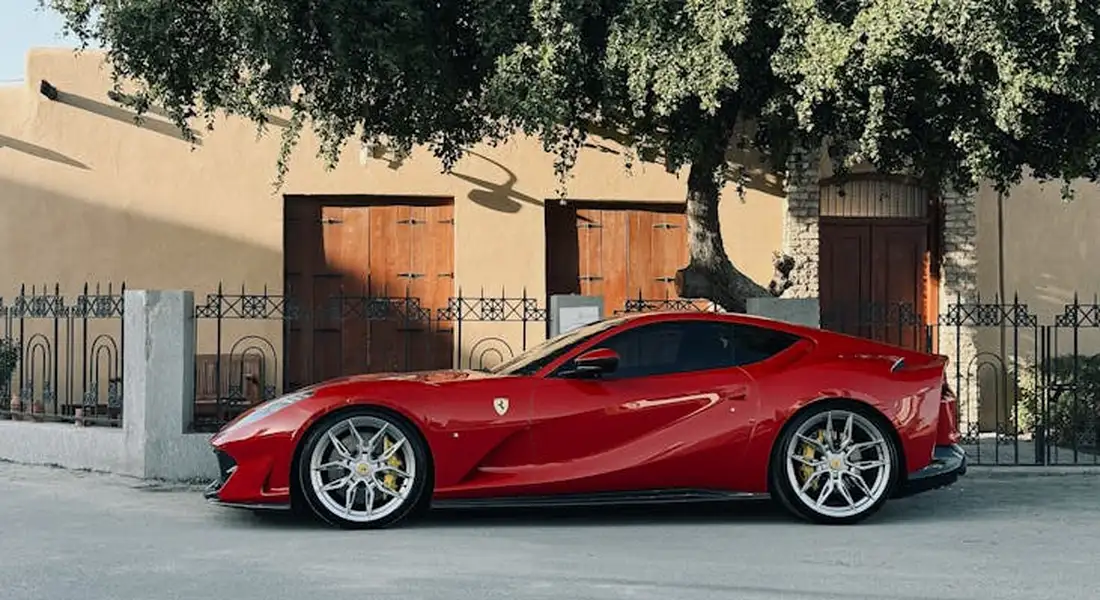
You see a wrapped car on the road and wonder, how good is vinyl wrap for cars? Is vinyl wrap worth it? The answer depends entirely on your goals. A wrap is a powerful tool, but it is not magic. It solves specific problems beautifully and fails at others. Let’s look at both sides.
Why People Choose to Wrap
I see four main reasons a person walks into a wrap shop. Each one is a solid answer to the question of value.
Paint Protection: The wrap shields the original factory paint from sun, minor scratches, and road debris. This preserves resale value. Think of it like a thick, clear screen protector for your phone, but for your entire car. On my 2022 Porsche, the entire front end is covered in Paint Protection Film, a clear cousin to colored vinyl. It has taken the hits from road gravel so the perfect factory paint underneath remains untouched. A colored vinyl wrap does the same thing. When you remove it years later, the original paint is preserved in a time capsule. For a collector or anyone planning to sell, this is a huge financial benefit. For many, the choice comes down to vinyl wrap vs paint protection film: color versatility versus protection. A clear, side-by-side comparison follows.
Color Change Without Commitment: Try a wild color or finish without the permanence and devaluation of a respray. A high-quality respray involves sanding down your original, valuable factory paint. It often lowers a car’s value. A wrap is reversible. Want matte army green on your SUV for a year? Go for it. Tired of it? Peel it off. To answer “how would my car look wrapped,” I tell people to use online visualizer tools from major vinyl brands. You upload a photo of your car and preview colors. It is not perfect, but it gives you a solid idea.
Cost is a major factor here. A quality, full-color respray in a booth can easily cost five to ten thousand dollars. A quality wrap is often 30-50% less than a quality respray. You get a dramatic change for less money, and you keep your factory paint job intact.
Hiding Flaws: Can mask minor imperfections on older paint as a temporary refresh. My 1995 Miata had paint that had faded from a deep red to a chalky pink. The single-stage paint was too thin for a aggressive correction. A wrap was the perfect middle ground. We cleaned and smoothed the surface, then applied a vibrant red vinyl. It looked brand new for a fraction of a respray cost. It does not fix dents or deep scratches, but it can make a tired twenty year old paint job look showroom fresh for a few more years.
The Potential Downsides
Now, the reality check. A wrap is not a cure all. Go in with your eyes open.
Not Permanent: It will need to be replaced every few years. It’s a consumable, not a lifetime solution. Premium vinyl lasts between five and seven years with proper care. Sun, weather, and washing slowly break down the plasticizers in the film. It becomes brittle and harder to remove. You must budget for a replacement, just like you budget for new tires.
Surface Dependent: Cannot fix dents or major paint defects. The wrap will mirror the surface underneath. This is the most common misunderstanding. Vinyl conforms to the surface. If you have a dent, the wrap will show a dent. If you have chipping paint, the wrap will eventually chip in that spot too. The installation surface must be clean, smooth, and sound. We always do a full paint correction and decontamination on my BMW or the Porsche before any film goes on. Wrapping over dirt or rust is a disaster.
Installation is Everything: A bad install leads to peeling, bubbling, and adhesive residue. The material is only as good as the hands applying it. A master installer uses heat, tension, and precision knifework to make the vinyl look like paint. A cheap installer leaves lifted edges on body panels, bubbles under the film, and cuts your paint when trimming. Those flaws are not the vinyl’s fault. They are the installer’s fault. This truth leads directly to the final point.
DIY Risk: A full car wrap is not a beginner project. I encourage people to try wrapping a mirror cap or a small interior trim piece first. Wrapping a full hood or a door is a massive leap in difficulty. A botched job wastes hundreds in material and can damage trim when you peel it off. Knife slips can cut deep into your paint. If your goal is a perfect, protected finish, pay a professional. If you want a fun, challenging project with a risk of a messy outcome, then a DIY wrap might be for you. Just know the difference.
The Professional Wrap Process: From Dirty to Dazzling
You can have the best vinyl in the world and it will fail if you put it on a dirty car. A professional wrap is a marathon of patience and precision, not a quick sticker job. It is a transformation that happens one careful step at a time, especially when you apply vinyl wrap on car parts.
The smell of isopropyl alcohol-based prep spray hangs in the air. You hear the steady hiss of a heat gun and the soft, firm swipe of a squeegee pushing fluid to the edges. When done right, it is a kind of dance. Here is how a reputable shop makes it happen.
Stage 1: The Critical Decontamination Wash
This step is everything. Any speck of dirt, old wax, or tree sap trapped under the vinyl becomes a permanent bump you will see and feel every day. A simple wash is never enough.
The process starts with a full paint decontamination. I treat my BMW’s jet black paint the same way before even thinking about a wrap. We use a chemical iron remover that bleeds purple as it dissolves embedded brake dust. Then, a fine-grade clay bar glides over the paint to pull out any remaining contaminants. You feel the surface turn from gritty to perfectly smooth glass.
Most shops will follow this with a light polish to remove any minor defects and ensure the paint has maximum grip for the adhesive. Finally, they remove badges, trim pieces, and sometimes door handles. It seems like a lot of work, but it is the only way to get edges that disappear and a finish that looks painted on.
Stage 2: Precise Measurement and Cutting
With the car bare and clean, the measuring begins. For simple panels, an installer might measure and cut the vinyl by hand with a sharp blade. But for entire cars, most shops use a computer-controlled plotter.
The plotter reads a digital template of your car’s panels and cuts the vinyl sheet with incredible accuracy before a single piece is touched. This saves material and time. The real magic happens with complex shapes.
For deep grooves or sharp body lines, like the creases on a Ford F-150’s hood, installers use a technique called “knifeless tape.” They run a special filament tape along where they want a seam. They lay the vinyl over it, then pull the filament to cut the vinyl perfectly underneath, without ever risking a blade touching your paint. For very deep recesses, they use “inlays,” which are separate, perfectly fitted pieces that meet seamlessly.
Stage 3: The Installation Dance
Now the vinyl meets the car. There are two main methods: wet or dry. The wet method uses a slip solution (like baby shampoo and water) sprayed on the adhesive so the installer can position the vinyl before squeegeeing it down. The dry method is for experts, applying the vinyl directly onto the panel.
This is where skill takes over. Look at my Tesla’s flat front bumper. It seems easy, but getting that large piece on without a single dust speck or crease is a test of a clean room and steady hands. Now look at my BMW’s complex front bumper, with its curves, vents, and ridges. The installer must gently heat the vinyl with a heat gun to make it pliable, then stretch and form it around each contour using firm, overlapping squeegee strokes.
The goal is to stretch the material just enough to conform without thinning the color layer or creating tension that will cause it to peel back later. You see them work methodically from the center outward, pushing air bubbles and solution to the edges until the vinyl is perfectly smooth and adhered.
Stage 4: Trimming, Finishing, and Curing
Once a panel is fully applied, the installer goes back with a fresh, sharp blade to trim the excess. They tuck edges into door jambs and panel gaps so they are invisible from the outside. A final pass with the heat gun sets the adhesive and ensures every edge is down for good.
All the removed trim, badges, and handles are cleaned and put back on. The car gets a meticulous final wipe down. Then, the most difficult part for an owner begins: the cure time.
The adhesive needs 48 to 72 hours to fully bond and reach its maximum strength and water resistance. During this time, you cannot wash the car, get it wet, or expose it to extreme heat. After that, you care for it like a high-quality paint job, and it will protect the original finish for years. The process is long, but the result is a completely new car.
Paint Damage Prevention: Can a Wrap Ruin My Paint?
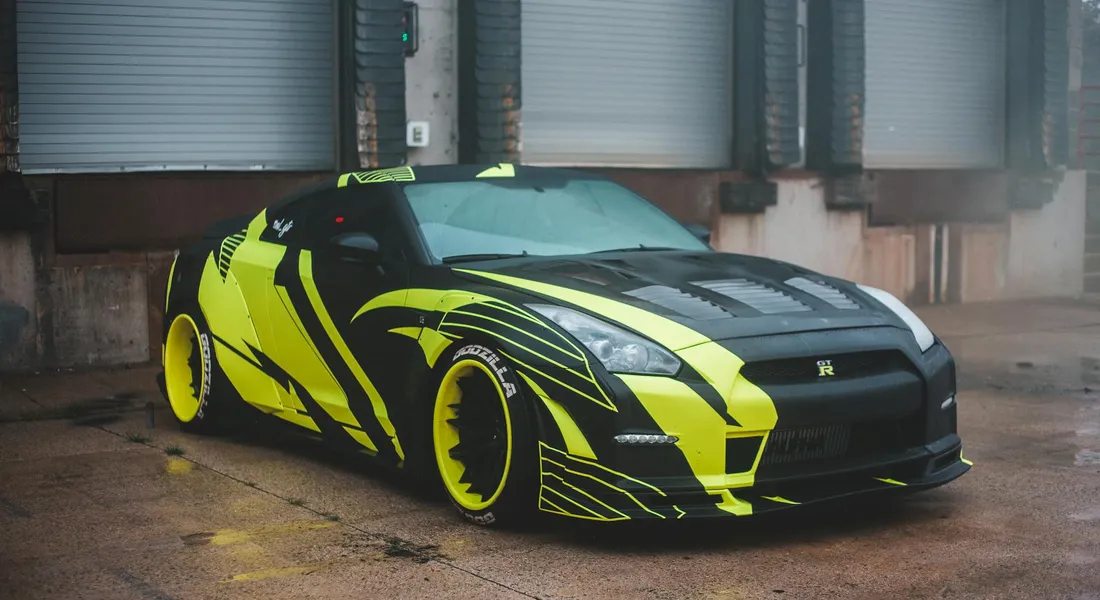
Will a vinyl wrap damage my car paint? This is the first question I ask when a customer brings in their pride and joy. I see the worry in their eyes. It is a fair fear. You are trusting someone to stick a giant, sticky sheet onto your car’s most visible and expensive surface. People also want to know how car wraps might affect paint. We explain how proper prep and removal protect the finish.
The core rule is simple: a high-quality vinyl wrap, professionally removed from healthy factory paint, will not cause damage. I have removed wraps from my own vehicles and client cars with no issue. The adhesive is designed to hold firm for years but release cleanly when heated and pulled correctly. On my Tesla, with its flawless factory white paint, the wrap came off like a giant, expensive sticker, leaving zero residue behind.
Damage only happens when specific conditions are ignored.
- Removing a wrap from already failing paint. If your clear coat is peeling, sun-faded, or cracked, the wrap’s adhesive will be stronger than the paint’s bond to the primer. When you pull the vinyl, it can take the weak paint with it. This is a paint failure, not a wrap failure.
- Leaving a wrap on far beyond its lifespan. Most wraps are rated for 5-7 years. After that, the adhesive can cross-link and harden. Removing a ten year old, brittle wrap is a difficult, heat intensive process that increases risk.
- Using harsh chemicals or improper tools during removal. Goo Gone and razor blades have no place here. A professional uses a steamer or controlled heat gun and their hands, sometimes with a dedicated adhesive remover like Rapid Remover for stubborn spots. They never force it.
- Installing on a hot surface that wasn’t properly prepped. If the car’s paint is hot to the touch and covered in dust or wax, the installer cannot get a proper bond. Contaminants get trapped, and the adhesive may cure unevenly, causing problems later.
My advice is straightforward. If your paint is older or you know it has been repainted, discuss it with your installer before any vinyl is cut. Be honest about the car’s history. A reputable shop will inspect the paint, maybe even do a adhesion test on a small, hidden area. For my 1995 Miata, with its original single stage paint, we did a test spot on the inner door jamb. We needed to see how the aged paint would react to the adhesive and, more importantly, to the removal process later. That small step provided the confidence to proceed. It is all about managing expectations and protecting your investment.
Caring for Your Wrapped Car
You just invested in a fresh wrap. Now what? The care is different from your car’s factory paint. It is simpler in some ways, more delicate in others. I treat my Porsche’s wrap with a specific routine to keep that red looking deep.
Can You Wash a Wrapped Car?
Yes, absolutely. You must wash it. Dirt and grime left on the surface will stain the vinyl over time. The rule is gentle cleaning with the right products, not aggressive scrubbing with the wrong ones. Treat the vinyl like a high-quality, thin plastic film, because that is what it is.
The Right Way to Wash
Hand washing is the only method I recommend. It gives you control. Automatic car washes are a hard no. The stiff, spinning bristles can catch an edge and lift the vinyl. The harsh soaps and recycled water can also dull the finish.
Your toolkit is simple:
- A bucket with fresh water.
- A high-quality, soft microfiber wash mitt.
- A pH-neutral car wash shampoo. This is critical. Harsh, alkaline soaps or dish detergent will strip any protective coating and can fade the color.
Wash in the shade, using a gentle flowing water from a hose, not a pressure washer nozzle held inches from the surface. Pressure washers can force water under the edges of the wrap if you get too close.
Never use abrasive scrubbers, stiff brushes, or aggressive chemical cleaners meant for paint decontamination. This includes tar removers, heavy-duty bug and sap removers, or wheel acid. They will permanently damage the vinyl’s top coat. For bugs and tar, use a dedicated vinyl-safe detail spray and a soft microfiber towel with gentle pressure.
Boosting Protection and Gloss
A new wrap has a protective clear coat layer, but it wears down. You can and should add a protectant. This makes cleaning easier and fights fading.
I use a spray sealant made for vinyl wraps on my cars. It applies like a quick detailer after a wash. It adds a slick layer that repels water and dirt. For longer protection, a professional-grade ceramic coating formulated for vinyl is excellent. It can last years. Adding a protectant is not just for shine, it is a barrier that extends the life of your investment by shielding the color from UV rays and contaminants. Always check that the product is labeled safe for vinyl wraps.
What if it Gets Damaged?
A key benefit of a wrap is the repairability. You do not need to repaint the whole panel. If a section gets a deep scratch, a scrape, or starts to lift at an edge, a skilled installer can often just replace that single panel or section. The color will match because it comes from the same roll. This is far more affordable than bodywork and paint. For small cuts or lifted edges, do not try to glue it down yourself with super glue. Take it to your installer. They have the tools and vinyl tape to make a proper, invisible repair.
Vinyl Wrap vs. Professional Paint Job: The Real Comparison
Choosing between a wrap and a paint job isn’t about which is better. It’s about which one fits your goal. I’ve seen clients make expensive mistakes by picking the wrong option for their situation. Let’s break it down.
Cost: The Upfront Reality
A professional vinyl wrap will almost always cost less than a high-quality, multi-stage paint job. Think of it this way: a full wrap is like buying a very expensive, custom-fitted shirt. A full repaint is like getting a tattoo. The shirt can be removed later. The tattoo is permanent.
A quality wrap for an average car often falls between $2,500 and $5,000, while a show-quality respray can easily start at $8,000 and go way up from there. That upfront price is only part of the story when comparing car paint vs wrap cost. Durability, maintenance, and potential resale impact often shift the total value. The labor for paint-sanding, masking, spraying, curing-is immense. Wrapping labor is about precision stretching and cutting.
Duration: How Long Your Car is in the Shop
Speed is a huge win for vinyl. A skilled crew can wrap most cars in 3 to 5 days. There’s no waiting for paint to cure, no sanding between coats.
A proper paint job needs a clean booth, time for primer to dry, time for base coats, and most importantly, weeks for the clear coat to fully harden before it can be polished. Your car could be out of commission for a month.
If you need a color change fast, vinyl is the only practical choice.
Longevity: How Long It Lasts on the Road
Here, factory or professional paint wins on pure durability. A good paint job, cared for, lasts the life of the car. A vinyl wrap is a wear item. You are looking at 5 to 7 years of life, maybe more if garage-kept, less if it’s a daily driver baking in the sun and seeing car washes.
The vinyl on my white Tesla is a paint protection film, not a color wrap, but the principle is the same: it’s a sacrificial layer. It yellows slightly over time and collects nicks so the paint underneath doesn’t have to.
Effect on Resale & Underlying Paint
This is critical. A color-change wrap preserves the original factory paint underneath. For a modern car with good paint, this is a massive resale advantage. You can remove the wrap and reveal perfect, original paint years later.
A respray, even a great one, can scare off buyers. They worry about overspray, poor prep work, or color mismatches. It often lowers value unless it’s a restoration on a classic. For my 1995 Miata project, a respray is the goal because its single-stage paint is too far gone. For my daily drivers, I’d never permanently cover the factory finish.
Color & Finish Options: The Creative Playground
Paint can do anything, but some effects are brutally expensive. Wrapping excels here. Want a matte army green? A glossy color-shift chameleon? A carbon fiber texture? These are off-the-shelf vinyl rolls.
Vinyl gives you access to specialty finishes that would be prohibitively costly and difficult to achieve with paint, and you can change your mind in a few years. Painting a perfect matte or satin finish is a nightmare to maintain and repair. A matte vinyl wrap is much more manageable.
Repairability: Dealing with Damage
Repair approaches are totally different. With a wrap, you typically replace a panel. If the hood gets a deep scratch, a installer removes the old vinyl and rewraps just the hood. It can be hard to get a perfect color match to aged vinyl on other panels, but it’s straightforward.
Paint repair requires blending. A good painter must feather the new paint into the old, clear coat the entire section, and polish it smooth. It’s an art. A bad repair sticks out like a sore thumb.
For small damage, a wrap is often simpler to fix correctly. For large damage, insurance may view them similarly.
My Take: Two Cars, Two Different Choices
Let me give you real examples from my own garage. For my 2016 black BMW, the “Swirl Magnet,” my goal is perfect paint. I would spend the time to correct the factory clear coat, removing every last hologram. Then, I would wrap the entire car in a clear paint protection film. This preserves my hard correction work and keeps the original, beautiful black paint safe. It’s the best of both worlds.
For my 1995 Mazda Miata project, the goal is different. The factory single-stage red paint is oxidized and thin. There’s likely some bodywork needed. Here, I would save my money for a high-quality, full respray. I’m not preserving original paint; I’m restoring the car. A wrap would just highlight the imperfections underneath and wouldn’t be a permanent solution for a project car.
Your decision starts with one question: are you protecting a paint job you love, or are you creating a new one from scratch?
What Does a Vinyl Car Wrap Cost?
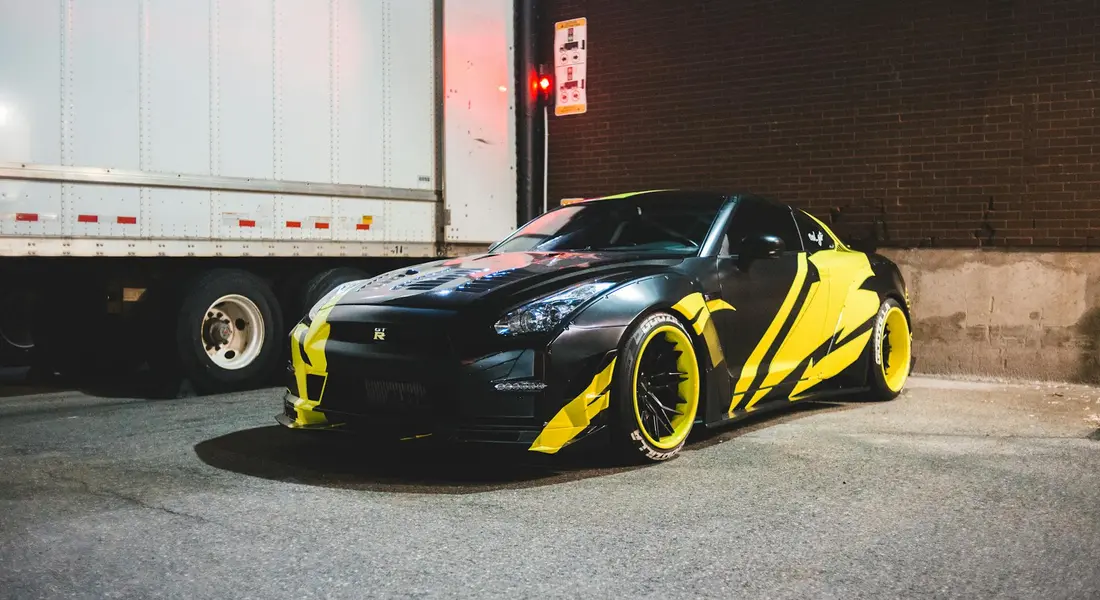
I hear this question all the time. The honest answer is, “it depends.” When folks search for “vinyl car wrap cost,” “vinyl car wrap Michigan price,” or “vinyl car wrap Burien,” they’re looking for a simple number. A shop in a major metro area with high overhead will charge more than a detailer in a rural town. The shop’s reputation, the installer’s skill, your vehicle’s size, and the material you pick are the real price drivers.
Here are some broad, realistic price ranges for a full-color change wrap from a professional shop. Think of these as a guideline, not a guarantee. Final costs vary with vehicle size, design, and material quality. This gives you a sense of the professional car wrap cost involved so you can compare quotes more effectively.
- Compact Sedan (like a Honda Civic): $2,500 – $4,500
- Full-Size Truck or SUV (like my Ford F-150): $3,500 – $6,500+
- Partial Wraps or Accents (roof, hood, mirrors): $800 – $2,000
You are not just paying for a sticker, you are paying for the skill to make it look like paint. Let’s break down what you’re actually buying. First, the material itself. A premium cast vinyl with a laminate costs significantly more than a basic calendered film. Next, vehicle complexity matters. A boxy old Jeep Wrangler is easier to wrap than a new Honda Odyssey with its complex curves and endless body lines. Finally, labor is everything. A master installer who can seamlessly wrap a bumper in one piece is worth every penny more than someone who will use multiple seams.
Be very cautious of a quote that seems too good to be true. It almost always is. That low price often means cheap material that will fade and crack, or rushed labor that will leave you with bubbles, wrinkles, and peeling edges.
When you get quotes, do your homework. Look at the shop’s portfolio of completed wraps. Ask what specific material they use and what its manufacturer warranty covers. Most importantly, ensure their quote includes a proper wash, decontamination, and paint correction if needed. A wrap applied over dirt or wax will fail.
Product Tier List: Vinyl Wrap Materials
Think of this as “what you’re paying for in the material.” The vinyl film itself comes in different grades, and your choice directly affects the look, durability, and price.
Budget / Short-Term (Calendered Vinyl)
This is a thicker, less flexible material. It works well for flat graphics, short-term advertising on company vans, or for a DIYer to practice with. I would not use it for a long-term full color change on a personal vehicle. It does not conform to complex curves well and is more prone to shrinking and lifting over time. The adhesive can also be aggressive, making removal difficult.
Enthusiast / Quality (Mid-Range Cast Vinyl)
This is the sweet spot for most people wanting a full color change. Cast vinyl is thinner and manufactured differently, allowing it to stretch and conform to complex body lines like fenders and bumpers. For a daily driver like most of our cars, a quality cast vinyl offers the perfect balance of durability, conformability, and cost. It typically comes with a 3 to 5 year warranty against fading and cracking when professionally installed. This is what I would recommend for a lasting, great-looking finish on your primary vehicle.
Show Car / Long-Term (Premium Cast Vinyl with Laminate)
This is the top tier. It starts with a premium cast color layer, then a clear, protective laminate is applied over it. This laminate gives incredible scratch resistance and UV protection. On my Porsche 911, a premium wrapped finish needs to withstand careful washing and garage-queen life for years. The color stability is exceptional, and warranties often extend to 5 years or more. You pay a premium for it, but for maximum paint protection and a show-ready finish that lasts, it’s the best tool for the job.
A Quick History: From Race Cars to Your Driveway
It started with stripes. In the 1960s and 70s, if you saw a car with racing stripes or a bold decal, it was likely a hand-cut piece of vinyl. This material was thick and stiff. Applying it over a curve was a fight. For us detailers, cleaning these early decals meant avoiding harsh solvents that could lift the edges or fade the color quickly. I think of my old Mazda Miata restoration project; its single-stage paint would have been the canvas for simple vinyl accents like that, requiring a gentle hand wash to preserve both.
The 1990s brought a big change with large-format digital printing. Suddenly, whole vans and trucks were covered in vibrant, full-color advertisements. This was for business fleets, not your daily driver. The printed graphics were fragile. Keeping these wraps clean taught detailers a critical lesson: pressure washers could blast the ink right off, and certain cleaners would cause the colors to run. You learned to use mild soap and a soft microfiber, a practice that still holds true for any printed graphic today.
The real revolution came in the 2000s. Material science gave us cast vinyl and protective laminates. Cast vinyl is manufactured differently; it’s thinner, stretches like memory foam, and conforms to complex body lines without tearing. A clear laminate layer was added on top to guard against UV rays and scratches. This durability shift is what made a full-color change wrap that lasts five to seven years a realistic option for any car owner. It moved wraps from a temporary graphic into the realm of legitimate paint protection and long-term customization, a service my shop started offering regularly.
Today, wrapping is a core detailing service. My Porsche 911’s PPF sits next to rolls of satin black and ceramic-coated vinyl in the shop. The latest wraps aren’t just about color; finishes like matte, chrome, and textured satin demand specific cleaning routines to avoid streaks and swirls. New ceramic-infused vinyls even repel water and dirt somewhat, making maintenance easier for a daily driver like my Tesla. The history is really a story of better materials making our jobs as detailers more versatile and giving your car more options.
Final Thoughts on Vinyl Car Wraps
Your wrap’s entire future depends on that first moment of contact with your car’s paint—a flawless installation on a surgically clean surface is non-negotiable. After that, your job is simple: maintain it with gentle, vinyl-specific products to shield the color and film from sun and grime. Proper care and cleaning are essential to keep it looking fresh.
Cut corners during application or clean with aggressive chemicals, and you will witness peeling edges, stained vinyl, and damage to the paint you meant to protect.
References & External Links
- Metro Restyling | Leading Online Supplier of Car Wrap
- Quality car wraps, vinyl wraps, paint protection films & window films – Teckwrap International
- Vvivid Premium Plus Wraps – CWS USA
Max is an automotive enthusiast having worked as a car mechanical and in interior detailing service for over 25 years. He is very experienced in giving your old car, a new fresh vibe. He has detailed many cars and removed very tough smells and stains from all kinds of cars and models, always ensuring that his work and advice helps his customers. He brings his first hand experience to his blog AutoDetailPedia, to help readers breath new life into their car interiors.