How Do You Remove Paint Stains from Car Seats, Carpets, and Interior Surfaces?
That fresh paint smear on your upholstery looks bad now, but acting fast is the difference between a quick clean and a permanent mess.
Based on cleaning everything from spilled craft paint in my Honda Odyssey to overspray in the shop, I will show you my method. We will cover identifying the paint type, the safest pre-treatment, removal steps for fabric and carpet, cleaning vinyl or leather, and a final protectant step.
Skip the proper steps, and that accidental splash hardens into a ruined, crusty patch.
Key Takeaways: Your Paint Stain Removal Cheat Sheet
This job is not a quick wipe. The difficulty ranges from moderate to high. It depends entirely on what kind of paint you are dealing with and how long it has been sitting.
Your success starts with one non-negotiable rule: you must identify the paint type and the surface material before you touch anything. Getting this wrong can turn a stain into a permanent disaster.
- Wet, Fresh Paint: Speed is everything. Your goal is to lift it away before it cures and bonds.
- Dried Latex/Acrylic Paint: These water-based paints are brittle. You can often chip, crack, and lift them away mechanically before using a solvent.
- Dried Oil-Based Paint: This is the tough one. It remains flexible and chemically bonded. It requires specific, strong solvents and immense patience.
- Delicate Surfaces: If the stain is on delicate leather, Alcantara, or a fabric with a permanent dye, consider professional help immediately. The cure can be worse than the disease.
Your Detailer’s Arsenal: Tools & Chemicals for the Job
You do not attack a paint stain with whatever is under the sink. You need a precise toolkit. Using the wrong fabric brush can fray the fibers. Using the wrong towel can smear the paint instead of lifting it.
A good medium-pile microfiber towel (300-500 GSM) is for gentle application and wiping, while a low-pile, short-nap towel (70-150 GSM) is for the final, dry buff to a streak-free finish. For quick drying, microfiber chamois synthetic drying towels are a popular choice. They absorb quickly and leave a streak-free finish.
Soft-bristle detail brushes are for working cleaner into fabric weave and for cleaning plastic crevices around seats. For chemicals, stick to neutral pH cleaners for general surfaces and light soil. You may need an alkaline degreaser for oil-based paint residues. Avoid acidic cleaners for paint stains; they are for mineral deposits like rust, not for this job.
If you are doing a full interior clean after tackling the stain, use a rinse bucket with a Grit Guard. You do not want to rub grit from your floor mat towel back onto a freshly cleaned seat.
Detailer’s Pro-Tip: On fabric, always use the ‘Blot-Dab-Lift’ technique. Fold a clean microfiber towel into a pad, dampen it with your chosen cleaner, and press straight down onto the stain. Lift straight up. Never, ever scrub in circles. Scrubing grinds the paint particles deeper into the fibers, locking the stain in forever. I learned this the hard way on a light grey seat in my Honda Odyssey. A little scrubbing turned a small blue speck into a permanent blue smudge on fabric upholstery.
Essential Non-Chemical Tools
- Plastic Scraper or Old Credit Card: Your first line of attack on dried latex paint. You use the blunt edge to gently lift and flake the paint off without scratching the underlying plastic, leather, or fabric.
- Vacuum with Upholstery Attachment: Critical for pre-cleaning. You need to remove all loose dirt and, more importantly, suck up every tiny paint flake you crack loose. If you skip this, you just push debris around.
- White, Cotton Shop Towels: These are for your safety test. Before any solvent touches a visible area, you dampen a white cotton towel with it and blot in a hidden spot (under the seat, behind a seam). You are checking for color transfer. If dye comes off on the white towel, that solvent is too strong for that material.
Chemical Solvents by Paint Type
Choose your weapon based on the paint you identified. Always test first.
- For Water-Based Paints (Latex, Acrylic): Start with a dedicated automotive interior cleaner. These are formulated to be safe. If that fails, move to isopropyl alcohol (70% or higher concentration). It evaporates quickly and can break the bond. Citrus-based cleaners (d-limonene) are also excellent at cutting through dried latex without being overly harsh.
- For Oil-Based Paints: This is serious business. You will need mineral spirits or a dedicated paint thinner. This work requires heavy ventilation-open all doors, use a fan, and wear gloves. The fumes are intense and the chemicals can dry your skin. These solvents work by re-dissolving the paint so you can blot it away.
- Universal Favorites: A quality all-purpose automotive interior cleaner is always step one. For stubborn dried latex that acts like glue, a gentle adhesive remover can work wonders. It softens the film so you can peel it up with your plastic scraper.
The Golden Hour: How to Handle Fresh, Wet Paint Spills
Your success is decided in the first few minutes. A wet spill is a liquid you can lift. A dried stain is a battle. Your immediate reaction dictates everything.
Your only goal right now is to remove as much wet paint as possible without letting it sink in or spread.
First, put on nitrile gloves. Open the car doors for fresh air. Paint fumes are no joke in a closed cabin. Grab a stack of clean, dry microfiber towels. Do not use paper towels. A quality microfiber towel will grab and hold the liquid paint. Paper towels just push it around and shred. If you’re aiming for a budget-friendly finish, you could use spray cans for car painting. With careful technique, they can deliver smooth, even coats.
Step 1: The Blot and Lift
Press the dry microfiber towel gently down onto the spill. Do not rub. Rubbing is your enemy. It grinds the paint into the fibers of your seat or the pores of your leather. Just press and lift. You will see the paint transfer to the towel.
Fold the towel to a clean section and repeat. Keep folding and using new towels until you are barely lifting any more wet paint. For a large spill of water based paint, like latex, you can slightly dampen a towel with cool water. A damp towel can sometimes lift more than a dry one. But only damp, not soaking wet.
Step 2: The Controlled Clean
Once the visible puddle is gone, you will see a stained, damp area. Now you can use a cleaner. But first, test it. Find a hidden spot, like under the seat or on a seam. Dab a little of your chosen cleaner there and blot. Wait a minute. Check if the color of your upholstery or leather bleeds onto your towel. If it does, that cleaner is too strong.
If the test is good, apply a small amount of cleaner to a fresh, clean microfiber. Dab and press at the stained area. Switch to a dry side of the towel to blot up the loosened residue. Work from the outside of the stain toward the center to contain it.
A specific warning for leather, like in my black BMW or the white Tesla: wet paint on leather is a special kind of threat. If you rub, you will force paint deep into the grain, making a permanent textured stain. Blot with extreme care. Your first touch must be perfect.
Surface-Specific Battles: Removing Dried Paint from Fabric, Leather, Vinyl & Plastic
The paint is dry. The panic is over. Now the real work starts. Each interior material needs a different plan. Using the wrong method on leather can strip its dye. Using a harsh tool on plastic will leave permanent scratches.
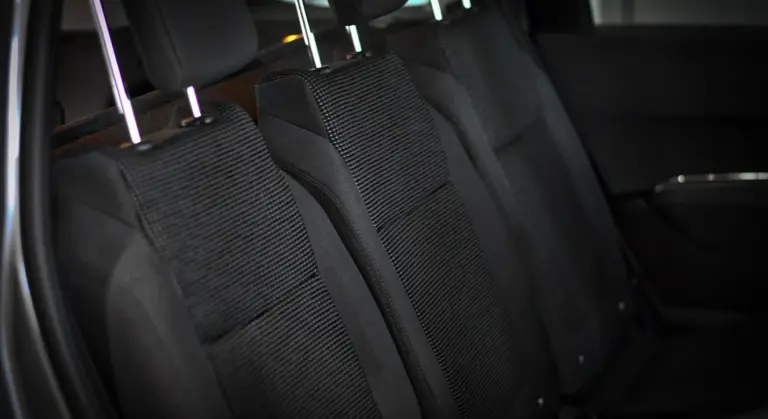
How to Get Dry Paint Off Car Seats (Cloth & Synthetic Fabrics)
This is what I deal with in the Honda Odyssey. Kids, crafts, and accidents happen. The process for how to get latex paint out of car upholstery is straightforward but requires patience.
- Assess and Pick. Use your fingernail or a plastic card to gently pick off any large, loose flakes of dried paint.
- Mechanical Removal. Take a stiff-bristled detailing brush (not a wire brush) and gently scrub the spot. This breaks up the paint’s bond with the fabric fibers.
- Chemical Application. Dampen a detail brush with your solvent. For common latex or acrylic paint, isopropyl alcohol (70% or higher) is very effective. For stubborn enamel, you may need a dedicated paint remover. Test in a hidden area first.
- Agitate and Wait. Scrub the solvent into the stain with the detail brush. Let it dwell for a minute to soften the paint.
- Extract. This is key. Use a carpet and upholstery extractor if you have one. It injects clean water and sucks out the dirt and dissolved paint. If you don’t have an extractor, press a damp, warm microfiber towel over the spot to absorb the residue. Repeat until the towel comes back clean.
- Dry. Use a dry microfiber to blot away moisture. Let the area air dry completely.
This method works for most fabrics, similar to how you would remove paint stains from jeans or a polyester jacket.
How to Clean Paint Off Leather Car Seats (Real and Vegan)
Leather demands respect. My BMW’s black leather and the Tesla’s vegan leather both have delicate coatings that solvents can destroy.
- Gentle Mechanical Removal. Hold a plastic razor blade or a firm credit card at a very shallow angle (almost flat) to the leather. Gently flick the edge of the dried paint spot to pop flakes off. Do not scrape the leather itself.
- Start Mild. Apply a leather-specific cleaner to a microfiber towel. Gently massage the remaining stain. For water based paints, a damp towel with a drop of dish soap might work. This is always the safest first step.
- Escalate with Caution. If the stain remains, you can try isopropyl alcohol. But you must test for colorfastness. Dab a tiny amount on a hidden part of the seat seam, wait 60 seconds, and blot. If no dye transfers, proceed. Dab the alcohol onto a towel, not directly on the seat, and dab at the stain.
- Condition. Any time you use even a mild cleaner on leather, you must follow up with a leather conditioner. This replenishes the oils you stripped away and prevents the leather from drying out and cracking.
People sometimes ask if you can paint vinyl car seats to cover a stain. I advise against spraying regular paint. It will crack and peel. If you must change color, use a product specifically designed as a vinyl dye or coating. For clean, well-maintained vinyl car seats, regular wiping and gentle conditioning matter. This routine helps prevent stains and keeps the surface looking newer for longer.
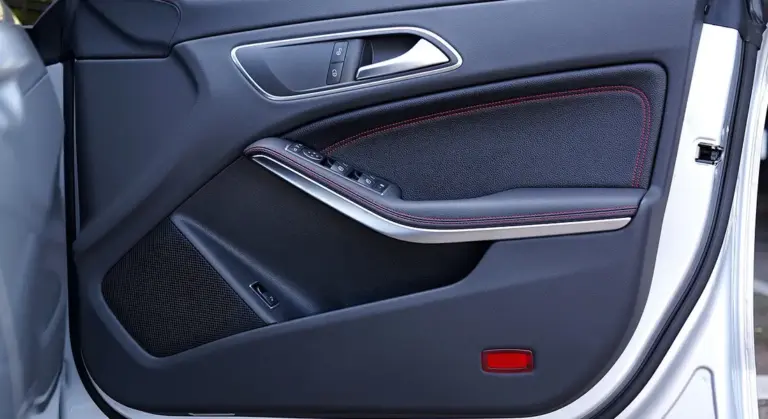
How to Clean Paint Off Car Interior Plastics, Vinyl, and Hard Surfaces
This is the easiest win. Dashboards, door panels, and hard plastic trim are forgiving.
- Scrape. Use a plastic razor blade. Hold it at a 45-degree angle and push under the edge of the dried paint blob. It should pop right off. An old gift card works too.
- Clean. Spray an all purpose cleaner onto a microfiber towel. Wipe the area to remove any leftover film or residue.
- For Stubborn Adhesive. If a sticky paint residue remains, a little adhesive remover on a towel will dissolve it. Wipe clean immediately afterward.
Never use abrasive scrub pads or steel wool on interior plastics. You will inflict thousands of tiny scratches that catch the light and look awful.
Technique Tweak: The Lighting Angle Check
After you think you’re done, get a flashlight. Turn off the overhead light. Shine the flashlight across the surface at a very low, raking angle.
This reveals everything. On dark plastics, you will see any leftover paint residue you missed. On leather, like in my 911, this light shows hazing from chemicals or fine scratches from scraping. It is the final, honest inspection. If you see something, go back and address it. If it looks clean in that harsh light, you have won.
The Homemade Mix-Up: What Works and What Risks Damage
When a paint spill happens, your first instinct might be to grab something from under the kitchen sink. I get it. I have been there. But your car’s interior is a complex mix of sensitive materials, from delicate fabric dyes to coated leather and soft-touch plastics. What works on a countertop can ruin a car seat.
Let us evaluate common household fixes honestly. Think of dedicated automotive cleaners as precision tools. Household items are more like a wrench you use as a hammer. It might work, but you risk breaking something.
Rubbing Alcohol (Isopropyl)
Solution: A high-percentage isopropyl alcohol (90% or higher) on a microfiber cloth.
Best For: Tackling fresh, wet latex or acrylic paint spills on hard, non-porous surfaces like plastic trim or glass. It can soften the paint for easy wiping. I have used it in a pinch on a hard plastic door panel with success.
The Risk: Alcohol is a powerful solvent. It will strip color from fabrics and carpets in a heartbeat. On leather and vinyl, it aggressively removes not just the stain but also the protective oils and top coatings, leaving the material dry, stiff, and prone to cracking. If you use it on a hard surface, you must follow up with a proper interior protectant to rehydrate the material.
Dish Soap and Water
Solution: A few drops of mild dish soap in a bucket of warm water.
Best For: The initial flood response to a large, wet, water-based paint spill. Its purpose is dilution and containment, not stain removal. Use it to flush away as much wet paint as possible before it dries.
The Risk: Dish soap is completely ineffective on dried paint or any oil-based enamel. Its biggest flaw is that it leaves a soapy residue. This residue attracts and holds dirt, turning the cleaned spot into a permanent, grimy shadow. You are just trading a paint stain for a dirt magnet, which is a step backward in detailing.
Baking Soda Paste or Vinegar
Solution: A paste of baking soda and water, or straight distilled white vinegar.
Best For: Honestly, not much for paint. Baking soda paste is a mild abrasive. On the chalky single-stage paint of my Miata’s fender, fine. On the textured plastic of a modern dashboard, you risk creating a scratched, dull spot. If you’re curious about baking soda safe car paint, there are cases where careful, tested use can be acceptable. The next steps cover how to approach it safely.
The Risk: Vinegar is acidic. Automotive leather has a protective pigment and topcoat finish. Vinegar can etch into that finish, creating a permanent dull or cloudy spot. On certain plastics, it can cause fading or discoloration. This is the key difference between car interiors and a stainless-steel sink, your interior materials are coated and far more sensitive to pH extremes.
Keeping Your Interior Paint-Free: Smart Habits for DIYers
The best way to remove a paint stain is to never let it happen. This is not about being perfect. It is about being smart with habits that become second nature. The smell of wet paint in a closed car is a warning sign you have already missed a step. You can attempt to remove paint spots and stains from your car’s interior, but prevention is always better.
My Honda Odyssey, the kid hauler, has seen its share of craft projects. I learned these habits the hard way, so you do not have to.
Create a Mobile Project Kit
Keep a dedicated tote in your trunk. It takes up little space and is a game-changer.
- A bundle of clean, old microfiber towels or shop rags.
- A roll of sealable plastic bags (gallon size) for wet brushes or rollers.
- A spray bottle of water or a quick-detailer for immediate spot cleaning.
- Disposable nitrile gloves.
Line your trunk floor with a moving blanket or a canvas drop cloth. This cheap layer absorbs spills and protects the carpet from gritty debris. When it gets dirty, you shake it out or toss it in the wash.
The Two-Bag System for Transport
Never just put a paint can or a wet project in your car. Assume it will leak.
- Seal the item itself in a sturdy plastic bag. Twist the top and secure it with a twist-tie.
- Place that bag inside a second container. A cardboard box, a plastic storage bin, or even a second bag works.
This double barrier contains any seepage. I use this for everything, from a quart of touch-up paint for the F-150 to a freshly painted birdhouse. The container also keeps items from rolling around and tipping over.
Immediate Post-Project Cleanliness
The transition from work zone to driver’s seat is the most dangerous moment. Wet paint is on your hands, your clothes, your tools.
Before you even think about your car door, do a personal inspection. If your clothes have wet paint, change them or lay a large, clean towel over the seat before you sit down. It feels fussy, but it works as well as any household cleaner for car seats.
Look at your hands. Check under your fingernails. Then, look at anything you will touch, the door handle, the steering wheel, the gear shift. A single fingerprint of wet paint on your BMW’s black leather steering wheel is all it takes to create a new, frustrating problem. A minute of checking saves an hour of detailed cleaning later.
Final Thoughts on Removing Paint from Your Car’s Interior
The single most important rule is to act fast and match your cleaner to the paint type. Water-based acrylics come out with soap and water if you catch them quickly, while oil-based enamels and primers demand a dedicated solvent. Think of it like the cleaner’s triangle: time, technique, and the correct chemical must all work together for a clean removal. This same approach shines when you’re trying to remove stains and contaminants from car paint. I’ve saved the grey cloth in my Honda Odyssey more than once by remembering this.
Ignore a fresh spill, and you’re not just cleaning a stain-you’re fighting a permanent, hardened mess that can ruin the fabric’s texture.
Related Guides and Information
- Common Car Paint Stains and How to Get Rid of Them
- How to get stain off car paint : r/Detailing
- Car Paint Stain Removal: Types, Methods, and Prevention – AutoManiacs
Max Gunther
Max is an automotive enthusiast having worked as a car mechanical and in interior detailing service for over 25 years. He is very experienced in giving your old car, a new fresh vibe. He has detailed many cars and removed very tough smells and stains from all kinds of cars and models, always ensuring that his work and advice helps his customers. He brings his first hand experience to his blog AutoDetailPedia, to help readers breath new life into their car interiors.