Is It Safe to Clean Your Car with Dish Soap or Disinfectant Wipes?
You see a spill on your seat and reach for a household cleaner. I have seen that quick decision lead to faded, sticky surfaces that never fully recover.
I will walk you through the harsh chemicals hiding in common cleaners, why dish soap is a secret enemy of fabrics and sealants, and the safe, effective products that detailers trust.
Use the wrong product just once, and you may create permanent stains or cracks that require expensive professional correction.
Key Takeaways: The 30-Second Answer
Using household products on your car interior is usually not safe as a habit, but sometimes okay in a pinch if you know the rules.
- Dish soap is a degreaser. It will strip away the protective coatings and conditioners from leather, vinyl, and plastics, leaving them dry and prone to cracking.
- Disinfectant wipes often contain alcohols and harsh chemicals that aggressively dry out surfaces. They can leave a sticky residue on your dashboard and steering wheel.
- Household all-purpose cleaners or glass cleaners with ammonia can leave cloudy residues, fade dyes, and make plastics brittle over time.
The correct automotive-specific product is almost always the better, safer choice for long-term value and preservation of your car’s interior.
The Straight Answer: Why Your Car Interior Isn’t a Kitchen Counter
Your kitchen counter is designed to be bombarded with lemon juice, vinegar, and bleach-based sprays. Your car’s interior is not. The materials in your cabin are engineered for durability against sunlight and wear, not chemical warfare.
Think about the vinyl on your dashboard. It contains plasticizers, soft chemicals that keep it supple. Harsh cleaners evaporate those plasticizers away. The surface turns hard, then it starts to crack. I’ve seen it on old steering wheels that someone “kept clean” with whatever was under the sink.
Modern car leather is almost always coated with a protective pigment layer. You are not cleaning the raw hide, you are cleaning this delicate painted topcoat. Using a strong alkaline cleaner, like some dish soaps, can degrade this coating, making it feel rough and look faded. My BMW’s seats taught me this the hard way early on. To keep the finish looking that good, stick to gentle cleaners and a regular care routine to clean and maintain leather car seats. This simple habit pays off in a smoother texture and richer color over time.
pH balance is the secret language of detailing. Neutral pH (around 7) is generally safe for everything. Your household all-purpose cleaner is likely very alkaline (pH 9-12) to cut grease on stovetops. Your interior vinyl and plastic cleaners are formulated to be pH-neutral or slightly acidic to clean without damaging. Using the wrong pH repeatedly is a slow death sentence for your surfaces.
Finally, your goal is different. In your house, you often want to disinfect. In your car, you want to clean and preserve. Killing every germ is less critical than maintaining the material’s flexibility, color, and texture for the next five years. For my Odyssey, the “kid hauler,” I use an automotive interior cleaner that lifts the spilled apple juice and cracker crumbs without threatening the fabric dye or the plastic’s soft touch. After, I protect it. That’s the real game.
Breaking Down the Big Three: A Product Autopsy
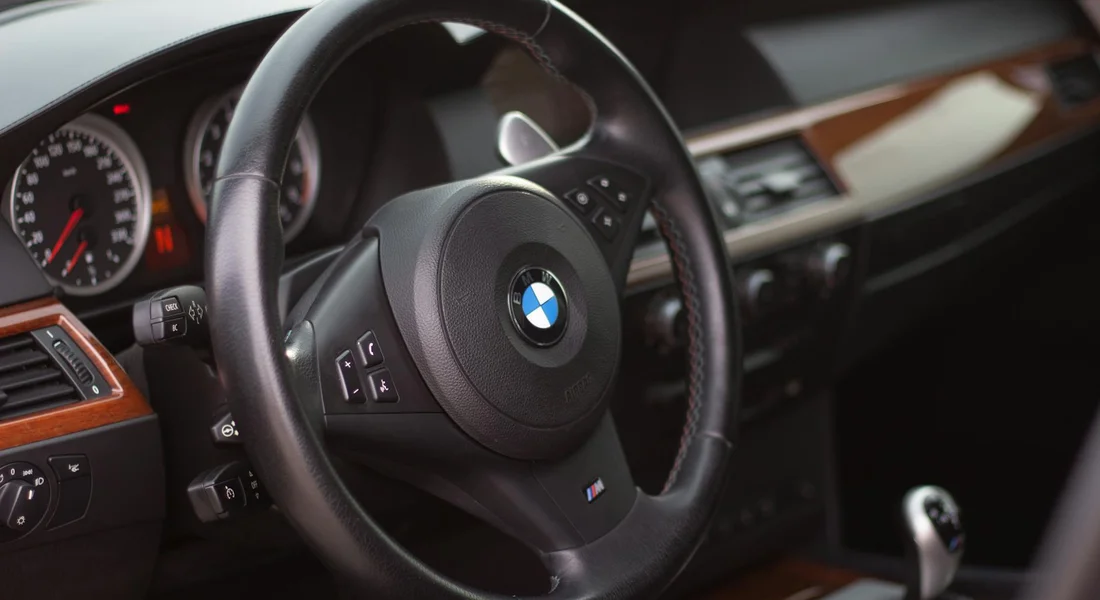
Grabbing what’s under the kitchen sink is tempting. I get it. But your car’s interior is a hostile environment. Sun bakes it. Cold cracks it. We spill things on it. Using the wrong cleaner is like throwing gasoline on a fire. You might see short-term cleaning, but you guarantee long-term damage. Let’s autopsy these common products.
Household All-Purpose Cleaners (Sprays, Wipes)
These are the big offenders. They are formulated for countertops and bathrooms, not for the sensitive plastics, dyes, and vinyl in your car. Many contain bleach, ammonia, or aggressive solvents. These chemicals do not play nice with car paint.
They can fade fabric colors in a single wipe. They make vinyl and plastics brittle over time, leading to cracks. They leave a stubborn, streaky residue that attracts more dust. Using a generic kitchen spray on my Odyssey’s dashboard left a streaky, dull film that took a dedicated interior cleaner to remove.
Remember this. A label that says “safe for granite” means nothing for your car’s interior. It is a completely different material science.
This strict warning includes questions like are clorox wipes safe for car paint or can i clean my car interior with clorox wipes. The answer is a firm no for painted interior trim and a very risky maybe for hard plastics, but why chance it?
Dish Soap (Dawn, etc.)
This is the most misunderstood product. Dawn cuts through bacon grease on a plate. That is its job. In your car, that powerful degreasing action is a wrecking ball.
Dish soap will completely strip any protective coating from your interior surfaces. That includes fabric stain guards, leather conditioners, and UV protectants on your dashboard. It leaves cloth seats thirsty and vulnerable to future stains. It dries out leather, speeding up the cracking process.
I only consider it a one-time, last-resort option for severe grease stains on plain cloth seats. If you go this route, you must follow it with a thorough rinse using a damp microfiber and then extract as much moisture as possible. It is a nuclear option, not a maintenance plan.
Disinfectant Wipes (Clorox, Lysol)
The pandemic made these wipes a go-to for many. For your car, they are a desert in a packet. They are loaded with alcohols and volatile compounds that evaporate fast. That evaporation pulls moisture with it.
On leather, this causes rapid drying and cracking. On your touchscreen, the alcohol can degrade the delicate oleophobic coating that resists fingerprints. On painted trim, it can dull the clear coat. Using them on my Tesla’s vegan leather steering wheel would be a fast track to a worn-out, sticky feeling.
If you need to disinfect, use a spray formulated for automotive interiors. Spray it directly onto a clean microfiber towel first, then wipe the surface. This controls the amount of chemical and prevents liquid from pooling in seams.
This logic applies to small items too. For can clean car keys with clorox wipes, a gentle wipe is probably fine for the fob plastic, but avoid the metal key blade to prevent corrosion. Similarly, you can clean and disinfect car keys and key fobs. Focus on plastic surfaces and buttons, and avoid soaking the fob.
Material-by-Material Safe Cleaning Guide
Now for the good part. Cleaning your interior correctly is simple and satisfying. It preserves your car’s value and your enjoyment. Here is how to handle each surface with care. For deeper results, professional car interior cleaning methods can complement your DIY routine. We’ll cover how pros approach each surface in the next steps.
How to Clean & Protect Leather & “Vegan Leather” (Tesla Model 3)
Modern car leather is almost always coated with a protective color layer. Old-school products like saddle soap are too harsh and will damage this coating. You need a pH-balanced leather cleaner.
It is always a two-step process: clean, then condition.
- Spray cleaner on a soft, non-abrasive microfiber. Gently wipe the surface, lifting dirt from the grain. For my Tesla’s white seats, I focus on the driver’s seat bolster and steering wheel.
- Wipe with a second, damp microfiber to remove any cleaner residue.
- Apply a dedicated leather conditioner to a fresh towel. Use a small amount and work it in. This replenishes oils and adds suppleness.
Never let liquid pool in seams or perforations. It can break down the adhesive underneath, leading to bubbles or separation. Work in sections and dry thoroughly.
How to Clean & Protect Cloth & Suede Upholstery (Honda Odyssey)
My Odyssey’s cloth seats have seen everything. The key is mechanical action and proper drying. A soft-bristled interior brush is your best friend.
- Vacuum thoroughly. Get deep into the crevices.
- Spray a dedicated fabric or upholstery cleaner onto the stain or area. Do not soak it.
- Agitate the area with the interior brush. This works the cleaner down into the fibers.
- Blot with a clean, dry microfiber to lift the dirt and moisture. For set-in stains, you may need to repeat.
If you have a carpet extractor or a wet/dry vac, use it to pull out as much moisture as possible. Soaking a seat cushion can lead to mildew in the foam below, creating a musty smell that is very hard to remove from cloth car seats and carpets. Always allow for full air drying.
How to Clean & Protect Vinyl, Hard Plastics, and Rubber
This is your dashboard, door panels, and console. A mild, diluted all-purpose cleaner (one made for cars) or a specific interior detailer spray works perfectly.
Spray the product onto your microfiber towel, not directly onto the surface. This prevents overspray and pooling in vents. Wipe the surface clean.
Here is the critical second step. After cleaning, apply a UV protectant. The sun is what turns dashboards gray and makes them crack. A matte or satin-finish UV protectant will shield your plastics without creating a dangerous, shiny glare on your windshield. Avoid greasy, shiny dressings. They look cheap and attract dust.
How to Clean Touch Screens, Piano Black Trim, and Glass
These surfaces demand a gentle touch. For glass and most modern screens, a mix of 70% isopropyl alcohol and 30% distilled water is safe. For dedicated screen cleaners, check the label for compatibility.
The rule is absolute. Spray any cleaner onto your microfiber towel first, never directly onto the screen or trim. Use a light touch and wipe gently.
Piano black trim, like the stuff around my BMW’s shifter, is a swirl magnet. Treat it like eye glasses. Use a perfectly clean, soft microfiber and the same gentle spray-on-towel technique. Any grit on your towel will scratch it instantly. A quick, proper clean keeps it looking like new.
Common Mistakes & Best Practices for a Healthy Interior
Even with the right products, technique makes all the difference. I have seen good intentions cause real harm. Avoiding these common errors will keep your car’s cabin looking and feeling new for years.
Mistakes That Cause Lasting Damage
These are the errors I see every week. They are easy to make but easier to avoid.
- Using paper towels or rough rags on any interior surface. This is the fastest way to scratch. Paper towels are made of wood pulp. They act like fine sandpaper on your soft plastic dash, glossy touchscreen, or clear gauge cluster lens. My black BMW’s piano black trim is proof. It shows every single micro-scratch from improper wiping. A plush microfiber towel is the only cloth that should touch your interior.
- Overspraying product, leading to drips and residue. You never spray cleaner directly onto a surface. Always spray it onto your microfiber towel first. Overspray gets into the tiny gaps around your air vents, radio buttons, and window switches. It dries into a sticky film that attracts more dust and can eventually gum up the mechanisms.
- Using armor-all type dressings on pedals or steering wheels. This is a safety issue, not just a cosmetic one. A glossy, slick steering wheel is hard to grip. A greasy brake or clutch pedal can cause your foot to slip. Keep dressings away from any surface your hands or feet touch for control.
- Ignoring the manufacturer’s label for your car’s specific materials. Your owner’s manual has a section on interior care. It tells you if you have leather, a specific synthetic like Tesla’s “Vegan Leather,” or a premium alcantara. Treating all materials the same is a recipe for discoloration, cracking, or a strange, sticky feel. What works on the hard plastic in your Honda Odyssey will ruin the alcantara steering wheel in a Porsche.
The Professional’s Step-by-Step Process
Here is how I clean every car, from the daily driver to the garage queen. This order prevents you from re-cleaning areas you just finished.
- Vacuum thoroughly first. Do this before you use any liquids. Get the floors, seats, crevices, and the trunk. Removing loose dirt and sand first means you won’t grind it into surfaces later when you wipe them down.
- Work from the top down. Start with the headliner, then the visors, then windows, dash, door panels, seats, and finally, the carpets. Gravity pulls dust and drips downward. Cleaning in this order catches the fallout.
- Use multiple, color-coded microfiber towels. I use a blue towel for all-purpose cleaning, a green one for applying protectants, and a yellow one only for glass. This cross-contamination prevents you from accidentally putting a sticky dressing on your windshield.
- Always perform a spot test in an inconspicuous area first. Pick a spot no one sees, like under the seat or on the backside of a seat bolster. Apply your cleaner, let it sit for a minute, and wipe it off. Check for any color transfer, bleaching, or texture change. This two-minute step can save you a very expensive mistake.
- Ensure proper ventilation when cleaning. Open all the doors. Work in a shaded, open space if you can. Fumes from strong cleaners, even diluted ones, are not something you want to breathe in a closed cabin for an hour.
When to Call a Professional Detailer
There is a limit to what safe DIY methods can handle. I know when to put my bottles down and get help. A professional detailer has tools and solutions for problems that household products cannot fix.
Call a pro for persistent odors, deep-set stains, mold, or overall neglect. If you have tried everything on a coffee or milk stain in your Odyssey and the smell remains, the liquid has soaked through the fabric into the foam padding underneath. A pro uses a hot water extractor. It injects cleaning solution deep down and then sucks it all back out, pulling the stain and odor source with it.
For a smoky smell or mysterious funky odor, an ozone generator is the tool. It creates a gas that breaks down odor molecules at the source. This is not a device you can buy at a hardware store, and improper use is dangerous, especially when used for removing car odors.
If you are searching for ‘car interior cleaners near me’ because of a major spill, here is what a pro in Woodlands or Hilliard, OH, would typically assess. They look at the material type, how long the stain has set, and if it has reached the cushion. They then choose between advanced chemical cleaners, steam for sanitization, or extraction.
The price for a professional interior detail depends on a few things. The size of your vehicle (a crew cab truck takes longer than a sedan), the current condition (a lightly dusty car versus one with ground-in mud), and the level of service (basic clean versus full stain extraction and leather conditioning). It is an investment, but for severe cases, it is the only path to a truly clean, healthy interior. Understanding professional car interior cleaning cost can help you budget for the right level of service. A breakdown of typical price ranges and what affects them follows.
Product Tier List: What to Use Instead
Forget the kitchen sink. Here is a real product guide, broken down by how you use your car and what you want from it. Every product listed is formulated for automotive materials. They clean without damage and many will actively protect what you have.
Budget/Drive-Through Tier (Good for Maintenance)
This tier is for the weekly wipe-down. You grab it from the auto parts store shelf. It keeps the kid-hauler from becoming a biohazard between bigger cleanings. The goal here is safe, quick, and convenient.
These products are perfect for maintaining a clean interior after you have done the deep work with something stronger.
- Meguiar’s Quik Interior Detailer: My go-to for dust and light fingerprints on dashboards and screens. It has a light, pleasant scent and leaves no greasy residue. I use it on my Honda Odyssey’s plastic trim every Friday.
- Chemical Guys Total Interior Cleaner & Protectant: A popular all-in-one spray. It cleans light soils from vinyl, plastic, and leather. It leaves a matte finish, which I prefer over a shiny look.
- Armor All Cleaning Wipes: The classic. They are better than disinfectant wipes because they are meant for car plastics. They work fine for a fast cleanup but do not expect them to tackle a two-week-old milk spill.
Remember, these are maintenance products. They will not deeply clean ground-in dirt or restore faded plastic. But they will not harm your surfaces either, which is the whole point.
Enthusiast/Prosumer Tier (Best All-Around Value)
This is where most car owners should live. You buy a few dedicated bottles that last a year or more. The cleaning power is noticeably better, and they add a layer of protection that keeps your interior nicer, longer. Think of it as a focused three-product kit.
- For Leather & Vinyl: Lexol Leather Cleaner and Lexol Leather Conditioner. This is a timeless combo. The pH-balanced cleaner lifts dirt from the pores of real leather. The conditioner replenishes oils to prevent drying and cracking. I use this on my BMW’s leather seats. For synthetic “Vegan Leather” like in my Tesla, I use the cleaner but skip the heavy conditioner.
- For Fabric & Carpet: Folex Instant Carpet Spot Remover. It is not marketed just for cars, but every detailer knows it. Spray it on a stain, agitate with a brush, blot with a towel. It works on coffee, soda, and mysterious kid stains without a harsh chemical smell.
- For Plastic & Vinyl Protection: 303 Aerospace Protectant. This is the secret. After cleaning your dash and trim, apply this. It provides UV protection to prevent fading and cracking. It gives a rich, satin finish, not a cheap glossy look. A yearly application of 303 on your dashboard is the best defense against sun damage.
With these three, you can handle 95% of interior cleaning safely and effectively. The value comes from their performance and the preservation they offer.
Show Car/Detailer Tier (Maximum Results & Protection)
This is for the perfectionist, the professional, or the owner of special materials. These are concentrated, task-specific formulas. They cost more but you dilute them, so they last forever. This is about the best possible clean and the highest level of preservation.
Professional products are designed to remove the toughest soils while being exceptionally gentle on the underlying material.
- For Specific Surfaces: Koch-Chemie Pol Star is a brilliant all-purpose interior cleaner at a 1:10 dilution. Sonax Upholstery & Alcantara Cleaner is a foam specifically for delicate suede-like materials. I use it on the Alcantara steering wheel in my Porsche.
- For Leather: Leather Master Strong Cleaner for heavily soiled areas, followed by Leather Master Protection Cream. This system cleans, nourishes, and leaves a protective, non-greasy layer.
- For Aged Vinyl & Rubber: Nextzett Plastic Deep Cleaner (Gummi Pflege Stift) for reviving dried-out door seals and trim on classics like my Miata. For hardened, discolored vinyl, a dedicated vinyl restorer like Solution Finish can work miracles.
- For Ultimate Protection: CarPro Inside coating. This is a semi-permanent ceramic coating for interior surfaces. After a perfect clean, you apply it. It creates an invisible layer that repels dust and makes future cleaning as simple as a damp wipe.
The jump to this tier is about specialization and longevity. You are not just cleaning, you are restoring and fortifying every surface for the long term.
Final Thoughts on Interior Cleaner Safety
Stick with cleaners made for cars every single time you detail your interior. This one habit preserves your investment and keeps the cabin safe for everyone inside. Overdoing cleaners can damage interior materials and leave sticky residues. Use car-specific products in moderation to avoid harm.
Grab a household bottle instead, and you will likely see faded upholstery, cracked dashboards, or a stubborn residue that ruins the finish.
Citations and Authoritative Sources
- Car Wash Safety: Regulations & Best Practices – monitorQA
- How to Wash Your Car via @ConsumerReports
- How to Keep Your Car Really Clean via @ConsumerReports
- How to Naturally Clean Your Car: Safe & Eco-Friendly Products | Branch Basics
- Car Washing Safety: Best Practices for a Safe and Effective Clean – AutoManiacs
- How to Clean Your Car’s Interior via @ConsumerReports
- A Guide to Car Wash Safety ©2014 State Compensation Insurance Fund 1 of 4
Max Gunther
Max is an automotive enthusiast having worked as a car mechanical and in interior detailing service for over 25 years. He is very experienced in giving your old car, a new fresh vibe. He has detailed many cars and removed very tough smells and stains from all kinds of cars and models, always ensuring that his work and advice helps his customers. He brings his first hand experience to his blog AutoDetailPedia, to help readers breath new life into their car interiors.