How Do You Get Sour Milk Smell Out of Your Car Interior and Carpet?
That sour milk smell in your car is more than unpleasant; it means spilled milk is rotting in your carpets or seats right now.
Based on my years cleaning everything from spilled juice in my Honda Odyssey to worse, I will show you how to locate the spill, use enzyme cleaners correctly, extract all moisture, and stop the odor from returning.
Miss a step, and the sour stench will settle into your car’s fibers for good.
Key Takeaways: Your Quick Action Plan
This is a salvage operation. Your goal is to stop an active biological process.
- Your core method is a sequence: find the source, clean the area, neutralize the odor, and dry it completely. Skipping a step guarantees failure.
- Time is your enemy. A smell left for days means the bacteria have colonized deep within the foam backing of your carpet or seat cushion. Surface cleaning alone will not work.
- The difficulty is moderate. It requires patience, the right tools (a good extractor or wet/dry vac is key), and a willingness to do the job twice if needed.
- The sour milk smell will not go away by itself. Bacterial action consumes the spill and releases gases, making the odor stronger and more entrenched with every warm day.
Why a Sour Milk Smell Won’t Just “Go Away”
Think of spilled milk not as a stain, but as a science experiment. The sour smell is the exhaust from millions of tiny bacteria having a feast.
These bacteria break down the proteins and sugars in milk. This process, called putrefaction, creates that sharp, sour, and sometimes cheesy odor. So, does sour milk smell go away by itself in a car? Absolutely not. It only gets worse as the bacteria multiply.
Your car’s interior is the perfect bacterial incubator. Sunlight heats the seats and carpet to well over 100°F. This heat accelerates the bacterial growth and drives the liquefied mess deeper into the fabric fibers, through the carpet backing, and into the foam pad underneath. Once it’s in the foam, you have a serious problem.
I learned this the hard way with my grey Honda Odyssey, the “Kid Hauler.” A sippy cup leaked under a car seat. We missed it for three days during a summer heatwave. By the time we found it, the smell had set up permanent residence. The visible stain was small, but the odor field was massive. That was my first lesson in full carpet extraction.
If ignored, the moisture leads to mold and mildew growth. This can cause permanent staining and damage to your car’s interior insulation and even floor pan metal over many years. You must act.
Gear You Will Need to Win This Fight
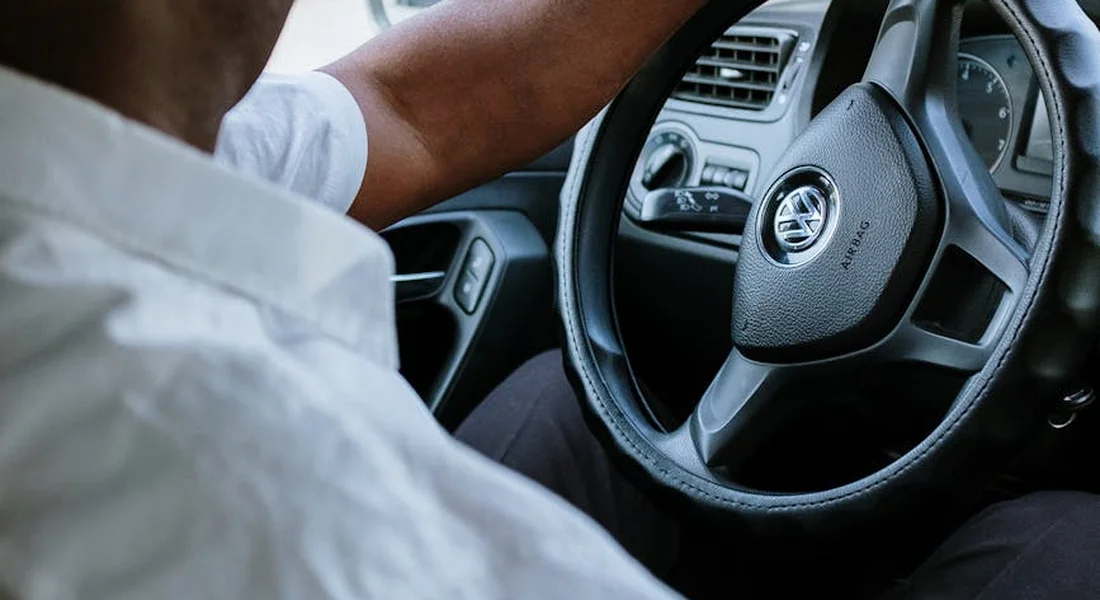
Gather your tools before you start. Running to the store mid-job lets the problem get worse.
- An Enzyme-Based Cleaner: This is your number one weapon. Enzymes are biological catalysts that break down the protein and fat molecules causing the smell. Brands like Chemical Guys or P&S are my go-to. Avoid simple all-purpose cleaners here.
- A High-Powered Wet/Dry Vacuum or Carpet Extractor: Your household vacuum isn’t enough. You need strong suction to pull moisture from deep in the carpet pile. A compact extractor is a great investment for parents.
- Microfiber Towels: Lots of them. Use a plush towel for scrubbing and a waffle-weave or short-loop towel for drying.
- A Soft-Bristled Brush (like a detailing or upholstery brush): For agitating the cleaner into the fibers without damaging them.
- Vinegar Solution (optional): A 1:1 mix of white distilled vinegar and water in a spray bottle. It’s a good acidic neutralizer for after the enzyme treatment.
- A Fan or Air Mover: Critical for the final dry. Stagnant, humid air is your enemy.
The Step-by-Step Removal Process
Step 1: Find and Expose the Source
You have to locate the exact epicenter. Follow your nose, then get visual.
- Remove all floor mats, car seats, and any debris from the area.
- Feel the carpet with your hand. The affected spot will often feel slightly damp, stiff, or crusty, even if it looks dry.
- If the spill is under a seat, you likely need to unbolt and remove the seat. This gives you proper access to clean. Disconnect the battery first if your seat has airbags or electronic controls.
Step 2: Initial Clean and Extraction
Do not just spray and wipe. You must extract.
- Blot up any remaining liquid with dry microfiber towels. Press down hard, do not rub.
- Liberally apply your enzyme cleaner to the stain, extending an inch beyond the visible area. Let it soak for 10 minutes as the label directs. This lets the enzymes start working.
- Gently agitate the area with your soft brush. This works the cleaner down to the base of the fibers.
- Using your wet/dry vacuum or extractor, pull out as much of the cleaner and dissolved residue as possible. Go over the spot multiple times, moving the vacuum head slowly.
Step 3: Neutralize the Odor
Cleaning removes the food source. Now you must neutralize the acidic odor compounds left behind.
After the enzyme treatment, spray the area lightly with your vinegar solution. The acetic acid in vinegar neutralizes the alkaline compounds from the bacterial waste. Let it sit for 5 minutes, then extract it thoroughly with your vacuum. The vinegar smell will dissipate completely as it dries.
Step 4: The Crucial Final Dry
This is where most people fail. Any leftover moisture will restart the odor cycle.
- After extracting, press a clean, dry microfiber towel firmly into the carpet. If it comes back damp, extract again.
- Set up a powerful fan or air mover to blow directly on the cleaned area. In my Odyssey, I’ll point two fans at the footwell, one from the front seat and one from a rear door.
- Leave the fans running for at least 4-6 hours, or overnight if possible. If the weather is dry, crack the windows to promote airflow.
- Do not reassemble the interior until you are certain the carpet and, more importantly, the foam underneath are bone-dry to the touch.
What to Do If the Smell Persists
Sometimes, the bacteria win the first battle. If you’ve cleaned and the smell returns on the next hot day, the infection is in the deep foam.
Your only option is a deeper treatment. You must pull the carpet up. It’s less intimidating than it sounds. Once the seats are out, the carpet is often just held by trim clips and sill plates.
Lift the carpet and peel back the padding. Treat the foam backing and the floor pan metal with your enzyme cleaner. Extract everything. Let it all air dry completely before reinstalling. For a persistent, deep-seated odor, this direct access is the only permanent solution.
Safety and Material Care Reminders
Always think about your health and your car’s materials.
- Wear nitrile gloves. You are handling bacterial waste and cleaning chemicals.
- Work in a well-ventilated area. Open all the car doors while you work.
- Test any cleaner, especially enzyme or vinegar solutions, on a small, hidden section of your carpet or upholstery first. Some fabrics or dyes can be sensitive.
- Never use excessive heat like a space heater to dry the carpet. This can shrink fabrics, damage adhesives, and actually bake in any residual odor.
Your Sour Milk Strike Kit: Tools & Chemicals

You need the right gear. This isn’t a job for a household spray and a paper towel. A sour milk smell means a biological problem, and you need a biological solution. Here is what I gather from my own garage before tackling a job like this.
- Microfiber Towels (300-500 GSM): You want thick, plush towels. The higher GSM (grams per square meter) means better absorption. Use these for blotting, not scrubbing. I keep a stack of these in my grey Honda Odyssey, the official “kid hauler,” for quick response duty.
- Stiff Bristle Brush (for carpet): A brush with firm, but not metal, bristles. This is for agitating the carpet fibers to loosen dried milk solids and work your cleaner down to the backing.
- Wet/Dry Vacuum (Extractor): This is non-negotiable. A shop-vac with a clean water tank and extraction hose is the best tool you can own. It pulls the soured mess and cleaning solution out from deep within the seat foam and carpet.
- Enzymatic Cleaner (pH-neutral for fabrics): This is your primary weapon. Look for a cleaner designed for pet odors or biological stains. The enzymes are living bacteria that consume organic matter. They break down the milk proteins causing the smell at the source.
- Distilled White Vinegar: A natural deodorizer and mild acid. It helps neutralize the alkaline odor left behind after the initial clean. Always dilute it with water.
- Baking Soda: The classic odor absorber. After the area is completely dry, a sprinkle of baking soda left overnight can pull out lingering smells.
- Safety Gear – Nitrile Gloves & Eye Protection: Protect your skin and eyes. Even natural cleaners can irritate. I never touch a job without my blue nitrile gloves.
For truly stubborn, deep-seated cases, two optional tools can save the day.
- Compact Steam Cleaner: The heat and vapor can help sanitize and lift residues from hard surfaces like plastic and leather before you treat the fabric. It’s a great first step.
- Ozone Generator: This is the nuclear option for airspace odor. An ozone generator is a powerful tool that requires you to vacate the vehicle and use it with extreme caution, but it can shatter odor molecules that cleaning alone cannot reach. I used one in the Odyssey after a milk carton leaked under a seat for a week.
Choosing Your Weapon: Cleaner Types Explained
Not all cleaners work the same way. Using the wrong one can set you back, or worse, damage your upholstery.
A general purpose cleaner is designed for dirt and grime, not for digesting biological waste. It might lift some of the stain and mask the smell with fragrance for a day or two. But the core protein of the milk remains buried in your seat cushion. When the cabin gets warm again, that smell comes roaring back. It’s a temporary fix.
An enzymatic cleaner works differently. Think of it as sending in a microscopic cleanup crew. The enzymes are specifically formulated to target organic matter like proteins, fats, and sugars. They actively break the milk down into harmless, odorless elements. This process takes time, often requiring the area to stay damp for 10-15 minutes, but it addresses the root cause.
You must avoid harsh alkaline cleaners or strong degreasers on your car’s interior fabrics and plastics. These can strip dyes, degrade leather and vinyl, and leave a corrosive residue that attracts more dirt. They can also set a protein-based stain, making it permanent. For a sour milk smell, an enzymatic cleaner isn’t just the best choice, it’s the only professional choice for a permanent result.
The Protocol: The Step-by-Step Order of Operations
You cannot skip steps here. The sour milk smell is a combination of fat, protein, and bacteria. If you try to just spray perfume over it, you will fail. If you clean but do not dry, you will create a worse problem.
Follow this order like it is a recipe: first, remove all you can see. Second, clean what you cannot see. Third, neutralize the odor at its source. Fourth, dry everything completely.
Phase 1: Immediate Containment and Removal
Time is your enemy. Whether the spill is five minutes old or five days old, start here. My Honda Odyssey, the “Kid Hauler,” has taught me this drill well.
If the milk is still wet, grab every clean, absorbent towel you have. Press down firmly. Do not rub or wipe. Rubbing pushes the milk deeper into the carpet fibers and foam backing underneath. Just press, lift, and repeat until the towels come up mostly dry.
Your goal is to pull liquid out, not spread it around.
Next, use a wet/dry vacuum. This is non-negotiable. A small shop vac works perfectly. Pass the nozzle slowly over the area, letting it suck the moisture from deep within the carpet pile. Go over it several times, from different directions.
If the spill dried into a crust, you need to remove that physical material. Use a stiff plastic trim tool or even an old credit card. Gently scrape the crusted milk up. Vacuum the debris immediately. Be careful not to dig into or snag the carpet fibers.
Phase 2: The Main Cleaning Assault
This is how you get rotten milk smell out of a car for good. You are now targeting the residue you cannot see, which is what bacteria feed on to create the smell.
Step 1: Pre-treat with an enzymatic cleaner. This is your most important weapon. Enzymatic cleaners use natural bacteria to literally eat the milk proteins and fats. Spray it generously over the entire affected area, slightly beyond the visible stain. Let it soak in for 10-15 minutes. Then, take a soft-bristled brush (a detailing brush or a clean soft toothbrush) and gently agitate the area. This works the enzymes deep into the carpet.
Step 2: Extract thoroughly. Use your wet/dry vacuum again. Pull out the cleaner and the dissolved mess. Use clean water in a spray bottle to lightly rinse the spot, then extract again. You want to remove the cleaning agent along with the soil.
Step 3: Apply a neutralizing paste or solution. For odors, I often use a simple baking soda paste. Mix baking soda with a little water until it’s like thick toothpaste. Spread a thin layer over the area. For a liquid option, use a diluted white vinegar solution (one part vinegar to three parts water). Always test vinegar or any solution on a hidden spot of your carpet first, like under the seat, to check for color fading. I learned this the hard way on an old floor mat. These methods also help remove stubborn odors from car seats. In the next steps, I’ll share a targeted treatment for lingering upholstery smells.
Step 4: Let it dwell, then extract a final time. Let the baking soda paste or vinegar solution sit for at least an hour. For severe smells, you can let baking soda sit overnight. Then, vacuum up all the dried baking soda or extract the vinegar solution with your wet/dry vac. This method is especially effective when used in conjunction with baking soda to remove car smells.
Phase 3: The Critical Dry-Down
This step is where most do-it-yourself attempts fall apart. If you leave the carpet damp, you are inviting mildew. Mildew has a musty, earthy smell that will mix with any remaining sour odor, making a terrible cocktail.
You must get the interior bone-dry. Air circulation is key.
Roll the windows down a few inches if the weather permits. Point a powerful fan directly at the cleaned area. If you have air conditioning, turn it on and set it to recirculate. The AC acts as a dehumidifier, pulling moisture from the air inside the car.
For a professional touch, use a portable dehumidifier inside the vehicle. Check the area by pressing your hand deep into the carpet. It should feel cool, but not damp. No moisture should transfer to your palm.
Do not reassemble the interior or put floor mats back until you are certain everything is dry, even underneath. This can take several hours, sometimes a full day. It is the most boring but most important part of the job. Patience here saves you from starting all over again next week.
Targeted Tactics for Carpet and Cloth Seats
You’re not just fighting a smell. You’re fighting a biological event. Milk is fat, sugar, and protein. Once it sours and soaks in, it becomes food for odor-causing bacteria living deep in the fibers and foam. Spraying an air freshener is like putting a bandage on a broken leg. You have to evict the source.
How to Get Milk Smell Out of Car Carpet
The smell in your carpet isn’t in the surface fibers. It’s in the backing, the pad underneath, and the sheet metal floor it’s glued to. Surface cleaning will fail every time. You need a method that flushes out the contamination from the bottom up.
The most effective way to kill a sour milk smell in car carpet is to use an enzyme cleaner, followed by a hot water extraction to physically remove the broken-down residue.
Start by liberally applying a dedicated enzyme cleaner, like P&S Terminator or Biokleen Bac-Out, directly to the stain area. Do not dilute it. These cleaners use bacteria to literally eat the organic waste. Let it soak for at least 15 minutes-the bottle will say 5, but for sour milk, give it time. You’ll see it bubbling as it works.
Now, you need to extract. If you have a carpet extractor or a wet/dry vac with an extraction wand, use hot water in the clean tank. Pass over the area slowly, pulling the now-liquefied gunk and the enzyme solution out. If you don’t have a machine, a standard wet/dry vac with a clean water rinse and furious suction is your next best bet. The goal is to leave the carpet damp, not soaked.
Follow this with a blast of cool air. Use a fan, a heater on cool, or crack the windows on a dry day. Damp carpet breeds mold, and that’s a whole new smell problem.
The “Lift and Clean” Method for Floor Mats
Floor mats are your first line of defense and often the easiest to fix. If the spill was recent, you got lucky. Pull them out of the car immediately.
- Take the mats to a driveway or garage floor. Shake and beat them to dislodge any dried crumbs or residue.
- Hose them down thoroughly. Use a stiff brush and a generous amount of all-purpose cleaner (I use P&S Brake Buster because it’s what I have for wheels, and it works great on rubber mats). Scrub every ridge.
- For carpet mats, after hosing, apply your enzyme cleaner. Let it sit, then scrub with a carpet brush or a stiff detailing brush.
- Rinse until the water runs clear. This is the key step most people skip. You must rinse all the cleaner and loosened milk out.
- Hang them vertically to dry completely. Never put a slightly damp mat back in the car.
Cleaning your mats outside the car lets you use more water and force than you ever could inside, ensuring you remove the problem, not just spread it around. I do this with the all-weather mats from my Odyssey every few months. You’d be shocked what gets trapped under there.
Don’t Forget Under the Seats
This is the secret culprit. When a cup tips over, milk doesn’t just land neatly on flat carpet. It flows. It finds the lowest point, which is often under the front seats, pooling around the seat rails and electrical connectors.
Move the seats all the way forward and back. Get a flashlight and look. You will likely find a sticky, discolored patch. Clean this area with the same enzyme and extraction method. Be careful around wiring. Use a softer brush and less direct spray near connectors, but still flush the area clean.
I found a petrified yogurt pouch under the driver’s seat of the Odyssey once. The smell explained so much about that particular summer.
Tackling Cloth Seats and Cushions
Cloth seats are a sponge. The milk soaks through the fabric face and into the cushion foam below. This is where the smell sets up its permanent home if you don’t act.
An extractor is the best tool here. Use the upholstery tool. Apply your enzyme cleaner to the seat, agitate it with a stiff brush to work it into the foam, then extract with hot water. Go slow. Make multiple passes until the water you’re pulling back is clear.
No extractor? A steam cleaner is a powerful alternative. The intense heat (over 200°F) will sanitize and help break up the oils and proteins. Steam the area thoroughly, then immediately follow with a wet/dry vac to suck up the moisture and loosened grime. The combination of heat and suction is very effective.
For cloth seats, the mission is to penetrate the cushion foam, sanitize it, and dry it as completely as possible to prevent a musty odor from replacing the sour milk odor.
This leads to a common question I get: “Can you get the sour milk smell out of car seats?” The answer is yes, absolutely, but speed and method are everything. If the spill is fresh, blot, apply enzyme cleaner, and extract. If it’s old and set in, the process is the same, but you may need 2 or 3 treatment cycles over a couple of days. The enzyme needs time to work on that old, hardened biology. Patience and thorough drying between treatments are your best tools.
When to Call in the Professionals (And What They’ll Do)
You did everything right. You extracted, you steamed, you let the car air out for days. But you open the door and that faint, sweet-sour ghost is still there, hiding in the vents or deep within the foam under the carpet. That’s your signal. If a comprehensive DIY attack doesn’t eliminate the odor, the problem has likely migrated beyond the surface.
This is the threshold: when the smell persists after your best effort or seems to come from the dashboard vents every time you turn on the fan. At this point, you’re not just cleaning a stain. You’re fighting odor molecules embedded in porous materials and the car’s entire ventilation system. That requires a different level of firepower. Diagnosing and eliminating a car fan smell can be tricky, but it’s essential for a truly fresh interior.
The Professional’s Arsenal
A professional detailer brings tools that change the game. First, the extraction. My shop vacuum is good, but it’s a toy compared to a truck-mounted hot water extractor. These units pull a powerful vacuum while injecting hot, clean water and cleaning solution deep into the carpet and seat foam, then yanking it all back out into a waste tank. The force and heat can reach contamination your home machine simply can’t touch.
For the airborne odor and ventilation system, pros use two main tools: ozone machines and hydroxyl generators. An ozone (O3) machine is the most common weapon for a severe, entrenched smell like sour milk. It works by flooding the sealed car cabin with ozone gas. This gas oxidizes and breaks apart the odor molecules at a chemical level. It’s not masking the smell. It’s destroying it. In automotive settings, ozone generators are a common solution for car odor removal. Used correctly and with proper safety steps, they can thoroughly neutralize odors in a sealed cabin.
The key advantage of ozone is its ability to penetrate every crevice, the headliner, and, critically, the air conditioning ducts and vents where spoiled milk scent loves to linger. This is often the missing piece in a DIY approach. We run the machine for 30-90 minutes with the AC on recirculate, then air the car out thoroughly. Safety is paramount. No one, and no pets, can be inside the car during treatment, and the space needs good ventilation afterward.
What to Expect for Cost
For a full interior detail focused on odor removal, including extraction of the affected areas and an ozone treatment, you should expect to invest between $150 and $300. The final cost depends on your vehicle’s size (an Odyssey like my kid hauler takes more work than a Miata) and the severity of the spill. If the milk has soaked through the carpet and into the sound-deadening padding underneath, the job becomes more intensive and costly, as parts of the interior may need to be removed for proper cleaning. It’s an investment, but it’s the definitive solution when your own efforts have reached their limit.
Prevention and What Not to Do
After you’ve dealt with the sour milk once, you do not want to do it again. I speak from experience with my grey Honda Odyssey, the “Kid Hauler.” A few simple habits can save you a world of headache.
First, treat the car like a rolling dining room. Use sealed, spill-proof containers for every drink. A travel mug with a locking lid is your best friend. For snacks, think like a hiker: use containers that can survive a tumble. I keep a small emergency kit in every family car. It has microfiber towels, a spray bottle of plain water, a bottle of all-purpose cleaner, and a few sealable plastic bags for wet trash. A five-minute cleanup after a spill stops a ten-hour detail later.
Now, let’s talk about mistakes. I’ve made them so you don’t have to.
- Using too much water. Dousing the area seems logical. It is not. You will only drive the milk proteins deeper into the foam backing of the carpet or seat. You risk saturating the padding, which can lead to mold in places you cannot reach.
- Masking the smell with air fresheners. A pine tree hanging from the mirror does not fix a biological problem. It just creates a confusing scent of “Christmas over rotten dairy.” The smell will always come back, stronger.
- Applying heat to dry the area. Never point a hairdryer or space heater at the spot. Heat will cook the proteins into the fibers, setting the smell permanently. It can also warp plastic and vinyl. Always use passive air drying with good ventilation.
You must never use bleach or ammonia-based cleaners on your car’s interior. These chemicals will permanently discolor or bleach your upholstery and carpets. They can break down the dyes and cause fabrics to become brittle and crack. The fumes are also terrible to breathe in a confined space. Stick to cleaners formulated for automotive interiors. If you’re considering household cleaners for car seats, check the label to ensure it’s safe for fabrics and plastics. Prefer products labeled for automotive interiors to protect upholstery and trim.
If It’s Not Milk: Handling Other Common Spills
The sour milk protocol is your blueprint for any organic, smell-causing spill. But not all spills are the same. Here is how to adjust your approach.
For sticky soda, the priority is removing the sugar before it turns into glue. Blot up as much as you can, then flush the area with a damp cloth and a mild all-purpose cleaner. You need to rinse the residue away. An enzyme cleaner is less critical here, but a thorough extraction is key to avoid a sticky spot.
Grease or oil from food is a different beast. Enzymes will not work on it. You need a degreaser. Spray a dedicated automotive interior degreaser on a microfiber towel first, then gently dab and lift the stain from the fabric. Applying it directly can cause it to soak in too deep. Follow up with a damp towel to remove any cleaner residue.
For urine or vomit, the enzymatic approach is non-negotiable, just like with milk. These are complex organic wastes. You must neutralize the source of the odor. The cleaning steps are identical: blot, clean, flush, then soak with an enzyme cleaner and let it dwell. The smell will not leave until the enzymes have done their work.
The core idea is that any spill from a living thing-milk, juice, food, bodily fluids-leaves behind proteins or sugars that bacteria feed on. An enzyme cleaner is the only way to break that cycle for good. For everything else, like mud, grease, or dirt, a good all-purpose cleaner and thorough rinsing or extraction will handle it.
Keep Your Cabin Fresh for the Long Haul
The single most important step is to tackle the spill immediately with a thorough extraction and a dedicated enzyme cleaner. Treating the odor, not just masking it, is the only way to ensure that sour milk smell is gone for good.
If the source isn’t fully removed, the smell will always return, becoming a permanent, unwelcome passenger in your car.
Research and Related Sources
- How to Remove Sour Milk Smell From Your Car | AutoGuru
- r/lifehacks on Reddit: How to get rid of rancid milk smell in car?
- Spilt Milk in Car | Get Rid of Sour Milk Smell | Cleanipedia
- Sour Milk Odor Removal: Effective Ways to Freshen Up Your Vehicle
- Sour milk Smell inside car | GMC Acadia Forum
- How to Remove Sour Milk Smell from Car Carpet & Seats
Max Gunther
Max is an automotive enthusiast having worked as a car mechanical and in interior detailing service for over 25 years. He is very experienced in giving your old car, a new fresh vibe. He has detailed many cars and removed very tough smells and stains from all kinds of cars and models, always ensuring that his work and advice helps his customers. He brings his first hand experience to his blog AutoDetailPedia, to help readers breath new life into their car interiors.