How Do You Remove a Vinyl Wrap from Your Car? A Complete Guide to Process, Methods, and Difficulty
That old vinyl wrap is looking tired, and you are worried about what is underneath. I have been there, peeling wraps off my own cars, and the thought of harming the paint kept me up at night too.
This guide is based on my hands on experience removing wraps from vehicles like my black BMW and red Porsche. We will cover gathering the proper tools, the step by step removal process using heat and patience, methods for cleaning adhesive residue, and the real factors that determine how hard or easy this job will be.
Try to shortcut this process, and you risk tearing the vinyl into tiny pieces or baking adhesive onto your clear coat, creating a restoration project you never wanted.
What You’re Getting Into: Is Removing a Vinyl Wrap Hard?
Can you remove a car wrap yourself? Yes. Are car wraps easy to remove? That depends. It’s more about stubborn patience than advanced skill. The real challenge is the unknown state of the adhesive and the paint hiding underneath. Tape adhesives around the edges can be stubborn and can affect the finish if not handled correctly. Knowing how to remove tape adhesive from car paint is a key step before any wrap removal.
Four factors dictate your entire battle plan: vinyl age and quality, climate exposure, the health of your original paint, and the contours of your vehicle. A three-year-old premium vinyl on a garage-kept car with simple curves is a weekend project. A five-year-old, economy-grade wrap that baked in the Arizona sun on a car with sharp body lines is a multi-day war of attrition.
I learned this the hard way on two of my own vehicles. The wrap on my 2022 Porsche 911, a two-year-old satin finish, came off in large, satisfying sheets. The adhesive was still pliable. My 2018 Ford F-150 was a different story. The matte black hood wrap was five years old and had endured New England summers and winters. The vinyl was brittle and tore into confetti. The adhesive had turned into a crusty, yellowed glue that required hours of meticulous scraping and chemical softening.
Your goal is not speed. Rushing guarantees you will gouge the clear coat with a fingernail or razor blade. The process is tediously simple: heat, peel, dissolve residue, clean. It’s the repetition across every square inch that tests you. If your underlying paint is already compromised or you lack the patience for hours of careful work, hiring a professional to strip the clear coat is a wise investment, not a failure.
The Vinyl Wrap Removal Arsenal: Your Tools & Chemicals
Gathering the right tools is 80% of the success. Using the wrong one, like a paint-stripping heat gun or a harsh solvent, can ruin your factory paint in seconds. This is your definitive list.
Heat Source: The Lifter
You need to warm the adhesive to make it release. A variable-temperature heat gun is the standard. Set it to low or medium (around 150-250°F). Wave it constantly 4-6 inches from the surface. You want the vinyl warm to the touch, not hot enough to fry an egg. A garment steamer is a fantastic, lower-risk alternative, especially for beginners or on sensitive areas. It provides gentle, moist heat that is almost impossible to overdo, but it’s slower. I keep both in my shop.
Adhesive Remover: The Dissolver
After the vinyl is off, you’ll have a sticky film. You must use a dedicated, paint-safe automotive adhesive remover. Look for a pH-neutral or mild formula. These are designed to break down the glue without attacking your clear coat. Do not use gasoline, lacquer thinner, or aggressive graffiti removers. They can permanently dull or stain the paint. This is a common issue when removing glue adhesive from car paint. Choosing a paint-safe remover is key to protecting the finish.
Microfiber Towels: The Workhorses
You need two distinct types. For wiping off the dissolved adhesive, use a stack of low-GSM (300-400) towels. They have more “bite” to grab the gunk. Once the panel is clean, switch to high-GSM (500+) soft, plush towels for a final buff with isopropyl alcohol. Using your good buffing towels for glue removal will ruin them forever.
Other Essentials
- Plastic Razor Blades: These are for gently lifting an edge to start the peel and for scraping stubborn adhesive blobs. They are far safer than metal blades but can still scratch if you use too much force.
- Isopropyl Alcohol (IPA), Diluted: Mix it 10:1 with distilled water in a spray bottle. This is your final panel wipe to remove any chemical film and prepare the surface for inspection or a new coating.
- Spray Bottle with Water: A light mist helps cool a spot if you overheat it and can help manage airborne adhesive dust.
- A Wash Bucket with a Grit Guard: Before you start, give the car a thorough wash. You’ll be pressing towels against the paint constantly. Any dirt underneath will act like sandpaper.
- Nitrile Gloves: Adhesive remover is harsh on skin. Gloves protect your hands and keep oils from your fingers off the fresh paint.
The Golden Rule: Paint Damage Prevention During Removal
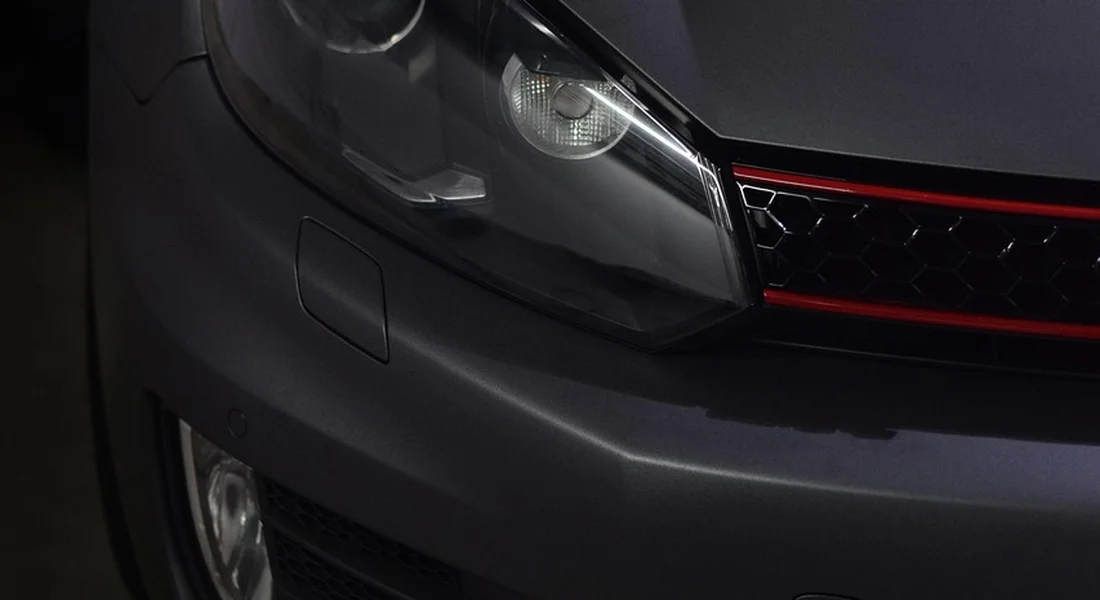
Your entire goal here is to walk away with naked, pristine paint underneath. The vinyl wrap is temporary. The factory clear coat is permanent, and you only get one. Every single action you take during removal must protect that paint first. I treat my BMW’s black paint with this same level of respect during a wash, and for this, you need even more focus. It’s especially crucial when you remove vinyl decals from paint.
Most damage happens from rushing or using the wrong tool. I have seen people ruin panels with a few seconds of poor judgment.
- Using excessive, focused heat: A heat gun or steamer is a helper, not a weapon. Holding it inches from one spot for a minute will cook the adhesive into a hard, gummy mess that is ten times harder to remove. On plastic trim or bumpers, it can actually warp the material. Keep the heat source moving constantly.
- Using metal blades or scrapers directly on paint: This is an instant scratch guarantee. Even a plastic razor blade can mar the surface if you dig in at the wrong angle or hit a piece of grit. Metal should never touch your car’s finish during this process.
- Pulling at the wrong angle: You do not want to pull the vinyl up and away from the paint. You want to pull it back, almost parallel to the surface, like you’re peeling a sticker off slowly. Yanking it upward stresses the adhesive and can cause it to snap, leaving more residue behind, and in a worst-case scenario, can actually pull up weak paint.
- Using aggressive solvents without testing: Spraying a strong adhesive remover or even a concentrated isopropyl alcohol mix on your paint without knowing how it will react is a gamble. Some paints, especially older single-stage or certain matte finishes, can be discolored or damaged by harsh chemicals.
The only safe way to begin is with a test spot. Do not start on the middle of your hood. Find a hidden area where any learning curve mistakes won’t matter. Inside a door jamb, under the trunk lid, or behind a wheel well liner is perfect. Apply your heat method there. Try your removal technique there. Test your adhesive remover there. This small area will tell you everything: how the vinyl reacts to heat, how much adhesive is left behind, and how your paint handles the cleaner. It is your blueprint for the entire job.
You must manage your expectations about the paint you will find. A vinyl wrap is not a magic fixer. Car wraps can sometimes cause damage to paint, especially if they were applied over paint that was already chipping, heavily scratched, or had failing clear coat. Removal will absolutely make it look worse. The vinyl is holding those chips in place. When you peel it off, you are very likely to pull those loose paint chips right off with it. There is no way around this. If your car had significant paint issues before it was wrapped, budget for a repaint afterward.
The Method: A Step-by-Step Guide to Safe Removal
Removing a wrap is a physical process. You will feel it in your hands and your back. If you do it right, it is a steady, methodical peel. If you rush, you will fight brittle vinyl and gummy adhesive for hours. Follow these steps in order.
Step 1: Prep and Find Your Starting Point
Do not start wrapping or cleaning vinyl on a dirty car. Grit trapped under the vinyl will scratch your paint as you pull. Give the car a basic wash to rinse off loose dirt and road film. Park in a shaded, cool spot. Direct sun overheats the vinyl and adhesive, making them both a gummy mess.
Look for a natural starting point. An aged wrap often has a lifted corner or a peeling edge at a door seam. The edge of a hood or trunk lid is another perfect spot. If the wrap is intact with no lift, you must create a starting tab. Take a plastic razor blade and gently work it under the vinyl at a panel edge. The goal is to lift just enough material to get a solid grip with your fingers, not to scrape the paint underneath. If you’re new to vinyl wraps, our vinyl car wrap explained guide offers a quick overview. It covers tools, technique, and common challenges to watch for.
Step 2: Applying Heat and The “Slow Pull” Technique
Heat is your best friend and your worst enemy. Use a heat gun or steamer on its medium setting. Hold the tool 2-3 inches from the surface and keep it moving constantly. You are warming an area about the size of a football, not melting a single spot.
Test the vinyl with your other hand. It should feel warm and pliable, not hot. It will stretch slightly without snapping. Now, pull the lifted edge back on itself at a low angle, ideally 45 degrees or less. Pull slow and steady. You might hear a soft crackling as the adhesive releases.
If the vinyl stops stretching and wants to tear, you are pulling cold material. Do not yank. Stop pulling. Apply more heat a few inches ahead of your pull line. Heat the path you are about to peel, not the piece in your hand. This patience is what separates a clean removal from a frustrating one.
Step 3: Dealing with Adhesive Residue (The Real Job)
The vinyl comes off in minutes. The sticky glue film left behind is the real project. A perfect, residue-free removal is rare on older wraps. Plan to spend most of your time here.
Work in small, manageable sections, about two square feet at a time.
- Method A: Chemical Removal. Spray a dedicated automotive adhesive remover onto the glue. Let it dwell for 60 seconds to break down the bonds. Gently agitate the sticky residue with a clean, soft microfiber towel. Wipe the dissolved glue away. Fold your towel to a clean side after each pass.
- Method B: Mechanical Scraping. For thick, stubborn glue layers, use a plastic razor blade. First, soften the residue with heat or chemical. Then, hold the blade almost flat against the paint and use it like a squeegee to push the bulk of the glue off. Never use a metal blade or scrape at a high angle, as this will certainly scratch your clear coat.
Change your microfiber towels frequently. A towel loaded with glue just smears it around, creating more work.
Step 4: The Final Decontamination and Assessment
Once you wipe away the last bit of sticky residue, the panel is not truly clean. A film of chemical and adhesive oils remains. Mix a solution of diluted isopropyl alcohol (10-15% in water). Wipe the entire panel down with this mixture using a fresh microfiber. This strips any leftover contaminants and leaves a perfectly bare surface.
Now, get a good light. A bright LED work light or sunlight. Look at the paint closely.
- You might find perfect, preserved paint the wrap protected for years.
- You might see faint “ghost lines” where the adhesive left a slight texture.
- Look for a slight color difference between the wrapped paint and adjacent unwrapped trim. The wrapped paint will often look newer, as it was shielded from UV fade.
- Finally, you will see every scratch, chip, or defect the wrap was hiding. This is the truth of your paint’s condition. On my black BMW, removing an old hood wrap revealed a web of fine scratches the previous owner had covered up. The wrap did its job, but the story was always there underneath.
This final inspection tells you what comes next: a simple wash and wax, a light polish, or a full paint correction.
After the Wrap: Cleaning and Polishing the Revealed Paint
You peeled the last section of wrap off. The sun hits the factory paint for the first time in years. This is where the real detailing begins.
The paint has been sealed away. It needs revival. It feels different than regular dirty paint. There is a fine, sticky film you cannot always see. Your goal is to bring it back to life without causing new damage.
The Mandatory First Wash
Do not skip this. Your paint is naked and vulnerable. You must remove all loose debris and the final layer of film.
Use a pH-neutral car shampoo. Mix it in a bucket with fresh water. I use the two-bucket method here every single time. One bucket for your soapy wash solution. One bucket with clean water and a grit guard to rinse your mitt.
Wash from the top down, using straight line motions. Be gentle. The paint under a wrap is often softer than you think. Rinse the vehicle thoroughly with a steady stream of water. Dry it completely with clean, plush microfiber towels. Pat dry, do not drag.
Clay Bar the Entire Vehicle
Run your clean hand over the dry paint. It will feel rough, like very fine sandpaper. This is not dirt. This is micro-residue from the adhesive, bonded to the clear coat.
You need a clay bar or a synthetic clay mitt. You also need a dedicated clay lubricant spray. Do not use soapy water as lube. It does not provide enough slip.
Spray a two-foot square section. Glide the clay bar over it with light pressure. You will hear a slight scratching sound. That is the contamination being pulled off. Fold the clay frequently to expose a fresh surface. Keep the panel wet.
This step is non-negotiable; if you polish over this residue, you will grind it into the paint and cause deep scratches.
After claying, the paint should feel smooth as glass. Wash the car again or at least rinse and dry the panel to remove any leftover lubricant.
Assess and Polish the Paint
Now look at the paint in direct sunlight or under a bright LED light. You will likely see faint, cloudy lines. These are called ghost lines or tape lines. The wrap’s edges created micro-imperfections in the clear coat over time.
A light polish almost always fixes this. I use a dual-action polisher with a 15mm throw. It is forgiving and effective. Choose a fine abrasive polishing compound and a soft foam polishing pad.
My 2016 BMW 3 Series, the Swirl Magnet, taught me this lesson. After I removed an old wrap from its hood, the ghost lines were severe. The black paint showed every flaw. A one-step polish with a fine compound erased the lines and restored a deep, wet gloss.
Work on one small section at a time. Two passes is usually enough. Wipe off the residue with a clean microfiber towel and inspect. Your goal is to remove the imperfections, not strip all the clear coat.
Protect the Fresh, Naked Paint
Your paint is now clean, smooth, and glossy. It is also completely unprotected. You must apply a sealant or a wax immediately.
A synthetic paint sealant will last longer, often for six months or more. A high-quality carnauba wax gives a warm, deep shine but needs more frequent application. For a daily driver, I typically use a sealant. For my garage queen Porsche, I use a wax.
Apply your chosen product in thin, even layers to a cool surface in the shade. Buff it off to a clear finish. This barrier is your paint’s new best friend. It will make the next wash easier and keep your hard work looking fresh.
When to Call a Pro: Weighing Cost Against Peace of Mind
Should you get vinyl wrap removal services? Sometimes, yes. How much does it cost? A professional removal with a thorough paint decontamination afterward typically ranges from $300 to $800, which is comparable to professional car wrap installation costs.
This is hundreds, not thousands. The price depends on your car’s size and how long the wrap has been on. A small car with a fresh wrap is on the lower end. A large SUV with a five year old, brittle wrap will be higher, especially when considering the cost of removing the old wrap.
Hiring a professional is the smart move in a few key scenarios.
- Complex Curves and Tight Spaces: Bumpers, mirrors, and door handles are trouble spots. The vinyl gets stretched and tucked in ways that are hard to reverse. Trying to pick adhesive out of a mirror housing with a plastic razor is a recipe for scratches. I would never attempt a first-time removal on the bumper of my Porsche. The risk is too high.
- Fear of Damaging Expensive Factory Paint: If your car’s paint is pristine or a difficult color like my BMW’s Jet Black, the cost of a pro is insurance. They have the muscle memory and specialized tools to work quickly without heat guns lingering too long in one spot.
- You Lack the Time or Patience: This is a valid reason. Removing a full wrap is a full weekend project, at least. It is tedious. If you know you will rush or get frustrated halfway through, that is when mistakes happen. Paying for peace of mind is a good deal.
For flat panels on a patient DIYer, removing a wrap is a very achievable project. The hood, roof, and doors of my F-150 are great examples. With a heat gun, your fingers, and a lot of adhesive remover, you can do it. Go slow. Let the heat and the chemicals do the work, not your fingernails.
Final Thoughts on Removing a Vinyl Wrap
Removing a wrap comes down to method and patience. Use steady, low heat to soften the vinyl and adhesive, then pull it back slowly at a consistent angle, cleaning the residue as you go. Rushing this job is the surest way to make it miserable, especially when trying to remove clear bra vinyl wraps.
Ignore this careful approach, and you risk leaving stubborn adhesive behind or, worse, damaging the clear coat beneath.
Citations and Authoritative Sources
- r/CarWraps on Reddit: Car wrap removal
- How to Remove Sun Baked Vinyl Wrap? – vinylfrog
- Amazon.com: Vinyl Wrap Remover
- How to Safely Remove Your Wrap – tinybotvinyl
- Revive Your Ride: How to Safely Remove Old Vinyl Wrap
Max Gunther
Max is an automotive enthusiast having worked as a car mechanical and in interior detailing service for over 25 years. He is very experienced in giving your old car, a new fresh vibe. He has detailed many cars and removed very tough smells and stains from all kinds of cars and models, always ensuring that his work and advice helps his customers. He brings his first hand experience to his blog AutoDetailPedia, to help readers breath new life into their car interiors.