How Do You Get, Keep, and Remove That New Car Smell?
You either love that crisp, clean scent of a new car or you can’t stand it, but either way, you want to know how to control it in your own vehicle.
I will show you exactly what that smell is, how to bring it back on your terms, and how to eliminate it for good. We will cover what creates the scent, how to safely restore a fresh aroma, the right way to lock it in, and the definitive steps to remove it permanently.
Ignore the right methods and you could be left with a stale, unpleasant odor that no air freshener can mask.
What That “New Car Smell” Actually Is (And Isn’t)
Let’s be clear. That smell isn’t a fragrance they pump into the car at the factory. It’s off-gassing. When you hear that term, picture the warm plastic smell of a new shower curtain or the vinyl scent of a fresh floor mat. Your car’s interior is made of plastics, adhesives, synthetic fabrics, and protective coatings. These materials release volatile organic compounds, or VOCs, into the air as they settle and cure.
I notice the difference between my cars. The scent in my white Tesla Model 3 is sharp and clean, almost like a new electronics box. That’s the “Vegan Leather,” plastics, and sound deadening doing their thing. Climb into my 1995 Miata, and it smells entirely different. That’s old vinyl, aged canvas, and time. Not better or worse, just the end stage of that chemical process.
This brings up a real concern. That “new car smell headache” some people get is a direct reaction to those VOCs. For most healthy adults in a well-ventilated car, it’s a temporary nuisance. For children, pregnant women, or people with chemical sensitivities, prolonged exposure in a sealed cabin is a legitimate health consideration (especially from those VOCs present in new car interiors). The best thing you can do, for safety and comfort, is to ventilate. Roll down the windows. Let fresh air circulate, especially for the first few months.
So, is it dangerous? Framed around occupant health, the answer is about managing exposure. You wouldn’t sit in a freshly painted room with the windows shut. Think of your new car the same way. Ventilation is your primary tool for safety, not masking sprays or air fresheners.
How Long Does the New Car Smell Last?
You can expect that signature smell to linger for weeks, often stretching into several months. It’s not a light switch. It fades slowly, day by day. How quickly it disappears depends entirely on how you treat the car.
Heat is the great accelerator. Parked in the blazing sun, your car’s interior acts like an oven, baking those VOCs out of every surface faster. Using the climate control on recirculate mode traps those compounds inside, letting them build up. A car parked in a cool, shaded garage, like my red Porsche 911, will hold onto that new scent far longer because the materials aren’t being stressed by temperature swings.
Contrast that with my grey Honda Odyssey, the kid hauler. It sees year-round sun, gets baked in parking lots, and the air conditioning is always on recirculate to cool it down fast. Its new car smell vanished in a matter of weeks. Daily use and environmental exposure speed up the process tremendously.
If your goal is to keep that smell as long as possible, you’re trying to slow the off-gassing. Park in a garage or shade whenever you can, and make a habit of venting the cabin with the windows down before you drive, especially on warm days. This simple practice reduces the heat buildup that forces chemicals out of your dashboard and seats, which can contribute to unpleasant odors over time.
Preservation Protocol: How to Keep That New Car Smell Longer
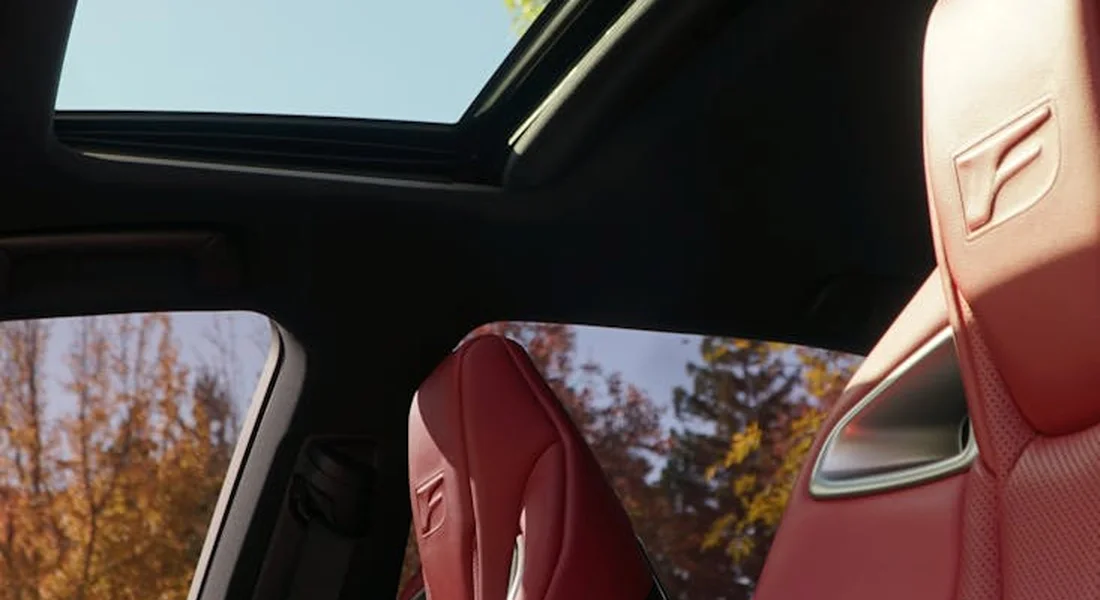
Think of that new car scent as a fresh coat of paint on your interior. Without protection, it fades. This is your keeper’s guide, a plan for protective detailing from the very first day you own the vehicle. I learned this the hard way with my red Porsche, where heat nearly ruined the Alcantara, and my grey Odyssey, where kid spills taught me about scent preservation through cleanliness.
Manage the Heat Like It’s Your Enemy
Heat is the fastest killer of the new car smell. It accelerates the off-gassing process, burning off those volatile compounds quickly and permanently. It also bakes plastics and adhesives, which can later produce a different, less pleasant odor.
A high-quality windshield sunshade is your single best defense, not an optional accessory. Use it every single time you park, even for twenty minutes. I keep one folded behind the passenger seat in every car I own.
- Seek shade always. Walk the extra fifty feet. That sliver of shadow from a building makes a huge difference in cabin temperature over an hour.
- Consider window tint. A high-quality ceramic tint rejects a massive amount of solar heat. It keeps the cabin cooler, protects your dash and seats from UV fading, and directly slows the evaporation of the scents you want to keep.
Ventilate With Strategy, Not Guesswork
You need a smart plan for airing out your car. It’s not about rolling the windows down whenever you think of it.
Ventilate aggressively after the car has been sealed up and heated, like first thing in the morning or after work. Drive for the first few minutes with windows down to purge the concentrated, stale air. Do this when the outside air is cool and fresh, not in the middle of a hot, polluted day.
When parked, the rules change. If you’re parked in a cool, clean garage, crack a window slightly. If you’re parked in direct sun or a dusty lot, keep it sealed tight. You’re locking the good air in and keeping heat and contaminants out.
Your First “Don’t”: Resist the Shine
This is a common, costly mistake. That bottle of glossy dashboard dressing is a scent trap. New plastics and vinyl are porous and actively releasing compounds.
Slathering on a shiny dressing creates a sealant layer that traps those chemicals against the surface, altering and often souring the natural smell over time. It also attracts and holds dust like a magnet. On my Tesla’s “vegan leather” dash, I use only a dry, soft microfiber for dusting. For a slight sheen without sealing, a tiny amount of a water-based, matte finish protectant on a microfiber towel, wiped on and then buffed almost dry, is the most I will ever do on a new interior.
Clean to Preserve, Not to Mask
Dirt, dust, skin oils, and food crumbs don’t just sit on the surface. They sink in and become a base layer of odor that competes with and eventually overpowers the new car smell. Your goal is gentle, consistent removal.
Use a gentle, pH-neutral interior cleaner diluted properly in a spray bottle. Mist it lightly onto a soft, plush microfiber towel-never directly onto the dashboard where it can seep into vents.
- Wipe down high-touch surfaces weekly: the steering wheel, gear selector, touchscreen, and door handles.
- Vacuum upholstery and carpets fortnightly with a soft brush attachment. This pulls up the embedded debris that holds odors.
- For spills, act fast. Blot, don’t rub. Use a damp microfiber with a drop of that pH-neutral cleaner. The faster you remove the contaminant, the less chance it has to leave a lasting smell.
Foundational cleaning with gentle products prevents foreign smells from taking root, allowing the factory scent to remain the dominant note for far longer. It is the most overlooked part of scent preservation.
Removal Protocol: How to Get Rid of New Car Smell (For Good)
Some people love it. Others get headaches. If you find that chemical scent unpleasant or overwhelming, you are not imagining it. Your goal is to safely accelerate what nature does slowly: off gassing.
The Core Method: Accelerate Off Gassing Safely
Heat makes chemicals evaporate faster. You can use this. The safest, most effective way is a controlled “bake and ventilate” cycle. This is what I did with my Tesla when the smell was too strong for my kids.
Perform this cycle on a warm, dry day when you can be near the vehicle for a few hours.
- Park the car in direct sunlight. Close all windows and sunroof.
- Let the interior bake. The goal is to get it very warm, not scorching hot. On a 75°F day, 30 to 60 minutes is usually enough.
- Open all doors wide. Roll down all windows. Let the interior air out completely for another 30 minutes. Use a fan pointed into the cabin to help if there’s no breeze.
- Repeat this cycle two or three times over the course of a day.
This process pushes the volatile compounds out of the materials and into the air, then flushes that air away. You will notice a significant reduction each cycle.
Deep Cleaning: Removing the Surface Layer
The smell settles on every surface like an invisible film. To remove it, you must clean every single interior surface, not just wipe it down. This is a detailed job, but it works for removing odors from car interiors.
You need a gentle, all purpose interior cleaner, a pile of clean microfiber towels, and soft brushes for vents and textures.
- Plastics & Vinyl: Spray cleaner directly onto your microfiber towel, not the surface. Wipe every dashboard panel, door card, steering wheel, console, and button. Pay special attention to soft touch plastics; they hold more odor.
- Fabric & Carpet: Even if they look clean, shampoo them. Use a fabric cleaner in a spray bottle, agitate with a soft brush, and blot dry with a towel. This pulls compounds from the fibers. I always do this in the kid hauler Odyssey to tackle deep set smells.
- Glass: Clean all interior glass with a dedicated glass cleaner. The film on the windows contributes to the overall scent.
- Vents: Use a soft detailing brush to dislodge dust from the vent fins. Hold a vacuum hose nearby to catch the particles.
When you finish, leave the windows down in a garage or clean space overnight. This deep clean removes the reservoir of smell that clings to surfaces.
Advanced Tactics: The Ozone Generator
For stubborn cases, or if you have chemical sensitivity, an ozone generator is the nuclear option. I used one in my Honda Odyssey after a milk spill incident that left a sour odor no cleaner could touch.
Ozone is a severe respiratory irritant and is extremely dangerous if used incorrectly. You must follow these rules without exception.
- Never be in the car or breathe the ozone. Remove all pets and plants from the area.
- Run the machine in the closed car for 20 to 30 minutes only, placed on a towel on the center console.
- After it shuts off, wait at least one hour before opening the doors. Then, air the car out completely for another hour before sitting inside.
- Ozone can degrade rubber and certain plastics with repeated, prolonged exposure. Use it as a one time solution, not a regular detail step.
Ozone works by breaking apart the odor molecules at a chemical level. It is highly effective but demands respect, especially when used for car odor removal.
A Critical FAQ: The “Burning Rubber” Smell
Sometimes an owner asks, “My new car smells like burning rubber after I drive it. Is that the new car smell?”
No. It is not.
A sharp, acrid burning smell is not an interior fragrance issue; it is often a protective coating on the exhaust manifold or other hot engine parts burning off during initial drives.
This is not a job for detailer. Do not try to clean this away. The smell should fade after a few hundred miles. If it persists or is accompanied by smoke, shut the car off and have it inspected by a mechanic immediately. Your detailing focus should stay on the cabin, not the engine bay for this problem.
Replication Protocol: How to Make Your Car Smell Like New Again
You miss that crisp, clean scent from the showroom. I get it. My 2019 Honda Odyssey, the “Kid Hauler,” lost its new car smell after the first juice box spill. Getting it back is about smart simulation, not magic. First, you must have a perfectly clean interior; any scent you add will just layer over old odors if you skip this step. Here is how to mimic that factory freshness.
Product Tier List: From Quick Fixes to Pro Secrets
Not all scent products are equal. I have tried them all over the years, from my daily drivers to show cars. Think of it like waxes: some are quick, some are for enthusiasts, and some are for perfection.
- Budget/Drive-Through: Basic Vent Clips and Trees
You have seen the “new car smell” tree hanging from a mirror. It is a classic. These are cheap and easy to find. They work by releasing a strong fragrance that fills the cabin fast. I used one in my Ford F-150 after a muddy week. It helped for a day. These are a mask, not a solution, and the scent can feel chemical and fade quickly. They are fine for a quick refresh before a carpool. To actually remove the new car smell interior odors, focus on thorough cleaning and proper ventilation. There are targeted odor-removal methods that work beyond masking scents.
- Enthusiast: Higher-Quality Sprays and Gels
This is where most detailers start. Products labeled “new car smell spray” or odor-eliminating gels are more sophisticated. Brands like Chemical Guys make popular ones enthusiasts talk about. I use a spray on the “Vegan Leather” in my Tesla Model 3. It does not feel sticky. These products often contain odor neutralizers and leave a lighter, more authentic scent that can last for weeks. Apply them to clean floor mats and fabric seats after a deep clean. Sometimes, though, stubborn odors cling to the seats. Targeted cleaners designed to remove stubborn odors from car seats can finish the job.
- Show Car/Pro: Professional Neutralizers and the Cabin Filter Trick
For my Porsche 911 before a show, I use professional odor neutralizers that break down odor molecules. Then, for the scent, here is the detailer’s secret. Lightly mist a neutral, high-quality scent spray directly onto the cabin air filter, then run the fan on low for a few minutes. This pulls the scent through the entire ventilation system. Every time you use the AC, you get a whisper of freshness. It is even and never overpowering.
Many clients ask me about the “new car smell spray that dealerships use.” I have bought a few. They are often generic aerosols in plain bottles. Be cautious with these; they can be so strong they give you a headache and smell obviously fake, like plastic and perfume. Test a small spritz in the footwell first.
So, can you buy new car smell? Yes, you can buy the scent. But remember it is a simulation. The real new car smell is a complex, temporary cocktail of plastics, adhesives, and fabrics off-gassing. What you are adding is a crafted memory of that smell. It will be close, but not exactly the same.
You might read about DIY solutions like placing fresh leather scraps or dots of essential oils on cotton balls. I tried a leather bit in my Mazda Miata. It smelled nice for a day. These natural options are less durable and can sometimes stain or attract moisture, making them risky for long-term use. For a lasting effect, stick with products made for automotive interiors.
The Right Way to Clean a Brand New Car’s Interior
Your first detail on a brand new car is different. It is not about correction or deep cleaning. It is about preservation. Your goal is to remove the factory dust and any light dealer-applied goop without disturbing the pristine materials or that fresh scent you paid for. I treat my Tesla Model 3 and Porsche 911 this way. The approach is gentle, almost surgical.
You want to use the least aggressive method possible, which almost always means starting dry and moving to a damp cloth before you ever consider a spray bottle. This chemical-minimal philosophy protects the materials and, most importantly, the new car smell. Heavy dressings and strong solvents are your enemy here. They coat surfaces in artificial shine and leave behind a chemical odor that fights with the factory scent.
Step 1: The Dry Removal (Vacuum & Brush)
Do not add any moisture yet. Your first job is to remove all loose debris. You will need a good vacuum with a soft brush attachment. A stiff plastic tip can microscratch new plastics.
- Start with the seats. Use the brush to gently agitate the perforations and seams of your leather or vegan leather. My Tesla’s white seats show every speck. A soft brush gets them out without pushing dirt deeper.
- Move to the floors. Get under the pedals and along the sill plates. This is about removing abrasive grit before it gets ground in.
- Hit every crevice. The gap between the center console and seat, the dashboard vents, the cup holders. This dust is what turns into grimy paste later.
A thorough dry clean removes 80 percent of the soiling and prepares the surface for the next, lightest-possible touch.
Step 2: The Light Wipe (Damp Microfiber)
Now, and only now, do you introduce moisture. Fill a small spray bottle with clean water. Mist a clean, plush microfiber towel until it is just damp, not wet. Wring it out completely.
- Wipe all hard surfaces in one direction using light pressure. Start high on the dashboard and door panels, working your way down. You are lifting the fine layer of dust the vacuum left behind.
- Flip the towel to a fresh side often. You are just transferring dust, not smearing it around.
- For slightly more stubborn spots, like a fingerprint on the touchscreen or a smudge on the piano black trim, use a dedicated interior cleaner. Never spray it directly on the surface. Spray a tiny amount onto your microfiber, fold it, and then gently rub the spot. I use a 1:10 dilution of an all-purpose cleaner for this on my BMW and Porsche. It is strong enough to clean but leaves no residue.
Step 3: Fabric Care (If You Must)
Your new car’s fabric seats and headliner are likely very clean. Often, the vacuum in Step 1 is all they need. If you see a light spot, do not douse it. For a deeper refresh, a deep clean of fabric car seats can remove embedded stains. This keeps the interior looking fresh without harsh chemicals.
Spot clean only with a gentle fabric cleaner applied to a microfiber, not the fabric itself, and always do a test in an inconspicuous area first. Blot, do not scrub. Aggressive scrubbing on new fabric can damage the fibers and set the stain. My Odyssey’s fabric saw spills early on. A light touch with a dedicated fabric cleaner preserved the material and prevented a permanent stain.
The Protectant Philosophy: Less is Always More
This is where most people ruin a new interior. They slather shiny, silicone-based dressings on every plastic surface. It looks artificial, feels greasy, and attracts dust like a magnet. It also smells like a cheap air freshener.
On a new car, a perfectly clean surface is its own best protection. If you feel you must add something, be incredibly selective.
- Choose a water-based, matte finish protectant. It should say “non-silicone” on the label.
- Apply it only to true high-touch areas: the steering wheel (avoid the grip areas), the gear selector, and maybe the door handle inserts. Avoid the dashboard and large panels entirely.
- Apply a tiny amount to a microfiber and wipe it on. Buff off any excess immediately. The goal is an invisible barrier, not a glossy coating.
I did this on my F-150’s new steering wheel. The matte protectant made it easier to clean later from work grime without altering the look or feel. For the Porsche’s dashboard? A clean, dry microfiber is all it ever gets. That keeps the smell right and the look factory fresh.
Keeping Any Car Smelling Fresh for the Long Haul
The new car smell will fade. That’s okay. The goal is not to cling to a chemical ghost, but to cultivate a clean, neutral base. A car that smells like nothing is a car that is truly clean. This is the foundation you build on for years of pleasant drives.
Universal Principles for Lasting Freshness
Once that initial scent is gone, you’re in charge of the air quality. The rules change from preservation to active management. It’s no longer about off-gassing plastics; it’s about fighting what you bring inside. Food, sweat, pets, and dirt are now the enemy. Your strategy shifts to prevention and regular, mindful cleaning. Think of it like skincare – consistent, gentle care prevents major problems.
The Holy Trinity of Smell Prevention
Ignore the fancy sprays and gadgets for a moment. These three habits will do more for your interior’s smell than anything you can buy in a bottle.
- 1) No Eating. This is the hardest rule, but the most effective. Crumbs fall into crevices you’ll never see. They get ground into carpets. They rot. That faint, sweet-sour smell in many used cars? That’s often decomposing food particles. A sealed water bottle is fine. Everything else should stay outside.
- 2) Immediate Spill Cleanup. Do not wait. Do not tell yourself you’ll get it later. My Honda Odyssey taught me this the hard way with a spilled milk box. Within an hour in the summer heat, the smell was permanent in the foam under the seat. Keep a small detailing bag in the trunk: a spray bottle of interior cleaner, a few microfiber towels, and a soft brush for crumbs. Blot spills immediately. You’re not doing a full detail; you’re performing emergency stain control.
- 3) Regular Vacuuming. Not just the floors. Do this every other week, or weekly if you have kids or a dog. Vacuum the seats, the door pockets, the dash crevices, and especially the area where the seat meets the center console. A small, soft brush attachment is your best friend here. This removes the dry particulates that eventually create a dusty, stale odor.
Seasonal Deep Cleans: Resetting the Baseline
Even with perfect habits, smells seep in. A seasonal reset – I do it every spring and fall – pulls out the odors that weekly wiping misses.
This means shampooing. For cloth seats and carpets, use an interior shampoo and a soft brush to agitate. For clean cloth fabric car seats, this routine helps maintain texture and color. A thorough but gentle clean prevents buildup and odors. An extractor is the professional tool, but for DIY, a wet/dry vac and a spray bottle can work. The key is to not over-wet the fabric. Damp, not soaked. For leather and vinyl, a dedicated leather cleaner and a horsehair brush will lift grime from the grain. A deep clean removes the odor-causing residue that surface cleaners leave behind, resetting your interior to a neutral state.
Cabin Air Filter Replacement: The Forgotten Step
This is the single most overlooked item in car care. That filter cleans all the air coming through your vents. Over time, it gets packed with pollen, dust, leaves, and even mold spores. A dirty filter doesn’t just restrict airflow; it becomes a source of smell. Every time you turn on the fan, you’re blowing air through a mat of old odors.
Check your owner’s manual. Most filters are behind the glove box and take 5 minutes to replace. Do it once a year, or twice if you drive in dusty areas or have allergies. Putting a new cabin air filter in is like giving your car’s interior a fresh set of lungs.
The Final Answer to a Good Smelling Car
People search for “how can I make my car smell good” hoping for a magic tree. The real answer is less exciting but far more effective. Consistent, clean habits will always beat any air freshener you can buy. A freshener just masks a problem. If unusual odors pop up, focus on removing them rather than masking them. A clean car has no problem to mask. Start with the Holy Trinity. Commit to a seasonal reset. Change that filter. Do that, and your car will always have a clean, inviting scent – the scent of care.
Your Roadmap to the Perfect Interior Scent
Protecting your car’s surfaces with the right conditioners and maintaining a baseline of cleanliness are the two things that matter most. It’s the difference between a scent that fades gracefully and one that sours into a permanent, musty problem.
Neglect those two principles, and you’ll find yourself battling smells that are chemically baked into the materials, a far tougher fight than the simple maintenance I outlined with my Odyssey’s cupholders.
Expert Resources and Citations
- r/cars on Reddit: How to get rid of new car smell
- How to Get Rid of New Car Smell | Drift
- Car Air Fresheners & Odor Eliminators | Chemical Guys
- Amazon.com: New Car Smell Spray (16oz), Made in USA | Long Lasting Car Air Fresheners Eliminates Odor – Air Fresheners for Cars, Trucks, & Other Automotive Vehicles – Fresh Scent Air Freshener Spray : Automotive
Max Gunther
Max is an automotive enthusiast having worked as a car mechanical and in interior detailing service for over 25 years. He is very experienced in giving your old car, a new fresh vibe. He has detailed many cars and removed very tough smells and stains from all kinds of cars and models, always ensuring that his work and advice helps his customers. He brings his first hand experience to his blog AutoDetailPedia, to help readers breath new life into their car interiors.