How Do You Remove Pet Urine, Vomit, and Stubborn Odors from Car Seats, Carpets, and Upholstery?
That acrid smell of pet accident or sour vomit in your car feels like a permanent mark. I know you want it erased, not just covered up.
Based on years cleaning everything from kid hauler messes to luxury car interiors, I will show you my method, covering the critical first blot, choosing the right enzyme cleaner, deep cleaning with an extractor, and permanently killing odors at the source.
Get the cleanup wrong, and the smell will seep back out for months.
Key Takeaways: The Quick Fix vs. The Real Cure
You cannot cover this smell up. I learned this after trying to save a customer’s minivan with air fresheners. The dog kept finding the spot. The real fix is a process, not a product. You must physically remove the contamination, treat it with the right chemistry, and then dry the area completely every single time.
The job is usually moderate to high difficulty. A brand new accident on vinyl is straightforward. An old, soaked-in stain on fabric seat foam is a battle. Your success depends entirely on how deep the problem has settled.
Plan your time. A fresh stain on a seat cover might be done in an hour from start to finish. For a set-in odor in carpet, you are looking at a multi-day project. You will treat it, let it dwell, extract it, and then you must dry it for a full day before you know if it worked. Rushing this guarantees failure.
Spraying perfume or a “odor eliminator” that just masks the smell is a waste of money. It works on your nose, not the source. To a pet’s nose, you have just made “urine and flowers,” and they will still smell the urine, which invites them back to the same spot. You have to remove the source, not hide it.
Your Odor Removal Arsenal: Tools & Chemicals That Actually Work
You need the right gear. Using household tools will leave you tired and the stain unchanged. This is a wet, physical job.
The Power Tools
- A Wet/Dry Vacuum (Shop Vac): This is your most important tool. You need suction, not just a little house vacuum. Look for a 5 horsepower or higher model. You will use it to pull water and cleaner out of the fabric after you scrub. My garage shop vac has handled everything from the Odyssey’s spilled milk to soured beach towels.
- Drill Brush Attachments: Your arms will give out before you agitate a stain enough by hand. A cordless drill with soft, medium, and stiff brush attachments lets you scrub with power for minutes, not hours. It makes the chemical work.
- Steam Cleaner (Optional): This is a pro tool, but it is a game-changer. The heat helps break down old organic matter and sanitizes. It is fantastic for final treatment on hard surfaces and crevices. Do not use it on delicate materials or without extraction afterward.
- Air Mover Fan: Drying is not optional. A simple box fan tilted on its side is okay, but a proper air mover fan moves a huge volume of air. You must dry the seat or carpet from the inside out to prevent mold. I run mine overnight after any major interior cleaning.
The Chemicals (Not Just Cleaners)
- Enzyme-Based Cleaner: This is your primary weapon for urine and vomit. It is not a soap. These cleaners contain live bacteria or enzymes that actually digest the organic waste, eliminating the odor source. They must be pH-neutral to be safe for all fabrics and effective. This is what changes a bear-attracting smell into nothing.
- Citrus-Based Upholstery Shampoo: Use this for general cleaning and after the enzyme treatment. Citrus solvents are excellent at cutting through oily residues and old stains without being too harsh. It leaves a clean scent, not a perfumed one.
- Oxygen-Based Odor Neutralizer: For a final treatment or for the air itself, a product like an ozone spray or hydrogen peroxide-based mist is good. It oxidizes odor molecules in the air and on surfaces. This is your last step, not your first.
Consumables & Safety
- Microfiber Towels: You need two kinds. Use lower GSM (300-350) towels for scrubbing and applying chemicals. They have more bite. Use plush, 500+ GSM towels for blotting and drying. Have a lot of both.
- Nitrile Gloves: Wear them. Even “safe” enzymes are not for your skin over long periods.
- Grit Guard for Rinse Bucket: If you are doing a full interior, you will have a bucket of clean water for rinsing towels. A grit guard keeps the dirt at the bottom so you are not scrubbing with a dirty towel.
Always spot-test any chemical in a hidden area first, like under the seat, and work in a well-ventilated space with gloves on. Opening the doors in your garage is fine. Doing this in a closed garage is not smart.
The Protocol: A Step-by-Step Checklist for Total Odor Elimination
You cannot negotiate with a biological odor. You must defeat it. From my years of cleaning everything from dog accidents to the aftermath of a child’s car sickness in my own grey Odyssey, I learned a harsh truth. A partial clean is a temporary clean. The smell will return, often worse. This protocol is the only way I know to win.
Follow these steps in exact order, and do not skip a single one, if you want the odor gone for good.
Step 1: Remove Solids & Blot Liquids
This is not glamorous, but it is critical. For vomit or solid waste, use a plastic bag or a dedicated scraper to remove the bulk. For urine or spilled liquids, grab a stack of clean, white microfiber towels or paper towels. Do not scrub. Place them over the spot and press down firmly with the flat of your hand. Soak up as much as you can. Replace towels and repeat until the towel comes back nearly dry. Scrubbing now just pushes the mess deeper into the foam.
Step 2: The First Extraction
Your home vacuum will not work here. You need a wet/dry shop vac. Fill its clean water tank with fresh, warm water. Using the bare hose or a wide upholstery tool, go over the entire affected area. Pull out every bit of moisture you just put in, plus any lingering contaminants. You are creating a clean canvas for the chemicals to work. Empty the dirty water tank far away from your work area. The smell will be potent.
Step 3: Apply the Enzyme Cleaner
This is your secret weapon. A standard cleaner masks smells. An enzyme cleaner, like those made for pet accidents, actually digests the organic proteins that cause the odor. Shake the bottle well. Soak the area thoroughly. You want it to penetrate deep into the seat cushion or carpet backing. Do not be shy. The enzyme needs to completely saturate the source of the odor to break it down at a molecular level. Let it dwell according to the bottle’s instructions, usually 5 to 15 minutes.
Step 4: Agitate with a Brush
Let the dwell time do its work, then agitate. A soft-bristled brush like a detailing brush or, for tougher jobs, a soft drill brush attachment, is perfect. Work the enzyme cleaner into the fibers in a circular motion. This mechanical action helps break up residues and ensures the enzymes contact every surface. For fabrics, be gentle to avoid fuzzing. For tougher automotive carpet, you can be more firm.
Step 5: The Second Extraction
This is the most important extraction. Revisit the area with your wet/dry vac and pull out all the enzyme cleaner, along with the dissolved waste it now holds. Go over the spot multiple times, from multiple angles. Your goal is to leave the material as dry as possible. Again, empty that foul tank immediately. If you skip this, you are leaving digested waste in the seat. It will smell as it dries.
Step 6: Apply an Odor Neutralizer
After the enzymatic clean, I always follow with a dedicated odor neutralizer or an oxygen-based treatment. This isn’t a perfume. It chemically bonds with any remaining odor molecules and neutralizes them. Lightly mist it over the extracted area. No need to soak it. Let it air dry. This two-punch combination-enzymes followed by a neutralizer-is what tackles the complex cocktail of smells in something like vomit.
Step 7: Dry Completely with Heat and Airflow
This is the step everyone wants to skip. Do not. Moisture left behind is an invitation for mildew and for any remnant odor to resurge. If it’s a sunny day, park the car in the sun with all windows cracked. Use a fan pointed at the seat. For serious jobs, I use a low-heat setting on a blow dryer or a master blaster to force warm, dry air into the fibers. Your work is not done until the seat or carpet is bone-dry to the touch, deep down.
I learned this the hard way with a spilled milk jug in the Odyssey. I cleaned it, or so I thought. Two days later, a sour, cheesy smell filled the car. I had not extracted enough and did not dry it fully. The smell came from deep within the seat foam. I had to pull the seat out and repeat this entire protocol to remove the sour milk smell from the car.
Why Pet Stinks Stick Around: Understanding Urine, Vomit, and Odor Science
You clean the seat. The stain fades. But a week later, on a hot, humid day, you get in your car and that sour, unmistakable smell hits you again. It feels like a betrayal. I’ve been there with my grey Honda Odyssey, the “Kid Hauler.” The reason this happens is simple chemistry, not magic. To win, you need to know what you’re fighting.
Pet urine is more than just yellow water. Its real trouble comes from uric acid, which forms tiny, salt-like crystals as it dries. These crystals are dormant and odorless when dry. But when the air gets damp-from humidity, steam, or even your own breath on a cold morning-those crystals rehydrate. They release that sharp ammonia smell all over again. Treating pet urine means breaking down these uric acid crystals at a molecular level, or the odor will keep coming back with every change in the weather.
Vomit is a different, more aggressive enemy. It contains stomach acids, which can break down dyes and even damage leather if left too long. It also contains proteins and fats that bind tightly to fabric fibers like a stubborn glue. Spraying a general cleaner on top just spreads these materials around, especially when trying to remove vomit stains and odors from upholstery. You need a cleaner designed to emulsify and lift away these organic bonds.
Think of your car seat like a layered cake. The pretty fabric you see is just the icing. Beneath it is a thick layer of foam, and below that, often a cloth or jute backing. When a liquid accident happens, it doesn’t just sit on top. It wicks down through every single layer, like spilling coffee on a stack of napkins. Your nose is like a bloodhound. It can smell the source deep in that bottom “napkin,” even after you’ve cleaned the top one. This is why wiping the surface almost never works.
Most store-bought “odor removers” are just perfumed covers-ups or mild disinfectants. They mask the smell for a day or two by overwhelming your nose with a stronger scent. They do nothing to the uric acid crystals in the foam or the proteins bonded to the fibers. True odor removal requires eliminating the biological source, not just putting a air freshener blanket over it.
Can You Ever Really Get Rid of the Smell?
Yes, you can. But you have to be realistic and thorough. If the accident was recent and small, and you attack it correctly, you can achieve a complete victory. For older, set-in smells or large-scale messes, the goal is to reduce the odor to undetectable levels-what I call a “commercial clean” where a new passenger would never notice.
The biggest mistake is treating only the surface. That odor has migrated. In seats, it’s deep in the foam core. In carpets, it’s in the backing and the padding underneath, which is often a sponge-like material that acts as a permanent odor reservoir. Spraying and scrubbing the top fabric does nothing to the saturated pad below. To truly eliminate bad odors in the car interior, you must address the deeper layers, not just the surface. The next steps explain how to reach the source of the odor for lasting results.
This is where the right tools make all the difference. A professional-grade hot water extractor is the key weapon. It’s not just a fancy vacuum. It injects hot cleaning solution deep into the foam and carpet backing, agitating and dissolving the odor source. Then, it uses powerful suction to yank the dirty solution back out, pulling the problem with it. It’s a rinse cycle for your car’s upholstery. The heat is crucial-it helps break down the bonds of oils and proteins.
For the chemical attack, you need an enzymatic cleaner or a specialized odor neutralizer. Enzymatic cleaners use live bacteria or enzymes to literally “eat” the organic waste particles (uric acid, proteins, fats), converting them into odorless gases. They need time to work, often requiring the area to stay damp for 10-15 minutes. True neutralizers don’t mask; they chemically change the structure of odor molecules so they no longer register to your nose.
The professional process involves a multi-step attack: applying the neutralizer deep into the layers, letting it dwell, then using the extractor’s heat and suction to remove the dissolved waste and the cleaning chemical itself. This last part is vital. Leaving any residue behind can attract new dirt or create its own smell. It’s hard, wet work. It’s why fixing a serious pet odor problem often requires pulling seats out to treat the carpet pad directly. But when you’re done, the smell is gone for good, not just waiting for the next rainy day.
How to Remove Fresh Pet Urine from Car Seats and Carpets
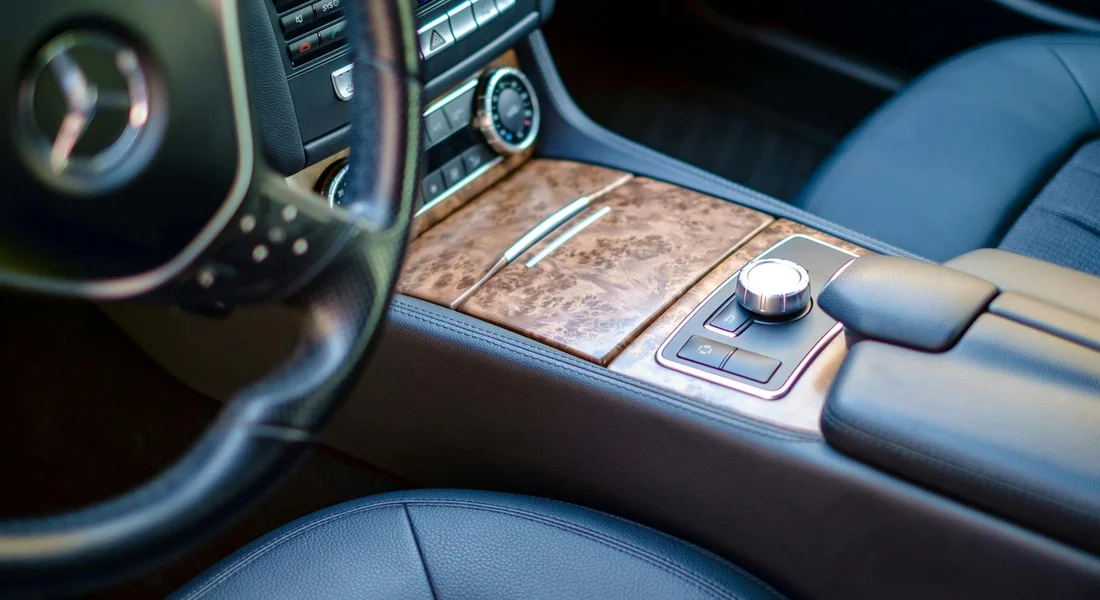
Act fast. The clock starts the moment the accident happens. I learned this the hard way with my Honda Odyssey, the kid hauler, which has seen more than its share of spills.
Heat is your enemy here. A car seat heater turned on high or a sunny parking spot will cook the urine into the fibers. This bonds the proteins and uric acid crystals permanently. What was a wet spot becomes a stiff, yellowed, foul-smelling patch you can never fully get out.
Here is exactly what to do, in order. You will need clean, absorbent towels or paper towels, cool water in a spray bottle, and a quality enzymatic cleaner.
- Blot, Don’t Rub. Use a clean towel to press down and soak up as much liquid as you can. Rubbing grinds the waste deeper into the fabric or foam below.
- Extract if You Can. If you have a wet/dry vacuum or a small portable extractor, use it now. The goal is to pull moisture from deep in the cushion.
- Flush with Cool Water. Spray a generous amount of cool, clean water onto the stain. This dilutes what’s left. Blot or extract all that water out. Repeat this flush-and-extract step once more. You are rinsing the area.
- Apply Enzyme Cleaner. This is the most important step. Soak the area with the enzymatic cleaner, following the product’s directions. Enzyme cleaners contain bacteria that actually digest the organic waste, eliminating the source of the stain and the odor. Let it dwell for the full recommended time, often 10-15 minutes.
- Extract One Final Time. Remove all the enzyme cleaner solution. Let the area air dry completely with the windows down or a fan on it. Do not apply heat to speed drying.
Cloth vs. Leather or Vinyl: A Slight Shift
The method is similar, but the material changes your focus.
For cloth seats and carpets, the urine soaks in deeply. Extraction is critical. The enzymes need to reach the foam pad underneath. If the smell returns after cleaning, it usually means the urine reached the foam and you need to treat it again, more heavily.
For leather or vinyl seats, you have a non-porous surface. Blotting is usually enough to remove the liquid. Your main concern is cleaning and sanitizing the surface without damaging the material’s coating. Use a leather or interior cleaner, not just any soap. Follow with a conditioner on leather to restore protection. The smell typically does not sink in unless the liquid seeped into a seam.
What About “Vegan Leather” or Synthetic Suede?
Modern interiors use materials like Tesla’s “Vegan Leather,” which is a polyurethane-based synthetic. My white Model 3 has it. These materials have a delicate protective coating that gives them their feel and color.
Harsh cleaners, especially strong all-purpose or acidic formulas, can cloud, crack, or completely strip this coating. Once that top layer is gone, the material becomes sticky, discolored, and impossible to fix.
For synthetic leathers and suedes, use only gentle, pH-balanced cleaners designed specifically for these surfaces. Test any cleaner in a hidden spot first, like under the seat. Apply to your microfiber towel, not directly to the seat, and gently wipe. Blot up any fresh accidents immediately. The goal is to clean without degrading the synthetic coating that makes the material what it is. This approach is quite different from how you might clean and maintain genuine leather seats.
Tackling Set-In Stains and Vomit: A Deeper Clean
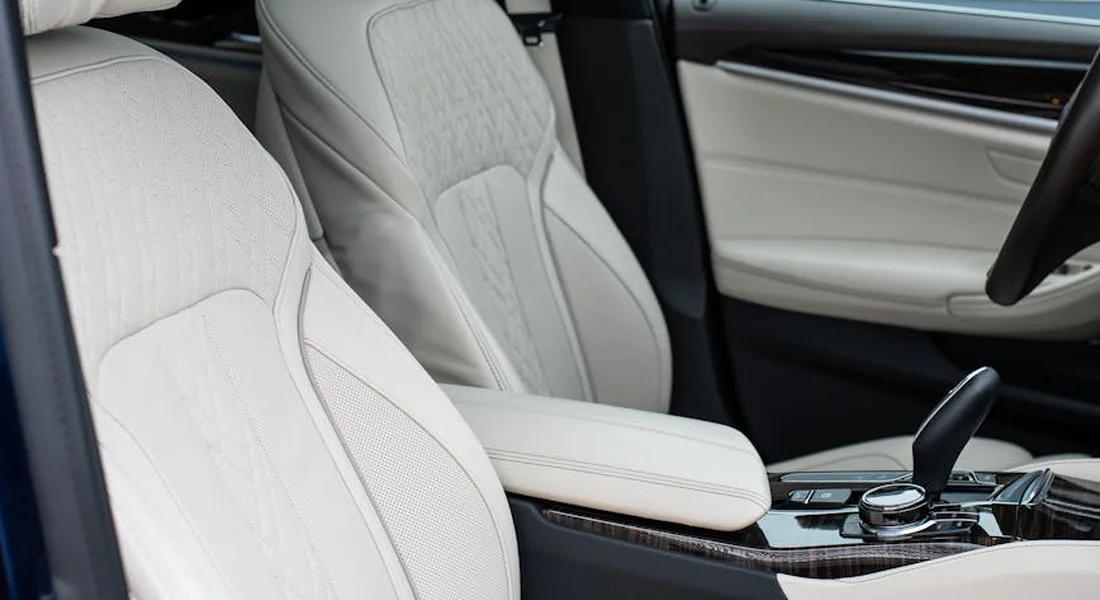
Old stains are a different beast. You cannot just spray and hope. The proteins and salts have bonded deep within the fibers and foam. Trying to scrub a dried stain just grinds it in deeper. You need to break that bond first.
I learned this the hard way in my Honda Odyssey, the “Kid Hauler.” A forgotten sippy cup of milk leaked under a car seat for a week in the summer heat. The smell was horrific. The stain was a hard, crusty map on the fabric. Here is the process that worked.
Rehydrating and Removing Old Stains
Think of a dried stain like concrete in your carpet. You need to turn it back into mud before you can wash it away.
- Rehydrate the Area. Mix a 50/50 solution of distilled white vinegar and cool water in a spray bottle. Vinegar is a mild acid that helps break down the crystalline salts in old urine. Lightly mist the entire stained area. You want it damp, not soaked. Let it sit for 5-10 minutes. You will see the stain darken as it re-wets.
- Extract the Liquids. Use your wet/dry vacuum or extractor immediately. Pull out as much of the vinegar solution and re-liquefied waste as possible. This first extraction is crucial for removing the surface-level contaminants you just loosened.
- Apply Enzyme Cleaner. Now, liberally apply your enzyme-based cleaner. Soak the area thoroughly, ensuring it penetrates down into the cushion foam below. This is non-negotiable for odor removal.
- The Long Dwell Time. Walk away. Let the enzymes work. I cover the area with a clean, damp microfiber towel to keep it from drying out and let it sit for at least an hour, often overnight for severe cases. The enzymes need time to eat.
- Final Extraction. Come back and extract everything you can until you pull only clean, clear water from the fabric. This may take several passes.
Patience is your most important tool here; rushing the dwell time means the odor will come back.
Handling Vomit and Bodily Fluids
Vomit is a complex mix. It contains acidic stomach contents, but the primary staining and odor agents are proteins. An acidic cleaner, like vinegar, can actually set protein stains. You need to start with an alkaline solution.
Speed matters. The longer it sits, the worse the stain and smell become.
- Remove Solids Immediately. Use a plastic bag or disposable glove to scoop up any solid material. Do not rub or grind it in.
- Pre-Treat with an Alkaline Cleaner. An all-purpose cleaner (APC) diluted for interior use is perfect here. Most are alkaline, designed to break down organic proteins and fats. Spray it generously over the affected area and let it dwell for 3-5 minutes.
- Blot and Extract. Blot heavily with clean microfiber towels to absorb the fluid. Follow with your extractor to pull the cleaner and residue from deep in the fabric.
- Follow the Standard Protocol. Once the bulk is gone, assess. If a stain or odor remains, you now treat it like any other biological stain. Use your enzyme cleaner, let it dwell, and extract thoroughly. This two-step attack-alkaline for proteins, then enzymes for odor-is very effective.
Always wear gloves for this job; you are dealing with biohazards and strong cleaners.
A Note on Hydrogen Peroxide
Many online guides for pet odor removal suggest using hydrogen peroxide. I do not recommend this for your car’s interior, as it can cause damage. It’s better to use methods specifically designed for removing odors from car interiors.
Hydrogen peroxide is a powerful oxidizing agent. Yes, it can kill odor-causing bacteria through oxidation. It can also oxidize, or bleach, the dyes in your upholstery and carpets. I have seen it turn blue fabric patches pale and fade black carpets to a rusty brown. The risk is too high.
Enzyme cleaners are a targeted, biological solution. They use bacteria to consume the waste bacteria, eliminating the food source for the odor. They do not bleach or damage dyes. For colored fabrics and carpets, an enzyme cleaner is the safer, more reliable choice every time. Save the peroxide for disinfecting your tools on a white towel, not on your car’s seats.
The Truth About DIY Home Remedies: Vinegar, Baking Soda, and Hydrogen Peroxide

You hear these solutions mentioned everywhere. Your neighbor swears by them. They are cheap and already in your pantry. I have used them all, with mixed results. Here is what really happens when you use them in a car.
The Household Trio: A Professional’s Breakdown
Let us compare them head-to-head.
White Vinegar. Its acidity is good for breaking down the alkaline salts and crystals in dried urine. That is its one real benefit. The problem is the smell. Your car can smell like a pickle jar for days. You are just trading one bad odor for another. I only use it as a pre-soak rinse on a floor mat I can take out and air dry completely in the sun.
Baking Soda. This is a mild abrasive and a decent odor absorber. It works slowly. Sprinkling it on a seat will not pull urine from the foam below. It just sits on the surface. For it to absorb an odor, the odor molecules have to travel up to it. You are better off using a dedicated odor-eliminating spray that can penetrate.
Hydrogen Peroxide (3%). This is an oxidizer. It can help break down organic stains and kill some odor-causing bacteria. The risk is very real. On dark fabrics, it can cause noticeable bleaching or a lightened spot. It can also degrade some dyes and materials over time. I do not use it on car interiors anymore. The potential for damage is too high.
Using the wrong DIY mix can leave problems you cannot see, setting you up for a worse issue later.
The Dish Soap Trap
Many guides tell you to mix dish soap with vinegar or baking soda. This is a terrible idea for car upholstery. Dish soap is designed to cut grease on plates. It leaves behind surfactants that feel slick. In your car seat, these residues do not fully rinse out. They stay slightly sticky. That sticky film then attracts and holds new dirt and dust faster than a clean surface would. You create a cycle. The seat looks clean but gets dirty again in half the time. You need an interior cleaner formulated to rinse clean.
A Lesson from the Minivan
Let me tell you about my Honda Odyssey, the kid hauler. A milk spill happened. I cleaned the seat with extractor, but a faint sour smell lingered. I thought, “I will just sprinkle baking soda on it overnight to absorb the smell.” I did. I vacuumed it up the next morning. It looked fine.
Weeks later, I was vacuuming thoroughly and moved the second-row seat on its tracks. Caked in the track mechanism was a grey, gritty paste. It was the baking soda. It had sifted down through the seams of the seat, mixed with ambient moisture, and turned into a concrete-like sludge. I spent an hour picking it out with a brush and a vacuum crevice tool.
The moral is simple: anything you put into your car’s interior needs to be completely removable, or it will become a problem somewhere else. Loose powders and pastes find their way into vents, tracks, and under consoles. Avoid them.
When to Call the Pros: What a Professional Pet Odor Removal Service Does
I know the feeling. You’ve scrubbed. You’ve extracted. You’ve aired the car out for days. But that faint, sour smell of pet urine still lingers every time you get in. This is the point where your home toolkit meets its limit. The problem has moved from the surface into the depths you can’t reach.
When a smell persists after your best cleaning efforts, the contamination has soaked into the seat foam or carpet backing, and that’s a job for professional-grade equipment. For my 2019 Honda Odyssey, the “Kid Hauler,” a professional detail was the only way to truly reset the interior after a milk spill seeped deep into the second-row captain’s chair.
A reputable professional service doesn’t just clean the top layer. They attack the problem at its source with a multi-step process.
- First, they use specialized tools to inject enzymatic or oxidizing cleaning agents deep into the foam cushion. This breaks down the urine crystals and biological matter that home sprays can’t penetrate.
- Next, they use a truck-mounted hot water extractor. This isn’t the same as a home carpet cleaner. These units pull significantly more vacuum power, measured in “inches of lift” (Hg), to literally suck the dissolved contaminants and moisture out from the deepest fibers and foam.
- Finally, they use industrial air movers to force dry the interior completely, often in just a few hours. This prevents new mold or mildew from growing in the damp foam, which would create a whole new odor problem.
People often search for “pet odor removal service cost” or “near me.” Cost isn’t simple. It depends on your vehicle size (an SUV costs more than a sedan), the number of affected areas, and the severity. A fresh accident on a seat might be $150-$250, while a severe, multi-area case in a large vehicle can approach $500. To vet a local company, ask them to describe their process. If they don’t mention injection, truck-mount extraction, and forced air drying, keep looking. Check their reviews for specific mentions of odor removal success.
What Does Ozone Treatment Actually Do?
You might hear professionals talk about ozone. It sounds high-tech, but it’s a specific tool for a specific part of the job. After a pro has physically removed the stain and contamination, any remaining odor is caused by tiny, airborne molecules. That’s where an ozone generator comes in.
An ozone generator works by creating ozone gas (O3), a highly reactive molecule that seeks out and breaks apart organic odor molecules in the air and on surfaces, converting them into odorless compounds. It’s fantastic for eliminating the “smell memory” in your car’s cabin air. For car odor removal, ozone generators are a common option for deeper cleaning, especially on fabrics and upholstery. When used correctly and safely, they can tackle odors that linger beyond traditional cleaning.
This process requires strict safety. Ozone is harmful to breathe. A professional will seal the car, run the generator inside for a set period, and then air the cabin out completely before you can use it. It is not a substitute for cleaning. Ozone will not touch the urine stain in your seat foam. It only addresses the gaseous odor that has left the stain. You must clean the source first, or the smell will simply return.
Think of it like this: removing the stain is killing the root of a weed. Ozone treatment is ensuring no seeds are left in the soil to sprout again.
Keeping Your Car Smelling Fresh: Prevention and Maintenance Tips
You fight the stain, you conquer the smell. The last thing you want is a repeat performance. A clean car is a defended car. My Honda Odyssey, the “Kid Hauler,” has taught me more about defense than any other vehicle. Here is how you build a wall against future messes.
Your First Line of Defense: A Physical Barrier
When you know a mess is possible, you plan for it. For pet transport, a dedicated waterproof seat cover is non-negotiable. I am not talking about a floppy towel. A proper cover with a rubberized backing and raised edges contains liquids completely. It protects your seat fabric and, more importantly, the foam cushion underneath. Once urine or vomit soaks into that foam, the battle gets ten times harder. A high-quality cover is a small investment that saves hours of deep cleaning and hundreds in potential odor removal later. Take it out, hose it down, let it dry, and your seat looks brand new.
Build a Rapid Response Kit
Accidents happen fast. Your reaction should be faster. I keep a small kit in every one of my cars, tucked in a door pocket or under a seat. It has two items: a portable bottle of enzyme cleaner and a few clean, premium microfiber towels.
- Enzyme Cleaner: This is the key. It uses natural bacteria to “eat” the organic waste proteins that cause odors. For fresh urine or vomit, it is your best friend.
- Microfiber Towels: Use one to blot up as much of the solid/liquid mess as possible. Use another, dampened with the enzyme spray, to treat the area.
The process is simple: blot, spray, let the enzyme dwell for 10 minutes, then blot dry. This immediate action stops the stain and smell from setting in. Do not use a household glass cleaner or all-purpose spray here. You need the enzymatic action.
Schedule a Deep Clean, No Stains Required
This is the most overlooked tip. You should give your carpets and cloth seats a deep extraction cleaning once a year, even if they look fine. Think of it like changing your car’s oil. Dirt, skin cells, food crumbs, and invisible spills sink down into the fibers. Over time, they create a layer that traps odors. My family’s Odyssey gets this treatment every spring.
You can rent an extractor or use a quality portable model. The goal is to flood the fabric with hot water and cleaning solution, then powerfully suck it all back out, pulling the deep grime with it. An annual extractor session removes the odor-trapping soil you cannot see, resetting your interior’s smell to a clean, neutral state. It is preventative medicine for your car’s nose.
The Science of Smell is Not on Your Side
If you need motivation, think about this. A bear can smell a sealed candy bar inside a locked cooler in your closed car from hundreds of yards away. A dog’s nose is thousands of times more sensitive than ours. The odors you stop noticing after a week are still screamingly obvious to pets and can attract new accidents. Regular, thorough cleaning is not just about your comfort, it removes the scent markers that tell your pet “this is the spot.” Break the cycle. Keep it clean, and you keep it neutral.
Final Thoughts on Odor and Stain Removal
Act fast by blotting up any liquid and then use an enzymatic cleaner specifically designed for biological messes; that immediate, two-part response is your best defense against lingering stains and smells. This method breaks down the source of the odor at a molecular level, rather than just masking it, which is the only way to guarantee a truly fresh interior.
Without this approach, organic residues will fester in your seats, leading to a permanent, unpleasant odor that permeates every drive.
Industry References
- Pet Stain & Odor Remover – The Home Depot
- Professional Strength Stain and Odor Eliminator – Rocco & Roxie Supply Co.
- Pet Odor Remover | Easily Eliminate Dog & Cat Odor Quickly | Alpha Tech Pet
- r/dogs on Reddit: Best urine odor eliminator?
- Remove Urine Smell
- How To Get Dog Pee Out of Carpet, Floors, and Couches | PetMD
- Amazon Best Sellers: Best Dog Odor Removers
Max Gunther
Max is an automotive enthusiast having worked as a car mechanical and in interior detailing service for over 25 years. He is very experienced in giving your old car, a new fresh vibe. He has detailed many cars and removed very tough smells and stains from all kinds of cars and models, always ensuring that his work and advice helps his customers. He brings his first hand experience to his blog AutoDetailPedia, to help readers breath new life into their car interiors.