Is WD-40 Safe on Car Paint? The Detailer’s Truth About Cleaning and Protection
You’re holding that familiar blue and yellow can, wondering if it’s the secret weapon for your car’s paint. I get it, I’ve been there in my own garage, staring at a stubborn stain on my black BMW’s hood.
Based on my hands-on experience with everything from salt-crusted trucks to delicate ceramic coatings, this article will teach you the harsh truth about WD-40 and clear coat, how to use it safely for spot cleaning, why it fails as a protectant, and the professional-grade alternatives I trust for my vehicles.
Use it as a cheap shortcut, and you will slowly degrade your paint’s shine and invite more grime to stick.
Key Takeaways Before You Spray
The verdict is simple. Do not use WD-40 as a cleaner, protectant, or polish for your car’s painted finish.
Spraying WD-40 on your paint introduces three main risks that will hurt your car’s appearance. First, its solvents will strip away any existing wax, sealant, or ceramic coating, leaving your paint bare and vulnerable. Second, its oily, non-drying formula is a magnet for dust, pollen, and road grime, making your car dirtier faster. Third, if left on certain paints or plastics, it can potentially cause unsightly staining and damage.
The only acceptable, in-a-pinch use is for spot-removing a fresh, stubborn substance like tar, sap, or adhesive residue, and you must wash and re-protect that area immediately after.
For every legitimate car cleaning and protection task, a dedicated detailing product exists that is formulated to be both effective and safe, especially when used to professional standards.
The WD-40 Question: Myth vs. Reality in Your Garage
I have a can of WD-40 on my garage shelf. You probably do too. It’s next to the duct tape and the spare fuses. When a hinge squeaks or a bolt looks rusty, it’s the first thing I reach for. It earns its legendary “fix-all” status in those moments.
That reputation is why someone, maybe a neighbor or a post on a car forum, will eventually suggest it for a car. They’ll say it takes off bumper stickers, shines up black trim, or even protects paint from bugs. On Reddit and old forum threads, the debate pops up every few months. Someone swears by it, while others warn you’ll ruin your clear coat.
Let’s set the record straight. This isn’t about folklore. It’s about what’s in the can and what that cocktail does to the complex, layered system that is your car’s paint.
What’s Actually in That Blue and Yellow Can?
WD-40 is not a single magic chemical. It’s a blend, and for our purposes, two ingredient types matter most: light petroleum distillates (solvents) and aliphatic hydrocarbons (lubricating oils).
In simple terms, think of it as a mix of powerful cleaners and thin oils. The solvents are designed to penetrate, break bonds, and dissolve things like glue and gum. The oils are meant to lubricate and leave a slippery, protective film that displaces water (that’s what the “WD” stands for).
Now, compare that to a dedicated car wax or sealant. A quality spray sealant is engineered with specific polymers or silicones that chemically bond to your clear coat. They form a slick, hard, transparent shield that repels water and contaminants. Using WD-40 on paint is like using a mechanic’s multi-tool to perform surgery. It might hold a similar shape, but it’s dirty, imprecise, and will cause problems a surgeon’s scalpel never would.
The Short Answer: Is WD-40 Safe for Your Clear Coat?
Here is the direct answer. A single, quick wipe with WD-40 will not make your paint blister, crack, or peel off the car the next day. Modern clear coats are tougher than that.
But “won’t cause immediate catastrophic damage” is a very low bar, and it is not the same as “safe for your car’s protection system.”
WD-40 is harmful because it actively works against everything you want for your finish. It’s not an acid, but its solvent action dissolves the protective layer you’ve worked hard to apply. Its oily residue creates a sticky film that binds dirt to the surface, which leads to scratches when you wash it. On soft clear coats, like the one on my white Tesla, or porous single-stage paints, that oil can seep in and create a permanent, cloudy stain.
You can use it in a dire emergency to remove a blob of pine sap before it hardens. Spray it on a microfiber, gently rub the spot, and then immediately wash the entire panel with car shampoo and apply a proper spray wax. That’s it. For shining tires? Use a water-based dressing. For protecting paint? Use a ceramic spray. For cleaning adhesive? Use a dedicated adhesive remover. Your paint deserves the right tool for the job.
What Happens If You Spray WD-40 on Car Paint?
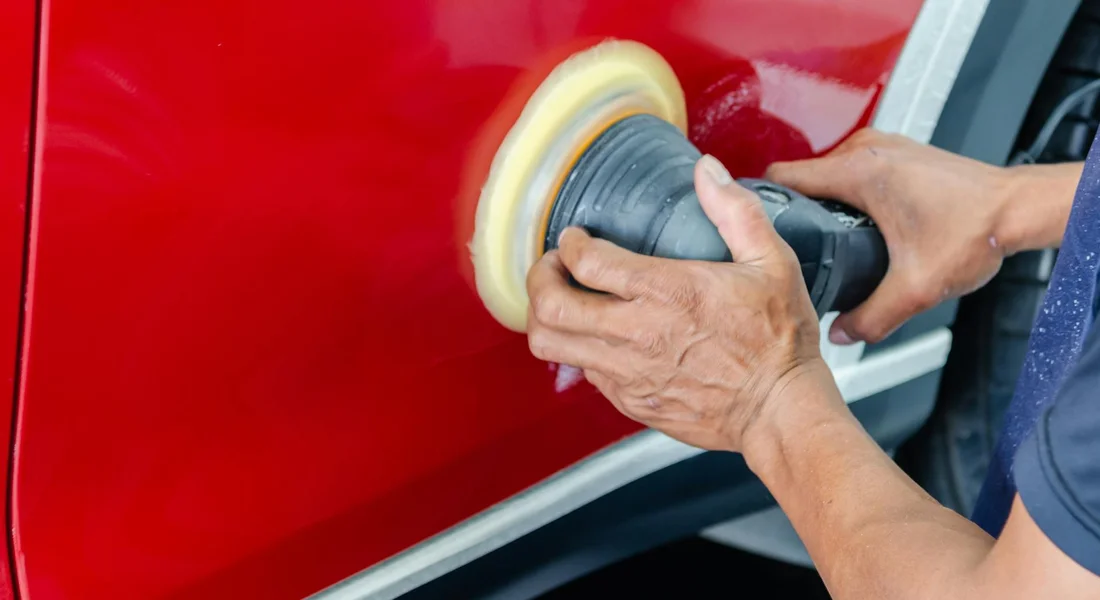
You spray it. The sharp, familiar petroleum scent hits the air. A fine mist coats the panel, beading up for a second before it starts to spread. You wipe it with a cloth. The paint looks incredibly shiny and slick to the touch. It seems like a miracle.
That slick film is the problem. It is not bonding with or protecting your clear coat it is just sitting on top like an oily blanket. Think of it like smearing a thin layer of cooking oil on a granite countertop. It will look shiny, but it is not clean and it will attract every speck of dust in the room.
The Instant Effect: A Shiny, Slippery Mistake
That high-gloss, “wet look” shine is what tricks people. For a few minutes, your car looks detailed. The oil fills in the microscopic pores and minor swirls in the clear coat, reflecting light evenly. This is a visual trick, not an improvement. The paint is not cleaner or healthier. It is just oiled. As that oil begins to evaporate and attract contaminants, the illusion fades fast, often leaving the paint looking worse than when you started.
The Long-Term Damage You Can’t See Right Away
The immediate gloss hides the real harm. First, the petroleum-based solvents in WD-40 actively break down and strip any legitimate protection you have applied. Your carnauba wax, synthetic sealant, or even a ceramic coating is compromised. Your paint is left naked.
Second, that oily residue is a powerful dirt magnet. Dust, pollen, and brake dust will cling to it, creating a gritty film. The next time you wipe the car, you are essentially sanding that grit into the clear coat, inducing fine scratches and swirls.
My black BMW is a perfect example of a car that would be ruined by this it shows every single flaw and attracts dust like a magnet, so adding an oily film is asking for a scratched, dirty finish. Finally, on certain paints or porous trim, the oils can soak in and bake in the sun, leading to permanent staining or discoloration that requires professional correction.
Safe Uses vs. “Never-Ever” Uses on Your Car
Let’s be clear. WD-40 is a water-displacing penetrant and degreaser. It is not a detailing product. This guide draws a bright line between what you might get away with and what will cause damage.
Where You Can Use WD-40 (Sparingly and Carefully)
- Engine Bay Cleaning (Degreasing): If you are searching for “can I use WD40 to clean my car engine,” the answer is yes, but carefully. Spray it directly on greasy metal brackets, bolts, or non-painted components. Let it dwell, agitate with a brush, and then thoroughly rinse it off with low-pressure water. Do not let it dry on wires, sensors, or plastic covers.
- The “In a Pinch” Bug or Tar Remover: For one stubborn, fresh spot, a tiny drop on a clean microfiber cloth can help dissolve it. I have done this on my Tesla’s flat front bumper after a long highway drive. The critical rule is you must immediately wash that entire panel with car shampoo and reapply your protective wax or sealant afterward to replace what the solvents stripped.
- On Bare Metal: It is fine for protecting undercarriage bolts, trailer hitch balls, or tow hooks from rust. Keep it off any painted surface.
Where You Should Never Spray It
- As a Paint Protectant or Wax Substitute: Never. It offers zero protection from UV rays, which cause oxidation and fade. The first rain or wash will remove it completely, leaving your paint exposed.
- On Clear Coat Scratches: If you searched “wd40 car paint scratches,” know this is a temporary mask. The oil fills the scratch, hiding it until it evaporates or is washed away. It does not repair, fill, or remove the scratch the damage is still there, just hidden by oil.
- On Car Plastic Trim or Interior: The solvents can cause plastics and vinyl to become brittle, discolored, and stained over time. The soft-touch plastics on the dashboard of my Honda Odyssey would be permanently damaged. Use a dedicated plastic cleaner and protectant instead.
- On Paint Protection Film (PPF) or Wraps: The solvents can break down the film’s adhesive, causing edges to lift, and can cloud the film’s top coat. On my Porsche’s PPF, I only use products formulated specifically for film and wraps.
- To “Fix” Clear Coat Runs or Hazing: It cannot repair physical clear coat defects, runs from a bad repaint, or oxidation haze. Those require professional abrasion (polishing) or repainting.
Paint Damage Prevention: If You’ve Already Used WD-40
You sprayed it on. Maybe it was for a quick bug clean-up or a stubborn sticker. Now you’re wondering what to do next. It happens. Don’t panic, but you need to act. Leaving that oily film on your paint is an open invitation for dirt to stick and for your clear coat to bake unprotected under the sun.
The goal now is a complete reset: strip the WD-40 off and put real protection back on.
How to Properly Remove WD-40 from Your Paint
You cannot just wipe it off with a towel. That spreads it thin and grinds any dirt into the paint. You need a full, proper wash. Dish soap is too harsh and strips everything, leaving your paint bone-dry and thirsty. You need a dedicated automotive shampoo.
- Rinse the car thoroughly with plain water to loosen surface grit.
- Fill two buckets. One with clean water for rinsing your wash mitt. One with water and your chosen car wash shampoo. The two-bucket method is non-negotiable here to prevent scratching.
- Wash one panel at a time using a clean microfiber wash mitt. Start at the top (roof, hood) and work down. Rinse the mitt in the clean water bucket after each pass to dump the dirt.
- Rinse the entire vehicle completely. Make sure all soap and oily residue is gone.
- Dry the car with a clean, soft drying towel. I use a large waffle-weave microfiber for my black BMW. Pat and glide, don’t drag.
This wash removes the WD-40, but it also strips away any wax or sealant that was there, leaving your paint completely defenseless.
The Critical Step Everyone Forgets: Re-Protecting Your Paint
This is the most important part. Your paint is now bare. UV rays, tree sap, bird droppings, and acid rain can now attack the clear coat directly. You must seal it back up, and you must do it now.
Apply a legitimate paint protectant immediately after drying. In my garage, after a corrective wash like this, I reach for a synthetic sealant or a ceramic spray coating. For my Ford F-150’s dark blue paint, a hybrid ceramic spray adds months of protection with just a few minutes of work. It beads water, sheds dirt, and blocks UV rays. For the Porsche, I might layer a true ceramic coating over the paint protection film for ultimate defense.
Think of it as medicine for your paint after a bad diet; you cleaned out the junk, now you need to restore the nutrients with proper protection.
Product Tier List: What to Use Instead of WD-40
WD-40 is a generalist in a world of specialists. Here are the real tools for the job, from simple drive-through maintenance to show-car perfection.
For Cleaning & Stain Removal (Budget to Pro)
These products are formulated to break down specific contaminants without harming your clear coat or trim.
- Budget/Drive-Through Tier: Aerosol bug and tar removers are widely available. Spray on, let it dwell, rinse off. For engine bays or heavy grease, use a dedicated automotive degreaser, but keep it off painted surfaces you care about.
- Enthusiast Tier: Iron fallout removers (they turn purple) dissolve tiny metal particles embedded in paint. Concentrated tar removers on a microfiber towel take off the nastiest road grime. Citrus-based all-purpose cleaners are great for door jambs and wheels.
- Show Car/Pro Tier: This is for paint decontamination before coating. Professional prep solvents, isopropyl alcohol mixes, and dedicated adhesive removers clean the paint to a perfectly bare, squeaky-clean state for flawless product bonding.
For Protecting Your Paint (The Right Way)
Protection is about creating a sacrificial barrier. These products are designed to take the hit so your paint doesn’t have to.
- Budget/Drive-Through Tier: A quality spray wax or spray sealant applied to a wet or dry car after every wash is fantastic. It takes two minutes and provides real protection and gloss. This is what I use on the Honda Odyssey to keep up with the chaos.
- Enthusiast Tier: Hybrid ceramic spray coatings offer 6-12 months of protection with incredible water beading. Longer-lasting synthetic sealants applied by hand provide a deep, warm shine. Perfect for a daily driver you’re proud of.
- Show Car/Pro Tier: True SiO2 ceramic coatings applied to perfectly corrected paint offer years of chemical resistance and hardness. Multi-layer paint sealants provide an unmatched depth of gloss. This is how I maintain the “garage queen” Porsche 911 and the corrected finish on the Ford F-150’s hood.
For Addressing Scratches and Defects
This is the fundamental difference. Oils hide. Polishes remove.
WD-40 fills a scratch with oil, making it invisible until the oil evaporates or washes away. Polishing physically removes a thin layer of clear coat to level the surface and erase the scratch permanently.
For serious scratches and swirls, like those on my black BMW, you need a progression:
- Compound: An abrasive product that cuts down clear coat to remove deeper defects.
- Polish: A finer abrasive that refines the surface after compounding, removing haze and restoring clarity.
- Finishing Polish: An ultra-fine abrasive for jeweling the finish to a flawless, high-gloss state.
A quality one-step correcting polish and a dual-action polisher can transform a swirled car in a weekend. If you’re not ready for machine polishing, a hand-applied glaze or filler can mask very light scratches and swirls for a short time, giving you a preview of a corrected finish.
Fixing the Fallout: When WD-40 Causes Problems
You used it. Maybe you were in a pinch, or you heard an old tip. Now you are looking at the paint and thinking it looks worse. I have been there. The good news is most WD-40 issues are fixable with the right process. We are not hiding anything, we are removing the problem and starting fresh.
Removing Oil-Stained or Dulled Paint
WD-40 leaves behind a greasy film that traps dirt. It can also slightly stain the clear coat, making it look hazy. To fix this, you need to completely remove the WD-40 residue and any contamination it locked onto the paint. This is a perfect job for my black BMW, which shows every single flaw. Here is how you bring the gloss back.
Start with a standard two-bucket wash. Use a solid car shampoo meant to cut grease. This first wash is just to get the loose grime off. Do not expect it to fix the problem.
After washing, you will need to clay the surface. The WD-40 acts like a glue for airborne particles. Your paint will likely feel rough and gritty. Using a fine-grade clay bar and plenty of lubricant spray, gently glide the clay over a small section. You will feel and see the contamination being pulled out. This step is non-negotiable.
Once the entire panel is smooth as glass, you can address the staining or haze. A light polish is your best friend here. For a dual action polisher, use a white polishing pad and a fine finishing polish. Work the polish in slow, overlapping passes until the residue is gone and the clarity returns. On my F-150’s hood, this removed the dullness from a similar oil-based mistake. By hand, use a soft foam applicator and more effort, focusing on the stained area.
Finish by wiping off all polish residue with a clean microfiber towel. Now your paint is clean, decontaminated, and ready for a real protectant.
Restoring a Stripped Ceramic Coating or Sealant
If your car had a ceramic coating or a synthetic sealant, using WD-40 likely destroyed it. These products form a protective layer on top of your clear coat. WD-40’s petroleum distillates and solvents break that layer down. You will know it is gone because water will no longer bead up and sheet away, it will just sit flat on the paint. There is no magic product to “restore” a stripped coating. If you’re trying to restore faded car paint, proper refinishing or a fresh coating is usually required. That process is best left to professionals or experienced DIYers.
The only fix is to reapply your protection. First, you must prep the surface as if it were brand new. That means following all the steps above: a thorough wash, a full clay bar treatment, and likely a light polish to ensure a perfectly clean, oil-free surface. Any leftover WD-40 residue will prevent the new coating or sealant from bonding properly.
On my Tesla, which has a ceramic coating, this would be a full afternoon of work. Wash, clay, prep with an isopropyl alcohol wipe to eliminate any final oils, and then carefully apply a new coating. It is a commitment, but it is the only way to get that long term protection back.
Handling “WD-40 Car Paint Transfer” on Trim
Overspray happens. If WD-40 gets on your black plastic trim or rubber seals, it can leave an ugly, chalky white stain or a greasy patch that collects dust. This whitening is the plastic absorbing the oils, and it needs to be cleaned and rehydrated. I see this a lot around door jambs and hood edges.
Do not just wipe it with water. You need a product designed to lift oils from porous surfaces. A dedicated exterior trim cleaner is your first and best option. Spray it on, agitate with a soft brush, and wipe it away.
If the stain persists, a diluted isopropyl alcohol solution can work. Mix it 1:1 with water, spray it on a microfiber towel first, and gently wipe the affected trim. This can dry the plastic out, so you must follow it immediately with a trim protectant.
Once the trim is clean and dry, apply a water based trim dressing or ceramic trim coating. This will restore the deep black color and protect it from future stains. On my Odyssey’s trim, this process brought back the uniform look after a similar spill.
Final Verdict on WD-40 and Automotive Paint
From my hands-on experience with everything from my daily-driven Ford to my show-car Porsche, the rule is clear: WD-40 is for hinges and bolts, not for paint. To clean, protect, or remove a stain safely, you must use a product formulated specifically for automotive clear coats.
Use WD-40 on your paint as a substitute, and you will create a greasy film that attracts dirt and can permanently dull the finish.
Related Guides and Information
- r/Polestar on Reddit: WD-40 on paint, safe?
- Does WD-40 Damage Car Paint? Separating Fact from Fiction – Pinalloy
- Will WD-40 on Car Paint Cause Damage? Let’s Find Out!
- Can WD-40 Damage Car Paint? – AutoManiacs
- Is WD-40 Safe On Car Paint? – Jalopnik
- Will WD-40 hurt your paint? | The Nissan Club
Max Gunther
Max is an automotive enthusiast having worked as a car mechanical and in interior detailing service for over 25 years. He is very experienced in giving your old car, a new fresh vibe. He has detailed many cars and removed very tough smells and stains from all kinds of cars and models, always ensuring that his work and advice helps his customers. He brings his first hand experience to his blog AutoDetailPedia, to help readers breath new life into their car interiors.