Car Wrapping Business: Is It Profitable and Legitimate for a Detailer?
You have a knack for making paint pop and interiors shine. Now you’re eyeing vinyl rolls, wondering if a wrapping business can turn that skill into real money.
I’ve wrapped my own fleet and client cars for years. Here, I’ll give you the honest breakdown from the driver’s seat. We will cover the real startup costs, the non-negotiable skills you need, how to find paying customers, and what makes a wrap business legitimate beyond just having a website.
Misjudge this step, and you could pour your savings into a venture that never gets out of the garage.
Key Takeaways: The Real Deal on Wrapping for Money
Is a car wrapping business profitable and legitimate? Yes, but not for everyone. It’s a skilled trade, not a get-rich-quick scheme. The money comes from solving real problems for customers, not just from buying a roll of vinyl.
Your success hinges on four non-negotiable factors: your hands, your location, your wallet, and your head.
- Skill Level: This is not detailing. Wrapping a door handle is harder than polishing an entire hood. If you can’t make a complex curve look painted-on without wrinkles or seams, you are not ready to charge.
- Local Market: Are you in an area with car enthusiasts, small businesses with fleets, or luxury vehicles? Wrapping a farmer’s work truck in a small town is a different business than wrapping Teslas in a tech hub.
- Startup Capital: You need more than film. A climate-controlled bay, professional tools (squeegees, knifeless tape, heat guns), software for design and pattern cutting, and insurance. Underestimating this is the fastest way to fail.
- Business Mindset: You are now a salesperson, accountant, marketer, and customer service rep who also wraps cars. If you only want to work with your hands, stay a hobbyist.
Let’s clear up a common fantasy. “Can you get paid to wrap your car?” Sometimes, but it’s a distraction. A company might pay you to turn your vehicle into a mobile billboard. These deals are rare, pay very little, and come with strict contracts. Building a business around wrapping other people’s property is the only sustainable model, especially when it comes to commercial vehicles.
For income, don’t expect to pay yourself for at least 6-12 months. A proficient wrapper on a common sedan can charge $2,500 to $4,000 for a full color change. After material costs ($400-$800), your profit is labor. The ceiling is high for experts on exotic cars, but the floor is zero for those who rush.
What You’re Really Selling: Car Wrapping vs. Paint and Other Services
A car wrap business sells a result, not a product. You are selling a flawless, protected, or attention-grabbing finish that meets a specific need. Often, this finish is achieved through vinyl car wrap.
Compare it to a full repaint for my 2022 Porsche 911. A high-quality paint job costs $10,000+, takes weeks, and permanently alters the car. A full wrap in a wild color costs a third of that, takes 3-5 days, and is reversible. For that Porsche owner, I’m selling a temporary transformation without devaluing the original paint.
The service scope is wider than just color changes. A legitimate shop offers solutions:
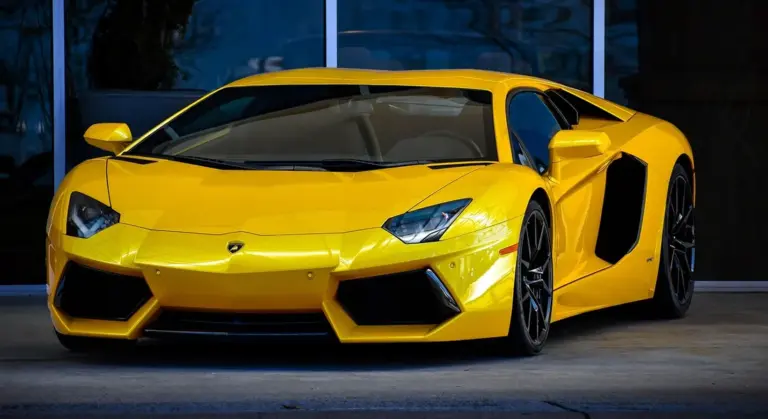
- Full/Partial Color Change: The core service. From matte black to chrome wrap.
- Paint Protection Film (PPF): Installing clear, self-healing film like XPEL or STEK. This is what’s on my Porsche’s front end. It’s a premium service focused on preservation, not appearance change.
- Commercial Fleet Graphics: Wrapping vans or trucks with business logos and contact info. This is reliable, recurring work.
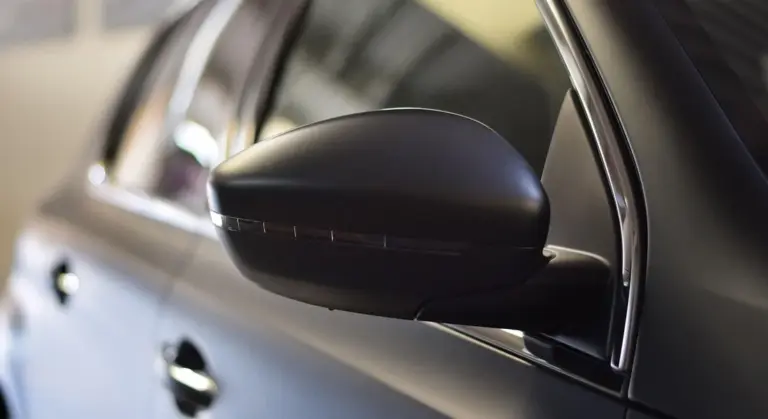
- Partial Wraps & Accents: Roof, hood, or mirror wraps. A lower-cost entry point for customers.
Your legitimacy comes from which problem you fix. For the Honda Odyssey owner, it’s protecting the front from highway chips with a clear bra. For the local plumber, it’s turning his white Ford Transit into a rolling advertisement. For the Tesla owner, it’s changing his car’s color for a few years. You are a problem-solver first.
The Product Tier List: Wrapping Materials for Every Budget
Your material choice dictates your job quality and your profit. Using cheap vinyl on a customer’s car is the biggest mistake you can make. Here’s a breakdown.
Starter/DIY Grade
- Examples: Generic calendared vinyl from online marketplaces.
- Cost: $200-$400 per 60-foot roll.
- Lifespan: 1-3 years if installed perfectly. Prone to shrinking, fading, and adhesive failure.
- Use Case: Personal, short-term projects only. Never use this on a paying client’s vehicle. The liability from a failed wrap will erase any profit.
Reliable Shop Grade
This is where every professional business should start and likely stay for most jobs.
- Examples: 3M 2080 series, Avery Dennison Supreme Wrapping Film, Oracal 970RA.
- Cost: $500-$800 per roll.
- Lifespan: A solid 3-5 years with solid UV resistance, consistent adhesive, and reliable conformability.
- Use Case: 95% of your color change work. These films are predictable, have air-release channels, and are backed by manufacturer warranties when installed by certified shops. Your profit margin is healthy here.
Top-Tier/Show Car Grade
- Examples: Premium cast films like 3M 1080, vinyl with ceramic coatings, or high-end PPF like XPEL ULTIMATE.
- Cost: $800-$1,500+ per roll (PPF can be even higher).
- Lifespan: 5+ years for vinyl; 7-10 years for PPF.
- Use Case: Luxury or show vehicles where finish perfection is paramount. Charged at a premium. PPF is its own high-margin service for protecting new cars and high-end paint.
Does Car Wrap Advertising Work? (The “Get Paid to Wrap Your Car” Angle)
Let’s tackle the dream directly. “Do companies pay you to wrap your car?” Yes, but barely. “Does car wrap advertising work?” For the company buying the ad, sometimes. For you as a business model, almost never.
Here’s the reality. A company might pay you a small monthly fee ($100-$300) to turn your daily driver into a billboard. You give up control of your car’s appearance for a long contract. The wrap is usually cheap material installed on the cheap. This is not a wrapping business; it’s renting your personal property. That ties into the car wrapping pros, cons, and cost you should consider. Weighing those factors helps you decide if a wrap fits your budget and goals.
As a service you offer, it’s a niche. You can approach local businesses and offer to wrap their fleet vehicles with their graphics. That’s a legitimate commercial wrapping job. The “get paid to drive” model is something a client might ask you about. Your answer should be honest.
Explain the low pay, the contract lock-in, and the potential wear on their vehicle. Do not build your business plan around finding drivers for ad wraps. Build it around becoming the expert that businesses hire to wrap their own vehicles. That’s a real, scalable service.
Breaking Down the Costs: What It Takes to Open Your Doors
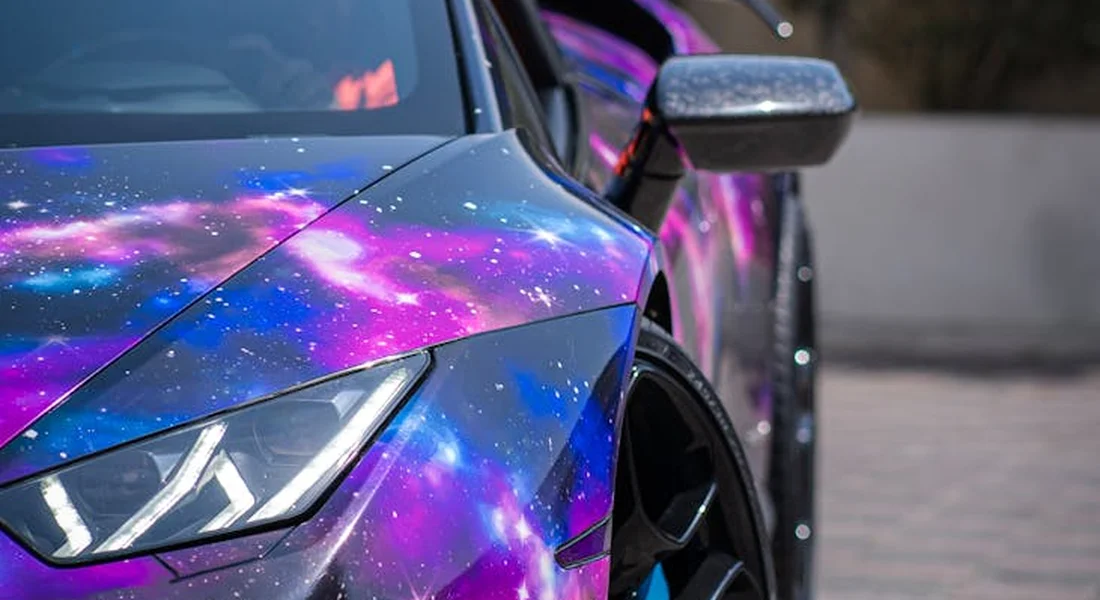
Let’s talk real numbers. Wrapping is not a cheap hobby to turn pro. Your startup costs fall into a few big buckets. The professional car wrap cost is a major factor, driven by material quality, design complexity, and vehicle size. Getting a handle on that cost now helps you compare quotes and plan your budget.
You need a space to work, and that’s your first major decision. Renting a commercial bay with good lighting and climate control can run $1,000 to $3,000 a month, plus utilities. A home garage costs you nothing in rent, but you trade space and professional appearance.
The tools are a serious investment. You cannot skip quality here.
- Professional vinyl plotter/cutter: $3,000 – $10,000
- Professional heat guns (you need two): $200 – $500
- Installation tool kits (squeegees, felt-edged tools, knives): $300 – $800
- Cleaning and prep supplies (clay bars, panel wipes, spray bottles): $200
- Initial material inventory (vinyl rolls, wrap tape, transfer tape): $2,000 – $5,000
Then come the business necessities. General liability insurance is non-negotiable. A basic policy might start around $1,500 a year. Business licensing varies by town, but budget a few hundred. Setting up a simple website and basic accounting software adds a few hundred more.
So, a tight home-garage operation might launch for $8,000-$10,000 if you’re savvy. A turn-key commercial shop can easily hit $25,000-$40,000 before you take your first client.
Your costs don’t stop after opening. Every month you pay for:
- Material restocking (your biggest ongoing cost)
- Marketing (Google Ads, social media boosts)
- Software subscriptions (design software, accounting)
- Tool maintenance and blade replacement
- Rent and utilities (if commercial)
Here’s a real-world example. To properly wrap my Ford F-150, the “Workhorse,” you need a bay that can fit a full-size truck. You need a 60-inch plotter to handle the vinyl width for those big hood panels. Your initial vinyl order must include enough roll to practice on complex curves like the front bumper and mirrors. A home garage can do it, but you’ll be moving the truck in and out constantly. A dedicated shop bay lets you walk around it freely, which cuts your install time dramatically.
Setting Prices and Finding Profit Margin
So, what is the profit margin for a car wrapping business? After overhead, a well-run shop should target a 40% to 60% gross profit margin on materials and labor. Your net profit is what’s left after rent, insurance, and marketing. A new operator might see 20-30% net. An efficient expert can push 40%+. The variables are huge: your speed, your material waste, and what your local market will bear.
You must have a pricing framework, not just guess. Here is the simple formula I use for every quote:
- Material Cost: Calculate the exact square footage of vinyl needed, then add 15-20% for waste and mistakes. Don’t cheat here.
- Labor Hours: This is based on vehicle complexity. A flat-sided box truck is faster than my BMW 3 Series with its complex body lines. A full wrap can take 20-40 hours for a beginner, 10-20 for a pro.
- Shop Overhead: Add a percentage (often 10-20%) to cover your monthly fixed costs, or build it into your hourly rate.
- Profit: This is your reward for skill and risk. It’s the final amount added on top.
Example price ranges (materials and labor) in today’s market:
- Full Sedan Wrap (like a Tesla Model 3): $3,000 – $5,500+
- Full Truck/SUV Wrap (like my F-150): $4,000 – $7,000+
- Partial Wrap or Two-Tone: $1,500 – $3,000
- Paint Protection Film (PPF) Full Hood: $600 – $1,200
- PPF Full Front End: $1,800 – $2,800
Your earnings are directly tied to your efficiency. Speed is not about rushing. It’s about flawless technique that eliminates rework. If you can wrap a sedan in 15 hours instead of 25, you’ve just added 10 billable hours back to your week. You use less material because you make fewer errors. This is where the profit margin expands. The faster and cleaner you are, the more money you make per job.
Detailer’s Pro-Tip: The Technique Tweak That Saves Hours
Let’s talk about complex curves, like the front bumper on a Tesla Model 3 or the mirror cap on my black BMW. These areas cause the most wasted time and vinyl. The trick is in the initial placement and the first stretch.
Do not just lay the vinyl on and start heating wildly. Here’s the move:
- After cleaning, lay the vinyl loosely over the curve. Use knife-less tape to create a temporary “hinge line” along the crest of the curve. This holds the film in perfect alignment.
- Peel back half the liner. Lightly tack the film along your hinge line.
- Now, with a heat gun set to medium (about 250°F), use a sweeping, circular motion about 6-8 inches from the surface. Heat the vinyl, not the paint. You want it pliable, not molten.
- Using a soft, felt-edged squeegee, use the palm of your hand to apply firm, even pressure outward from the hinge line. Stretch the film down and over the curve, not sideways. This focuses the tension where you need it.
- Work in small, 6-inch sections. Heat, stretch, and stick. Repeat.
This method gives you control. It prevents fingers and wrinkles from forming in the deepest part of the curve. Mastering this one sequence on a practice panel can cut your bumper wrap time in half. You won’t be fighting the material. You won’t be cutting out wrinkles and wasting a foot of vinyl. That saved time and material goes straight to your bottom line.
Is There Enough Demand? Assessing Your Local Market
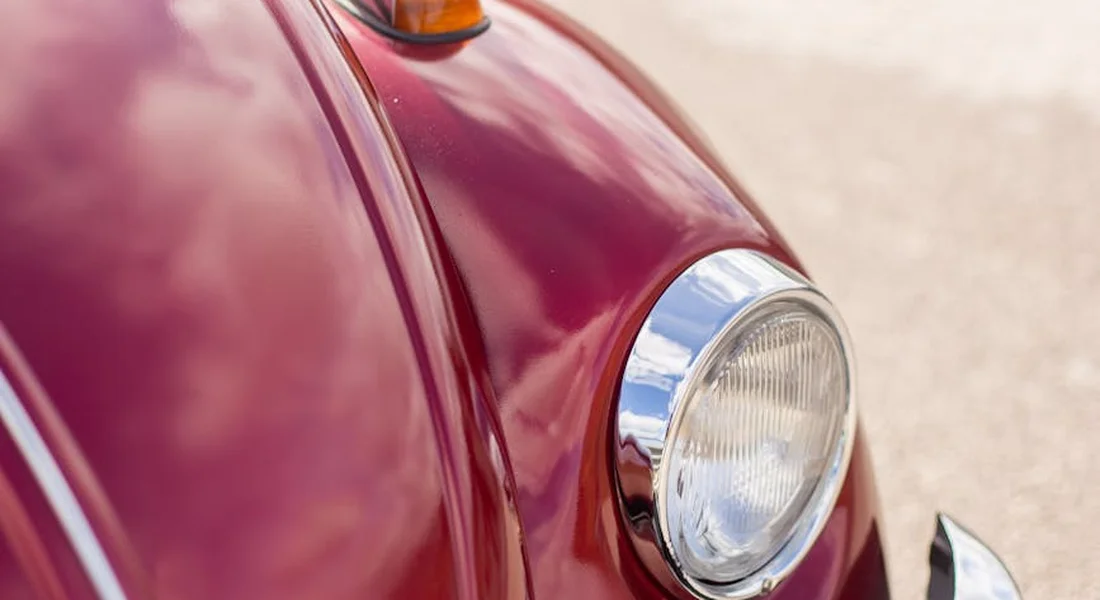
You ask if car wrapping is in demand. The real answer is always local. A booming market in Miami might be saturated in Minneapolis. You have to look out your own shop window, or your garage door, and see what’s driving by.
Start with a simple observation drive. Take an hour and cruise the nicer neighborhoods, the business parks, the downtown strips. What do you see? A lot of new trucks and SUVs? That’s a market for color changes and protective films. Older sedans with fading paint? Maybe not. Look for fleet vehicles for local businesses-plumbers, electricians, landscapers. Their vans and trucks are rolling billboards waiting to happen.
Next, go online. Search “car wrap near me” and “vinyl wrapping” plus your town. See who pops up. Visit their websites and social media. Are they swamped with work and charging premium prices (e.g., in Los Angeles)? That’s a good sign of demand. Are there only one or two shops for a large city? That might be an opportunity. Are there a dozen guys working out of driveways offering rock-bottom prices? That’s a different, more difficult market to enter.
Your potential customers break down into a few clear groups:
- Individuals: The car enthusiast wanting a color change on their 911, the minivan mom wanting to protect her Odyssey’s front end from bugs and rock chips, the truck owner wanting a unique matte finish on their F-150.
- Small Businesses: The local contractor needing logos on a van, the real estate agent wanting their contact info on their Model 3, the food truck needing a full graphic wrap.
- Dealerships: They often need minor wraps for badges, stripes, or roof accents on new inventory. This is high-volume, repetitive work.
- Corporate Fleets: This is the big league. Wrapping an entire fleet of service vehicles for a regional company. The budgets are larger, but the expectations and paperwork are too.
Your climate dictates your workflow more than you think. I learned this with my own vehicles. You cannot properly install vinyl in a dusty, windy, or cold environment. In northern states, the wrap business often goes dormant in the deep winter. The shop needs to be heated, clean, and humidity-controlled. In summer, the heat can cause the vinyl to become too sticky and hard to manage. Extreme temperatures—hot heat and freezing cold—impact vinyl wrap performance and adhesive strength. This is why temperature control and climate-aware planning are essential for consistent results. Your profitable months might be spring and fall, so you must plan your finances and marketing around that seasonality. It’s not a steady, year-round stream like an oil change business.
The Craft: Essential Skills and How Long It Really Takes
Applying vinyl is only the middle step. The magic, and where profits live or die, happens before and after.
First is paint surface prep. This is straight from the detailing world. The car must be cleaner than you’ve ever seen it. I mean a full decontamination wash, a thorough clay bar treatment to pull every speck of embedded pollution and sand from the clear coat, and a final wipe-down with a high-quality isopropyl alcohol mix to eliminate any wax or silicone. A single grain of sand under the vinyl will create a bubble or tear that the client will see forever, and you will eat the cost of the entire job.
Then comes the application. It’s a tactile skill. You need to feel how the vinyl stretches, how much heat is too much, how to work out air without distorting the color or graphic. Precision cutting with a fresh blade is a nerve-wracking skill-one slip can score the client’s paint, which is a thousand-dollar mistake. Post-installation, you need to teach the client how to care for it, much like a paint correction job. No automatic car washes, specific soaps, and careful drying techniques to prevent lifting edges.
Time is your enemy and your meter. A first-timer will take an entire weekend to wrap a hood and mess it up. An experienced installer has a rhythm. Let’s be honest:
- A full color change on a simple, small car like my 1995 Miata? For a proficient installer, that’s a solid 1.5 to 2-day job. The curves are gentle, the panels are few.
- The same job on my 2022 Porsche 911? That’s 3 to 4 full days. The bumpers are complex, the intakes are deep, the rear decklid has sharp angles. Every extra hour is an hour you’re not starting the next job.
- A basic hood, roof, and trunk wrap for a partial look? Maybe a day.
- A full commercial van with printed graphics? That’s a week of work, often with two people.
New installers make costly mistakes. Rushing the prep is the biggest one, leading to bubbles and debris under the film. Using too much heat and stretching the vinyl thin, which will cause it to fail and shrink back prematurely. Trimming on the vehicle with a dull blade and pressing too hard, leaving a deep scratch in the clear coat. Not understanding adhesive types and using a permanent vinyl for a short-term promotion, making removal a nightmare.
You must practice on junk panels until your hands learn the motion. Go to a salvage yard, buy a few old hoods and doors, and wrap them. Then strip the vinyl off and do it again. Practice the “knifeless tape” technique for perfect lines. Your first ten projects should not be on a client’s car. This craft requires muscle memory and patience that you only get from repetition, not from watching videos. The profit comes from doing it right the first time, because the second time is always on you.
Turning a Hobby into a Legitimate Business
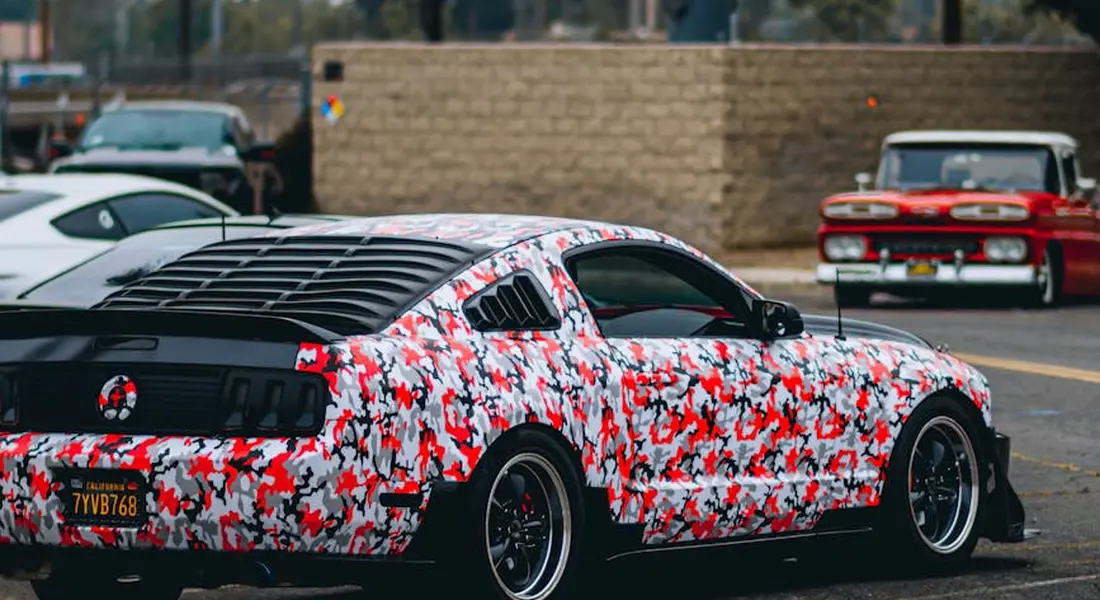
Wrapping a car well is one skill. Running a business that does it is another. I learned this the hard way. The first time a client was unhappy with a seam placement, I had no contract outlining what “finished” meant. We worked it out, but it cost me time and material. To be legitimate, you must build systems that protect you and manage client expectations before you ever touch their paint.
Lay Your Paperwork Foundation
The boring stuff separates the hobbyist from the professional. It is not optional.
- Business Registration & Taxes: Talk to an accountant. Setting up as an LLC can shield your personal assets. You will need to track income, expenses, and pay sales tax. Using simple accounting software from day one saves massive headaches later.
- Insurance is Non-Negotiable: General liability insurance is the most critical purchase after your plotter. It protects you if a heat gun damages a client’s trim, if a slip with a knife scratches their paint, or if someone gets injured at your workspace. Without it, one mistake can end everything.
- Professional Invoicing: Use a service that generates clean, itemized invoices. It builds trust and makes tax time manageable. Clearly list labor, material (vinyl brand/type), and any prep work like paint correction.
- The Client Contract: Your contract is your blueprint. It should define the scope of work, the vehicle’s condition at drop-off, payment schedule, and a clear warranty. My warranty, for example, covers material defects but not damage from improper washing or abrasion. This document prevents “he said, she said” scenarios.
Marketing: Show, Don’t Just Tell
People buy with their eyes. Your portfolio is your strongest sales tool.
- Portfolio Quality: Take brilliant photos of every job. Use natural light. Get shots of the whole car, but also tight shots of complex areas like mirrors, door handles, and bumpers. This is where your “cast” of cars helps. A photo of the Miata’s single-stage paint restored before a wrap shows your prep skill. A shot of the Porsche’s wrapped front bumper shows you handle high-stakes clients.
- Online Presence: A simple, clean website with your portfolio and contact info is essential. Social media is your daily shop window. Post time-lapse videos of wrapping a Tesla’s flat bumper or a BMW’s tricky body lines. Share the satisfaction of peeling the release liner off a perfect hood. Engage with local car groups online.
- Local Networking: Introduce yourself to local detail shops, body shops, and car dealerships. They often get requests for wraps and may refer clients. Attend local cars and coffee events. Having your well-wrapped personal vehicle there is a rolling advertisement.
The Engine of Growth: Customer Service
A perfect wrap can be undone by poor communication. Managing expectations is the single most important part of customer service in this trade. Be brutally honest about what vinyl can and cannot do, how long it will last, and how to care for it. Give a realistic timeline. A happy client tells a few friends. An unhappy client tells everyone.
When you do the job right, the referrals start. This is how you scale.
Scaling Your Operation
When the work consistently comes in, you face new decisions.
- Hiring Help: Look for someone with patience and a keen eye for detail, not just someone who wants to wrap cars. Train them in your process, your safety protocols for knife handling, and your customer service standards.
- Investing in Equipment: A second plotter, a dedicated heat lamp for post-heating, or a vehicle lift for easier bumper removal are logical upgrades that increase quality and efficiency.
- Specialization: Offering ceramic coating over a wrap is a natural and profitable add-on. It provides superior protection for the vinyl and justifies a higher price. This turns a wrap client into a long-term maintenance client.
Can You Make Money Wrapping Your Own Car?
Let’s tackle this directly. I see this question all the time: “can i get paid to wrap my car” or “can you make money wrapping your car.”
The short, honest answer is no. Wrapping your own car is a business expense, not a revenue stream. You are the client. You buy the vinyl. You pay yourself in labor, which is just moving your own money around. It won’t increase the resale value of the car.
Your personal vehicle is a cost of education and a marketing tool, not a line item for income. Wrapping my F-150 was practice. It let me make my rookie mistakes on my own paint. The Model 3, once wrapped in a matte finish, became my best advertisement. It generated leads because people saw it and asked where I had it done.
Think of it like this. A chef doesn’t count the meal they cook for their family as restaurant income. They might use a photo of that beautiful dish on the menu. Your car is the same. Do not fall into the trap of considering a personal wrap as business revenue. It will give you a false sense of profitability. The money comes from wrapping other people’s cars, not your own.
Making Your Mark in the Wrap Business
Based on my time applying paint protection film to cars like my red Porsche, I know your profitability hinges entirely on the quality of your hands-on work. The most reliable path to legitimacy is building a reputation for installs so precise that the vinyl looks like it grew there, which commands higher prices and turns clients into advocates.
Neglect the fundamentals of surface cleaning or proper stretching, and the material will lift at the edges, trapping dirt and forcing you into expensive, trust-eroding reworks.
Industry References
- r/CarWraps on Reddit: Wrap car Business profit
- Can You Make Money Wrapping Cars? | Elite Wrappers
- 35 Pros & Cons Of Starting A Vehicle Wrap Business (2025) – Starter Story
- How to Start a $500K/Year Car Wrapping Business – UpFlip
- How to Start a Profitable Vehicle Wrapping Business in 13 Steps
Max Gunther
Max is an automotive enthusiast having worked as a car mechanical and in interior detailing service for over 25 years. He is very experienced in giving your old car, a new fresh vibe. He has detailed many cars and removed very tough smells and stains from all kinds of cars and models, always ensuring that his work and advice helps his customers. He brings his first hand experience to his blog AutoDetailPedia, to help readers breath new life into their car interiors.