How Do You Remove Rust from Car Surfaces and Parts Without Damaging the Paint or Metal?
You see that spot of orange on your door frame or brake dust on your wheels and worry about permanent damage.
This guide will teach you how to spot the difference, choose the right tools, and stop rust for good. We will cover identifying surface rust versus corrosion, the safest mechanical and chemical removal methods for paint and trim, how to protect the area afterward, and a simple prevention routine to follow.
Using the wrong method can turn a small blemish into a ruined paint job or accelerate hidden metal rot.
Key Takeaways: Your Rust Removal Roadmap
Before you touch a thing, match the problem to the solution. This is your cheat sheet. It comes from years of fixing my own cars, from the Miata’s old bolts to the BMW’s sensitive paint.
| Problem You See | Best Method for Detailing | Difficulty & Notes |
|---|---|---|
| Surface Rust/Stains on Paint | Chemical Decontaminant (Iron Remover) | Easy. Spray-on, rinse-off. For orange speckles on paint or wheels. |
| Light Rust on Chrome or Alloy | Specialized Chrome Polish or Gentle Abrasive Paste | Medium. Requires hand polishing. Good for wheel lips or trim. |
| Heavy Scale on Non-Painted Parts (bolts, brackets) | Evapo-Rust Soak or Rust Converter | Medium. Involves disassembly for a soak. Detailing-level only. |
| Embedded Grit in Clear Coat | Detailing Clay Bar with Lubricant | Easy to Medium. Lifts particles paint feels rough. Use before waxing. |
Always start with the least aggressive method in an inconspicuous spot. I test behind a wheel or under the trunk lid on every car, especially my black BMW. It prevents you from creating a bigger problem than you started with.
What You’re Really Dealing With: Rust vs. Contamination
You need to know what you are touching. Most orange spots on your paint are not rust. They are contamination.
Real rust is corrosive oxidation. It means the metal itself is breaking down. On a painted surface, if you feel a rough, bubbly texture under your fingertip, the paint is compromised. I see this on the undercarriage of my Ford F-150 after salty winters. The metal is actually changing.
Ferrous deposit staining is different. These are microscopic iron particles from brake pads or train rails that land on your car and rust on top of the paint. The gritty orange stains on my white Tesla’s front bumper after a highway drive are almost always this kind of contamination, not the paint failing. They feel like fine sand stuck to the surface, not a bubble coming from beneath.
How to clean rust off car paint begins right here with this simple test. For contamination, a good iron remover will dissolve the particles and turn them purple as you rinse. For real rust on paint, you are often looking at a chip that needs touch-up, which is beyond a simple wash. Use your senses. Look close. Touch gently. This step saves your finish and your weekend.
Your Arsenal: Choosing the Right Tools & Chemicals
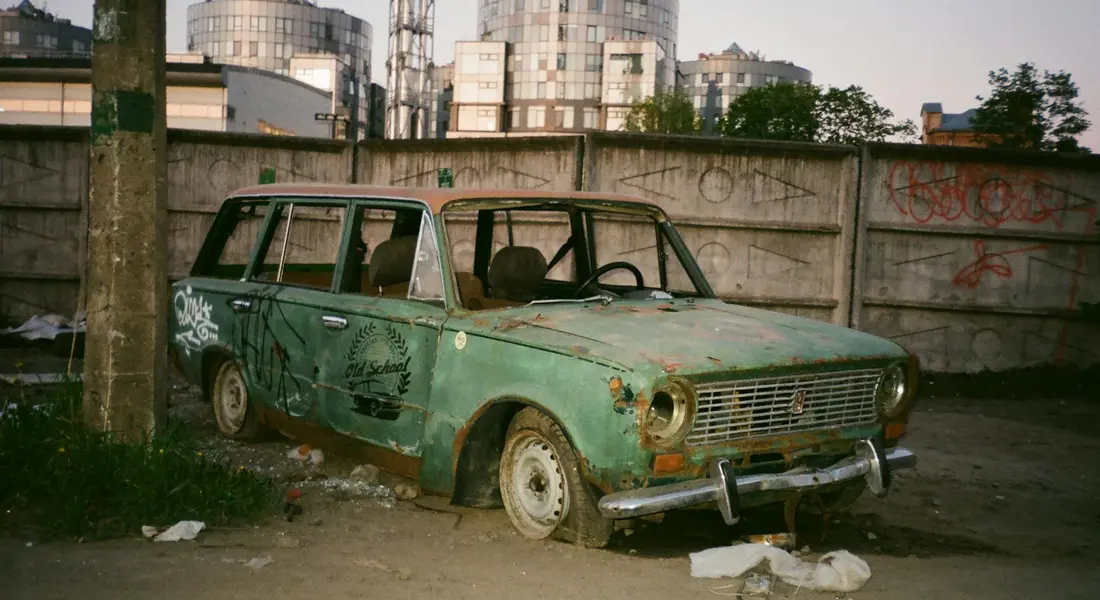
You would not use dish soap to wash a paintbrush. You need the right tool for the job. Rust removal is the same. Using the wrong chemical or pad can turn a simple stain into a permanent flaw. This section breaks down what you need to buy and, more importantly, where to use it safely.
The Product Tier List: From Driveway to Show Car
Not every job requires a museum-grade product. Here is how I categorize my approach based on the vehicle and the goal.
- Budget / Get-It-Done: This is for my F-150’s raw frame or a rusty trailer hitch. Look for a general-purpose, non-acidic rust dissolver gel for parts you can soak. For paint stains, a concentrated, value-priced iron remover works. Protection is a simple spray sealant.
- Enthusiast / Detailer’s Choice: This is my daily standard for cars like the BMW or Tesla. You want a high-quality, thick iron remover that clings to vertical panels. A dedicated, non-abrasive chrome polish is key for wheels. Follow up with a durable synthetic sealant or ceramic spray.
- Show Car / Specialist: This is for the Porsche’s exhaust tips or the Miata’s restoration. This tier uses ultra-pure, residue-free iron removers and premium metal polishes with jeweling abrasives. Final protection is a multi-year ceramic coating applied to a perfectly decontaminated surface.
Chemical Decontaminants (Iron Removers)
If you have asked how do you remove rust stains from car paint, this is your answer. These products are magic in a spray bottle. They are typically purple because they contain chemicals that react with ferrous (iron) particles.
When you spray it on, it turns a deep blood-red or purple as it dissolves those tiny bits of brake dust and industrial fallout that are embedded in your clear coat and staining it. This process is purely chemical, it does not scrub or abrade your paint, which makes it perfectly safe for clear coat when used as directed.
I use this on every car, even the clean-looking ones, twice a year. You will be shocked what bleeds off a white Tesla. Remember, this is for stains on the surface of intact paint. If the paint itself is bubbling or cracked, the rust is coming from beneath, and an iron remover will not fix it.
Non-Acidic Rust Converters & Soaks
These are for parts, not your car’s painted body. I keep a gallon of a product like Evapo-Rust in the garage. It is water-based, non-toxic, and works through immersion. I use it to restore old bolts, door hinges, or suspension components I have taken off the Miata.
The golden rule is this product is for removed parts or non-painted surfaces only, like a raw steel undercarriage. Never use it on your painted fenders or clear-coated wheels.
Understand the two types. A rust converter reacts with iron oxide to form a stable, black protective layer. You paint over it. A rust remover dissolves the oxide away, leaving bare metal that you must dry and protect immediately to prevent flash rust.
Gentle Abrasives: Polishes and Specialty Cleaners
Sometimes you need to physically remove a layer. The key word is gentle.
For chrome trim or polished alloy lips, a non-abrasive, cream-based metal polish is your friend. It uses fine chemical cleaners to lift tarnish without scratching. For clear-coated wheels, use the same polish you would for your paint.
Light surface oxidation, like the chalky red on the old Miata, requires a very fine-grade polishing compound and a buffer. This removes a microscopic layer of clear coat to reveal fresh paint underneath, so it is a corrective step, not a routine cleaner.
My strongest warning: do not use heavy-duty sandpaper, steel wool, or aggressive scrubbing pads on any painted surface. You will inflict deep scratches I would need a buffer to fix on my BMW. It is a shortcut to a repaint.
Paint Damage Prevention: The Detailer’s Rules for Safe Rust Work
Rust is the enemy, but you can be a bigger enemy to your paint if you are not careful. Avoid these mistakes to keep a cleanup job from becoming a catastrophe—especially when painting over rust.
- Using a rust converter or acid-based product on clear coat. This is the biggest error. These chemicals are meant for bare metal and will etch or stain your paint permanently.
- Scrubbing iron remover or polish with an aggressive pad. Let the chemical do the work. Agitate gently with a soft microfiber towel. Scrubbing contaminated product into the paint is how you give your car “rust scratches.”
- Not rinsing chemicals off completely. Iron removers and polishes leave residues. After they do their job, rinse the panel thoroughly with water. Any leftover chemical can stain or haze the surface as it dries.
- Working in direct sunlight or on a hot panel. Heat causes products to dry too fast, making them difficult to rinse and increasing the risk of streaking or etching. Work in the shade, in a garage, or in the early morning.
My Jet Black BMW is the cautionary tale. Its paint is so soft it shows every flaw. I once saw someone try to clean a water spot stain off a similar car with a rough towel and some cleaner. They did not rinse the cleaner, just rubbed it dry. They created a massive, hazy swirl mark that looked worse than the original stain, a perfect example of the cure being worse than the disease. Patience and the right product always win.
The Step-by-Step: How to Clean Rust and Stains from Specific Areas
Rust never sleeps, but you can put it on pause. The trick is knowing your enemy and where it likes to hide. You use different tools for the tiny specks on your paint than you do for the crust on a frame rail. Let’s walk through it, area by area.
How to Clean Rust Stains from Car Paint (Ferrous Deposits)
Those tiny orange or brown specks on your white or light-colored paint are not rust eating your car. They are ferrous deposits. Think of them as rust dust from brake rotors and road debris that has melted onto your clear coat. The process for how to clean rust off car paint is a chemical one, not an abrasive one. You dissolve it away. Preventing rust is easier than repairing extensive damage. Address deposits early and consider protective coatings to keep your paint looking new.
My white Tesla Model 3 gets these bad after a few highway drives. My dark blue F-150 hides them better, but they are still there, feeling like gritty sand under your hand. Here is the fix.
- Wash the area first. Use your normal two-bucket wash method to remove loose dirt. This prevents dragging grit across the paint later.
- Use a clay bar. This is a critical step people skip. After washing, lubricate a small section with detail spray and glide the clay bar over it. You will feel it grab the embedded contaminants. The clay bar pulls out the physical particles, while the chemical remover will dissolve the metallic bonds. They work as a team.
- Apply an iron remover. Spray a dedicated iron/fallout remover onto the cool, shaded paint. Let it dwell. You will see it turn purple as it reacts with the iron particles. This is the “color change” that shows it’s working.
- Rinse thoroughly. Use a strong stream of water or a pressure washer to flush all the dissolved contaminants and chemical off the surface.
- Dry completely and re-protect. The chemical strip will remove your wax or sealant. Always follow up by applying a fresh layer of protection. I use a spray sealant on the Tesla for speed and a more durable paste wax on the F-150’s hood and fenders.
How to Clean Car Chrome Rust and Polished Alloy Wheels
Chrome is just a thin plating over metal. Once real rust starts, it’s a race to clean it before the plating fails. For light surface rust and staining, you can often bring back the shine. Remember, detailing can clean superficial rust from chrome, but it cannot repair pitted or peeling plating.
For light stains, use a dedicated chrome polish and a soft microfiber. Apply firm pressure and work in small sections. For slightly more stubborn oxidation, you need a gentle abrasive. This is the only time I recommend steel wool in detailing.
- Use only #0000 (super fine) steel wool.
- Always, always use it with a lubricant. Soak the wool in soapy wash solution or spray the chrome heavily with detail spray.
- Gently rub in straight lines, not circles, to match the metal’s grain. Rinse and check your progress often.
- Finish with chrome polish to seal the surface.
For alloy wheels with clear coat, treat them like painted surfaces. If the clear coat is peeling and the bare aluminum is oxidizing, the repair is beyond a simple clean. Knowing how to clean car chrome rust is about managing expectations as much as technique.
How to Clean Rust from Car Engine Bay Components (Detailing-Only)
Let’s be clear. This is for making a sound engine look better, not for fixing it. We are cleaning surface rust from valve covers, brackets, and bolts. How to clean rust from a car engine bay starts with protecting what should not get wet.
Cover the alternator, fuse boxes, and open air intakes with plastic bags. Use a lightweight degreaser on oily areas first. For rusty bolts and iron parts, a detailer’s rust dissolver gel is perfect. It clings to vertical surfaces.
- Apply the gel with a small brush, letting it dwell on the rust.
- Agitate with a stiff bristle brush (brass or plastic) to break up the crust.
- Rinse carefully with low pressure, avoiding your covered electronics.
- Once dry, protect bare metal with a dedicated engine bay dressing or a light spray of rust inhibitor. This slows its return.
How to Clean Rust from Car Undercarriage and Frame
This is about halting progress, not winning best in show. For my F-150 Workhorse, this is a fall ritual. The goal is to remove loose scale and salt, then coat what is left to prevent more rust. You are cleaning and protecting, not restoring structurally compromised metal. If the frame is soft or has holes, stop and call a professional.
If the metal is solid but surface-rusted, here is the plan. Use a safe, non-corrosive undercarriage cleaner. Spray it on, let it soak, and use stiff brushes or even a dedicated undercarriage scrubbing wand to knock off mud and loose scale. Rinse it all away with a pressure washer.
The most important step comes next. Once everything is bone dry, apply a rust-inhibiting spray coating like fluid film or a lanolin-based product. This oily coating creeps into seams and displaces moisture, which is what rust needs to grow. It is messy, but it works. I do this to the F-150 every year before the first salt hits the roads.
When to Stop Detailing and Start Calling a Pro
Your eyes and a simple screwdriver are the best tools here. If you see paint bubbling up like a blister, that is rust growing from behind. Poke it gently with the screwdriver tip. If it feels soft or flakes away into a hole, you are done detailing.
Other signs are a scaly, flaking texture that you can peel off in sheets, or visible holes in body panels or the frame. This is active corrosion, not a surface stain. A professional car rust removal service has tools we do not. They can sandblast metal to bare, clean steel, cut out rotten sections and weld in new metal, and properly prime and repaint the area.
If you are looking at a used car and find this, walk away unless you are ready for a major project. Searching for “car rust removal service near me” or “car rust removal and undercoating near me” is the smart next step when you find deep corrosion. They can assess if it is just cosmetic or a safety issue. Our job as detailers is to keep the surface stuff at bay and know when to hand off the real problems.
Keeping It Gone: Your Anti-Rust Maintenance Routine
Getting rust off is a victory. But that victory is temporary if you just walk away. The metal you just worked so hard to clean is now bare, exposed, and eager to start oxidizing again the moment it gets wet. Your real job starts now.
Think of rust removal not as a one-time fix, but as the critical first step in a new, protective relationship with that metal surface. All the scrubbing and treating you just did was to create a perfectly clean canvas. What you put on that canvas next determines how long your hard work will last.
The Weekly Defense: Wash Away the Attack
Rust needs a catalyst. On your car, that catalyst is almost always road salt, acidic bird droppings, industrial fallout, or plain old dirt holding moisture against the paint. Removing these contaminants isn’t just about keeping your car shiny; it’s a direct counterattack on rust formation.
My rule is simple. In the clean months, a good wash every two weeks is fine. In the winter, or if you live near the ocean, you need to wash weekly. I’m not talking about a quick rinse. I mean a proper two-bucket wash with a pH-neutral shampoo.
Pay special attention to the lower third of your car, the wheel wells, and the door jambs. These are salt and grime magnets. Let me tell you about my grey Odyssey, the “Kid Hauler.” One winter, I got lazy. The kids’ schedules were chaos, and I let the salt crust build up on the rocker panels for a month. By spring, I found tiny, gritty specks of surface rust starting in the texture of the plastic trim. It wasn’t the metal yet, but it was a warning. I had to clay bar and iron remover the whole lower body to get it clean. Never again.
A thorough weekly wash physically removes the corrosive materials before they have time to eat through your paint’s protection and start their destructive work.
Your Paint’s Bodyguard: Sealants, Waxes, and Coatings
A clean paint surface is a vulnerable paint surface. This is where your protection strategy comes alive. You have options, each with its own strength.
- Spray Wax/Sealant: This is your easy, monthly top-up. After every wash, while the car is still wet, I’ll often use a spray sealant as a drying aid. It adds a slick layer of protection that beads water and makes the next wash easier. It’s perfect for maintaining a base layer of wax or for quick protection on a daily driver.
- Paste or Liquid Wax (Carnauba or Synthetic): This is your classic, hands-on protection. A good paste wax, applied every 3-4 months, gives a deep, warm shine and solid hydrophobic protection. Synthetic sealants last longer, often 4-6 months, and have stronger chemical resistance. On my black BMW, I use a synthetic sealant for its durability, then sometimes top it with a carnauba for extra depth.
- Ceramic Coating: This is the long-term commitment. A professional-grade ceramic coating forms a semi-permanent, rock-hard layer of silica over your clear coat. It can last for years. It provides incredible resistance to chemical stains, UV damage, and of course, it makes contaminants wash off with ease. It’s the ultimate barrier you can put between your paint and the world. Just know it requires proper paint correction before application and isn’t a product you just wipe on.
The choice depends on your car and your commitment. For long-term paint protection, many car owners opt for ceramic coatings. Ceramic coating helps seal the color and makes upkeep easier. Any layer of protection is infinitely better than none, creating a physical and chemical shield that repels water and blocks contaminants from bonding to your paint.
The Hidden Battlefield: Undercarriage Care
We worry about the paint we can see. The factory worries about the metal we can’t. Your car’s underbody has factory anti-corrosion coatings, but road debris, salt, and time chip it away. Once bare metal is exposed under there, rust works in secret.
If you live where roads are salted, an annual undercarriage wash in the spring is non-negotiable. Many self-service car washes have an undercarriage spray wand. Use it. You want to blast out packed-in salt and sand from the frame rails, inside the rocker panels, and around the suspension components. It’s especially important to clean road salt to protect your car.
For maximum defense, consider an annual application of a rust-inhibiting spray like Fluid Film, Woolwax, or Surface Shield. These are lanolin or oil-based products that create a self-healing, waxy barrier on bare metal. They’re messy to apply (wear old clothes), but they creep into seams and bolt threads, places water loves to hide. I do this every fall on my F-150’s frame. It comes out looking oily and dirty all winter, but the metal underneath stays like new.
A Story of Salt and Salvation
Let’s go back to the Odyssey. After that scare with the trim, its winter protocol changed. Every Saturday morning, if it’s above freezing, it gets a wash. I focus the pressure washer on the wheel arches and lower doors. Every other wash, I use an iron remover spray on the lower body to dissolve any metallic particles. In the fall, I apply a heavy coat of synthetic sealant to the entire lower half of the van, including the plastic cladding.
Come spring, it gets a full decontamination wash, clay bar, and the undercarriage blast at the wash bay. This routine takes maybe 20 extra minutes a week during winter. It’s boring. It’s cold. But it works. The metal stays clean. The trim stays black. The van stays solid.
Prevention is not a single product you buy; it is the quiet, consistent habit of not letting the enemy settle in. It is the wash, the wax, the yearly spray. It is the understanding that the fight against rust is never truly over. You just get better at winning the battles, one clean, protected panel at a time.
Your Path to Rust-Free Surfaces
Identify the rust type before you touch it. A surface stain needs a different, gentler approach than a bubbling wound.
Treating the wrong type of rust with the wrong tool or chemical can permanently etch your clear coat or accelerate the corrosion you meant to stop.
Deep Dive: Further Reading
- r/Cartalk on Reddit: How do I fix this rust on my car. Its an eye sore… right in the front of the car.!!
- Car Rust Repair & Removal Services | Maaco
- Rust Removal Guide – How to Derust Classic Cars
Max Gunther
Max is an automotive enthusiast having worked as a car mechanical and in interior detailing service for over 25 years. He is very experienced in giving your old car, a new fresh vibe. He has detailed many cars and removed very tough smells and stains from all kinds of cars and models, always ensuring that his work and advice helps his customers. He brings his first hand experience to his blog AutoDetailPedia, to help readers breath new life into their car interiors.