How Do I Clear Foggy Windows? A Detailer’s Guide to a Clear View
Nothing is more frustrating or dangerous than windows that fog up the moment you start driving.
This guide will teach you a detailer’s method to not just clear the fog, but stop it from coming back, covering where the moisture is really coming from, the right interior cleaning tools, a step-by-step defogging process, and long-term prevention tips.
Ignore the root cause and you risk more than a blurred windshield-you invite mold and permanent interior damage.
Key Takeaways: Your Fog-Fighting Cheat Sheet
Beating window fog comes down to three things: removing the water from your car’s air, using your heater and air conditioner the right way, and keeping the glass itself perfectly clean.
When you need to clear the view right now, this sequence works every time.
- Hit the front defroster button.
- Turn the air conditioning ON.
- Switch to fresh air mode (not recirculate).
- Crack a rear window open just an inch.
The single best thing you can do to stop fog from coming back is a full, detailed cleaning of every piece of interior glass. Oils and films are the glue that holds fog in place.
Clearing fog in an emergency is simple. Preventing it for good takes a little more time and the right technique, but it is absolutely a job you can do yourself.
Why Car Windows Fog: The Invisible Battle of Temperature and Moisture
Think of a cold beer bottle on a hot day. The cold glass pulls moisture from the warm air, and drops form. Your car window works the same way.
The inside of your glass gets cold. The air inside your car is warm and full of water vapor. When that wet air touches the cold surface, it turns from invisible gas to visible liquid droplets. That is your fog.
You are the main source of that moisture. Every breath you exhale adds water to the cabin air. But you are not alone.
- Wet shoes, boots, and floor mats after rain or snow.
- Damp jackets or gym clothes tossed on the seat.
- Spilled coffee, water bottles, or soda.
- A wet dog shaking off in the back of your Honda Odyssey.
These contaminants make the problem much worse. They leave an oily, sticky film on the inside of your glass that you often cannot see.
Fog does not just form on clean glass. It clings to the microscopic film left by your fingers, dashboard cleaners, cigarette smoke, and those little trees hanging from your mirror. This film gives the water droplets a surface to grab onto, creating a thicker, more stubborn fog that is harder to clear.
Rainy days and high humidity fill the cabin with damp air before you even get in. If you then hit recirculate to keep the smell out, you are just trapping all that moisture inside to fog up your windows.
If your car has window tint, understand this. Some tints, especially older or lower-quality films, can act as a slight insulator. This can sometimes make the interior surface of the glass a different temperature than untinted glass, changing how and where condensation forms. A good quality ceramic tint is designed to manage heat better and usually does not worsen fogging.
How Your Car’s HVAC System is Your Best Weapon
That defroster button is smarter than you think. When you press the front defroster symbol, it automatically turns on the air conditioner compressor to dehumidify the air, even if you have the heat dial turned all the way up.
The A/C system is not just for cold air. Its core job is to remove moisture. It pulls the wet cabin air over cold evaporator coils, the water condenses and drains out underneath your car, and dry air gets blown onto your windshield.
Your air intake setting is critical.
- Recirculate Mode (the car icon with an arrow): This closes the outside air vent and recycles the air already inside the car. Use this briefly to cool a hot car fast or to keep out strong outside smells. Never use this mode in damp conditions. It traps all the moisture from your breath and wet clothes inside, guaranteeing fog.
- Fresh Air Mode: This brings outside air into the cabin. This is your default setting for moisture control. It allows wet air to be pushed out and replaced with (often drier) outside air that your A/C can then dry effectively.
The quick-clear protocol works because it teams up dry air from the A/C with constant air exchange from the fresh air vent and cracked window.
Is It Condensation or Permanent Haze?
You need to know what you are fighting. Fog wipes away. Damage does not.
Here is a simple test: If the cloudiness disappears when the glass warms up or when you wipe it with your hand, it is condensation. You fix this with the methods above.
If the cloudiness, scratches, or dull patches remain on a warm, dry, clean window, you have a different issue. This is common on exterior surfaces but can happen inside too.
- Light scratches or swirls from abrasive wipers or dirty cleaning tools. These catch the light and look hazy.
- Chemical etching or permanent staining from harsh cleaners, acid rain, or hard water deposits. This looks like a faint, milky film that will not budge.
- Delamination or adhesive failure on older window tint, which creates a bubbly, cloudy appearance between the film and the glass.
This is where a detailer’s deep clean comes in. For light interior film, a proper glass cleaner and a clean microfiber will often restore clarity. For exterior scratches or heavy water spots, you might need a specialized glass polish. The process for cleaning a cloudy car mirror is the same. You must determine if the cloud is on the surface (cleanable) or within the mirror’s reflective layer (often permanent).
My 1995 Miata’s original glass had decades of fine scratches. I used a gentle polish by hand to improve clarity without risking damage. It takes patience, but you can bring the view back.
The 90-Second Fix: How to Clear Foggy Car Windows Now
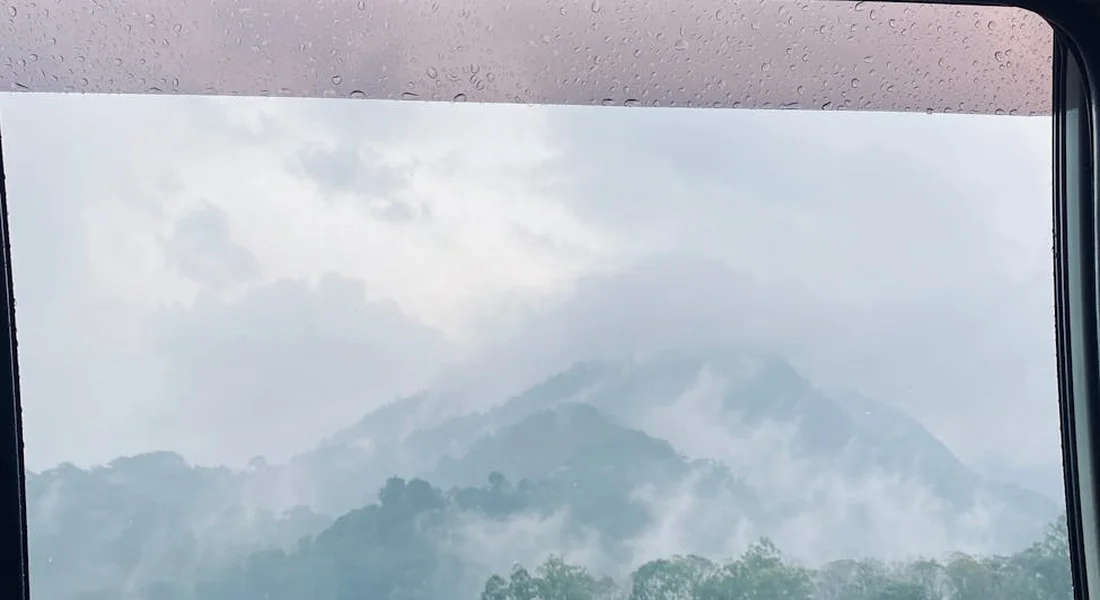
Fog hits fast. One minute you see the road, the next you are peering through a cloud. Do not panic. Do not reach for your sleeve. Never try to wipe the windshield with your hand or a cloth while the vehicle is in motion. It smears, distracts, and is a sure way to cause an accident. Follow this order exactly. It works on my kid-hauling Odyssey in a rainstorm and my black BMW on a cold morning.
Step 1: Activate the Defroster and Air Conditioning
Your first move is always to the climate controls. Press the front defrost button. That symbol looks like a window with arrows pointing up. Turn the fan speed to its highest setting. This is critical. You need airflow volume.
Now, ensure your air conditioning is on. The A/C light should be lit. I know it sounds wrong on a cold day, but your car’s air conditioner is your best dehumidifier. It pulls moisture from the air before it heats it. Also, switch the air intake to fresh air from outside the car, not recirculate. Recirculate mode just traps the wet air you are breathing inside the cabin.
Step 2: Manage Airflow and Cabin Humidity
You have the system working. Now help it along. Roll down the driver’s window just a crack, about half an inch. Then do the same for a rear passenger window on the opposite side. This creates a cross-flow that lets the damp cabin air escape directly.
Next, angle your side dashboard vents so they blow directly onto your door windows. The fast, dry air from these vents will clear the fog on your side glass much faster, restoring your view of the mirrors.
Step 3: Use Wipers for External Moisture
Sometimes, the problem is on the outside. This happens when warm, moist cabin air heats the cold glass, and then the outside air condenses on it. If your view is still blurred after the interior clears, give your windshield wipers a single swipe. If it gets better, the fog was on the outside. Your wipers only work on that.
Detailer’s Pro-Tip: The Pre-Drive Ritual for Humid or Cold Days
On days I know will be bad, I use a ritual. I start the car and immediately max out the defroster and heat. I then wait a full 60 seconds before putting it in gear. This lets the HVAC system stabilize the air temperature and start pulling humidity out before I add my breath to the mix.
I also keep a dedicated, clean glass microfiber towel folded in my door pocket. If heavy condensation forms on the side windows before the vents catch up, I can quickly and safely blot it away at a stop light before it blocks my mirrors. It is a simple trick that keeps you safer.
The Prevention Protocol: A Checklist to Stop Fog for Good
Fixing fog on the road is reactive. Stopping it from forming is the real goal. Think of this as interior detailing maintenance, as regular as washing your car’s exterior. This checklist tackles the root causes: moisture, film, and bad habits.
1. Deep Clean All Interior Glass Surfaces
This is the foundation. If you skip it, nothing else works well. Oils from your skin, residue from plastics, and smoke create an invisible film on the glass. Fog loves this film. It beads up on it and sticks in a milky layer instead of dissipating as a light mist.
For a perfect clean, use a dedicated automotive glass cleaner and two microfiber towels. Spray the glass liberally, not the towel. Wipe with the first towel in an S-pattern to dissolve the grime. Immediately follow with a dry, clean glass towel to buff it completely streak-free. The surface should feel smooth and squeaky. A common DIY method is a 50/50 mix of distilled white vinegar and water. It cuts grease well and is cheap, but the smell can linger in the cabin for a short while. Commercial cleaners are formulated to dry streak-free more reliably.
2. Remove Hidden Moisture from the Cabin
Your wet shoes and clothes drip water into the carpets. This moisture evaporates slowly, fogging your windows for days. After a rainy or snowy day, pull out all your floor mats. Wipe them down and let them air dry. Feel the carpet underneath with your hand. If it is damp, you need to dry it.
For a mild case, run the car’s heat with the A/C on and the windows cracked for 20 minutes. For a serious soak, use a wet-dry vacuum or a carpet extractor. In my Odyssey, after a snowball fight, I will pull the second-row seats forward to check for pooled water. During damp seasons, I place reusable desiccant bags or silica gel packs in the footwells. They quietly absorb ambient moisture.
3. Apply a Dedicated Anti-Fog Treatment
On your perfectly clean glass, an anti-fog product is your final shield. I have tried the old detailer’s trick of a light wipe with diluted car shampoo. It works for maybe a day or two by leaving a hydrophilic film that spreads water evenly.
For lasting results, a commercial anti-fog spray or wipe is far superior, often lasting weeks or months. The key is application. Spray a small amount onto a microfiber applicator pad, not directly on the glass where it can drip onto the dash. Apply in thin, overlapping circles. Let it haze for a minute, then buff it thoroughly clear with a separate dry towel. If you see streaks, you used too much.
4. Master Your Climate Control Settings
Your HVAC is a tool. Use it smartly. In summer, run the A/C even if you have the heat on low to take the stickiness out of the air. Its dehumidifying action is what stops fog. In any season, avoid the recirculate mode during or right after rain. You are just pumping humid outside air over a cold evaporator coil, creating your own personal cloud inside the car.
5. Eliminate Odor and Residue Sources
Persistent fog, especially with a greasy film, often points to contaminants. Cigarette smoke, vape residue, and the oils from plug-in air fresheners coat every surface, including glass. This layer attracts and holds moisture.
If you have this issue, you need more than glass cleaner. The fabrics need extraction with hot water and an interior cleaner to pull the residues out. For stubborn smells and the microbial moisture they can create, a professional ozone generator treatment is the definitive solution. It oxidizes the contaminants at the source.
The Order of Operations: Your Anti-Fog Detailing Session
When you do this full job, sequence matters. Follow this checklist in order:
- Extract moisture from carpets and seats.
- Wipe down all plastics, vinyl, and leather to remove surface oils.
- Deep clean all interior glass surfaces with a glass cleaner and two towels.
- Apply your anti-fog treatment to the clean glass and buff it clear.
- If possible, leave the car in a garage with windows slightly open for an hour to let everything air out fully.
The Streak-Free Masterclass: How to Clean Car Windows Inside and Out
A clear window is your first line of defense against fog. That hazy film you see when your breath hits the glass, or the blurry view in morning dew, is often just a dirty surface. Cleaning both sides properly creates a hydrophobic, film-free finish that moisture struggles to cling to.
Exterior water spots and road film scatter light, making any interior condensation look worse. You must attack both sides to win this fight.
Choosing Your Cleaner and Cloth
Your tools dictate your success. For the cleaner, you have three reliable choices. A simple mix of 70% isopropyl alcohol and distilled water (1:1 ratio) in a spray bottle is my go-to for cutting interior vinyl off-gassing and smoke residue. Dedicated automotive glass cleaners are formulated to dry streak-free. A vinegar and water solution works well on exterior mineral deposits. Keeping vinyl interiors clean and well-maintained is essential to long-term cabin quality. These routines help you clean and maintain vinyl car interiors effectively.
Avoid ammonia-based cleaners like some Windex formulas at all costs if you have tinted windows, as ammonia will turn the tint film purple and brittle over time.
Your cloth is just as critical. Use a clean, glass-specific microfiber towel with a smooth, woven edge. Do not grab a used waffle weave drying towel or a fluffy interior towel. Those hold old wax and oils they will just smear back onto the glass.
The Technique: How to Clean Car Windows Without Streaks
This is where people fail. They spray and wipe with one towel, pushing dirt and cleaner around until it dries into a mess. Do not do that.
Use the two-towel method. Fold your first microfiber into quarters. Spray your cleaner directly onto the glass, not the towel. Scrub firmly with the damp towel to dissolve the film. Immediately follow with a second, perfectly dry microfiber towel to buff the surface completely dry.
Work in a cross-hatch pattern. For example, use horizontal strokes on the interior glass and vertical strokes on the exterior. This trick makes any leftover streak instantly visible, so you know which side to re-clean.
Learning how to clean blurry car windows starts with admitting the blur is usually a grease film, not permanent damage, and this two-towel scrub-and-buff removes it.
Tackling Stickers, Adhesive, and Heavy Film
Old inspection stickers, dealer decals, or residue from clear car window stickers leave a stubborn haze. Heat is your friend here. Park the car in the sun or gently warm the sticker with a hairdryer to soften the adhesive. Once it softens, you can lift the edge and peel away the decal slowly. For a paint-safe approach to removing stickers and decals from car paint, check the next steps for detailed guidance.
Peel slowly. For the leftover glue, soak a cloth in rubbing alcohol and hold it against the spot to soften it. Then, gently scrape with a plastic razor blade held at a shallow angle. The plastic won’t scratch the glass like metal will. After removing the glue, you might want to check for any scratches on your car glass and take appropriate measures to fix them.
For truly baked-on film, a dedicated automotive adhesive remover used sparingly works. Always follow with a full glass cleaning to remove any solvent residue.
Special Care for Mirrors and Tinted Windows
Side mirrors are delicate. Many have a protective hydrophobic coating on the glass. Use only a mild cleaner and soft pressure. Aggressive scrubbing will damage that coating, leading to constant how to clean car mirror fog problems because the degraded surface will hold water.
For tinted windows, the rule is simple: ammonia-free and gentle. The tint is a thin film on the inside of the glass. Harsh chemicals and abrasive cloths will scratch or degrade it, affecting its ability to be a clear car window tint that blocks heat. Use the same gentle cleaners and soft, clean towels you’d use on painted paint.
Detailer’s Pro-Tip: The “Breath and Light” Test
Your final exam happens in the garage. After the window is dry, get close and breathe on it like you’re trying to fog up a bathroom mirror.
If your breath forms a thin, even layer of fog that disappears quickly and uniformly, you have achieved a perfectly clean, film-free surface. If the fog forms into little beads or lingers in patches, there is still residue. Rewash that section.
Then, shine a bright flashlight or your phone light across the glass at a shallow angle. This reveals every hidden streak and smear. Buff them away with your dry towel. Pass these two tests, and your windows will resist fogging and give you crystal clarity.
Keeping Your Windows Crystal Clear
Clear windows start with a dry interior. In my Odyssey, the “Kid Hauler,” I stop fog by wiping wet floors and hitting the defroster the moment I get in.
Let that moisture sit, and you will be wiping windows daily while dampness breeds mildew in your carpets.
Sources and Additional Information
- 7 Tips For De-Fogging Your Car Windshield – Folsom Lake Honda
- r/driving on Reddit: How do you stop the window fogging up?
- How to Defog Windshield in Any Weather | Allstate
- Tips For Clearing Up And Preventing Foggy Windows | Headquarter Nissan
- How to Unfog a Double Pane Window? | Apex Window Werks
Max Gunther
Max is an automotive enthusiast having worked as a car mechanical and in interior detailing service for over 25 years. He is very experienced in giving your old car, a new fresh vibe. He has detailed many cars and removed very tough smells and stains from all kinds of cars and models, always ensuring that his work and advice helps his customers. He brings his first hand experience to his blog AutoDetailPedia, to help readers breath new life into their car interiors.