How Do You Repair Scratches on Car Interior Plastic Trim and Panels?
Those scratches on your dashboard or door cards aren’t just eyesores; they make your whole car feel worn and devalued every time you sit inside.
This guide will teach you the professional approach, covering assessing scratch depth, selecting the correct fillers and dyes, applying them without making a mess, and sealing the repair for a lasting finish.
Ignore proper technique, and you risk turning surface marks into permanent, discolored grooves.
Key Takeaways: Your Quick-Start Guide
Think of this as first aid for your interior, not major surgery. The core method is simple: clean thoroughly, figure out what you’re dealing with, pick the right tool for the job, and apply it with a careful hand. Patience is your most important product.
Cure times vary wildly by product, and ignoring them is how repairs fail. A wipe-on trim restorer might dry in minutes. A filler putty needs 30 minutes to an hour to set before you can sand it. A permanent dye or SEM coating needs at least a few hours, sometimes overnight, to fully harden. The bottle or tube will tell you. Read it.
For light scuffs and surface-level marks, this is a beginner-friendly project. For deep, wide gouges that catch your fingernail, you need a steady hand and more care. You can do it, but go slow.
Your goal is to mask, fill, or color-correct the scratch to make it visually disappear, not to melt the plastic or replace the panel. We are detailers, not plastic welders. A successful repair blends in and doesn’t draw the eye.
Never forget this. A repair done over dirt, grease, or armor-all will look terrible and peel off. Proper prep work-cleaning and drying-is easily 80% of a good, lasting repair. I learned this the hard way on the jet black BMW’s glossy trim.
The Protocol: Your Interior Scratch Repair Checklist
Follow these steps in order. Skipping around is how you waste time and money on products that don’t work.
- Deep Clean
You must strip everything off the plastic. Use a dedicated interior cleaner, like P&S Xpress Interior Cleaner, or a dilute solution of all-purpose cleaner (4:1 water:APC). Spray it on a soft microfiber towel first, not directly on the panel, to control overspray. Scrub the scratched area and the surrounding plastic. For textured plastic, use a soft bristle brush to get into the grain. This removes the skin oils, dirt, and old shiny dressings that will block your repair product from bonding. That prep is exactly what you’ll rely on when you fix scratches on car interior surfaces. A clean, oil-free base helps the repair products bond for a seamless finish.
- Dry & Inspect
Dry the area completely with a separate, clean, dry microfiber towel. Run your fingernail across the scratch. Does it catch? If it glides over, it’s a surface scuff. If it drops in, it’s a deep scratch. Look at the color. Is it a white mark on black plastic, or did it go through the color layer to a different plastic underneath? Your 2019 Honda Odyssey’s grey plastic will show a different base color when gouged deep.
- Identify Scratch Type
Now choose your category:
- The Surface Scuff: A light mark that doesn’t catch your nail. Often a white transfer from another object.
- The Real Scratch: Catches your nail. Has removed material and color.
- The Catastrophic Gouge: Deep, wide, and ugly. You can see layers.
- Select Repair Method
Match the problem to the solution.
- For Surface Scuffs: A quality trim restorer or dressing. Something like CarPro PERL or Solution Finish Trim Restorer. It rehydrates and darkens the plastic, often making shallow marks vanish.
- For Real Scratches: You need a filler and color. A plastic trim repair kit, like from ColorBond, or a carefully applied trim dye/paint. For very fine lines, a specialized plastic polish on a microfiber applicator can sometimes work.
- For Catastrophic Gouges: This is a multi-step process. A flexible plastic filler putty to build up the gap, sanding with very fine grit (600+), then color matching with dye or paint.
- Test in Hidden Area
This step is not optional. Find a hidden spot-under the dashboard, behind a seat bolster, inside a door jam. Apply your chosen product exactly as you plan to on the scratch. You are checking for color match, texture, and most importantly, to see if the product damages or melts the plastic. Some solvents are too harsh for certain plastics. Wait for it to fully dry. If it looks good, proceed.
- Execute Repair
Work in a ventilated area and wear nitrile gloves. For dressings, apply sparingly with a foam or microfiber applicator. For dyes or paints, use light, multiple coats. Do not try to fill a deep scratch in one heavy coat. It will run, sag, and look globby. For filler putties, apply with a plastic spreader, slightly overfilling the gouge to allow for sanding.
- Cure/Set
Walk away. Let the chemistry do its work. Rushing the cure time is the single most common mistake DIYers make. If you touch it, dress over it, or let it get wet too soon, you will ruin the repair. Follow the product’s instructions to the minute. This is a good time to clean the rest of the interior.
- Protect
Once fully cured, you can protect the repair and the surrounding plastic. Use a UV-protectant trim dressing to help prevent fading and keep the area looking uniform. On my Porsche’s Alcantara and plastics, I use a very light, matte-finish protectant to maintain the OEM look without greasy shine.
Reading the Scratches: What Kind of Damage Do You Have?
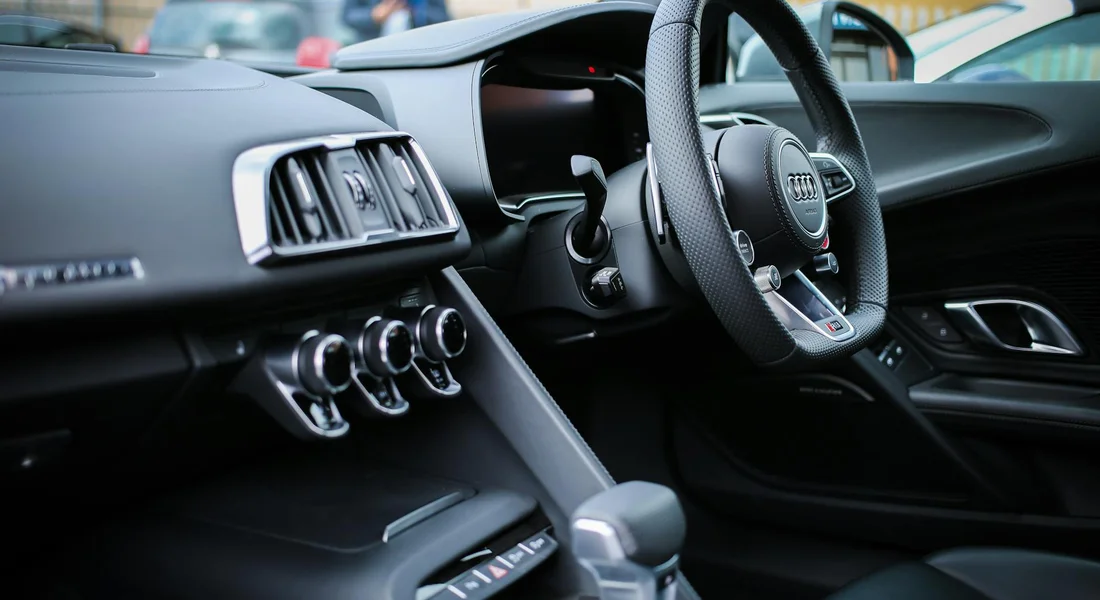
Look closely at the mark under good light. I use the garage light on my Honda Odyssey, the kid hauler, to see every detail. You need to know what you are fixing before you start.
Teach the fingernail test by gently running your fingernail across the mark. If your nail catches in a groove, you have a true scratch. If it slides over smoothly, it is likely a scuff.
The fingernail test is a free and instant way to gauge scratch depth without any tools.
See the visual difference between a scuff and a scratch. A scuff is transferred material sitting on top, like a black shoe polish mark on a grey plastic door sill. A scratch is removed material, leaving a white line or a gap in the plastic. On my Tesla’s vegan leather, a scuff wipes off with a damp cloth, but a scratch remains.
People often ask about interior door scratch repair versus dash panel scratches. Door scratches are usually vertical from keys, bags, or shoes. They can be deeper. Dash scratches come from sun damage, harsh cleaners, or objects sliding. They are often wider and more superficial.
Use sensory language to feel the damage. A surface scratch feels like a fine ridge, almost smooth to the touch. A deep gouge feels rough and cavernous, like a trench cut into the plastic.
When you search ‘can plastic car body parts be repaired’, remember interior plastic is different. Interior trim like dashboards is for cosmetics. We fix looks with fillers and dyes. Exterior plastic bumpers need flexible repairs for impact. The methods are not the same.
The Surface Scratch (The White Line)
These are fine, shallow marks that catch the light. On my black BMW’s interior, they look like white spiderwebs when the sun hits the dash.
Surface scratches often only affect the top clear coat or the texture of the plastic, so they can usually be polished out with a mild compound.
They do not reach the color layer beneath. A light polish with a soft microfiber pad can often blend them away without much effort.
The Deep Gouge (The Trench)
These are visible valleys where the color is gone, down to the base plastic. In my Honda Odyssey, a deep gouge from a toy looked like a small canyon in the door panel.
Deep gouges require filling with a plastic repair compound and coloring to match, not just polishing. You must rebuild the surface step by step.
You will need to clean the area, apply a filler like a vinyl repair kit, sand it smooth, and then use a dye or paint to restore the color.
The Scuff & The Dent
A scuff is foreign material rubbed onto the surface. Think shoe marks, crayon wax, or dirt. In my Odyssey, scuffs from kids’ shoes on the lower doors are a weekly battle.
Most scuffs can be removed with a dedicated interior cleaner and a soft brush, lifting the material without harming the plastic.
Small dents or dings in pliable trim, like a kick panel, can sometimes be addressed for surface restoration. You might use careful heat from a hair dryer to pop a small dent out. But we focus on making it look whole again, not on structural repair. Do not apply too much heat or you could melt the plastic.
Gathering Your Tools: From Simple Wipes to Pro Kits
Think of your interior trim like skin. A smudge just needs cleaning. A light scratch might need moisturizing. A deep gouge needs filler and color matching. Picking the right product means first knowing what the scratch actually is.
Cleaner vs. Restorer vs. Filler vs. Dye/Paint
A cleaner’s job is to remove contamination, not the scratch itself. Often, what looks like a white scratch is just transferred material from a shoe, a bag, or a toy. A dedicated plastic cleaner lifts that away. I use this first on everything in my kid-hauling Odyssey.
A restorer or dressing adds oils and polymers back into the plastic to darken it and hide light scuffs. It works by temporarily replenishing faded color. Products like “Car Guys Plastic Restorer” are great for this. They make gray plastic look new again, but they don’t fix a physical groove.
A filler is for physical gaps. These are thicker compounds, sometimes with fibers, that you press into a deep scratch to build it up level with the surface. You always need to color-match after using a filler.
A dye or paint is your final color correction for scratches that have removed the factory color layer. This is for when you see light-colored plastic under a dark finish. It requires precise matching and blending.
Your Essential Tool Kit
You can have the best potion in the world, but applying it with the wrong tool makes a mess. Here is what you need on your bench.
- Microfiber Towels: You need two kinds. Use a soft, low-pile towel for applying and buffing liquids. Use a plush, waffle-weave towel for final buffing to a streak-free shine. The black paint on my BMW taught me that cheap towels cause scratches, even inside.
- Soft-Bristle Brushes: A 1-inch detailing brush is perfect for agitating cleaner in textured plastic or around buttons. A soft toothbrush works in a pinch for vent slats.
- Cotton Swabs: These are your precision artists. They are for wiping excess filler from a scratch line or cleaning product out of a seam. Indispensable.
- Foam Applicator Pads: For spreading restorers and dressings evenly. Using your finger can leave uneven, oily spots. A small foam pad gives you control.
Pens, Wipes, Liquids, and Kits
Products come in different forms for different jobs. People often search for an “interior scratch repair kit” hoping for a one-box solution. Sometimes that works.
Repair Pens: These are like thick markers. They are best for very thin, hairline scratches. They lay down color quickly but can look obvious and blob if you are not careful. Good for a quick touch-up, not a show-quality repair.
Pre-Soaked Wipes: These are almost always cleaner or restorer dressings. They are incredibly convenient for a fast refresh on a dashboard or door panel. They are not for repairing a physical scratch, just hiding its appearance.
Liquid Bottles: This is where the real work happens. Separate bottles of cleaner, primer, filler, and dye give you the most control. You mix, you layer, you blend. This is the method I used on my Miata’s brittle, faded interior parts.
So, is a “car interior scratch repair kit” worth it? For a first-timer facing a few moderate scratches, a reputable kit is a great start. It bundles compatible steps together. For a complex job or color matching a large panel, buying professional-grade liquids separately is better.
The Durability Question
Someone will always ask, “how long does Car Guys plastic restorer last?” A dressing that hides scratches by darkening the plastic will fade. Durability depends on sun exposure, heat, and how often the area is touched or cleaned. On a shaded door panel, it can last months. On a center console your arm rubs daily, maybe a few weeks. A true repair with filler and dye is permanent until something new scratches it.
What Not to Use: A Critical Warning
In a panic, people grab what is in the garage. This usually ends badly. Let’s be clear: Gorilla Glue, super glue, or any household adhesive is for bonding broken pieces, not finishing a surface scratch. It will dry hard, shiny, and a different color. It will not sand or blend properly. You will create a permanent, ugly blemish that is harder to fix than the original scratch.
Household Hacks and Hazards
For a *very* light scuff on hard plastic, a dab of plain white toothpaste (not gel) on a microfiber can sometimes polish it out. It is a mild abrasive. Test in a hidden spot first. That is the only hack I recommend.
Avoid all-purpose cleaners, magic erasers, or nail polish remover on interior plastics. They are too harsh. They strip the factory finish, leaving a dull, faded patch that no restorer can fix. I learned this the hard way on an old car’s radio bezel. It looked worse after my “fix.”
The Step-by-Step Repair Process for Every Scratch Type
You looked at the scratch. You know its depth. Now, let’s fix it. I organize repairs by scratch type because using a filler on a surface scuff is a waste, and trying to polish out a gouge will just frustrate you. Follow this master guide.
Can you fix scratched plastic in a car? Absolutely yes, and the method you choose depends entirely on whether you can feel the scratch with your fingernail.
Fixing Surface Scratches & Scuffs
This is the most common repair. In my kid-hauling Honda Odyssey, 90% of the marks on the door panels and dash are just scuffs from shoes, toys, or general grit. They sit on top of the plastic, not in it.
Many “scratches” are just transferred material that a proper cleaner will lift right off, so always start with a deep clean. This step cleanly prepares the scratches before repair, making any subsequent treatment more effective.
- Clean with an Interior All-Purpose Cleaner (APC). Spray a dedicated interior cleaner onto a soft microfiber towel, not directly on the panel. Wipe the scratched area firmly. You’ll often see the white mark disappear into your towel. For textured plastic, use a soft detailing brush to get into the grains.
- Apply a Plastic Polish with a Clean Microfiber. Use a product made for interior trim, not aggressive compound. Put a dime-sized amount on a folded towel. Rub in small, tight circles over the scratch with light to medium pressure. The polish contains mild abrasives that level the surrounding plastic to match the scratch’s depth.
- Buff Gently Until the Scratch Dissipates. After working the polish, flip your towel to a dry, clean side and buff the residue away. Inspect the area in good light. Repeat steps 2 and 3 if the scratch is still visible.
- Protect with a UV-Safe Trim Dressing. Once satisfied, apply a water-based protectant. This restores a uniform satin sheen and shields the now-clean plastic from sun damage, which can make minor flaws more obvious over time.
Repairing Deep Scratches and Gouges
These are the scratches you catch your nail on. They’re in my F-150 from hauling tools and in every used car I’ve ever bought. This process answers the real question: how do you refinish plastic car interior panels? You fill, level, color, and seal.
An interior plastic scratch repair kit is your best friend here. It combines filler, primer, and color match into one system. For on-the-spot fixes, an emergency scratch repair kit can be a lifesaver. Keep one handy in the car for quick touch-ups wherever you go.
- Clean Thoroughly with APC and a Brush. Any wax, dressing, or dirt under your repair will cause failure. Scrub it clean.
- Use a Plastic Prep Solvent. This is critical. Wipe the scratch and surrounding area with a prep spray or isopropyl alcohol (diluted 1:1 with water) on a lint-free cloth. This removes all invisible oils and ensures the filler bonds.
- Apply a Filler with a Spatula. Using the putty or specialized wax from your kit, overfill the gouge slightly. Use the included plastic spatula to press the material firmly into the scratch, ensuring no air pockets.
- Level it Flush. After the filler dries to a tacky state (check kit instructions), use the spatula held at a sharp angle to carefully scrape excess material away, leaving the filler perfectly level with the original surface. Let it cure fully.
- Color-Match with a Dye Pen or Interior Paint. This step brings it all together. Test your color match in an inconspicuous area first. Apply the paint or dye in several very thin layers, letting each dry. Building up thin coats prevents drips and a obvious blob of paint.
- Seal with a Clear Coat or Matte Protectant. Once the color is dry, a light spray of a matte-finish clear sealant locks in your repair and blends the sheen with the factory plastic. Avoid glossy finishes.
The Quick Fix: When You Need a Fast Camouflage
You’re selling the car, have a guest tomorrow, or just need a mental win. This is how to cover scratches, not fix them. I keep a bottle of premium trim restorer in my cabinet for this exact purpose.
A high-quality trim restorer works by temporarily rehydrating and darkening the plastic’s top layer, making shallow scratches on car trim blend in. It is not a permanent solution. The effect lasts a few weeks, depending on sun exposure and wear.
Clean the area first. Then, apply the restorer product sparingly with an applicator pad, following the product’s instructions. It will darken the entire panel, so apply it evenly to avoid splotches. The scratch will seem to vanish as the surrounding plastic darkens to match its depth.
Remember, this is a cosmetic hide. The scratch is still there. For a permanent repair, you must follow the processes above. But for a fast, impressive visual improvement, a trim restorer is a fantastic tool.
Technique Tweak: The Detailer’s Pro-Tip for Blending Repairs
Getting color into a scratch is one thing. Making it disappear is the real skill. The difference between a spot you see every time you get in the car and a flawless repair comes down to your technique during application.
Forget painting; think of it like applying a tiny amount of colored putty with pinpoint control. This mindset is everything.
Use a Dabbing Motion, Not a Brush Stroke
That little brush in the cap of a touch-up pen is your enemy. Dragging it along the scratch lays down too much product in a thick, obvious line that sits on top of the surface. It will look like a raised, painted-on scar.
Instead, use a toothpick, a fine-tipped applicator, or even the pen’s brush by dabbing the product directly into the valley of the scratch. Tap it in. You are filling the low spot, not coating the high spots around it. On the Honda Odyssey’s dash, where my kids left a trail of fine marks from toys, this dab method made them vanish instead of highlighting them.
Light it from the Side
Your garage’s overhead light lies to you. It floods the panel, washing out the fine texture of scratches and fresh filler.
Shine a bright LED flashlight across the surface at a very low, raking angle. Hold it almost parallel to the plastic. Every imperfection will cast a long, dark shadow, revealing its true depth and shape. Use this light to find every scratch before you start, and more importantly, to inspect your work after each tiny application. You will see ridges of excess product instantly.
Let the Product Do the Work
You are not sanding or scrubbing. Apply almost no pressure. If you’re using a gel or filler, gently push it into the scratch with the tip of your tool. If you’re using a dye or permanent marker, let the tip just kiss the surface. Forcing it creates a mess. Applying too much pressure spreads product where you don’t want it and makes a simple fix into a complicated cleanup.
Feather the Edges
When you apply a filler, its edge can create a visible “cliff” where it meets the undamaged plastic. You must blend this transition.
After placing your dab of filler, use a clean, dry finger or a soft microfiber wrapped around your fingertip. With the lightest touch possible, gently wipe from the good plastic *into* the repaired area. Do not go back and forth. This “feathering” action tapers the edge of the repair material, softening the line until it disappears under your side lighting.
The Hairdryer Secret
This is a trick from working on textured plastics. Some fillers and gels can set with a slightly lumpy or uneven texture.
Before the product fully cures, use a hairdryer on its lowest, coolest setting. Gently wave it over the repair from a few inches away for just 3-5 seconds. The mild warmth slightly softens the product. This quick burst of heat allows the material to self-level and settle perfectly into the scratch and the texture of the surrounding plastic. Let it cool and cure completely. This step makes a good repair look factory-finished.
Maintenance and Prevention: Keeping Your Trim Looking New
Fixing a scratch is reactive. Good maintenance is proactive. It saves you time, money, and the headache of constant touch-ups. Think of it like sunscreen for your dashboard. You apply it so you never have to deal with the burn.
The goal is simple: keep the plastic clean, conditioned, and shielded from its two biggest enemies-the sun and you.
Your Regular Cleaning and Protection Ritual
Forget the all-purpose cleaner from the kitchen. Interior plastics need a gentler touch. A harsh, alkaline cleaner will strip any remaining factory oils from the plastic, leaving it dry, chalky, and prone to cracking.
I use a pH-balanced interior detailer spray for my Honda Odyssey’s dash and doors every other week. For a deeper clean every few months, I use a dedicated plastic and vinyl cleaner.
The real magic happens after cleaning, when you apply a protectant. This isn’t just for shine. A good protectant contains UV inhibitors that absorb the sun’s harmful rays before they can break down the plastic polymers. It also adds a slight layer of elasticity, making the surface more resistant to scuffs and fine scratches.
Apply it to a clean, dry microfiber towel first, then wipe it onto the plastic. Buff off any excess. A little goes a long way. Avoid thick, greasy silicone-based dressings. They attract dust like a magnet and can make surfaces slippery.
Block the Sun at the Source
Cleaning and protecting is your chemical defense. A physical barrier is your best defense.
A high-quality custom-fit sunshade is the single best investment for your interior. It doesn’t just keep the cabin cooler. It blocks direct UV radiation from hitting your dash, steering wheel, and center console. I keep one in every car, even the garage queens.
For a more permanent solution, consider professional window tint with high UV rejection properties. Modern ceramic tints can block over 99% of UV rays. This protects not just your plastic trim, but your upholstery and your own skin.
A Warning on Air Fresheners
You searched for it, so let’s be clear: yes, some air fresheners can damage car interior plastic.
The risk comes from certain types of oil-based or alcohol-based sprays, especially those not designed for automotive use. If you overspray a vent clip or mist a liquid freshener, the concentrated oils or solvents can land on your plastic. Over time, they can cause staining, create a sticky film that attracts dirt, or actually degrade and soften the plastic surface.
I learned this the hard way with a tree-shaped freshener that left a faint, greasy ring on my Odyssey’s dark plastic door sill. For a safer scent, use charcoal bags, unscented vent clips from reputable brands, or simply keep the interior meticulously clean. Odors usually come from neglected spills, not a lack of perfume.
When to Call a Professional
You might search for “interior scratch repair near me” when a project feels beyond your comfort zone. That’s smart. A professional detailer or interior repair specialist is the right call in a few situations.
Call a pro if the scratched area is very large, like an entire door panel. They have the tools and technique for a seamless, even repair. Seek help for complex textured surfaces, like a pebbled dash or a leather-grain console. Matching that texture with a brush is an art. Finally, if you’ve tried color matching and it just looks wrong-maybe the dye is too glossy or the shade is off-a pro can custom-blend a pigment to vanish the repair completely.
Look for detailers who offer “interior vinyl repair” or “plastic trim restoration.” Many paint and body shops also have technicians who specialize in restoring faded plastic and vinyl trim in cars.
Smart Storage to Prevent New Scratches
Scratches often come from within. Look at what you’re tossing into door pockets, cup holders, and the center console.
Loose change, keys, pens with metal clips, or tools will grind against the plastic with every bump in the road. In my kid hauler, I found a small rock in the door pocket that had etched a perfect circle into the plastic.
The fix is simple. Use soft organizers. A small fabric bin for the console. A felt pouch for coins and keys. For family vehicles, regular clean-outs of the door pockets are a non-negotiable part of the wash routine. Teach everyone that hard, sharp objects go in a cup, not loose in a bin.
It’s a small habit that keeps your hard repair work looking new for years.
Your Restored Interior, Ready for the Road
The core of fixing interior scratches isn’t about hiding them with a magic potion, but about carefully restoring the surface texture and color with patience. Your best result will always come from starting with the gentlest method, like a dedicated plastic cleaner and conditioner, before you ever consider more aggressive sanding or dyes. Once your repair is complete, a final application of a UV-protectant plastic conditioner helps blend the work and shield the panel from future fading.
Skip these steps or rush the process, and you risk turning a small scratch into a permanent, glossy blemish that requires a full panel replacement to fix.
Further Reading & Sources
- Best Method for repairing cracked or broken interior plastic trim? | Defender Source Forum
- How to Fix Broken Plastic Interior Automotive Trim Panels
- Plastic Surgery: How To Repair Plastic Automotive Trim Parts
- How to repair old plastic trim | Articles | Classic Motorsports
- How to Repair Plastic Trim| Classic Motorsports forum |
- How to Restore Interior Plastic Trim in Your Car? – Dyna Performance
- How To Repair Scratched & Gouged Interior Trim & Match TEXTURE Perfectly! – YouTube
Max Gunther
Max is an automotive enthusiast having worked as a car mechanical and in interior detailing service for over 25 years. He is very experienced in giving your old car, a new fresh vibe. He has detailed many cars and removed very tough smells and stains from all kinds of cars and models, always ensuring that his work and advice helps his customers. He brings his first hand experience to his blog AutoDetailPedia, to help readers breath new life into their car interiors.