Think Your Car’s Paint is Clean? Here’s What You’re Missing.
You wash, you wax, but your paint still feels gritty and rough under your hand. That roughness means your polish and sealants can’t do their job right, no matter how hard you try.
To get a truly clean surface, you need to tackle two different kinds of contaminants. We will cover how iron removers dissolve invisible metallic particles, why clay bars physically pull out embedded grit, and the exact order you must use them to avoid scratches.
Skip this two-step decontamination and you will grind those contaminants into your clear coat, causing swirls and scratches every time you wash.
Key Takeaways: The 1-2 Punch for a Clean Surface
I ran my hand over the hood of my black BMW after a good wash. It looked clean but felt rough, like very fine sandpaper. Washing alone was not enough. That gritty feeling is why you need this process.
You always use the chemical iron remover first, then the mechanical clay bar. This order is not optional. The iron remover dissolves metallic particles from brake dust and rail dust. The clay bar physically lifts everything else bonded to the paint.
Together, they remove the invisible and stuck-on contaminants that a normal wash leaves behind. Your paint will not be truly clean without both steps. You will feel the difference immediately.
Never start on a dirty car. A thorough two-bucket wash is mandatory first. Trying to clay or use iron remover on a dirty surface will scratch your paint. I learned this the hard way on my Ford F-150.
This is a moderate DIY task. It does not need strength. It needs patience. Work slowly and methodically. The results speak for themselves.
The Order of Operations: Your Decontamination Checklist
Follow this list exactly. I use this same sequence on every car, from my family Odyssey to my red Porsche.
-
Wash & Rinse (Two-Bucket Method). Clean the entire car with the two-bucket method. Use one bucket for soapy water and one with clean water to rinse your mitt. This prevents swirls. Rinse everything off completely. Dry the car with a plush microfiber towel. The paint must be clean and dry before the next step.
-
Apply Iron Remover (Wet or Dry Panel?). Check your product label. Most work best on a dry, cool panel in the shade. Spray it evenly over one section, like a door or the hood. Avoid doing the whole car at once in the sun. On my white Tesla, I start with the front bumper where brake dust collects.
-
Let it Dwell & React (Watch for “bleeding”). Let the product sit for the time on the bottle, usually 3 to 5 minutes. Watch for it to turn purple or red. This “bleeding” means it is dissolving iron particles. Do not let it dry completely. On my old Miata’s red paint, the purple streaks are very clear.
-
Rinse Thoroughly. Rinse the panel with a steady stream of water. Wash all the purple residue away. Any leftover chemical can mess up the next steps. I rinse twice to be sure.
-
Clay Bar with Lubricant (Small Sections). Keep the panel wet or spray on a dedicated clay lubricant. Take a small piece of clay, knead it flat, and glide it over the surface with light pressure. Work on a two-foot square area. You will feel the drag smooth out. Fold the clay to a clean side often. If you drop it, throw it away. Do not risk scratches.
-
Final Rinse & Dry. Rinse the entire car again to remove any leftover lubricant or debris. Dry it completely with a fresh microfiber towel. The paint should feel like glass now. On my black BMW, this is when the deep shine returns.
-
Immediately Apply Protection (Wax, Sealant, Ceramic). Decontamination leaves the paint bare and vulnerable. You must protect it now. Apply your preferred wax, sealant, or ceramic coating right after drying. I use a spray sealant on my daily drivers for a fast, strong layer of protection.
What Are You Actually Removing? The Two Enemy Types
Your car’s paint collects more than just dirt. Two main categories of grime bond to the surface, and each requires a different attack.
The first is ferrous metal fallout. This is primarily microscopic brake dust and other road debris. These tiny iron particles hit your paint and actually embed themselves. They rust. This rusting process creates a microscopic “root” that bonds the particle to your clear coat, and it’s why paint can feel rough even after a good wash. My black BMW is a magnet for this.
The second category is above-surface bonded contaminants. Think of tree sap, road tar, industrial pollution, or even overspray from a nearby painting job. These substances land on the paint and harden, sticking to the surface like glue. They don’t embed like metal, but they are stuck on tight.
Here is the best way to diagnose the problem. Take a clean, thin plastic sandwich bag and put it over your hand. Now, lightly run your fingertips over a freshly washed and dried panel. If the paint feels perfectly smooth, like glass, you are in great shape. If it feels gritty, like sandpaper, you have bonded contamination. That gritty feeling is your answer to whether you need to clay your paint. The “baggy test” doesn’t lie.
The Chemistry First: How Iron Removers Work
An iron remover is a chemical pre-treatment. It is designed specifically for that first enemy: ferrous metal fallout. You spray it on cool, dry paint and let it dwell.
The liquid contains chelating agents. These are chemicals that seek out and bind to iron particles. The agent breaks the bond between the rusting iron and your paint’s surface, dissolving the particle so it can be rinsed away. It is a chemical reaction, not just a soap.
You will see this reaction happen. As the product works, it turns a purple or blood-red color. Some folks call it “bleeding” or “snotting.” Do not be alarmed. That purple bleeding is the visual proof that iron is being dissolved and lifted from your paint. The more you see, the more contaminated the car was. My Ford F-150’s wheels and lower panels often look like a crime scene.
You should use an iron remover before claying on any vehicle that sees regular road use. It makes the claying process safer and easier. The chemical lifts the embedded particles so the clay bar does not have to scrape them off, drastically reducing the chance of inflicting swirls or marring.
Can you use iron remover on a ceramic coated car? In most cases, yes. A quality iron remover is designed to be paint-safe and is generally compatible with ceramic coatings. Always check your specific coating manufacturer’s advice first, but for the vast majority of coated cars, an iron remover is a standard and safe part of maintenance. I use it on my coated Tesla without issue. Just avoid letting it dry on the surface, and rinse it thoroughly. It’s one of the key products I use to maintain my ceramic coated car’s paint protection.
The Physics Second: How Clay Bars Work
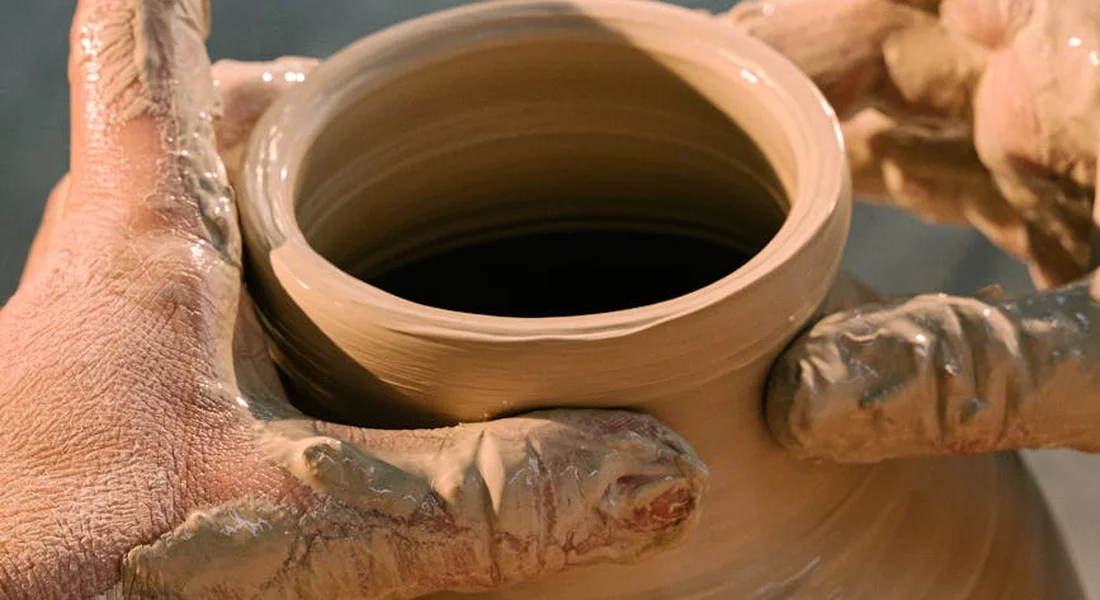
Think of a clay bar not as a tool that cuts, but as a piece of sticky, pliable putty. As you glide it across the paint, its adhesive nature pulls and lifts bonded contaminants right out of the surface.
It works on everything from gritty brake dust to sticky tree sap. The key is the lubricant. Using a clay bar without a dedicated clay lubricant or detail spray is the fastest way to inflict deep, permanent scratches on your clear coat. The lubricant creates a slippery film that lets the clay grab contaminants without dragging them.
You have choices. Traditional clay bars, which you knead, offer a conforming, intimate clean. Synthetic clay mitts or towels are faster and less messy, great for maintenance on my Tesla or Honda. But on the complex curves of my Miata or the flat panels of the F-150, real clay often gets into tighter spaces better.
Let’s answer your questions directly. Can a clay bar scratch your car? Yes, if used without lubricant or on a dirty surface. It turns dirt into sandpaper, which can be harmful to your car’s paint.
Can you clay bar a waxed car? It will remove the wax, which is the entire point before applying a new sealant or coating.
Can you clay bar a wrapped car? Yes, but with extreme care. Use a dedicated, gentle clay lubricant and always test in an inconspicuous area first. The vinyl on a wrap is softer than paint and can mar easily. Unlike traditional car paint, wraps require special attention.
The Detailed Protocol: Step-by-Step with a Detailer’s Eye
Step 1: The Critical Wash
This is not a quick rinse. You must remove all loose grit first. On my black BMW, the “Swirl Magnet,” skipping this step guarantees new scratches.
A thorough, scratch-free wash using the two-bucket method with grit guards is the only safe foundation for decontamination.
Wash from the top down. Rinse completely. Your paint should be clean and slick to the touch before any chemical touches it.
Step 2: Applying the Iron Remover
Do you apply iron remover to a wet or dry car? There’s debate. A wet car makes the product run off faster. A dry car lets it cling and work longer, but it can dry on hot paint. I work panel by panel, in the shade, on a cool surface. Spray it on dry paint, watch it turn purple as it reacts, then rinse after a few minutes.
Work in small sections. Keep the surface wet with the product. For heavy contamination, like the brake dust on my Porsche’s wheels, I use a technique tweak. Lubricate a dedicated “iron removal” clay or a fine-grade synthetic clay mitt with the iron remover fluid itself, then gently glide it over the surface for a combined chemical and mechanical attack.
Step 3: The Clay Bar Technique
After the iron remover and a final rinse, dry the car completely. Knead your clay bar until it’s soft and warm. Spritz a generous amount of lubricant on a two-foot square area.
Use light pressure-imagine you’re wiping fog off a mirror. The clay should glide smoothly.
If it grabs or feels rough, contaminants are loading the clay. Knead it immediately to a fresh, clean side. Wipe the area with a clean microfiber to check.
To confirm smoothness, use the “baggy test.” Put your hand in a thin plastic bag and lightly feel the paint. Through the plastic, a perfectly clayed surface will feel as smooth as glass.
What If I Still Feel Grit?
What if there are still spots after the iron remover? They are likely non-metallic, like hardened sap or paint overspray. For stubborn paint spots, a targeted removal method can help before the clay takes over. The clay bar should get them. If a gritty spot persists, do not scrub. Repeat the clay process on that specific spot with a fresh clay surface and more lubricant; a second gentle pass usually does the trick.
Special Cases & Troubleshooting
Decontaminating a Ceramic Coated Vehicle
You spent good money on that ceramic coating. You might think it makes iron removers and clay bars unnecessary. I thought that too, once. On my 2022 Porsche 911, the Red Garage Queen, I have a high-end ceramic coating. After a season of track days, the front bumper was covered in embedded brake dust and felt rough. The coating was still there, but it was dirty, and performance suffers when contaminants block the surface. You can and should decontaminate a coated car. A proper wash is the first step in that process. When you wash a ceramic-coated car, you preserve the gloss and the coating’s effectiveness.
Modern iron removers are typically pH-neutral and safe for ceramic coatings. They dissolve the metallic particles sitting on top of the coating. Gentle claying with a synthetic clay bar or mitt is also fine. Use a fine-grade synthetic clay bar or clay mitt with a generous amount of lubricant. The goal is to clean the coating, not strip it off.
This process might slightly reduce the coating’s slick, water-beading feel. Do not panic. On my Tesla Model 3, I see this sometimes. A simple spray sealant or dedicated ceramic topper, applied after drying, will restore that hydrophobic shield in minutes. It is like giving your coating a fresh drink of water.
Common Pitfalls and How to Avoid Them
I have made every mistake here. Learn from my swirls and stains.
Pitfall 1: Letting the iron remover dry. This chemical needs to stay wet to work. If it dries on hot paint or plastic trim, it can leave permanent purple or white stains. Work on a cool car in the shade. Spray one panel at a time. Let it dwell for a few minutes, but never let it fully dry. Rinse it off before it starts to evaporate.
Pitfall 2: Using a dirty or dropped clay bar. That clay bar is a magnet for grit. If you drop it on the ground, it is now a piece of sandpaper. Toss it immediately. Fold it frequently during use to expose a clean surface. When it looks dirty or feels gritty, get a new one. It is cheaper than a paint correction.
Pitfall 3: Using too much pressure with the clay. You are not sanding a deck. Excessive pressure will mar the paint, leaving fine scratches. Use the weight of your hand. Let the lubricant do the work. The clay should glide. If you need to press hard, the paint needs more iron remover or a second pass.
Pitfall 4: Skipping the final rinse after claying. The lubricant film left behind will prevent your wax or sealant from bonding properly. After you clay the entire car, give it a thorough rinse with clean water. This washes away any leftover lubricant and suspended contaminants. Then, dry it completely.
What Comes Next? Sealing Your Perfectly Clean Canvas
Run your hand over the paint now. It should feel like glass. This is the best moment in detailing. That perfectly clean surface is also completely naked and vulnerable to new contamination. Do not let it sit unprotected.
Immediately after the final dry, apply your chosen protection. This could be a spray wax for quickness, a synthetic sealant for durability, or even a ceramic coating booster. On my Jet Black BMW, the Swirl Magnet, I always use a sealant right after claying. The bonding is perfect because there is nothing in the way.
This step is the payoff for all the washing, spraying, and claying. You lock in that smoothness. You add a layer of defense against the next storm of brake dust or road film. The paint will shine deeper and stay cleaner longer. That is the whole point.
Final Thoughts on Paint Decontamination
Always use an iron remover first to dissolve metallic particles, then follow with a clay bar to lift any bonded contaminants. This two-step method is the definitive way to prepare your paint for polishing or protection, a lesson I relearn every time I detail my swirl-prone black BMW.
Ignore this sequence, and you will grind contaminants into the clear coat during subsequent steps, creating scratches that mar the finish.
Expert Resources and Citations
- r/Detailing on Reddit: A word about paint contamination
- The Ultimate Guide to Paint Decontamination From Start to Finish
- How to Decontaminate Your Paint
- The Ultimate Step-By-Step Paint Decon Guide | 3D Car Care
- Common Auto Detailing Paint Defects & Issues: A Paint Correction List
Max Gunther
Max is an automotive enthusiast having worked as a car mechanical and in interior detailing service for over 25 years. He is very experienced in giving your old car, a new fresh vibe. He has detailed many cars and removed very tough smells and stains from all kinds of cars and models, always ensuring that his work and advice helps his customers. He brings his first hand experience to his blog AutoDetailPedia, to help readers breath new life into their car interiors.