Is Paint Protection Film or Ceramic Coating Better for Protecting a New Car’s Paint?
You just drove your new car home, and that flawless paint already feels vulnerable. I remember staring at my red Porsche, wondering how to shield it from the first scratch.
Based on protecting everything from my daily driver Ford to that garage-kept 911, I will explain the real choice. We will cover how each product actually protects your paint, the trade-offs between physical film and chemical coating, what they cost in time and money, and my straightforward advice for your specific car.
Pick without knowing the difference, and your paint will lose its fight against road debris and sun.
Key Takeaways: The Short Answer for a New Car Owner
Here’s the simplest way I can explain it. Think of Paint Protection Film (PPF) as a thick, self-healing screen protector for your phone. Think of a ceramic coating as a super-hard, permanent version of a car wax.
If you drive on highways, commute daily, or live where gravel trucks are common, you need PPF. It stops rock chips and light scratches. My red Porsche 911 has PPF on the full front because I can’t stand seeing chips in that perfect paint. The film takes the hit so the paint doesn’t.
If you want a car that stays cleaner longer, sheds water, and fights off bird droppings and tree sap, you need a ceramic coating. It creates an incredibly slick, glass-like barrier. My black BMW’s ceramic coating means bug splatter and road grime rinse off with just a light spray from the hose.
You can, and many do, use them together. The ultimate shield is PPF on the bumper, hood, and mirrors (the impact zones), with a ceramic coating applied over the entire car, including the film. This combo gives you scratch resistance and unbeatable chemical protection.
And yes, your new car absolutely needs one or both. Factory paint is soft and vulnerable the moment you drive off the lot. Protecting it is not a luxury, it’s the first step in keeping it looking new.
The Quick Snapshot: PPF vs Ceramic Coating Head-to-Head
This table cuts through the noise. Use it to match the product to your biggest worry.
| Feature | Paint Protection Film (PPF) | Ceramic Coating |
|---|---|---|
| Primary Protection | Physical impact. Rock chips, scratches, minor abrasions. | Chemical & environmental. UV rays, bird droppings, bug acids, tree sap. |
| Feel | You can feel a slight, soft edge. The surface has a pliable, rubbery texture. | Glassy and ultra-slick. Water beads into tight, round pearls and rolls right off. |
| DIY Friendly? | No. Installation requires precision cutting, stretching, and special tools. Leave it to a professional. | Maybe. Consumer-grade “coatings” exist, but a pro application lasts longer. Proper prep (clay bar, polishing) is 90% of the work. |
| Typical Cost | More expensive. A “full front” package (bumper, hood, fenders, mirrors) is common. | Less expensive than full PPF. You pay for the whole car’s paint surface. |
| Warranty | Long. Often 5 to 10 years against yellowing, cracking, or peeling. | Long. Professional coatings offer 2 to 5 year warranties on durability. |
| Best For | Daily drivers, highway commuters, and anyone terrified of rock chips. | Garage-kept vehicles, show cars, and owners who hate constant washing. |
What Exactly Are You Putting on Your Paint?
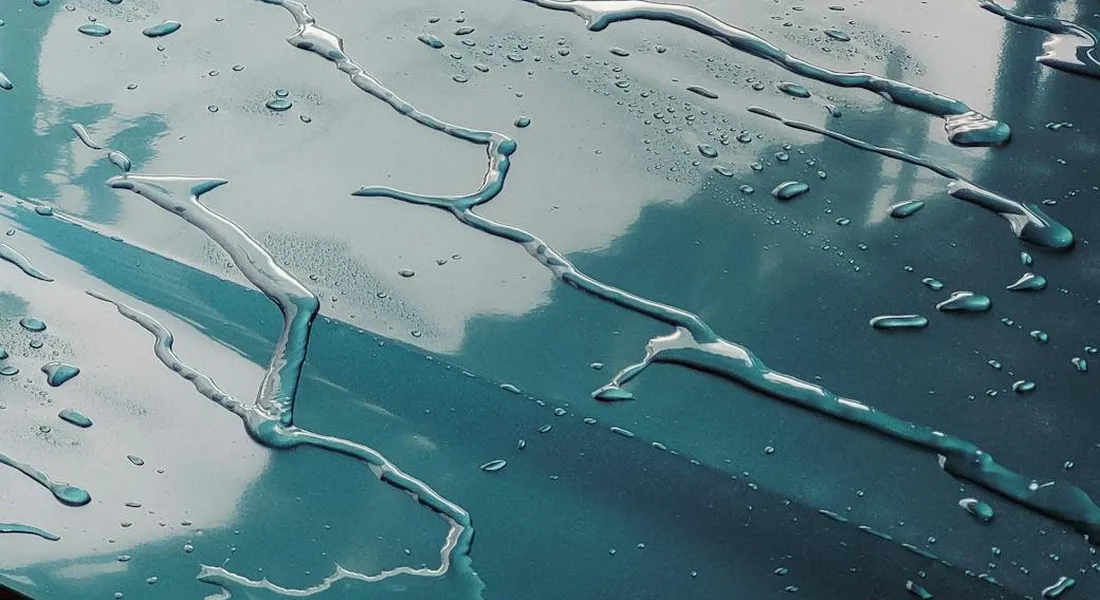
You have two main choices, and they are fundamentally different materials.
Paint Protection Film is a clear, urethane-based vinyl sheet. Think of a high-tech, super-strong sticker. It is applied panel by panel. Good film is thick, about 6 to 10 mils. That’s roughly the thickness of two or three credit cards stacked together. Its best trick is self-healing. Minor swirls and light scratches in the film can disappear with a little heat, from the sun or warm water, because the top layer flows back together.
A Ceramic Coating is a liquid polymer, usually based on silicon dioxide. You apply it like an advanced wax or sealant, but it cures into a hard, slick shell. It chemically bonds to your factory clear coat at a molecular level. The layer it creates is incredibly thin, measured in microns, like a sheet of glass a few atoms thick.
Let me answer a common question directly. No, your car did not come from the factory with a ceramic coating. The clear coat is a different type of paint layer designed for UV protection and gloss. It offers no meaningful chemical resistance or slickness compared to a true coating.
You can feel the difference. Run your hand over the front bumper of my red Porsche. The PPF has a very slight, soft texture, like perfectly smooth skin. It’s different from paint. Now, feel the hood of my white Tesla. The ceramic coating makes the surface feel like cold, hard glass. It is unbelievably slick. Both feel amazing, but in distinct ways.
The Anatomy of a Good PPF
Not all films are created equal. A quality PPF is defined by a few key features.
- Thickness (mils): This is your physical armor. Thicker film (8-10 mils) absorbs more impact from stones. Thinner film (6-8 mils) can be more conformable on complex curves.
- Adhesive Quality: A poor adhesive can yellow, leave residue, or fail to stick on edges. A good one is clear, stable, and grips perfectly for years.
- Clarity & Gloss: Top films are virtually invisible and can actually enhance the paint’s depth. Cheap film can look hazy or orange-peeled.
- Self-Healing Top Coat: This is the magic layer. When warmed, it flows to erase fine marring. The quality and durability of this layer vary greatly by brand.
Your installer’s skill is as important as the film itself, because a perfect, seamless application makes all these features work.
The Science Behind a Ceramic Coating
The star of the show is Silicon Dioxide, or SiO2. This is essentially liquid glass. When applied to a perfectly clean surface, it forms a covalent bond with your clear coat. This creates a semi-permanent, incredibly hard layer.
The main benefit you see is hydrophobicity. This just means it hates water. The coated surface has such a high surface tension that water cannot spread out. Instead, it beads up into tight, round spheres. On the hood of my Model 3, rain doesn’t sheet. It beads and rolls right off, taking light dust with it.
This hydrophobic effect makes washing easier and dramatically reduces water spotting, because standing water doesn’t stick around to evaporate and leave minerals behind. The coating also resists chemical stains from things like bird droppings or tree sap, giving you critical time to clean them off safely.
The Real-World Pros and Cons: It’s Not Just About Shine
Online forums are full of people asking for a simple winner. They want to know if ceramic coating or PPF is the “best.” The truth is messier. It depends entirely on what you’re trying to protect your car from. One is a sacrificial shield. The other is a permanent wax. Choosing wrong means wasting a lot of money.
A common question I see is, “Will a ceramic coating stop rock chips?” The hopeful answer is yes. The real answer is a firm no. Another is, “Does PPF make my car easier to wash?” It can, but not like a coating does. Let’s break down where each one actually excels in the real world, not just in a sales brochure.
When PPF is the Hero: Stone Chips and Scuffs
If your primary fear is physical damage, paint protection film is your only real solution. Think of it like a screen protector for your phone, but thicker and smarter. Modern films have a self-healing top coat. Light scratches and swirls from car washes or brushing against a bush will literally disappear with a little heat from the sun or warm water.
The hood and front bumper of my F-150 are covered in film. I drive country roads. Last spring, I took a stone right on the leading edge of the hood. It hit with a loud *thwack*. My heart sank. When I got home, I felt the spot. The film was dented, but not broken. I poured some hot water from my kettle over it. Twenty minutes later, the dent was almost gone. The paint underneath was perfect. That is the peace of mind PPF sells, and it delivers. For direct questions about scuffs from shopping carts or door dings in parking lots, PPF wins every time over a ceramic coating.
But it’s not a perfect force field. PPF has its own quirks you must accept. The edges of the film, where it’s trimmed, are a magnet for wax, dirt, and sealant. You have to be diligent about cleaning these edges during your regular wash to prevent a visible line of grime. Some lower-quality films can yellow or stain over time, especially in areas exposed to constant exhaust fumes or harsh pollutants. The biggest hurdle for most people is the cost. A full front-end PPF installation is a significant investment, often several times the price of a professional ceramic coating.
When Ceramic Coating Shines: Beads and Easy Cleaning
Ceramic coatings are not armor. They are an incredibly slick, hard, and permanent layer of protection applied at a molecular level. Their superpower is fighting contamination, not impacts. A properly applied coating provides fierce chemical resistance against bird droppings, tree sap, and acid rain. It offers strong UV protection to keep your paint from fading. Most of all, it transforms maintenance.
My jet black BMW is the proof. Black paint shows every speck of dust. Before its coating, it looked dirty two days after a wash. Now, rainwater sheets off in a clean rush, taking loose dirt with it. When I do wash it, most of the dirt has nothing to cling to. The coating’s slickness cuts my washing effort and time in half, and dramatically reduces the risk of me instilling swirls. The water beading is not just for show, it’s a sign the surface is actively rejecting water and the minerals in it that cause spots.
The catch is in the preparation. The coating itself is only as good as the paint underneath it. Applying a ceramic coating over scratched, swirled, or contaminated paint is like putting a glass tabletop over a scratched wood floor. You’ll seal in the flaws and they’ll haunt you every time the sun hits the car. The entire vehicle must be thoroughly decontaminated and polished to perfection first. This prep work is 90% of the job. Also, a coating does not prevent scratches or rock chips. A careless wash with a dirty mitt will scratch right through it. A flying stone will chip the paint. Its job is to make the surface less sticky and more chemically inert, not physically tougher.
How Do You Apply These Things? (And Should You Try It Yourself?)
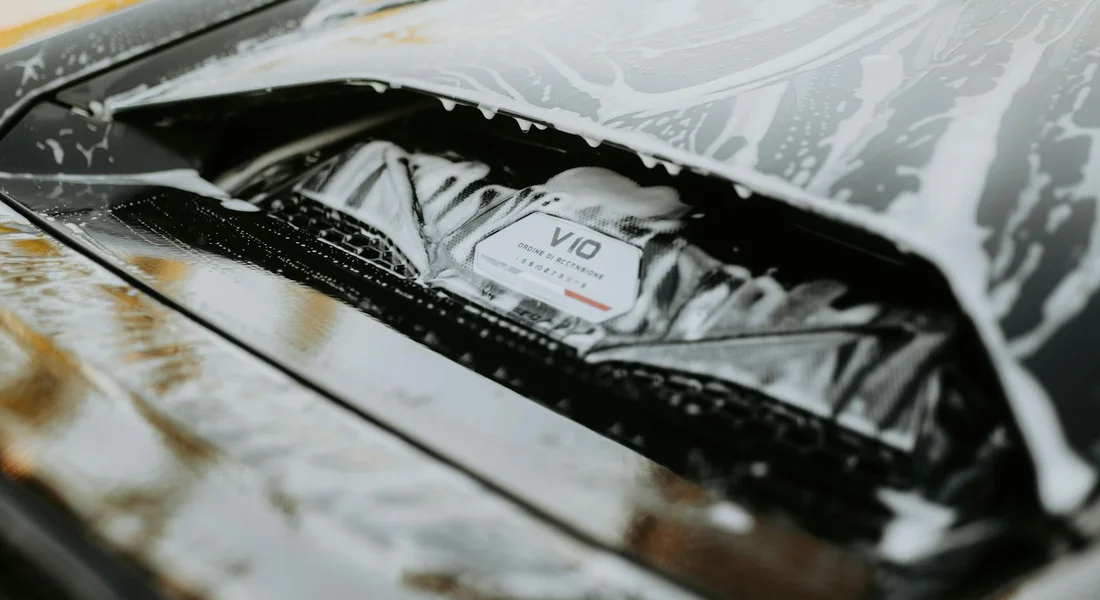
Before any film touches paint or any coating is wiped on, the surface must be flawless. This prep work is non-negotiable for both. A professional starts with a full decontamination wash, often using a clay bar or synthetic clay mitt to pull every speck of embedded grit from the clear coat. Any remaining swirls or scratches are polished out. Applying PPF or ceramic coating over dirt or defects just locks them in forever. Perfect protection requires a perfectly clean canvas, and this first step is where many do-it-yourself jobs fail.
The PPF Installation: A Wet, Precise Ballet
Watching a skilled installer is like watching an artist. They fill a spray bottle with a slip solution, usually soapy water or a specific lubricant. They completely drench the back of the film and the car’s panel. This wet layer lets them position the large, tacky sheet without it instantly sticking.
The installer then starts the stretch and squeegee process. They use their hands and soft tools to gently stretch the film over complex curves, like a fender or mirror. A squeegee pushes the solution out from the center, working toward the edges. Any trapped liquid or air bubbles must be chased out. This takes a practiced feel for how much tension the film can handle before it distorts or tears.
Finally, they trim the excess. Using a special, safe-edged blade, they trace the panel’s edge, often tucking the film behind a seam for a hidden look. One wrong move here and you score your paint. For a full hood or bumper, the risk is high. I would never attempt a full panel on my Porsche or BMW. DIY pre-cut kits for small areas (like headlights or mirror caps) can be a fun challenge, but a full-car PPF job is firmly in the professional realm.
The Ceramic Coating Application: A Meticulous Wipe-On
Ceramic coating application is less about physical maneuvering and more about obsessive control. After prep, the paint is wiped down with a specialized cleaner to remove any final polishing oils. The installer works on one small panel at a time, like just the hood or a single door.
They apply a few drops of the coating to a soft, foam applicator. They spread it in straight lines or cross-hatch patterns, making a thin, even layer. You have a short “flash” period, usually one to three minutes. Before it dries, you must take a clean, premium microfiber towel and gently level the coating, wiping away any high spots. If you miss a spot and it fully cures, it leaves a visible, hazy blemish that only more polishing can remove.
The car then needs to cure, untouched, in a clean, indoor space for 12 to 48 hours. A garage is mandatory. Dust or rain falling on a fresh coating will ruin it. For a dedicated enthusiast with a prepped car and a garage, a consumer-grade coating kit is achievable. The margin for error is small, but the process itself is within reach for someone patient and detail-oriented, unlike a full PPF install. On my Tesla, I applied a coating myself. On the swirl-prone black BMW, I left it to a pro with perfect lighting to catch every high spot.
What’s the Damage? Cost, Value, and Dealer Upsells
Let’s talk money. This is where sticker shock happens, and where dealerships love to confuse you.
Real-World Pricing: From a Full Suit to a Light Jacket
Professional paint protection is an investment in labor and material quality. Here’s what you can realistically expect to pay for a professionally installed job, not a weekend DIY kit.
Paint Protection Film (PPF):
- Full Vehicle Wrap: $5,000 to $10,000+. This covers every painted panel. For my Porsche 911, this was a no-brainer to protect its perfect factory finish.
- Partial Kit / “High-Impact” Package: $1,500 to $3,500. This covers the front bumper, full hood, front fenders, and mirrors. It’s the most popular choice. On my F-150, I did just the front bumper and leading edge of the hood because that’s where the rock chips live.
Professional-Grade Ceramic Coating:
- Full Vehicle Coating: $1,500 to $3,500. The price range here is huge and depends on the brand’s warranty (2 years vs. 10 years), the amount of paint correction needed beforehand, and the installer’s skill. My Tesla’s coating was on the higher end because white paint shows every single swirl.
- Remember, up to 80% of this cost can be the paint correction to remove swirls before the coating is applied. You are paying for perfect prep work.
The Dealer Upsell: A Truth You Need to Hear
When the finance manager asks, “are car dealer paint protection worth the money,” the answer is almost always no. Dealer “paint sealant” or “protection packages” are typically a heavily marked-up spray-on sealant applied by a porter in 20 minutes, not a true ceramic coating or premium PPF.
They bank on you being excited and uninformed. That $1,200 “lifetime coating” is often a $50 bottle of spray that wears off in 6 months. They do not perform the essential paint correction. I’ve seen brand-new cars from dealers with holograms and swirls already sealed under their “protection.” A true pro detailer would never coat a car without correcting it first.
So, are car paint treatments worth it? Yes, but only the right ones applied the right way. Skip the dealer offer. Take that money and invest it with a qualified, independent detailer who uses professional-grade products and shows you before-and-after photos of their work.
Does It Help at Resale Time?
Will you get your $5,000 back for a full PPF wrap when you sell the car? Probably not directly. The real value is in preserving the paint’s condition, which absolutely influences resale value and buyer perception.
A 5-year-old car with a flawless front end because it had PPF will look newer and more cared-for than an identical car with a sandblasted bumper. The same goes for a ceramic-coated car that still beads water and has no swirls. It screams “meticulous owner.” That commands a higher price. The product itself isn’t the selling point; the pristine paint it protected is.
Ceramic vs PPF Cost: The Annual Ownership Math
People ask which is cheaper. Look at it as cost per year of protection based on the warranty.
- A premium ceramic coating with a 5-year warranty costs $3,000. That’s about $600 per year of guaranteed protection against contaminants and ease of washing.
- A full-front PPF with a 10-year warranty costs $2,500. That’s about $250 per year of guaranteed protection against physical chips and scratches.
PPF often has a lower annual cost because its warranty is much longer. Ceramic coatings require less upfront material but need meticulous maintenance to last. Think of PPF as a long-term insurance policy for your paint’s surface, and ceramic as a long-term premium wax that makes cleaning trivial. Your choice depends on what you’re insuring against.
Matching Protection to Your Car’s Personality
The right protection isn’t a one size fits all choice. You need to match the product to your car’s lifestyle. Think of it like shoes. You wouldn’t wear the same pair to hike a muddy trail and walk into a black tie event. Your car’s finish needs the same logic. Here is how I decide for the cars I actually live with.
The Daily Driver / Commuter (Like the Ford F-150 or Honda Odyssey)
This is my Ford F 150 Workhorse life. Highway miles, road salt, gravel parking lots, and bug splatter are the daily reality. For these vehicles, I recommend a hybrid approach.
You want physical armor where impacts happen. I put a high quality Paint Protection Film on the full front bumper, the leading 18 to 24 inches of the hood, the front fenders, and the side mirrors. This is your shield against stone chips and major scratches.
For the rest of the vehicle, a ceramic coating is the perfect partner. A ceramic coating makes washing off weekly road grime, salt residue, and bird droppings incredibly fast and reduces the chance of swirls. You are not trying to keep this car in a museum. You are trying to make the maintenance tolerable so the paint still looks good in three years. That’s the essence of ceramic coating for car paint protection—easy maintenance and lasting protection. It acts as a durable shield against the elements while preserving your finish’s gloss between washes.
My practical steps for this setup:
- Wash and decontaminate the entire vehicle first (clay bar, iron remover).
- Install the PPF on the high impact zones. A professional install is worth it here for seamless edges.
- Apply the ceramic coating over the entire car, including the PPF. This makes the film easier to clean and adds extra chemical protection.
The Garage Queen or Show Car (Like the Porsche 911 or BMW 3 Series)
This is for the Porsche or the meticulously corrected BMW Swirl Magnet. The goal here is maximum gloss and chemical defense, not necessarily stopping a rock from the dump truck in front of you.
A full body, multi layer ceramic coating is my go to. It delivers an unmatched, liquid depth to the paint that wax simply cannot achieve. It provides long term protection against environmental contaminants, UV damage, and minor etching from things like acidic tree sap or hard water.
For a car that sees limited miles and is garage kept, a ceramic coating is the ultimate paint jeweler, making every color pop and simplifying the maintenance wash. You preserve that perfect correction. To maintain that protection, keep up with gentle washes. Regular, pH-balanced soaps help.
I might still add a small piece of clear PPF on the front bumper or behind the rear wheels if the car is driven occasionally. Think of it as a discreet bra for a Sunday drive. The coating goes over everything.
Key reminder: The paint must be perfect before coating. Any swirls, scratches, or holograms are locked in forever. For my black BMW, this meant a full two step paint correction before a single drop of coating was applied.
The Modern EV (Like the Tesla Model 3)
My white Tesla presents a unique case. Many modern EVs, including Teslas, are known for having relatively soft clear coat. This paint mars easily from washing, making it a swirl magnet from day one.
This softness makes Paint Protection Film a very strong, and sometimes necessary, first line of defense. I chose a full front end PPF for my Tesla. It gives me peace of mind against the soft paint’s vulnerability to chips and light scratches.
Ceramic coating is still a fantastic partner here. On the large, flat front bumper and hood common to EVs, a ceramic coating makes removing stubborn bug splatter and road tar a much simpler task, preventing you from scrubbing and damaging the PPF or paint underneath. I applied a coating over the entire car, including the PPF, for that same easy clean feel.
The formula for an EV often looks like this: PPF for the frontal soft paint armor, and a ceramic coating over the whole vehicle for chemical resistance and to make cleaning those bug covered aerodynamic surfaces less of a chore.
The Maintenance Game: How to Care for PPF or Ceramic
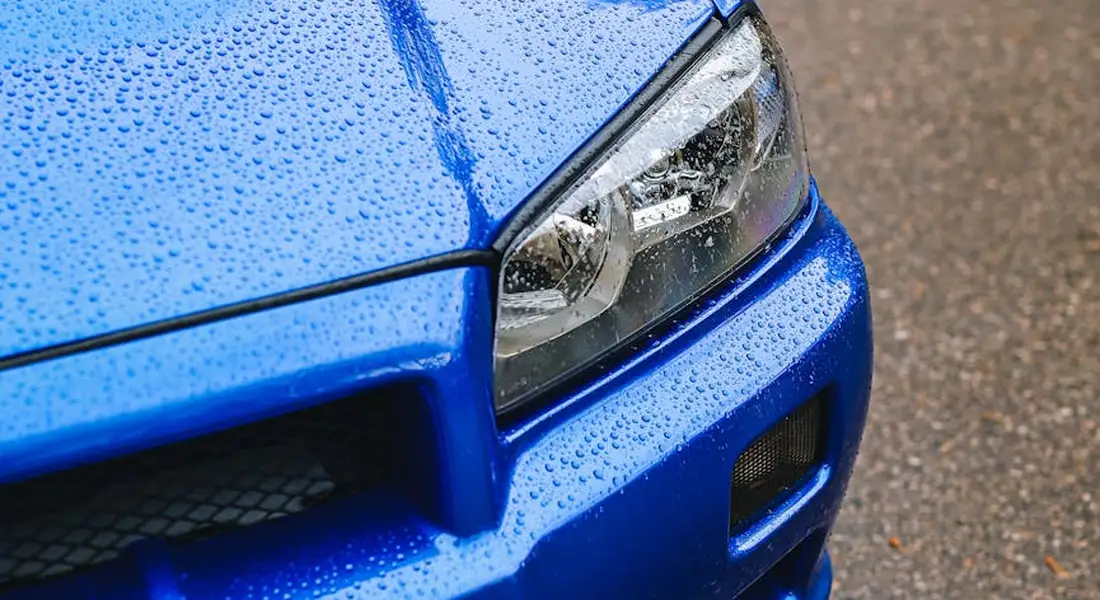
Think of your new protection as a tough but sensitive skin. Both PPF and ceramic coatings demand the same gentle cleaning habits you should use on bare paint. The good news? They make the job much easier. Dirt slides off with less effort. Stains are less likely to stick. Water beads up and rolls away. But they are not invincible.
Harsh chemicals, like acidic wheel cleaners or strong solvent-based bug removers, can degrade the top coat of a ceramic coating or stain and dull the urethane surface of PPF. Automatic car wash brushes are the enemy. They grind dirt into the surface, creating fine scratches called “micro-marring” in ceramic or leaving hazy swirl marks on PPF that can ruin its clarity.
The rule is simple: if you wouldn’t rub it on your car’s paint with your bare hand, don’t let it touch your PPF or ceramic coating.
Washing and Drying Your Protected Paint
The safest method is the classic two-bucket wash. I use this on every car, from my black BMW to the Porsche. You need two buckets. One holds your clean shampoo solution. The other is filled with plain water for rinsing your wash mitt.
Here is how you do it.
- Rinse the car thoroughly with a gentle stream of water to loosen surface grime.
- Dip a clean, high-quality microfiber wash mitt into the shampoo bucket.
- Wash a section of the car using straight-line motions, not circles.
- Before re-dipping the mitt in the clean shampoo, rinse it thoroughly in the water-only bucket. This traps the dirt you just washed off.
- Repeat steps 2 through 4, working from the top of the car down.
This method keeps your wash mitt clean and prevents scratching. Now, for the best part: drying. With a quality ceramic coating, like what’s on my Tesla, the hydrophobic effect does most of the work. After rinsing, the water simply beads up and sheets off the paint. A single, soft drying towel can easily mop up the remaining droplets in minutes. It is a game-changer.
Drying a ceramic-coated car often feels like just wiping down a smooth, slick countertop, not struggling with a wet, sticky surface.
Can You Polish or Wax It? Addressing Long-Term Care
This is where care for PPF and ceramic coating diverges sharply.
Let us start with paint protection film. Can you wax PPF? You can, but you should not use a traditional carnauba or synthetic paint sealant. These can leave a filmy residue on the film’s surface. Instead, use a product specifically formulated for PPF. These are usually spray-on sealants that enhance gloss and add a little more slickness without gumming anything up. I use one on my Porsche’s front PPF every few months.
Can you polish paint protection film? Absolutely not with standard compounds or polishes. They are too abrasive and will permanently mar the film’s top coat. If your PPF gets light scratches or haziness, you use a dedicated PPF cleaner or a very fine finishing polish made specifically for film, applied by hand with extreme care.
For ceramic coatings, the answers are different. Wax is completely unnecessary. The coating itself is a permanent, hard sacrificial layer. Putting wax on top of ceramic coating is like putting a cheap vinyl sticker over a sapphire crystal watch face. It might look okay for a second, but it does not add protection and can actually lessen the coating’s hydrophobic performance.
You also cannot “polish” a ceramic coating in the traditional sense. If the coating fails or becomes heavily contaminated, it needs to be professionally removed with a specialized stripping polish, which is a job for a detailer. Then the paint is corrected and a new coating is applied.
What about removing PPF? It is designed to last for years, but it does not last forever. When it yellows, becomes brittle, or is severely damaged, it comes off. I helped remove old, yellowed film from the fenders of my Mazda Miata project. The process involves heating the film gently with a heat gun to reactivate the adhesive, then slowly peeling it back at a consistent angle. Any leftover adhesive is cleaned off with a mild solvent. It is a meticulous job, but when done right, the original paint underneath is preserved, which was the whole point.
Product Tier List: Navigating the Options
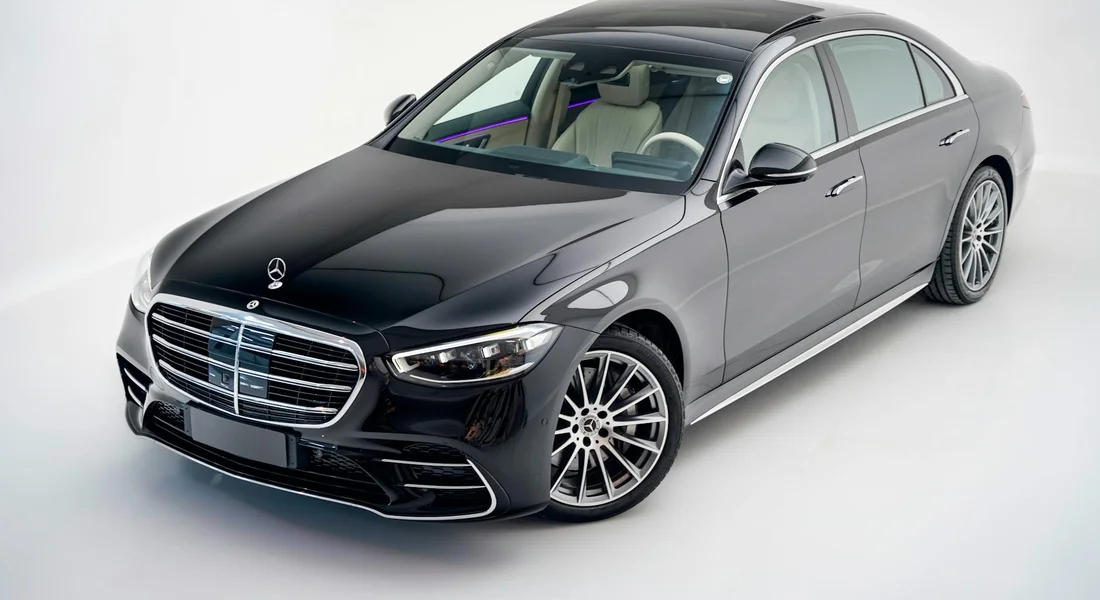
Think of paint protection like a toolbox. You don’t use a sledgehammer to hang a picture. You match the tool to the job, your budget, and your skill level. Here is how the options break down.
Budget / Safeguard Tier (For Basic Protection)
This tier is for the car owner who wants a noticeable boost in protection and shine without a big investment of time or money. It’s about smart, simple safeguarding.
Consumer-Grade Spray Sealants (“Ceramic Sprays”): These are your easy button. They are water-based sprays containing a small amount of silica (SiO2) or other polymers. You spray them on a clean, dry car and wipe them off. They add slickness, make water bead, and provide a few months of protection against light contaminants. I use these on my family’s Honda Odyssey for quick touch-ups between washes. They are perfect for maintaining a base layer of protection or boosting a wax.
Pre-Cut PPF Kits for Small Areas: Targeted armor where you need it most. These are precisely cut pieces of thin, clear urethane film designed for vulnerable spots. The most common use is covering headlights to prevent yellowing and pitting from road debris. You can also find kits for mirrors, door edge guards, or the front bumper. The application requires patience, a squeegee, and a spray bottle of soapy water to slide the film into place. It is a great, low-cost way to protect high-impact zones.
Enthusiast / Prosumer Tier (For Hands-On Owners)
This is for the detailer who enjoys the process and has developed the skill to apply more permanent products. The results are professional-grade, but the work is done in your own garage.
True SiO2 Ceramic Coating Kits (DIY): These are serious liquids that bond to your paint. They come in small bottles with applicator pads. Unlike spray sealants, they require flawless paint preparation. You must decontaminate and polish the surface to absolute perfection first. Any scratch or swirl left under the coating is locked in for years. The application is a meticulous, panel-by-panel process with strict timing for leveling and wiping. A true ceramic coating is not a cleaner; it is a hard, semi-permanent top layer that can last 2-5 years with proper maintenance. This is what I used on my black BMW to lock in that flawless correction.
Mid-Grade PPF Rolls (Professional Material): This is the real film the installers use. Enthusiasts can purchase it by the roll. Installing it on an entire hood or bumper, however, is an advanced skill. It involves stretching a large, sticky sheet over complex curves using heat guns and specialized tools. One piece of dirt trapped underneath or one wrong stretch creates a permanent blemish. I only recommend this for seasoned hobbyists practicing on small panels, or for professionals handling full-frontal installations.
Show Car / Professional Tier (For Ultimate Results)
This tier represents the peak of paint protection technology. You are not just buying a product; you are investing in the certified skill of a master installer. The cost is high, and the results are transformative.
High-End, Multi-Year Ceramic Coatings: These are the flagship products. They contain higher concentrations of active ingredients like silicon dioxide or titanium dioxide. They offer extreme chemical resistance, incredible hardness, and warranties that can extend up to 10 years. Their application is so precise that certified installers often train for days on the specific product line. These coatings are formulated for specific surfaces like paint, glass, wheels, and even interior trim. You see this on collector cars and vehicles like my Porsche 911, where every surface gets a dedicated, lasting shield.
Premium, Self-Healing PPF Films: This is the ultimate physical barrier. The film itself is thicker and more elastic. Its magic trick is a top coating that can “heal” light swirls and scratches from washing with just a little heat from the sun or warm water. The film absorbs the damage so your paint never does. Installing it requires a flawless, dust-free “clean room” environment and an artist’s touch to wrap edges and seams invisibly. This service is for owners who demand absolute preservation of their factory finish, regardless of how the car is used.
Final Verdict: Making Your Choice
Don’t think of this as picking a winner. Think of it as matching the right tool to your specific life. I keep both products in my garage because they solve different problems. Your job is to figure out which problem you need solved most.
Ask yourself a few honest questions.
What’s Your Biggest Fear?
Is it the slow, creeping horror of swirls and fine scratches dulling your perfect paint? Or is it the sudden, heart-sinking *tink* of a rock chip on the highway?
If swirls are your nightmare, and you hate how water spots and dirt stick to the car, a ceramic coating is your path to peace of mind. My Tesla Model 3, with its soft clear coat, lives under a ceramic layer. It makes washing a breeze and keeps that glossy, slick feel for years. I don’t worry about environmental etching or bird droments as much.
If physical impact and chips keep you up at night, you need PPF’s armor. The front end of my Porsche 911 is wrapped. On a back road, a kicked-up stone just bounces off. I breathe easier. For a daily driver on highways, or if you live near construction, this is the real shield.
What’s Your Real Budget?
Be clear with yourself here. A professional-grade ceramic coating install is an investment. A full-frontal PPF wrap costs more. A full-car PPF wrap is a major financial commitment.
For the DIYer on a tight budget, a high-quality spray ceramic sealant is a fantastic compromise. You apply it after every few washes. It gives you 80% of the hydrophobic and cleaning ease of a full coating for a fraction of the price and skill requirement.
PPF has almost no DIY option for a full car; you are paying for expert installation and the material itself. Budget not just for the initial install, but for potential panel replacements in the future if a section gets badly damaged.
How Long Will You Keep This Car?
This is the ownership question. Are you the type to trade in every three years? Or is this your forever car, your modern classic?
For a long-term keeper, especially a special car, the value of PPF becomes undeniable. Protecting the original, uncut paint for a decade or more is a huge deal for resale and for your own pride. My Miata project will get PPF on its new paint because that paint has to last.
If you cycle through cars, a professional ceramic coating might outlast your ownership and be a selling point. A DIY sealant routine is perfectly sensible and cost-effective.
The Professional Combo: The Ultimate Solution
For a brand-new car you plan to cherish, the most comprehensive protection isn’t one or the other. It’s both, applied strategically.
The ideal process goes like this: Paint Correction (to make the paint perfect) -> PPF application (on high-impact areas: full front, mirrors, rocker panels) -> Ceramic Coating applied over the entire car, including the PPF.
This gives you the physical armor where you need it most, and the unparalleled slickness, chemical resistance, and ease of cleaning everywhere. The ceramic coating also makes maintaining the PPF much easier, preventing stains and water spotting on the film itself. It’s how I would protect any new, high-value vehicle today.
Look, I get it. You just spent a lot on a new car. The last thing you want is to watch it get ruined a little bit every day. It feels like a losing battle against road salt, sun, and random debris. I stare at the salt crust on my F-150 every winter and sigh. Protecting the paint isn’t just about vanity; it’s about preserving what you’ve worked for. Choose the protection that lets you stop worrying and just enjoy the drive.
Final Recommendations for Your New Car’s Paint
The best choice isn’t about which product is superior, but which solution fits your specific vehicle and driving life. Your decision should hinge on whether you need a sacrificial layer to absorb rock chips or a durable, slick surface to repel contaminants and simplify washing.
Choose without this clarity, and you might find yourself facing preventable chips or swirls, wishing you’d invested differently from the start.
Relevant Resources for Further Exploration
- r/AutoDetailing on Reddit: Do I REALLY need PPF and/or ceramic coating?
- PPF vs Ceramic Coating: Which Should You Choose?
- Ceramic Coating vs. PPF: Which Is Right for Your Vehicle? – Knox Auto Armor
- PPF vs Ceramic Coating: Comparison PPF VS Ceramic Coating – GVE London
- PPF vs. Ceramic Coatings: What’s the Difference and Which One Is Right for Your Vehicle?
- PPF vs Ceramic coating – help a noob out | Tesla Motors Club
Max Gunther
Max is an automotive enthusiast having worked as a car mechanical and in interior detailing service for over 25 years. He is very experienced in giving your old car, a new fresh vibe. He has detailed many cars and removed very tough smells and stains from all kinds of cars and models, always ensuring that his work and advice helps his customers. He brings his first hand experience to his blog AutoDetailPedia, to help readers breath new life into their car interiors.