Is Ceramic Coating Worth the Cost? A Detailer’s Real-World Analysis
You see the glossy ads and hear the big promises, but that four-figure quote for ceramic coating makes you wonder if it’s just a premium car wash. I’ve asked myself the same thing while prepping paint on my Ford truck and my Tesla.
We will cover the full price breakdown, long-term durability against salt and sun, actual time saved on cleaning, and how it performs next to traditional wax on my swirl-prone black BMW.
Choose based on hype instead of value, and you risk spending over a thousand dollars for minimal benefit or watching your unprotected paint degrade faster.
Key Takeaways: The Quick Answer
For a garage-kept classic, maybe not. For a daily driver in harsh conditions, often yes.
Let me be blunt. If your car is my 1995 Miata that sees sun only on perfect days, a high-quality sealant is a smarter spend. The value isn’t there. But for my F-150 that battles road salt or my Odyssey coated in kid grime, a ceramic coating transforms ownership.
The real value comes from three places.
- Long-term protection against environmental contaminants like bird droppings, tree sap, and acidic rain.
- Massively reduced maintenance time. Dirt releases easier, and drying becomes a one-towel job.
- A gloss depth that synthetic sealants can’t match, locking in the perfection of a proper paint correction.
Remember, the quoted price is only for the coating itself; the true cost and result hinge entirely on the paint correction done before the applicator ever touches the bottle. Applying a coating over my BMW’s swirled paint would just lock in those defects, a very expensive mistake.
Quick Snapshot: Ceramic Coating vs. The Alternatives
Here is how the main options stack up. This isn’t theory. I’ve used each one across my fleet for years, and the results dictate this table.
The jump from a spray coating to a pro-grade coating is less about the first six months and entirely about years two through five, where its performance remains nearly unchanged.
My Tesla wears a professional coating because its soft clear coat needs the constant chemical barrier. My F-150 gets a ceramic spray coating every spring because it takes 90 minutes and fights mud and salt perfectly. Choose the tool for the job and your willingness to invest upfront time or money.
What Exactly Are You Paying For? The Science in Simple Terms
Let’s be clear. A ceramic coating is not a magical force field. It will not stop a shopping cart dent or a key scratch down to the metal. Think of it like a super-tough, clear rain jacket for your paint, not a bulletproof vest. While it provides excellent protection against elements, it can’t prevent physical damage to your car’s paint.
At its heart, the science is about silicon dioxide, or SiO2. You know it as quartz or sand. In a liquid coating, these SiO2 particles are suspended in a resin. When you apply it to your car’s perfectly clean clear coat, a chemical bond forms. The liquid carrier evaporates, and what’s left is a hardened, semi-permanent layer of glass-like protection on a microscopic level.
The bond is what makes it last months or years, far longer than any traditional wax.
You will hear the word “ceramic” used everywhere now. It’s critical to know the difference. The consumer-grade “ceramic” spray you see at the auto parts store is a fantastic maintenance product. It contains a tiny amount of SiO2 and is meant to be applied every few months. A professional, multi-layer coating is a different beast. It has a much higher concentration of active ingredients, requires precise application, and is designed to be a multi-year foundation for your paint’s protection. It’s important to understand these differences, especially when comparing ceramic coatings vs. spray sealants.
The Non-Negotiable First Step: Paint Correction
This single step is where the real value of a ceramic coating is created or completely lost. A coating does not fill in or hide defects. It locks in whatever is underneath. If you coat over swirls, scratches, and water spots, you are literally preserving them under a glass-like layer. They become permanent.
The process is meticulous. First, a full wash to remove loose dirt. Then, decontamination. You run a clay bar or synthetic clay mitt over the paint. It feels smooth when you start. As you clay, you feel it grab and pull out embedded industrial fallout and brake dust you cannot see. The paint becomes silky smooth. Only then do you move to machine polishing.
Polishing uses a dual-action machine with different pads and compounds to gently abrade the clear coat. The goal is to level the surface, removing those fine scratches and restoring clarity. This is skilled work. Too little pressure does nothing. Too much, or the wrong product, can burn through the clear coat.
I learned this on my 2016 BMW, the “Swirl Magnet.” Its jet black paint showed every flaw. Before coating, I spent a full day correcting it. The difference was not subtle. The coating did not make the paint shiny. The correction did. The coating then sealed that flawless, deep, liquid-black finish. The coating made the black paint pop only because we corrected it first. Without that step, I would have just spent money to lock in a mediocre finish.
Breaking Down the Ceramic Coating Cost
You do not buy a ceramic coating. You invest in one. The price is a combination of materials, labor, and expertise. People often search for a single number, but it varies. Here is what you are looking at. Understanding the professional ceramic coating cost helps you plan your investment. It varies with prep work, coating quality, and the level of service, not just the sticker price.
The DIY Route: Budget Friendliness vs. Risk
A good DIY coating kit from a reputable brand will cost you between $80 and $150. The price is appealing. The real cost is in everything else.
You are paying with your time. The process demands a perfect, controlled environment. You need a cool, shaded garage with low humidity. High heat or moisture will cause the coating to flash too quickly, leading to “high spots.” These are visible, streaky residues that are brutally difficult to remove once the coating has cured.
The consequence of error is high. If you apply it unevenly or miss a high spot, you may need to polish the entire panel to remove the coating and start over. It is a nerve-wracking process for a first-timer.
My advice is to start with ceramic-infused spray sealants on a family car first. I use them on our Honda Odyssey, the “Kid Hauler.” They offer a taste of that slick, hydrophobic behavior and are very forgiving. They build confidence. If you can perfectly prep a car for a spray sealant, you are one step closer to being ready for a true coating.
Professional Installation: What You’re Really Buying
Professional installation typically ranges from $1,000 to well over $3,000. The number seems high until you break down what it includes.
- Labor for Paint Correction: This is 60-70% of the total cost. A proper one-step correction on an average sedan is 8-12 hours of skilled labor. For a swirled black car, it could be 20+ hours.
- Product Cost: The actual coating product a pro uses is more expensive and durable than DIY kits.
- Installer Expertise: You are paying for their trained eye, steady hand, and guaranteed result. They know how to handle complex curves and tight body lines.
- Warranty: Most professional coatings come with a 2 to 5-year warranty on durability, backed by the shop.
This is why costs vary by location. When someone asks, “Why does ceramic coating cost more in the Bay Area or Dallas?” the answer is straightforward. Shop overhead, business insurance, and local labor rates are simply higher in major metropolitan areas. A top detailer in those markets commands a professional wage for their skill.
Vehicle Size & Shape: Sedan vs. SUV vs. Truck
The size and shape of your vehicle directly impact the price. It is a matter of square footage and complexity.
A standard sedan has less surface area. A full-size truck like my Ford F-150 or a large SUV has significantly more metal, plastic, and glass to cover. The price is higher simply due to the extra product and, more importantly, the extra correction time.
Shape matters too. A car with simple, flat panels is more efficient to coat. My Tesla Model 3, the “Modern EV,” with its large, smooth doors and hood, can be a relatively efficient job for a pro. A vehicle with deep character lines, sharp edges, and complex bumper shapes takes more time and care to ensure full, even coverage on every surface.
The Real-World Benefits: Where You See & Feel the Value
You hear a lot of big claims about ceramic coatings. I want to show you what those claims feel like on a Tuesday afternoon when your car is dirty. This is where the value becomes real, especially for daily drivers.
The “Sheeting” Effect: Your New Favorite Car Wash
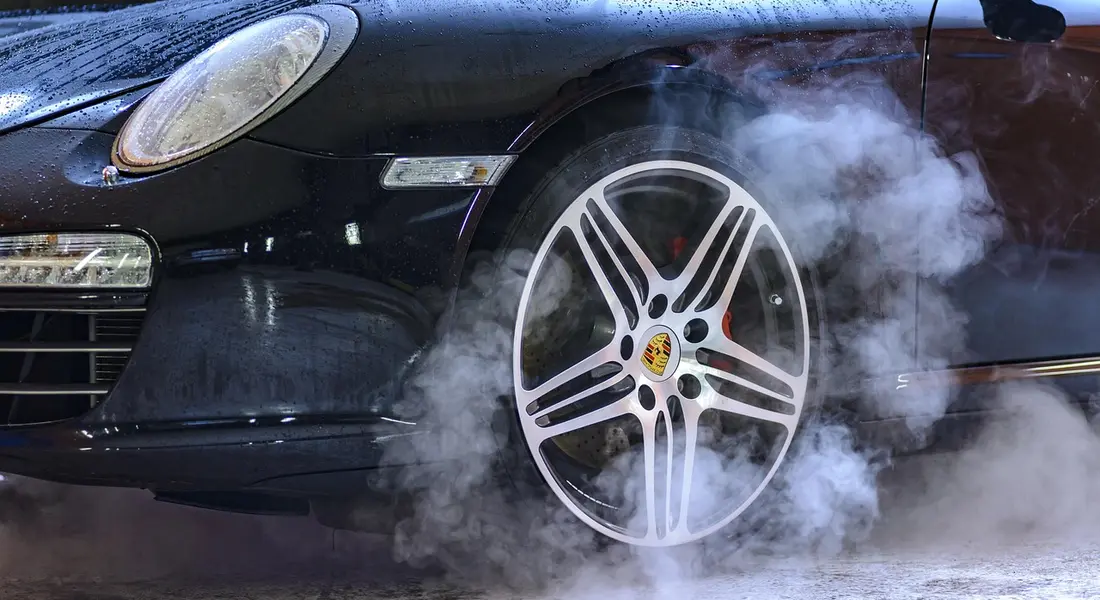
This is the benefit you notice first. A proper coating creates a surface water cannot cling to. It does not bead up like traditional wax. It sheets. Imagine pouring a bottle of water over a freshly waxed car. Now imagine that same water hitting a surface so slick it just slides off in flat, clean sheets, like mercury rolling off glass. That is the coating working.
This hydrophobic action means you spend less time and effort every single time you wash your car. Drying becomes a one-pass job with a clean towel, because there is barely any water left to trap. Water spots, those mineral rings that bake into the clear coat, become far less frequent because water does not sit and evaporate.
I see it every week. After a spring rain, my coated Porsche 911 looks like it got a light rinse. My uncoated F-150, however, looks like a topographical map of water droplets, each one holding dirt against the paint. Washing the Porsche is a 20-minute refresh. Washing the truck is a 45-minute commitment to prevent etching from those dirty beads.
Chemical & Environmental Resistance
This is the protection you cannot see but will be grateful for. A ceramic coating is a sacrificial layer. When a bird dropping lands on your roof, the coating takes the initial chemical hit, giving you more time to safely remove it before the paint’s clear coat is etched.
It does the same against tree sap, acidic pollen, and industrial fallout from brake dust and road grime. The contaminants sit on top of the slick coating, making them easier to wash away.
For older cars or single-stage paints, the UV protection is a game changer. The coating acts as a persistent sunscreen for your paint, dramatically slowing the fade and chalky oxidation that kills a car’s color. On my 1995 Miata, keeping that single-stage red from turning pink is a constant battle. A coating is my best long-term weapon.
Let me be perfectly clear about what it does not do. A ceramic coating is not an invincible force field. It will not stop a rock chip. It will not make your paint scratch-proof. A dirty wash mitt dragged across a coated surface will still inflict swirl marks. It adds a layer of chemical resilience, not physical armor. For practical care, our ceramic coating safety effectiveness guide explains safe maintenance and realistic expectations.
Long-Term Maintenance Cost Savings
Let us talk numbers, but not the scary ones on the coating invoice. Let us talk about the money and time you save afterward. Think of a coating as prepaying your car’s beauty budget for the next several years.
Without a coating, maintaining that showroom shine requires consistent effort. A quality spray wax or sealant needs reapplication every 2 to 4 months. That is:
- Cost of product every few months.
- 2-3 hours of your time, per application, to do it right.
- Potential for more frequent professional “detail and wax” appointments, which can run $150-$300 each time.
With a professional-grade coating, your baseline protection is locked in for 3 to 5 years. Your washing becomes faster and easier. You might buy less detailing spray. You will certainly schedule fewer major correction appointments because the coating is protecting the correction work you already paid for.
Here is a simple 3-year comparison for a dedicated owner:
| Maintenance Method | Estimated Product/Tech Cost | Estimated Time Invested |
|---|---|---|
| Premium Spray Sealant (Applied 3x/year) | $200 – $300 | 24 – 36 hours |
| Professional Ceramic Coating | Coating cost + $50/yr for maintenance | Wash time reduced by ~30% |
The value is not just in the money saved, but in the time and mental energy you get back every week when cleaning your car is no longer a chore.
Who Is Ceramic Coating Actually For? (And Who Should Skip It)
I am not selling you anything. A ceramic coating is a spectacular tool, but it is not the right tool for every person or every car. Knowing the difference saves you disappointment and money.
The Ideal Candidate: The Car and The Owner
The perfect match for a coating is a specific combination of vehicle and mindset.
The ideal car has paint worth protecting. This usually means a new vehicle, or a used vehicle where you have invested in a full paint correction to remove swirls and defects. A garage-kept car is a bonus, as it extends the coating’s life, but a daily driver is the prime candidate because it faces the daily grime the coating is designed to repel.
The ideal owner values a “always clean” look and hates constant upkeep. You are the person who winces at water spots, who enjoys a clean car but does not want to dedicate every weekend to it. Most importantly, you plan to keep the vehicle for longer than the coating’s warranty period. You are making a long-term investment in your own pride of ownership.
When to Consider Other Options
Be honest with yourself. A coating is likely not your best move if:
- You are leasing the vehicle. You will not own the car when the coating provides its maximum resale value benefit. The leasing company gets the better-looking car at turn-in, not you. A high-quality sealant makes more financial sense.
- The paint is in poor, uncorrectable condition. Applying a $1,500 coating over scratched, oxidized, or failing clear coat is like putting a crystal-clear screen protector on a cracked phone. All you do is lock in and highlight the flaws. Correct the paint first, or choose a different path.
- You drive a true off-road or work truck. If your F-150’s lower halves are constantly scoured by brush, mud, and road salt, a coating will be quickly abraded away. For those areas, Paint Protection Film (PPF) is a tougher, physical barrier. You can coat over the PPF for added slickness.
- Your budget only covers the coating, not the essential prep work. This is the most common mistake. The golden rule is this: the coating will only be as perfect as the surface underneath it. If you cannot afford the multi-step paint correction that must precede a professional coating, wait. Use a consumer-grade ceramic spray sealant for now. It is far better to have a perfectly corrected finish with a temporary sealant than a flawed finish permanently sealed under a hard ceramic layer.
Keeping the Investment Alive: Ceramic Coating Maintenance
You got the coating. Now what? The most common question I get is, “How do I maintain my ceramic coating?” Let’s be clear. The biggest myth is that a ceramic coating means no maintenance. It is low maintenance, not no maintenance. There are more myths out there, and our ceramic coating myths debunked guide breaks them down. Think of it like a high-end wax on steroids. It lasts for years, but it still needs proper care to perform and look its best.
The Right Way to Wash a Coated Car
Washing is your primary maintenance. Do it wrong, and you’ll swirl the coating itself. My black BMW taught me this the hard way. The goal is to clean without adding scratches.
- Stick to the Two-Bucket Method. One bucket with your shampoo mix, one with clean rinse water for your mitt. This traps dirt and keeps it off your paint. I use this on every car, from the Miata to the Porsche.
- Use a pH-Neutral Shampoo. Harsh soaps or wash & wax formulas can degrade the coating over time. A gentle, coating-safe shampoo lifts dirt without stripping the protection.
- Use a Ceramic Detail Spray as a Drying Aid. This is the pro tip. As you dry the car with a clean microfiber towel, mist a ceramic-infused spray detailer onto the wet panel. It boosts hydrophobics, adds slickness, and helps prevent water spots during drying. It’s like a mini-refresh for the coating with every wash.
What Will Wear Out a Coating Faster
Your coating is tough, but it’s not invincible. Some habits will shorten its life.
- Automatic Car Washes with Brushes. Those spinning mops are full of grit from hundreds of cars. They will scratch your coating and grind dirt into it. A touchless wash is a safer, occasional option, but it often uses strong chemicals.
- Harsh Chemicals and Abrasive Polishes. Tar removers, heavy degreasers, or compound on a regular basis will break down the coating. Always use the mildest product needed for the job.
- Environmental Neglect. Parking constantly under trees lets sap and bird droppings bake onto the coating. Industrial fallout and road salt are acidic. If you can’t garage it, a quick rinse every week or two goes a long way to prevent permanent etching.
Common Myths & Straight Talk
Let’s cut through the marketing. Here’s the straight talk on what a ceramic coating really does and does not do.
“Ceramic Coating Prevents All Scratches and Swirl Marks”
This is false, and believing it can lead to disappointment. The coating adds a layer of hardness that resists light marring, like a dusty towel gently dragged across the hood. But it is not a force field. A dirty wash mitt, a branch, or a key will absolutely scratch right through it. Its real superpower is making the surface so slick and hydrophobic that dirt rinses off easily, making safe cleaning simpler and reducing the chances you’ll cause swirls during maintenance.
“It Makes Your Car Shine Like Nothing Else”
This needs clarification. The coating itself adds a clear, deep, and very wet gloss, but 90% of the visual pop comes from the flawless paint correction done before application. A ceramic coating is a clear layer. If you coat over swirled, scratched paint, you are just locking in and highlighting those defects. You’ll have very shiny, very reflective swirls. The magic happens when a perfectly corrected surface, like on my 911, gets sealed under that glassy-smooth layer.
“It Completely Eliminates Water Spots”
Not entirely, but it comes close under normal conditions. The coating causes water to bead and sheet away rapidly, which dramatically reduces the time water sits on the paint and dries. This slashes the chance of spots. But if you have mineral-heavy well water or park under a sprinkler in the hot sun, the residue can still spot. The key benefit? On a coated car, those spots are usually sitting on top of the coating and are much easier to wipe away without damaging the paint beneath. My Tesla’s flat front bumper tests this every spring with bug guts and hard water. The coating lets me remove them with minimal effort.
Product Tier List: Choosing Your Path
You have options. Thinking of ceramic protection as a single, expensive service misses the bigger picture. It is a spectrum of products matched to your commitment level. I break them down into three clear tiers.
Tier 1: Ceramic-Infused Sprays & Quick Sealants (The “Maintenance” Tier)
This is where almost everyone should start. These are not full coatings. They are protective toppers packed with SiO2 (silica) or similar ingredients. They bond to your paint, wax, or even a professional coating to add slickness and water repellency.
This tier is perfect for protecting a daily driver with minimal fuss or for boosting a full ceramic coating you already have.
I use these on my grey Honda Odyssey every few months. After a thorough wash, I spritz a ceramic spray onto a wet panel, spread it with a clean towel, and buff it dry. It takes twenty minutes. The spilled juice and cracker crumbs wipe away easier next time.
- Best For: Anyone. New car owners, lease returns, people maintaining a pro coating, or anyone who just wants easier washing.
- Durability: 3 to 6 months is typical. It depends on the product and your weather.
- Actionable Steps:
- Wash and dry your car completely.
- Shake the spray bottle well.
- For a “dry” application: mist onto a cool, dry panel and spread with a soft microfiber. Immediately buff with a second, clean towel until clear.
- For a “wet” application (my preferred method): mist onto the wet surface after washing. Use your drying towel to spread and buff the product dry in one step.
- Safety & Prep: Work in the shade on a cool surface. Good ventilation is a must. The prep is just a clean car. If the paint is dirty, you are just sealing in dirt.
- My Note: Do not overapply. A light mist is all you need. More product just makes it harder to buff off and can leave streaks.
Tier 2: Consumer DIY Ceramic Kits (The “Enthusiast” Tier)
This is a true coating in a bottle. You buy a kit with a small vial of liquid and applicators. The commitment jumps from hours to days, and the margin for error shrinks.
Applying a DIY coating is 90% preparation and 10% careful application.
I used a well-known brand on my Jet Black BMW after I spent a weekend correcting its swirls. The result was fantastic, a deep, hard gloss. The process was stressful. You must decontaminate and polish the paint to absolute perfection. Any flaw left on the surface gets locked in for years.
- Best For: Skilled DIYers with a garage, a polisher, and a free weekend. You need patience and an eye for detail.
- Durability: 1 to 3 years. Many brands promise longer, but real-world conditions like road salt and sun take their toll.
- Actionable Steps:
- Paint Correction is Mandatory: Wash, chemically decontaminate (iron remover), clay bar, then machine polish the entire car. The paint must be flawless.
- Final Wipe Down: After polishing, do a final wipedown with a dedicated prep spray or diluted isopropyl alcohol to remove any polishing oils.
- Application: In a dust-free, climate-controlled space, apply a few drops to the applicator. Work in small, manageable sections (one panel at a time). Spread the product thin, then wait for it to flash (turn hazy). Buff it off immediately with a clean, soft towel.
- Curing: The car must stay completely dry for 12-48 hours as the coating cross-links and cures.
- Safety & Prep: Wear nitrile gloves and use serious ventilation. These are strong chemicals. High humidity or cold temperatures will ruin the application, causing hazing or poor bonding.
- My Note: This is a high-risk, high-reward project. If you rush the prep or apply too thick, you will have a sticky, streaky mess that is very difficult to remove. Practice on a test panel first.
Tier 3: Professional-Grade Coatings (The “Investment” Tier)
This is the top shelf. These coatings have higher concentrations of active ingredients and require certified installers. The warranty is not just for the product, but for the installer’s labor.
You are paying for guaranteed, long-term performance and the skill to execute a perfect, multi-layer application.
My red Porsche and the corrected BMW both wear a professional 5-year coating. The Porsche’s PPF has a ceramic coating on top of it. The water behavior is unreal. Dirt rinses off with a hose. The paint feels like smooth glass.
- Best For: Owners of new cars, collectibles, or any vehicle where you want the longest-lasting, highest-performance protection and are willing to pay for expertise.
- Durability: 5+ years with proper maintenance. The warranty terms are strict about annual inspections.
- The Process: A professional detailer will execute Tier 2’s prep steps at a master level, often with paint thickness gauges and specialized lighting. They then apply multiple layers (a base coat and a top coat are common) in a controlled environment.
- What You’re Really Buying:
- Expertise: They know how to correct paint without burning through it on edges.
- Warranty: A real warranty that covers defects and durability for years.
- Consistency: No high spots, no missed spots, perfect coverage on every trim piece.
- Safety & Prep: This is all on the installer. Your job is to choose a reputable shop with certifications from the coating manufacturer and a portfolio of their work. Ask to see a car they coated two years ago.
- My Note: This is not a “clean” for sale. It is a 2-3 day paint correction and preservation service. The cost reflects that labor. For a special car, it is worth every penny for the peace of mind.
The Final Decision on Ceramic Coating
Ceramic coating is worth the cost when you see it as payment for future time, not just a shiny product. It transforms your wash routine and guards your paint, but only if the surface is perfectly clean and corrected first.
Ignore that foundational step, and you will permanently lock stains and swirls beneath a costly, failing shield.
References & External Links
- The Cost of Ceramic Coating: Is It Worth the Investment?
- How Much Does Ceramic Coating Actually Cost?
- How Much Does Professional Ceramic Coating Cost? Your Complete Pricing Guide
- How Much Does It Cost to Ceramic Coat a Car? – AutoZone
- r/AutoDetailing on Reddit: I was quoted $350 to get a new car ceramic coated, does this sound too low?
- Ceramic Coating Cost: How Much Should You Pay? | FEYNLAB®
- How Much Does A Ceramic Coating Cost? (Lancaster, PA) – Dino’s Detail Co.
Max Gunther
Max is an automotive enthusiast having worked as a car mechanical and in interior detailing service for over 25 years. He is very experienced in giving your old car, a new fresh vibe. He has detailed many cars and removed very tough smells and stains from all kinds of cars and models, always ensuring that his work and advice helps his customers. He brings his first hand experience to his blog AutoDetailPedia, to help readers breath new life into their car interiors.