How Do You Wax a Car Right? The Best Techniques and Application Methods
I see you. You bought a good wax, but you’re staring at the bottle, worried about making streaks or wasting your effort. Let’s fix that together.
This guide walks you through picking your wax, the non-negotiable prep work, hand versus machine application, the art of buffing it off, and keeping that protection strong.
Get it wrong, and you risk embedding dirt or creating a hazy, sticky film that offers no real shield.
What Does Car Wax Actually Do for Your Paint?
Think of a coat of wax as a thin, clear jacket for your car’s paint. I apply it so that the jacket takes the hits, not the paint underneath. It works as a sacrificial barrier. When ultraviolet rays from the sun beat down, the wax absorbs them first. When acidic contaminants from rain or bird droppings land, they sit on the wax layer, giving you a critical window to wash them off before they etch into the clear coat. A good wax is your paint’s first line of defense against daily environmental damage.
The payoff is visual. A proper wax job doesn’t just protect, it transforms. It fills in the microscopic valleys in your clear coat, creating a smoother, more reflective surface. This is what gives paint that deeper, richer color and the classic “wet look” shine that makes a car look just detailed, even from a distance. Waxing the clear coat creates a protective, high-gloss shield. This wax-on-clear-coat approach helps the shine last longer and stay smoother.
It helps to know how wax stacks up against modern options. A traditional carnauba-based wax offers unmatched warmth and depth of gloss, but it typically lasts 1-3 months. Synthetic paint sealants are engineered for durability, often lasting 4-6 months or more, with a very bright, clear shine. Ceramic coatings are a semi-permanent, harder layer that can last years, offering superior chemical resistance and slickness. For pure, jaw-dropping gloss and a classic finish, a well-applied wax is still the champion.
My 2016 BMW 3 Series, the Jet Black “Swirl Magnet,” is the perfect example. Black paint shows every flaw and can look flat and chalky when unprotected. When I finish with a high-quality paste wax, the transformation is dramatic. The black doesn’t just get shiny, it gains a liquid, mirror-like depth. Minor swirls and imperfections become less apparent because the light reflects more evenly. It’s the difference between looking at a black sheet of paper and looking into a deep pool of water.
The Waxing Arsenal: Your Tools and Chemicals
Getting a perfect finish is impossible with the wrong tools. This is the exact kit I use for a showroom-level wax application. Do not skip steps.
- Paint Cleaner or Pre-Wax Cleanser: This is mandatory. Wax bonds to clean paint. A dedicated cleaner removes old wax and embedded grime.
- pH-Neutral Car Wash Soap (pH ~7): For the wash before waxing. Harsh soaps strip wax; a neutral soap just cleans.
- Two Buckets with Grit Guards: One for soapy water, one with clear water for rinsing your wash mitt. The Grit Guard traps dirt at the bottom. This is non-negotiable for preventing scratches.
- High-Quality Microfiber Wash Mitts: Chenille or microfiber for safe, gentle cleaning.
- Microfiber Towels (Multiple Weights): 300-500 GSM towels for initial wax removal. 700+ GSM ultra-plush towels for the final buff to a high gloss.
- Applicator Pads: Soft, foam applicator pads for paste waxes. They hold product and spread it evenly. For liquid waxes, a smooth microfiber applicator pad often works better.
- Dual-Action Polisher (Optional but Recommended): For machine application. A polisher with an 8mm throw is ideal for applying wax smoothly and evenly. Use a dedicated soft, red finishing pad.
- Isopropyl Alcohol (Diluted 10-20%): For a final wipe-down after cleaning to ensure a perfectly oil-free surface for wax bonding.
- Soft-Bristle Detailing Brushes: For applying wax to intricate badges, trim, and tight body lines.
Understanding Your Wax: Paste, Liquid, Spray, and Hybrid
Not all waxes are applied the same way. Your choice changes the process.
Paste Wax: This is the classic. Made with a high concentration of carnauba and other oils, it comes in a tin. It has a shorter working time-you apply it to one panel, let it haze, and buff it off. It can be more work, but the depth and warmth of shine are often superior. I use a paste wax on my BMW for special occasions.
Liquid Wax: Easier to spread over large areas quickly. It often contains synthetic polymers alongside carnauba, offering a good balance of gloss and slightly longer durability (2-4 months). Great for daily drivers like my Honda Odyssey.
Spray Wax: A maintenance product, not a primary protectant. Use it after a wash on an existing wax or sealant base to boost gloss and add a little protection. I keep a bottle of a good spray wax in my garage for my Ford F-150 to quickly add shine after a rinse.
Hybrid Wax: These blends are the smart choice for most people. They mix natural carnauba oils with synthetic polymers and silicones. The result is a product that applies easily like a liquid but offers the durability and slickness of a sealant (3-5 months is common). Products like Car Guys Hybrid Wax exemplify this category, giving you long-lasting protection without sacrificing a deep, wet shine. For those chasing the best car wax polish products, look for options that balance easy application with durable protection and a showroom gloss. This balance is exactly what hybrid wax designs aim to deliver.
At its core, wax is made from a blend of oils, solvents, and protectants. Natural waxes use a base of carnauba palm or beeswax. Synthetics use engineered polymers like poly-dimethylsiloxane. The blend determines how it feels, how long it lasts, and how it reflects light. A simple rule: natural bases tend toward warmer gloss, synthetic bases toward longer life and sharper reflections. Understanding the types of car wax composition helps explain these differences. From natural blends to synthetic polymers, these composition types shape performance and look.
The Non-Negotiable Prep Work: Order of Operations
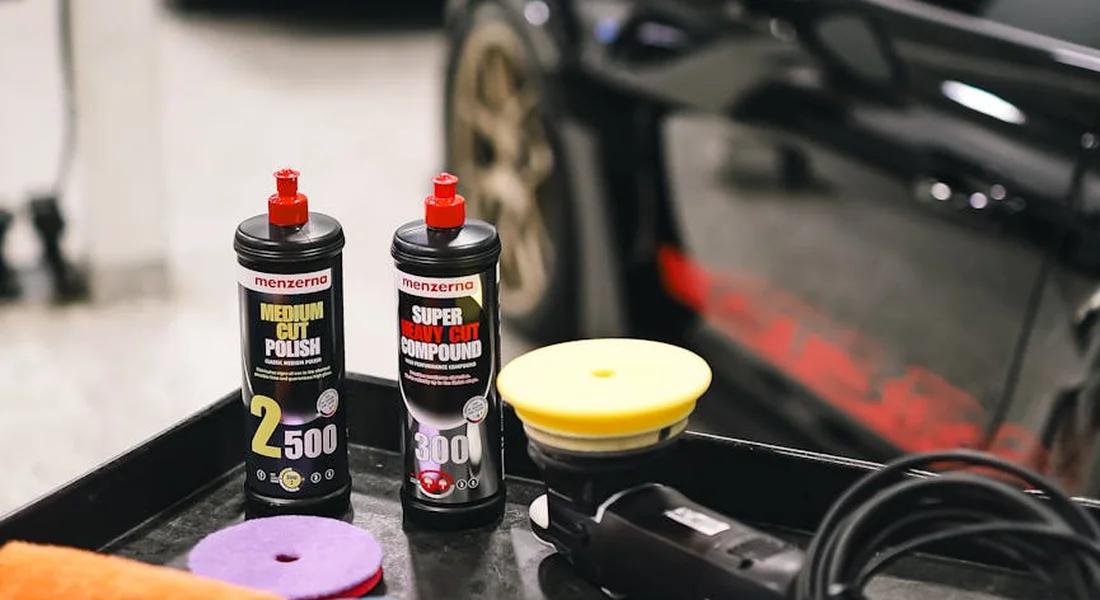
You can have the most expensive wax in the world. If you put it on a dirty car, you just sealed the dirt in. Think of it like painting a wall. You do not paint over dust and grime. You clean it first. This is your checklist. Skip a step and you will see the result in your finish.
1. Wheels and Tires First
Always start at the bottom. Your wheels are covered in the worst grime: brake dust, road tar, and salt. If you wash your paint first, then spray your wheels, all that nasty runoff drips down onto your clean panels. You will have to wash them again.
I use a dedicated wheel brush and a pH-neutral wheel cleaner on my Ford F-150. The dark blue paint shows every water spot. If I let iron-laden brake dust water run down the doors, it stains. Starting here keeps the rest of the job clean.
Clean your wheels and tires first to prevent contaminating your freshly washed paint.
2. Rinse and Pre-Wash
Now, blast the entire car with a strong stream of water. This removes loose dirt and sand. For a very dirty vehicle, use a pre-wash or snow foam. This is a clinging foam you spray on and let sit. It loosens stuck-on grime so your wash mitt does not have to scrub it off later.
My F-150 after a muddy job gets this treatment. The foam slides the thick mud off without me ever touching it. This step prevents the tiny scratches that come from rubbing abrasive dirt across your clear coat.
3. The Contact Wash: Two-Bucket Method
This is where you touch the car. You need two buckets. One has your soapy wash water. The other is filled with clean water for rinsing your mitt.
- Dip your clean microfiber mitt into the soap bucket.
- Wash one section of the car, using straight line motions.
- Before dipping back into the soap, rinse the mitt in the clean water bucket. Watch the dirt sink to the bottom of the rinse bucket.
- Only then, get fresh soap from the wash bucket.
This method traps dirt in the rinse bucket, not in your wash soap. My black BMW is a swirl magnet. This is the only way I wash it. It is not a suggestion. It is the rule.
The two-bucket method is the single most effective practice to prevent swirls and scratches during a wash.
4. Chemical Decontamination: Iron Remover
After washing, your paint may feel clean but it is not. Invisible ferrous metal particles from brake dust and railways embed themselves in the paint. They look like tiny orange or brown specks. You need chemistry.
Spray an iron remover over the cool, wet paint after washing. It will turn purple as it reacts with the iron. Let it dwell, then rinse it off completely. This dissolves contaminants your mitt cannot touch.
5. Mechanical Decontamination: The Clay Bar
Now, feel your paint. Does it feel like smooth glass? Or does it feel gritty, like sandpaper? That grittiness is bonded surface contaminants: tree sap, industrial fallout, overspray.
You must clay the surface. Use a dedicated lubricant spray and a fine-grade clay bar or synthetic clay mitt. Gently glide it over the lubricated paint. You will hear and feel it grabbing the gunk. Fold the clay frequently to expose a clean side.
If you wax over a rough surface, you are just waxing over dirt. The wax will not bond properly and your finish will lack clarity and depth.
6. Dry Thoroughly
Do not let the car air dry. Water spots are mineral deposits. Once baked on, they need polishing to remove. Use a large, soft, drying towel made for cars, like a waffle weave microfiber. Gently blot and pull the water off. I use a blower for the crevices on my Tesla Model 3, like around the door handles and lights, to prevent water from seeping out later.
7. Protect: Apply Your Wax
Only now is your paint truly ready. It is clean, decontaminated, smooth, and dry. The wax or sealant can form a perfect, uninterrupted bond with the clear coat. This bond is what gives you deep gloss and months of protection. Any step skipped weakens that bond.
Think of my Ford F-150 after a winter. If I just rinsed the salt off and waxed it, I would be locking salt crystals onto the paint. They would slowly eat at the finish under the wax. The order matters. Follow it, and your wax will perform exactly as it should.
How to Apply Wax Like a Pro: A Step-by-Step Protocol
This is the core method. Forget the old stories of slathering on thick coats. A professional finish comes from a meticulous, patient process. Follow these stages from first dab to final wipe.
Stage 1: Application – Putting It On the Paint
Start with a perfectly clean, cool surface in the shade. My black BMW taught me that any dust left behind gets trapped and causes swirls. Work on one panel at a time, like a door or a fender. This prevents the wax from drying out before you can buff it.
Your goal is a film you can barely see. A thin, even coat is translucent, not a thick, white globby mess. More wax does not mean more protection, it just means more work and potential streaking.
- For Paste Wax: Use a soft foam applicator. Press your finger through the back to make a slight dimple for control. Swirl the applicator in the tin to pick up a small amount. Apply using overlapping circular motions with firm, even pressure. You should see a slight, oily sheen, not a caked-on layer.
- For Liquid Wax or Spray Wax: Apply a few drops to an applicator or spray directly onto the panel. Spread it using straight, overlapping lines. This method helps ensure even coverage without missing spots.
On my F-150’s large hood, I do it in two halves. On the Miata’s curvy fenders, I do one whole fender. Adjust your section size to the panel.
Stage 2: Dwell Time – The Patient Wait
This is where most people panic. You must let the wax sit. The solvents need to evaporate, leaving the protective polymers behind. In good conditions (65-75°F, shade), this takes 3-10 minutes.
You know it’s ready when it hazes to a light, powdery film that looks dry to the touch. Do the swipe test. Gently swipe a clean fingertip across the wax. If it clears a path without smearing, it’s time to buff. If it smears, wait another minute.
Never apply wax in direct, hot sun. The solvents flash off too fast, making the wax gum up and become a nightmare to remove. Also, do not let it sit for hours. If it fully cures like concrete, you will need a detail spray or quick wax to re-liquefy it for removal.
Stage 3: Buffing – The Reveal
This is the satisfying part. Use a clean, premium microfiber towel. I prefer a plush, 500+ GSM towel for this. Fold it into quarters to give yourself multiple clean sides.
Start with light pressure. You are wiping away a fine powder, not scrubbing. Use long, sweeping strokes. Flip your towel to a fresh side after every few passes; a loaded towel will just smear wax around instead of removing it.
Listen and feel. A properly buffed surface is silent and slick. If you hear a dragging, squeaky sound, you’re either buffing too hard or the wax isn’t fully dry. Your hand should glide effortlessly.
After the initial buff, I often follow up with a second, clean dry towel for a final pass to catch any residual haze. The paint should feel incredibly smooth and have a deep, wet shine.
How Do You Buff and Wax a Car by Machine?
For larger vehicles or pure efficiency, a machine is fantastic. I use this method on my Porsche and the family Odyssey. You need a dual-action polisher, a clean soft foam finishing pad (black or red), and a paste wax that works well by machine.
Apply a few small dots of wax directly to the pad. Smear it onto a cool, clean panel first to prime it. Then, set your polisher to a low speed, between 2 and 3 (out of 6).
Spread the wax over the section first with the machine off, then turn it on and use slow, overlapping passes with barely any pressure. Let the pad do the work. The goal is to lay down a perfectly even, microscopically thin film. After it hazes, switch to a clean microfiber bonnet over a finishing pad or buff by hand with a towel as described above.
The caution is simple: too much speed or pressure generates heat. Heat burns the wax, making it difficult to remove and compromising its performance. Keep the machine moving.
Technique Tweaks for Perfect Results
Getting the product on the car is easy. Applying it correctly is where the magic happens. I learned these tweaks the hard way, mostly on my black BMW, which shows every single mistake.
Think of your arm speed like you’re spreading softened butter on toast. Too fast and you get thin, streaky spots. Too slow and you risk drying the product on the panel before you can buff it off.
- Use a steady, medium pace. I count “one-one-thousand” per pass.
- Overlap each pass by 50%. This guarantees you don’t leave bare stripes of unprotected paint.
Pressure is different for putting the wax on versus taking it off.
- For application, use firm, even pressure to work the product into the pores of the clear coat.
- For removal, use a feather-light touch. Let the microfiber towel do the work. Pressing down hard just grinds the now-dry wax into the paint, making it harder to remove.
Direct overhead light is your enemy. It makes a freshly waxed car look perfect, hiding high spots and haze.
- Use a sidelight. I park my Tesla so a crack of sunlight from the garage door slices across the hood.
- A handheld LED work light held at a low angle works even better at night. You will instantly see any areas you missed or where the wax wasn’t fully removed.
Never wax a dirty surface. After washing, do the “baggy test.”
Put your hand inside a thin, clean plastic sandwich bag. Gently glide your fingertips over the wet paint. If the surface feels gritty, like sandpaper, you need to clay it before you even think about wax. Waxing over bonded contaminants just locks them onto your paint.
Can You Put Multiple Layers of Wax on a Car?
You can, but there’s a right way and a pointless way. This question usually comes from a good place, wanting maximum protection for a garage queen like my Porsche.
The key is curing time. A wax or sealant needs time to fully bond and harden on the paint. Applying a second coat too soon just re-dissolves the first one.
For modern synthetic sealants and hybrid waxes, wait at least 12 hours. I prefer a full 24 hours between coats if the car can stay clean in the garage. For traditional carnauba paste waxes, 24 hours is a good minimum. Understanding car wax dry cure time helps you plan the next step and avoid rushing. The dry cure time is the window when the wax bonds best and reaches its final hardness.
Applying a second coat after the first has cured can fill in any microscopic gaps, ensuring a more uniform shield. It’s a good practice for that first detail of the season.
After two solid coats, the law of diminishing returns kicks in hard. A third or fourth coat won’t make it “more shiny” or last years longer. You’re just wasting product. Your effort is better spent on proper maintenance washes to preserve the layers you have.
Waxing Different Surfaces: Paint, Trim, Wraps, and PPF
A good coat of protection isn’t just for paint. There are car paint protection myths that can mislead you. The rest of your car’s exterior needs care too. Using the wrong product can lead to a streaky, white mess or even damage sensitive materials.
Let’s look at the other surfaces you’ll encounter.
How to Wax Car Black Trim and Plastic
Here is the rule. You do not wax black trim and plastic with paint wax. Most traditional carnauba or synthetic paint waxes contain oils and glossing agents that will leave a white, chalky residue on porous trim. It looks terrible and is a pain to remove old wax from car paint and trim.
I learned this the hard way years ago on an old SUV. Now, I use dedicated trim protectants. My grey Honda Odyssey, the “Kid Hauler,” is the perfect example. The plastic trim on the bumpers and rocker panels gets faded from sun and stained from parking lot grime.
For lasting results, you must restore the trim before you protect it. A protectant on dirty, oxidized plastic just locks in the ugly.
Here is my process for the Odyssey’s trim:
- Clean deeply. I wash the trim with a dedicated all-purpose cleaner and a stiff bristle brush. This lifts the grime from the textured surface.
- Deoxidize. For faded, grey trim, I use a dedicated trim restorer. You apply it with an applicator, let it sit, and wipe. The black color comes back. It is not a coating. It is a chemical treatment that needs to be sealed in.
- Protect with a sealant, not a wax. After the restorer dries, I apply a water-based trim sealant or a ceramic trim coating. These products are made for plastics. They create a clear, flexible barrier that repels water and UV rays without discoloration. One application can last months.
A simple spray-on trim dressing works for a quick shine, but it washes off fast. For the workhorse van, I use a ceramic trim coating. It handles the abuse from grocery carts and soccer cleats.
Can You Wax a Car with Paint Protection Film or a Wrap?
Yes. You can and you should. Both PPF and vinyl wraps need protection from contaminants and UV rays to stay clean and last. The approach is just a bit different than bare paint.
My red Porsche 911, the “Garage Queen,” has full front PPF. My rule is gentle. Use products formulated for PPF and vinyl, or use very gentle spray waxes. You want slickness and protection without compromising the film’s adhesive or top coat.
For the Porsche’s PPF, I avoid heavy paste waxes or any product with heavy oils or solvents. These can, over many applications, potentially cloud the film or affect its self-healing properties. Instead, I use a spray sealant made for PPF or a quick detailer with light protectants. Application is easy. Spray on, wipe in, and buff off. It adds a great slick layer that makes bug removal simpler.
The same goes for vinyl wraps. Use wrap-safe products. This is critical for matte or satin finishes. Avoid any product labeled as a “polish” or “cleaner wax” on a matte wrap, as these contain abrasives that will ruin the texture. They will create shiny spots you cannot fix. Stick to matte-specific detail sprays and sealants.
A simple spray wax is a safe bet for gloss wraps and PPF. It provides real protection without risk. For my car, a dedicated PPF spray sealant is my go to. It keeps the film looking perfect and makes maintenance washes a breeze.
A Quick Note on Paraffin Wax Beads and Car Freshies
You might see this term online. Paraffin wax beads are typically used for making homemade air fresheners, the little scented hangings for your mirror. This is not a product for your car’s exterior.
Paraffin is a common candle wax. Do not melt candle wax onto your car’s paint. It will not bond correctly. It will be a nightmare to remove. Car paint waxes, even natural carnauba, are specially blended and refined to adhere to automotive clear coats and withstand the elements. They are not the same thing. Keep the candle wax for candles and the car wax for your car.
Common Waxing Questions Answered
Here are the answers to the questions I get asked most often in the shop or online. They’re based on the real problems I’ve seen and fixed on my own cars and for customers.
How Often Should You Wax Your Car? How to Tell When It’s Dying?
The simple answer is every three to six months. The real answer depends on what you use and what your car goes through. A pure carnauba wax on my BMW, parked outside in the sun, might only last eight weeks. A modern ceramic sealant on the Odyssey, mostly garage-kept, can easily go six months. To keep protection consistent, you’ll often wax your car. Most owners aim for a re-wax every three months, adjusting for sun exposure and seasonal wear.
Your environment is the boss. If your car sees weekly acid rain, brutal sun, or road salt, lean toward that three-month mark. A garage-kept weekend driver can stretch it.
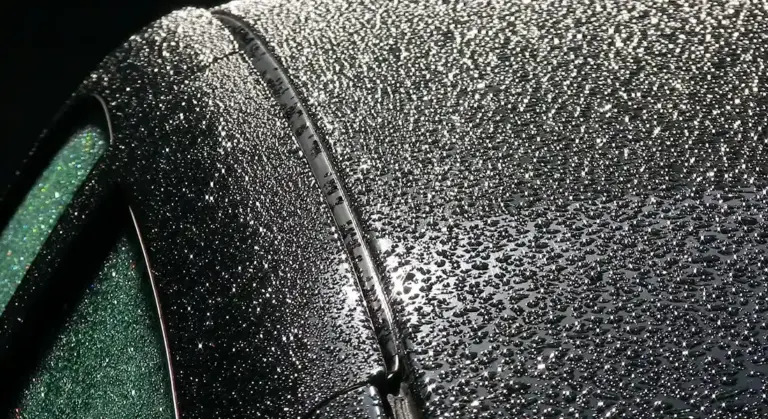
To know when your wax is dead, you perform the sheeting test. Take a garden hose and run a sheet of water over a clean horizontal panel, like the hood or roof. When the wax is fresh, the water will race off in tight, round beads. When it’s dying, the water will start to “sheet” or lay flat in broken, pancake-like patches. The beads get larger, flatter, and lazy. That’s your signal.
My white Tesla Model 3 taught me a specific lesson. Its clear coat is notoriously soft. I use a durable synthetic sealant as a base every four months. But after a month of highway commuting, the bug splatter on the front bumper would etch right through. My fix was a monthly spray wax topper after washing. For soft paint or high-impact areas, a frequent “top-up” with a spray wax is a perfect strategy to extend protection without a full re-application.
How Do I Fix Common Waxing Issues?
Everyone makes mistakes. I’ve left hazy residue on black paint in direct sun. I’ve gotten wax in every crevice of a Porsche’s badges. Here’s how to fix it.
- Hazy or Streaky Residue: This usually means you applied too thick, worked in too hot/direct sun, or buffed off too late. The fix is simple. Take a clean, dry premium microfiber towel. Lightly mist the towel-not the paint-with a quick detailer or, better yet, a diluted isopropyl alcohol mix (1 part 70% IPA to 3 parts water). Gently wipe the hazy area. The light lubricity and solvent action will lift the excess wax without harming your base coat. Then buff again with a dry side of the towel.
- Wax in Crevices and Trim: This white, chalky stuff looks terrible. Never let it bake on. After your main buff, go around the car with a soft detailing brush, like a boar’s hair or ultra-soft nylon brush, to flick wax out of emblems and trim lines. For textured black plastic, a damp MF towel or a dedicated rubber & vinyl cleaner works.
Most waxing problems are avoided with proper prep: a perfectly clean, cool surface in the shade, using a thin, even layer with the right applicator.
Is It Worth Waxing a New Car?
Yes. Do it immediately. The day you drive it home from the dealer, the paint is bare and vulnerable. Factory paint is cured, but it has no protection against environmental damage. It lacks protection against environmental fallout, UV rays, or minor abrasion.
Ignore any “dealer-applied sealant” they charged you for. In almost every case, it’s a glorified spray wax applied by a porter in five minutes. It offers little to no real protection. You need to start fresh with a proper product and technique.
When I got my Tesla, it was my first stop after the delivery center. I gave it a gentle decontamination wash, applied a paint prep spray to strip any dealer goop, and layered on a solid synthetic sealant. Protecting new paint isn’t just maintenance; it’s preserving the factory-fresh condition you just paid for. That first layer is the most important one you’ll ever apply.
Final Thoughts on Applying Wax
Perfect wax starts with perfect prep. A flawless, contaminant-free finish is the only surface a wax can properly bond to and protect. The product you choose matters, but your technique matters more.
Skip the prep work or rush the application, and you’ll only succeed in sealing in dirt or creating holograms that mar your paint’s clarity.
Industry References
- How to Wax Your Car: A Step-by-Step Guide | Chemical Guys
- How to Wax Your Car with Amazing Results: 7-Step Guide
- How To Wax Your Car Like a Pro! – The Ultimate Guide – Ultimate Guide to Detailing
- How To Wax A Car: Full Guide | Turtle Wax
Max Gunther
Max is an automotive enthusiast having worked as a car mechanical and in interior detailing service for over 25 years. He is very experienced in giving your old car, a new fresh vibe. He has detailed many cars and removed very tough smells and stains from all kinds of cars and models, always ensuring that his work and advice helps his customers. He brings his first hand experience to his blog AutoDetailPedia, to help readers breath new life into their car interiors.