What Does Car Wax Do for Your Paint, and Is Wash Wax Enough?
You grab a “wash and wax” product for a quick clean, but a voice in your head wonders if it’s truly protecting your car’s paint from sun, scratches, and road grime.
We will cover how car wax creates a protective barrier, the limited role of wash wax additives, and the clear line between convenient cleaning and real paint preservation.
Rely solely on wash wax for protection, and you will watch your paint slowly oxidize and scratch, losing its depth and value.
Key Takeaways: Wax vs. Wash Wax at a Glance
Let’s get straight to the point. Knowing the difference saves you time, money, and disappointment.
- Dedicated Wax: This is a physical, sacrificial layer you apply to a clean, dry car. It lasts 1 to 6 months. It provides deep gloss and serious, measurable protection.
- Wash Wax: This is a maintenance booster. The waxes in the soap leave a trace layer as you rinse. It lasts 1 to 4 weeks. It adds slickness and a hint of shine between your real wax jobs.
- Wash wax is a helper, not a replacement. Think of it like a quick snack vs. a full, nourishing meal. You need both, but for very different reasons.
Quick Snapshot: Protection Showdown
| Product Type | Intended Use | Realistic Durability | Hydrophobic Effect | Best For |
|---|---|---|---|---|
| Dedicated Paste/Spray Wax | Primary protection applied to a perfectly clean, dry surface. | 1 to 6 months of strong defense. | Water beads up tightly and rolls off for months. | Long-term paint preservation and achieving a deep, wet-looking shine. |
| Wash & Wax Soap | Cleaning while adding a supplemental top-up layer. | A few weeks, fading with each subsequent wash. | Encourages light sheeting and beading for a few washes. | Extending the life of your base coat of wax and making drying easier. |
| Automatic Car Wash ‘Wax’ | A marketing term for a rinse agent or spray. | A few days to a week, if you’re lucky. | Might sheet water once, then it’s gone. | A psychological boost and nothing more. Don’t rely on it. |
The Real Job of Car Wax: More Than Just Shine
Forget the idea that wax is just for looks. Its primary job is protection. Imagine a thin, clear rain jacket for your paint. Or think of it like a high-quality skin moisturizer with SPF. It nourishes the surface and shields it from the elements. The deep gloss is just a beautiful side effect.
The core car wax benefits are all about creating a barrier. This barrier fights off the daily attacks that slowly dull and damage your clear coat. I’ve heard the old shop talk about waxed cars getting better gas mileage. Let’s squash that. Any aerodynamic gain is microscopic. The real benefit is protecting the paint, not slicing through the air. Understanding how these wax properties translate into practical application helps you use it effectively. The right technique—how you apply, cure, and remove—depends on the product’s formula and surface conditions.
Your Paint’s Bodyguard: The Six Protections
A proper coat of wax acts as a full-time security detail for your paint. Here’s what it’s guarding against.
- UV Radiation: Sunlight is paint’s worst enemy. Wax blocks UV rays to prevent fading and oxidation. This is non-negotiable for reds and blacks, like on my Miata or BMW.
- Contaminant Bonding: Tree sap, bird droppings, and industrial fallout land on the wax layer, not your precious clear coat. The wax sacrifices itself so your paint doesn’t have to.
- Water Spotting: A waxed surface is hydrophobic. Water beads up into tight spheres and rolls off, taking dirt and minerals with it before they can dry and etch the surface.
- Wash-Induced Scratches: Wax adds lubricity, or slickness. This means your wash mitt glides over the paint with less friction, dramatically reducing the chance of instilling fine swirls.
- Visual Imperfections: A good wax will fill and mask the tiniest swirls and scratches. It’s a temporary fix, but it gives the paint a deeper, more uniform look instantly.
- Color Depth & Gloss: Finally, it makes the color “pop.” Carnauba gives a warm, liquid glow. Synthetics offer a sharp, reflective shine. Both make your paint look its absolute best.
The Two Wax Families: Natural Shine vs. Synthetic Stamina
All waxes are not created equal. They generally fall into two camps, and choosing the right one depends on your car and your lifestyle. Understanding the composition of different wax types can help you make an informed decision.
Carnauba (Natural) Wax: The Show Car Star
This wax comes from the leaves of the Brazilian carnauba palm. It’s the classic choice. The carnauba car wax benefits are all about depth and warmth. It creates a glow that looks liquid, like the paint is still wet. I use a pure carnauba paste on my red Porsche 911 for shows.
It feels amazing to apply by hand. The trade-off is stamina. It typically lasts 1 to 3 months. Heat, rain, and strong soaps break it down faster. This is the “garage queen” choice. It needs frequent reapplication, but the visual reward is unmatched. Never apply it to a hot surface, and avoid getting it on black plastic trim where it can leave a white residue.
Synthetic Wax & Sealants: The Daily Driver’s Ally
These are lab-engineered polymers and silicones. They offer a different kind of beauty a crystal clear, highly reflective shine. Their real strength is endurance. A good synthetic sealant on my Tesla or Odyssey will easily last 4 to 6 months.
They have superior resistance to detergents and environmental chemicals. The application is often easier, especially with spray-on versions. This is the pragmatic choice for a vehicle that sees daily use, road salt, and automatic car washes. It’s the workhorse protection that lets you worry less and drive more. Always apply to a cool surface in the shade for the best, most even bond.
Wash Wax Under the Microscope: What Does It Actually Do?
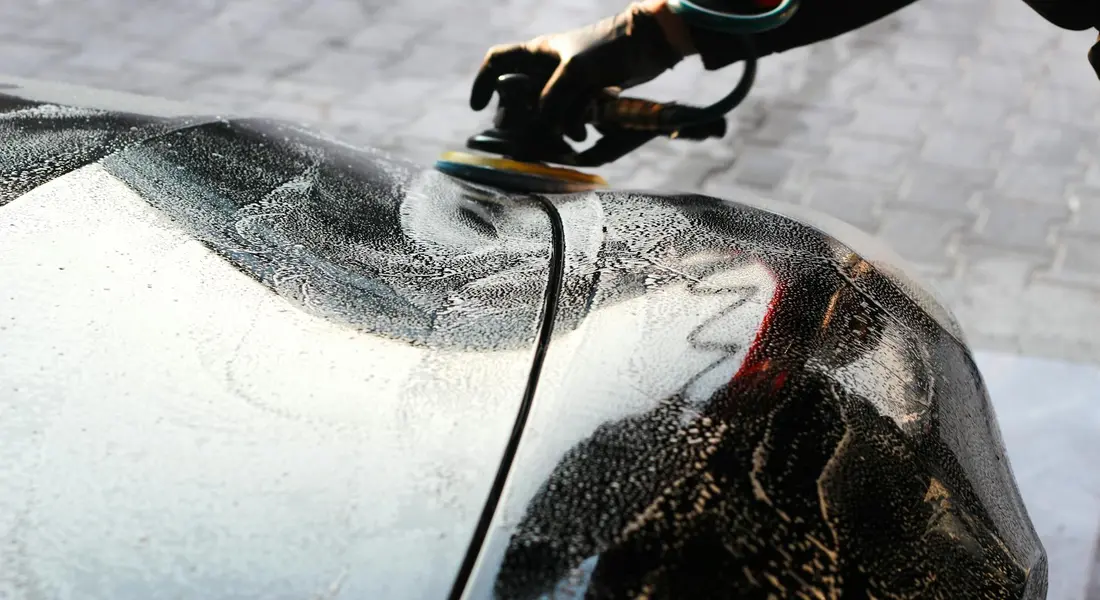
Think of a wash wax as a hybrid product. It is primarily a car wash soap, but it has tiny beads of synthetic polymer or natural wax suspended in it. When you rinse the soap off your car, those beads are left behind on the paint. They spread out and form a microscopic, single-use layer.
People ask me all the time, “are car wash waxes any good?” My answer is always the same. They are a fantastic tool, but you must know their job. They are not a substitute for real wax. They are a helper.
Another common question is, “do car wash waxes really work?” Yes, they work exactly as designed. They add a temporary layer of gloss and a slight bit of slickness. They do not work as a primary, durable protectant. Understanding that difference is everything.
The Good: When Wash Wax Earns Its Keep
I use a wash wax on every single one of my cars. I just know what I’m using it for.
Its best job is extending the life of your main wax or sealant. If you spent a weekend applying a ceramic coating or a paste wax to your Porsche, a wash wax used every few weeks will top up that protection. It fills in the microscopic gaps where the base layer has worn thin. This keeps your paint beading water longer.
For delicate paint, the slickness it adds is a safety feature. When I wash my Jet Black BMW, the “Swirl Magnet,” I want the contact to be as gentle as possible. A slick surface from a wash wax means my wash mitt glides over the paint. It picks up dirt instead of grinding it in. This one step alone can prevent dozens of fine scratches.
Sometimes, you just want that clean, glossy look without a full detail. A wash wax provides that “just washed” shine with zero extra effort. You wash, you rinse, you dry. The gloss is already there. For maintaining my kid’s Honda Odyssey between big cleanings, it’s perfect.
So, does car wash soap with wax work? Absolutely. It works brilliantly as a maintenance booster, a gloss enhancer, and a wash lubricant. It is not designed to be the foundation of your protection plan. After washing, adding wax helps seal the shine and extend protection. A dedicated wax step after washing helps keep the finish looking new longer.
The Limitations: What Wash Wax Can’t Do
You cannot ask a screwdriver to do a wrench’s job. Wash wax has firm limits.
It cannot build a durable, standalone layer of protection. That thin film might last a week or two, maybe through one rain shower. It will not give you months of UV protection and chemical resistance like a dedicated sealant will. On my Ford F-150, which sees real weather, a wash wax alone would be gone in days.
It will not correct or hide any defects. If your paint has swirls, oxidation, or water spots, a wash wax will not fix them. It will only make those flaws look glossier. When my Miata’s single-stage paint was oxidized and pink, a wash wax did nothing. It took a proper polish to bring the red back.
This brings us to the drive-thru car wash question. Does automatic car wash wax work? In my experience, it is the weakest form. What they call “wax” is often just a spray-on rinse aid. It might sheet water for your drive home, but it provides almost zero durable protection. If you rely on an automatic car wash for your “wax,” you have virtually no protection on your paint. That’s where the distinction between car wash soap and real wax matters. Some soaps will strip existing wax; others preserve or enhance protection. The harsh brushes and chemicals in those washes will strip that faint layer immediately.
Product Tier List: Choosing Your Weapon
Forget sorting products by price alone. The best choice is the right tool for your life. Your daily driver needs different armor than your weekend project. Here’s how to match your routine with the perfect protection.
Tier 1: Budget & Drive-Through Maintenance
This is for my neighbor who waves as I’m doing a three-hour detail. He just wants his SUV to look better than the soccer team’s and to make the next car wash easier. There’s zero shame here. The goal is a cleaner, slightly slicker car for now.
A quality “Wash & Wax” soap is your cornerstone here, adding a faint layer of gloss and very short-term slickness with every wash. It won’t build up like a standalone wax, but it helps. Pair it with a reliable spray wax used as a drying aid. As you towel dry, mist a panel and wipe. It adds a touch more protection and boosts shine in two minutes.
- Good For: The daily commuter, the kid-hauler minivan, anyone short on time.
- Real-World Use: My grey Honda Odyssey gets this treatment between deep cleans. A wash-wax soap cuts through the light grime and leaves the plastic trim looking refreshed without a full weekend commitment.
- The Limit: Don’t expect miracles. This is maintenance, not defense. Beading will fade quickly, often within a few weeks.
Tier 2: Enthusiast & Long-Term Protection
You are the weekend warrior. You own a bucket, grit guards, and several types of microfiber towels. You want that satisfying water beading to last for months, not weeks. You appreciate the self-cleaning effect where rain washes away light dust.
This tier is dominated by synthetic spray sealants, often called hybrid ceramic sprays. They bond to the paint, offering 4 to 6 months of serious protection with incredible water behavior. Easy-to-use paste waxes with synthetic polymers also live here. They deliver deeper warmth than a pure sealant but still last for months.
A critical shift in this tier: you stop using wash-wax soaps. You switch to a pure, pH-neutral car shampoo to avoid interfering with your carefully applied base layer of sealant or wax. You want to clean the surface, not add a conflicting chemical layer on top.
- Good For: The proud owner, the weekend detailer, anyone who finds washing their car therapeutic.
- Real-World Use: This is what lives on my Tesla Model 3 and my Ford F-150. The slickness makes bug removal from the Tesla’s flat bumper easier. On the truck, the durable layer helps protect against road film and makes mud rinsing off simpler.
- Key Step: Preparation is everything. Clay bar the paint first to remove embedded contaminants. A clean surface lets the sealant bond properly and last.
Tier 3: Show Car & Concours Depth
This is for the obsessive. For the person who sees a car’s finish as art. My 1995 Miata’s single-stage red paint and my 911’s perfect curves demand this approach. It’s about depth, warmth, and a glow that synthetic products can’t quite replicate. It’s not just science, it’s feel.
Here, high-grade carnauba paste waxes reign supreme. They offer a deep, liquid glow that is unmistakable. The catch? They may only last 6-8 weeks. That’s why layering is the secret technique. You apply a durable synthetic sealant as a base layer for longevity, then top it with a pure carnauba wax for unparalleled depth and warmth.
You become a curator. You use dedicated wax applicators, maybe even different waxes for the paint and the wheels. The process is the reward.
- Good For: The show car, the garage queen, the restored classic, the perfectionist.
- Real-World Use: Before a show, my black BMW gets a meticulous wash, then a spray of detailer on a pristine microfiber for a final gloss pass. The goal is to enhance the curated finish, not cover flaws.
- The Mindset: Protection is assumed (the sealant base handles that). This tier is about achieving a visual and tactile masterpiece. You are applying the final, perfect coat of varnish to the painting.
How to Apply Each: The Right Way, No Scratching
Getting the protection starts with the preparation. The single most important rule is to work on a completely clean, cool surface, in the shade. I cannot stress this enough. Applying anything to hot paint, or over dust and grit, is a fast track to a scratched, streaky finish. That first step is non-negotiable for any product, from a cheap wash wax to a boutique ceramic coating.
Applying a Dedicated Wax or Sealant
This is where you commit to a proper detail. The process is straightforward, but skipping a step costs you the result.
- Clean: Start with a full two-bucket wash. Dry the car completely with clean microfiber towels. Feel the paint with the back of your hand. If it feels rough or gritty, it needs more.
- Clay if Needed: Glide a detailing clay bar or synthetic clay mitt over a lubricated panel. If it drags or you hear a light scratching sound, you are picking up embedded contaminants. This step makes the paint glass-smooth. Do not skip it on a car that sees daily use.
- Apply Thin to One Panel: Put a small amount of product on a foam or microfiber applicator. Spread it in a thin, even layer over one panel at a time-a door, a fender, half the hood. You should barely see it going on. If it looks thick and greasy, you used too much. This wastes product and makes buffing off a chore.
- Buff Immediately or After Haze: Follow the product’s instructions. Some modern sealants need to be buffed off immediately with a clean microfiber towel. Traditional carnauba waxes need to dry to a haze first. Turn your towel to a fresh side often.
- Buff Immediately or After Haze: Follow the product’s instructions. Some modern sealants need to be buffed off immediately with a clean microfiber towel. Traditional carnauba waxes need to dry to a haze first. Turn your towel to a fresh side often.
The tool you use matters less than keeping it clean, but I have a strong preference for soft foam applicator pads for liquids and pastes. They hold product well and reduce the risk of applying uneven pressure. A folded microfiber towel can work in a pinch, but it can sometimes grab and drag if the paint isn’t perfectly prepped.
My black BMW, the “swirl magnet,” taught me this lesson. I once used a slightly dirty microfiber pad to apply a sealant. The pad itself had no visible dirt, but it had dried polish residue in the fibers. It left faint, hazy scratches in the soft clear coat that only showed up in the sun. Now, my applicators are brand new or washed after every single use for that car.
What if it rains after waxing? If the product has fully cured—usually after 12 to 24 hours—it will be able to withstand the water and you have nothing to worry about. If it rains minutes after you finish, you might see some streaking. Just dry the car gently with a soft towel once the rain stops. The protection will likely still be there, just maybe not perfectly even.
Using Wash & Wax Soap Effectively
This is about adding a little something to your maintenance wash. It is not a replacement for a dedicated protectant, but it is a fantastic booster.
The key is to let the soapy solution dwell on the paint for a full minute before you start rinsing. Do not apply and rinse right away. After you foam the car or cover it with suds from your bucket, put the hose down. Let the soap sit. This dwell time allows the polishing agents and synthetic polymers in the formula to cling to the clean surface before being washed away. It’s especially important when you wash a car after a paint job.
You must use the two-bucket method with a grit guard in each. The wax in the soap does not prevent swirls from a dirty wash mitt. My Honda Odyssey, the “kid hauler,” gets a wash and wax soap treatment every other week. I still use two buckets. One with the soapy wash wax solution, one with clear rinse water. I scrub a panel, then rinse the mitt in the clean water bucket before reloading with soap. This keeps the grit out of my wash solution and off the paint.
For the best results, pair your wash and wax soap with a dedicated spray wax as a drying aid. Here is my method. After the final rinse, while the car is still wet, mist a spray wax like Meguiar’s Hybrid Ceramic Wax or Griot’s Garage Spray-On Wax directly onto the panel. Then, dry the car as you normally would with a large, clean drying towel. The towel spreads the product thinly and evenly, and the lubricity helps prevent water spots. You get a double boost of protection and incredible slickness in one quick step.
The Final Verdict: Should You Use Wash Wax?
There is no single answer. The right choice depends entirely on your specific car and your specific life. Think of your car’s paint like your skin. A dedicated wax or sealant is your daily moisturizer with SPF 50. A wash wax is a quick splash of refreshing toner. You need the moisturizer for real protection. The toner feels great and adds a little something extra on top.
My Tesla Model 3 and my old F-150 live very different lives. They get different plans. Someone asking about “car wax benefits in Australia” is really asking about relentless sun defense. The principle is universal: UV protection is non-negotiable, whether you’re in Sydney or Seattle. Wash wax offers a tiny bit, but you need a real foundation first.
Scenario 1: Yes, Wash Wax is Your Friend
In these situations, a wash-wax shampoo isn’t just convenient; it’s a smart maintenance tool.
You already have a solid base of wax or sealant and you wash frequently. This is me with my white Tesla. It has a ceramic coating. Every Saturday morning wash is quick. I use a wash-wax soap to gently clean and add a glossy top-up. It keeps the hydrophobic beads tight and makes drying effortless. It’s perfect for easy upkeep on a well-protected daily driver.
You’re building a winter armor system. This is the F-150 strategy. Before the first snow flies, I clay bar and apply a heavy-duty sealant. Then, all winter long, I use a wash wax in every wash. It adds another sacrificial layer against road salt and brine. I want every possible molecule between that corrosive grime and the Ford’s blue paint. The extra slickness also makes the next wash easier, as less filth sticks.
Scenario 2: Skip It, Go Straight to Dedicated Protection
Sometimes, adding a wash wax is a distraction from the real work. Save your money for the good stuff.
Your paint has no current protection. This is the most common mistake. If water lays flat on your hood instead of beading, your paint is bare. A wash wax will not fix this. It gives a false sense of security. You must start with a dedicated paste wax, liquid sealant, or ceramic coating applied to a perfectly clean surface. That’s your foundation.
You are in the middle of paint correction. When I was chasing swirls on the black BMW, I used only pure, wax-free shampoo. Any “wax” left behind by a wash product would fill in fine scratches and holograms, fooling my eyes under the shop lights. You need to see the true, bare paint to know your correction work is done. Wash wax muddies the water, literally and figuratively.
You only wash a few times a year. If your Honda Odyssey gets a deep clean once per season, maximize that effort. Skip the weak wash wax. Use a strong strip-wash soap to remove everything, then apply a robust, long-lasting sealant that will survive for months. One thorough application beats twelve weak ones.
Your Action Plan: A Simple Flowchart in Words
Follow these steps. They work for any car in the driveway.
If your paint is bare or the water doesn’t bead:
- Wash the car with a stripping shampoo to remove old wax.
- Clay bar the paint to pull out embedded contamination. It should feel smooth as glass.
- Polish if you have swirls or oxidation you want to remove (like on the Miata).
- Apply a dedicated wax, sealant, or coating. This is your main protection layer. Let it cure fully.
If your paint is already protected and beading water well:
- Maintain it with a pH-neutral shampoo or a wash-wax soap.
- While the car is still wet after rinsing, use a spray wax or a drying aid as your towel glides over the surface. This adds shine and boosts slickness.
The maintenance cycle: Re-apply your dedicated base layer of protection every season, or the moment water stops beading aggressively. Use wash wax products in between those major applications to keep the base layer performing and add extra gloss. This keeps your paint happy with minimal effort.
Final Thoughts on Wax and Wash Wax
For true paint health, a dedicated car wax is non-negotiable—it bonds to your clear coat to block UV rays and chemical contaminants. A wash wax is a useful tool for quick shine between proper applications, but it lacks the staying power to be your only defense. You can even wax your car’s clear coat for added protection.
Rely solely on wash wax, and you’ll soon see your paint’s gloss fade, its surface etch from acid rain, and its color oxidize under the sun.
Industry References
- Just How Effective is Spray-On Wax at the Car Wash
- r/askcarguys on Reddit: How does the wax option at self serve car washes work?
- The Wax Conundrum: Is It Worth Opting for Wax at an Automatic Car Wash?
- Are Car-Wash Extras Worth It? via @ConsumerReports
- Are car washes with wax added, worth the extra cost, and do they protect the vehicle’s finish and help keep it clean longer than a car wash without added wax? – Quora
- Is car wash wax a good alternative in the winter for my vehicle? | Car Doctor
- What is the difference between car wash shampoo and car wash wax?
Max is an automotive enthusiast having worked as a car mechanical and in interior detailing service for over 25 years. He is very experienced in giving your old car, a new fresh vibe. He has detailed many cars and removed very tough smells and stains from all kinds of cars and models, always ensuring that his work and advice helps his customers. He brings his first hand experience to his blog AutoDetailPedia, to help readers breath new life into their car interiors.