How Do You Find a Professional Local or Mobile Car Detailing Service?
You need someone to trust with your car’s finish, but sifting through random online listings feels risky. I get it, your paint and interior are too valuable for a coin toss.
I will guide you through a method that works. We will cover defining exactly what service your car requires, searching for reputable detailers in your area, comparing mobile convenience to shop quality, and verifying their skills before you book.
Ignore this process, and you might spend good money on a wash that leaves holograms in your clear coat or a vacuum that misses the gravel in your carpets.
Key Takeaways: Your Fast-Track to a Great Detail
Finding the right person to touch your car’s paint and interior can feel like a big decision. I treat it like a simple three step process. Search smart, vet thoroughly, and prepare properly.
Online reviews are your first impression, not your final judgment. They tell you who is popular, but they rarely tell you who is truly skilled or careful.
The single best way to get a great detail is to talk clearly with the detailer before they start. A great pro will ask you questions and listen to your answers.
Where to Look: The Modern Search for a Detailer
Your search starts on your phone or computer. Google Maps is your best friend. It shows you who is physically close and aggregates reviews. Yelp is still used by many customers to post detailed experiences. For a more local feel, check Nextdoor or community Facebook groups.
Your search terms matter. Try both “mobile car detailers near me” and “auto detailing shop.” A mobile service comes to you, which is incredibly convenient. A fixed shop often has more controlled lighting and power for serious paint correction work, like what my black BMW often needs.
You can get your car detailed at a dealership. They have a service bay. But ask yourself what you need. A dealership detail is often a high volume, basic clean. It is fine for a quick spruce up before selling a car back to them. It is rarely the choice for careful, individualized care. They might use older brushes and strong chemicals that can mar soft paint or dry out leather.
Do not forget the old ways. The staff at a good local auto parts store often know who the dedicated local detailers are. If you see a car club meet at a cars and coffee, walk over and ask the owner with the shiniest paint who they use. Enthusiasts do not hold back opinions. That same enthusiasm applies to classic car paint care, where the right cleaners and careful polishing keep vintage finishes looking their best. Local experts can point you toward products and techniques that protect and restore aging paints.
Using Google Maps and Review Sites Effectively
Do not just look at the star rating. Read the words. Look for specific mentions of the detailer’s process. A review that says, “He spent 30 minutes just on my white Tesla’s bug-covered bumper” tells you more than fifty reviews that just say “Great job!”
Pay close attention to what customers say about communication, timeliness, and how the detailer handled any concerns after the job. This matters more than perfection. How a pro fixes a small issue shows their character.
Always look at the photos uploaded by customers. A business will show their best work. A customer’s photo shows the real world result. Look for clear shots of paint in the sun, clean door jambs, and organized interiors.
A business with a few new reviews every month is more reliable than one with a hundred reviews from five years ago and nothing recent. Consistency is key.
Social Media as a Portfolio
Instagram and Facebook are where modern detailers show their skills. This is not just advertising. It is their visual resume. Look for detailers who post real before and after videos. You want to see the transformation.
This is the best way to judge their actual skill on cars similar to yours. Look for a detailer who has worked on a family SUV full of kid mess if you own a minivan like my Odyssey. If you have a classic with single-stage paint like my Miata, search for someone showcasing that specific restoration work.
Watch their videos for technique. Do they use clean mitts and two buckets? Do they tape off edges before polishing? This shows a professional mindset. A social media feed is a window into their shop. Look through it carefully.
Understanding the Menu: What Services Are You Actually Buying?
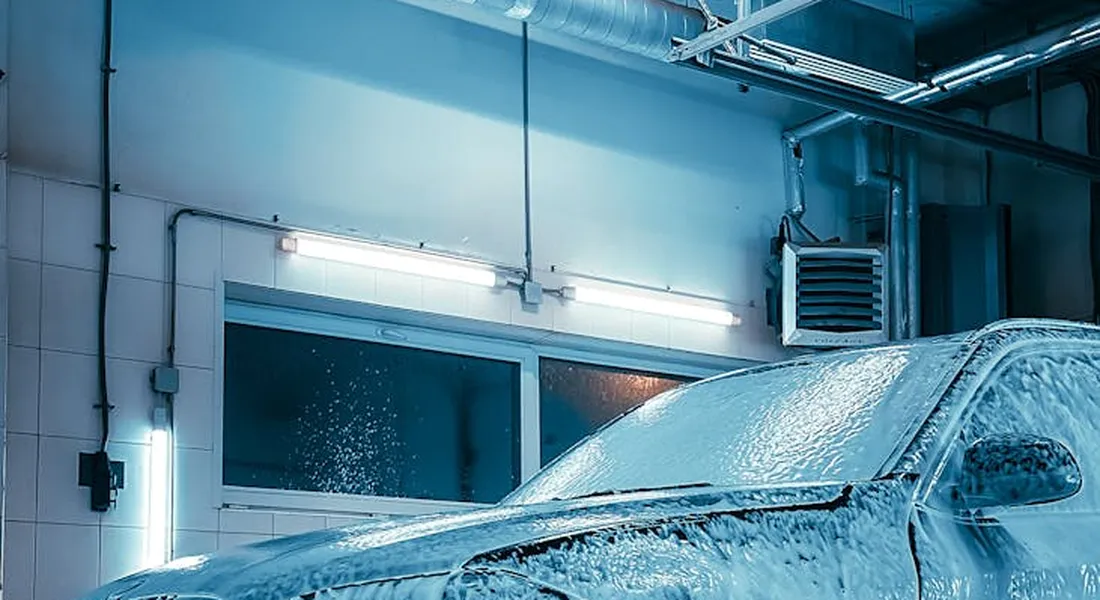
Think of a detailer’s menu like a restaurant menu. You can order a burger and fries, or you can get the seven course tasting menu. Both fill you up, but the experience and outcome are different.
Common Service Tiers
Most reputable shops and mobile techs will group their work into clear tiers. This helps you understand what you’re paying for.
- Wash & Wax (The Basic Clean): This is a thorough wash, often with a hand-foam or two-bucket method. It includes cleaning the wheels, tires, and door jambs. The “wax” is typically a spray-on product that adds shine and a few weeks of protection. It’s for maintenance, not for fixing problems. I do this weekly on my own cars.
- Interior/Exterior Detail (The Deep Clean): This is a full day’s work. The exterior gets a decontamination wash, a clay bar treatment to pull out embedded grit, and a machine-applied polish or one-step correction to remove light swirls. Protection is stronger, like a paste wax or synthetic sealant. The interior gets a deep clean: carpets are extracted, plastics are scrubbed, and all surfaces are treated. This is what I get for the Honda Odyssey twice a year.
- Full Correction & Protection (The Transformation): This is the top tier. It’s all about making the paint perfect and locking in that look. It involves multiple stages of machine polishing to remove deep scratches, swirls, and water spots. After correction, a long-term protectant like a ceramic coating is applied. This is a multi-day investment for a showroom finish. I saved for a year to have this done on my black BMW.
The Big Question: Wash vs. Correction?
A basic wash removes dirt on top of the paint. Paint correction removes defects in the paint itself. Imagine a scratched pair of sunglasses. Washing them gets the fingerprints off. Polishing them removes the scratches from the lens. My BMW 3 Series was covered in fine swirls from automatic car washes. A basic detail made it shiny, but only a full correction made the black paint look like a mirror again.
A La Carte Services
Many shops offer these standalone services. Knowing what they are helps you ask the right questions.
- Interior Deep Clean: Beyond vacuuming. This means using a hot water extractor on cloth seats and carpets to pull out stains and odors (like the spilled milk in my Odyssey).
- Engine Bay Cleaning: A careful, low-pressure clean and dress of the engine compartment. A good detailer will avoid sensitive electronics.
- Headlight Restoration: Sanding off the yellowed, oxidized layer on plastic headlights, then polishing and sealing them. It’s like correcting paint, but for plastic.
- Paint Protection Film (PPF): A clear, urethane film applied to high-impact areas (bumper, hood) to shield against rock chips. It’s a specialty. The installer for my Porsche 911 was a different shop than my regular detailer.
- Ceramic Coating: A liquid polymer chemically bonded to the paint. It creates a super-slick, hydrophobic layer that protects for years, not months. It requires perfectly corrected paint first.
- Car Wrapping: Applying a colored or textured vinyl film over the entire car’s paint. This is a major cosmetic change and a highly skilled trade separate from detailing.
Interior vs. Exterior Focus
Some services split the work. This is practical if you only have one problem area.
A true interior detail is a physical workout. It involves removing seats to clean underneath, extracting every stain from carpet and fabric, deep-cleaning all vents and crevices, and conditioning leather or protecting synthetic materials (like the “vegan leather” in my Tesla). The goal is to make it look and smell like new, not just tidy.
An exterior detail is a process of decontamination, refinement, and sealing. It starts with washing off loose dirt. Then, a clay bar or synthetic decontamination towel is used to drag out industrial fallout and embedded brake dust. A machine polish removes light imperfections. Finally, a protectant (wax, sealant, or coating) is applied. This is the process I use on my F-150 every spring to combat road salt and mud.
Specialized Services: Correction, Coatings, and Wraps
These are the expert-level services. Don’t assume every detailer offers them.
Paint correction is a skilled craft. It uses a machine polisher, various foam pads, and abrasive compounds to level the clear coat and remove defects. It’s about removing the minimum amount of clear coat to achieve the desired result. This is not part of a standard wash and wax. In the car paint correction process, professionals map defects and plan the steps before polishing. The process uses controlled abrasion with the right pads and compounds to restore depth and gloss while preserving the clear coat.
Protection is a spectrum, not a single product. A spray wax might last 4 weeks. A synthetic sealant (like a polymer or “siO2” spray) can last 6 months. A professional-grade ceramic coating, properly applied, can last 2-5 years. The cost and longevity increase with each step. I use spray sealants on my daily drivers and invested in a ceramic coating for the Porsche.
Vehicle wrapping is a different world. A wrap specialist focuses on precision cutting, seamless panel wrapping, and handling complex curves. While some detailers offer it, look for a shop with a portfolio of full-wrap jobs. They need a clean, dust-free environment, which is why it’s often done in a dedicated bay, not your driveway. For the best outcome, rely on professional car wrap installers who bring seasoned surface prep, proper adhesion, and warranty-backed results. Their expertise helps ensure a flawless, durable wrap from edge to edge.
Decoding the Price Tag: What Should Detailing Cost?
Pricing can be confusing. A basic wash might be $50, while a full correction and coating can exceed $2,000. The difference is time, skill, and product quality.
Realistic Price Ranges
These are national averages for a standard sedan/SUV. Prices jump for large trucks, vans, or severely neglected vehicles.
- Basic Wash & Wax: $50 – $150. A mobile tech might be on the lower end, a high-end shop on the higher end.
- Interior OR Exterior Detail: $150 – $300 per service. A full interior/exterior package often starts around $300.
- Full Paint Correction (Multi-Step): $500 – $1,500+. The “+” depends on paint hardness (German paint is often harder) and defect severity.
- Ceramic Coating (Paint Correction + Application): $1,000 – $2,500+. The coating material itself is a small part of the cost. Most of the fee is for the skilled correction work required before application.
The cheapest option often means the detailer is using inexpensive products, cutting corners, or racing against the clock. A proper detail takes hours. If a price seems too good to be true, it usually is.
What Changes the Price?
- Vehicle Condition: A car used for fast-food deliveries will cost more to detail than a garage-kept weekend car.
- Vehicle Size: Detailing a Ford F-250 Super Duty takes more time and product than a Honda Civic.
- Paint Hardness: Correcting the hard clear coat on my BMW takes more time and aggressive compounds than the softer paint on my older Miata.
- Local Market: Detailers in Manhattan or San Francisco charge more than those in a small Midwest town.
Does Detailing Help Resale Value?
It helps with presentation, which helps with sale price. A clean, well-maintained car feels more valuable. It shows the buyer you cared. More importantly, regular detailing preserves that value by protecting paint from UV damage, preventing permanent interior stains, and stopping corrosion. Think of it as maintenance for your car’s appearance, not just a cosmetic splurge. For a newer car, regular detailing helps preserve its value over time. It’s a smart move to protect your investment.
How to Get a Detailed Quote (Not a Guess)
For a basic wash or interior clean, menu pricing is fine. For paint correction or coating work, be wary of any quote given over the phone without seeing the car.
A professional will ask to see your car in person, or at a minimum, request high-quality pictures in direct sunlight. They need to see the swirls, scratches, and oxidation to estimate how many hours of labor are needed. They should run a finger inside a door jamb to feel for contamination. A firm quote for correction should come after an inspection, not before.
This is the difference between buying a defined service (a burger) and a custom project (a kitchen remodel). For my BMW’s correction, the detailer spent 20 minutes with a paint depth gauge and inspection light before giving me a number. That’s the sign of someone who knows what they’re doing.
Mobile vs. Shop: Which Detailer is Right for Your Situation?
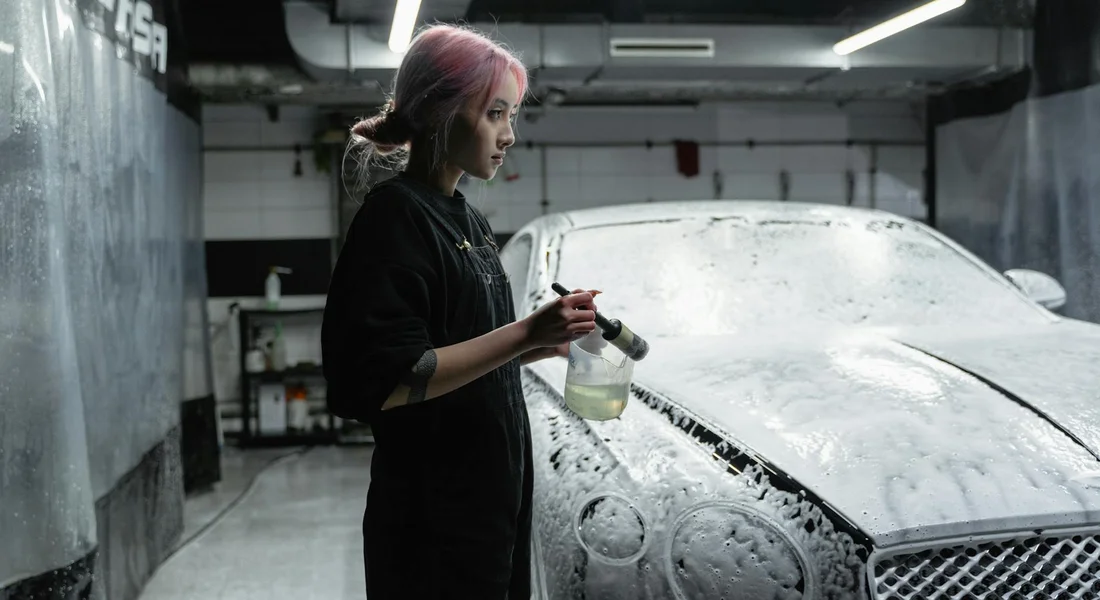
Choosing between a mobile detailer and a shop detailer comes down to your car’s needs and your life. Both can be excellent. The difference is in their environment.
A mobile service brings the work to you. This is pure convenience. You save the trip and the wait. The detailer works in your driveway or parking spot. The trade-off is they face the elements. Sun, wind, and pollen can complicate paint correction or applying a ceramic coating.
A detail shop offers a controlled, clean environment. There is no sun baking the polish, no wind blowing dust onto a wet sealant. This control is critical for intensive work. Lighting is consistent, power is abundant, and climate control keeps everything predictable.
Ideal Candidate for Mobile Detailing
Mobile detailing shines for maintenance and deep cleaning on vehicles that live hard lives.
- Daily drivers and commuter cars needing a thorough interior and exterior refresh.
- Busy families, like with my Honda Odyssey, where finding time to drop off a vehicle is nearly impossible.
- Homes with multiple vehicles. The detailer can clean them all in one trip.
- Elderly or busy professionals who value the ultimate convenience.
Ideal Candidate for Shop Detailing
For specialized, multi-step work, a shop is often the better choice.
- Paint correction projects, especially on dark colors like my black BMW. This requires perfect lighting to see swirls.
- Applying ceramic coatings or paint protection film (PPF). A dust-free, climate-controlled booth is ideal.
- Extensive interior restoration, like severe stain or odor removal, where extractors and ozone machines work best indoors.
- High-end or classic vehicles, like the Porsche or Miata, where every step needs precision.
The Professional Mobile Setup Checklist
Not all mobile operations are equal. A true professional is self-sufficient. Here is what their setup must include:
- Own Water Supply: A tank with clean, filtered water. They should not need your hose.
- Own Power Supply: A quiet generator or inverter system to run polishers, vacuums, and lights.
- Professional Lighting: Bright, color-accurate LED lights to see defects even in a shaded driveway.
- Proper Waste Management: A water reclaim system or mats to prevent contaminated runoff from entering storm drains. This is non-negotiable for environmental safety.
- Full Tool Complement: Everything a shop would have, just on wheels.
If a mobile detailer lacks these, they are likely a hobbyist with a bucket. That is a risk to your car and the environment.
The Vetting Process: How to Spot a True Professional
Finding a name is easy. Finding a skilled craftsman takes a little detective work. Your goal is to separate the artists from the spray-and-wipe crews.
Start with their portfolio. Look for consistent, high-quality work across many vehicles. Beware of portfolios with only one perfect car shot from far away. You need to see close-ups, especially of paint in direct sun.
Red Flags to Walk Away From
- Vague answers about their process. “We clean it real good” is not an answer.
- No proof of insurance. If they scratch your car, you are left holding the bill.
- Using household cleaners like laundry detergent, bleach, or all-purpose spray. These strip waxes and can damage interior materials.
- Extremely low prices that seem too good to be true. Quality products and skilled time cost money.
- No physical business address or refuses to let you see their shop/mobile rig.
Green Flags That Build Confidence
- They explain their process in clear, logical steps. They talk about decontamination, lubrication, and drying techniques.
- They have deep product knowledge and can explain why they use a specific polish or protectant for your car’s surfaces.
- They ask you questions about your goals and how you use the car. This shows they want to tailor the service, not just sell a package.
- They readily provide references or link to online reviews with detailed customer photos.
- They discuss proper chemical handling and interior health, showing care for your safety and theirs.
Questions to Ask Any Potential Detailer
Have a short conversation. Your questions should be specific to reveal their skill level.
“What is your process for a two-bucket wash, and how do you ensure the wash mitt is clean before touching the paint?”
“For a car like my daily driver, what type of paint protection do you recommend and why? How does it differ from what you’d put on a garage-kept sports car?”
“My black BMW has light swirls. Can I see before-and-after examples of your correction work on similar black paint?”
You must ask this: “Are you fully insured for liability and damage, and can you provide a certificate of insurance?” A professional will have this ready. A hesitant answer is your cue to end the discussion.
Evaluating Their Tools and Products
The gear matters. A professional invests in purpose-built equipment. You are not paying for a guy with a car detailing kit nearby from the auto parts store.
Look for dedicated car detailing brushes nearby. They should have separate, clean brushes for wheel barrels, tire sidewalls, interior vents, and leather grain. Using one brush for everything just grinds brake dust into your vents.
Serious car detailing tools nearby are the hallmark of a pro. A forced-air dryer for blowing water out of mirrors and trim instead of wiping. A dual-action polisher, not a cheap rotary buffer that can burn your paint. High-quality microfiber towels in different piles and colors for different jobs. Proper lighting to inspect their work.
Their chemicals should be from known professional brands. Jugs of all-purpose cleaner with no dilution ratios are a warning sign. A pro uses pH-specific wheel cleaners, iron removers, and dedicated interior cleaners. This shows an understanding of chemistry, not just cleaning.
Prepping for Success: What to Do Before the Detailer Arrives
You want the best results from your detail. A little prep work from you lets the pro focus on cleaning, not clearing. What should you do to your car before getting it detailed? Clear out the clutter and talk about your goals. Make sure you have a clear idea of what aspects of the car you want to be focused on, whether it’s interior detailing or exterior work.
The 24-Hour Pre-Detail Checklist
Run through this list the day before your appointment. It sets everyone up for a smooth day.
- Remove all personal items, trash, and loose belongings. Empty the glove box, center console, door pockets, and under the seats. In my grey Honda Odyssey, the kid hauler, this means excavating old snack wrappers, lost toys, and that one sticky juice box. A clean interior lets the detailer perform a deep clean instead of sorting your stuff.
- Take out floor mats and car seats if possible. Pull them out and set them aside. This gives direct access to carpets and upholstery for a proper shampoo or extraction. For my Tesla’s all-weather mats, I just rinse them off myself to save the detailer a step.
- Note any major stains or areas of concern for the detailer. Point out the coffee spill on the console or the deep scratch on the quarter panel. A simple list or mental note helps us plan our approach and bring the right products.
- Ensure the car is accessible with an electrical outlet for mobile techs if needed. If a mobile detailer is coming, provide a clear parking spot near an outdoor power source. We need electricity for vacuums, polishers, and LED lights.
Detailer’s Pro-Tip: Communication is Key
The best prep is a clear conversation about what you want and what worries you. Tell me if this is for a sale or just your weekly driver. A photo of a specific problem, like a scratch on my black BMW’s door, sent ahead of time is priceless. It tells me if I need my heavy cut compound or just a light polish. Good communication prevents surprises and ensures you get exactly the service you need.
When to DIY: A Realistic Look at Doing It Yourself
Calling a pro isn’t always necessary. Sometimes, doing it yourself is the right call. Let’s be honest about when that is.
A simple DIY wash is enough for light maintenance between professional details. If your car has light dust or pollen, a two-bucket wash at home will handle it. My dark blue Ford F-150 after a dry week on the farm? I wash it myself. But for ground-in dirt, stubborn interior odors, or paint correction, you need a professional’s touch and tools. To wash the exterior safely at home, use a dedicated car shampoo and a soft microfiber mitt. Rinse frequently and work top-to-bottom to protect the finish.
Real detailing demands investment in space, time, and equipment. You need a shaded, flat area. You need several uninterrupted hours. You need gear like a pressure washer, a dual-action polisher, an extractor, and a rainbow of chemicals. The cost and storage add up fast. Fixing the holograms on my BMW’s black paint by hand would take a weekend and probably not look right.
If you choose the DIY path, finding quality car detailing kit nearby prices becomes its own task. Visit local auto parts stores or specialty shops. Look for trusted brands. A starter kit with good microfiber towels, a wash mitt, neutral shampoo, and a spray sealant works. Remember, buying this gear is a separate project from hiring a pro. Compare the cost of your time and effort against the price of a professional service.
Securing a Service You Can Trust
After seeing everything from my Miata’s single-stage paint to my Odyssey’s upholstery, I tell everyone the same thing: the single most important step is to ask a potential detailer to walk you through their process for a car like yours. Hearing them explain how they’d wash your black paint or clean your synthetic seats tells you more than any online review ever could.
Overlooking this conversation almost guarantees you’ll pay good money for the kind of shallow clean that leaves swirls in your sun and stains in your carpet.
Expert Resources and Citations
- Best car detailing in Orlando FL. Mobile car detailing companies.
- THE BEST 10 AUTO DETAILING near BASALT, CO 81621 – Updated 2025 – Hours – Yelp
- Mobile Car Detailing Services in Atlanta, GA | WeAuto Detailing | Atlanta Car Detailing Services
- Cheap Auto Detailing Deals Near You – Save with Coupons Today
- THE BEST 10 AUTO DETAILING near EWA BEACH, HI 96706 – Updated 2025 – Hours – Yelp
- TOP 10 BEST Car Detailing Service in San Diego, CA – Updated 2025 – Yelp
Max Gunther
Max is an automotive enthusiast having worked as a car mechanical and in interior detailing service for over 25 years. He is very experienced in giving your old car, a new fresh vibe. He has detailed many cars and removed very tough smells and stains from all kinds of cars and models, always ensuring that his work and advice helps his customers. He brings his first hand experience to his blog AutoDetailPedia, to help readers breath new life into their car interiors.