How Do You Clean Leather Car Seats Without Damaging Them?
You worry about that new crack or that stain from last summer, fearing you’ll use the wrong product and make it worse.
I will guide you through the correct process, from what you’re actually cleaning to long-term protection. We will cover identifying your leather type, selecting pH-balanced cleaners, the safe step-by-step cleaning method, how to properly condition and protect, and the special rules for maintaining white or colored upholstery.
Ignore these steps, and grime will become a permanent stain, and unprotected leather will dry out and crack for good.
Key Takeaways: Your Quick-Start Guide
Leather care is not complicated. You follow three steps, in order: Clean, Condition, Protect. You clean to remove dirt and oils. You condition to replace moisture the cleaning took out. You protect to create a shield against future spills and UV rays. That’s the whole system.
A full detail of all your seats takes about an hour, maybe two if they are heavily soiled. A quick wipe-down for maintenance is a ten minute job.
The work is easy for regular upkeep, but moving from ‘dirty’ to ‘clean’ requires a bit more elbow grease and patience, especially with stains.
Before you spray anything, you test it. The backside of a seat bolster, under the seat, or a hidden part of the rear seat bottom are your test spots. This rule has saved my black BMW’s interior from permanent damage more than once.
Your approach changes with the car. In my grey Honda Odyssey, the “Kid Hauler,” I clean more often and use a stronger protectant to battle juice boxes and crayon wax. In my red Porsche 911, the “Garage Queen,” I use ultra-gentle cleaners and conditioners focused purely on preserving the soft, supple feel of the leather. The goal is different.
Your Leather Seat Arsenal: Required Tools & Chemicals
You do not need a garage full of gear. You need the right gear. Here is what you must have.
Physical Tools
- Detailing Brushes: A soft bristle brush for general cleaning, and a stiffer brush (like a boar’s hair detail brush) for digging grit out of seat perforations and stitching.
- Microfiber Towels: You need two kinds. Use a plush, 350-500 GSM towel for gently buffing off conditioner and protectant. Use a less plush, 300-400 GSM towel for applying cleaners; its slight texture helps with light agitation.
- Vacuum Cleaner with a Soft Brush Attachment: This is your first step. You must remove all loose sand and grit before any liquid touches the seat, or you will grind it into the leather.
Chemicals
- pH-Balanced Leather Cleaner: This is your soap. It must be formulated for leather. Look for “water-based” and “dye-free” on the label.
- Leather Conditioner: This is your lotion. A good one will contain nourishing oils like lanolin or mink oil, not just slippery silicones that sit on top.
- Leather Protectant: This is your sunscreen. It adds a sacrificial layer that repels water and blocks UV rays to prevent fading and cracking.
Never use common household products. I mean it. Clorox wipes, dish soap, all-purpose cleaners, and plain water are terrible for leather. They are often too alkaline. They strip the protective top coat and the natural oils from the leather, leaving it dry, stiff, and prone to cracking. You are trying to preserve the material, not destroy it.
The Brush Breakdown: Soft, Medium, and Stiff
Brushes are not all the same. Using the wrong one can leave fine scratches or fail to clean.
Use a soft bristle brush for your main cleaning work. I use it to gently agitate the leather cleaner into the surface after spraying it on. This loosens body oils and dirt from the smooth leather areas without harming the finish.
A medium-stiff brush is for textured leather, like the baseball-glove style in some trucks. The extra stiffness gets into the grooves where grime hides.
Save the stiffest brush for one job: the perforations. Those tiny holes in seat inserts trap an incredible amount of skin and dust. A stiff brush, used gently in a circular motion, is the only way to lift it out. Do not use an old toothbrush. The plastic bristles are too harsh and can scratch. A dedicated detailing brush is a small investment for a big result.
Chemical Safety: What “pH-Balanced” Really Means
Think of your skin. If you wash your hands with strong bleach or lye soap, your skin gets dry, red, and cracked. Leather is skin. It reacts the same way.
The pH scale measures how acidic or alkaline something is. A pH of 7 is neutral, like pure water. Human skin and healthy leather have a slightly acidic pH, around 5.5.
A harsh, alkaline cleaner (like many soaps with a pH of 9 or higher) forcefully opens up the leather’s pores, strips its natural acids and oils, and leaves it vulnerable. It feels squeaky clean at first, but it is actually damaged and will age faster.
A proper, pH-balanced leather cleaner is formulated to be slightly acidic. It cleans effectively without that corrosive stripping action. It removes the dirt but respects the material’s natural balance. Your leather stays soft and flexible, not brittle. Always check the label for “pH-balanced for leather.” It is not a marketing term, it is a promise of safety.
The Truth About Leather: It’s Not What You Think

Your car seats are not made from the same leather as your favorite jacket or baseball glove. That’s the first thing you need to know. Modern automotive leather is almost always a coated material. The industry calls it semi-aniline or bicast leather. A thin layer of real hide gets a heavy plastic-like polyurethane coating, and then it’s dyed and embossed with a grain pattern. These coatings can trap odors, so many owners look for ways to remove leather smell from car seats. Knowing how the scent develops helps you pick the right cleaning methods.
This coating is what gives you that uniform, easy-to-clean surface. It is also what gets damaged by harsh chemicals. My 2016 BMW’s Jet Black seats are a perfect example. That slick, black surface shows every single scuff from jeans, every faint scratch from a seatbelt buckle. The coating itself can become marred, which you can’t buff out like a paint scratch. You must be gentle.
White leather is not magically more difficult to clean than black leather; the stain is just impossible to ignore. A blue jean dye transfer on a black seat might hide for weeks. On a white seat, you see it the second you open the door. The rule with any colored leather, but especially white or light grey, is immediate action. The longer a contaminant sits, the greater the chance it can seep past micro-abrasions in the coating, much like stains on colored fabric seats.
Can You Use Soap and Water or Clorox Wipes?
The short answer is no. Do not do it. Here is the science. Household dish soaps and hand soaps are designed to cut grease and then rinse away completely. On your car’s leather, they leave behind surfactants that you cannot fully rinse off. These sticky residues then attract and hold new dirt and oils, making your seats get dirty faster.
Disinfectant wipes like Clorox or Lysol are even worse. They contain alcohols and other solvents designed to kill germs by breaking down cell walls. On your leather’s protective coating, they do the same thing: they break it down. This strips away any factory UV protectants and leaves the surface dry, brittle, and prone to cracking.
Using dish soap on coated leather is like washing your hair with laundry detergent; it might look clean at first, but you’ve stripped all the good oils out and set the stage for a bigger problem. For a safe, effective clean, you need pH-balanced leather cleaners. They are formulated to lift dirt without damaging the coating or leaving behind residues.
Why “Vegan Leather” and Vinyl Need Different Care
Your Tesla Model 3, or any car with “Vegan Leather,” “pleather,” or vinyl seats, has a completely different anatomy. These are synthetic materials, typically a polyurethane or PVC layer over a fabric backing. There are no natural pores or oils to condition.
The cleaning process is similar: use a mild, dedicated interior cleaner. The big difference is in protection. A traditional leather conditioner is designed to soak into and nourish animal hide. On synthetic material, it just sits on top as a greasy film. It can actually make surfaces slippery and attract dust.
For synthetic materials like those in my Tesla, a simple clean with a suitable product is often all that’s needed; you are maintaining a plastic surface, not feeding a natural one. For white synthetic seats, the same immediate-clean rule applies. A spill on PVC is less likely to stain than on a porous material, but letting sugar sit can still create a sticky, stubborn mess. Always test any cleaner in an inconspicuous area first, as some stronger cleaners can alter the color or finish of synthetic materials.
The Safe Way to Clean Any Leather Seat: A Step-By-Step Process
This method works for every leather seat. It does not matter if your seats are white, black, or a bold color. It works for coated automotive leather and the more delicate aniline types. Your first move is to park in a shaded, cool spot, because direct sun will make your cleaner dry too fast and leave streaks you will hate. Even with proper cleaning, some stains can still be challenging to remove, so make sure to treat any stains on leather car seats promptly.
Step 1: The Critical Vacuum and Dry Brush
You must get the dry dirt out first. Sand and grit act like sandpaper. If you start wiping a dirty seat, you are grinding that filth into the grain.
Use your vacuum with a soft brush head attachment. Gently go over every seam, bolster, and crevice. For stubborn crumbs in the perforations of a sport seat, I sometimes use a soft detailing brush to loosen them before vacuuming.
My grey Honda Odyssey, the kid hauler, taught me this lesson the hard way after a beach trip where the grit in the seams scratched the leather’s finish during a rushed clean. Do not skip this. It is non-negotiable.
Step 2: The Hidden Spot Test
This step prevents a disaster. Do not spray anything directly on the seat yet.
Pick a hidden spot. The best places are under the front seat bolster, where it meets the center console, or on the rear side of a seat back. Spray a small amount of your chosen leather cleaner onto a clean, white microfiber towel. Do not soak it, just dampen it. For a deeper dive, the clean under car seats guide offers a quick, practical walkthrough.
Gently rub the hidden area in a small circle for about ten seconds. Now, check two things: look at the leather for any change in gloss or texture, and look at your white towel for any color transfer from the seat.
If the towel stays clean and the leather looks unchanged, you are safe to proceed. If color comes off, you have a dyed or coated leather that is degrading, and you must be extra gentle. If the finish looks cloudy, stop. That cleaner is too harsh.
Step 3: Apply, Agitate, and Lift the Grime
Now for the main clean. Mist your cleaner lightly onto your microfiber towel or a soft-bristled interior brush. I prefer a brush for heavily textured grain. Starting with the seat back, work in small sections, about two square feet at a time.
Use gentle, circular motions to agitate the cleaner into the leather. You will see the dirt start to dissolve. For stubborn spots like blue jean dye transfer on a light seat, let the cleaner sit for 30 seconds before agitating again.
How do you know the dirt is lifted? Your towel or brush will stop picking up discoloration. Wipe the area with a clean side of your towel. If the towel comes back clean, you have successfully lifted the grime. If it is still dirty, repeat the process in that section.
Step 4: The Essential Dry Pass
This is the secret to a perfect finish. Before moving to the next section, you must remove all cleaner residue.
Grab a fresh, dry, premium microfiber towel. I like a plush towel for this. Buff the entire area you just cleaned. Go over it with some light pressure, following the grain of the leather if you can see it.
If you let cleaner air-dry on the surface, it will leave a sticky film or a hazy finish that attracts more dirt immediately. A thorough dry pass ensures your seat is truly clean, residue-free, and ready for a conditioner or protectant. Do not rush this last wipe.
Stain Warfare: Tackling Spills on White and Colored Leather

Spills happen. A coffee cup tips over. A pen leaks in a hot car. Your new jeans leave a faint blue shadow on the seat bolster. The first rule is always the same, no matter the stain.
Blot, do not rub. Rubbing grinds the contaminant deeper into the leather’s grain and topcoat. Use a clean, absorbent white microfiber or paper towel to soak up as much as you can, pressing straight down.
From there, your attack plan changes based on what you’re fighting.
Ink and Dye Transfer: The Gentle Persuasion Method
These are some of the trickiest stains. Ballpoint pen ink or the indigo dye from dark jeans doesn’t just sit on the surface. It wants to stain the pigment layer beneath the clear topcoat.
My BMW’s black seats constantly get a faint blue haze on the outer bolsters from my jeans. For mild dye transfer, a dedicated leather cleaner and a soft brush often work. For a stubborn ink spot, you need a solvent.
Your safest first choice is a product made specifically for leather ink removal. They are formulated to be less aggressive. Apply a tiny drop to a cotton swab or the corner of a microfiber towel.
If you must go the DIY route, a mild isopropyl alcohol (IPA) and water solution can work. Mix it at 10% IPA to 90% distilled water. This is not a guarantee. Always, always test this hidden spot first, like under the seat or behind a headrest. Some leather coatings do not like alcohol at all and will turn cloudy or sticky.
Dab gently at the stain. Do not scrub. You are trying to gently lift the stain out of the coating, not dissolve the coating itself. Follow immediately with a leather cleaner to remove any residue, then condition the spot.
Organic Stains: Coffee, Soda, and Food
These stains are a race against time and bacteria. Sugar in soda, milk in coffee, oils in food they will leave a sticky residue and can start to smell if not cleaned properly.
Blot up the liquid immediately. Then, use your pH-balanced leather cleaner. Spray it onto your microfiber applicator or brush, not directly on the seat, to control the amount. Gently work it into the area using circular motions.
Wipe clean with a separate, damp microfiber towel. You may need to repeat this process two or three times to fully lift the sugars and oils. The final, critical step is to condition that spot after it is completely dry. The cleaning process, even a gentle one, removes oils. Replenishing them prevents the leather from drying out and cracking in that exact spot where the spill occurred.
When a Stain Won’t Budge: Assessing the Damage
You blotted. You cleaned. You used the right products. The stain is still there, a faint shadow or a distinct mark. What now?
This usually means the stain has penetrated through the protective topcoat and into the colored pigment layer or even the leather substrate itself. This is especially common with strong dyes or spills that were left for weeks. On white leather, a deep red wine or curry stain can be nearly permanent if not treated immediately.
This is the point where further aggressive DIY cleaning risks causing more harm than good. You could damage the topcoat, creating a rough, discolored patch that looks worse than the original stain.
Your next logical step is to call a professional auto detailer or leather repair specialist. They have stronger, specialized stain lifters and the experience to use them correctly. For the worst cases, they can re-dye and re-coat a section of the seat to make it look new again. Knowing when to stop is a key part of proper car care.
Product Tier List: From Budget to Show Car
Not every leather seat needs the same level of care. I sort products into three clear tiers. Your choice should match your car’s life. Think of it as feeding a family sedan versus a show car.
Tier 1: Budget-Friendly & Reliable
This is for the daily grind. My grey Honda Odyssey lives here. After hauling kids and groceries, it needs simple, effective care you can grab off the shelf. These products are safe for all modern coated leathers and perfect for a deep clean every season.
- Cleaner: Meguiar’s Gold Class Rich Leather Cleaner. You can find this anywhere. It sprays on, wipes off, and lifts dirt without leaving a greasy film. I use it on my F-150’s seats after a muddy job.
- Conditioner & Protectant: Lexol Leather Conditioner. This is a classic for a reason. It soaks in to keep the leather from drying and cracking under the sun. Apply it every three to six months.
This approach keeps your workhorse or minivan’s interior from wearing out, focusing on durability over dazzle. It is a no stress routine for real life.
Tier 2: Enthusiast-Grade Performance
This is my zone for the black BMW. If you wash your car every weekend and notice every smudge, you want formulas that clean deeply without risk. These pH balanced cleaners use advanced lubricants to suspend dirt safely. They often include strong UV blockers.
- Cleaner: Sonax Leather Foam. The foam clings to vertical surfaces, letting the cleaners work without dripping. It breaks down body oils and grime from daily commutes with zero sticky residue.
- Conditioner & Protectant: Griot’s Garage Leather Care. This is a cleaner and conditioner in one step for efficiency. It saves time during a full detail and leaves a natural, matte finish that feels like new leather, not a glossy plastic coat.
For the detailer who prizes a perfect, protected finish, this tier offers professional results without the professional price tag. It fights the sun and wear that plagues dark interiors.
Tier 3: Show Car & Concours Level
This is for preservation and exotic materials. Think of my red Porsche’s seats or the vintage leather in the classic Miata. Here, products are often brand specific. They use natural oils and are designed for uncoated, aniline, or delicate leathers.
- Cleaner: Colourlock Leather Cleaner. This is a boutique, pH perfect fluid. It is incredibly gentle but effective, made for high end auto leathers. You use tiny amounts with a soft brush to lift impurities without ever soaking the hide.
- Conditioner & Protectant: Leatherique Prestine Clean. This is a natural oil based treatment. It restores and maintains the leather’s original character and moisture. It leaves a purely matte, authentic finish that concours judges look for.
This level is about respecting the material above all else, using specialized products to maintain value and authenticity for decades. You handle these interiors with a light touch and specific knowledge.
Keeping Leather Alive: Conditioning and Protection
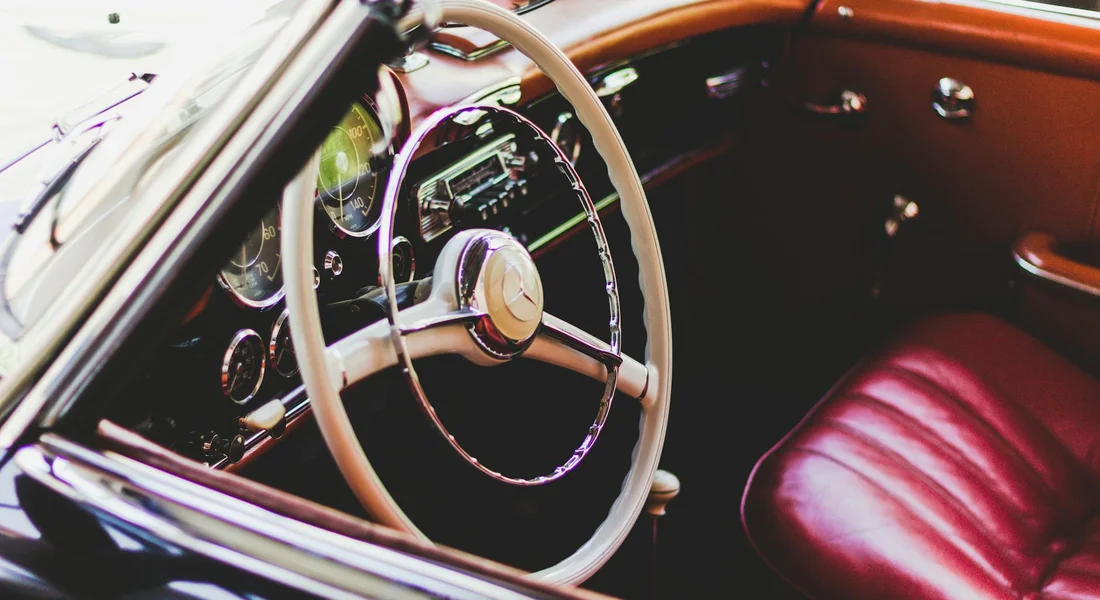
Clean leather is just step one. Think of the next step like caring for your own skin. After a good wash, you put on lotion. Leather needs that too. Conditioning is feeding the leather the oils it loses over time from heat, cold, and friction. If you skip this, leather dries out. It gets stiff. It starts to crack along the seams and high-wear areas like the driver’s seat bolster. I’ve seen it on cars that were only cleaned, never nourished. It’s a slow death for the material.
It’s easy to get confused by products at the store. Remember this simple rule: a conditioner nourishes the leather, while a protectant shields it from the outside world. A good conditioner is absorbed. It feels like it disappears into the surface, leaving it softer and more supple. A protectant, often called a leather guard, sits on top. It creates a barrier against ultraviolet rays from the sun and helps repel spills before they can stain. Some products combine both, which is a great time-saver for regular maintenance.
How to Condition Without Making Seats Slippery
The fear of a greasy, slippery seat is real. I made this mistake years ago on an old car. I applied too much, didn’t buff it off, and spent a week sliding around corners. The key is a light touch. You are not waxing a car. You are hydrating skin.
Start with your clean, dry leather. Apply a small amount of conditioner to a soft, clean microfiber towel. An applicator pad works too, but a towel gives you more control. Spread it in a thin, even layer over one section of a seat. You should barely see it. Now, walk away. Let it soak in for five to ten minutes. This dwell time lets the leather drink it in. Some folks swear that any moisture will ruin leather, a common water leather seats maintenance myth. We’ll debunk this and other water leather seats maintenance myths as we dive into proper moisture care in the next steps.
Here is the most critical step. Take a second, clean, dry microfiber towel. Buff the area vigorously until the surface is completely dry to the touch. Rub it well. If your towel comes away with product on it, you used too much. The seat should feel rich and smooth, not slick or tacky. Over-application doesn’t help the leather; it just sits on the surface, attracting dust and creating that dreaded greasy film. On my black BMW, I condition every three months. I use a pea-sized amount per seat section, buff it until my arm gets tired, and the result is a deep, matte finish that feels fantastic.
The Sunscreen for Your Seats: UV Protection
Sunlight is leather’s worst enemy. It’s not just the heat. It’s the ultraviolet radiation. UV rays break down the dyes and the very structure of the leather, causing it to fade, harden, and crack prematurely. This is especially brutal for convertibles, cars with big sunroofs, or any vehicle that parks outside.
For my red Miata with its tan interior, this is a constant battle. Always choose a leather protectant that specifically lists UV inhibitors on the label. This is the sunscreen for your seats. Apply it with the same thin-and-buff method you use for conditioner. It will add an invisible shield that significantly slows fading and drying.
Your best defense, though, is mechanical. A high-quality windshield sun shade is the single most effective thing you can do. It blocks the sun before it ever hits your dash and seats. On a hot day, it can lower the interior temperature by dozens of degrees. I keep one in every car, even the garage-kept Porsche. It’s a cheap, simple habit that makes your conditioner and protectant work ten times harder.
When to Call a Pro: Services in Chicago, KL, and Beyond
You can handle a lot with a good leather cleaner and a brush. I maintain my BMW’s black leather that way. But some jobs are different. If you’re in Chicago staring at a seat stained from a deep-dish pizza mishap, or in Kuala Lumpur dealing with mold from the relentless humidity, you might need a pro.
Call a professional when you face a problem that water and basic cleaners can’t solve. This includes severe, set-in stains like ink or dye transfer, biological odors that won’t quit, or when the leather itself is cracked and needs refurbishment, not just cleaning.
What do they do that you can’t? They have industrial tools. A hot water extractor pulls deeply embedded grime and spills from the seat foam that surface cleaning misses. A professional steamer sanitizes and lifts stains with heat and vapor, which is great for mold or old spills. For a smoky or mildew smell trapped in the leather and padding, they might use an ozone machine, which is not a DIY device.
For color damage, a pro can perform dye matching and re-coloring. This is precise work. They clean, sand, and apply new pigment to blend a worn bolster or scuff away. It is a craft.
What Professional Leather Cleaning Typically Costs
For a standard sedan interior with two rows of leather seats, expect to pay between $150 and $300 in a major metro area. My friend in Denver paid $220 for a full interior on his Audi, which included a deep leather clean and conditioning.
The price changes fast. A minivan like my Honda Odyssey will cost more, maybe $250 to $400, because there is simply more surface area. A severe stain or odor problem adds to the bill. A full leather dye repair on a single seat can start at $200 and go up from there.
Think of this cost as an investment against the thousands it takes to replace a factory seat cover. For a $250 professional service that restores your seats for years, the math makes sense.
How to Find a Reputable Detailer Near You
Do not just pick the first name on a search for “car detailer near me.” Look for someone who shows they know interiors.
- Seek out detailers who specifically mention leather or interior expertise in their service list. A shop that only talks about waxes might not be your best bet.
- Check their portfolio. Any reputable pro will have before-and-after photos of leather seats they’ve saved. Look for examples of stain removal and dye work.
- Read the reviews. Pay attention to comments about interior cleaning results and customer service.
When you call, ask two simple questions. First, “Do you use pH-balanced leather cleaners?” This shows they care about the material’s longevity. Second, “Do you offer any guarantee on the work?” A confident detailer often will. It separates the true craftsmen from the quick-clean operators.
Your Leather Care Routine: From Daily Driver to Garage Queen
Forget the calendar. Leather care is about how your car lives. A minivan packed with snacks needs different attention than a weekend cruiser. I base my maintenance on three simple schedules tied to use.
The Weekly Wipe-Down (For Every Car)
This is not a cleaning. It is a prevention. Dust and grit are sandpaper on your seats. I do this every Sunday, rain or shine.
Grab a clean, dry microfiber towel. The plush kind, like the ones I use on my BMW’s black paint. Fold it into quarters. Wipe down every leather surface in a single, smooth pass. You are picking up abrasive dirt before it gets ground in.
This five minute habit keeps the deep cleans from becoming a chore. In my Tesla, I keep a dedicated towel in the door pocket. A quick once-over after a coffee run makes all the difference.
The Bi-Monthly Deep Clean (For Family Haulers and Daily Drivers)
This is the core process for cars that work hard. My grey Honda Odyssey, the kid hauler, demands this every season. Plan for thirty minutes.
- Vacuum first. Get all crumbs and sand from the seams. Use a soft brush attachment.
- Spray a leather-specific cleaner onto your microfiber towel, not directly on the seat. This controls moisture.
- Wipe in straight lines with medium pressure. You will see the grime transfer to the towel. For sticky spots, like melted crayon, let the cleaner dwell for ten seconds.
- Wipe dry with a second, clean microfiber. No residue should remain.
- Apply conditioner. Use a separate applicator pad. A little goes far. Rub it in until the leather looks nourished, not greasy. I prefer products with a matte finish for my F-150’s seats.
- Let it absorb for fifteen minutes. Then buff lightly with a dry towel.
Perform this clean-condition-protect ritual every two to three months, or at the change of seasons. It maintains the leather’s strength and color against daily wear.
The Seasonal Preservation Detail (For Show Cars and Classics)
This is for cars like my red Porsche 911 or the classic Miata. It is about preservation, not just cleaning. Do this before storage or at the start of a driving season.
Start with the full deep clean process above. Then, put on inspection lights. Look closely for fine scratches or early cracking. Feel the leather with your bare hand. It should be supple and cool.
Condition every square inch, including the backside of bolsters. For the Porsche’s steering wheel, I use a separate, ultra-gentle conditioner. After conditioning, apply a dedicated leather sealant. These products form a barrier against UV light and spills.
A meticulous detail like this protects your investment and keeps the leather looking new for years. It is a quiet hour in the garage well spent.
Restoring Faded Color and Fixing Minor Cracks
When leather loses its dye or develops cracks, you enter restoration territory. This is pro-level work. Leather dyes and filler compounds can work miracles.
Dyes recolour faded areas. Fillers, like a putty, smooth out small cracks before dye is applied. The results can be stunning. But the risk is high.
I never attempt this on a visible area without first practicing on a hidden piece, like under the seat or behind a headrest. Color matching is an art. On my old Miata project, I spent weeks testing on scrap material. If you are not confident, this is the time to call a specialist.
Final Thoughts on Leather Seat Care
The single best thing you can do for your leather is to clean it with a dedicated, pH-balanced leather cleaner before applying a quality conditioner. Protecting the seats from direct sunlight with a good UV protectant is just as vital as any cleaning routine to prevent fading and drying.
Ignore this simple regimen, and your soft, supple leather will inevitably become stiff, discolored, and cracked.
Research and Related Sources
- Revitalize Your Car’s Interior: We Test the Top Car Leather Cleaners
- r/AutoDetailing on Reddit: What do you use to clean new leather seats that are undamaged?
- The Best Way to Clean Leather Car Seats | How to Clean Car Seats
- How to Clean Leather Car Seats | Shottenkirk Kia of Quincy
- What do you use to clean your leather seats | Honda Ridgeline Owners Club Forums
- What household products can I use to clean tan leather car seats to look new? – Quora
Max Gunther
Max is an automotive enthusiast having worked as a car mechanical and in interior detailing service for over 25 years. He is very experienced in giving your old car, a new fresh vibe. He has detailed many cars and removed very tough smells and stains from all kinds of cars and models, always ensuring that his work and advice helps his customers. He brings his first hand experience to his blog AutoDetailPedia, to help readers breath new life into their car interiors.