How Much Does a Professional Car Wrap Cost? A Real-World Guide to Vinyl, Pricing, and UK/US Estimates
You’re looking at car wrap prices online and the numbers are all over the place, leaving you unsure what a fair quote even looks like.
Based on my hands-on experience wrapping everything from my workhorse Ford F-150 to my Porsche 911, this guide will explain the average cost range, the vinyl material needed, the key pricing factors, and regional cost estimates for the UK and United States.
Go in blind, and you could easily spend thousands on a wrap that peels or fades because the shop used cheap film or rushed the job.
Key Takeaways: What You’re Really Paying For
You are not just buying a roll of vinyl. You are paying for material, skilled hands, time, and a precise process. The final price hinges on four things: the quality of the vinyl film, the size and shape of your vehicle, the reputation and skill of the installer, and your geographic location.
For a straight color change on a standard sedan like a Honda Civic or BMW 3 Series with decent paint, expect a starting range. In the US, think $2,500 to $4,500. In the UK, plan for £1,800 to £3,200. This is for a full, professional wrap that includes proper preparation.
This average assumes a quality cast vinyl on a common car with good paint, installed by a professional shop.
What Goes Into the Price of a Car Wrap?
When a professional shop hands you an estimate, they are charging for a complete service. It starts the moment your car rolls into their bay. The invoice covers the physical material, the expertise to apply it, and all the hidden steps that ensure it lasts and looks perfect.
Think of it like a chef preparing a meal. You pay for the ingredients, but also for the skill, the kitchen, and the time it takes to prepare and present it. A car wrap is the same.
The Vinyl Itself: Material Costs and Choices
The film is your biggest material cost. Not all vinyl is created equal, and the type you choose dramatically affects the price and the outcome.
Calendared vinyl is a budget option. It’s thicker and less flexible. It can work for simple, flat surfaces or short-term use, but it may not conform to complex curves on a bumper long-term. Cast vinyl is the professional standard. It’s thinner, more flexible, and uses a different manufacturing process. It conforms to intricate shapes, resists shrinking, and typically comes with longer warranties. For a color change you plan to keep for years, cast vinyl is the only choice for a reliable install.
Specialty finishes cost more. A simple matte black is a baseline. Metallic, chrome, color-shift (chameleon), and satin finishes command a premium of 20-50% or more just for the material.
The amount needed is based on your car’s surface area. A Mini Cooper uses far less film than a Ford F-150. Shops calculate this in linear feet or square meters, with extra for seams, patterns, and mistakes.
Here is a simple tier list to frame your choices:
- Budget Color Change: Basic calendared vinyl. Ideal for a temporary look on simple body panels, but I do not recommend it for a full vehicle wrap.
- Durable Daily Driver: Quality cast vinyl from brands like Avery Dennison or 3M. This is the sweet spot for protection and a lasting new color for cars like my F-150 or Odyssey.
- Show Car Special: Premium cast vinyl with ceramic coating, ultra-metallic flakes, or hyper-shift pigments. This is for garage queens like the Porsche or a show vehicle where depth and effect are everything.
Labor: The Skill You’re Hiring
This is the single biggest variable in your quote. You are not paying for time alone. You are paying for practiced hands that won’t scratch your paint, knife skills that won’t cut your trim, and the experience to make a flat sheet conform to a compound curve.
The process is methodical. Every hour is accounted for:
- A deep wash and chemical decontamination to remove every speck of dirt and iron fallout.
- Disassembly. Door handles, emblems, and sometimes trim are removed for a seamless, edge-free install.
- The install itself, panel by panel, using heat, stretch, and tension.
- Post-heating every seam and edge to activate the adhesive for a permanent bond.
Complex areas are where time adds up. A shop might quote a car by the panel, and bumpers are often the most expensive single part. The front bumper on my Tesla, with its sharp angles and flat planes, can take as long to wrap as an entire door. Mirrors, door handles, and tight body lines all demand patience and skill, which translates directly to the labor cost.
Design and Custom Graphics
A full color change is one service. A custom design is another. If you want more than a single solid color, you are adding design time and precision cutting.
A simple two-tone or racing stripe requires measuring, template design, and plotter cutting. A full vehicle graphic with logos, gradients, or intricate patterns is a multi-day project. The designer’s time to create the artwork and the installer’s time to align and apply each separate piece is a significant addition to the base car wrap cost.
Always request a printed proof or a digital mockup of complex designs before any material is cut.
Pre-Wrap Paint Preparation
The vinyl will be applied directly to your paint. It will mirror exactly what is underneath. A scratch, swirl, or piece of dirt under the film is trapped there forever.
This is why preparation is non-negotiable. The shop will wash and decontaminate your car. But if your paint has defects, you have a choice. You can wrap over them, and they will be visible. Or you can pay for paint correction first.
Paint correction is a separate, detailed process to remove swirls and scratches. For a car like my black BMW, this could be a full day of polishing. This cost is added to the wrap quote. Wrapping a car does not ruin good paint. Removing a wrap from bad, chipped, or unprotected paint can certainly pull off what’s left. A quality wrap installed on sound, clean paint will protect it and can be removed years later to reveal paint in the same condition.
What Makes a Wrap More (or Less) Expensive?
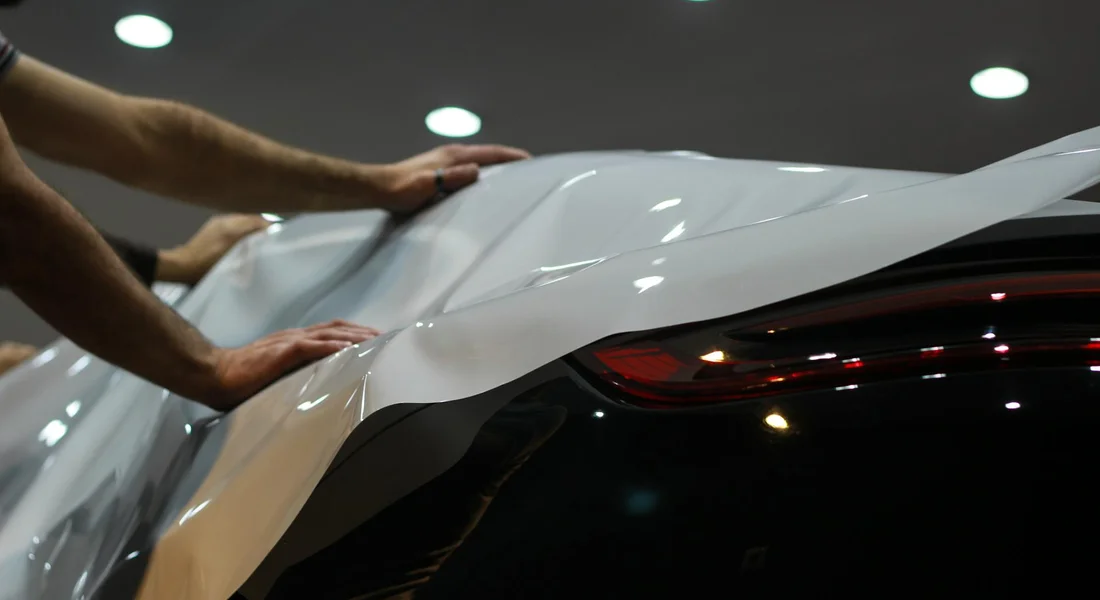
You see one number online and get a quote for something completely different. I have been there. The final price is not random. It is built from a few key factors that every good shop considers. Knowing them helps you understand your quote and talk to installers with confidence.
Your Vehicle’s Size and Shape
This is the biggest factor. Think of it like buying fabric for a suit. A suit for a child needs less material than one for a tall adult. A simple suit is easier to sew than one with a complex pattern.
My 2022 Porsche 911, the red garage queen, is a perfect example of a complex shape. Every panel is a compound curve. Wrapping the front bumper alone is an art form, requiring heat, precise stretching, and strategic seams to conform to all its angles without wrinkles. This takes more time, more skill, and often more vinyl due to trial pieces.
Contrast that with my 2018 Ford F-150. Its hood and doors are vast, flat expanses. While it needs much more square footage of vinyl, the application on those big panels is often more straightforward for a seasoned installer. The labor intensity of complex curves often outweighs the pure material cost of a larger, simpler vehicle.
So, how much does it cost to wrap a truck like an F-150? You are generally looking at the higher end of the standard vehicle scale because of its size. A full-size pickup or SUV often starts 25-50% higher than a sedan.
How much does it cost to wrap a van? A commercial van like a Mercedes Sprinter is a different beast. The sheer surface area is enormous. It is not uncommon for a full wrap on a high-roof van to cost two to three times what a standard car wrap would. It is a major project.
Shop Location and Reputation
Searching for “car wrap cost near me” will give you a huge range. A shop in a major metro area has higher overhead. Rent, utilities, and labor costs are simply more. A premium shop in the Bay Area or Los Angeles will command a different price than a skilled installer working out of a unit in an industrial park in Raleigh, NC.
You are not just paying for location. You are paying for peace of mind. A reputable shop invests in climate-controlled bays, professional training, and premium software for design and cutting. They use high-quality vinyl from known brands and back their work with a multi-year warranty against peeling, cracking, and fading. That warranty has value.
A garage operation might undercut them by a thousand dollars or more. Sometimes that is a fantastic deal from a talented individual. Sometimes it is a gamble with no safety net. I have seen cheap wraps fail in a year, taking the car’s clear coat with them during removal. The installer’s skill and the warranty they offer are parts of the product you are buying.
This logic explains the local variation you see. Car wrap cost AZ might be influenced by the extreme heat, requiring films rated for that environment. Car wrap cost Bay Area reflects the local economy and client expectations. Car wrap cost Sacramento might be slightly more accessible but still requires shops familiar with both heat and higher-end vehicles.
The Hidden Details
The basic quote is usually for a “exterior only” wrap. This means the vinyl wraps over the edges of panels but stops where you normally would not see it. For a show car or a perfectionist, that is not enough. They want the door jambs, the inside of the trunk lid, and maybe even the engine bay wrapped. This is a massive increase in labor and material. Every jamb must be meticulously cleaned and prepped. It can easily double the project’s time and cost. From there, you may also apply vinyl wrap car parts such as the hood, trunk, and interior panels. That broader scope heightens both the labor and the need for precise prep.
Then there is the question of what is underneath. Are you wrapping over factory paint? The shop will include a deep decontamination wash and possibly a light polish in their prep. But if you have an old, failing wrap or layers of vinyl, that must come off first. Wrap removal is a separate, labor-intensive service. It involves heat, plastic scrapers, and adhesive removers, all done carefully to not damage the paint. This adds several hundred dollars to the project’s bottom line.
When you ask how expensive is a wrap for a car, always clarify: Is this a full wrap or a partial? Are door jambs included? Is removal of my current wrap included? Getting these answers upfront prevents surprises. The difference between a basic exterior wrap and a full immersive wrap with jambs is often the difference between a moderate and a major automotive investment.
Regional Estimates: UK vs. US Car Wrap Costs
Pricing a car wrap is not like buying a part off a shelf. You are paying for skilled labor, material, and the shop’s overhead. The final number is a combination of your vehicle’s size and shape, the film you choose, and where you live. These tables show average starting prices for a basic, full color-change wrap using a reputable mid-grade vinyl film from an established shop. Think of it as the entry point for professional work.
United Kingdom Price Guide
In the UK, most quotes you receive will be inclusive of VAT (20%). Shop rates in London and other major cities are typically higher than in smaller towns. A shop’s reputation for handling complex curves and providing a long-term warranty often justifies a premium.
| Vehicle Type | Example | Estimated Starting Price |
|---|---|---|
| Supermini / City Car | Vauxhall Corsa, Ford Fiesta | £1,800 – £2,400 |
| Family Hatchback | Volkswagen Golf, Ford Focus | £2,200 – £2,800 |
| SUV / Crossover | Nissan Qashqai, Range Rover Evoque | £2,600 – £3,400 |
| Commercial Van | Ford Transit Custom, VW Transporter | £2,800 – £3,800+ |
These prices assume the vehicle is in good condition, free of major dents or rust that would require extra prep. A car with many complex body lines, like my old BMW 3 Series, will be at the higher end of its category. A simple, boxy van might land at the lower end.
United States Price Guide
The variance in the US can be dramatic. A shop in the Midwest may charge significantly less for labor than a premium shop in Los Angeles or Miami. The “car wrap cost per square foot” is a metric shops use internally to calculate material needs and labor hours, but you will almost never be quoted a per-square-foot price as a customer. It’s all about the complete vehicle job.
| Vehicle Type | Example | Estimated Starting Price |
|---|---|---|
| Compact Sedan | Honda Civic, Toyota Corolla | $2,500 – $3,500 |
| Full-Size Truck / SUV | Ford F-150, Chevrolet Tahoe | $4,000 – $6,000+ |
| Midsize SUV | Ford Explorer, Jeep Grand Cherokee | $3,200 – $4,500 |
| Sports Car | Porsche 911, Chevrolet Corvette | $3,500 – $5,500 |
Why is a truck so much more? Look at the sheer surface area. My F-150 has enormous flat panels, a big roof, and large doors. It simply uses more film and takes more time to install well. A sports car like a 911 is lower but covered in challenging curves, which demands a higher skill level to avoid wrinkles and stretch marks. Always get multiple quotes and look at examples of the shop’s past work on a vehicle similar to yours.
Wrap vs. Paint: A Cost and Value Comparison
Let’s get straight to the question every car owner asks. Is it smarter to wrap your car or paint it? The answer isn’t the same for everyone. It comes down to your wallet, your goals, and what you drive. I’ve had cars that needed both solutions.
Car Wrap Cost vs. Paint: The Real Numbers
You cannot compare the cheapest option of one to the best of the other. That’s a useless comparison. You must compare similar quality levels.
A mid-range, professional full vehicle wrap with a quality brand vinyl like Avery or 3M typically runs between £2,500 to £4,000 in the UK, or $3,000 to $5,000 in the US. This price includes material, design (for a simple color change), and professional installation by a certified installer.
A quality respray-not a cheap Maaco-style job, but a proper multi-stage paint job with proper prep, color sanding, and clear coat-starts around £5,000 / $6,000 and climbs fast. For a show-quality finish on a larger vehicle, you’re easily looking at £8,000+ or $10,000+.
The upfront cost difference is clear: a professional wrap is almost always less expensive than a comparable quality paint job. When you weigh car paint vs wrap cost, it helps to consider long-term maintenance and durability. We’ll break down those factors in the next steps to help you decide which option fits your budget.
The Pros and Cons Side-by-Side
This is where your goal matters most. Here’s the breakdown from my time in the shop.
Vinyl Wrap Pros:
- Reversibility: This is the biggest win. Don’t like the color in three years? Peel it off and your factory paint is underneath, preserved.
- Paint Protection: The vinyl acts as a shield against minor scratches, UV fading, and road debris. It’s why I put Paint Protection Film (PPF) on the front of my Porsche.
- Faster Turnaround: A skilled team can wrap a car in 2-3 days. A proper paint job takes a week or more for cure time alone.
- Special Effects: Wraps offer finishes paint can’t easily replicate: chrome, matte, satin, color-shift, carbon fiber textures.
Vinyl Wrap Cons:
- Durability Limit: A wrap lasts 3-7 years, depending on climate and care. It is not permanent. Sun, salt, and automatic car washes will shorten its life.
- Surface Imperfections: The wrap will show every dent and ripple underneath. It does not fix bodywork.
- Not for Every Surface: Some complex curves and deep recesses are challenging. A cheap installer will use seams in bad places.
Paint Job Pros:
- Permanence: A great paint job, when cared for, can last the life of the vehicle.
- Depth and Feel: Nothing matches the deep, liquid gloss of a perfectly applied and polished clear coat. It’s tangible.
- Can Fix Imperfections: A respray includes bodywork. Dents and scratches are repaired before paint is applied.
Paint Job Cons:
- Permanence: Yes, this is also a con. You are stuck with the color. It also permanently alters the vehicle’s factory finish, which can hurt resale value on classics.
- Higher Cost: As shown, a true quality job costs significantly more.
- Downtime: Your car is in the booth for a long time. You need another vehicle.
For most people wanting a color change, a wrap provides more flexibility and value for the money. This opens up a range of color change wrap possibilities you can tailor to your style. In the next steps, you’ll see links to specific wrap options.
Is It Cheaper to Wrap a Truck Than Paint?
Almost always, yes. This is the math where wrapping makes the most sense. Trucks and SUVs have a lot of surface area. Paint is priced by the hour of labor and amount of material. More square feet means a much higher paint bill, especially when compared to standard paint jobs with varying thicknesses.
The wrap material cost goes up for a larger vehicle, but the labor doesn’t scale as steeply as the meticulous process of prepping, masking, spraying, and polishing an entire truck. My F-150 would cost a fortune to respray its deep blue paint properly. A wrap protects that factory paint from brush scratches and road salt while giving me a new look for half the price of a good paint job.
Wrapping a truck or large SUV is almost universally the more cost-effective choice for a color change.
Are Car Wraps Worth It? My Take on Value.
“Worth it” depends on what you’re buying. You are not just buying a color.
You are buying paint preservation. For a new car or a car with perfect factory paint (like a garage-kept vehicle), a wrap acts as a sacrificial layer. When you remove it, the paint is pristine. This is huge for resale value.
You are buying personalization without commitment. Want to try bright yellow for a year? Go for it. Tired of it? Go back to stock or try something else. This freedom has real value.
You are buying a specific look. A flawless matte wrap has a dramatic, uniform finish that is extremely difficult and expensive to achieve with matte paint.
Are they worth it? For my black BMW, a clear paint protection film wrap (PPF) was worth every penny to stop new swirls. For my Miata project, a full respray was the only way to bring the single-stage red back to life. For my daily driver truck, a color-change wrap would be a fun, protective upgrade I could reverse later.
If your goal is protection plus a new color, or you want to change your car’s appearance without a permanent, high-cost commitment, a professional wrap is absolutely worth the investment. Working with professional car wrap installers ensures the wrap is applied correctly and lasts for years. Just budget for it like any major automotive service, and choose your installer as carefully as you’d choose a surgeon.
The DIY Question and Real-World Longevity
Can I vinyl wrap my own car? Sure. Should you? That is a different question.
I tried wrapping the roof of my black BMW. I had a small roll of gloss black vinyl, a heat gun, and a full Saturday. The material itself cost about $150. For a whole car, a DIY material budget is typically $500 to $800 for a quality cast vinyl film. The price to wrap a car yourself seems low on paper.
The reality is different. Without skill, you will waste material. You will crease it. You will trap dirt. You will over-stretch it around curves, causing it to fail prematurely. My BMW’s roof looked okay from ten feet away. Up close, it was a mess of lifted edges and tiny wrinkles near the antenna. Professional installation is not just about laying down vinyl, it is about preparing the surface, planning the seams, and applying tension with an artist’s touch. That takes hundreds of hours of practice.
How Long Does a Car Wrap Last?
A professionally installed wrap using a premium film lasts between 3 and 7 years. My Tesla has had its matte wrap for over four years and it still looks sharp. The lifespan depends on three things: film quality, installation skill, and your maintenance.
Sun, salt, and improper cleaning are the enemies. UV exposure is the main killer, fading and brittling the vinyl over time. This is why a wrap in Arizona may not last as long as one in Scotland. Proper maintenance is simple but non-negotiable when it comes to extending the lifespan of vinyl wraps.
You must wash it correctly to preserve the finish and adhesion.
Can You Wash Your Car Once It Has Been Wrapped?
Yes, absolutely. You must wash it. Neglect leads to stained, damaged film. The rules are just different than for clear coat.
You need a gentle, streak-free wash routine. I treat my wrapped Tesla and my Porsche with PPF the same way. It is a two-bucket wash, but with extra care.
- Use a dedicated car wash soap, never dish detergent. Dish soap strips sealants and can dry out the vinyl.
- Wash in the shade with a cool surface. Hot vinyl is soft and more easily scratched.
- Use a soft, clean microfiber wash mitt. Any grit trapped in your mitt will scratch the wrap just like it scratches paint.
- Dry with a clean, plush drying towel. Letting water spot is a bigger risk on matte or satin finishes, where spots can etch.
For protection, use a spray sealant made for vinyl wraps or PPF every few months. This creates a barrier against contaminants and makes future cleaning easier. On my cars, I use a quick detailer with light sealant properties after every wash. It takes two minutes and keeps the surface slick.
Avoid anything abrasive. Do not use waxes with cleaners, heavy polishing compounds, or stiff brushes. If you need to remove a stubborn bug splatter or tar spot, use a dedicated vinyl wrap cleaner. Always test any new product in an inconspicuous area first.
Detailer’s Pro-Tip: How to Budget and Get Quotes
Let’s shift gears from technique to strategy. Getting a car wrapped with vinyl is a big investment. You are not just buying vinyl, you are buying an installer’s skill, time, and patience. I treat this process the same way I would before a major paint correction on my black BMW. Preparation and research are everything.
Get Three Quotes and Ask the Right Questions
Do not call just one shop. Get at least three detailed quotes. This is not about finding the cheapest price first. It is about understanding the market and the service.
When you get a quote, your first question should always be: “What is included in this price?”
- Does it include a full prep wash and decontamination?
- Are door jambs, inner trunk lips, or underside of hood covered?
- Is removal of mirrors, door handles, or badges part of the job, or will the vinyl be tucked and cut around them?
- What brand and series of vinyl are they using (3M, Avery, etc.)?
- Is a ceramic coating over the wrap included or offered as an add-on?
A detailed, itemized quote tells you a shop is professional and transparent, while a single bottom-line number can hide shortcuts.
Demand to See Their Work, Especially on Your Car Type
Any reputable shop will have a portfolio. Ask to see photos or, better yet, visit to see a car in person. Pay close attention to complex areas.
Look at the edges around the headlights, the tight corners of the front bumper, and the recesses around the door handles. The vinyl should be smooth, without wrinkles or lifted edges.
Tell them what you drive. If you have a Tesla Model 3 with that flat front end, ask to see their work on similar panels. If it’s a Porsche 911 with sharp body lines, find an example. A shop that mostly wraps vans might struggle with the curves of a Miata. Their portfolio should match your ambition.
The Cheapest Quote is Often the Most Expensive Lesson
I see this all the time. Someone chooses the lowest bidder to save a thousand dollars. Six months later, the vinyl is peeling, stained, or worse, it bonded to the clear coat and ripped it off during removal.
You are paying for a skill that directly protects your paint. A proper installer uses the right tools, works in a clean environment, and knows how to stretch and heat the material without damaging what’s underneath. They know how to remove it safely years from now.
Choosing a wrap installer based solely on price is like choosing a painter based on who has the cheapest sandpaper, it will scar the foundation.
Online Calculators are Just a Starting Point
You will find online car wrap cost calculator tools. They ask for your vehicle make, model, and maybe your zip code. They give you a number.
Use this number only as the roughest possible estimate. It cannot account for your local shop’s labor rates, their specific material markup, your car’s condition, or the complexity of your chosen design. Think of it as checking the weather forecast before a long drive. It gives you a general idea, but you still need to look out the window before you leave.
A Tactful Approach to Negotiation
Good wrap shops are artisans. You do not haggle over their price like you would for a used tire. There are, however, respectful ways to see if there is any flexibility.
- Timing: Ask if they offer an “off-season” discount. The dead of winter (when no one is thinking about show cars) can be slower for some shops.
- Payment Method: Simply ask, “Do you offer a discount for cash payment?” This saves them credit card processing fees.
- Scope: If their quote is high, ask if there are areas you could exclude to lower the cost. Perhaps you skip wrapping the roof or the door jambs. This is better than asking them to lower their rate for the full job.
The goal is a fair price for exceptional work, not a bargain that leaves you both feeling sour. A good relationship with your installer means they will take care of you if a panel needs a touch-up down the road.
Your Wrap, Your Wallet: Making Sense of the Price Tag
The true cost of a car wrap is defined by the installer’s skill and the vinyl’s quality, not just the initial quote. Always value a detailer’s proven reputation and preparation process over the lowest price to guarantee a lasting, beautiful result.
Overlooking this often leads to adhesive failure and peeling that can permanently mar your car’s factory paint.
References & External Links
- Car Wrap Cost: Ultimate Guide | Metro Restyling Blog
- r/cars on Reddit: Car Wrap – How Much Does It Cost To Wrap A Car?
- How Much Does It Cost to Wrap a Car? – Kelley Blue Book
- How Much Do Vehicle Wraps Cost? Guide To Graphics Prices
- How Much Does It Cost To Wrap A Car?
- How Much Does a Car Wrap Cost in San Antonio? Everything You Need to Know 2025 – 10KWRAPS
- Full Vehicle Wrap In Seattle | Wrap Guys
Max Gunther
Max is an automotive enthusiast having worked as a car mechanical and in interior detailing service for over 25 years. He is very experienced in giving your old car, a new fresh vibe. He has detailed many cars and removed very tough smells and stains from all kinds of cars and models, always ensuring that his work and advice helps his customers. He brings his first hand experience to his blog AutoDetailPedia, to help readers breath new life into their car interiors.